

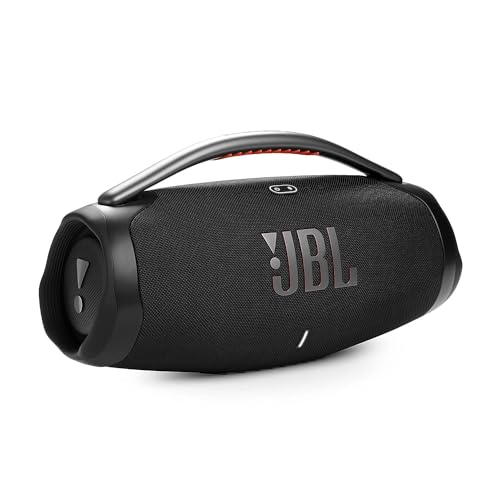
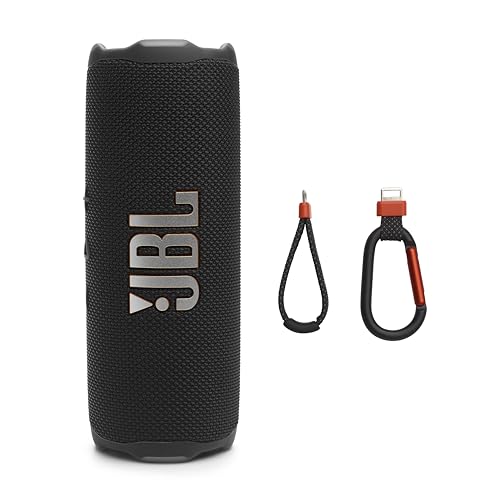
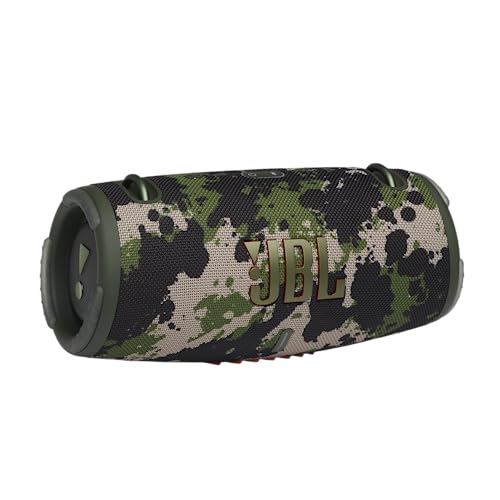
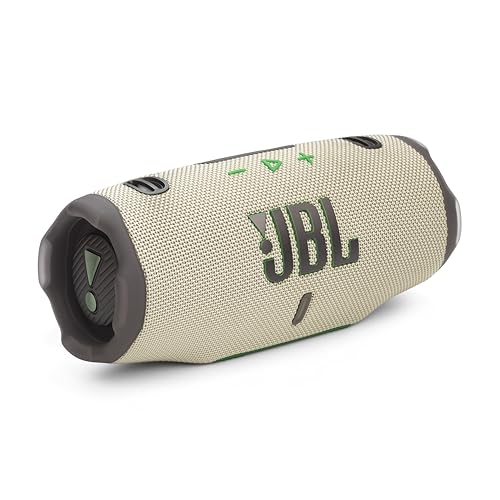
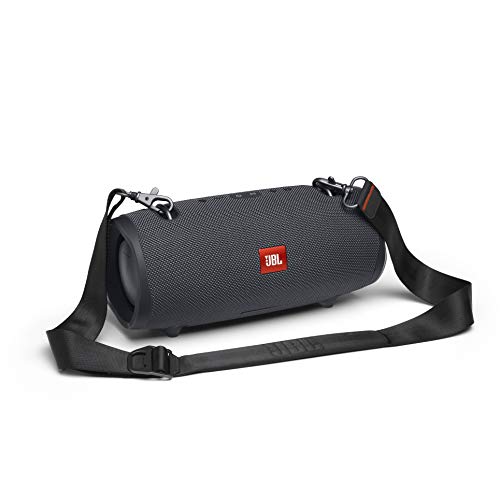
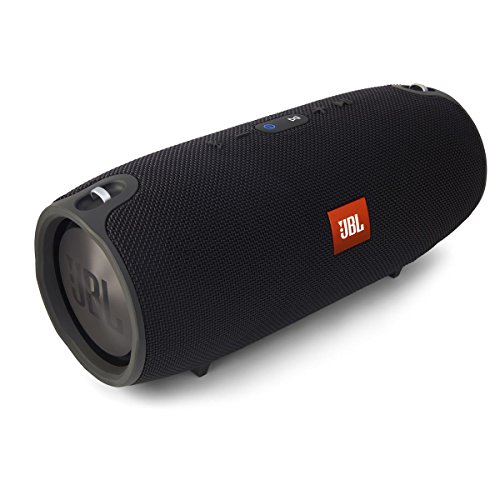
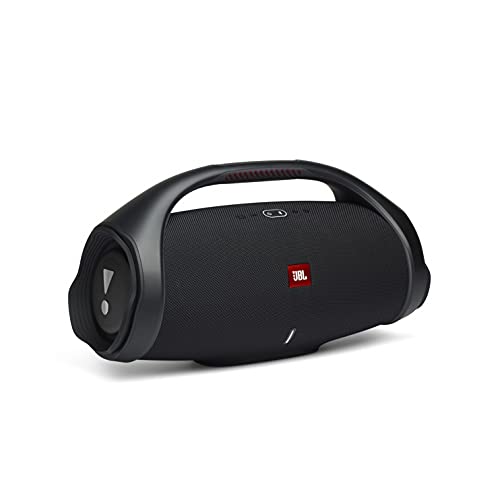
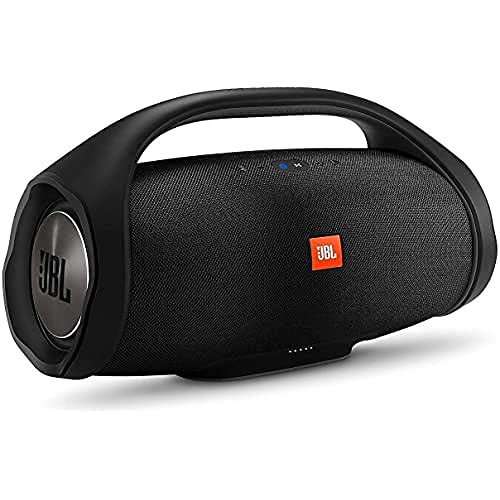
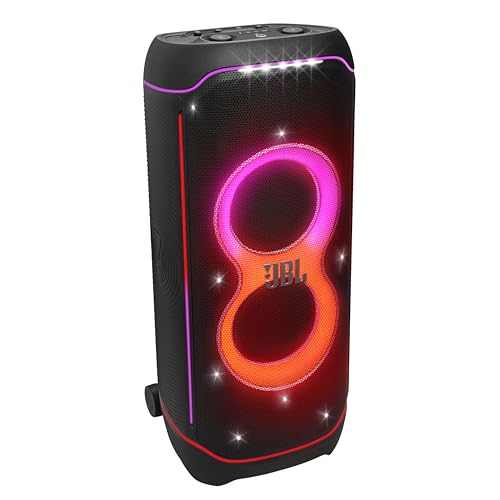
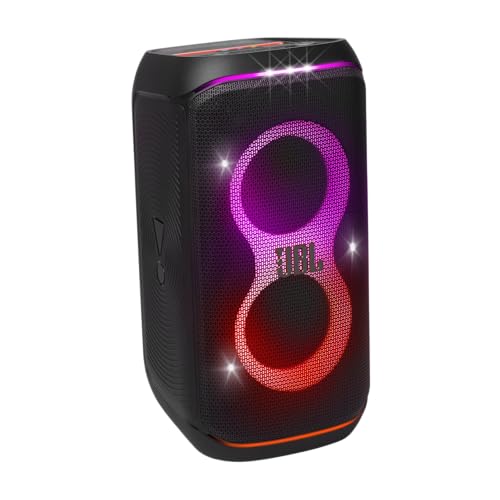
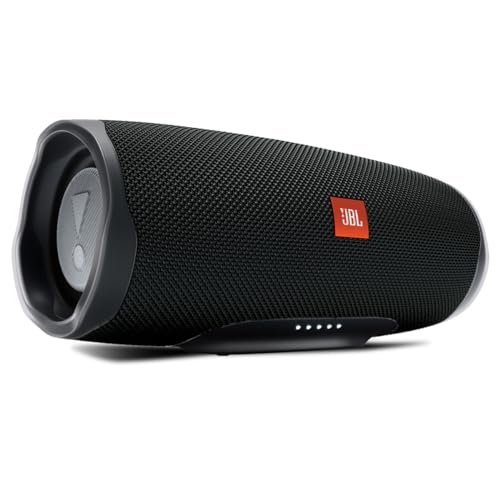
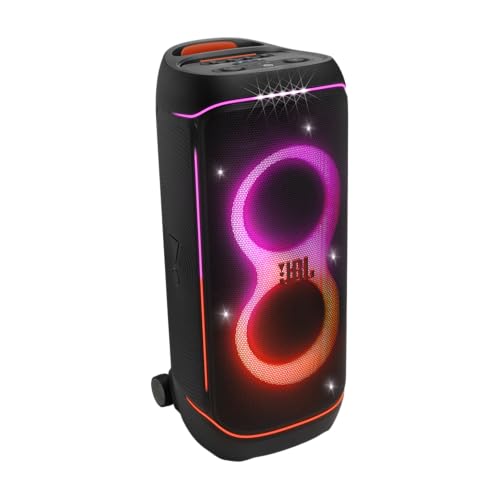
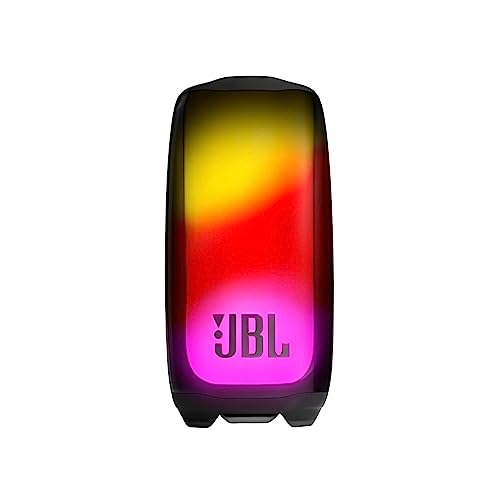


Are JBL portable speakers good?
JBL portable speakers have an average overall score of 7.9, ranking #1 among comparable portable-speaker brands, and a user rating of 9.6, placing them at #1 based on user reviews.
JBL portable speakers are strong choices for outdoor listening, bass-forward sound, and a product ladder that covers backpacks, gardens, large parties, and illuminated event systems. Water resistance and speaker linking are available across many current families.
JBL portable speakers are less consistent across old and new generations because app support, linking protocols, USB-C, and Wi-Fi vary. Compact models can also sound congested when pushed, while PartyBox units sacrifice easy portability for output.
The following chart compares portable-speaker brands by average overall score.
[horizontal-chart-16826570532110669241166463899741574182283116530753]What are the main advantages of JBL portable speakers?
The main advantages of JBL portable speakers are as follows:
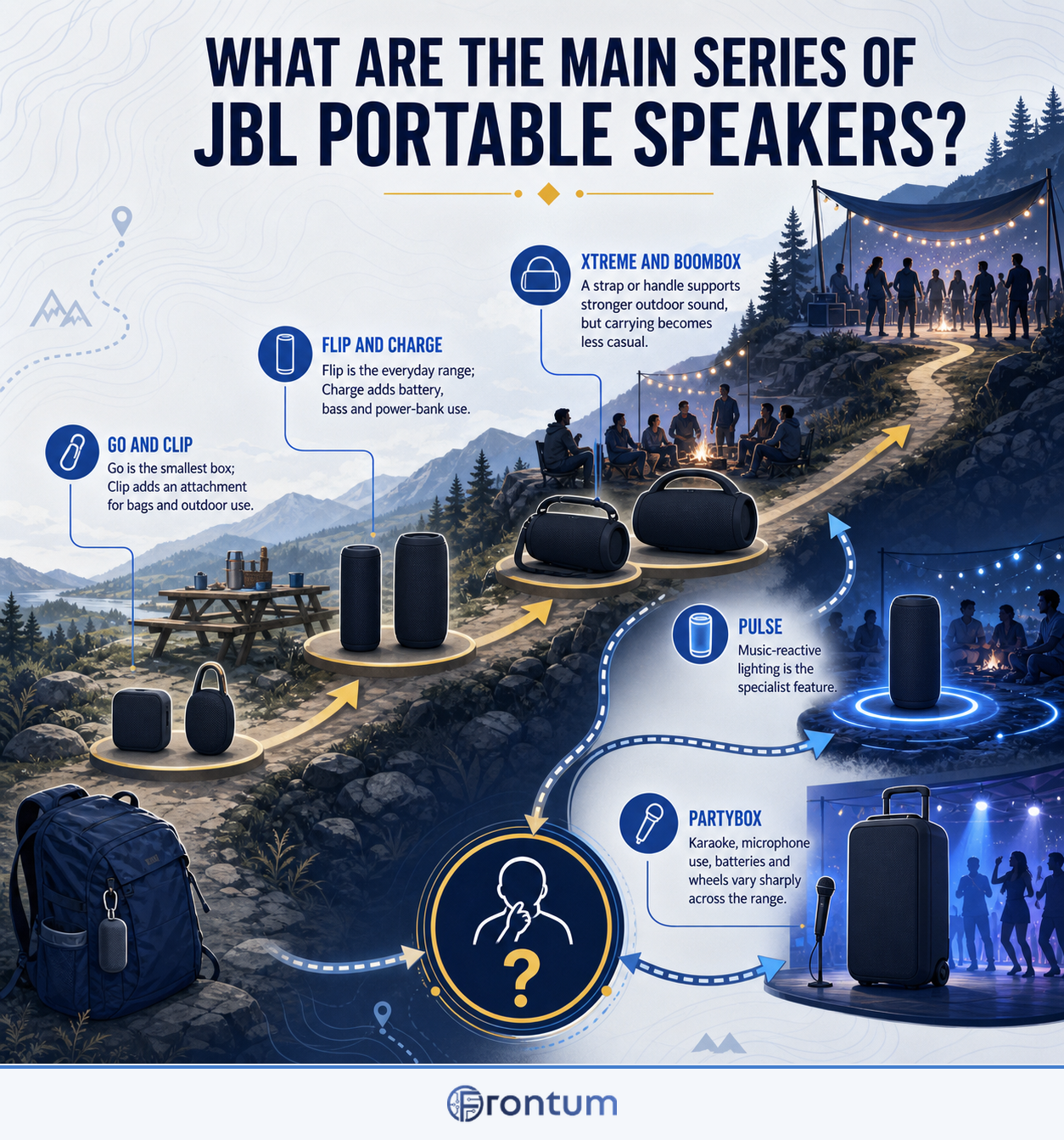
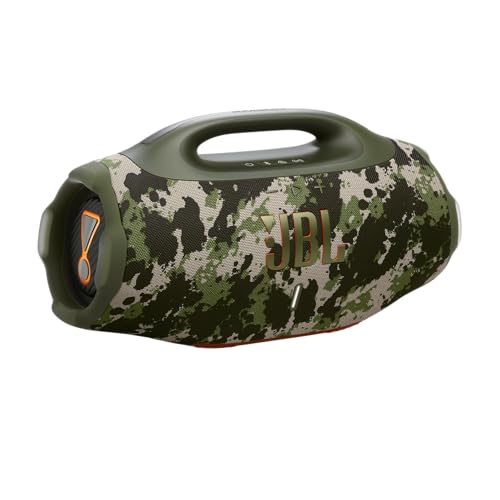
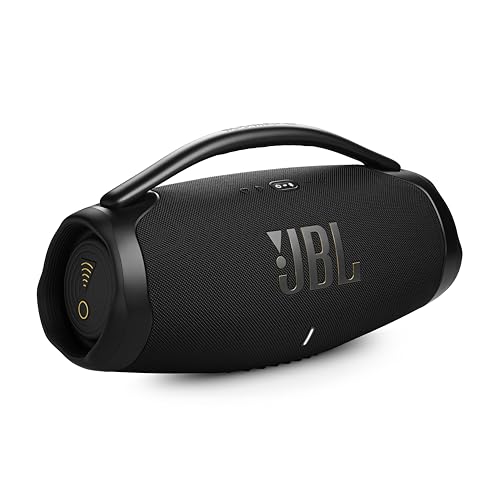
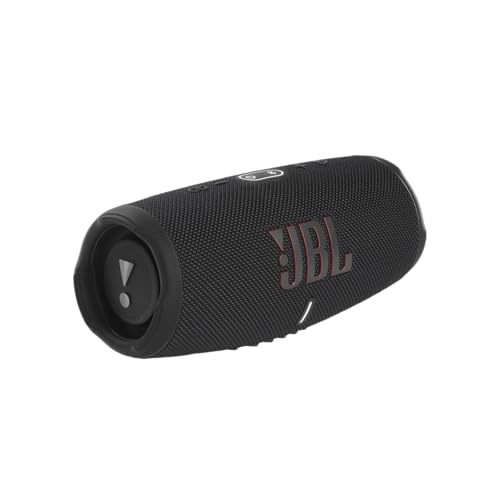
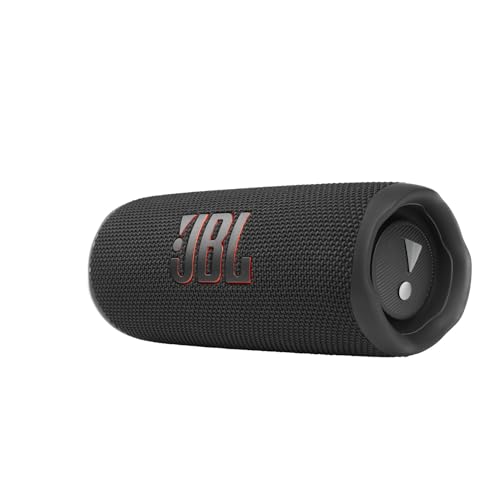
- Broad size range: Go and Clip suit pockets and bags, Flip and Charge cover everyday use, and Xtreme, Boombox, and PartyBox provide progressively more bass and output. The ladder makes capacity and transport trade-offs easy to understand.
- Outdoor protection: Many current JBL models use IP67 or a similar water-resistant design. That gives the brand unusually broad rugged choice from compact speakers to larger outdoor models.
- Output and bass: JBL tuning usually delivers immediate bass impact and useful loudness for the cabinet size. Larger lines add passive radiators and amplifier headroom for gardens and parties.
- Battery and power-bank options: Charge, Xtreme, and Boombox families often combine long playback with phone charging. Buyers can choose roughly 10–24 hours without moving straight to a mains-only party system.
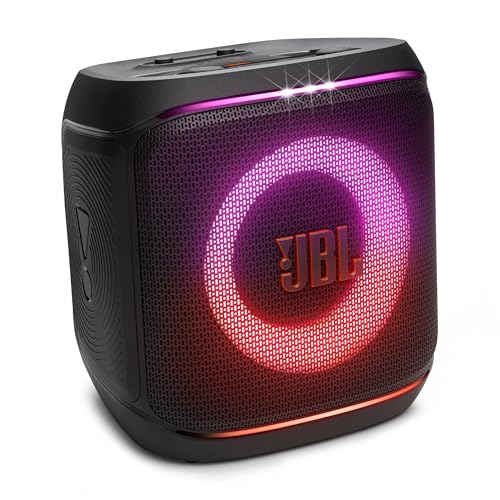
- Party and app features: Compatible models offer EQ, stereo or group linking, lighting control, and firmware updates. Pulse and PartyBox provide stronger visual or event features than most mainstream rivals.
What are the main disadvantages of JBL portable speakers?
The main disadvantages of JBL portable speakers are as follows:
- Bass-heavy balance: The energetic tuning can mask vocals or detail in reflective rooms, especially with bass boost enabled. Buyers wanting neutral home listening may prefer Bose, Sonos, or a more restrained JBL EQ setting.
- Generation compatibility: Connect, Connect Plus, PartyBoost, Auracast, and PartyBox linking are not one universal system. Two JBL speakers may be unable to pair if they belong to different generations.
- Feature inconsistency: Wi-Fi, AUX, USB audio, microphone input, app EQ, and power-bank operation vary by family. Similar-looking models can have very different connection sets.
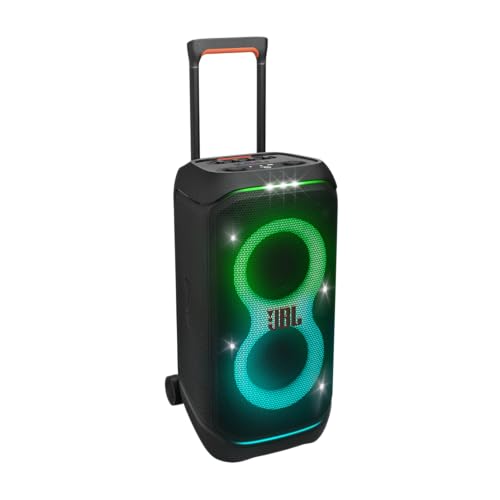
- Weight at the top end: Boombox and PartyBox units provide real output but can weigh from several kilograms to almost 40 kg. Wheels and handles do not make every model convenient for stairs or public transport.
- Premium party pricing: Large PartyBox models cost hundreds or more than £860. The expense is worthwhile for event features but excessive when a smaller Charge or Xtreme already covers the space.