
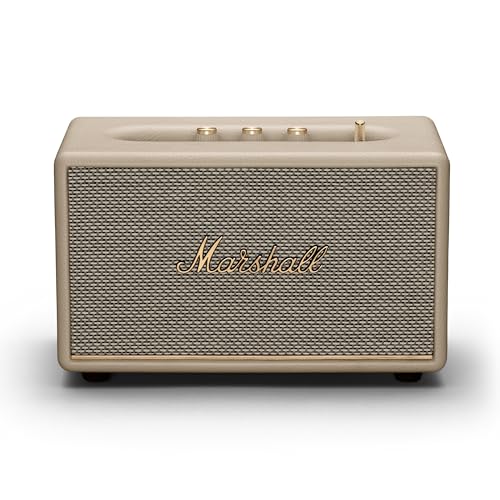
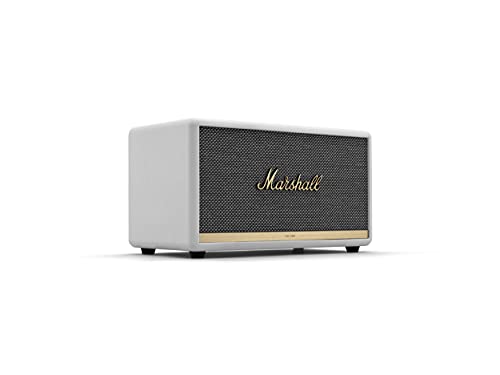
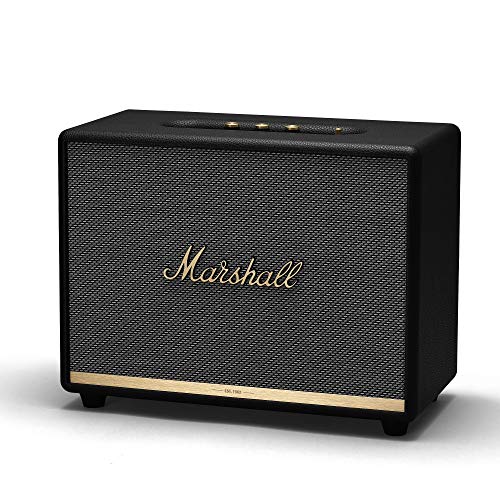
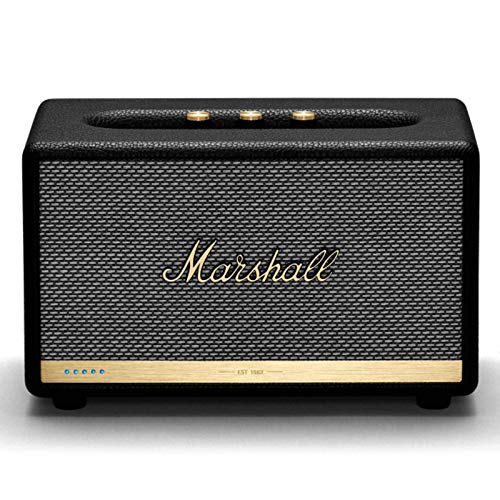
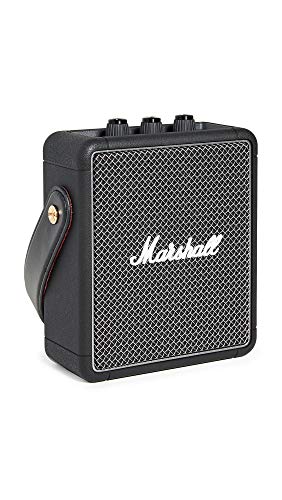


Are Marshall portable speakers good?
Marshall portable speakers have an average overall score of 7.4, ranking #8 among comparable portable-speaker brands, and a user rating of 9.4, placing them at #5 based on user reviews.
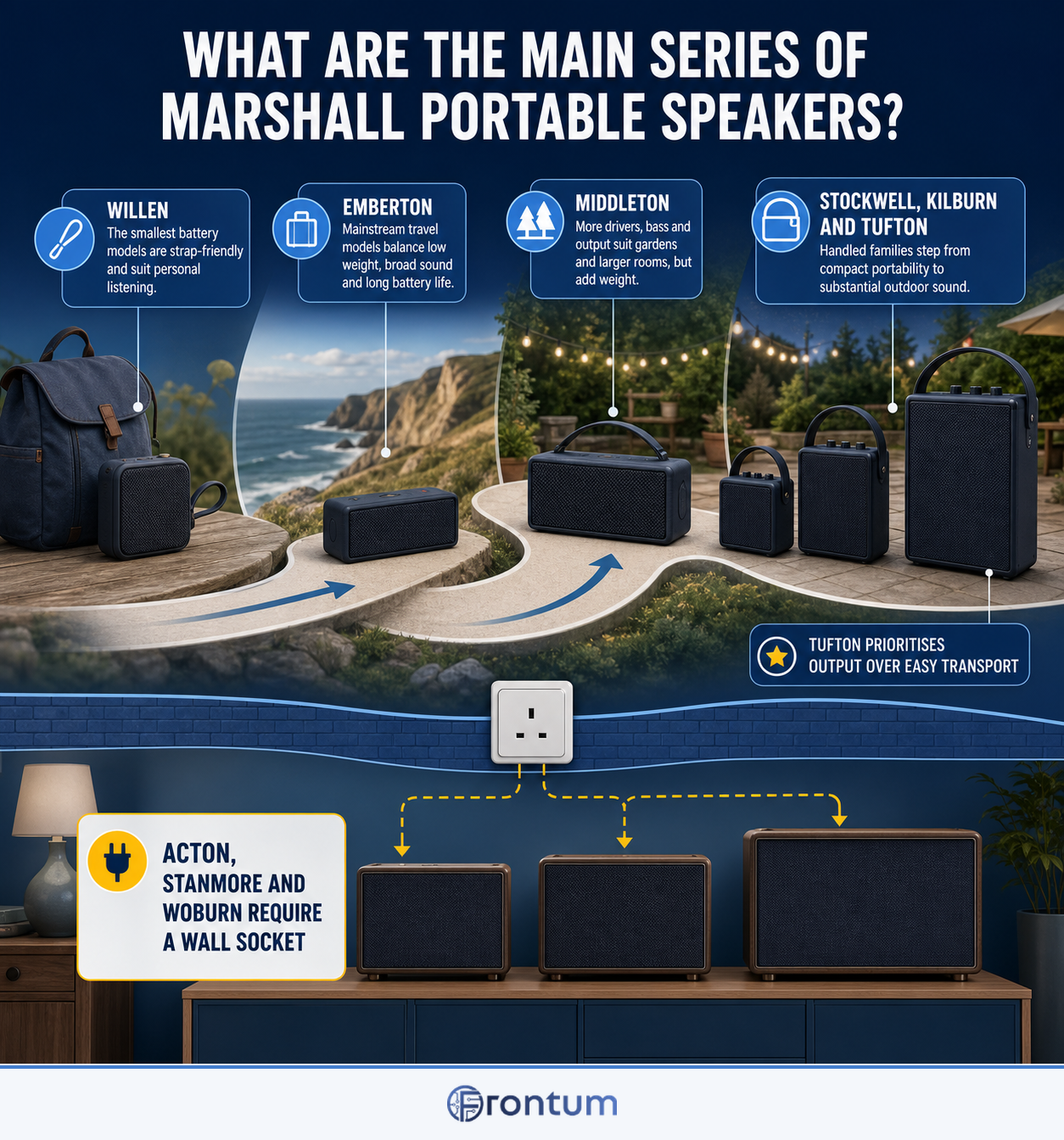
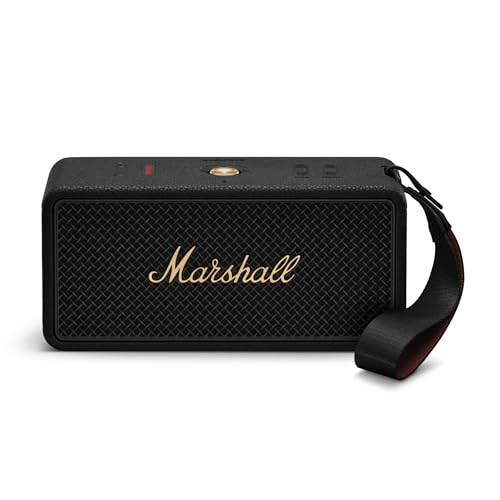
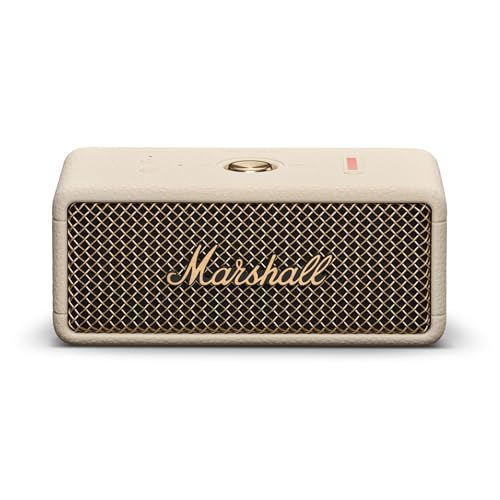
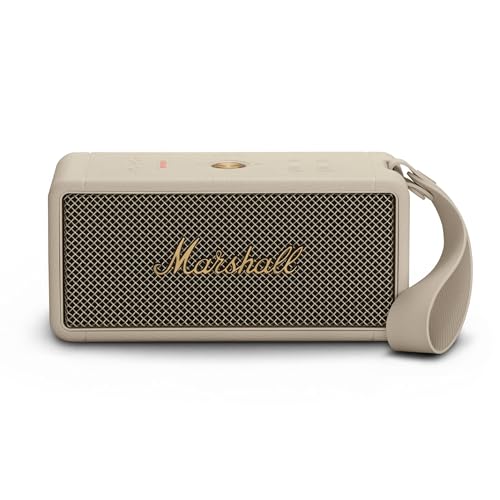
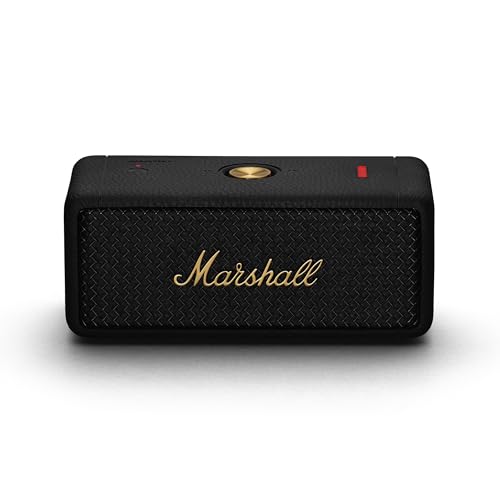
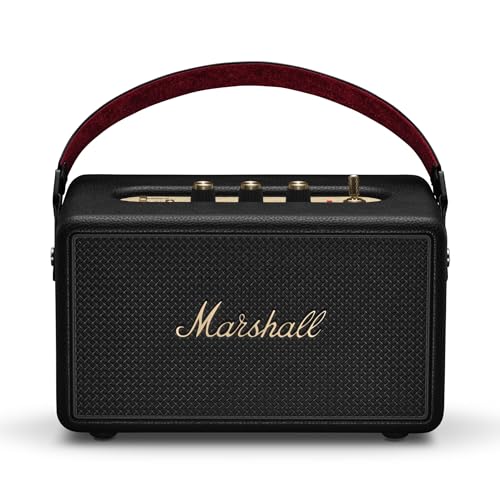
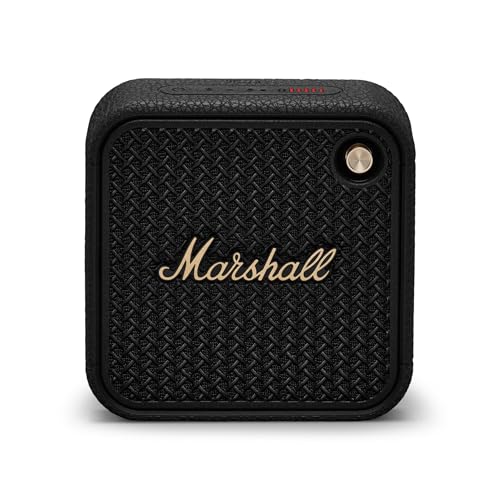
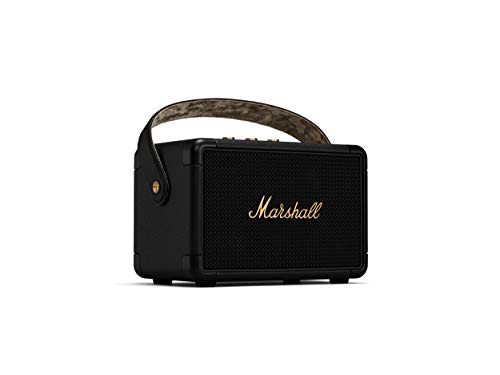
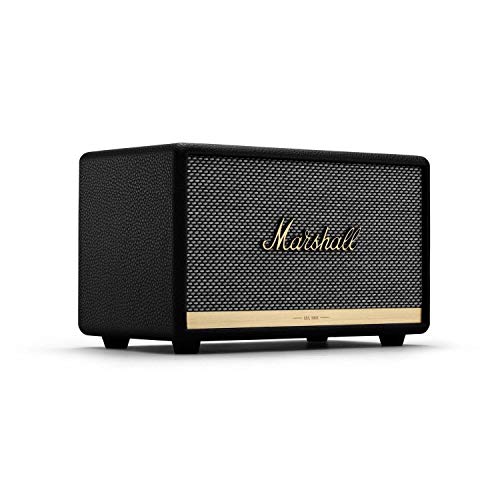
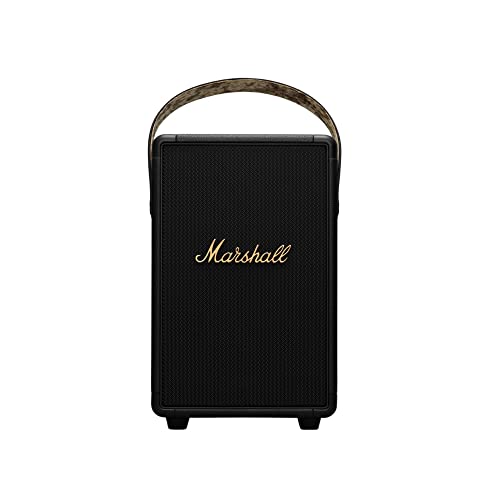
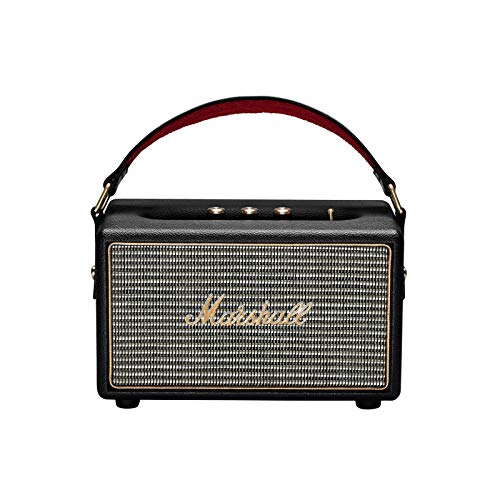
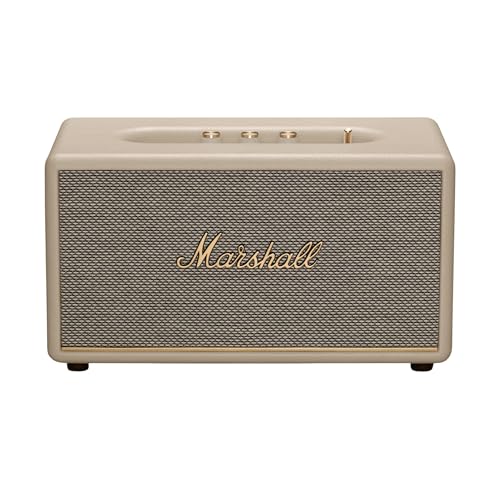
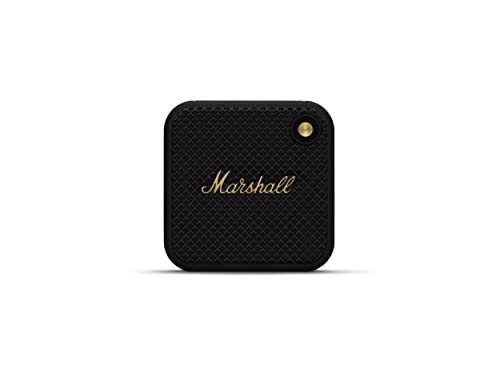
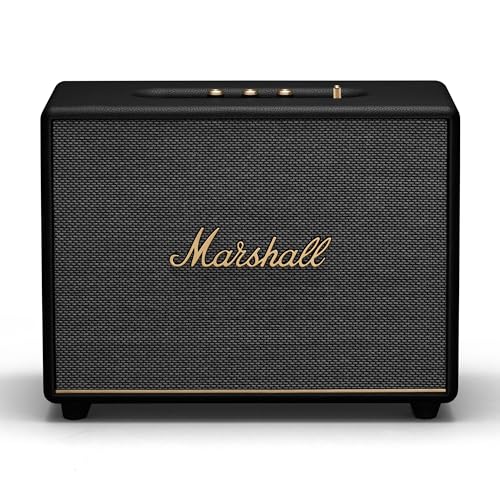
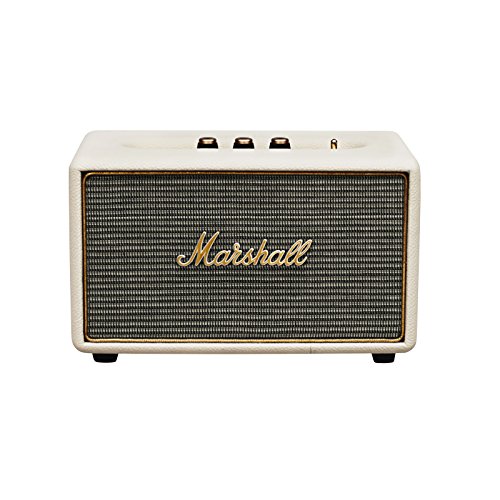
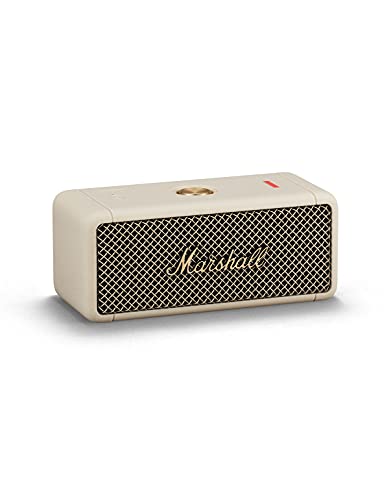
Marshall portable speakers are strongest for distinctive amplifier-inspired design, energetic sound, tactile controls, and a clear step from pocket-size Willen through Emberton and Middleton to larger Kilburn and Tufton models.
Marshall portable speakers are less suitable if you need Wi-Fi multi-room playback, broad voice-assistant support, RGB lighting, or the lowest price per watt. Water protection, USB-C, app functions, and speaker linking also vary sharply between generations.
The following chart compares portable-speaker brands by average overall score.
[horizontal-chart-16826570532110669241166463899741574182283116530753]What are the main advantages of Marshall portable speakers?
The main advantages of Marshall portable speakers are as follows:
- Distinctive controls and design: Knurled knobs, durable grilles, and amplifier-style cabinets make the range easy to recognise and pleasant to operate. Physical bass and treble controls on larger models reduce dependence on an app.
- Strong size ladder: Willen, Emberton, Middleton, Kilburn, and Tufton cover genuinely different carrying and output needs. Buyers can move up for bass and coverage without abandoning the same design language.
- Long battery options: Many current battery models target roughly 20–30 hours, while newer generations can extend further at moderate volume. This makes Emberton- and Middleton-class speakers practical for weekends away.
- Outdoor-ready compact models: Willen, Emberton, and Middleton generations include meaningful IP protection rather than cosmetic rugged styling. The protected families suit kitchens, patios, and travel better than mains-powered Acton or Stanmore models.
- Full, lively presentation: Marshall tuning generally favours punch, warmth, and strong midrange presence. Rock, pop, and live recordings sound engaging without requiring extensive setup.
What are the main disadvantages of Marshall portable speakers?
The main disadvantages of Marshall portable speakers are as follows:
- Premium pricing: Marshall often charges more than similarly powerful mainstream Bluetooth rivals. Part of the price pays for materials, controls, and styling rather than extra output or connectivity.
- Uneven weather protection: Willen, Emberton, and Middleton are the safer outdoor choices, but many Kilburn, Tufton, Acton, Stanmore, and Woburn generations have weaker or no meaningful water rating. The look alone does not indicate durability.
- Limited smart ecosystem: Most battery models prioritise Bluetooth and omit Wi-Fi, AirPlay, and voice assistants. Buyers wanting seamless whole-home grouping will find Sonos or selected Bang & Olufsen products more capable.
- Generation-dependent linking: Stack Mode, stereo pairing, charging ports, and app support are not universal across Marshall families. Two speakers with similar styling may not link in the way you expect.
- Weight rises quickly: Middleton and Kilburn are movable, while Tufton and the mains-powered home models become substantial pieces of equipment. Larger cabinets should not be treated as backpack speakers.