
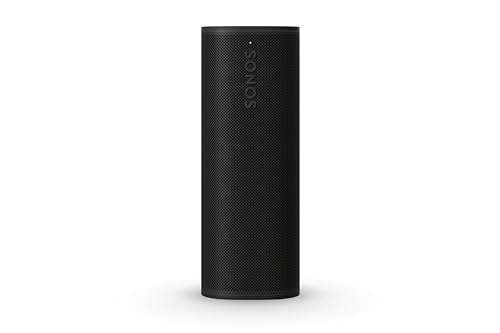
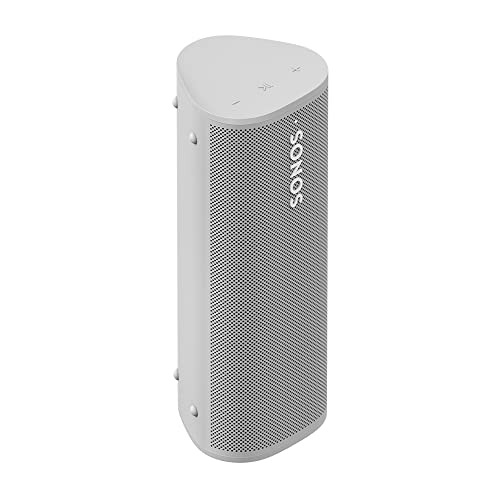
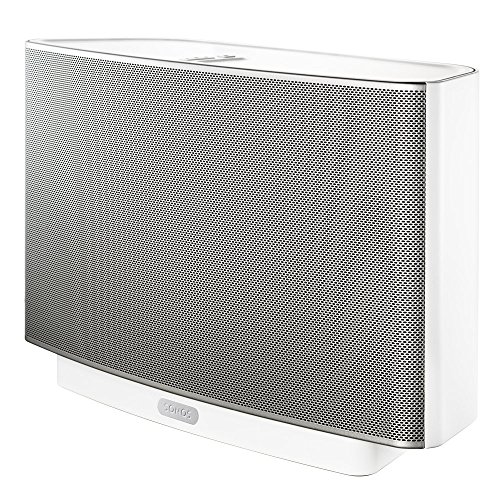
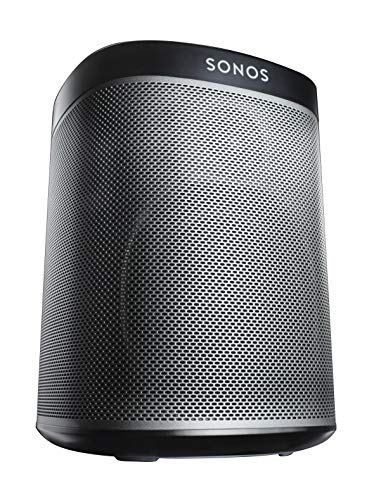
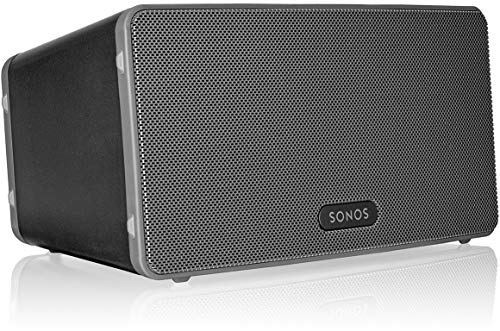
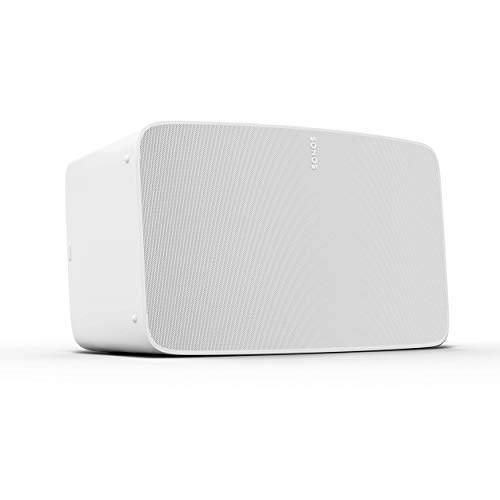


Are Sonos portable speakers good?
Sonos portable speakers have an average overall score of 7.1, ranking #13 among comparable portable-speaker brands, and a user rating of 8.9, placing them at #14 based on user reviews.
Sonos portable speakers are strongest for listeners who want one speaker to move between Bluetooth use outdoors and synchronised Wi-Fi playback at home. Roam and Move integrate with Sonos grouping, AirPlay, app EQ, and automatic tuning.
Sonos portable speakers are less suitable when low price, AUX inputs, broad Android casting, lighting, or very high party output matters. Their best features depend on the Sonos app, network, account, and compatible product generations.
The following chart compares portable-speaker brands by average overall score.
[horizontal-chart-16826570532110669241166463899741574182283116530753]What are the main advantages of Sonos portable speakers?
The main advantages of Sonos portable speakers are as follows:
- Wi-Fi multi-room integration: Roam and Move can join the same rooms and groups as compatible Sonos home speakers. This is their clearest advantage over ordinary Bluetooth-only portable models.
- Bluetooth away from home: Battery models switch to direct Bluetooth when Wi-Fi is unavailable. The same speaker can therefore serve a garden, trip, and home ecosystem without separate products.
- Consistent app control: The Sonos app centralises streaming services, grouping, EQ, alarms, and firmware. Buyers already using Sonos gain familiar controls and synchronised playback.
- Automatic tuning: Compatible portable models can adapt their sound as they move between locations. This helps Move or Roam sound more balanced near a wall, on a shelf, or outside.
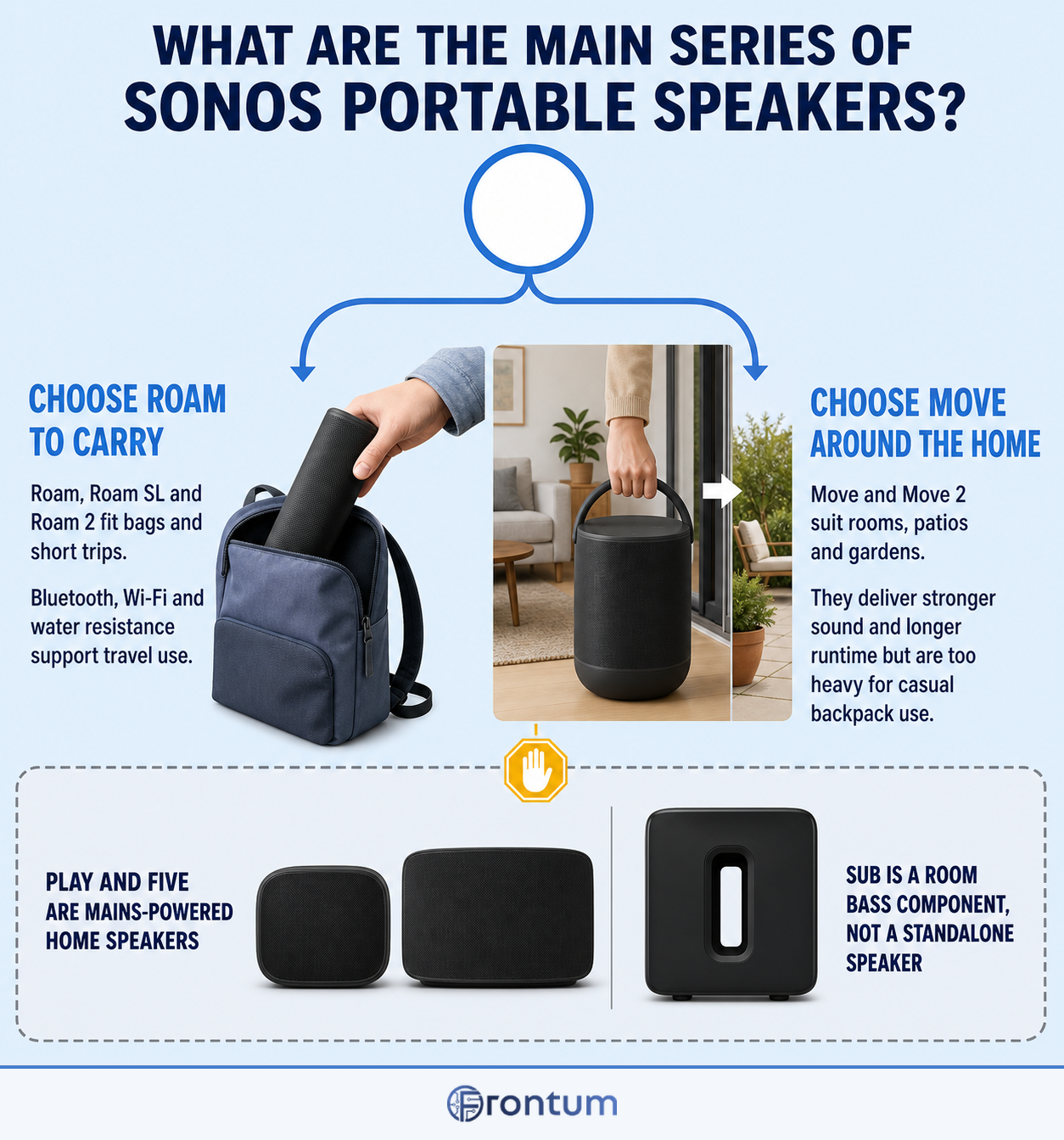
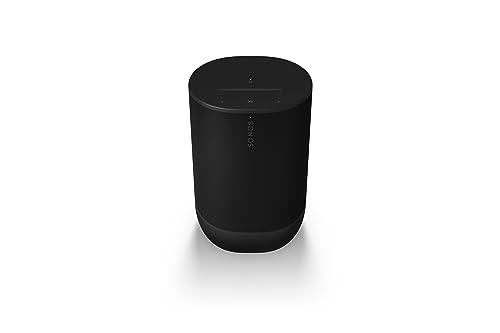
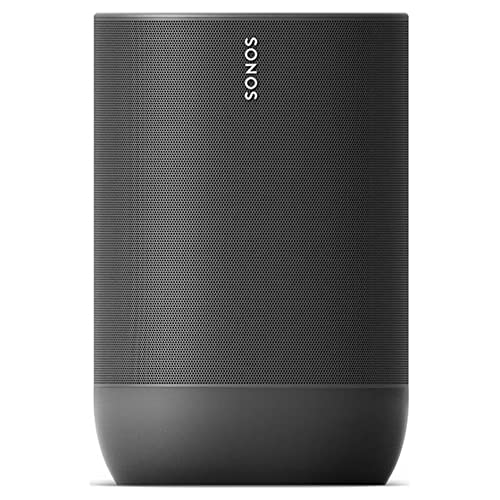
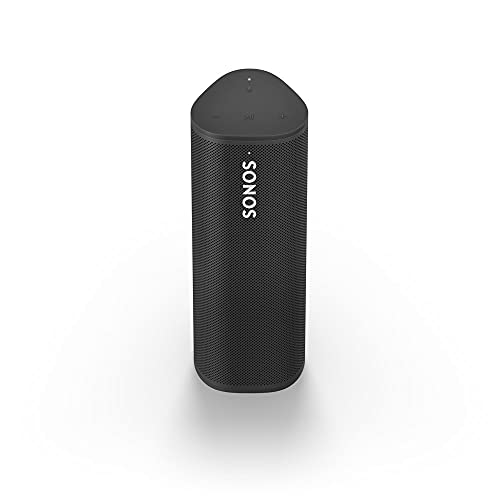
- Refined family roles: Roam is compact and water resistant, while Move trades weight for stronger bass, output, and battery endurance. The limited range makes the main use-case choice relatively clear.
What are the main disadvantages of Sonos portable speakers?
The main disadvantages of Sonos portable speakers are as follows:
- Ecosystem dependence: Setup, grouping, updates, and many streaming features depend on the Sonos app and a working home network. Buyers wanting simple offline controls may find the system excessive.
- Premium pricing: Roam costs more than many similarly sized Bluetooth speakers, and Move occupies a much higher tier. The value improves mainly when Sonos multi-room features will actually be used.
- Limited wired inputs: Most portable Sonos models do not provide a conventional 3.5 mm AUX input, and USB-C does not automatically mean USB audio. Turntables, laptops, and televisions may need another Sonos product or adapter.
- Mixed portability: Roam is easy to pack, but Move is several kilograms and designed mainly for carrying around a property. Play, Five, and Sub products require mains power and should not be mistaken for travel speakers.
- Platform limits: AirPlay is well supported on compatible models, but Chromecast is not. Voice services, Bluetooth behaviour, and stereo pairing can also vary by model and region.