KLIM Lingo Review | 76 Data compared

double-arrow
  • Avg. price: ~£20
  • Connection type: USB
  • Transducer type: condenser
  • Max SPL: ?
  • Supported sample rates: 48 kHz
  • Output connector type: USB-a

KLIM Lingo review. Compare 76 technical specifications and user reviews to see how it ranks among microphones and if it is worth buying.

7.0

Overall score

What it is: An overall evaluation of the microphone's quality, based on technical analyses and user reviews.

When it matters: When you need a quick reference to identify the best microphones on the market.

Score components:

75.0%

6.3

Technical Score

25.0%

8.8

User score

Very good
6.3

Technical Score

What it is: An assessment of the microphone's technical performance, covering eight key areas: sound quality, sensitivity, pickup pattern, connectivity, onboard controls, accessories, compatibility, and design.

When it matters: When you want to compare microphones based on technical performance and available features.

Score components:

20.0%

8.2

Audio Performance

20.0%

5.5

Recording

16.0%

2.8

Pickup Patterns

16.0%

6.4

Controls & Features

10.0%

10

Power

7.0%

7.2

Compatibility

5.0%

4.0

Connectivity

3.0%

6.9

Design

3.0%

7.1

Accessories

Good
8.8

User score

What it is: A rating that combines user reviews and the total number of reviews received by the microphone.

When it matters: When you want to know how a microphone performs in real use and how reliable it remains over time according to user feedback.

Score components:

70.0%

8.8

User reviews

30.0%

9.0

Popularity

User score:
United Kingdom
amazon
4.4
(803)
United States
Amazon_logo.png
4.4
(808)

(Reviews last updated: July 2026)

Excellent
  • 6.1
    Gaming

    Score components:

    25.0%

    10

    Zero-latency monitoring

    25.0%

    4.0

    Onboard gain control

    20.0%

    10

    Mute function

    20.0%

    1.0

    Volume control levels

    10.0%

    4.0

    RGB lighting

  • 3.4
    Podcasting

    Score components:

    25.0%

    1.0

    Cardioid pattern

    20.0%

    10

    Zero-latency monitoring

    20.0%

    4.0

    Onboard gain control

    20.0%

    1.0

    Audio interface bit depth

    15.0%

    1.0

    Audio interface sample rate

  • 4.9
    Vocal recording

    Score components:

    40.0%

    ?

    Max SPL

    20.0%

    2.8

    Highest frequency

    20.0%

    4.6

    Lowest frequency

    20.0%

    1.0

    Cardioid pattern

  • 6.0
    Streaming

    Score components:

    25.0%

    4.0

    Loopback support

    25.0%

    10

    Zero-latency monitoring

    20.0%

    4.0

    Onboard gain control

    15.0%

    10

    Mute function

    15.0%

    1.0

    Volume control levels

  • 6.7
    Camera use

    Score components:

    30.0%

    10

    Weight

    25.0%

    ?

    Windscreen included

    25.0%

    4.0

    Shock mount included

    10.0%

    3.1

    Height

    10.0%

    4.0

    Width

  • klim-lingo
  • klim-lingo
  • klim-lingo
  • klim-lingo
  • klim-lingo
  • klim-lingo
  • klim-lingo
  • klim-lingo
klim-lingo
klim-lingo
klim-lingo
klim-lingo
klim-lingo
klim-lingo
klim-lingo
klim-lingo

Best prices in UK

Best rankings

?

Available: ranking among products currently available (including other versions of this product).
All: ranking among all products in the database.

Verdict

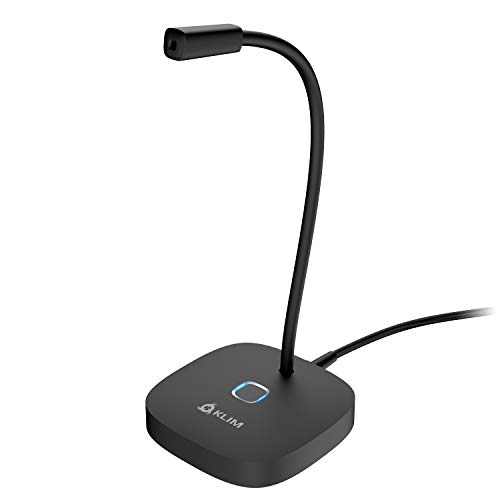
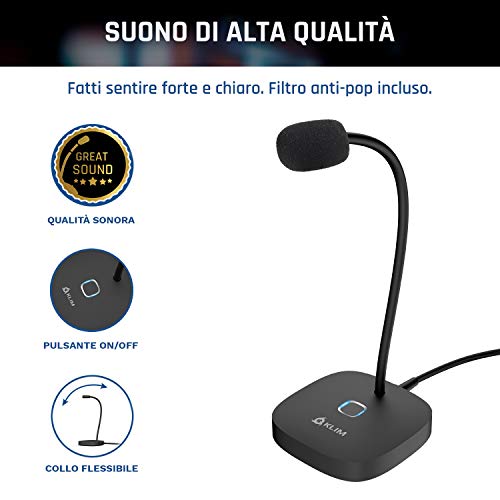
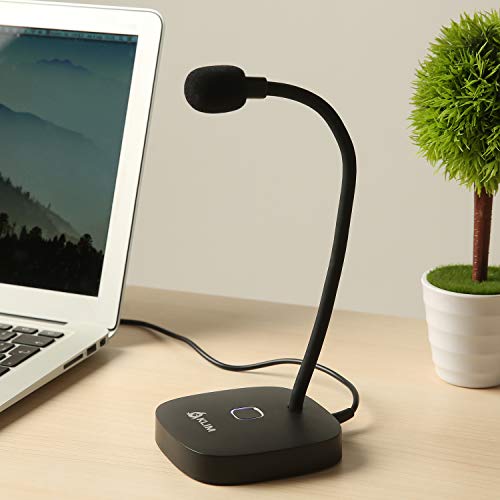
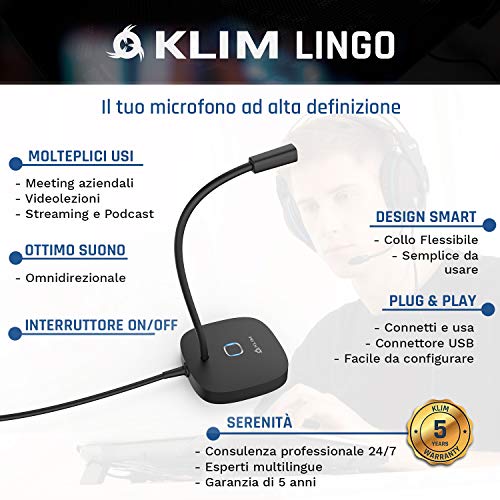
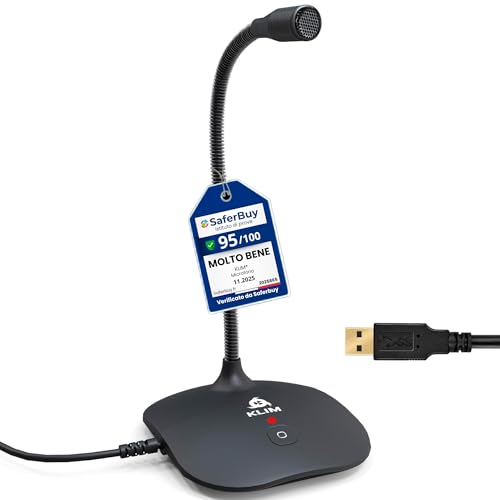
The KLIM Lingo is a plug-and-play USB desktop microphone featuring a high-definition omnidirectional polar pattern and a patented audio filter designed to prioritize voice clarity while suppressing background noise. Key specifications include a frequency response of 100 Hz to 16 kHz, 76 dB signal-to-noise ratio, and an impedance of 2.2 kΩ, all housed in a durable 180g ABS plastic body with a flexible gooseneck and integrated anti-pop filter. Its main pros include an easy-access physical mute button with a light indicator, universal compatibility with Windows, Mac, and PS4, and a stable, non-slip base with RGB lighting. However, common cons include its lack of compatibility with Xbox consoles, an omnidirectional pickup that may still capture nearby mechanical keyboard noise, and its unsuitability for professional music studio environments due to its consumer-grade hardware focus.

Technical Specifications of KLIM Lingo

Technical Score

What it is: An assessment of the microphone's technical performance, covering eight key areas: sound quality, sensitivity, pickup pattern, connectivity, onboard controls, accessories, compatibility, and design.

When it matters: When you want to compare microphones based on technical performance and available features.

Score components:

20.0%

8.2

Audio Performance

20.0%

5.5

Recording

16.0%

2.8

Pickup Patterns

16.0%

6.4

Controls & Features

10.0%

10

Power

7.0%

7.2

Compatibility

5.0%

4.0

Connectivity

3.0%

6.9

Design

3.0%

7.1

Accessories

6.3
KLIM Lingo has a technical score of 6.33 points, which is lower than 70.4% of microphones.
User score

What it is: A rating that combines user reviews and the total number of reviews received by the microphone.

When it matters: When you want to know how a microphone performs in real use and how reliable it remains over time according to user feedback.

Score components:

70.0%

8.8

User reviews

30.0%

9.0

Popularity

User score:
United Kingdom
amazon
4.4
(803)
United States
Amazon_logo.png
4.4
(808)

(Reviews last updated: July 2026)

8.8
KLIM Lingo has a user score of 8.85 points, which is higher than 66.3% of microphones.
Popularity
What it is: An indicator based on the number of reviews received by the microphone.
When it matters: When you prefer to buy a product chosen and reviewed by many other consumers.
9.0
KLIM Lingo has a popularity of 9 points, which is higher than 65.3% of products in this category.
Ratio quality/price

What it is: An indicator that combines the microphone's overall rating with its cost.

When it matters: When you are looking for a microphone with a good balance between quality and price.

Score components:

60.0%

7.0

Overall score

40.0%

10

Price

7.9
KLIM Lingo has a quality-to-price ratio of 7.9 points, which is lower than 52.8% of products in this category.
Microphone type
What it is: The overall microphone class intended for uses such as studio work, lavalier recording, handheld speech, or instrument capture.
When it matters: When you are choosing the right microphone style for studio work, interviews, streaming, or instruments.

Importance: LOW

desktop
Transducer type
What it is: The transducer technology used to convert sound into an electrical signal.
When it matters: When you are choosing between condenser, dynamic, or ribbon behavior for your room and voice.

Importance: LOW

condenser
Diaphragm size
What it is: The diameter of the microphone diaphragm that reacts to incoming sound pressure.
When it matters: When you compare small and large diaphragm microphones for vocal detail, room tone, or transient response.

Importance: LOW

?
Capsule type
What it is: The capsule construction used inside the microphone to capture sound.
When it matters: When you compare different capsule designs for tone, detail, or recording style.

Importance: LOW

single
Sensitivity
What it is: The output level produced by the microphone for a given sound pressure reference.
When it matters: When you need enough output level without driving your preamp too hard.

Importance: LOW

?
Show more
Connection type
What it is: The connection standard used to link the microphone with recorders, mixers, phones, or computers.
When it matters: When you need the microphone to plug directly into the device you actually record with.

Importance: LOW

USB
Output connector type
What it is: The type of output connector used by the microphone for sending its audio signal.
When it matters: When you need the microphone to connect to a specific kind of input on your gear.

Importance: LOW

USB-a
Headphone output
What it is: Indicates whether the microphone has a headphone output for direct monitoring.
When it matters: When you want to hear your own voice directly while recording or streaming.

Importance: LOW

no
KLIM Lingo does not include a headphone output. 63.5% of microphones include this output.
3.5 mm audio jack
What it is: Indicates whether a 3.5 mm audio jack is available for monitoring or direct connection.
When it matters: When you want to plug headphones or a cable directly into a standard 3.5 mm socket.

Importance: LOW

no
KLIM Lingo does not include a 3.5 mm jack. 63.3% of microphones include this connector.
6.35 mm audio jack connector
What it is: Indicates whether a 6.35 mm audio jack connector is present on the microphone or included interface.
When it matters: When your headphones, mixer, or instrument chain relies on a 6.35 mm jack connection.

Importance: LOW

no
KLIM Lingo does not include a 6.35 mm jack. 2% of microphones include this connector.
Show more
Supported sample rates
What it is: The digital sample rates supported by the microphone for recording or monitoring.
When it matters: When you need the microphone to support the sample rates used in your recording workflow.

Importance: LOW

48 kHz
Supported bit depths
What it is: The digital bit depth values supported by the microphone for audio capture.
When it matters: When you want more digital recording resolution for editing or processing later.

Importance: LOW

16 bit
Audio interface sample rate
What it is: The audio interface sample rates supported by the microphone for digital capture or monitoring.
When it matters: When you need the microphone interface to support the sample rate used by your recording or streaming setup.

Importance: MEDIUM

48 kHz
KLIM Lingo supports an interface sample rate of 48 kHz which is higher than that of 2.4% of microphones and equal to that of 55.3% of microphones.
Audio interface bit depth
What it is: The audio interface bit depths supported by the microphone for digital recording quality.
When it matters: When you want the microphone interface to support the bit depth used in your recording chain.

Importance: LOW

16 bit
KLIM Lingo supports an interface bit depth of 16 bit which is lower than that of 58.8% of microphones and equal to that of 41.2% of microphones.
Signal-to-noise ratio (DAC)
What it is: The signal to noise ratio of the integrated DAC or headphone interface stage.
When it matters: When you monitor through the microphone headphone output and want that digital path to stay quiet.

Importance: MEDIUM

?
Show more
N. of polar patterns
What it is: The number of selectable pickup patterns available for different recording situations.
When it matters: When one microphone has to cover solo voice, room sound, and interview style setups.

Importance: MEDIUM

1
The number of selectable polar patterns offered by KLIM Lingo is 1, which is equal to that of 75.4% of microphones.
Cardioid pattern
What it is: Indicates whether the microphone offers a cardioid pickup pattern for front focused capture.
When it matters: When you want to isolate one speaker in front of the microphone for podcasts, calls, or streaming.

Importance: MEDIUM

no
KLIM Lingo does not support a cardioid pickup pattern. 91.5% of microphones support this pattern.
Omnidirectional pattern
What it is: Indicates whether the microphone offers an omnidirectional pickup pattern for 360 degree capture.
When it matters: When you want to capture everyone around the microphone instead of one voice from the front.

Importance: MEDIUM

yes
KLIM Lingo supports an omnidirectional pickup pattern. 25.6% of microphones support this pattern.
Hypercardioid pattern
What it is: Indicates whether the microphone offers a hypercardioid pickup pattern with narrower front focus.
When it matters: When you want stronger rejection of sounds coming from the sides in a noisy room.

Importance: LOW

no
KLIM Lingo does not support a hypercardioid pickup pattern. 1.5% of microphones support this pattern.
Bidirectional pattern
What it is: Indicates whether the microphone offers a bidirectional pickup pattern for front and rear capture.
When it matters: When you record two people facing each other with one microphone between them.

Importance: LOW

no
KLIM Lingo does not support a bidirectional pickup pattern. 17.1% of microphones support this pattern.
Mute function
What it is: Indicates whether the microphone has a built in mute control for quickly silencing the signal.
When it matters: When you need to silence the microphone instantly during live calls, streams, or meetings.

Importance: MEDIUM

yes
KLIM Lingo includes a mute function. 67.8% of microphones include this control.
Onboard gain control
What it is: Indicates whether the microphone provides a built in control for adjusting input gain.
When it matters: When different speakers or scenes need fast gain changes without touching the interface.

Importance: MEDIUM

no
KLIM Lingo does not include onboard gain control. 51.5% of microphones include this control.
Volume control levels
What it is: The available volume level or volume adjustment provided directly on the microphone or its interface.
When it matters: When you want direct volume adjustment on the microphone or its built in interface.

Importance: LOW

0
KLIM Lingo offers volume output of 0 which is lower than that of 65.1% of microphones and equal to that of 34.9% of microphones.
Flat DSP mode
What it is: Indicates whether the microphone provides a flat DSP mode without tonal processing.
When it matters: When you want a neutral sound profile before adding your own EQ or processing.

Importance: LOW

no
KLIM Lingo does not support a flat DSP mode. 25.5% of microphones offer this processing option.
DSP presets
What it is: The number of built in DSP preset modes available for different sound profiles.
When it matters: When you want quick tone changes for voice, streaming, or different recording scenes.

Importance: LOW

0
KLIM Lingo offers 0 DSP presets, which is equal to 83.4% of microphones.
Show more
Phantom power required
What it is: Indicates whether the microphone needs external phantom power to operate normally.
When it matters: When you use the microphone with an interface or mixer that may not provide phantom power.

Importance: MEDIUM

no
KLIM Lingo requires phantom power. 90.4% of microphones also require phantom power.
Phantom power voltage
What it is: The phantom power voltage required by the microphone for proper operation.
When it matters: When you must confirm that your power supply matches what the microphone actually expects.

Importance: LOW

N/A
USB bus-powered
What it is: Indicates whether the microphone can be powered directly through its USB connection.
When it matters: When you want the microphone to run from a laptop or phone without a separate power supply.

Importance: MEDIUM

yes
KLIM Lingo supports USB bus power. 85.9% of microphones support USB-powered operation.
Battery life
What it is: The expected operating time on battery power during portable or wireless use.
When it matters: When you use the microphone away from wall power for events, field work, or mobile video.

Importance: LOW

N/A
Height
What it is: The overall height of the microphone body, stand, or supplied desktop structure.
When it matters: When the microphone has to fit under a monitor, inside a booth, or into a limited desk space.

Importance: LOW

250 mm
KLIM Lingo is 250 mm tall, which is taller than 87.2% of microphones and equal in height to 2.6% of microphones.
Width
What it is: The overall width of the microphone body or its integrated base.
When it matters: When the microphone must fit between monitors, on a narrow desk, or inside a compact rig.

Importance: LOW

96 mm
KLIM Lingo is 96 mm wide, which is wider than 83.2% of microphones and equal in width to 0.5% of microphones.
Thickness
What it is: The overall depth or front to back thickness of the microphone unit.
When it matters: When front to back depth decides whether the microphone clears your screen or keyboard area.

Importance: LOW

96 mm
KLIM Lingo is 96 mm thick, which is thicker than 77.4% of microphones and equal in thickness to 1.1% of microphones.
Weight
What it is: The total mass of the microphone with its included or attached parts.
When it matters: When you mount the microphone on a small arm, pack it for travel, or hold it for long sessions.

Importance: LOW

180 g
KLIM Lingo weighs 180 g, which is lighter than 94.2% of microphones.
Body material
What it is: The main material used for the microphone body or housing.
When it matters: When you care about how sturdy, premium, or lightweight the microphone body feels over time.

Importance: LOW

plastic
Show more
Included accessories
What it is: The accessories supplied in the box with the microphone for mounting, protection, or immediate use.
When it matters: When you want the box to include the accessories needed to set up and use the microphone right away.

Importance: LOW

stand; pop filter
Shock mount included
What it is: Indicates whether a shock mount is included to reduce vibration and handling noise.
When it matters: When desk vibrations or boom arm movement would otherwise travel into the recording.

Importance: LOW

no
KLIM Lingo does not include a shock mount. 50% of microphones include this accessory.
Pop filter included
What it is: Indicates whether a pop filter is included to reduce plosive sounds during speech recording.
When it matters: When you record speech up close and want to reduce strong p and b bursts.

Importance: LOW

yes
KLIM Lingo includes a pop filter. 60.9% of microphones include this accessory.
Windscreen included
What it is: Indicates whether a windscreen is included to reduce wind and breath noise.
When it matters: When you record outdoors or close to the mouth and want less wind or breath noise.

Importance: LOW

?
Cable length
What it is: The length of the included or attached audio cable supplied with the microphone.
When it matters: When the microphone has to reach your desk, camera rig, or interface without extension cables.

Importance: LOW

1.8 m
KLIM Lingo has a cable length of 1.8 m which is shorter than that of 65.2% of microphones and equal to that of 15.5% of microphones.
Android compatibility
What it is: Indicates whether the microphone can work properly with Android phones or tablets.
When it matters: When you plan to use the microphone with an Android phone or tablet without trial and error.

Importance: LOW

no
KLIM Lingo is not compatible with Android. 66.3% of microphones are compatible with Android.
iOS compatibility
What it is: Indicates whether the microphone can work properly with iPhone or iPad devices.
When it matters: When you want the microphone to work properly with an iPhone or iPad setup.

Importance: LOW

no
KLIM Lingo is not compatible with iOS. 61.8% of microphones are compatible with iOS.
Windows compatibility
What it is: Indicates whether the microphone can work properly with Windows computers.
When it matters: When your recording or streaming setup runs on a Windows computer.

Importance: LOW

yes
KLIM Lingo is compatible with Windows. 100% of microphones are compatible with Windows.
macOS compatibility
What it is: Indicates whether the microphone can work properly with macOS computers.
When it matters: When your audio setup depends on a Mac or MacBook as the main recording machine.

Importance: LOW

yes
KLIM Lingo is compatible with macOS. 99.5% of microphones are compatible with macOS.
Xbox compatibility
What it is: Indicates whether the microphone is explicitly compatible with Xbox consoles or controllers.
When it matters: When you want to connect and use the microphone with an Xbox console or controller.

Importance: LOW

no
KLIM Lingo is not compatible with Xbox. 2.3% of microphones are compatible with Xbox.
Reported as not compatible with Xbox.
Show more

KLIM Lingo vs the average microphone

  • Supports omnidirectional pickup
    KLIM Lingo supports omnidirectional pickup, the average microphone does not.
    What it is: Indicates whether the microphone offers an omnidirectional pickup pattern for 360 degree capture.
    When it matters: When you want to capture everyone around the microphone instead of one voice from the front.

    Importance: MEDIUM

    KLIM Lingo supports omnidirectional pickup, the average microphone does not.
  • 68.6% lighter
    KLIM Lingo is lighter than the average microphone (180 g vs 573 g). The average microphone weighs 573 g.
    What it is: The total mass of the microphone with its included or attached parts.
    When it matters: When you mount the microphone on a small arm, pack it for travel, or hold it for long sessions.

    Importance: LOW

    KLIM Lingo is lighter than the average microphone (180 g vs 573 g). The average microphone weighs 573 g.180 g vs 573 g
  • 3.5x cheaper
    KLIM Lingo is cheaper than the average microphone (£20 vs £70).
    KLIM Lingo is cheaper than the average microphone (£20 vs £70).£20 vs £70
  • 10.6% higher user score
    KLIM Lingo has a higher user score than the average microphone (8.85 vs 8.000).
    What it is: A rating that combines user reviews and the total number of reviews received by the microphone.
    When it matters: When you want to know how a microphone performs in real use and how reliable it remains over time according to user feedback.
    KLIM Lingo has a higher user score than the average microphone (8.85 vs 8.000).8.85 vs 8
  • Supports omnidirectional pickup
    KLIM Lingo supports omnidirectional pickup, the average microphone does not.
  • 68.6% lighter
    KLIM Lingo is lighter than the average microphone (180 g vs 573 g). The average microphone weighs 573 g.
  • 30 Hz higher low-frequency limit
    KLIM Lingo has a higher low-frequency cutoff than the average microphone (50 Hz vs 20 Hz). By comparison, the average microphone has a low-frequency limit of 20 Hz.
  • 4,000 Hz lower high-frequency limit
    KLIM Lingo has a lower high-frequency limit than the average microphone (16,000 Hz vs 20,000 Hz). By comparison, the average microphone has a high-frequency limit of 20,000 Hz.
  • No headphone output
    KLIM Lingo does not include a headphone output, the average microphone does.
  • No 3.5 mm jack
    KLIM Lingo does not include a 3.5 mm jack, the average microphone does.
  • 8 bit lower interface bit depth
    KLIM Lingo supports a lower audio interface bit depth than the average microphone (16 bit vs 24 bit). The average microphone audio interface supports 24 bit.
  • No cardioid pickup
    KLIM Lingo does not support cardioid pickup, the average microphone does.
  • No gain control
    KLIM Lingo does not include onboard gain control, the average microphone does.
  • 65 mm taller body
    KLIM Lingo is taller than the average microphone (250 mm vs 185 mm). The average microphone has a height of 185 mm.
  • 40 mm thicker body
    KLIM Lingo is thicker than the average microphone (96 mm vs 56 mm). The average microphone has a thickness of 56 mm.
  • 40 mm wider body
    KLIM Lingo is wider than the average microphone (96 mm vs 56 mm). The average microphone has a width of 56 mm.
  • 0.2 m shorter cable length
    KLIM Lingo has a shorter cable than the average microphone (1.8 m vs 2 m). The average microphone has a cable length of 2 m.
  • Not compatible with Android
    KLIM Lingo is not compatible with Android, the average microphone is.
  • Not compatible with iOS
    KLIM Lingo is not compatible with iOS, the average microphone is.
  • No gain control
    KLIM Lingo does not include onboard gain control, the average microphone does.
    What it is: Indicates whether the microphone provides a built in control for adjusting input gain.
    When it matters: When different speakers or scenes need fast gain changes without touching the interface.

    Importance: MEDIUM

    KLIM Lingo does not include onboard gain control, the average microphone does.
  • 8 bit lower interface bit depth
    KLIM Lingo supports a lower audio interface bit depth than the average microphone (16 bit vs 24 bit). The average microphone audio interface supports 24 bit.
    What it is: The audio interface bit depths supported by the microphone for digital recording quality.
    When it matters: When you want the microphone interface to support the bit depth used in your recording chain.

    Importance: LOW

    KLIM Lingo supports a lower audio interface bit depth than the average microphone (16 bit vs 24 bit). The average microphone audio interface supports 24 bit.16 bit vs 24 bit
  • 30 Hz higher low-frequency limit
    KLIM Lingo has a higher low-frequency cutoff than the average microphone (50 Hz vs 20 Hz). By comparison, the average microphone has a low-frequency limit of 20 Hz.
    What it is: The lowest sound frequency the microphone can capture.
    When it matters: When you want the microphone to capture more low end from deep voices or instruments.

    Importance: LOW

    KLIM Lingo has a higher low-frequency cutoff than the average microphone (50 Hz vs 20 Hz). By comparison, the average microphone has a low-frequency limit of 20 Hz.50 Hz vs 20 Hz
  • 4,000 Hz lower high-frequency limit
    KLIM Lingo has a lower high-frequency limit than the average microphone (16,000 Hz vs 20,000 Hz). By comparison, the average microphone has a high-frequency limit of 20,000 Hz.
    What it is: The highest sound frequency the microphone can capture.
    When it matters: When you need extra top end detail from breath, cymbals, or bright room ambience.

    Importance: LOW

    KLIM Lingo has a lower high-frequency limit than the average microphone (16,000 Hz vs 20,000 Hz). By comparison, the average microphone has a high-frequency limit of 20,000 Hz.16000 Hz vs 20000 Hz
  • No cardioid pickup
    KLIM Lingo does not support cardioid pickup, the average microphone does.
    What it is: Indicates whether the microphone offers a cardioid pickup pattern for front focused capture.
    When it matters: When you want to isolate one speaker in front of the microphone for podcasts, calls, or streaming.

    Importance: MEDIUM

    KLIM Lingo does not support cardioid pickup, the average microphone does.
  • Not compatible with iOS
    KLIM Lingo is not compatible with iOS, the average microphone is.
    What it is: Indicates whether the microphone can work properly with iPhone or iPad devices.
    When it matters: When you want the microphone to work properly with an iPhone or iPad setup.

    Importance: LOW

    KLIM Lingo is not compatible with iOS, the average microphone is.
  • Not compatible with Android
    KLIM Lingo is not compatible with Android, the average microphone is.
    What it is: Indicates whether the microphone can work properly with Android phones or tablets.
    When it matters: When you plan to use the microphone with an Android phone or tablet without trial and error.

    Importance: LOW

    KLIM Lingo is not compatible with Android, the average microphone is.
  • No headphone output
    KLIM Lingo does not include a headphone output, the average microphone does.
    What it is: Indicates whether the microphone has a headphone output for direct monitoring.
    When it matters: When you want to hear your own voice directly while recording or streaming.

    Importance: LOW

    KLIM Lingo does not include a headphone output, the average microphone does.

Graphic comparison of KLIM Lingo and

Attribute category
Attribute
No results found

Third-party reviews

United Kingdom
United States

(Reviews last updated: July 2026)

What customers like about KLIM Lingo?

  • Excellent audio quality for its price range, often surpassing built-in laptop microphones
  • Simple plug-and-play functionality requires no additional software or drivers
  • Sturdy and stable base design with a flexible neck for easy positioning
  • Convenient, easy-to-access mute button located on the base
  • Broad compatibility with Windows, Mac, Linux, and PS4
  • Lightweight yet durable construction with a scratch-resistant matte coating

What customers dislike about KLIM Lingo?

  • Omnidirectional polar pattern can pick up unwanted background noise like keyboard clicks or room echoes
  • Not compatible with Xbox consoles
  • Some users report the touch-sensitive mute button is too easy to trigger accidentally
  • Reported occasional long-term reliability issues with the on/off button and wiring
  • Not suitable for high-end studio recording or professional music production
  • Indicator light color may be too bright or distracting for some users

Expert reviews

O
obli.net
25/08/2017

The Oblis Blog review focuses on the KLIM Voice Desktop USB Microphone, an entry-level table microphone priced around 30 Euros. This plug-and-play device connects via an attached USB cable and is compatible with PCs and consoles like the PS4 and Xbox One. It features a colorful, plastic build, a tiltable ball joint for positioning, a foam base pad, LED lighting, and an independent...Read more

Video reviews

Compare KLIM Lingo with

VS
VS

Compare