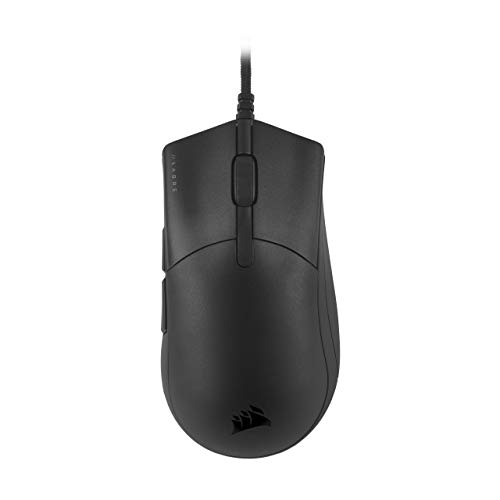
Razer Viper 8KHz Review | 78 Data compared

Avg. price:~£45Connectivity:wiredMaximum polling rate:8000 HzMaximum DPI:20000 DPIWeight:71 g

Razer Viper 8KHz Review: Compare 78 technical specifications and user reviews to see how this product ranks in the Mice category and whether it is worth buying.

8.4

Overall score

Score
8.4/ 10
✕
What it is
An overall evaluation of the mouse's quality, based on technical analyses and user reviews.
When it matters
When you need a quick reference to identify the best mice on the market.
Score distribution
â–¼
<55-66-77-88-99-10
Score components

80%

8.1

Technical Score

20%

9.2

User score

★Better than 91% of mice
8.1

Technical Score

Technical score
8.1/ 10
✕
What it is
An assessment of technical performance for products in the Mice category across these key areas: Performance & Sensor, Connectivity, Battery & Charging, Controls, Design, Features.
When it matters
When you want to compare mice based on technical performance and available features.
Score distribution
â–¼
<55-66-77-88-99-10
Score components

36%

9.6

Performance & Sensor

22%

8.4

Controls

16%

8.1

Design

14%

10

Features

7%

1.1

Connectivity

5%

1.0

Battery & Charging

â–²Better than 86% of mice
9.2

User score

User score
9.2/ 10
✕
What it is
A rating that combines user reviews and the total number of reviews received by the mouse.
When it matters
When you want to understand how a mouse performs in daily use or gaming and how reliable it is in terms of comfort, button feel, tracking accuracy, and long-term durability.
Score distribution
â–¼
<55-66-77-88-99-10
Score components

70%

9.1

User ratings

30%

9.6

Number of reviews

Based on 15,851 buyer reviews from online shops.
How we calculate this
User ratings – average star rating across all shop listings, weighted by how many reviews each has, on a 1–10 scale.
Number of reviews – how many buyer reviews the product has, on a logarithmic scale; the 8% most-reviewed models in the category get 10.
★Better than 92% of mice
  • razer-viper-8khz
  • razer-viper-8khz
  • razer-viper-8khz
  • razer-viper-8khz
  • razer-viper-8khz
  • razer-viper-8khz
  • razer-viper-8khz
  • razer-viper-8khz
  • razer-viper-8khz
razer-viper-8khz
razer-viper-8khz
razer-viper-8khz
razer-viper-8khz
razer-viper-8khz
razer-viper-8khz
razer-viper-8khz
razer-viper-8khz
razer-viper-8khz

Best prices

*As an Amazon Associate, we earn from qualifying purchases.

Best rankings

Available: ranking among products currently available (including other versions of this product).All: ranking among all products in the database.
Loading...
Loading category ranking...

Verdict

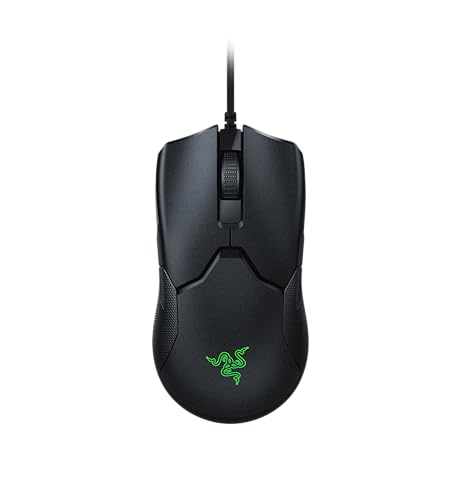
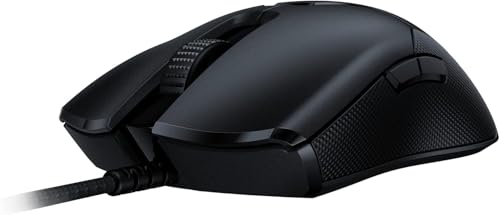
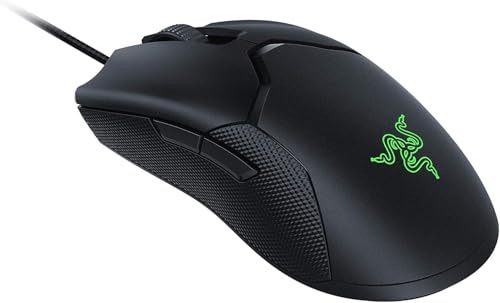
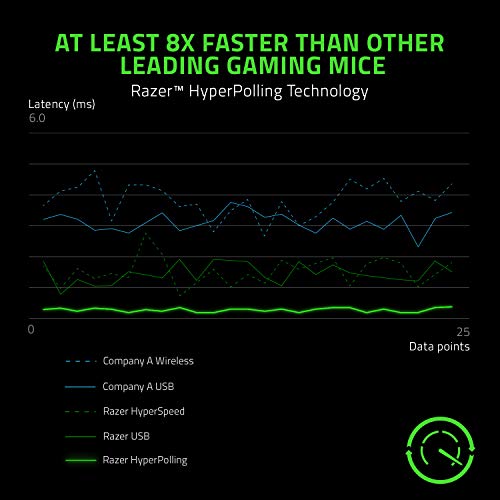
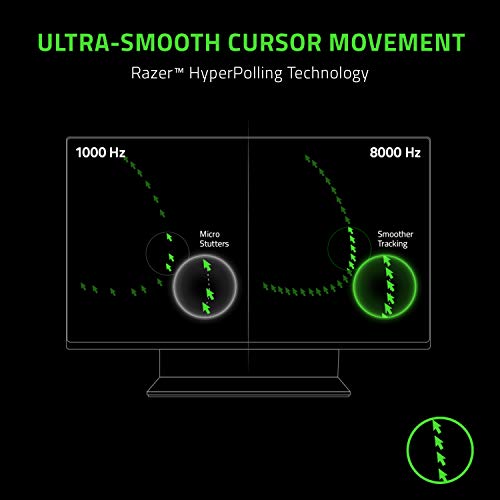
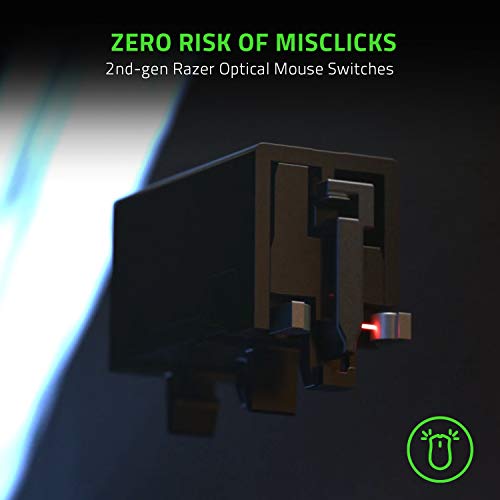
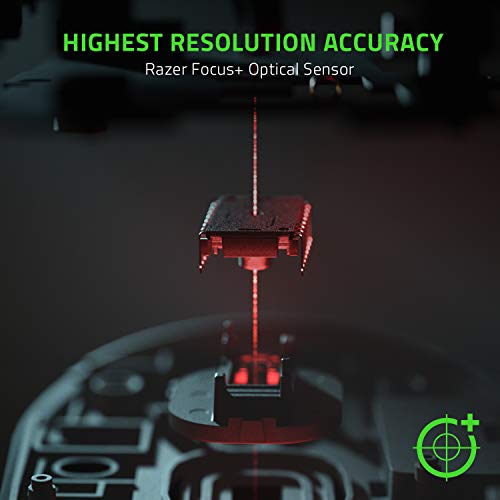
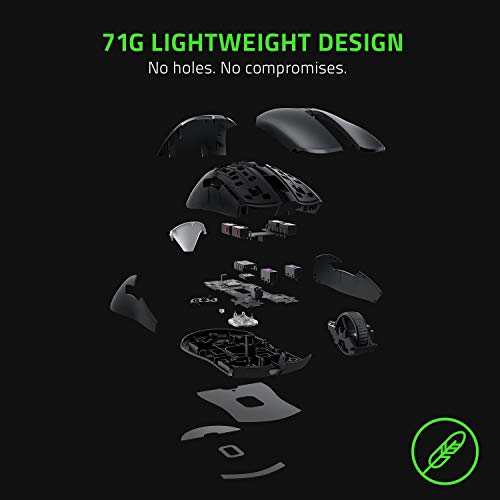
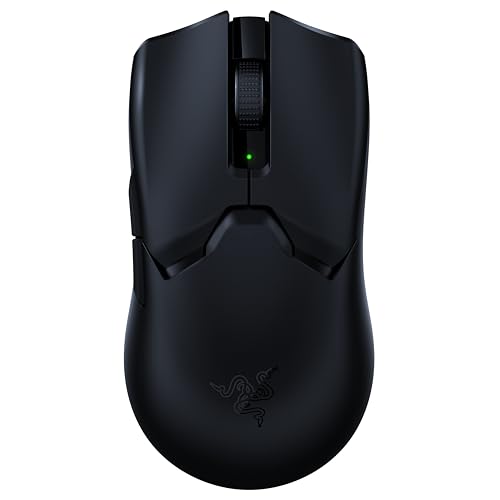
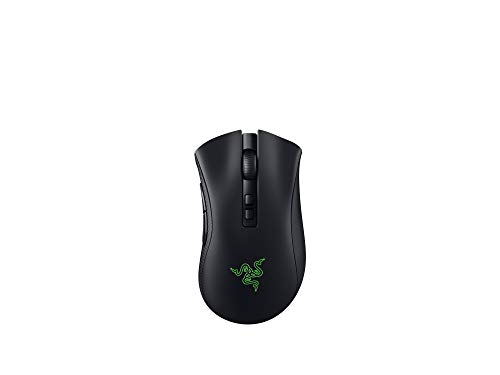
The Razer Viper 8KHz is a high-performance wired gaming mouse featuring an industry-leading true 8,000Hz polling rate and a Razer Focus+ 20,000 DPI optical sensor with 99.6% resolution accuracy. This ambidextrous, 71g lightweight device is equipped with 2nd-generation Razer Optical Mouse Switches rated for 70 million clicks, 100% PTFE feet for a smooth glide, and a flexible Razer Speedflex cable. Main pros include its near-zero input latency (0.125ms), exceptional sensor precision, and a robust build that suits multiple grip styles (claw, fingertip, and palm). However, its ultra-high polling rate can be taxing on CPU resources, it lacks a wireless option, and the side buttons on both sides may lead to accidental clicks for some users.

Technical Specifications of mouse Razer Viper 8KHz

Technical Score
Technical score
8.1/ 10
✕
What it is
An assessment of technical performance for products in the Mice category across these key areas: Performance & Sensor, Connectivity, Battery & Charging, Controls, Design, Features.
When it matters
When you want to compare mice based on technical performance and available features.
Score distribution
â–¼
<55-66-77-88-99-10
Score components:

36%

9.6

Performance & Sensor

22%

8.4

Controls

16%

8.1

Design

14%

10

Features

7%

1.1

Connectivity

5%

1.0

Battery & Charging

8.1
Razer Viper 8KHz has a technical score of 8.1 points, which is higher than that of 86.1% of products in this category.
User score
User score
9.2/ 10
✕
What it is
A rating that combines user reviews and the total number of reviews received by the mouse.
When it matters
When you want to understand how a mouse performs in daily use or gaming and how reliable it is in terms of comfort, button feel, tracking accuracy, and long-term durability.
Score distribution
â–¼
<55-66-77-88-99-10
Score components

70%

9.1

User ratings

30%

9.6

Number of reviews

Based on 15,851 buyer reviews from online shops.
How we calculate this
User ratings – average star rating across all shop listings, weighted by how many reviews each has, on a 1–10 scale.
Number of reviews – how many buyer reviews the product has, on a logarithmic scale; the 8% most-reviewed models in the category get 10.
9.2
Razer Viper 8KHz has a user score of 9.24 points, which is higher than that of 92% of products in this category.
Popularity
Popularity
9.6/ 10
✕
What it is
An indicator based on the number of reviews received by the mouse.
When it matters
When you prefer a mouse that has already been chosen and reviewed by many other users.
Score distribution
â–¼
<55-66-77-88-99-10
Popularity:
Razer Viper 8KHz has a popularity score of 9.6 points, which is higher than that of 88.1% of products in this category.
9.6
Razer Viper 8KHz has a popularity score of 9.6 points, which is higher than that of 88.1% of products in this category.
Ratio quality/price
Value for money
8.9/ 10
✕
What it is
An indicator that combines the mouse's overall rating with its cost.
When it matters
When you are looking for a mouse that offers a strong balance of performance, features, and price.
Score distribution
â–¼
<55-66-77-88-99-10
Score components:

60%

8.4

Overall score

40%

10

Price

8.9
Razer Viper 8KHz has a value-for-money score of 8.9 points, which is higher than that of 90.9% of products in this category.
Brand name
Razer
Maximum polling rate
8,000 Hz
Maximum polling rate
8,000 Hz
This mouse has a maximum polling rate of 8,000 Hz, which is higher than 88.2% of mice and equal to 11.8% of mice.
Wired polling rate
8,000 Hz
Wired polling rate
8,000 Hz
This mouse has a wired polling rate of 8,000 Hz, which is higher than 93.3% of mice and equal to 6.7% of mice.
2.4 GHz polling rate
N/A
Bluetooth polling rate
0 Hz
Bluetooth polling rate
0 Hz
This mouse has a Bluetooth polling rate of 0 Hz, which is lower than 36% of mice and equal to 64% of mice.
wired only.
Show more
Connectivity
wired
Connectivity
wired
This mouse supports wired connectivity, which is less versatile than 65.1% of mice and equal to 34.9% of mice.
connection modes: wired.
Bluetooth support
no
Bluetooth support
no
This mouse does not support Bluetooth. 35.6% of mice support Bluetooth.
Bluetooth version
N/A
Proprietary 2.4 GHz support
no
Proprietary 2.4 GHz support
no
This mouse does not support proprietary 2.4 GHz wireless. 61.3% of mice support proprietary 2.4 GHz wireless.
Receiver included
no
Receiver included
no
This mouse does not include a receiver. 62.3% of mice include a receiver.
Show more
Battery life
N/A
Battery capacity
N/A
Battery form factor
N/A
Rechargeable battery
no
Rechargeable battery
no
This mouse does not use a rechargeable battery. 46% of mice use a rechargeable battery.
Removable battery
no
Removable battery
no
This mouse does not use a removable battery. 22.3% of mice use a removable battery.
Show more
N. of buttons
8
N. of buttons
8
This mouse has 8 buttons, which is more than 78.5% of mice and equal to 9.6% of mice.
N. of side buttons
4
N. of side buttons
4
This mouse has 4 side buttons, which is more than 92.5% of mice and equal to 4.6% of mice.
N. of programmable buttons
8
N. of programmable buttons
8
This mouse has 8 programmable buttons, which is more than 79.8% of mice and equal to 8.7% of mice.
DPI switching button
yes
DPI switching button
yes
This mouse includes a DPI switching button. 14.7% of mice include a DPI switching button.
Profile switching button
yes
Profile switching button
yes
This mouse includes a profile switching button. 84.1% of mice include a profile switching button.
Show more
Orientation
ambidextrous
Weight
71 g
Weight
71 g
This mouse weighs 71 g, which makes it lighter than 62.9% of mice and equal to 0.7% of mice.
Extra weights
0 g
Extra weights
0 g
This mouse comes with 0 g extra weights, which is less than 4.6% of mice and equal to 95.4% of mice.
Cable length
1.8 m
Cable length
1.8 m
This mouse comes with a 1.8 m cable, which is longer than 18.4% of mice and equal to 65.2% of mice.
Cable type
braided
Show more
Onboard memory profiles
5
Onboard memory profiles
5
This mouse stores 5 onboard profiles, which is more than 81.4% of mice and equal to 18.2% of mice.
Onboard memory size
256 KB
Onboard memory size
256 KB
This mouse has 256 KB of onboard memory, which is larger than 91.3% of mice and equal to 2.2% of mice.
Software name
Razer Synapse
Firmware upgradable
yes
Firmware upgradable
yes
This mouse supports firmware updates. 22.5% of mice support firmware updates.
Suitable for gaming
yes
Suitable for gaming
yes
This mouse is suitable for gaming. 23.9% of mice are suitable for gaming.

Razer Viper 8KHz vs the average mouse

246810TotalPerformance & SensorConnectivityBattery & ChargingControlsDesignFeatures
  • 8x higher maximum polling rate
    Maximum polling rate
    8,000 Hz
    This mouse has a maximum polling rate of 8000 Hz, while the average mouse has a maximum polling rate of 1000 Hz.
    8,000 Hz vs 1,000 Hz
  • 4 more onboard profiles
    Onboard memory profiles
    5
    This mouse stores 5 onboard profiles, while the average mouse stores 1 onboard profiles.
    5 vs 1
  • 2 more programmable buttons
    N. of programmable buttons
    8
    This mouse has 8 programmable buttons, while the average mouse has 6 programmable buttons.
    8 vs 6
  • 40 million clicks longer switch lifespan
    Switch durability
    70 million clicks
    This mouse offers switch durability of 70 million clicks, while the average mouse offers switch durability of 30 million clicks.
    70 million clicks vs 30 million clicks
  • 8x higher wired polling rate
    Wired polling rate
    8,000 Hz
    This mouse has a wired polling rate of 8000 Hz, while the average mouse has a wired polling rate of 1000 Hz.
    8,000 Hz vs 1,000 Hz
  • Adjustable lift-off distance
    Lift-off distance adjustable
    yes
    This mouse supports adjustable lift-off distance, while the average mouse does not. 46.5% of mice support adjustable lift-off distance.
  • 2x higher maximum DPI
    Maximum DPI
    20,000 DPI
    This mouse has a maximum DPI of 20000 DPI, while the average mouse has a maximum DPI of 10000 DPI.
    20,000 DPI vs 10,000 DPI
  • 62.5% higher tracking speed
    Maximum tracking speed
    650 IPS
    This mouse offers a maximum tracking speed of 650 IPS, while the average mouse offers a maximum tracking speed of 400 IPS.
    650 IPS vs 400 IPS
  • 15.5% higher user score
    User score
    9.2/ 10
    ✕
    What it is
    A rating that combines user reviews and the total number of reviews received by the mouse.
    When it matters
    When you want to understand how a mouse performs in daily use or gaming and how reliable it is in terms of comfort, button feel, tracking accuracy, and long-term durability.
    Score distribution
    â–¼
    â–¼
    <55-66-77-88-99-10
    Razer Viper 8KHz
    the average mouse
    Razer Viper 8KHz has a higher user score than the average mouse (9.24 vs 8.000).
    9.24 vs 8
  • 21.1% better value for money
    Razer Viper 8KHz has better value for money than the average mouse (8.85 vs 7.3).
    8.85 vs 7.31
  • 50% more popular
    Razer Viper 8KHz is more popular than the average mouse (9.58 vs 6.4).
    9.58 vs 6.38
  • 8x higher maximum polling rate
    Maximum polling rate
    8,000 Hz
    This mouse has a maximum polling rate of 8000 Hz, while the average mouse has a maximum polling rate of 1000 Hz.
    8,000 Hz vs 1,000 Hz
  • 8x higher wired polling rate
    Wired polling rate
    8,000 Hz
    This mouse has a wired polling rate of 8000 Hz, while the average mouse has a wired polling rate of 1000 Hz.
    8,000 Hz vs 1,000 Hz
  • Adjustable lift-off distance
    Lift-off distance adjustable
    yes
    This mouse supports adjustable lift-off distance, while the average mouse does not. 46.5% of mice support adjustable lift-off distance.
  • 2x higher maximum DPI
    Maximum DPI
    20,000 DPI
    This mouse has a maximum DPI of 20000 DPI, while the average mouse has a maximum DPI of 10000 DPI.
    20,000 DPI vs 10,000 DPI
  • 62.5% higher tracking speed
    Maximum tracking speed
    650 IPS
    This mouse offers a maximum tracking speed of 650 IPS, while the average mouse offers a maximum tracking speed of 400 IPS.
    650 IPS vs 400 IPS
  • 25% higher maximum acceleration
    Maximum acceleration
    50 G
    This mouse has a maximum acceleration of 50 G, while the average mouse has a maximum acceleration of 40 G.
    50 G vs 40 G
  • 100 DPI lower minimum setting
    Minimum DPI
    100 DPI
    This mouse goes as low as 100 DPI, while the average mouse goes as low as 200 DPI.
    100 DPI vs 200 DPI
  • 2 more programmable buttons
    N. of programmable buttons
    8
    This mouse has 8 programmable buttons, while the average mouse has 6 programmable buttons.
    8 vs 6
  • 40 million clicks longer switch lifespan
    Switch durability
    70 million clicks
    This mouse offers switch durability of 70 million clicks, while the average mouse offers switch durability of 30 million clicks.
    70 million clicks vs 30 million clicks
  • 2 more side buttons
    N. of side buttons
    4
    This mouse has 4 side buttons, while the average mouse has 2 side buttons.
    4 vs 2
  • Profile switch button
    Profile switching button
    yes
    This mouse includes a profile switching button, while the average mouse does not. 16% of mice include a profile switching button.
  • 2 more buttons
    N. of buttons
    8
    This mouse has 8 buttons, while the average mouse has 6 buttons.
    8 vs 6
  • 13.4% lower mouse weight
    Weight
    71 g
    This mouse weighs 71 g, while the average mouse weighs 82 g.
    71 g vs 82 g
  • 4 more onboard profiles
    Onboard memory profiles
    5
    This mouse stores 5 onboard profiles, while the average mouse stores 1 onboard profiles.
    5 vs 1
  • No proprietary 2.4 GHz support
    Proprietary 2.4 GHz support
    no
    This mouse does not support proprietary 2.4 GHz wireless, while the average mouse does. 61.3% of mice support proprietary 2.4 GHz wireless.
  • No automatic sleep mode
    Auto-sleep
    no
    This mouse does not support auto-sleep, while the average mouse does. 60.5% of mice support auto-sleep.
  • No receiver included
    Receiver included
    no
    This mouse does not include a receiver, while the average mouse does. 62.3% of mice include a receiver.
  • No angle snapping support
    Angle snapping
    no
    This mouse does not support angle snapping, while the average mouse does. 54.4% of mice support angle snapping.
  • No battery level indicator
    Battery level indicator
    no
    This mouse does not include a battery level indicator, while the average mouse does. 59.4% of mice include a battery level indicator.
  • Limited connectivity
    Connectivity
    wired
    This mouse supports wired connectivity, while the average mouse supports wireless connectivity.
    connection modes: wired.
    wired vs wireless
  • Thin glide feet
    Feet thickness
    0.7 mm
    This mouse uses 0.7 mm thick mouse feet, while the average mouse uses 0.8 mm thick mouse feet.
    0.7 mm vs 0.8 mm
  • No angle snapping support
    Angle snapping
    no
    This mouse does not support angle snapping, while the average mouse does. 54.4% of mice support angle snapping.
  • No proprietary 2.4 GHz support
    Proprietary 2.4 GHz support
    no
    This mouse does not support proprietary 2.4 GHz wireless, while the average mouse does. 61.3% of mice support proprietary 2.4 GHz wireless.
  • No receiver included
    Receiver included
    no
    This mouse does not include a receiver, while the average mouse does. 62.3% of mice include a receiver.
  • Limited connectivity
    Connectivity
    wired
    This mouse supports wired connectivity, while the average mouse supports wireless connectivity.
    connection modes: wired.
    wired vs wireless
  • No automatic sleep mode
    Auto-sleep
    no
    This mouse does not support auto-sleep, while the average mouse does. 60.5% of mice support auto-sleep.
  • No battery level indicator
    Battery level indicator
    no
    This mouse does not include a battery level indicator, while the average mouse does. 59.4% of mice include a battery level indicator.
  • Thin glide feet
    Feet thickness
    0.7 mm
    This mouse uses 0.7 mm thick mouse feet, while the average mouse uses 0.8 mm thick mouse feet.
    0.7 mm vs 0.8 mm

Graphic comparison of Razer Viper 8KHz and other products in the Mice category

No results found

Third-party reviews

Based on 15,851 buyer reviews from online shops.
Reviews last updated: May 2026 · How we calculate this

What customers like about Razer Viper 8KHz?

  • True 8000Hz polling rate provides smoother cursor movement and lower input latency for high-end setups
  • Lightweight solid-body design (71g) without needing honeycomb holes
  • Gen-2 Optical Switches are fast, reliable, and more tactile than the first generation
  • True ambidextrous shape with functional side buttons on both the left and right sides
  • Excellent stock 100% PTFE feet provide a smooth and fast glide
  • Includes onboard memory that can store up to 5 profiles
  • Durable build quality with high-quality surface coating and integrated rubber side grips

What customers dislike about Razer Viper 8KHz?

  • 8000Hz polling is highly taxing on CPUs and can cause frame drops on mid-range or older PCs
  • Incompatibility issues with some older or poorly optimised games that cannot handle high report rates
  • The Speedflex cable is thicker and stiffer than standard versions due to extra shielding for 8K stability
  • The low-profile, flat design may not be comfortable for palm grippers or those with larger hands
  • Some users report accidental side-button clicks due to the ambidextrous mirrored layout
  • Customisation software (Razer Synapse) is not available for macOS
  • Side rubber grips have been reported to peel or wear down after extended use (approx. 2 years)

Video reviews

Hands-on testing, unboxing, and real-world video evaluations

Compare Razer Viper 8KHz with other products in the Mice category

1Product to compare no. 1
VS
2Product to compare no. 2
VS
3Product to compare no. 3 (optional)