Scored using Headphones Methodology v1.0
Headphones Methodology v1.0
Mathematical & Unbiased Scoring
Products in this category are evaluated mathematically under Frontumo Headphones Methodology v1.0 using verified laboratory benchmarks, technical specifications, and authentic consumer ratings with 0% commercial bias.
Explore Headphones Methodology v1.0

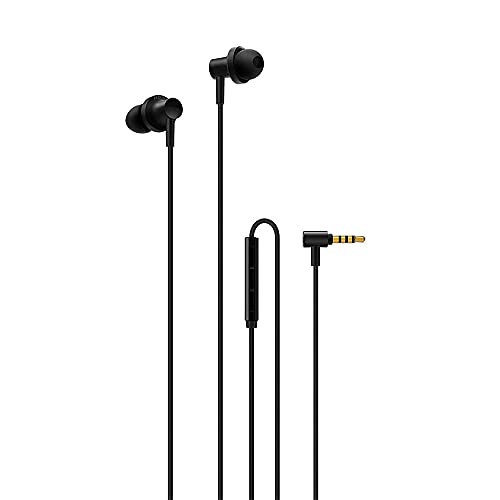
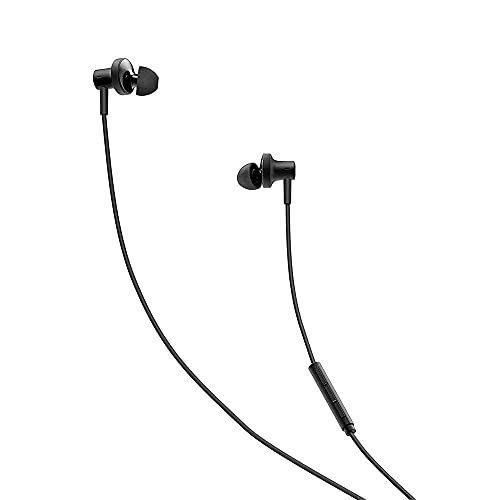
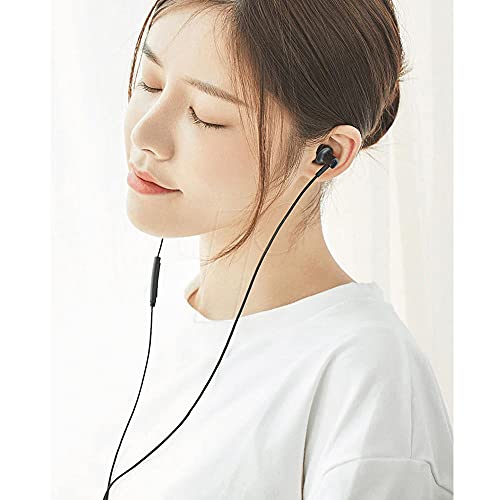
Xiaomi Mi In Ear Headphones Pro Review | 93 Data compared

Avg. price:~£20Form factor:in-earConnectivity:wiredBattery life:N/A hoursActive noise cancellation (ANC):no

Xiaomi Mi In Ear Headphones Pro Review: Compare 93 technical specifications and user reviews to see how this product ranks in the Headphones category and whether it is worth buying.

6.1

Overall score

Score
6.1/ 10
✕
What it is
An overall evaluation of the headphones' quality, based on technical analyses and user reviews.
When it matters
When you need a quick reference to identify the best headphones on the market.
Score distribution
â–¼
<55-66-77-88-99-10
Score components

80%

5.7

Technical score

20%

8.1

User score

â–¼Worse than 53% of headphones
5.7

Technical score

Technical score
5.7/ 10
✕
What it is
An assessment of technical performance for products in the Headphones category across these key areas: Sound, Calls & Controls, Connectivity, Features, Battery, Design.
When it matters
When you want to compare headphones based on technical performance and available features.
Score distribution
â–¼
<55-66-77-88-99-10
Score components

52%

6.1

Sound

20%

4.4

Features

10%

7.2

Design

8%

4.6

Connectivity

6%

4.0

Battery

4%

6.3

Calls & Controls

â–¼Worse than 64% of headphones
8.1

User score

User score
8.1/ 10
✕
What it is
A rating that combines user reviews and the total number of reviews received by the headphones.
When it matters
When you want to understand how headphones perform in real listening and how reliable they are in terms of comfort, audio quality, battery life, and long-term use.
Score distribution
â–¼
<55-66-77-88-99-10
Score components

70%

8.5

User ratings

30%

7.1

Number of reviews

Based on 768 buyer reviews from online shops.
How we calculate this
User ratings – average star rating across all shop listings, weighted by how many reviews each has, on a 1–10 scale.
Number of reviews – how many buyer reviews the product has, on a logarithmic scale; the 8% most-reviewed models in the category get 10.
â–²Better than 70% of headphones
  • xiaomi-mi-in-ear-headphones-pro
  • xiaomi-mi-in-ear-headphones-pro
  • xiaomi-mi-in-ear-headphones-pro
  • xiaomi-mi-in-ear-headphones-pro
  • xiaomi-mi-in-ear-headphones-pro
xiaomi-mi-in-ear-headphones-pro

Best prices

*As an Amazon Associate, we earn from qualifying purchases.

Best rankings

Available: ranking among products currently available (including other versions of this product).All: ranking among all products in the database.
Loading...
Loading category ranking...

Technical Specifications of pair of headphones Xiaomi Mi In Ear Headphones Pro

Technical score
Technical score
5.7/ 10
✕
What it is
An assessment of technical performance for products in the Headphones category across these key areas: Sound, Calls & Controls, Connectivity, Features, Battery, Design.
When it matters
When you want to compare headphones based on technical performance and available features.
Score distribution
â–¼
<55-66-77-88-99-10
Score components:

52%

6.1

Sound

20%

4.4

Features

10%

7.2

Design

8%

4.6

Connectivity

6%

4.0

Battery

4%

6.3

Calls & Controls

5.7
User score
User score
8.1/ 10
✕
What it is
A rating that combines user reviews and the total number of reviews received by the headphones.
When it matters
When you want to understand how headphones perform in real listening and how reliable they are in terms of comfort, audio quality, battery life, and long-term use.
Score distribution
â–¼
<55-66-77-88-99-10
Score components

70%

8.5

User ratings

30%

7.1

Number of reviews

Based on 768 buyer reviews from online shops.
How we calculate this
User ratings – average star rating across all shop listings, weighted by how many reviews each has, on a 1–10 scale.
Number of reviews – how many buyer reviews the product has, on a logarithmic scale; the 8% most-reviewed models in the category get 10.
8.1
Popularity
Popularity
7.1/ 10
✕
What it is
An indicator based on the number of reviews received by the headphones.
When it matters
When you prefer headphones that have already been chosen and reviewed by many other users.
Score distribution
â–¼
<55-66-77-88-99-10
Popularity:
Xiaomi Mi In Ear Headphones Pro has a popularity score of 7.1 points, which is higher than that of 65.4% of products in this category.
7.1
Value for money
Value for money
7.3/ 10
✕
What it is
An indicator that combines the headphones' overall rating with their cost.
When it matters
When you are looking for headphones that offer a strong balance of performance, features, and price.
Score distribution
â–¼
<55-66-77-88-99-10
Score components:

60%

6.1

Overall score

40%

10

Price

7.3
Active noise cancellation (ANC)
no
Active noise cancellation (ANC)
no
This pair of headphones does not support active noise cancellation. 27.5% of headphones support active noise cancellation.
Driver type
hybrid
Driver size
10 mm
Driver size
10 mm
This pair of headphones uses a driver size of 10 mm, smaller driver size than 87.7% of headphones and equal to 4.1% of headphones.
Number of drivers
2
Number of drivers
2
This pair of headphones uses 2 drivers, more drivers than 96% of headphones and equal to 2.5% of headphones.
Lowest frequency
20 Hz
Lowest frequency
20 Hz
This pair of headphones reaches a lowest frequency of 20 Hz, higher lowest frequency than 50.8% of headphones and equal to 47.3% of headphones.
Show more
Noise-canceling microphone
no
Noise-canceling microphone
no
This pair of headphones does not support a noise-canceling microphone. 39% of headphones support noise-canceling microphones.
Can be used as a headset
yes
Can be used as a headset
yes
This pair of headphones is headset-ready, 84.8% is not. 15.2% of headphones can be used as headsets.
Number of microphones
1
Number of microphones
1
This pair of headphones has 1 microphones, more microphones than 26.9% of headphones and equal to 50.9% of headphones.
Boom microphone
no
Boom microphone
no
This pair of headphones does not include a boom microphone. 13.5% of headphones have a boom microphone.
Microphone SNR
58 dB
Microphone SNR
58 dB
This pair of headphones has a microphone SNR of 58 dB, lower microphone SNR than 83.7% of headphones and equal to 6.1% of headphones.
Show more
Connectivity
wired
Connectivity
wired
This pair of headphones supports wired connectivity, less flexible connectivity than 49.2% of headphones and equal to 50.8% of headphones.
Bluetooth version
N/A
Maximum Bluetooth range
N/A
Audio latency
N/A
Multipoint support
no
Multipoint support
no
This pair of headphones does not support multipoint. 30.6% of headphones support multipoint.
Show more
Ambient sound mode
no
Ambient sound mode
no
This pair of headphones does not offer ambient sound mode. 24.9% of headphones support ambient sound mode.
EQ support
no
EQ support
no
This pair of headphones does not support EQ customization. 23.2% of headphones support EQ.
Companion app
no
Companion app
no
This pair of headphones does not work with a companion app. 21.6% of headphones support companion apps.
Adjustable ANC levels
N/A
Voice assistant support
yes
Voice assistant support
yes
This pair of headphones supports voice assistants. 39.2% of headphones support voice assistants.
Show more
Battery life
N/A
Battery life with ANC
N/A
Charging time
N/A
Quick charge
no
Quick charge
no
This pair of headphones does not support quick charging. 33.1% of headphones support quick charge.
Battery capacity
N/A
Show more
Brand name
Xiaomi
Form factor
in-ear
Weight
14 g
Weight
14 g
This pair of headphones weighs 14 g, lighter than 89.7% of headphones and equal to 1.3% of headphones.
Acoustic design
closed-back
Clamp force
N/A
Show more

Xiaomi Mi In Ear Headphones Pro vs the average pair of headphones

246810TotalDesignSoundBatteryConnectivityCalls & ControlsFeatures
  • Hi-Res Audio certification
    Hi-Res Audio certification
    yes
    This pair of headphones has Hi-Res Audio certification, the average pair of headphones does not. 23.1% of headphones are Hi-Res Audio certified.
  • 93.6% lower weight
    Weight
    14 g
    This pair of headphones is lighter than the average pair of headphones (14 g vs 218 g). The average pair of headphones weighs 218 g.
    14 g vs 218 g
  • 20,000 Hz higher treble extension
    Highest frequency
    40,000 Hz
    This pair of headphones has a higher highest frequency than the average pair of headphones (40000 Hz vs 20000 Hz). The average headphones reach a highest frequency of 20000 Hz.
    40,000 Hz vs 20,000 Hz
  • Direct 3.5 mm plug
    Has a 3.5mm male connector
    yes
    This pair of headphones includes a direct 3.5 mm plug, the average pair of headphones does not. 39.8% of headphones have a 3.5 mm male connector.
  • 1 more drivers
    Number of drivers
    2
    This pair of headphones uses more drivers than the average pair of headphones (2 vs 1). The average headphones use 1 drivers.
    2 vs 1
  • In-line controls
    In-line controls
    yes
    This pair of headphones includes in-line controls, the average pair of headphones does not. 36.6% of headphones support in-line controls.
  • Wind noise reduction
    Wind noise reduction
    yes
    This pair of headphones reduces wind noise, the average pair of headphones does not. 34.3% of headphones support wind noise reduction.
  • 4.5x cheaper
    Xiaomi Mi In Ear Headphones Pro is cheaper than the average pair of headphones (£20 vs £90).
    £20 vs £90
  • 4.5x cheaper
    Xiaomi Mi In Ear Headphones Pro is cheaper than the average pair of headphones (£20 vs £90).
    £20 vs £90
  • 93.6% lower weight
    Weight
    14 g
    This pair of headphones is lighter than the average pair of headphones (14 g vs 218 g). The average pair of headphones weighs 218 g.
    14 g vs 218 g
  • Hi-Res Audio certification
    Hi-Res Audio certification
    yes
    This pair of headphones has Hi-Res Audio certification, the average pair of headphones does not. 23.1% of headphones are Hi-Res Audio certified.
  • 20,000 Hz higher treble extension
    Highest frequency
    40,000 Hz
    This pair of headphones has a higher highest frequency than the average pair of headphones (40000 Hz vs 20000 Hz). The average headphones reach a highest frequency of 20000 Hz.
    40,000 Hz vs 20,000 Hz
  • 1 more drivers
    Number of drivers
    2
    This pair of headphones uses more drivers than the average pair of headphones (2 vs 1). The average headphones use 1 drivers.
    2 vs 1
  • Direct 3.5 mm plug
    Has a 3.5mm male connector
    yes
    This pair of headphones includes a direct 3.5 mm plug, the average pair of headphones does not. 39.8% of headphones have a 3.5 mm male connector.
  • In-line controls
    In-line controls
    yes
    This pair of headphones includes in-line controls, the average pair of headphones does not. 36.6% of headphones support in-line controls.
  • Wind noise reduction
    Wind noise reduction
    yes
    This pair of headphones reduces wind noise, the average pair of headphones does not. 34.3% of headphones support wind noise reduction.
  • 30 mm smaller driver size
    Driver size
    10 mm
    This pair of headphones has smaller driver size than the average pair of headphones (10 mm vs 40 mm). The average headphones use a driver size of 40 mm.
    10 mm vs 40 mm
  • Non-replaceable earpads
    Replaceable earpads
    no
    This pair of headphones has non-replaceable earpads, while the average pair of headphones has replaceable ones. 75.6% of headphones have replaceable earpads.
  • Fixed cable
    Detachable cable
    no
    This pair of headphones has a fixed cable, while the average pair of headphones has a detachable one. 62% of headphones have a detachable cable.
  • 2 Hz weaker bass extension
    Lowest frequency
    20 Hz
    This pair of headphones has a higher lowest frequency than the average pair of headphones (20 Hz vs 18 Hz). The average headphones reach a lowest frequency of 18 Hz.
    20 Hz vs 18 Hz
  • No battery indicator
    Battery level indicator
    no
    This pair of headphones does not show battery level clearly, while the average pair of headphones does. 56.3% of headphones have a battery level indicator.
  • 19.5 dB lower microphone SNR
    Microphone SNR
    58 dB
    This pair of headphones has a lower microphone SNR than the average pair of headphones (58 dB vs 77.5 dB). The average headphones have a microphone SNR of 77.5 dB.
    58 dB vs 77.5 dB
  • 1 dB/mW lower sensitivity
    Sensitivity
    101 dB/mW
    This pair of headphones has a lower sensitivity than the average pair of headphones (101 dB/mW vs 102 dB/mW). The average headphones have sensitivity of 102 dB/mW.
    101 dB/mW vs 102 dB/mW
  • 95% lower input power handling
    Max input power
    5 mW
    This pair of headphones has a lower max input power than the average pair of headphones (5 mW vs 100 mW). The average headphones handle max input power of 100 mW.
    5 mW vs 100 mW
  • Non-replaceable earpads
    Replaceable earpads
    no
    This pair of headphones has non-replaceable earpads, while the average pair of headphones has replaceable ones. 75.6% of headphones have replaceable earpads.
  • Fixed cable
    Detachable cable
    no
    This pair of headphones has a fixed cable, while the average pair of headphones has a detachable one. 62% of headphones have a detachable cable.
  • 30 mm smaller driver size
    Driver size
    10 mm
    This pair of headphones has smaller driver size than the average pair of headphones (10 mm vs 40 mm). The average headphones use a driver size of 40 mm.
    10 mm vs 40 mm
  • 2 Hz weaker bass extension
    Lowest frequency
    20 Hz
    This pair of headphones has a higher lowest frequency than the average pair of headphones (20 Hz vs 18 Hz). The average headphones reach a lowest frequency of 18 Hz.
    20 Hz vs 18 Hz
  • 1 dB/mW lower sensitivity
    Sensitivity
    101 dB/mW
    This pair of headphones has a lower sensitivity than the average pair of headphones (101 dB/mW vs 102 dB/mW). The average headphones have sensitivity of 102 dB/mW.
    101 dB/mW vs 102 dB/mW
  • 95% lower input power handling
    Max input power
    5 mW
    This pair of headphones has a lower max input power than the average pair of headphones (5 mW vs 100 mW). The average headphones handle max input power of 100 mW.
    5 mW vs 100 mW
  • No battery indicator
    Battery level indicator
    no
    This pair of headphones does not show battery level clearly, while the average pair of headphones does. 56.3% of headphones have a battery level indicator.
  • 19.5 dB lower microphone SNR
    Microphone SNR
    58 dB
    This pair of headphones has a lower microphone SNR than the average pair of headphones (58 dB vs 77.5 dB). The average headphones have a microphone SNR of 77.5 dB.
    58 dB vs 77.5 dB

Video reviews

Hands-on testing, unboxing, and real-world video evaluations

Expert reviews

In-depth analysis and verdict from leading tech publications

T
thephonograph.net
27/05/2017
Summary of the review
M
medium.com
08/01/2016
Summary of the review
M
musicphotolife.com
20/01/2016
Summary of the review
L
lowyat.net
15/01/2016
Summary of the review
Z
zitseng.com
07/03/2016
Summary of the review
S
soundguys.com
29/08/2016
Summary of the review
G
goughlui.com
15/12/2015
Summary of the review
D
digit.in
18/01/2016
Summary of the review
A
audionist.com
29/01/2016
Summary of the review
A
avis-express.com
28/05/2017
Summary of the review
P
pisapapeles.net
16/02/2018
Summary of the review
C
culturasonora.es
10/02/2019
Summary of the review
N
nerdmovieproductions.it
27/12/2016
Summary of the review
N
nextgentech.it
12/04/2016
Summary of the review
A
androidworld.nl
25/05/2016
Summary of the review

Third-party reviews

Based on 768 buyer reviews from online shops.
Reviews last updated: June 2026 · How we calculate this

What we like about Xiaomi Mi In Ear Headphones Pro

  • Excellent value for money given the hybrid driver setup
  • High-quality build with aluminum/titanium alloy housings
  • Clear, detailed treble and mid-range performance
  • Ergonomic 45-degree angled design for a comfortable fit
  • Braided cable below the Y-splitter for improved durability
  • Functional three-button inline remote and built-in microphone

What we don't like about Xiaomi Mi In Ear Headphones Pro

  • Bass can feel recessed or lacking 'punch' for bass-heavy genres
  • High frequencies are prone to sibilance (piercing 's' sounds) at high volumes
  • Remote control volume functions are generally incompatible with iOS devices
  • Average passive noise isolation; doesn't block out significant ambient noise
  • Cables above the Y-splitter are reported to be thin and prone to tangling
  • Stock silicone ear tips may be flimsy, making it hard to get a perfect seal

Verdict

The Xiaomi Mi In-Ear Headphones Pro feature a hybrid dual-driver system combining a dynamic driver for bass and mid-tones with a balanced armature driver for high frequencies, housed in a premium anodised aluminium sound chamber. Key specifications include a 20Hz–20,000Hz frequency response, 32-ohm impedance, and a 101dB sensitivity, delivered through a 1.25m Kevlar-reinforced cable with a 3.5mm gold-plated jack and built-in MEMS microphone. Main pros include its durable metal build, clear treble performance, and excellent value for money; however, cons often involve a lack of deep bass punch for some users and limited in-line remote functionality on iOS devices.

Compare Xiaomi Mi In Ear Headphones Pro with other products in the Headphones category

1Product to compare no. 1
VS
2Product to compare no. 2
VS
3Product to compare no. 3 (optional)

Graphic comparison of Xiaomi Mi In Ear Headphones Pro and other products in the Headphones category

No results found