Fitbit Flex Review | 171 Data compared

double-arrow
  • Avg. price in UK: ~£80
  • Avg. price in US: ~$100
  • Form factor: wristband
  • Battery life: 5 days
  • Screen size: ?

Fitbit Flex review. Compare 171 technical specifications and user reviews to see how it ranks among fitness trackers and if it is worth buying.

6.6

Overall score

What it is: An overall evaluation of the fitness tracker's quality, based on technical analyses and user reviews.

When it matters: When you need a quick reference to identify the best fitness trackers on the market.

Score components:

80.0%

6.1

Technical Score

20.0%

8.7

User score

Good
6.1

Technical Score

What it is: An assessment of the fitness tracker's technical performance, covering eight key areas: health tracking, sports features, connectivity, display, battery, smart features, design, and app support.

When it matters: When you want to compare fitness trackers based on technical performance and available features.

Score components:

20.0%

7.5

Sports & Navigation

20.0%

4.3

Battery

18.0%

5.3

Health

18.0%

5.4

Display

8.0%

5.2

Smart Features

8.0%

8.2

App & Wellness

4.0%

9.0

Connectivity

4.0%

8.3

Design & Durability

Good
8.7

User score

What it is: A rating that combines user reviews and the total number of reviews received by the fitness tracker.

When it matters: When you want to know how a fitness tracker performs in daily use and how reliable it remains over time according to user feedback.

Score components:

70.0%

8.2

User reviews

30.0%

10

Popularity

User score:
United Kingdom
amazon
4.1
(6242)

(Reviews last updated: June 2026)

Excellent
  • 4.9
    Swimming

    Score components:

    28.0%

    9.0

    ATM rating

    24.0%

    4.0

    Open-water swim mode

    18.0%

    2.8

    Waterproof depth rating

    15.0%

    4.0

    GPS

    15.0%

    2.0

    Battery life

  • 7.3
    Kids

    Score components:

    30.0%

    2.0

    Battery life

    25.0%

    10

    Weight

    20.0%

    9.0

    ATM rating

    15.0%

    9.0

    Screen size

    10.0%

    10

    Price

  • fitbit-flex
  • fitbit-flex
  • fitbit-flex
fitbit-flex
fitbit-flex
fitbit-flex

Best prices in UK

Best rankings

?

Available: ranking among products currently available (including other versions of this product).
All: ranking among all products in the database.

Verdict

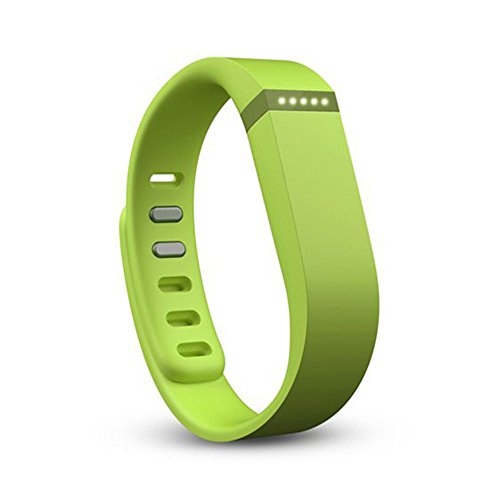
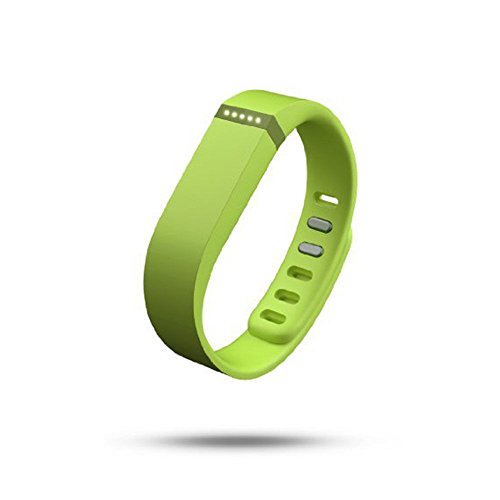
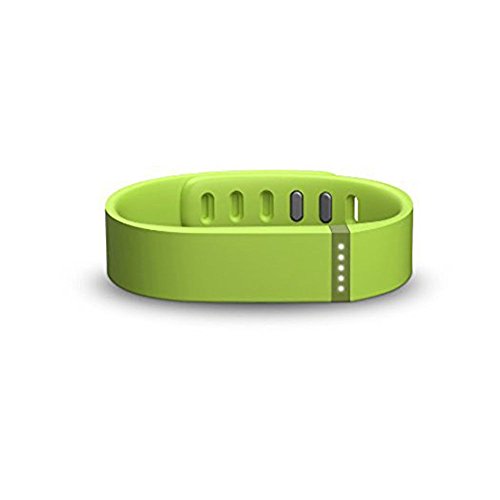
The Fitbit Flex is a minimalist, screenless activity and sleep tracker featuring a 3-axis accelerometer, five-LED indicator lights for goal tracking, and Bluetooth 4.0 for wireless syncing with mobile devices. Its primary characteristics include tracking daily steps, distance, calories burned, and active minutes, alongside a silent vibrating alarm and automatic sleep monitoring. Major pros include a lightweight, comfortable design with interchangeable bands, a solid 5-day battery life, and a robust supporting app ecosystem for data analysis and food logging. However, common cons include the lack of a proper digital display or altimeter for tracking stairs, a proprietary charging cable, and a strap clasp that many users find difficult to secure.

Technical Specifications of Fitbit Flex

Technical Score

What it is: An assessment of the fitness tracker's technical performance, covering eight key areas: health tracking, sports features, connectivity, display, battery, smart features, design, and app support.

When it matters: When you want to compare fitness trackers based on technical performance and available features.

Score components:

20.0%

7.5

Sports & Navigation

20.0%

4.3

Battery

18.0%

5.3

Health

18.0%

5.4

Display

8.0%

5.2

Smart Features

8.0%

8.2

App & Wellness

4.0%

9.0

Connectivity

4.0%

8.3

Design & Durability

6.1
Fitbit Flex has a technical score of 6.05 points, which is lower than 88.3% of fitness trackers.
User score

What it is: A rating that combines user reviews and the total number of reviews received by the fitness tracker.

When it matters: When you want to know how a fitness tracker performs in daily use and how reliable it remains over time according to user feedback.

Score components:

70.0%

8.2

User reviews

30.0%

10

Popularity

User score:
United Kingdom
amazon
4.1
(6242)

(Reviews last updated: June 2026)

8.7
Fitbit Flex has a user score of 8.74 points, which is higher than 74.2% of fitness trackers.
Popularity
What it is: An indicator based on the number of reviews received by the fitness tracker.
When it matters: When you prefer to buy a product chosen and reviewed by many other consumers.
10
Fitbit Flex has a popularity of 10 points, which is higher than 60.1% of products in this category.
Ratio quality/price

What it is: An indicator that combines the fitness tracker's overall rating with its cost.

When it matters: When you are looking for a fitness tracker with a good balance between quality and price.

Score components:

60.0%

6.6

Overall score

40.0%

10

Price

7.6
Fitbit Flex has a quality-to-price ratio of 7.6 points, which is lower than 66.2% of products in this category.
Heart rate monitor
What it is: Sensor that measures heart rate in real time.
When it matters: When you care about live heart-rate feedback during training or resting trends outside of workouts.

Importance: HIGH

no
Fitbit Flex does not support heart rate monitoring. 60.3% of fitness trackers support heart rate monitoring.
Resting heart rate
What it is: Measures heart rate while resting.
When it matters: When deeper insight into sleep quality, recovery, or overall readiness matters more than raw numbers alone.

Importance: MEDIUM

no
Fitbit Flex does not support Resting heart rate. 48.5% of fitness trackers support Resting heart rate.
Fast/slow heart rate alerts
What it is: Alerts for heart rates that are too fast or too slow.
When it matters: When you want the tracker to warn you about unusual changes instead of only logging them.

Importance: LOW

no
Fitbit Flex does not support high and low heart rate alerts. 33.7% of fitness trackers support high and low heart rate alerts.
Irregular heart rate alerts
What it is: Warns of irregular or abnormal heart rhythms.
When it matters: When you want the tracker to warn you about unusual changes instead of only logging them.

Importance: LOW

no
Fitbit Flex does not support irregular heart rate alerts. 11.5% of fitness trackers support irregular heart rate alerts.
Blood oxygen sensor
What it is: Sensor that measures blood oxygen saturation.
When it matters: When blood oxygen readings are part of the health picture you want from the device instead of relying on heart rate and step count alone.

Importance: MEDIUM

no
Fitbit Flex does not have a blood oxygen sensor. 26.1% of fitness trackers have a blood oxygen sensor.
Show more
GPS
What it is: Satellite navigation capability for positioning and tracking.
When it matters: When you train outdoors and want pace, distance, and route tracking without depending completely on your phone.

Importance: LOW

no
Fitbit Flex does not have GPS. 11% of fitness trackers have GPS.
Satellite systems supported
What it is: States which satellite navigation systems the device can use for positioning.
When it matters: When you train outdoors and want stronger positioning, route guidance, and navigation independence from your phone.

Importance: LOW

no
Fitbit Flex supports no satellite systems which is less versatile than that of 12.2% of fitness trackers and the same as that of 87.8% of fitness trackers.
GNSS bands supported
What it is: Number and type of GNSS frequency bands supported.
When it matters: When you train outdoors and want stronger positioning, route guidance, and navigation independence from your phone.

Importance: LOW

?
Galileo support
What it is: Supports Galileo satellite system.
When it matters: When you train outdoors and want stronger positioning, route guidance, and navigation independence from your phone.

Importance: LOW

no
Fitbit Flex does not support Galileo. 4.9% of fitness trackers support Galileo.
Acquires GPS faster
What it is: Shows whether the tracker includes features that help it lock onto satellite positioning more quickly at the start of an outdoor activity.
When it matters: When you train outdoors and want stronger positioning, route guidance, and navigation independence from your phone.

Importance: LOW

no
Fitbit Flex does not support faster GPS acquisition. 7.2% of fitness trackers support faster GPS acquisition.
Show more
Notifications
What it is: Delivers smartphone notifications on the watch.
When it matters: When getting calls, messages, and app alerts on your wrist saves you from checking your phone constantly.

Importance: MEDIUM

no
Fitbit Flex does not support notifications. 73% of fitness trackers support notifications.
Vibrating alerts
What it is: Provides vibration-based notifications and alerts.
When it matters: When staying reachable from your wrist helps you avoid checking your phone constantly.

Importance: LOW

yes
Fitbit Flex supports vibration alerts. 16.3% of fitness trackers support vibration alerts.
Call control
What it is: Allows control of phone calls from the device.
When it matters: When staying reachable from your wrist helps you avoid checking your phone constantly.

Importance: LOW

no
Fitbit Flex does not support call controls. 41.1% of fitness trackers support call controls.
Call answering
What it is: Allows answering calls directly from the device.
When it matters: When staying reachable from your wrist helps you avoid checking your phone constantly.

Importance: LOW

no
Fitbit Flex does not support call answering. 1% of fitness trackers support call answering.
Calendar sync
What it is: Syncs calendar events with the connected device.
When it matters: When staying reachable from your wrist helps you avoid checking your phone constantly.

Importance: LOW

no
Fitbit Flex does not support calendar sync. 19.9% of fitness trackers support calendar sync.
Show more
Activity reports
What it is: Generates summaries and insights from activity data.
When it matters: When you want the app to motivate you with goals, reports, coaching, or progress feedback over time.

Importance: LOW

yes
Fitbit Flex supports activity reports. 5.7% of fitness trackers support activity reports.
via Fitbit app
Goal setting
What it is: Allows setting personal fitness or activity goals.
When it matters: When you want the app to motivate you with goals, reports, coaching, or progress feedback over time.

Importance: LOW

yes
Fitbit Flex supports goal setting. 2.4% of fitness trackers support goal setting.
Achievements
What it is: Rewards progress and completed milestones.
When it matters: When you want the app to motivate you with goals, reports, coaching, or progress feedback over time.

Importance: LOW

yes
Fitbit Flex supports achievements. 24.3% of fitness trackers support achievements.
Includes milestone trophies.
Inactivity alerts
What it is: Alerts when the user has been inactive for too long.
When it matters: When account rules, app costs, exports, or software flexibility affect whether the ecosystem suits you long term.

Importance: LOW

no
Fitbit Flex does not support inactivity alerts. 76.9% of fitness trackers support inactivity alerts.
Coaching
What it is: Provides guided training and workout advice.
When it matters: When you want the app to motivate you with goals, reports, coaching, or progress feedback over time.

Importance: LOW

no
Fitbit Flex does not support coaching. 33% of fitness trackers support coaching.
Show more
Bluetooth version
What it is: Version of Bluetooth supported by the device.
When it matters: When wireless stability, pairing quality, and long-term phone compatibility matter more than Bluetooth being a simple checkbox.

Importance: LOW

Good value: >=5.0

4.0
Fitbit Flex supports Bluetooth 4.0 which is newer than in 5.1% of fitness trackers and equal to that in 51.5% of fitness trackers.
Maximum Bluetooth range
What it is: States the maximum Bluetooth connection range supported under normal conditions.
When it matters: When compatibility with your phone, computer, accessories, or wireless setup affects how well the tracker fits into your ecosystem.

Importance: LOW

Good value: >=10 m

?
NFC
What it is: Supports near-field communication for contactless features.
When it matters: When compatibility with your phone, computer, accessories, or wireless setup affects how well the tracker fits into your ecosystem.

Importance: LOW

yes
Fitbit Flex has NFC. 90.5% of fitness trackers have NFC.
NFC is for pairing only.
Wi-Fi connectivity
What it is: Connects to wireless internet networks.
When it matters: When the tracker should sync, update, or download data directly without always routing everything through the phone.

Importance: LOW

no
Fitbit Flex does not support Wi-Fi. 1.8% of fitness trackers support Wi-Fi.
Wi-Fi version
What it is: Version of Wi-Fi standard supported.
When it matters: When compatibility with your phone, computer, accessories, or wireless setup affects how well the tracker fits into your ecosystem.

Importance: LOW

?
Show more
Battery life
What it is: Total time the battery lasts on a full charge.
When it matters: When the tracker needs to last through travel, sleep tracking, long workouts, or several days between charges.

Importance: HIGH

Good value: >5 days

5 days
Fitbit Flex offers a battery life of 5 days which is shorter than that of 79.2% of fitness trackers and equal to that of 12.4% of fitness trackers.
Battery life with GPS on
What it is: Battery duration when GPS tracking is active.
When it matters: When you want fewer charging breaks during travel, longer workouts, sleep tracking, or continuous use.

Importance: LOW

Good value: >=8 hours

N/A
Battery life in training mode
What it is: Battery duration during active training sessions.
When it matters: When you want fewer charging breaks during travel, longer workouts, sleep tracking, or continuous use.

Importance: LOW

?
Battery life in power-saving mode
What it is: Battery duration when using power-saving mode.
When it matters: When you want fewer charging breaks during travel, longer workouts, sleep tracking, or continuous use.

Importance: LOW

N/A
Battery capacity
What it is: Energy storage capacity of the battery.
When it matters: When you want rough battery context behind the runtime claim instead of trusting the advertised hours alone.

Importance: MEDIUM

Good value: >=100 mAh

?
Show more
Display
What it is: Main interface showing information and metrics.
When it matters: When easier reading at a glance and better day-to-day screen comfort matter to you.

Importance: LOW

no
Fitbit Flex does not have a display. 76.4% of fitness trackers have a display.
Uses indicator lights instead of a full display.
Screen size
What it is: Physical size of the device’s display measured diagonally.
When it matters: When easier reading at a glance and better day-to-day screen comfort matter to you.

Importance: MEDIUM

?
Display type
What it is: Technology used for the screen, such as AMOLED or LCD.
When it matters: When display technology affects contrast, color quality, power efficiency, or how premium the screen feels.

Importance: MEDIUM

N/A
Screen resolution
What it is: Total number of pixels displayed on the screen.
When it matters: When easier reading at a glance and better day-to-day screen comfort matter to you.

Importance: MEDIUM

N/A
Pixel density
What it is: Number of pixels per inch determining screen sharpness.
When it matters: When easier reading at a glance and better day-to-day screen comfort matter to you.

Importance: LOW

Good value: >=280 ppi

N/A
Show more
Form factor
What it is: Overall physical design and shape.
When it matters: When materials, shape, and build details affect comfort, durability, or how discreet the device feels.

Importance: LOW

wristband
Hybrid design
What it is: Combines analog and digital display elements.
When it matters: When materials, shape, and build details affect comfort, durability, or how discreet the device feels.

Importance: LOW

no
Fitbit Flex does not support Hybrid design. 2.4% of fitness trackers support Hybrid design.
Designed for kids
What it is: Indicates whether the fitness tracker is explicitly designed for children, with child-focused sizing, branding, safety limits, or kid-oriented activity features.
When it matters: This matters when you want a tracker that is genuinely child-focused rather than just a smaller adult model.

Importance: LOW

no
Fitbit Flex is not designed for kids. 2.4% of fitness trackers are designed for kids.
No child-specific positioning found.
Replaceable watch band
What it is: Ability to replace the wristband with other styles.
When it matters: When strap comfort, fit, or the ability to swap bands matters for sport, style, or replacement.

Importance: LOW

yes
Fitbit Flex has a replaceable watch band. 24.4% of fitness trackers have a replaceable watch band.
Band width
What it is: Width of the strap where it connects to the watch.
When it matters: When strap comfort, fit, or the ability to swap bands matters for sport, style, or replacement.

Importance: LOW

11 mm
Show more

Fitbit Flex vs the average fitness tracker

  • 44% lighter
    Fitbit Flex is lighter than the average fitness tracker (14 g vs 25 g). The average fitness tracker weighs 25 g.
    What it is: Weight of the device including strap.
    When it matters: When overall size, thickness, or weight affects comfort during all-day wear, sleep, or exercise.

    Importance: LOW

    Good value: <25 g

    Fitbit Flex is lighter than the average fitness tracker (14 g vs 25 g). The average fitness tracker weighs 25 g.14 g vs 25 g
  • Tracks menstrual cycle
    Fitbit Flex supports menstrual cycle tracking, while the average fitness tracker does not. 41.7% of fitness trackers support menstrual cycle tracking.
    Includes menstrual-cycle tracking.
    What it is: Tracks menstrual cycle and related data.
    When it matters: When cycle tracking is part of your health routine and you want those records kept alongside the rest of your wearable data.

    Importance: LOW

    Fitbit Flex supports menstrual cycle tracking, while the average fitness tracker does not. 41.7% of fitness trackers support menstrual cycle tracking.
  • Windows compatible
    Fitbit Flex is compatible with Windows, while the average fitness tracker is not. 22.3% of fitness trackers are compatible with Windows.
    Via Fitbit Connect.
    What it is: Compatible with Windows computers.
    When it matters: When compatibility with your phone, computer, accessories, or wireless setup affects how well the tracker fits into your ecosystem.

    Importance: LOW

    Fitbit Flex is compatible with Windows, while the average fitness tracker is not. 22.3% of fitness trackers are compatible with Windows.
  • Mac OS X compatible
    Fitbit Flex is compatible with Mac OS X, while the average fitness tracker is not. 27.5% of fitness trackers are compatible with Mac OS X.
    Via Fitbit Connect.
    What it is: Compatible with macOS devices.
    When it matters: When compatibility with your phone, computer, accessories, or wireless setup affects how well the tracker fits into your ecosystem.

    Importance: LOW

    Fitbit Flex is compatible with Mac OS X, while the average fitness tracker is not. 27.5% of fitness trackers are compatible with Mac OS X.
  • NFC
    Fitbit Flex has NFC, while the average fitness tracker does not. 10.1% of fitness trackers have NFC.
    NFC is for pairing only.
    What it is: Supports near-field communication for contactless features.
    When it matters: When compatibility with your phone, computer, accessories, or wireless setup affects how well the tracker fits into your ecosystem.

    Importance: LOW

    Fitbit Flex has NFC, while the average fitness tracker does not. 10.1% of fitness trackers have NFC.
  • Cycle start prediction
    Fitbit Flex predicts the start date, while the average fitness tracker does not. 42.2% of fitness trackers predict the start date.
    Predicts the next period start date.
    What it is: Shows whether the platform can estimate when the next menstrual cycle is likely to begin.
    When it matters: When cycle tracking, fertility insight, or related reminders are part of your health routine.

    Importance: LOW

    Fitbit Flex predicts the start date, while the average fitness tracker does not. 42.2% of fitness trackers predict the start date.
  • Ovulation prediction
    Fitbit Flex predicts ovulation, while the average fitness tracker does not. 41.4% of fitness trackers predict ovulation.
    Predicts ovulation.
    What it is: Shows whether the health platform can estimate the ovulation window from tracked cycle data.
    When it matters: When cycle tracking, fertility insight, or related reminders are part of your health routine.

    Importance: LOW

    Fitbit Flex predicts ovulation, while the average fitness tracker does not. 41.4% of fitness trackers predict ovulation.
  • Built-in route tracker
    Fitbit Flex supports route tracking, while the average fitness tracker does not. 49.8% of fitness trackers support route tracking.
    Uses connected phone GPS for route maps.
    What it is: Shows whether the platform can record and save route history for outdoor activities such as running, hiking, or cycling.
    When it matters: When you want to review where you went after a workout instead of seeing only distance and time totals.

    Importance: LOW

    Fitbit Flex supports route tracking, while the average fitness tracker does not. 49.8% of fitness trackers support route tracking.
  • Tracks menstrual cycle
    Fitbit Flex supports menstrual cycle tracking, while the average fitness tracker does not. 41.7% of fitness trackers support menstrual cycle tracking.
  • Ovulation prediction
    Fitbit Flex predicts ovulation, while the average fitness tracker does not. 41.4% of fitness trackers predict ovulation.
  • Cycle start prediction
    Fitbit Flex predicts the start date, while the average fitness tracker does not. 42.2% of fitness trackers predict the start date.
  • Built-in route tracker
    Fitbit Flex supports route tracking, while the average fitness tracker does not. 49.8% of fitness trackers support route tracking.
  • 7.1% higher maximum altitude
    Fitbit Flex has a higher maximum altitude than the average fitness tracker (9,144 m vs 8,534 m). The average fitness tracker supports a maximum altitude of 8,534 m.
  • Windows compatible
    Fitbit Flex is compatible with Windows, while the average fitness tracker is not. 22.3% of fitness trackers are compatible with Windows.
  • Mac OS X compatible
    Fitbit Flex is compatible with Mac OS X, while the average fitness tracker is not. 27.5% of fitness trackers are compatible with Mac OS X.
  • NFC
    Fitbit Flex has NFC, while the average fitness tracker does not. 10.1% of fitness trackers have NFC.
  • Firmware update method
    Fitbit Flex uses a more convenient firmware update method than the average fitness tracker (over-the-air / USB vs over-the-air). The average fitness tracker uses over-the-air for firmware updates.
  • 44% lighter
    Fitbit Flex is lighter than the average fitness tracker (14 g vs 25 g). The average fitness tracker weighs 25 g.
  • 29.8 mm lower height
    Fitbit Flex is shorter than the average fitness tracker (11 mm vs 40.8 mm). The average fitness tracker has a height of 40.8 mm.
  • Tracks calorie intake
    Fitbit Flex supports calorie intake tracking, while the average fitness tracker does not. 39.3% of fitness trackers support calorie intake tracking.
  • No heart rate monitoring
    Fitbit Flex does not support heart rate monitoring, while the average fitness tracker does. 60% of fitness trackers support heart rate monitoring.
  • No sleep reports
    Fitbit Flex does not support sleep reports, while the average fitness tracker does. 84.8% of fitness trackers support sleep reports.
  • No automatic activity detection
    Fitbit Flex does not support automatic activity detection, while the average fitness tracker does. 50.3% of fitness trackers support automatic activity detection.
  • 10 fewer stored activities
    Fitbit Flex has fewer stored activities than the average fitness tracker (0 vs 10). The average fitness tracker stores 10 activities.
  • 5 days shorter battery life
    Fitbit Flex has a lower battery life than the average fitness tracker (5 days vs 10 days). The average fitness tracker has 10 days of battery life.
  • No battery level indicator
    Fitbit Flex does not have a battery level indicator, while the average fitness tracker does. 88.8% of fitness trackers have a battery level indicator.
  • No display
    Fitbit Flex does not have a display, while the average fitness tracker does. 76.1% of fitness trackers have a display.
    Uses indicator lights instead of a full display.
  • No notifications
    Fitbit Flex does not support notifications, while the average fitness tracker does. 72.6% of fitness trackers support notifications.
  • No stopwatch
    Fitbit Flex does not have a stopwatch, while the average fitness tracker does. 58.4% of fitness trackers have a stopwatch.
  • 40 m lower waterproof depth rating
    Fitbit Flex has a lower waterproof depth rating than the average fitness tracker (10 m vs 50 m). The average fitness tracker has a waterproof depth rating of 50 m.
  • 20 °C higher minimum operating temperature
    Fitbit Flex has a higher minimum operating temperature than the average fitness tracker (-20 °C vs 0 °C). The average fitness tracker supports a minimum operating temperature of 0 °C.
  • 3 older release date
    Fitbit Flex was released earlier than the average fitness tracker (2013 vs 2016). The average fitness tracker was released in 2016.
    May 2013
  • No personalization options
    Fitbit Flex cannot be personalized, while the average fitness tracker can. 80% of fitness trackers can be personalized.
  • No inactivity alerts
    Fitbit Flex does not support inactivity alerts, while the average fitness tracker does. 76.5% of fitness trackers support inactivity alerts.
  • No heart rate monitoring
    Fitbit Flex does not support heart rate monitoring, while the average fitness tracker does. 60% of fitness trackers support heart rate monitoring.
    What it is: Sensor that measures heart rate in real time.
    When it matters: When you care about live heart-rate feedback during training or resting trends outside of workouts.

    Importance: HIGH

    Fitbit Flex does not support heart rate monitoring, while the average fitness tracker does. 60% of fitness trackers support heart rate monitoring.
  • No automatic activity detection
    Fitbit Flex does not support automatic activity detection, while the average fitness tracker does. 50.3% of fitness trackers support automatic activity detection.
    What it is: Automatically recognizes and records physical activities.
    When it matters: When you want common workouts captured even on days when you forget to start tracking manually.

    Importance: MEDIUM

    Fitbit Flex does not support automatic activity detection, while the average fitness tracker does. 50.3% of fitness trackers support automatic activity detection.
  • 5 days shorter battery life
    Fitbit Flex has a lower battery life than the average fitness tracker (5 days vs 10 days). The average fitness tracker has 10 days of battery life.
    What it is: Total time the battery lasts on a full charge.
    When it matters: When the tracker needs to last through travel, sleep tracking, long workouts, or several days between charges.

    Importance: HIGH

    Good value: >5 days

    Fitbit Flex has a lower battery life than the average fitness tracker (5 days vs 10 days). The average fitness tracker has 10 days of battery life.5 days vs 10 days
  • No notifications
    Fitbit Flex does not support notifications, while the average fitness tracker does. 72.6% of fitness trackers support notifications.
    What it is: Delivers smartphone notifications on the watch.
    When it matters: When getting calls, messages, and app alerts on your wrist saves you from checking your phone constantly.

    Importance: MEDIUM

    Fitbit Flex does not support notifications, while the average fitness tracker does. 72.6% of fitness trackers support notifications.
  • No sleep reports
    Fitbit Flex does not support sleep reports, while the average fitness tracker does. 84.8% of fitness trackers support sleep reports.
    What it is: Shows whether the companion platform turns sleep data into reports or summaries instead of only raw nightly logs.
    When it matters: When you want sleep data turned into clearer nightly summaries instead of digging through raw charts on your own.

    Importance: LOW

    Fitbit Flex does not support sleep reports, while the average fitness tracker does. 84.8% of fitness trackers support sleep reports.
  • No battery level indicator
    Fitbit Flex does not have a battery level indicator, while the average fitness tracker does. 88.8% of fitness trackers have a battery level indicator.
    What it is: Shows remaining battery percentage.
    When it matters: When charging speed, charging method, or battery upkeep convenience matters to your routine.

    Importance: LOW

    Fitbit Flex does not have a battery level indicator, while the average fitness tracker does. 88.8% of fitness trackers have a battery level indicator.
  • No personalization options
    Fitbit Flex cannot be personalized, while the average fitness tracker can. 80% of fitness trackers can be personalized.
    What it is: Shows whether the device or companion platform allows meaningful personalization such as layouts, watch faces, recommendations, or settings.
    When it matters: When watch faces, app layout, recommendations, or personalized metrics affect whether the ecosystem feels useful long term.

    Importance: LOW

    Fitbit Flex cannot be personalized, while the average fitness tracker can. 80% of fitness trackers can be personalized.
  • 40 m lower waterproof depth rating
    Fitbit Flex has a lower waterproof depth rating than the average fitness tracker (10 m vs 50 m). The average fitness tracker has a waterproof depth rating of 50 m.
    What it is: Maximum depth the device can withstand underwater.
    When it matters: When you plan to swim, shower, dive, or use the tracker regularly around water.

    Importance: LOW

    Good value: >=50 m

    Fitbit Flex has a lower waterproof depth rating than the average fitness tracker (10 m vs 50 m). The average fitness tracker has a waterproof depth rating of 50 m.10 m vs 50 m

Graphic comparison of Fitbit Flex and

Attribute category
Attribute
No results found

Third-party reviews

United Kingdom

(Reviews last updated: June 2026)

What customers like about Fitbit Flex?

  • Lightweight and comfortable for 24/7 wear
  • Water-resistant design allows for use in the shower or rain
  • Intuitive and comprehensive mobile app and web dashboard
  • Effective 'Silent Alarm' feature that wakes users with vibrations
  • Motivational goal-tracking via five LED progress indicator dots
  • Customisable look with a variety of interchangeable coloured bands
  • Good battery life, typically lasting between 5 to 7 days

What customers dislike about Fitbit Flex?

  • No built-in display to see real-time stats or time of day
  • Lacks an altimeter, meaning it cannot track floors or stairs climbed
  • Uses a proprietary charging cradle that is easy to lose and hard to replace
  • Sleep tracking often requires manual activation through the app or device tapping
  • Step accuracy can be affected by non-walking movements like typing or arm gestures
  • The wristband clasp can be difficult and awkward to fasten securely
  • No integrated heart rate monitor

Expert reviews

B
breakingeighty.com
04/05/2021
Summary of the review
I
itstactical.com
07/08/2014
Summary of the review
E
expertreviews.co.uk
18/06/2019
Summary of the review
T
techradar.com
17/11/2017
Summary of the review
T
t3.com
16/10/2015
Summary of the review
T
theguardian.com
14/07/2014
Summary of the review
P
pcmag.com
06/05/2013
Summary of the review
C
cnet.com
06/05/2013
Summary of the review
C
cnet.com
12/05/2013
Summary of the review
W
wired.com
06/05/2013
Summary of the review
L
linustechtips.com
04/10/2013
Summary of the review
I
irishtimes.com
17/10/2013
Summary of the review
L
livescience.com
02/10/2013
Summary of the review
L
laptopmag.com
05/05/2013
Summary of the review
T
theverge.com
06/05/2013
Summary of the review
M
medium.com
19/12/2014
Summary of the review
C
connect.de
19/05/2014
Summary of the review
H
heise.de
24/10/2013
Summary of the review
D
diegesundheitsexperten.com
18/10/2013
Summary of the review
C
chip.de
20/07/2013
Summary of the review
C
chip.de
22/08/2014
Summary of the review
L
lesnumeriques.com
07/12/2013
Summary of the review
J
journaldugeek.com
03/06/2013
Summary of the review
T
trentejours.com
30/07/2014
Summary of the review
T
trailandrunning.com
10/12/2021
Summary of the review
0
01net.com
29/07/2014
Summary of the review
P
pixel-geek.fr
30/08/2015
Summary of the review
C
colineetsondino.wordpress.com
14/05/2014
Summary of the review
T
treki23.com
20/03/2014
Summary of the review
X
xataka.com.mx
09/05/2014
Summary of the review
F
forbes.com.mx
20/09/2014
Summary of the review
E
es.gizmodo.com
10/05/2013
Summary of the review
X
xataka.com
07/06/2013
Summary of the review
N
nextgentech.it
05/09/2016
Summary of the review
D
dday.it
04/08/2014
Summary of the review
M
macitynet.it
18 March 2026*
Summary of the review
T
tweakers.net
30/06/2026
Summary of the review
P
portablegear.nl
Unknown
Summary of the review
N
natuurlijklinda.nl
23/10/2016
Summary of the review
C
coolesuggesties.nl
06/09/2014
Summary of the review
A
androidworld.nl
02/07/2013
Summary of the review
T
tweakers.net
01/01/2018
Summary of the review

Video reviews

Compare Fitbit Flex with

VS
VS

Compare