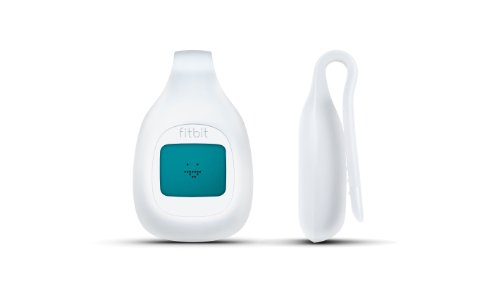
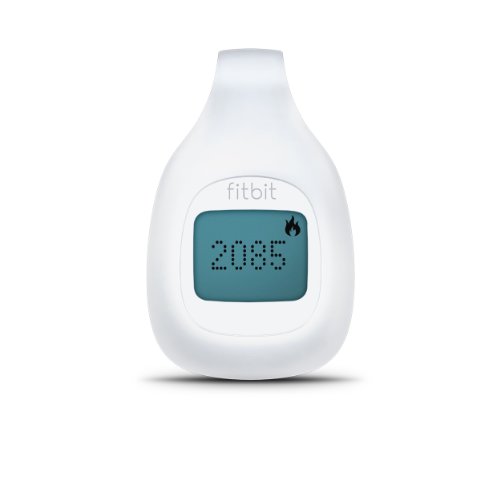
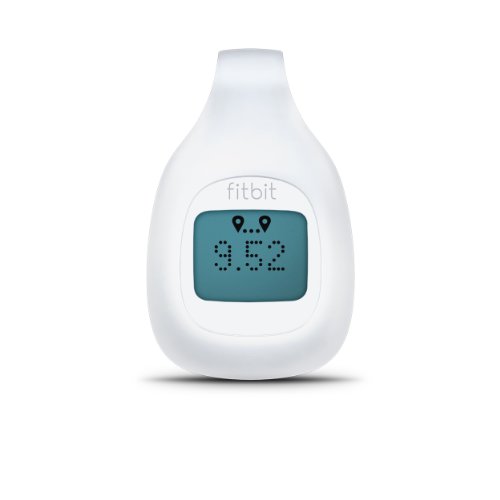
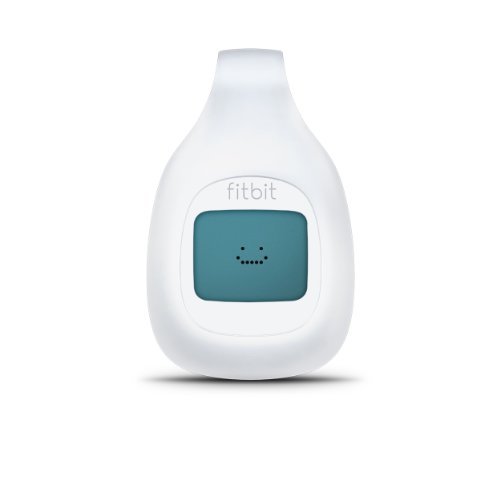
Fitbit Zip review. Compare 171 technical specifications and user reviews to see how it ranks among fitness trackers and if it is worth buying.
Overall score
What it is: An overall evaluation of the fitness tracker's quality, based on technical analyses and user reviews.
When it matters: When you need a quick reference to identify the best fitness trackers on the market.
Score components:
80.0%
Technical Score
20.0%
User score
Technical Score
What it is: An assessment of the fitness tracker's technical performance, covering eight key areas: health tracking, sports features, connectivity, display, battery, smart features, design, and app support.
When it matters: When you want to compare fitness trackers based on technical performance and available features.
Score components:
20.0%
Sports & Navigation
20.0%
Battery
18.0%
Health
18.0%
Display
8.0%
Smart Features
8.0%
App & Wellness
4.0%
Connectivity
4.0%
Design & Durability
User score
What it is: A rating that combines user reviews and the total number of reviews received by the fitness tracker.
When it matters: When you want to know how a fitness tracker performs in daily use and how reliable it remains over time according to user feedback.
Score components:
70.0%
User reviews
30.0%
Popularity
Score components:
28.0%
ATM rating
24.0%
Open-water swim mode
18.0%
Waterproof depth rating
15.0%
GPS
15.0%
Battery life
Score components:
30.0%
Battery life
25.0%
Weight
20.0%
ATM rating
15.0%
Screen size
10.0%
Price
Available: ranking among products currently available (including other versions of this product).
All: ranking among all products in the database.
#15 in Best Fitbit Fitness Trackers
#91 in Best Fitness Trackers
What it is: An assessment of the fitness tracker's technical performance, covering eight key areas: health tracking, sports features, connectivity, display, battery, smart features, design, and app support.
When it matters: When you want to compare fitness trackers based on technical performance and available features.
Score components:
20.0%
Sports & Navigation
20.0%
Battery
18.0%
Health
18.0%
Display
8.0%
Smart Features
8.0%
App & Wellness
4.0%
Connectivity
4.0%
Design & Durability
What it is: A rating that combines user reviews and the total number of reviews received by the fitness tracker.
When it matters: When you want to know how a fitness tracker performs in daily use and how reliable it remains over time according to user feedback.
Score components:
70.0%
User reviews
30.0%
Popularity
What it is: An indicator that combines the fitness tracker's overall rating with its cost.
When it matters: When you are looking for a fitness tracker with a good balance between quality and price.
Score components:
60.0%
Overall score
40.0%
Price
Importance: HIGH
Importance: MEDIUM
Importance: LOW
Importance: LOW
Importance: MEDIUM
Importance: LOW
Importance: LOW
Importance: LOW
Importance: LOW
Importance: LOW
Importance: LOW
Importance: LOW
Importance: LOW
Importance: LOW
Importance: LOW
Importance: HIGH
Importance: LOW
Importance: LOW
Importance: LOW
Importance: LOW
Importance: LOW
Importance: LOW
Importance: LOW
Importance: LOW
Importance: LOW
Importance: LOW
Importance: LOW
Importance: LOW
Importance: LOW
Importance: LOW
Importance: LOW
Importance: LOW
Importance: LOW
Importance: MEDIUM
Importance: MEDIUM
Importance: HIGH
Importance: MEDIUM
Importance: LOW
Importance: LOW
Importance: LOW
Importance: LOW
Importance: LOW
Importance: LOW
Importance: LOW
Importance: LOW
Importance: LOW
Importance: LOW
Importance: LOW
Importance: LOW
Importance: LOW
Importance: LOW
Importance: LOW
Importance: LOW
Importance: LOW
Importance: LOW
Importance: LOW
Importance: LOW
Importance: LOW
Importance: LOW
Importance: LOW
Importance: LOW
Importance: MEDIUM
Importance: LOW
Importance: LOW
Importance: LOW
Importance: LOW
Importance: LOW
Importance: LOW
Importance: LOW
Importance: LOW
Importance: LOW
Importance: LOW
Importance: LOW
Importance: LOW
Importance: LOW
Importance: LOW
Importance: LOW
Importance: LOW
Importance: LOW
Importance: LOW
Importance: LOW
Importance: LOW
Importance: LOW
Importance: LOW
Importance: LOW
Importance: LOW
Importance: LOW
Importance: LOW
Importance: LOW
Importance: LOW
Importance: LOW
Importance: LOW
Importance: LOW
Importance: LOW
Importance: LOW
Importance: LOW
Importance: LOW
Importance: LOW
Importance: LOW
Importance: LOW
Importance: LOW
Importance: LOW
Importance: LOW
Importance: LOW
Importance: LOW
Importance: LOW
Importance: LOW
Importance: LOW
Importance: LOW
Importance: LOW
Importance: LOW
Importance: LOW
Good value: >=5.0
Importance: LOW
Good value: >=10 m
Importance: LOW
Importance: LOW
Importance: LOW
Importance: LOW
Importance: LOW
Importance: LOW
Importance: LOW
Importance: LOW
Importance: HIGH
Good value: >5 days
Importance: LOW
Good value: >=8 hours
Importance: LOW
Importance: LOW
Importance: MEDIUM
Good value: >=100 mAh
Importance: LOW
Importance: LOW
Importance: LOW
Importance: MEDIUM
Importance: LOW
Importance: LOW
Importance: LOW
Importance: LOW
Importance: LOW
Importance: MEDIUM
Importance: MEDIUM
Importance: MEDIUM
Importance: LOW
Good value: >=280 ppi
Importance: LOW
Importance: LOW
Importance: LOW
Importance: HIGH
Good value: >=450 nits
Importance: LOW
Importance: LOW
Importance: LOW
Importance: LOW
Importance: LOW
Importance: LOW
Importance: LOW
Importance: LOW
Importance: LOW
Importance: LOW
Importance: LOW
Importance: LOW
Importance: LOW
Importance: LOW
Importance: LOW
Good value: <10 mm
Importance: LOW
Importance: LOW
Good value: <25 g
Importance: LOW
Importance: LOW
Importance: LOW
Good value: >=5 ATM
Importance: LOW
Good value: >=50 m
Importance: LOW
Importance: LOW
Importance: LOW
Importance: LOW
Importance: LOW
Importance: LOW
Importance: LOW
Importance: HIGH
Good value: >5 days
Importance: LOW
Importance: LOW
Good value: <25 g
Importance: LOW
Importance: LOW
Importance: LOW
Importance: LOW
Importance: LOW
Importance: HIGH
Importance: MEDIUM
Importance: MEDIUM
Importance: HIGH
Importance: MEDIUM
Importance: LOW
Importance: MEDIUM
Importance: LOW
(Reviews last updated: June 2026)
The Gough's Tech Zone review highlights the Fitbit Zip as a dependable, entry-level, no-frills fitness tracker shaped like a tamagotchi. Designed for simplicity, the device tracks basic metrics such as steps, distance, and calories, which users can cycle through by tapping the pebble-shaped unit. Its primary pros include an exceptional battery life of about 3 to 4 months on a single replaceable CR2025 coin cell, meaning users do not need to constantly recharge the unit. Additionally, its clip-on design makes it highly discreet and less prone to losing power mid-day compared to its rechargeable counterpart, the Fitbit One. The lack of physical buttons and the inclusion of a rubber gasket on the battery door also likely enhance its water and sweat resistance. YouTube ·Adam Savage’ However, the review outlines several prominent cons that limit the Zip's functionality. It completely lacks advanced tracking capabilities such as sleep monitoring, floor-climbing altimeters, and vibrating alarms. The hardware itself has clear limitations: the low-resolution, non-backlit LCD screen does not display motivational text and is impossible to read in the dark. Long-term usage also revealed...
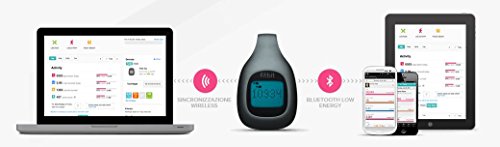
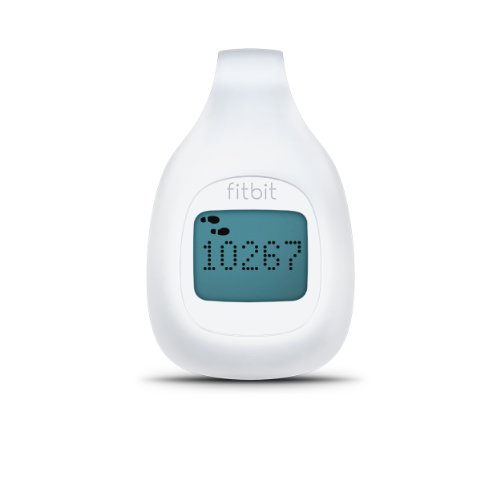
Fitbit Zip Overview The Fitbit Zip is a compact, pod-shaped wireless activity tracker designed to offer a budget-friendly and discreet alternative to larger wrist-worn wearables. It features a simple dot-matrix screen that displays basic daily metrics—including steps, distance, and calories burned—activated by tapping the face rather than using buttons. Running on a standard watch battery, it requires no regular charging and provides up to six months of power. Data is automatically synced to computers and smartphones using a wireless USB receiver or Bluetooth 4.0, integrating smoothly with Fitbit's food tracking and workout analysis tools. Key Pros and Cons Pros: Compact build: The small, lightweight design is highly discreet. Secure fit: The upgraded clip features a tight, clamp-like grip. Robust app integration: Smooth data transition and helpful food-logging features. Long battery life: Operates for roughly six months without needing a charge. Cons: Lacklustre display: The dot-matrix screen offers basic functionality. Feature omissions: Lacks the altimeter and sleep monitoring found in more expensive models. Limited multi-device support: Users cannot pair more than one tracker to a single account simultaneously.
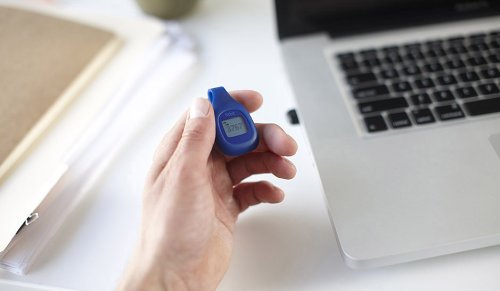
Fitbit Zip Wireless Review Summary The Fitbit Zip Wireless is a highly portable, budget-friendly activity tracker that excels at basic daily step counting and integrates smoothly with Fitbit’s robust digital ecosystem. The device consists of a tiny pod about the size of a thumb that sits inside a secure silicone pocket clip, making it incredibly small and unobtrusive to wear on a waistband or carry loose in a pocket. A major highlight is its data management; it pairs seamlessly via Bluetooth with the excellent Fitbit smartphone app and desktop dashboard, allowing users to effortlessly track distances, log diet and water intake, use female health tracking, and engage in social fitness competitions. Furthermore, it stands out as a budget device by featuring a clean, easy-to-read on-device screen that remains highly visible even in direct sunlight. Despite its high value, the device comes with several notable limitations regarding data depth and initial setup. In terms of performance constraints, the tracker does not support stair-climbing metrics, lacks sleep tracking capabilities, and scored just below the middle of the pack for absolute accuracy with...
The Fitbit Zip is a minuscule, clip-on fitness tracker designed for those seeking a discreet, wrist-free way to monitor basic daily activity. Priced around $60, this bare-bones device stands out for its exceptional step-counting precision, showing virtually zero discrepancy when tested over a mile-long walk. Users also benefit from Fitbit’s highly intuitive mobile app, which offers a great online community, virtual "Adventures," and a barcode scanner for food calorie logging. Additionally, its low-profile ergonomic design makes it comfortably unnoticeable when attached to a waistband or tucked inside a pocket, and its single-tap interface is powered by a coin cell battery that lasts up to 6 months. However, the reviewer highlights significant drawbacks, largely rooted in the device's heavily restricted feature set and the fact that it was discontinued in March 2019. Its fitness impact plummets outside of walking, as it lacks a heart rate sensor and cannot track distinct activities like cycling. It offers no silent alarm or sleep tracking features, and it fails to provide any active motivational prompts to move after periods of sitting. Furthermore, data synchronization with...
The Fitbit Zip is a budget-friendly, wireless activity tracker that serves as an affordable entry point for users tracking basic fitness metrics without spending a fortune. Dropping to as low as £30, it tracks daily steps, distance travelled, and estimated calories burned. The device syncs data via Bluetooth to PCs, Macs, and an expanding selection of iOS and Android smartphones. Designed for convenience, the Zip clips easily onto clothing or fits inside a pocket, and it features an interactive LCD display that lets users cycle through their live stats with a simple tap. A major benefit of the tracker is its outstanding battery life, utilizing a cheap coin battery that lasts for months rather than days, eliminating the hassle of frequent charging. Its companion app provides a motivating social ecosystem with performance summaries, achievement badges, and the ability to cheer or taunt friends. However, the low price tag introduces a few notable drawbacks. The Zip lacks sleep tracking capabilities and does not contain an altimeter, meaning it cannot count stairs climbed. Furthermore, the built-in food and drink logging feature within...
The PCMag review of the Fitbit Zip highlights it as a miniscule and highly affordable entry-level wireless activity tracker priced at $59.95. Designed primarily for price-sensitive users, the ultra-compact device measures 0.2 by 1.2 by 1.8 inches and weighs a mere 0.3 ounces. It features a simple dot-matrix display that cycles through steps, distance, calories burned, and time via a buttonless tap interface. Notable pros include its low cost compared to the competition, a long-lasting replaceable watch battery that lasts several months without recharging, and a complimentary, comprehensive Fitbit web account that enables seamless wireless data synchronization and third-party app integration. However, the tracker comes with several notable cons that limit its overall utility. Its primary drawbacks are a cheap aesthetic, a dull gray screen, and the absence of sleep tracking capabilities. Additionally, it lack an altimeter, meaning it cannot track stairs or hills, and it restricts tracking solely to walking, running, and jogging. Ultimately, reviewer Jill Duffy advises that unless you are on a strict budget or unsure of your fitness commitment, it is highly recommended to spend an...
The Fitbit Zip is a compact, key-fob-sized daily activity tracker that accurately monitors steps taken, calories burned, and distance traveled right out of the box. Priced at $60, it features a small monochrome LCD screen that allows users to tap through their daily metrics and view a responsive, motivational emoticon. A major strength of the device is its seamless, automated background syncing via built-in Bluetooth to a smartphone application or to a computer using an included USB dongle. Additionally, the device uses a 3V watch battery that eliminates the need for charging docks, lasting several weeks on a single battery. Despite its convenient data transfers and encouraging badge reward system, the tracker has notable downsides. Unlike other fitness monitors on the market, the Fitbit Zip does not offer any sleep tracking functionality. Its physical design relies entirely on a clothing clip rather than a wristband, making it highly susceptible to being forgotten, lost, or accidentally left in pants pockets during laundry cycles. Furthermore, maximizing the device's potential requires manual data entry into the smartphone app for dietary logs and non-step...
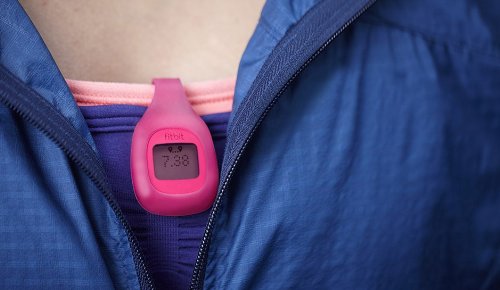
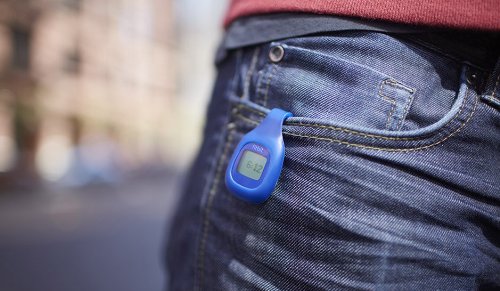
The Fitbit Zip is a highly discreet, entry-level fitness tracker designed for users who prefer not to wear a device on their wrist. Instead of a band, it features a small LCD display and comes with a silicone sleeve that easily clips onto a belt, pocket, or bra. For a retail price of $60, £50, or AU$80, it serves as an affordable gateway into the comprehensive Fitbit ecosystem. One of its standout benefits is its outstanding battery life; powered by a cheap, replaceable coin battery, the device never requires charging and lasts between four and six months. In terms of functionality, the review highlights both notable pros and cons regarding what the device can track. On the positive side, the Zip reliably monitors fundamental fitness metrics, including steps taken, overall distance, and calories burned. All of this data automatically syncs to the user-friendly Fitbit app, allowing users to log meals and engage in fitness competitions with family and friends. However, the tracker lacks advanced features found in pricier models. The primary downsides are that it cannot track sleep quality, does...
FitBit Zip Review Summary The FitBit Zip is a compact, highly user-friendly clip-on activity tracker designed primarily for everyday users looking to monitor basic movement without the bulk of a wristband. It features an ultra-small footprint that sits comfortably on a waistband, where it remains virtually unnoticeable. Operating the device is incredibly simple, requiring a single tap on the non-backlit dot matrix screen to cycle through daily steps, distance, calories burned, and the time. Data syncs wirelessly via Bluetooth Smart to compatible mobile applications or through an included USB dongle for computers. The tracker integrates seamlessly with a well-developed online dashboard and third-party fitness ecosystem. Additionally, it runs on a replaceable CR2025 coin cell battery that lasts roughly five to six months, eliminating the hassle of frequent charging. Key Pros & Cons While the FitBit Zip excels at basic tracking, it lacks advanced features found in premium models. Pros: Simple, tap-based physical interface. Five-to-six-month battery life. Tiny form factor with a secure rubberized clip. Excellent third-party application connectivity. Cons: Does not track sleep, heart rate, or stairs climbed. Step-counting accuracy...
The Fitbit Zip is a compact, lightweight wireless activity tracker designed to discreetly monitor daily physical activity by clipping onto a pocket, belt, or bra. Relying on a 3-axis accelerometer, it tracks basic metrics including steps taken, distance travelled, and calories burned based on the user's personal profile. The rain, splash, and sweat-proof device features a simple tap-sensitive interface that allows users to cycle through five display modes, including a dynamic "smiley" icon that changes based on recent activity levels. It automatically synchronises data via Bluetooth to a smartphone or through a bundled USB dongle to a computer, uploading the metrics to Fitbit.com for comprehensive health tracking. The review highlights several notable advantages, particularly its highly affordable $59.95 price point and an impressive 4-to-6-month battery life powered by a replaceable coin-cell battery, removing the hassle of frequent recharging. It is praised for its ease of setup, reliable step counting that accurately registers proper walking without requiring deliberate knee-lifting, and its lightweight, non-wrist-bound design. However, the tracker has significant functional limitations; it lacks advanced health monitoring features such as a heart...
The Fitbit Zip is a compact and affordable step counter designed as a budget-friendly alternative to the Fitbit Ultra, retail-priced at launch around 𝑈 𝑆 6 0 / £ 5 0 / AU70. It relies on integrated sensors to calculate daily steps, calories burned, and distance traveled, automatically syncing data to a computer via an included USB dongle or to smartphones using Bluetooth 4.0. Key pros highlighted in the review include its clever and accurate tracking capabilities, an expandable online service, and seamless integration with third-party applications like MyFitnessPal—which helps overcome the limitations of Fitbit’s highly US-centric native food database. Additionally, its low-power Bluetooth syncing and affordable price point make it highly accessible for casual users looking to manage weight loss. However, the device sacrifices several features to achieve its lower price point, leading to notable cons. The LCD touchscreen, which toggles between activity metrics and performance smiley faces, lacks responsiveness and does not always work smoothly. The review also criticises the tracker for missing essential stair-counting and sleep-monitoring functionalities, which can leave users wanting a more comprehensive dataset once...
The Fitbit Zip is highlighted as a highly accurate, budget-friendly fitness tracker that functions exceptionally well for core tracking metrics like walking, jogging, and treadmill running. Priced competitively at $59.95, it stands out as the cheapest device in the Fitbit lineup while still providing full integration into the Fitbit app and website ecosystem. A major pro of this device is its long-lasting, user-replaceable coin battery, which operates continuously for four to six months without needing a single charge. Additionally, it offers key highlights such as a splash and sweat-proof plastic exterior, reliable Bluetooth 4.0 wireless syncing across compatible smartphone platforms, and engaging social features like in-app challenges, badges, and weekly data summary emails. However, the tracker's lower price point means it lacks several advanced features commonly found in more premium alternatives. The review notes significant cons, including the total absence of sleep monitoring, elevation or stair-climbing metrics, silent alarms, and physical vibration alerts. It also lacks a built-in timed activity feature and restricts its tracking strictly to steps, distance, active minutes, and calories. While its basic "cutesy" plastic aesthetic and...
The Fitbit Zip is a small, $60 fitness tracker designed for users who want to monitor their daily activity levels without the bulk of a wrist-bound device. Shrunk down to the size of three stacked quarters, its standout pros include an adorable, smooth-edged design that is incredibly lightweight and unobtrusive, making it easy to forget in a pocket or sports bra. It delivers reliable accuracy by using an accelerometer to track steps, distance, and calories burned. Additionally, it boasts excellent, automatic data syncing via a Bluetooth 4.0 dongle and runs for up to six months on a single, user-replaceable CR 2025 coin battery, completely freeing users from daily recharging. However, the device is held back by several significant cons, most notably its companion applications. The Android version is described as terrible, completely missing vital data from the cloud and featuring a broken manual activity logger that lacks basic options like cycling. Hardware limitations are also highly apparent; because it is splash-proof rather than fully waterproof, it cannot be used for swimming, and its screen entirely lacks illumination, rendering it useless...
The PhoneArena review of the Fitbit Zip awards the wearable a 7.0 out of 10 rating, characterizing it as a simple, no-frills, and highly accurate pedometer designed for casual users. Priced at $60, this miniscule and lightweight device is meant to be carried in a pocket or worn using an included silicone clip. Key pros highlighted in the review include its superior step-tracking accuracy, which outperforms wrist-worn trackers by avoiding false readings from hand movements. It is exceptionally easy to use and features a touch-sensitive LCD display that remains perfectly visible in direct sunlight. Additionally, it appeals strongly to users who prefer a standalone experience without smartphone dependency, and it offers an impressive 4 to 6 months of battery life powered by a single replaceable CR 2025 coin battery. However, the review points out several significant cons that limit its appeal for hardcore fitness enthusiasts. A major drawback is the inability to view previous days' data directly on the device's display, forcing users to open the mobile companion app for historical progress. The screen also entirely lacks backlighting, making it...
The Fitbit Zip is a lightweight, budget-friendly tracker that functions as a straightforward pedometer, monitoring steps, calories, and distance with a simple touchscreen display. Praised for its small, clip-on design, it offers a basic, easy-to-use experience for entry-level fitness tracking. YouTube ·TWiT However, the review notes significant limitations, including a lack of sleep tracking, no floor climbing detection, and the absence of an alarm feature. A major drawback is the screen's lack of backlight, which makes it impossible to read in the dark.
The Fitbit Zip is a compact and budget-friendly activity tracker that serves as an accessible entry-level device for users looking to monitor their daily movement. Measuring just slightly larger than a 2-euro coin, it features a retro, Tamagotchi-inspired LCD screen complete with a smiley face that reacts to the user's activity levels—even sticking its tongue out when movement is insufficient. The device tracks steps, distance, and calories burned, storing granular data for up to seven days. Its standout features include a highly motivating companion app equipped with a comprehensive food database, a water-logging protocol, and weight-loss planning tools. Additionally, it boasts a long battery life of roughly six months utilizing an easily replaceable CR2025 coin cell, eliminating the need for frequent recharging. However, the tracker's low price point comes with several functional compromises. The device lacks advanced tracking features such as sleep monitoring and an altimeter for counting stairs. It is also not waterproof, meaning it can survive sweat or rain but will be destroyed if accidentally left in the washing machine. Reviewers noted minor hardware glitches during testing, specifically...
The connect-living review presents the Fitbit Zip as a compact and affordable pedometer priced at around €60, designed to track steps, distance covered, and calories burned. The evaluation highlights the device's high-quality design, solid workmanship, and user-friendly operation as major pros. It notes the device's convenience in allowing users to seamlessly transmit their gathered fitness data via Bluetooth directly to a PC or iPhone. However, the reviewer points out notable cons regarding data management and internet-based calorie monitoring. To calculate total daily calorie consumption, users must manually log every activity and meal into the online Fitbit platform. The reviewer finds this tracking process highly tedious and time-consuming because the platform lacks many nutritional food listings, making manual data entry more complicated than it should be.
The Macwelt review evaluates the Fitbit Zip as a compact, lightweight fitness tracker designed for casual athletes and individuals looking to lose weight. Priced at €60 (CHF 80), the device scored a "good" rating of 2.3. Key advantages highlighted in the review include its highly compact form factor, a secure silicone-coated clip that prevents it from slipping off clothing, and a splash-, rain-, and sweat-resistant casing. It features a sluggish but functional touch-sensitive display to toggle through steps, calories burned, and distance. Additionally, it boasts a long battery life of four to six months using a standard coin cell battery. The reviewer praises its seamless Bluetooth data syncing to Macs and iOS devices, excellent data visualization via graphs, compatibility with third-party apps like Runkeeper, and engaging social features such as leaderboards and achievement badges. However, the review details significant drawbacks that limit the device's utility for European users. A major flaw is its inability to retain recorded data over multiple days without daily synchronization; forgetting to sync with the Fitbit software in the evening results in permanent data loss. Privacy-conscious...
The Fitbit Zip review by connect.de rates the entry-level fitness tracker with a "Good" final score of 411 points out of a possible 500, highlighting its highly compact size and exceptional value for a modest price of 60 Euros. The review breakdown awards 264 out of 340 product points to its rich feature set and tracking accuracy, which performs exceptionally close to reality. Standout positive features include its high-contrast liquid crystal display (LCD) that remains easily readable in daylight, a fun "smiley face" visual that mirrors user activity levels, and a generous 3-month battery life powered by a standard coin cell battery. Additionally, it allows users to access tracking metrics like steps, distance, calories, and time directly on the screen without needing a continuous smartphone connection, and includes a practical USB wireless receiver in the box for effortless PC synchronization. On the downside, the device scored poorly in web app organization, receiving a meager 9 out of 40 points for its clunky web interface overview. Its most notable functional missing piece is the complete lack of a sleep-tracking feature. The...
The review highlights the Fitbit Zip as a highly discrete, compact, and efficient pedometer. Measuring just 3.55 x 2.8 x 0.96 cm and weighing a mere 8 grams, the device is praised for its ultra-portable design, which effortlessly clips onto a belt or fits into a pocket using its included silicone case. Setting up the tracker is straightforward, requiring a simple battery insertion and connection via an included USB Bluetooth dongle to a PC or Mac. Data syncs automatically, transferring metrics such as steps, distance covered, and calories burned straight to the Fitbit platform, which features an ergonomic dashboard packed with motivating milestone badges and visual historical graphs. Despite its strengths, the device has notable feature limitations compared to larger fitness trackers. The main pros center on its extreme simplicity, small form factor, automatic wireless synchronization, and clear, user-friendly mobile and web interfaces. Additionally, it offers useful peripheral features via its app, like logging meals, weight changes, and secondary physical activities. On the downside, its functionality is highly basic, as it acts exclusively as a standard pedometer without tracking more...
The Fitbit Zip is an entry-level, clip-on activity tracker designed to be worn in a pocket or on a waistband rather than on the wrist like its counterpart, the Fitbit Flex. A primary advantage of this device is its built-in display, which lets users tap through real-time statistics such as steps taken, current time, distance covered, and calories burned. Additionally, it operates on a replaceable CR2025 coin cell battery that delivers up to six months of battery life, saving users from frequent recharging. It is also more budget-friendly than other options on the market, retailing for roughly twenty euros less than the Fitbit Flex or Jawbone Up.
A six-month, high-activity test conducted by a Digitec employee evaluated the durability and functionality of three Fitbit models (Flex 2, Charge 2, and Alta HR). Key pros included highly motivating gamification features for step and sleep goals, along with detailed, informative sleep tracking, according to the review. The review, available on Digitec, highlights cons such as the bulky aesthetics of the trackers and significant, uncomfortable inconvenience during continuous wear. Additionally, performance varied based on placement, with accuracy issues noted when comparing step counts between devices, say the findings.
The Les Numériques review awards the Fitbit Zip a rating of 3 out of 5 stars, defining it as a highly compact "Tamagotchi-style" activity tracker meant to be clipped onto a belt or kept in a pocket. The primary pros highlighted are its incredibly lightweight and tiny form factor (weighing just 8 grams and barely larger than a two-euro coin) and its simple, buttonless interface operated by tapping the screen. Additionally, the review praises the extensive personalization options within the Fitbit ecosystem, which syncs seamlessly via Bluetooth 4.0 or a USB dongle, allowing users to track metrics like steps, distance, calories, and manually log external data including food intake, weight, and blood pressure. Conversely, the review details several significant cons, starting with the inconvenient daily handling required to clip, remove, and transfer the tracker between different outfits, compared to standard wrist-worn alternatives. The display is a weak point due to its lack of backlighting and unhelpful, unexpressive smiley face indicator that fails to clearly show goal progress. Furthermore, the device is only splash-proof and not fully waterproof, making it highly...
The review from El Universal focuses on the Fitbit Zip, an entry-level fitness tracker designed as a clip-on device for tracking physical activity. The reviewer notes that after a month of testing, the tracker proves to be highly versatile, comfortable, and discreet enough to clip onto a pocket, belt, sleeve, or shoe. Its standout pros include exceptional battery life from a standard watch battery (maintaining over 95% charge after a month), independent internal storage that removes the need to keep a smartphone Bluetooth connection constantly active, and a minimal learning curve for using its tap-responsive monocromatic display. Additionally, the platform provides strong motivational value through daily goals, notifications, and an intuitive app/website dashboard for food and weight logging. On the downside, the review highlights that the Fitbit Zip cannot automatically distinguish between different types of movement such as running, walking, or riding in a vehicle (like a car or bus), which can lead to exaggerated or inaccurate step counts if worn continuously. To avoid this, the author recommends wearing it specifically during targeted jogging or walking sessions and logging other...
The Fitbit Zip is an ultra-lightweight (8 grams) and compact personal activity tracker designed for easy daily portibility by clipping securely onto clothing using a solid silicone and metal sheath. Key strengths highlighted in the review include its seamless wireless synchronization via Bluetooth 4.0, which eliminates the need for a physical docking station, and its impressive battery life of 4 to 6 months powered by a standard CR2025 coin cell. Additionally, the device features a tap-responsive half-inch screen for tracking basic metrics, offers splash resistance safe for showers or sweaty workouts, and utilizes a highly accurate 3-axis MEMS accelerometer. On the downside, the device is not a traditional "wearable" like a smartwatch or bracelet, making it easy to accidentally misplace or leave behind in laundry. In exchange for its more affordable 60-euro price point, Fitbit removed premium features found in older models, meaning the Zip lacks the ability to track floors climbed or monitor sleep quality. Furthermore, the display lacks a backlight for viewing data in the dark, and at the time of the review, the food-logging feature was not...
The Fitbit Zip is an ultra-compact activity tracker that stands out for its lightweight, portable design, weighing just 8 grams and measuring 35.5 mm x 28 mm x 9 mm. Its miniature size allows users to discreetly clip it onto pockets, shirts, or sports bras for everyday use. The device uses a precise 3-axis MEMS accelerometer to accurately track steps, distance, and calories burned, displaying data along with a motivational digital face via a responsive tap-to-switch screen. Additionally, it features a durable, splash-proof, and dust-resistant build capable of operating in extreme temperatures and high altitudes, powered by a replaceable battery that lasts four to six months, entirely eliminating the need for regular charging cords. However, the reviewer highlights several notable drawbacks, particularly regarding connectivity and feature limitations. Despite utilising Bluetooth 4.0, the tracker cannot sync directly through a computer's built-in Bluetooth and instead requires an included USB dongle, which unnecessarily occupies limited laptop ports. This Bluetooth 4.0 requirement also restricts mobile syncing to newer smartphones and tablets, leaving owners of older devices unable to sync on the go. To preserve...
Compare