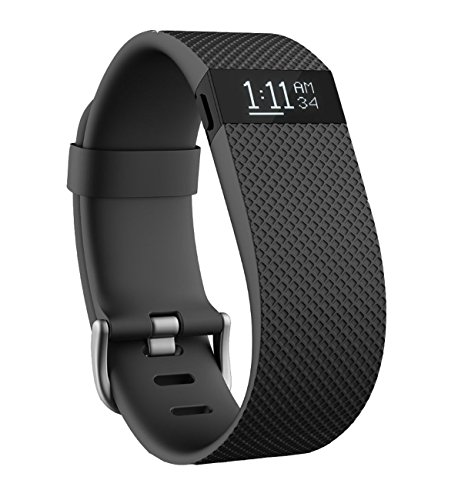
Fitbit Charge HR review. Compare 171 technical specifications and user reviews to see how it ranks among fitness trackers and if it is worth buying.
Overall score
What it is: An overall evaluation of the fitness tracker's quality, based on technical analyses and user reviews.
When it matters: When you need a quick reference to identify the best fitness trackers on the market.
Score components:
80.0%
Technical Score
20.0%
User score
Technical Score
What it is: An assessment of the fitness tracker's technical performance, covering eight key areas: health tracking, sports features, connectivity, display, battery, smart features, design, and app support.
When it matters: When you want to compare fitness trackers based on technical performance and available features.
Score components:
20.0%
Sports & Navigation
20.0%
Battery
18.0%
Health
18.0%
Display
8.0%
Smart Features
8.0%
App & Wellness
4.0%
Connectivity
4.0%
Design & Durability
User score
What it is: A rating that combines user reviews and the total number of reviews received by the fitness tracker.
When it matters: When you want to know how a fitness tracker performs in daily use and how reliable it remains over time according to user feedback.
Score components:
70.0%
User reviews
30.0%
Popularity

(Reviews last updated: June 2026)
Score components:
28.0%
ATM rating
24.0%
Open-water swim mode
18.0%
Waterproof depth rating
15.0%
GPS
15.0%
Battery life
Score components:
30.0%
Battery life
25.0%
Weight
20.0%
ATM rating
15.0%
Screen size
10.0%
Price
Available: ranking among products currently available (including other versions of this product).
All: ranking among all products in the database.
#13 in Best Fitbit Fitness Trackers
#84 in Best Fitness Trackers
What it is: An assessment of the fitness tracker's technical performance, covering eight key areas: health tracking, sports features, connectivity, display, battery, smart features, design, and app support.
When it matters: When you want to compare fitness trackers based on technical performance and available features.
Score components:
20.0%
Sports & Navigation
20.0%
Battery
18.0%
Health
18.0%
Display
8.0%
Smart Features
8.0%
App & Wellness
4.0%
Connectivity
4.0%
Design & Durability
What it is: A rating that combines user reviews and the total number of reviews received by the fitness tracker.
When it matters: When you want to know how a fitness tracker performs in daily use and how reliable it remains over time according to user feedback.
Score components:
70.0%
User reviews
30.0%
Popularity

(Reviews last updated: June 2026)
What it is: An indicator that combines the fitness tracker's overall rating with its cost.
When it matters: When you are looking for a fitness tracker with a good balance between quality and price.
Score components:
60.0%
Overall score
40.0%
Price
Importance: HIGH
Importance: MEDIUM
Importance: LOW
Importance: LOW
Importance: MEDIUM
Importance: LOW
Importance: LOW
Importance: LOW
Importance: LOW
Importance: LOW
Importance: LOW
Importance: LOW
Importance: LOW
Importance: LOW
Importance: LOW
Importance: HIGH
Importance: LOW
Importance: LOW
Importance: LOW
Importance: LOW
Importance: LOW
Importance: LOW
Importance: LOW
Importance: LOW
Importance: LOW
Importance: LOW
Importance: LOW
Importance: LOW
Importance: LOW
Importance: LOW
Importance: LOW
Importance: LOW
Importance: LOW
Importance: MEDIUM
Importance: MEDIUM
Importance: HIGH
Importance: MEDIUM
Importance: LOW
Importance: LOW
Importance: LOW
Importance: LOW
Importance: LOW
Importance: LOW
Importance: LOW
Importance: LOW
Importance: LOW
Importance: LOW
Importance: LOW
Importance: LOW
Importance: LOW
Importance: LOW
Importance: LOW
Importance: LOW
Importance: LOW
Importance: LOW
Importance: LOW
Importance: LOW
Importance: LOW
Importance: LOW
Importance: LOW
Importance: LOW
Importance: MEDIUM
Importance: LOW
Importance: LOW
Importance: LOW
Importance: LOW
Importance: LOW
Importance: LOW
Importance: LOW
Importance: LOW
Importance: LOW
Importance: LOW
Importance: LOW
Importance: LOW
Importance: LOW
Importance: LOW
Importance: LOW
Importance: LOW
Importance: LOW
Importance: LOW
Importance: LOW
Importance: LOW
Importance: LOW
Importance: LOW
Importance: LOW
Importance: LOW
Importance: LOW
Importance: LOW
Importance: LOW
Importance: LOW
Importance: LOW
Importance: LOW
Importance: LOW
Importance: LOW
Importance: LOW
Importance: LOW
Importance: LOW
Importance: LOW
Importance: LOW
Importance: LOW
Importance: LOW
Importance: LOW
Importance: LOW
Importance: LOW
Importance: LOW
Importance: LOW
Importance: LOW
Importance: LOW
Importance: LOW
Importance: LOW
Importance: LOW
Importance: LOW
Good value: >=5.0
Importance: LOW
Good value: >=10 m
Importance: LOW
Importance: LOW
Importance: LOW
Importance: LOW
Importance: LOW
Importance: LOW
Importance: LOW
Importance: LOW
Importance: HIGH
Good value: >5 days
Importance: LOW
Good value: >=8 hours
Importance: LOW
Importance: LOW
Importance: MEDIUM
Good value: >=100 mAh
Importance: LOW
Importance: LOW
Importance: LOW
Importance: MEDIUM
Importance: LOW
Importance: LOW
Importance: LOW
Importance: LOW
Importance: LOW
Importance: MEDIUM
Importance: MEDIUM
Importance: MEDIUM
Importance: LOW
Good value: >=280 ppi
Importance: LOW
Importance: LOW
Importance: LOW
Importance: HIGH
Good value: >=450 nits
Importance: LOW
Importance: LOW
Importance: LOW
Importance: LOW
Importance: LOW
Importance: LOW
Importance: LOW
Importance: LOW
Importance: LOW
Importance: LOW
Importance: LOW
Importance: LOW
Importance: LOW
Importance: LOW
Importance: LOW
Good value: <10 mm
Importance: LOW
Importance: LOW
Good value: <25 g
Importance: LOW
Importance: LOW
Importance: LOW
Good value: >=5 ATM
Importance: LOW
Good value: >=50 m
Importance: LOW
Importance: LOW
Importance: LOW
Importance: LOW
Importance: LOW
Importance: LOW
Importance: LOW
Importance: MEDIUM
Importance: LOW
Importance: LOW
Importance: LOW
Importance: LOW
Importance: LOW
Importance: LOW
Importance: LOW
Good value: >=10 m
Importance: MEDIUM
Importance: HIGH
Good value: >5 days
Importance: MEDIUM
Importance: LOW
Importance: MEDIUM
Good value: >=100 mAh
Importance: LOW
Importance: LOW
Good value: >=5 ATM
Importance: LOW
Good value: >=50 m
(Reviews last updated: June 2026)
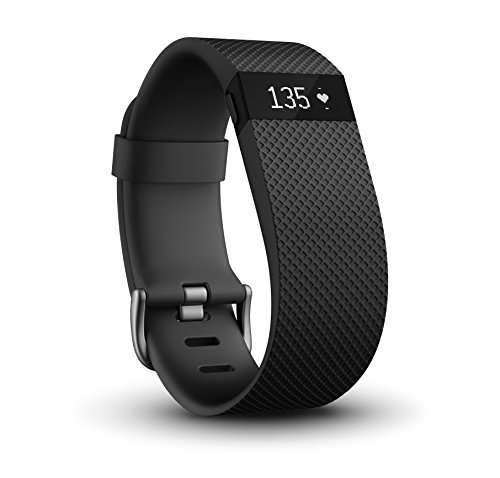
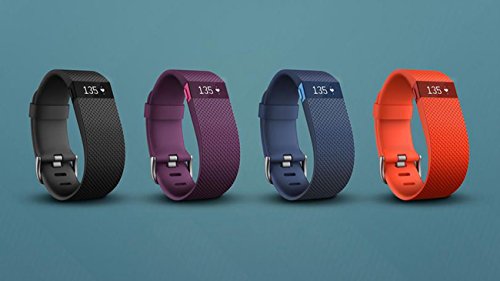
The Fitbit Charge HR is an understated, thumb-width rubber fitness tracker that constantly measures steps, distance, and floors climbed using an internal accelerometer and altimeter. It is light, water-resistant, features an easy-to-read screen, and includes a traditional watch buckle that helps avoid the skin irritation issues of its predecessor. It provides basic call and text notifications from a smartphone over Bluetooth and connects seamlessly with an intuitive mobile application. However, its battery life falls short of the manufacturer's five-day claim, lasting a maximum of four days on a single two-hour charge. The primary drawback of the device is its execution of the built-in optical heart-rate sensor, which fails to provide meaningful, useful data or actionable fitness guidance. The sensor's reading zones feel overly optimistic, and the device does not explain how to utilize resting heart rate or exercise zones to improve training. Furthermore, its sleep tracking capabilities are poor, capturing only total sleep time and restlessness without the deeper REM or light sleep stage breakdowns found in competing products. At a price point of £120, the reviewer concludes that the...
The Fitbit Charge HR (2015) is recognized as a highly effective, continuous heart-rate tracking wearable, earning a 7/10 rating for its 5-to-7-day battery life, comfortable band design, and accurate step and sleep tracking. The device is lauded for its robust mobile application, which offers detailed, user-friendly data visualizations. WIRED However, the review highlights significant drawbacks, including a non-waterproof design, a potentially uncomfortable watch clasp, and reduced heart-rate accuracy during high-intensity, "red zone" workouts. Additional concerns include, according to the review, intensely bright nocturnal LEDs and a lack of integration with Apple Health. WIRED
The Fitbit Charge and Charge HR serve as highly capable 24/7 activity trackers that excel within the robust Fitbit ecosystem, which offers seamless third-party app partnerships and engaging social challenges. Both devices provide automatic sleep tracking and a clear, customizable OLED display to cycle through daily steps, distance, calories, and stairs climbed. The premium Charge HR model introduces continuous 24/7 heart rate monitoring using a green LED optical sensor, which works reliably during passive daily routines and helps establish a consistent baseline for resting heart rate trends. Additionally, the Charge HR features a secure watch-like buckle clasp that prevents the device from falling off, whereas the base Charge relies on a dual-pronged snap connector.
Despite its strengths, the review notes several design and functional limitations. On the downside, the device is not fully waterproof, making it unsafe for swimming, and the snug fit can cause skin irritation for those with sensitive skin during intense exercise. Its small display only shows a single line of text via a single control button, and its smartphone integration is highly limited, as it lacks text or app notifications beyond basic caller ID. Furthermore, the Charge HR lacks built-in GPS tracking, meaning runners and cyclists must bring a smartphone along to map their routes, positioning it firmly as a gym-focused tracker rather than an elite athletic tool. If you'd like, I can help you: Compare the Charge HR directly against other trackers mentioned like the Fitbit Surge or Garmin Vivoactive. Dive deeper into how its app and exercise classification system works. Look up details on newer Fitbit models

The Fitbit Charge HR is a solid, bare-bones fitness tracker that originally retailed for a list price of $130, offering great value for users seeking an affordable path to better health. A major highlight of the device is its integration with the intuitive and user-friendly Fitbit mobile app, which features fast 2–10 second syncing and access to a massive online community packed with engaging multiplayer and solo motivational "Adventures". In terms of performance, it excels at accurately tracking sleep and filtering out random arm movements from genuine steps, though it does tend to slightly underestimate total step counts by an average of 2.2%. Its continuous heart rate monitor remains reasonably accurate, averaging within 15 bpm of a professional chest strap control during testing. However, the tracker has several ergonomic and physical design flaws that potential buyers should consider. The physical build is quite bulky, sitting a finger's width high off the wrist, which makes it prone to snagging on backpack straps, and its simple display screen becomes difficult to read under bright, direct sunlight. While it boasts a decent 5-day...
Here is a detailed summary of the Fitbit Charge HR review: Review Summary The Fitbit Charge HR is a compelling mid-range activity tracker designed for active users and gym regulars who want real-time fitness metrics directly on their wrist. Using its proprietary PurePulse optical LED technology, the device tracks continuous, all-day heart rate without requiring an uncomfortable chest strap. This heart-rate data maps user intensity across three zones (Fat Burn, Cardio, and Peak) to significantly increase the accuracy of calculated calorie burns. Beyond heart tracking, it includes a MEMS 3-axis accelerometer and an altimeter to monitor steps, distance, active minutes, and floors climbed. It also features automatic sleep detection, silent vibrating alarms, basic smartphone Caller ID, and full integration with Fitbit's highly visual app and desktop community dashboard. The tracker's standout pro is its secure, watch-like buckle strap, which is a major upgrade over the looser clasps found on the standard Charge and Flex models. It also delivers much more precise calorie tracking and valuable resting heart rate trends over time. On the downside, cons include its reduced battery life...
The Trusted Reviews assessment of the Fitbit Charge HR highlights it as a capable entry-level tracker, featuring a comfortable design with a secure watch-like strap. It excels in providing continuous, accurate heart rate data, automatic sleep tracking, and a user-friendly app with engaging social challenges. However, the tracker's optical sensor can struggle with accuracy during high-intensity workouts, and it lacks on-wrist inactivity alerts. Additionally, the small monochrome display restricts immediate data viewing, according to the review.
However, the device has notable drawbacks, particularly its basic and temperamental sleep-tracking system, which occasionally logs sleep randomly or deletes data during edits. It completely lacks built-in GPS functionality, meaning hardcore runners must rely on their smartphones to accurately measure distance and pace. Its water resistance is limited to a 1 ATM rating, making it safe for showers but entirely unsuitable for swimming or baths. Lastly, while the design is comfortable and discreet, the tracker remains somewhat chunky, and the continuous flashing of the underside green LED lights can be bothersome at night.
The Fitbit Charge and Charge HR are capable activity trackers that excel at daily metric logging and automatic sleep tracking, backed by an industry-leading software platform and a vast ecosystem of third-party partnerships. Both bands feature a clear front display to track customized metrics like steps, distance, calories, and stairs. The higher-end Charge HR adds continuous, 24/7 optical heart rate monitoring, which performs well during sedentary moments or light daily tracking. The devices sync seamlessly via Bluetooth Smart with iOS, Android, and Windows Phone apps, and integrate perfectly with companion products like the Fitbit Aria WiFi weight scale. However, the trackers suffer from notable limitations in workout performance, water resistance, and physical durability. The optical heart rate sensor on the Charge HR is unreliable during intense exercise or interval training because its slim band allows outside light to leak underneath and distort the readings. Furthermore, both models are only rated as splash-proof, meaning they lack true underwater protection and come with strict manufacturing warnings against swimming or showering. User feedback also highlights a frustrating trade-off where enabling "All Day Sync"...
The Fitbit Charge HR bridges the gap between casual fitness trackers and advanced sports watches by offering continuous, all-day heart rate monitoring via pulsating green LEDs. Designed with a traditional buckle clasp and a comfortable, textured rubber finish, this slim band automatically tracks steps, distance, calories, stairs, and sleep. It calculates maximum heart rate zones using standard biological formulas and supports individual workout tracking by holding down its single physical button. Additionally, the tracker syncs data to a well-designed mobile application and includes basic smart notifications for incoming text messages and phone calls. The device features distinct advantages alongside notable design shortcomings. On the positive side, it delivers an understated, lightweight design, simple operation, a respectable five-day battery life, and invaluable insight into resting heart rate trends over time. However, the screen is heavily penalised for being too small, staying lit for only a few seconds, lagging behind competitors, and making smart notifications hard to read. Users must also deal with another proprietary charging cable, an inability to natively integrate with Apple Health, and occasional heart rate reading variations or...
summary of the Fitbit Charge HR review: The Fitbit Charge HR is a classic fitness band that stands out for its lightweight, comfortable, and discreet watch-style strap design. Unlike some competitors, it features a bright OLED screen, allowing users to view steps, distance, and calories burned without relying entirely on a companion app. Its standout features include consistent step tracking, helpful altimeter readings for stairs climbed, and excellent ecosystem connectivity. The tracker seamlessly syncs with robust third-party platforms like Strava and MapMyRun, and its official app provides great motivation through peer comparison and food-logging databases. However, the device suffers from significant performance and design drawbacks. Its heart rate monitor and sleep tracking features are noticeably inaccurate, failing to provide deep insights like REM cycles. The OLED screen automatically shuts off after a few seconds to save battery life, forcing users to repeatedly click the button during workouts just to check their real-time heart rate zones. Additionally, the tracker lacks built-in GPS, is only shower-resistant rather than fully waterproof, and requires a frustratingly short, proprietary charging cable that differs from other...
Fitbit Charge HR Review Summary The Fitbit Charge HR is a slim and comfortable wrist-borne fitness tracker that expands on the standard Fitbit Charge by adding a built-in optical heart rate monitor. It tracks everyday metrics like steps, active minutes, sleep patterns, distance, and calories burned. The integration of the heart rate sensor makes its Exercise Mode much more effective for assessing training intensity, while its proper buckle closure ensures a snug fit and prevents the tracker from accidentally falling off. Additionally, users benefit from a highly readable OLED display showing real-time metrics and caller ID, alongside Fitbit's superb supporting app, web portal, and competitive social ecosystem. However, the tracker has notable downsides, prompting the reviewer to note that it has been thoroughly surpassed by newer models like the Charge 2 and 3. Major drawbacks include the lack of built-in GPS and a complete lack of waterproofing, making it unsafe for showers or swimming. Its battery life drops to five days due to continuous heart rate tracking, and the screen requires a physical button press to activate rather than being...
The Fitbit Charge HR is highly recommended as a motivating lifestyle product and fitness band, despite exhibiting notable limitations in data accuracy. It features an exceptionally comfortable, discreet black design with a reliable watch strap and classic buckle system that improves upon previous models. The tracker includes a small, highly legible screen and provides a consistent baseline for daily activity tracking. However, it is not waterproof and its step, calorie, and shallow sleep tracking functions frequently lack scientific precision. Additionally, some users have reported skin irritation, and the manufacturer has since released a successor, the Fitbit Charge 2, which offers an expanded screen and standard heart-rate features. Pros and Cons Pros: Comfortable to wear, stylish and discreet aesthetic, and solid "fun" fitness tracking. Cons: Lacks rigorous accuracy, has an expensive price point for the value offered, and provides a heart-rate monitor that adds minimal functional benefit.
The Fitbit Charge HR is lauded by PCMag as an excellent, reasonably priced ($149.95) tracker, featuring a slim design and continuous, built-in optical heart rate monitoring. Its strengths include a bright OLED display, call notifications, and integration with a top-tier app, making it a comfortable, effective tool for daily activity tracking. Conversely, the review notes the device is only water-resistant, not waterproof for swimming, and lacks advanced smartwatch notifications, such as texts. Furthermore, it omits crucial features for active users, including integrated GPS for distance tracking, idle alerts, and detailed REM sleep tracking.
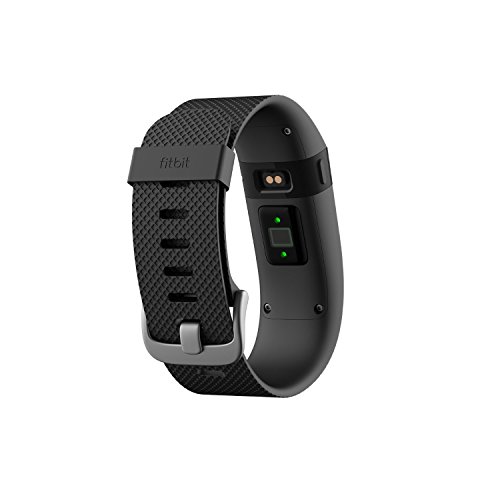
The Fitbit Charge HR is a general-purpose fitness tracker that improves upon its predecessor by integrating an optical, continuous heart-rate monitor on its underside. It reliably tracks your heart rate throughout the day and categorizes your pulse into specific zones like Peak, Cardio, and Fat Burn based on your age. Priced at $149, it matches the step-counting accuracy of a typical three-axis accelerometer and provides precise automatic sleep tracking. Additionally, it features a traditional watch clasp that makes it significantly easier to put on, and it is water-resistant up to 33 feet, making it safe for the shower. However, the device has notable drawbacks, particularly regarding its notifications and display behavior. While it offers basic caller ID by vibrating and scrolling the phone number across the face, it lacks the ability to display text messages or provide deeper smartphone interactivity. The small OLED screen does not have an option to stay continuously on, requiring a button press or screen tap to wake it up. Furthermore, due to the energy-intensive continuous heart-rate tracking, the battery life drops to about 5 days—half...
The Fitbit Charge HR is a well-rounded fitness tracker featuring a multi-functional OLED display that provides real-time fitness metrics, time, and incoming call alerts when connected to a smartphone. Its standout capability is the "PurePulse" technology, which continuously monitors heart rate every few seconds instead of on-demand. This continuous tracking ensures highly accurate calorie burn calculations and delivers a comprehensive overview of general health levels without requiring manual activity logs. For everyday usability, the device balances this intensive tracking with a solid five-day battery life, an improved comfortable wristband featuring a standard watch buckle, automatic sleep recognition, and an inclusive setup that provides a dedicated charging cable and a PC Bluetooth dongle. Despite its strong performance, the review highlights distinct limitations, notably its lack of waterproofing, making it completely unsuitable for swimming or water activities. Design and tracking accuracy present minor setbacks as the wristband cannot be replaced, and the step counter tends to overestimate movement, counting roughly ten extra steps on average and adding 188 false steps during a routine toothbrushing test. On the software side, the accompanying Fitbit...
The Fitness-Uhr.net review gives the Fitbit Charge HR an overall rating of 4.2 out of 5 stars, praising it as a stylish, feature-rich fitness tracker that works well for casual and regular athletes alike. The tracker excels in its daily activity monitoring features, which include 24/7 automatic wrist-based heart rate tracking, step counting, calorie tracking, sleep monitoring, and automated floor counting via an integrated barometric altimeter. A major highlight of the device is the accompanying companion app—rated at 4.5 stars—which stands out as the best on the fitness market due to its intuitive interface, calorie intake tracking, and highly motivating social challenges. Additionally, the review highly rates the tracker’s comfort, noting that its lightweight, under-30-gram design and soft plastic build make it highly wearable for everyday use. However, the review details several prominent drawbacks, most notably that the Fitbit Charge HR is not waterproof (only splashproof), meaning it cannot be worn in the shower or during swim workouts. On the functionality side, it lacks an inactivity alarm, cannot display workout distance natively without being paired to a smartphone's GPS, and...
Fitbit Charge HR Security Review Summary The Fitbit Charge HR demonstrates a very high level of security and data privacy across all testing areas, earning a full three-star rating from AV-TEST. Key advantages (pros) include robust application security featuring clean code obfuscation, well-implemented certificate validation, and no hardcoded credentials. Local communication over Bluetooth Low Energy is thoroughly protected by strong authentication and encryption, effectively shielding data from being intercepted or manipulated. Online data transfers also proved resilient, entirely using current encryption standards that successfully deflected simulated man-in-the-middle attacks. Furthermore, the privacy policy is clear and understandable, confirming that personally identifiable information is never shared with third parties. On the downside (cons), the review highlights a potential risk for users with rooted smartphones, as authentication data stored within the application's secure storage could theoretically be accessed. Additionally, non-identifiable, anonymized user data can be shared with third parties for statistical purposes, and data is processed overseas in the United States. However, this external processing is mitigated by compliance with high privacy frameworks. Ultimately, the tracker represents a massive security improvement compared to...
The fitnessmodern.de review highlights the Fitbit Charge HR as an automated, user-friendly activity tracker best suited for health-conscious individuals and hobby athletes. Priced at a retail UVP of 149.95 EUR, it builds on the standard Charge model by adding an integrated optoelectronic heart rate sensor. Key functionalities include continuous 24/7 heart rate monitoring, automated SmartTrack exercise detection, automatic sleep tracking, and basic smartphone Caller-ID notifications on its monochrome OLED display. The device features an elastomer wristband with a stainless steel buckle and boasts a battery life of up to 5 days, storing up to 7 days of minute-by-minute movement data locally. The reviewer outlines distinct pros and cons for the device. The primary advantages include its highly automated ecosystem, 24/7 pulse tracking, a very comfortable and low-profile design, and a superb companion app available across Android, iOS, and Windows Phone platforms. Conversely, the primary disadvantages center on performance limitations; the heart rate sensor lacks accuracy during intense interval training because it struggles to capture rapid heart rate spikes. Additionally, the ambient light leaking under its relatively slim band can occasionally...
The Fitbit Charge HR is a user-friendly and well-designed fitness tracker priced at €149.95, tailored primarily for athletes and health-conscious users. Its standout innovation is the continuous tracking of the user's pulse through optical "PurePulse" LED technology, which maps heart rate zones like fat burn and endurance directly in the app. Alongside heart rate, the device tracks steps, distance, calories, floors climbed, and sleep quality. It also provides a practical caller-ID feature that vibrates on incoming calls, and features a newly integrated barcode scanner in the mobile app to simplify food logging. However, the reviewer highlights notable battery limitations due to the continuous pulse tracking feature. Unlike the standard Charge model which lasts seven days, the Charge HR's battery life is irregular, fluctuating between three and five days. Compounding this issue is an unreliable in-app battery indicator that only displays three states—full, half, or empty—and the requirement of a proprietary charging cable rather than standard micro-USB. Additionally, the constantly blinking green LEDs can be distracting when the tracker is taken off. Overall, the reviewer gives the device a highly positive...
The DER SPIEGEL review evaluates the Fitbit Charge HR as a capable activity band geared toward ambitious hobby athletes. Priced at 150 Euros, its standout feature is a built-in optical sensor that utilizes dual green LEDs to track the user's heart rate continuously, 24 hours a day. This relentless background tracking allows for highly individualized, more precise calculations of daily calorie burn and sleep behavior. Additionally, the tracker includes a helpful "double-tap" display feature, allowing athletes to quickly check their real-time heart rate zones mid-workout without pushing a button. Navigating the recorded data is further simplified by the clean visual layout provided within the accompanying smartphone application and browser dashboard. However, this constant biometric tracking exposes several significant drawbacks regarding battery life and hardware convenience. While Fitbit promises a five-day battery lifespan, real-world testing shows highly unpredictable endurance, sometimes draining completely in just two and a half days. Managing this power drain is worsened by a vague in-app battery indicator that only displays three states: full, half-full, and empty. Furthermore, users are forced to rely entirely on a proprietary USB...
The Fitbit Charge HR is lauded as a highly motivating, accurate everyday activity tracker that reliably measures steps and floors climbed, featuring an intuitive companion app. While offering excellent resting heart rate monitoring, the device's PurePulse sensor fails during intense, high-movement training, and the accompanying app lacks deep analysis features for workout data. heise online
The Fitbit Charge HR is a feature-rich upgrade over its predecessor, the Fitbit Flex, shifting from a minimalist pedometer to an advanced "quantified self" tracker. Major upgrades include an integrated OLED screen for real-time data viewing, automatic sleep monitoring, an easier-to-secure watch buckle, and smartphone call notifications via vibration. It also introduces heart rate monitoring and altimeter tracking to count climbed stairs. While the price is reasonable when compared to the Flex's original launch price, it sits close to budget Android Wear smartwatches, making the lack of a built-in GPS module for runners a noticeable omission. The tracker features several distinct design advantages and disadvantages. On the positive side, the screen provides instant metrics and the physical watch buckle is a massive improvement over the notoriously difficult Flex strap clasp. However, a major disadvantage is that the tracking module is entirely built into the band, meaning users cannot swap out bracelets to customize colors like they could with the Flex. Additionally, accessing the time requires manually pressing the single physical button, which proves impractical compared to an always-on display. Despite...
for the Fitbit Charge HR: The Fitbit Charge HR is highlighted as a versatile fitness tracker that stands out for its integrated PurePulse heart rate monitor, which provides continuous tracking without the need for a chest strap. It features a slim, comfortable design with a traditional watch buckle, making it suitable for 24/7 wear. Beyond heart rate monitoring, it tracks steps, distance, calories burned, and floors climbed, while also providing basic smartwatch functionality through Caller ID notifications and automatic sleep tracking. A major advantage of the device is its comprehensive app ecosystem, which offers detailed data visualization and social features to motivate users. However, it faces some drawbacks, such as a non-waterproof design that limits its use for swimming and a relatively small OLED display that can be difficult to read in direct sunlight. While the battery life is decent at around five days, some users find the proprietary charging cable inconvenient compared to more universal options.
Based on the provided review, the author evaluated the Fitbit Charge HR by comparing its heart rate monitoring accuracy during a one-hour running session against the chest-worn Polar H7 sensor, which served as the precision benchmark. The Fitbit recorded an average heart rate of 138 beats per minute (bpm) compared to the Polar H7's 147 bpm, indicating a minor 6% margin of error (a 9 bpm difference). Key Pros and Cons Pros: The reviewer found the 6% margin of error to be highly reasonable, highlighting that it offers solid performance without the discomfort of wearing a chest strap. The PurePulse technology provides automated, continuous wrist tracking useful for maintaining target fat-burning zones (70-80% of max heart rate). Cons: A major drawback is the inability to export heart rate data or synchronize the Fitbit with popular running applications like RunKeeper. Additionally, mixed user comments underscore inconsistent sensor performance during varying exercises like cycling or weightlifting, with some users calling it an unreliable gadget.
The Fitbit Charge HR is an independent, feature-rich fitness tracker that stands out for its built-in display and a continuous, optical heart rate monitor that tracks the user's pulse 24/7. Alongside heart rate monitoring, the device tracks daily physical activities such as steps, distance, active minutes, and calories burned. It features an altimeter to count flights of stairs, offers functional sleep tracking, and integrates seamlessly with its companion app to categorize data efficiently and allow individual food logging. Furthermore, the tracker delivers a solid battery life of approximately five days on a single charge and takes about two hours to recharge via a dedicated USB cable. However, the reviewer highlights major drawbacks regarding the tracker's design, ergonomics, and data accuracy. The device is criticized for being bulky, thick, and highly uncomfortable to wear—especially during sleep—as the prominent heart rate sensor leaves sharp marks unless the elastomeric band is tightly secured. Visually, its mosaic rubber texture acts as a dust magnet and looks unappealing. Performance issues were also noted: the screen frequently turns off during workouts, forcing users to repeatedly tap...
The Fitbit Charge HR is a dedicated health and fitness tracker equipped with an integrated altimeter and an optical heart rate monitor that provides automatic, continuous pulse tracking directly from the wrist. Designed primarily for health-conscious users and athletes, the lightweight silicone band features a reliable, classic watch-style buckle that improves on previous designs, an easy-to-read OLED display, and highly regarded companion software compatible across Android, iOS, and Windows Phone. Its core strengths lie in its comprehensive metrics tracking—including steps, sleep, distance, calories burned, and floors climbed—alongside advanced software features like a built-in stopwatch, physical food log integration with future barcode scanning functionality, and a respectable battery life of approximately five days. Despite its robust feature set, the tracker has several notable physical and functional drawbacks. The device is not fully waterproof, holding only a 1 ATM rating, meaning it can survive minor splashes or rain but must be removed before showering or swimming. Additionally, it relies on a proprietary charging cable rather than a standard MicroUSB port, which can be inconvenient during travel. Users may also experience minor physical...
The Fitbit Charge HR is a highly accomplished activity tracker that earns a perfect 5-star rating for its seamless daily performance and continuous heart-rate monitoring. Its major strengths include an integrated optical heart-rate sensor using "Pure Pulse" technology, an easy-to-read OLED screen, and a helpful vibrating alarm that can be set for recurring days or incoming call alerts. The tracker boasts an impressive 5-day battery life even with continuous 24/7 heart tracking enabled, and it automatically evaluates sleep quality. Furthermore, the device is water-resistant up to 1 meter and features a very intuitive user interface across its iOS, Android, and web platforms. However, the review highlights several flaws, particularly regarding data analysis and physical design. A primary drawback is the application's lack of depth regarding fitness metrics; it fails to provide clear explanations, personalized coaching, or warning alerts when a user stays at maximum heart rate for too long. The companion app also leaves multiple elements untranslated in English, such as the clock customization settings and the entire FAQ section. On the hardware side, the elastomer wristband tends to accumulate...
This comprehensive review evaluates the Fitbit Charge HR as a major leap forward in fitness tracking, highlighted by its signature 24/7 continuous optical heart rate monitor that eliminates the need for an uncomfortable chest strap. Retaining a slim 21 mm width similar to its standard counterpart, it excels in daily activity logging by precisely calculating metrics like steps, distance via custom stride calibration, active minutes, and floors climbed through an integrated altimeter. The reviewer notes that its optical sensor delivers near-identical accuracy to traditional chest straps under stable, steady-state training conditions. Additional strong suits include highly detailed automatic sleep monitoring, a robust and intuitive companion mobile app, silent vibrating alarms, and a highly reasonable price tag relative to its core features. However, the tracker presents several distinct functional drawbacks that users must consider before purchasing. On the hardware front, it is not waterproof, making it unsafe for showering or swimming. The OLED display does not remain continuously lit, forcing users to press the physical button or physically tap the screen to view real-time data, which proves highly inconvenient during hands-busy...
Mauro A. Fuentes' review identifies the Fitbit Charge HR as an excellent daily activity tracker for casual runners, highlighting its secure watch-like buckle, continuous heart-rate monitoring, and strong social motivation features. However, it is not a full replacement for dedicated GPS watches, as it lacks integrated GPS, has a small, hard-to-read screen while running, and is not waterproof. Medium ·Mauro A.
The Fitbit Charge HR is a single-piece fitness tracker featuring an optical heart rate monitor, accelerometer, and altimeter to track daily steps, floors climbed, calories burned, and sleep quality. It displays basic metrics on a monochrome OLED screen and pairs with a straightforward, user-friendly mobile app. Key advantages include its durable, water-resistant design that is comfortable for 24/7 wear, wrist-size options, and a functional "tap" feature to cycle through data. Additionally, it provides vibrating call notifications, features seamless integration with Strava, and offers an acceptable five-day battery life. On the downside, the device relies on a proprietary, non-standard charging cable with a unique input that forces users to carry an extra accessory. Its broader compatibility remains limited, as it lacks integration with many other popular third-party fitness applications. Priced at 2,899 Mexican pesos, it sits on the higher side of a highly competitive market for a device with basic smartwatch features. Ultimately, the review concludes that while it lacks advanced features like a color screen, it is a worthwhile, specialized choice for users upgrading from a Fitbit Flex or looking...
The Fitbit Charge HR is a dedicated fitness tracker that offers comprehensive daily activity tracking, including step counting, floors climbed, and active minutes. Its standout feature is the PurePulse LED sensor, which provides continuous, highly reliable, and automatic heart-rate monitoring directly from the wrist throughout the day. Additionally, the device tracks sleep duration and automatically logs daytime naps. It features a complex calorie-burning algorithm based on basal metabolism and physical activity, and it offers versatile cross-platform synchronization with computers (via an included USB receiver), Android, and iOS devices. Pros and Cons Pros: Accurate Heart Rate: Provides highly accurate and continuous resting and daily heart rate statistics. Nap Tracking: Automatically detects and records daytime naps, providing a realistic view of total sleep time. Good Battery Life: The battery lasts a solid 4 to 5 days despite continuous heart-rate monitoring. Universal Syncing: Easily syncs with computers using a USB wireless dongle, as well as mobile apps. Cons: Unreliable Calorie Counting: The calorie burn algorithm overestimates actual energy expenditure, making it unreliable for weight management. No Deep Sleep Data: The sleep tracker only...
The Fitbit Charge HR is a comprehensive fitness tracker made of comfortable elastomer rubber featuring a bright OLED display and a traditional watch buckle design that ensures its optical heart rate sensor stays firmly secured to your wrist. The device accurately monitors daily metrics such as steps, distance, calories burned, floors climbed, and automatic sleep tracking, all backed by an intuitive and highly engaging mobile app platform. For fitness enthusiasts, its standout capability is the continuous, 24/7 heart rate monitoring, which provides reliable data for tracking daily activity trends and significantly improves calorie consumption accuracy during stationary gym sessions like spinning or weight training. However, the tracker has several notable limitations, particularly for serious athletes. It lacks an integrated GPS, meaning distance and pace calculations during outdoor runs are mere estimates that often require manual stride-length adjustments. The optical heart rate sensor experiences a slight time lag during rapid, high-intensity shifts, making it poorly suited for serious interval training. Additionally, despite its continuous connection to smartphones, smart notifications are strictly limited to incoming phone calls, failing to alert users to...
The Fitbit Charge HR is a 21mm-wide activity tracker featuring a metallic buckle, a textured strap, and a built-in optical heart rate sensor that monitors pulse continuously (24/7) without requiring a chest strap. Controlled via a single side button or tap gestures, it tracks steps, calories, active time, floors climbed (via an internal barometer), and sleep quality, automatically syncing data via Bluetooth. It features a dedicated stopwatch mode to log individual workouts and allows for custom stride calibration, yielding distance accuracy within a 3–5% margin compared to GPS devices. The optical sensor delivers near-100% accuracy during stable, steady-state exercises when compared to traditional chest bands, though it struggles slightly to capture brief 3-to-5-second heart rate spikes during intense interval training. Key advantages highlight its reasonable pricing, detailed automatic sleep tracking, silent vibration alarms, incoming call alerts, and seamless integration with MyFitnessPal. However, the device has notable drawbacks: it is not waterproof (only splash-resistant), lacks smart wake-up alarms based on sleep cycles, and cannot display text or email notifications. Furthermore, data does not remain fixed on the OLED screen—turning off after...
Based on the 2015 review from Teknófilo, the Fitbit Charge HR is a solid, continuist evolution of its predecessor, defined primarily by its new 24/7 continuous optical heart-rate monitoring and an improved conventional buckle strap design. Weighing under 30 grams and featuring a scratch-resistant textured diamond pattern, the wristband tracks steps, distance, calories, sleep, and floors climbed. Data synchronises via Bluetooth 4.0 with iOS, Android, and Windows Phone devices to display visually appealing charts on the Fitbit app or a web portal. Notable pros highlighted in the review include its bright monochrome OLED display for quick stat checks, handy incoming call notifications with vibrations, automatic sleep detection, and a silent vibrating alarm. However, the reviewer identified several notable downsides to the device. A primary drawback is the complete absence of a built-in GPS, making it highly restrictive for runners wanting to log routes or highly precise distance metrics. Furthermore, the tracker is splash-resistant but not submergible in water, meaning users must remove it before swimming or showering. The battery life, while decent at around five days, is actually lower than...
The Fitbit Charge HR stands out as an exceptional activity tracker, primarily due to its highly accurate and continuous heart rate monitor. Unlike other wearables that only measure pulse on-demand, this smartband tracks the user's heart rate in real-time throughout the day. This data categorises activity into specific heart rate zones (Peak, Cardio, Fat Burn) to optimise training and calculate calorie burn more accurately. Additional advantages include a highly secure, watch-style wrist clasp, a comfortable and flexible elastomer design, and wide compatibility with both Android and iOS smartphones. On the downside, the reviewer notes several design inconveniences. A major drawback is the use of a proprietary charging cable instead of a universal microUSB port, meaning users must carry the specific Fitbit charger with them. Furthermore, the OLED screen is turned off by default, requiring a button press or a double-tap gesture to view the time, which can sometimes be unresponsive. Lastly, while the battery is rated for up to 5 days, real-world testing shows it lasts around 4 days, which is functional but slightly underwhelms for an activity tracker of...
Conversely, the review points out several notable drawbacks, particularly regarding the device's charging setup and maintenance. A prominent negative is the reliance on a proprietary charger, which feels outdated for a 2015 release. Additionally, the textured plastic on the upgraded band tends to accumulate more dirt over time compared to older models. Finally, the reviewer warns that while it is an excellent dedicated fitness band, its limited smart capabilities risk becoming quickly outdated in a rapidly evolving market facing oncoming competition from true smartwatches like the Apple Watch or Samsung Gear S. Quick questions if you have time: Was the translation accurate? Yes, perfect! A bit off What else should we link to? More fitness tracker reviews Fitbit website
The Fitbit Charge HR is a highly comfortable, lightweight, and discreet fitness tracker that stands out primarily due to its continuous heart rate monitoring powered by PurePulse technology. This automatic tracking provides highly reliable data during rest and exercise, which significantly increases the accuracy of daily calorie burn calculations. It serves as an excellent, budget-friendly alternative for amateur athletes who want to monitor their heart rate zones (fat burn, cardio, and peak) without wearing an uncomfortable chest strap. Additionally, the watch-style strap closure is a major improvement over standard tracker bands, and the battery efficiently lasts between 5 to 6 days despite the continuous scanning. On the downside, the device is not waterproof, meaning it cannot be used for swimming activities. The display navigation can also be frustrating, as the tap functionality requires hitting the screen with excessive force instead of a gentle touch. Furthermore, it lacks built-in GPS tracking, and its sleep analysis algorithm fails to utilize the heart rate data to differentiate between light and deep sleep stages. Finally, the device relies on a restrictive, proprietary USB charging...
The AmaTech review highly praises the Fitbit Charge HR, naming it the best wearable heart rate monitor on the market due to its excellent material quality, stability, and reliability. Its key pros include 24/7 continuous heart rate monitoring using PurePulse technology, automatic recognition of physical activities, and a multi-platform companion app that is simple and intuitive to navigate. Additionally, the reviewer highlights its extensive features, such as tracking resting and active calorie burn, displaying caller ID on the bright OLED screen, and a quick charging time of just 1.5 hours. Despite its positive assessment, the review identifies specific cons, noting that the device is relatively bulky in size. Furthermore, testing revealed that its actual battery life falls short of Fitbit's advertised 7 days, never lasting more than 6 days in daily operation. The tracker's water resistance is also limited, as it is only safe for submersion up to a shallow depth of 1 metre.
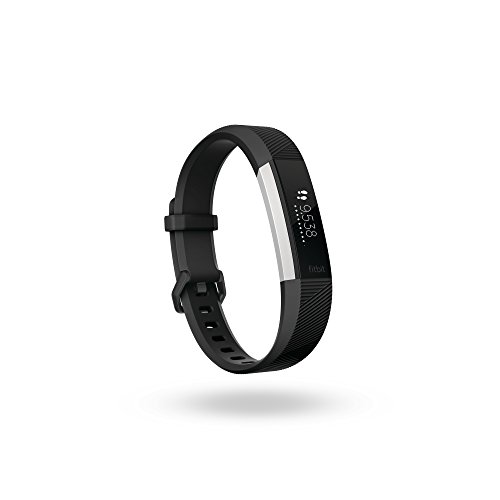
The Fitbit Alta is a stylish, lightweight, and splash-resistant activity tracker featuring an interchangeable silicone strap and a monochrome OLED display. It provides accurate tracking for steps, calories, and sleep, and it includes automated activity recognition for walks, runs, and cycling. The device connects to a well-designed mobile app and web ecosystem that integrates with third-party software like MyFitnessPal. Its battery life is a major highlight, exceeding the official 5-day specification to last nearly 7 days on a single charge. Despite its visual appeal and excellent battery performance, the Alta has notable drawbacks compared to the older Charge HR. It completely lacks a heart rate monitor and a barometer, meaning it cannot track heart-rate-driven fitness metrics or count floors of stairs climbed. Additionally, the button-less interface relies on double-tapping and wrist-rotation gestures that are frequently unreliable, making screen navigation frustrating. The notification system is also limited; while it vibrates for calls and messages (including WhatsApp), users must tap the screen to view the actual text or caller identity.
The Fitbit Charge HR is an intermediate-level fitness tracker that stands out from its base model by integrating a 24/7 "Pure Pulse" heart rate monitor, making it a highly useful assistant for amateur athletes looking to optimize their workouts. It tracks steps, floors climbed, sleep quality, and includes a silent alarm, while displaying real-time statistics and incoming call notifications on its OLED screen. Key pros highlighted in the review include a vastly improved, highly comfortable watch-style buckle system that replaces the older clip design, an excellent accompanying software platform, and 4 to 5 days of solid battery life. Additionally, it allows users to monitor heart rate zones directly from the wrist without a phone, leading to more accurate, personalized calorie burning and resting heart rate data. However, the device comes with a few notable cons and limitations. Its heart rate accuracy is suited strictly for casual, amateur use and cannot compete with professional sports tracking hardware. The physical dimensions are slightly larger than the standard model, and the integrated food database completely lacks support for regional Italian foods. Furthermore, call...
The Fitbit Charge HR is an intuitive activity tracker designed to motivate users toward everyday fitness goals rather than intensive competitive training. Tested continuously for 20 days—including during half-marathons and daily office work—the device excels at tracking specific metrics. Its standout feature is highly accurate, continuous heart rate monitoring, which seamlessly doubles as an automatic sleep quality tracker by recording pulse spikes during restlessness. The pedometer provides precise tracking for steps and offers an acceptable 92% accuracy rate for measuring distance. Structurally, the band features a comfortable, non-irritating soft rubber build and a simple display that functions via button presses to preserve a 4-day (96-hour) battery life. Data syncs quickly via Bluetooth to compatible tablets and smartphones. Despite its strong performance, the device carries several drawbacks for advanced users. Its 3-second display timeout is too brief to read comfortably during intense physical exercise. For sizing, the "Large" band runs slightly short on space, leaving few adjustment notches for comfort. Recharging requires roughly 3 hours, leaving a temporary blind spot in the user's daily data collection. Furthermore, compatibility issues surfaced during...
The Fitbit Charge HR is a comfortable rubber smartband that features a built-in heart rate monitor but lacks GPS integration. It is equipped with a small single-color screen that is not touch-sensitive, requiring users to navigate menus using a physical side button. The device tracks steps, heart rate, distance, calories, and stairs, while its companion app—compatible with Android, iOS, and Windows Phone—enables detailed sleep and diet tracking. Priced at €149 in Italy, it offers a reliable five-day battery life and basic water resistance, though it is not recommended for showering or swimming. The review highlights several distinct pros and cons regarding the device's overall design and functionality. On the positive side, it is praised for being highly comfortable on the wrist, offering good battery life, and providing a well-designed companion app with rare Windows Phone compatibility. Conversely, the primary cons include a screen that does not activate automatically when the user rotates their wrist, a glitchy incoming call notification system that lacks support for other notifications, and sharp side profiles that can easily get caught on clothing. To help you...
The Fitbit Charge HR is lauded in the ID.nl review as a comprehensive "fitness all-tracker" featuring continuous, automatic heart rate, sleep, and activity tracking, making it an excellent, affordable choice for regular health monitoring. Its design is noted for being lightweight, comfortable, and secure due to a robust buckle clasp, while the small OLED display provides clear, immediate data feedback. Conversely, the device faces limitations, primarily its lack of full waterproofing and a reliance on a proprietary charging cable, say reviews. The 4-5 day battery life falls short of competitors, and the display's quick auto-off feature can be inconvenient. Additionally, accuracy may falter during high-intensity workouts.
This review details a blogger’s hands-on experience testing the Fitbit Charge HR activity tracker, highlighting how its comprehensive daily tracking features quickly became addictive. The reviewer notes that the device acts like a personal coach by tracking steps (with a default 10,000-step daily goal), heart rate for targeted fat burning or cardio, distance travelled, calories burned, and floors climbed. It also monitors sleep cycles to explain morning fatigue, provides a silent vibrating alarm, displays caller ID notifications via Bluetooth, and functions as a standard watch that activates automatically when tilting the wrist. Users can sync data to a beautifully designed smartphone app to view comprehensive daily reports, unlock green progress bars, and virtually challenge friends. The reviewer outlines several pros and cons based on everyday use. On the positive side, the device features a stylish, comfortable black wristband that matches many outfits, boasts a strong battery life of at least five days (requiring only 1–2 hours to charge), has a 30-day internal memory, and includes a highly user-friendly app. However, the cons include a tendency to track enthusiastic hand movements...
The Fitbit Charge HR is a pioneering activity tracker praised for its user-friendly app, reliable device-to-smartphone synchronization, and lightweight, comfortable wristband. Its core advantage is the 24/7 PurePulse continuous heart rate monitoring, which significantly improves daily activity tracking compared to standard step-counting devices. By measuring heart rate fluctuations throughout the day, the band automatically recognizes and logs active minutes and caloric burn for exercises like cycling or yard work without requiring manual user input. Additionally, it features an altimeter to count climbed stairs, automatic sleep pattern detection, a secure watch-style buckle, and caller ID notifications on its small display. However, the tracker suffers from notable performance flaws, particularly during high-intensity sports training. The optical sensor struggles with precision under heavy exertion, frequently displaying lagging heart rates or losing track of high pulse readings altogether. Dedicated athletes will find it restrictive because the companion software relies on a rigid, age-based maximum heart rate formula instead of customizable training zones. It also lacks vibration alerts to indicate zone changes, requires a manual button press or screen tap to view data mid-workout, and...
This review examines the Fitbit Charge HR activity tracker, focusing on its features, usability, and design. The reviewer praises its continuous heart rate monitor as exceptionally accurate and reliable compared to other trackers on the market. The device tracks daily metrics like steps, distance, calories burned, and floors climbed, while also offering vibration alerts for incoming phone calls. Its accompanying mobile application is highly rated for its data synchronization, food and weight tracking tools, and silent vibrating alarm feature. Overall, the reviewer gives the device a score of 7.5 out of 10, highlighting its ultimate simplicity and seamless stat collection as major advantages. However, the reviewer notes notable downsides regarding the device's physical design and battery performance. Although the textured band pattern looks appealing, the tracker is bulkier than expected and features a relatively small display screen. The fit proved uncomfortable initially, as the thickest section pressed into the wrist and left inadequate room to secure the clasp comfortably. Loosening the band caused it to twist sideways on the wrist, though the author notes that the physical discomfort became less...
The Fitbit Charge HR is a compact fitness tracker designed for daily wear that sets itself apart from basic step counters by offering continuous, 24-hour heart rate monitoring. Evaluated over several weeks of real-world use, this wearable provides valuable lifestyle insights by helping users recognize how daily activities—such as beach walks, shopping, stress, or caffeine intake—impact their effort levels, stress, and resting heart rate. The tracker automatically logs sleep stages and workout sessions, utilizing a reliable wrist-based LED sensor that aligns closely with the data from dedicated heart rate chest straps. It features a built-in OLED display to show time, steps, and active heart rate zones, and boasts an impressive 4 to 5-day battery life despite constant tracking. The device features several clear advantages and disadvantages: Pros Continuous Tracking: Delivers 24/7 heart rate monitoring to accurately reveal personal exertion, stress patterns, and sleep habits. Strong Battery Life: Lasts a surprising 4 to 5 days on a single charge despite constant sensor activity. Ergonomic Design: Built as a compact, lightweight band with a secure watch-buckle closure that is comfortable to wear...
Compare