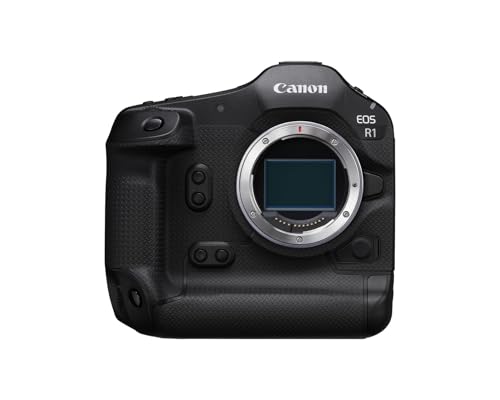
Leica M11 review. Compare 108 technical specifications and user reviews to see how it ranks among cameras and if it is worth buying.
Overall score
What it is: An overall evaluation of the camera's quality, based on technical analyses and user reviews.
When it matters: When you need a quick reference to identify the best cameras on the market.
Score components:
90.0%
Technical Score
10.0%
User score
Technical Score
What it is: An assessment of the camera's technical performance, covering eight key areas: image quality, autofocus, video features, stabilization, lens compatibility, connectivity, battery, and design.
When it matters: When you want to compare cameras based on technical performance and available features.
Score components:
28.0%
Sensor & Image
25.0%
Photo Features
18.0%
Video & Audio
14.0%
Display & Design
8.0%
Battery & Power
7.0%
Connectivity & Storage
User score
What it is: A rating that combines user reviews and the total number of reviews received by the camera.
When it matters: When real-world owner satisfaction and review volume matter to your decision.
Score components:
70.0%
User reviews
30.0%
Popularity
Score components:
25.0%
Sensor size
20.0%
Main camera megapixels
20.0%
Dual card slots
15.0%
N. of focus points
10.0%
RAW photo capture
10.0%
Phase-detection autofocus (photos)
Score components:
35.0%
Weight
30.0%
Battery life (CIPA)
20.0%
Sensor-shift stabilization
15.0%
GPS
Score components:
30.0%
Price
20.0%
Weight
20.0%
AF tracking
20.0%
Battery life (CIPA)
10.0%
Touchscreen
Score components:
30.0%
Main camera megapixels
25.0%
Sensor size
20.0%
Main camera pixel size
15.0%
Sensor-shift stabilization
10.0%
RAW photo capture
Score components:
30.0%
Weight
25.0%
Thickness
20.0%
AF low-light sensitivity
15.0%
Sensor-shift stabilization
10.0%
Eye detection AF (human)
Score components:
30.0%
Sensor size
25.0%
Main camera pixel size
20.0%
Eye detection AF (human)
15.0%
Main camera megapixels
10.0%
Sensor-shift stabilization
Score components:
30.0%
Weight
25.0%
Battery life (CIPA)
20.0%
Min operating temperature
15.0%
Sensor-shift stabilization
10.0%
GPS
Available: ranking among products currently available (including other versions of this product).
All: ranking among all products in the database.
#7 in Best Leica Cameras
#112 in Best Travel Cameras
#113 in Best Cameras for Hiking
#171 in Best Cameras
#171 in Best Digital Cameras
What it is: An assessment of the camera's technical performance, covering eight key areas: image quality, autofocus, video features, stabilization, lens compatibility, connectivity, battery, and design.
When it matters: When you want to compare cameras based on technical performance and available features.
Score components:
28.0%
Sensor & Image
25.0%
Photo Features
18.0%
Video & Audio
14.0%
Display & Design
8.0%
Battery & Power
7.0%
Connectivity & Storage
What it is: A rating that combines user reviews and the total number of reviews received by the camera.
When it matters: When real-world owner satisfaction and review volume matter to your decision.
Score components:
70.0%
User reviews
30.0%
Popularity
What it is: An indicator that combines the camera's overall rating with its cost.
When it matters: When you want to know how much overall quality you get for the price.
Score components:
60.0%
Overall score
40.0%
Price
Importance: HIGH
Good value: Full frame or larger
Importance: HIGH
Good value: At least 20 MP
Importance: HIGH
Good value: At least 3.5 µm
Importance: LOW
Importance: MEDIUM
Good value: At least ISO 25,600
Importance: MEDIUM
Importance: MEDIUM
Good value: At least 14-bit
Importance: LOW
Importance: LOW
Importance: LOW
Importance: LOW
Importance: LOW
Importance: LOW
Importance: LOW
Importance: LOW
Importance: MEDIUM
Importance: LOW
Importance: LOW
Importance: LOW
Importance: LOW
Importance: LOW
Importance: HIGH
Good value: At least 200 points
Importance: HIGH
Importance: MEDIUM
Importance: LOW
Importance: LOW
Importance: MEDIUM
Importance: MEDIUM
Importance: HIGH
Good value: At least 5 stops
Importance: LOW
Importance: MEDIUM
Good value: At least 10 fps
Importance: LOW
Importance: LOW
Importance: LOW
Importance: LOW
Importance: LOW
Importance: LOW
Importance: LOW
Importance: LOW
Importance: LOW
Importance: LOW
Importance: LOW
Importance: LOW
Importance: LOW
Importance: LOW
Importance: LOW
Importance: LOW
Good value: At least 200,000 actuations
Importance: LOW
Good value: At least 10x
Importance: HIGH
Good value: At least 3840 px
Importance: MEDIUM
Good value: At least 200 Mbps
Importance: MEDIUM
Good value: At least 10-bit
Importance: LOW
Importance: LOW
Importance: LOW
Importance: LOW
Importance: LOW
Importance: LOW
Importance: LOW
Good value: At least 30 min
Importance: LOW
Importance: LOW
Importance: LOW
Importance: LOW
Importance: LOW
Good value: At least 2 microphones
Importance: LOW
Importance: LOW
Importance: LOW
Importance: LOW
Importance: MEDIUM
Good value: 500 g or less
Importance: LOW
Importance: LOW
Importance: LOW
Importance: MEDIUM
Importance: MEDIUM
Good value: At least 2.36 million dots
Importance: LOW
Good value: 100%
Importance: LOW
Importance: LOW
Good value: At least 120 Hz
Importance: MEDIUM
Good value: At least 3 in
Importance: LOW
Importance: LOW
Importance: LOW
Importance: LOW
Importance: LOW
Importance: LOW
Importance: LOW
Good value: At least 10 m
Importance: LOW
Importance: LOW
Importance: LOW
Importance: LOW
Importance: MEDIUM
Good value: At least 400 shots
Importance: LOW
Good value: At least 1,500 mAh
Importance: LOW
Importance: LOW
Importance: LOW
Importance: LOW
Importance: LOW
Importance: LOW
Importance: LOW
Importance: LOW
Importance: LOW
Importance: LOW
Importance: LOW
Importance: LOW
Importance: LOW
Importance: LOW
Importance: LOW
Importance: LOW
Importance: LOW
Importance: LOW
Importance: HIGH
Good value: At least 20 MP
Importance: MEDIUM
Good value: At least ISO 25,600
Importance: MEDIUM
Importance: LOW
Importance: MEDIUM
Good value: At least 400 shots
Importance: LOW
Importance: LOW
Importance: LOW
Importance: MEDIUM
Importance: LOW
Good value: At least 2 microphones
Importance: LOW
Importance: LOW
Importance: LOW
Importance: MEDIUM
Good value: 500 g or less
Importance: LOW
Importance: MEDIUM
Good value: At least 10 fps
The Leica M11 represents a significant internal modernization of the iconic rangefinder series, featuring a new 60MP BSI CMOS sensor and Maestro III processor that delivers improved dynamic range, menu responsiveness, and variable resolution raw files. Key physical improvements include a 64% higher capacity battery, 64GB of internal storage, USB-C connectivity, and the removal of the traditional bottom plate for improved accessibility. Conversely, the review notes that the high-resolution sensor exposes the physical limitations of rangefinder focusing accuracy, making manual focus errors more apparent. Other drawbacks include a significant delay in multi-segment metering, risks of rolling shutter with the electronic shutter, and a design flaw where a mounted tripod plate blocks access to the battery and SD card slot.
The Leica M11 brings a major architectural and functional shift to the classic rangefinder lineup while maintaining its iconic form factor. Key advantages include a highly resilient, lighter aluminium top plate on the black paint version, vastly improved battery life (CIPA-rated for 700 shots), and the inclusion of a fast 64GB internal memory alongside the SD card slot. Its standout features are a new 60-megapixel BSI CMOS sensor capable of variable DNG file sizes (60MP, 36MP, or 18MP), more accurate full-time off-sensor metering that avoids extra shutter lag, and an electronic shutter reaching speeds up to 1/16,000 second. Furthermore, the body offers seamless USB-C charging, Apple MFI device compatibility, and a vastly upgraded, higher-resolution LCD screen and optional external OLED EVF. Conversely, the review highlights several drawbacks and compromises introduced by these innovations. The most polarizing change is the complete removal of the traditional baseplate, requiring a modern latch system that blocks access to the battery and SD card slot whenever the camera is mounted on a tripod. While the electronic shutter is great for bright light, its slow 1/10th-second...
The Leica M11 represents a significant evolution in the iconic rangefinder line, transitioning to a 60MP BSI CMOS sensor and the faster Maestro III processor while discarding the traditional removable baseplate for a modern, weather-sealed design. Key advantages highlighted in the seven-month test include vastly improved battery life (rated at 700 shots), a highly resilient and lightweight aluminum top plate on the black version, and a 64GB ultra-fast internal storage buffer that saves shoots when an SD card is forgotten. Furthermore, the camera introduces versatile electronic shutter speeds up to 1/16,000s, full-time off-sensor multi-point metering that drastically reduces live-view shutter lag, and seamless Apple MFI/USB-C connectivity for quick studio tethering or mobile transfers. Despite these stellar technological leaps, the review notes several distinct drawbacks to the system. Purists may dislike the loss of the nostalgic bottom baseplate, and the newly implemented battery release lever is awkwardly obscured when the camera is locked onto a tripod plate. The electronic shutter's slow 1/10-second rolling readout makes it poorly suited for fast action, causing distorted verticals and banding under artificial lights. Additionally, early...
Leica M11 Hands-On The Leica M11 introduces a groundbreaking 60-megapixel backside-illuminated (BSI) sensor featuring "Triple Resolution" pixel-binning technology, allowing photographers to shoot in raw DNG format at 60, 36, or 18 megapixels. The camera operates permanently in Live View mode with its shutter always open, which provides low power consumption, minimal heat generation, and a negligible shutter lag of 0.064 seconds. Key hardware updates include a massive battery capacity matching the older M240 model, the controversial removal of the traditional bottom plate, a USB-C port for seamless connectivity and on-the-go charging, and 64GB of internal storage. The overall body design maintains its iconic clear lines, though several physical buttons like the focus button have migrated to the top plate for easier reach, bringing the overall user interface closer in line with the Leica Q2. The primary pros of the Leica M11 are its dual-gain architecture, offering an impressive 15 f-stops of dynamic range and outstanding highlight preservation. Its native ISO 64 allows for wider aperture shooting in broad daylight without ND filters, while high-ISO performance is significantly improved, making ISO...
The Leica M11 updates the classic rangefinder line by introducing a 60MP full-frame backside-illuminated sensor featuring Triple Resolution Technology, allowing photographers to choose between 60MP, 36MP, or 18MP raw files. It retains a stunning, minimalist, and exceptionally durable design that delivers a unique, hands-on, and discreet shooting experience with its near-silent mechanical shutter. A major standout feature is the addition of 64GB of built-in internal storage alongside the single SD card slot, which offers versatile backup and image saving configurations. Furthermore, the camera boasts an impressive 15 stops of dynamic range, excellent image quality up to ISO 3200, and a modernised base design that completely removes the cumbersome traditional baseplate to allow quicker access to the battery and card. However, the ultra-high 60MP resolution proves to be brutally unforgiving, meaning that even fractionally minor manual focusing errors or minor lens deficiencies result in unusable images. The camera is strictly intended for traditional still photography and completely lacks autofocus, in-body image stabilization, and video recording functionality. It is also not engineered for fast-paced action, featuring a low continuous shooting speed of...
Leica M11 Review Summary The Leica M11 pairs a classic manual-focus rangefinder design with a highly detailed 60.3-megapixel full-frame sensor, controlled by the Maestro III processor. This "triple-resolution" sensor allows shooting at 60MP, 36MP, or 18MP across full-width JPEGs and DNGs, yielding exceptional sharpness and the rich, contrast-heavy Leica "look". Key upgrades include a modern Multi-Field exposure system, 64GB of internal storage, a 64% larger battery capacity, and a built-in USB-C port. Additionally, Leica has controversially eliminated the traditional removable baseplate for easier battery and SD card access, while offering a black aluminium version that is 20% lighter than the silver brass model. On the downside, the camera is anachronistic and lacks auto-focus, video recording capabilities, or a Program (P) auto mode. The rear LCD screen suffers from heavy contrast that inaccurately represents shadow depth during live view, and its focus-peaking system is noticeably vague compared to the highly precise rangefinder patch. Furthermore, wide-angle optics like a 28mm lens push the built-in 0.73x magnification viewfinder to its absolute physical limits. Ultimately, the camera remains an incredibly expensive prestige tool, but...
The Leica M11 serves as a high-tech "bridge to the future" for the iconic rangefinder series, successfully balancing traditional manual mechanics with highly requested modern digital features. The reviewer notes significant operational upgrades from the predecessor M10, highlighted by a massive jump to a native 60MP full-frame resolution and vastly improved highlight and shadow recovery. Usability is heavily altered by a new multi-field metering system that relies on a constantly active image sensor. This allows for a lower base ISO of 64, a hybrid electronic shutter that fires up to 1/16000s, and a significantly extended battery life. Furthermore, the physical body receives major updates including an innovative 100g lighter black aluminium top-plate variant, 64GB of built-in internal storage, and the complete elimination of the traditional removable bottom plate in favour of a direct-insert battery mechanism. Despite these advancements, the camera's transition to modern workflows introduces clear compromises. The primary pros of the M11 include its elite full-frame image quality, exceptional low-light performance usable up to ISO 12,800, unparalleled robust build quality, and convenient in-camera USB-C charging. Conversely, the critical cons...
Leica M11 Review Summary The Leica M11 marks a significant evolution in the digital rangefinder lineage, introducing a 60-megapixel backside-illuminated (BSI) CMOS sensor that features unique triple-resolution technology. This capability allows photographers to capture images in lossless 14-bit DNG raw formats at 60, 37, or 18 megapixels while using the full area of the sensor. A fundamental shift in operation is its new multi-zone light metering system, which reads exposure directly from the imaging sensor at all times, departing from the classic method of reading reflections off the physical shutter curtain. In terms of physical construction, the traditional bottom baseplate has been removed, integrating the battery directly into the bottom frame alongside an internal storage system (64GB for the base M11 and 256GB for the M11-P) that lets users capture imagery without an SD card installed. Additionally, the camera introduces a native base ISO of 64 and a hybrid shutter mechanism capable of silent electronic exposures up to 1/16,000 of a second, significantly resolving overexposure challenges when shooting with ultra-fast glass like a Noctilux or Summilux lens in harsh sunlight....
In his review, Andy Blackmore presents the Leica M11 as a masterclass in minimalist design and artisan craftsmanship, describing it as an ideal tool for "old skool" street photography. A standout feature is the 60-megapixel full-frame "triple-resolution" sensor, which provides the unique capability to shoot full-width images at 60MP, 36MP, or 18MP in both JPEG and DNG formats. The camera is praised for its exceptional build quality, balanced weight, and a refreshingly concise, straightforward menu system consisting of only 26 options. By forcing the photographer to manually engage with exposure and alignment via the classic coincident-image rangefinder system, the M11 successfully promotes a deliberate, slower ideology perfect for capturing candid moments. However, the review highlights several distinct limitations and quirks that potential buyers must accept. On the technical side, the M11 completely lacks video capabilities, image stabilisation, and autofocus, relying entirely on precise manual focus that can feel fiddly at first. Operating the camera still requires physical navigation on a control pad despite having a touchscreen LCD. The most prominent hurdle remains its luxury pricing; at the time of the...
Leica M11 Long-Term Review Summary The Leica M11 stands out as an exceptional rangefinder photography camera, backed by over a year of real-world testing and 13,000 images. Its most definitive pros include phenomenal image quality from its high-resolution sensor and an incredible battery life that easily handles demanding shooting days. The camera offers a highly streamlined, intuitive menu system and a clever protective shutter curtain that guards the sensor against dust during lens changes. Additionally, it features 64GB of internal redundancy storage, seamless connectivity via the Leica Fotos mobile application, and regular, impactful firmware updates that consistently enhance usability and fix initial freezing bugs. However, the reviewer highlights notable cons, starting with a steep learning curve due to the true rangefinder experience, which lacks autofocus and requires manual precision. Subjective color science changes and the inclusion of more advanced technology may also alienate purists who prefer a more traditional, simplified Leica M experience. Software-wise, the camera still lacks custom sleep or standby times, lacks robust file name support, and misses a double exposure mode. Lastly, early production and lock-up issues...
The Leica M11 is a luxury full-frame mirrorless rangefinder camera that focuses on the core essence of photography by stripping away modern automated features. Priced at a hefty €8.350 for the body alone, it features a 60-megapixel backside-illuminated sensor that can also scale down to 36 or 18 megapixels while utilizing the full sensor area. Weighing just 455 grams, the camera introduces practical updates, including a generous 64 GB of internal storage and a modern design that removes the traditional bottom plate, allowing direct battery and SD card access. Testing the camera in Barcelona with a €7.300 APO-Summicron 35mm F2 ASPH lens proved that it delivers outstanding color reproduction, extensive RAW file flexibility, and exceptional image quality, particularly at low ISO settings. However, its performance benefits must be weighed against significant feature omissions and financial investment. On the positive side, the M11 excels with its premium, lightweight build, exceptional image clarity, and the pure joy and deliberate pacing it injects into the photographic experience. Conversely, the cons include a complete lack of image stabilization, no video recording capabilities, a fixed...
The Leica M11 is a classic 60-megapixel rangefinder camera that matches high-resolution titans like the Sony Alpha 7R IV while introducing modern updates like a 64 GB internal storage drive, a USB-C port, a sharp 2.3-million-dot touchscreen, and the elimination of the traditional bottom plate for direct battery access. It excels in delivering exceptional resolution and an outstanding dynamic range in low ISO settings, successfully outperforming the Sony Alpha 7R IV in absolute sharpness up to ISO 400. Additionally, its multi-field exposure metering utilizing the image sensor ensures highly reliable exposures. However, the camera falls short in high-sensitivity environments, where image noise increases drastically beyond ISO 1600, showing a lack of effective color noise suppression in JPEG processing and an overly aggressive, artifact-heavy default sharpening routine. It lacks basic modern conveniences found in cheaper competitors, including video recording capability, in-body image stabilization, sensor cleaning, and a native RAW converter. Furthermore, continuous RAW shooting stutters after just 11 to 15 frames, and physical handling can be frustrating because the battery and SD card cannot be extracted when a tripod plate is...
Leica M11 Review Summary The Leica M11 is a luxury full-frame rangefinder camera that blends high-end modern technology with a traditional, analog shooting experience. On the positive side, its 60.3-megapixel sensor delivers exceptional image sharpness and brilliant, authentic colors that define the iconic "Leica look". The premium magnesium and aluminum alloy body offers a highly tactile, mechanical layout for manual exposure controls. Additionally, it features excellent battery life (up to 1,350 shots via the optical finder), an expanded 64 GB internal memory, and a redesigned bottom panel that eliminates the traditional baseplate for faster battery swaps. However, the camera scored poorly overall in CHIP's technical testing due to the total absence of modern essentials like an autofocus system, video recording capabilities, and in-body image stabilization. Focusing depends entirely on a manual rangefinder mechanism, which becomes difficult in dark conditions, and the camera shows surprisingly high visual noise at elevated ISO settings. Combined with a slow startup time and a modest burst rate of 4.6 frames per second, it is poorly suited for action or fast-paced street photography. Ultimately, it remains...
Upgrading to the Leica M11 The reviewer transitioned from the Leica M10 to the Leica M11 to gain better dynamic range, longer battery life, and superior low-light performance. In practice, the camera delivered an exceptionally capable, modernised version of the classic M experience. Key pros highlighted include a quieter shutter mechanism, a highly useful internal storage backup, and a removable baseplate design that greatly improves user convenience on the go. Additionally, the sensor provides massive post-processing flexibility—especially when retaining highlight detail—allowing him to shoot comfortably at 36 megapixels while maintaining a high keeper rate during intense field trips to places like Lappland, Istanbul, and Pakistan. Real-World Testing and Limitations Despite the technical upgrades, it took almost a year for the reviewer to fully bond with the M11, as he noted that technical specs alone do not instantly create a fluid shooting relationship. Notable cons include occasional firmware stability issues, such as a brief phase after an autumn update where the camera unexpectedly shut itself down. There is also a steep accessory cost, exemplified by the €175 price tag for official...
Dr. Chris Kaeppel's personal review praises the Leica M11 as a highly modern, meaningful evolution of the classic rangefinder system. He highlights major design and functional improvements, most notably the removal of the traditional brass baseplate which allows direct magazine-style battery access and the addition of a USB-C port for modern connectivity and charging. Kaeppel is particularly impressed by the 60MP sensor's "Pixel Binning" technology, allowing full-sensor shooting at 60, 36, or 18 megapixels. Despite initial fears over high-megapixel noise, his tests revealed exceptional low-light capabilities with deeper blacks and cleaner details at ISO 3200 compared to his older M10P. Other pros include a silent electronic shutter supporting fast speeds up to 1/10,000s, an intuitive quick-access menu via the touchscreen, and a weight reduction achieved by swapping brass for an aluminum top plate on the black model. However, the review points out several notable drawbacks, leading with a stark criticism of the camera's high retail price (€8,350). Kaeppel notes the absence of In-Body Image Stabilization (IBIS), which he feels would make technical sense given the dense 60-megapixel sensor, even though...
In his L-Camera Forum review, Jono Slack describes the Leica M11 as a major generational leap, highlighting its 60-megapixel BSI sensor, faster Maestro III processor, and improved low-light performance over the M10-R. Key advantages include a 63% larger battery, 64GB of internal memory, improved Leica FOTOS app connectivity, and a lighter weight in the black paint version. Conversely, the review notes the removal of the traditional bottom base plate and a potential for slightly easier highlight blowout compared to the M10-R. Other cons mentioned include sluggish startup speeds, blackouts on the Visoflex 2 EVF, and a shift to permanent live-view sensor metering.
Key Pros and Performance Upgrades The reviewer notes that the Leica M11 retains the classic "soul" and form factor of the M10 family while delivering several monumental upgrades. The new sensor provides a noticeable 1 to 1.5 EV improvement in high-ISO performance (with ISO 12500 being highly usable) and offers excellent dynamic range for recovering shadows without early banding. Battery life is a massive standout, easily lasting a full day of heavy shooting with 40% capacity to spare, alongside the highly practical addition of USB-C charging. Furthermore, eliminating the traditional bottom plate makes battery swaps effortless, and the introduction of a 1/16,000s electronic shutter is praised as a game-changer for shooting wide-open in bright sunlight without lens filters. Key Cons and Design Criticisms Despite the high praise, the reviewer identifies several distinct drawbacks, particularly regarding ergonomics and operation. The new rough surface coating on the black aluminium model feels unpleasant—likened to fine sandpaper—making the reviewer prefer the silver version despite its 100g heavier weight. In terms of shooting mechanics, the shutter suffers from a slight delay in single-shot mode because...
The personal review by Mehrdad from Qimago explores whether upgrading from the Leica M10-P to the newer Leica M11 is worth it based on real-world photography experience rather than technical specifications. A major pro highlighted for the M11 is its technological evolution, including a high-resolution 60MP BSI sensor, improved battery capacity, and an electronic shutter. These features provide practical quality-of-life updates that modernise the shooting workflow while respecting the core "soul" and heritage of the manual-focus M rangefinder system. YouTube · On the other hand, the review introduces clear cons rooted in personal hesitation and attachment to the older model. A central critique is whether these extensive upgrades are truly necessary for everyday photography, as the M10-P remains a highly capable, classic camera that might not need to be replaced. Ultimately, the author praises Leica for keeping the series alive, but frames the choice as an emotional and practical dilemma between the familiarity of the beloved M10-P and the modernised advancements of the M11.
The Les Numériques review of the Leica M11 awards the camera a 3 out of 5-star rating, highlighting its outstanding image quality packaged inside a traditional, luxury chassis. The core strength of the device is its new 60-megapixel full-frame sensor, which delivers superb details, excellent sensitivity management up to ISO 6,400, and great dynamic recovery in both low and high lights. Reviewer Louis Royer praises the elegant, compact design, the addition of manual physical controls, and modern updates like USB-C charging and 64 GB of internal memory. However, the camera suffers from significant practical limitations that pull down its final score. Most notably, the M11 completely lacks image stabilization (IBIS) and video capabilities, and it suffers from a frustratingly slow startup time exceeding 2 seconds. Furthermore, the heavily marketed pixel-binning feature—which reduces resolution to 36 or 18 megapixels to theoretically minimize noise—is deemed completely useless. The review demonstrates that downscaling a native 60 MP file in post-processing actually retains better detail and lower noise than using the camera’s internal pixel-binning. Ultimately, while it is an exceptional tool for rangefinder purists,...
The Leica M11 is a niche digital rangefinder camera that pairs traditional manual-focus photography with modern, high-end specifications. It features a new 60-megapixel back-illuminated full-frame sensor capable of triple-resolution capture (60MP, 36MP, or 18MP), an impressive 15-stop dynamic range, and an expansive ISO spectrum from 64 to 50,000. Dropping the traditional baseplate, this iteration streamlines access to its long-lasting battery and SD card slot while introducing a substantial 64GB of internal backup storage. The camera features a starkly minimalist, tank-like chassis available in a lighter black aluminium finish or a heavier silver brass version, maintaining a highly discrete, mechanical shooting operation tailored strictly for photography purists. The primary advantages of the Leica M11 lie in its exceptional build quality, near-silent mechanical shutter, and dual-storage capability that allows simultaneous saving across internal storage and an SD card. Its high-resolution sensor delivers stunning light gathering and dynamic range performance, easily recovering deep shadow details up to ISO 3200. However, its core disadvantages include a complete lack of autofocus, zero in-body image stabilization, and absolutely no video recording capabilities. Furthermore, the native 60MP...
The Leica M11 is an ultra-high-end rangefinder camera that earns a 4 out of 5-star rating from Labo Fnac, primarily celebrated for its incredible 60-megapixel sensor that delivers exceptional sharpness and highly detailed images. Weighing 690.6 grams, this compact and vintage-styled camera offers a unique, highly stylized colorimetry rather than a perfectly neutral one, giving photographers a distinct artistic footprint. Testing with the Summicron-M 50mm f/2 lens highlighted the system's strong optical performance, scoring an 8.3 out of 10 for minimizing defects like vignetting and chromatic aberrations. However, the camera suffers from severe low-light performance limitations, scoring a very poor 2 out of 10 in both low-light capability and daytime sensitivity. This lack of sensor sensitivity results in omnipresent noise under subpar lighting conditions. Furthermore, despite its high optical rating, certain optical defects such as distortion and chromatic aberrations still occasionally impact image quality. Given its premium starting price of €8,650 for the black paint bare body, these technical flaws prevent it from being a flawless product despite its irresistible resolution.
The Leica M11 review on 4h10 describes the camera as a masterful blend of simplicity, robust metal build quality, and spectacular imagery. Tested alongside a 35mm f/2 lens and a Cagiva motorcycle, the camera stands out for its exceptional 60-megapixel full-frame sensor and timeless industrial design featuring the iconic red logo. The reviewer praises the camera’s unparalleled structural finish, subtle yet pleasing image contrast, and satisfyingly distinct shutter sound. Ultimately, the review frames the M11 not just as a piece of technology, but as a unique photographic philosophy and a significant social marker for an exclusive community. However, the reviewer notes several strict technical limitations and usability challenges that might discourage unseasoned photographers. Chief among the downsides is the manual-focus-only rangefinder system inherited from vintage film cameras, which requires a steep learning curve and tolerates zero focusing errors due to the demanding 60MP resolution. Furthermore, the body lacks both image stabilization—meaning users must watch out for low shutter speeds—and protection against dust and moisture. Finally, the barrier to entry is extremely high, with an astronomical price tag of €8,750 for...
Here is a summary of the article's review of the Leica M11: Overview and Design This review highlights the Leica M11 as a compelling evolution of the digital M series, positioning it as a modern digital counterpart to the legendary analog M6. Retaining its iconic and timeless look, the camera introduces a major architectural shift by abandoning the traditional removable bottom plate. This allows for more direct weather-sealed access to the battery and SD card slot. The camera sees a notable physical split based on finish: the black version uses an aluminum top plate making it 20% lighter than its predecessor, while the silver-chrome version utilizes a heavier brass top cap that weighs an additional 110 grams. Internally, it features a new Maestro III processor alongside a versatile CMOS BSI sensor capable of shooting native Triple Resolution DNG files at 60, 36, or 18 megapixels. Pros and Cons Pros: Excellent Battery Life: Massive autonomy increase over the M10, capable of reaching an estimated 1,000 to 1,700 shots per charge. Triple Resolution Sensor: High versatility with 60MP for extreme detail cropping,...
The Leica M11, as reviewed by Camerarace, achieves an overall score of 59/100, featuring exceptional image quality (73) and high comfort (81) due to its lightweight (640g) and compact design, making it ideal for portrait, landscape, and street photography. Key strengths include a tropicalized, weather-sealed construction, modern connectivity, and a fully articulated touchscreen that enhances portability and usability. However, the review highlights significant limitations, notably a very low speed performance score of 14, rendering it unsuitable for sports or fast-action photography. With a 56 rating for versatility, the camera's manual rangefinder design and performance compromises in speed make it a specialized, luxury instrument compared to more balanced alternatives.
The Leica M11 is reviewed as an exceptional tool for intentional, deliberate photography that encourages users to slow down and focus deeply on manual scene composition rather than rapid burst shooting. A notable field test highlights the camera's highly impressive internal image processing, demonstrating that tweaking internal settings like sharpness, saturation, and dynamic range allows the camera to produce high-quality, standalone JPEG images straight out of the camera without the absolute necessity for RAW post-editing. On the technical side, its standout pros include a massive 60.3 MP full-frame CMOS sensor, a versatile ISO range of 64–50,000, 64GB of internal storage alongside an SD slot, a robust battery life of around 700 shots, and electronic shutter speeds reaching up to 1/16,000s. However, the camera's demanding nature presents several cons and limitations depending on the user's workflow. Its mechanical shutter speed is capped at 1/4,000s, and its continuous shooting speed maxes out at a relatively slow 4.5 frames per second, making it poorly suited for fast-paced action or sports photography. Additionally, it lacks physical flexibility due to a fixed 2.95-inch touchscreen LCD...
The Leica M11 is a high-end, manual-focus rangefinder camera that bridges classic analogue-style handling with cutting-edge digital capabilities. Its standout technical achievement is a 60-megapixel back-illuminated full-frame sensor that uniquely allows photographers to choose between three native resolutions: 60, 36.4, or 18.5 megapixels, without degrading image quality. The lower resolutions optimize dynamic range (up to 15 stops) and significantly improve low-light noise control. Built strictly for pure, intentional photography, the camera features an exceptionally intuitive, streamlined menu, an improved internal storage capacity of 64GB, and an electronic shutter reaching up to 1/16,000 second. Furthermore, it updates the traditional Leica M physical layout by ditching the historical removable baseplate for direct battery access, resulting in a phenomenal 64% boost in battery life. The review highlights several remarkable pros alongside distinct cons. On the positive side, the M11 delivers arguably the best image quality on the market, matching the detail richness and precise colour fidelity of digital medium-format systems. Its exceptional construction, timeless design, legendary optical compatibility with decades-old manual lenses, and the finest optical rangefinder in the company's history make it...
The Leica M11 is a manual-focus rangefinder camera that blends classic design with modern technology, featuring a 60-megapixel BSI CMOS sensor alongside a Maestro III processor. Key technical innovations include "Triple Resolution Technology," which allows shooters to native-crop files into 60, 36, or 18-megapixel variants, and smartphone-inspired "Pixel Binning" for cleaner low-light images. Notable pros highlighting this iteration are its incredible dynamic range, signature color science, lightweight 530g black aluminum chassis, and a highly practical 64GB of built-in internal flash storage to safeguard against missing SD cards. The camera also delivers significantly upgraded battery performance, netting around 700 shots per charge. Despite these significant advancements, the M11 has several physical and performance drawbacks. The review lists major cons such as a slow startup time of roughly two seconds, and an awkward bottom USB-C port placement reminiscent of Apple's Magic Mouse. Furthermore, the newly designed base eliminates the traditional bottom plate, making it completely impossible to swap out the battery or access the SD card whenever a tripod quick-release plate is attached. Ultimately, while the €8,490 price tag and strict lack...
The Leica M11 review at a NASCAR Whelen Euro Series event highlights a unique experiment blending a vintage rangefinder system with a modern 61-megapixel sensor. Tested by professional motorsport photographer Fabio Grandi at the Vallelunga track, the camera was used primarily around the paddock, garages, and starting grid. The core of the experience relied on old-school, completely manual zone and hyperfocal focusing techniques, using the physical depth-of-field scale on the Leica Summicron-M 35 f/2 ASPH. lens. This forced the photographers to carefully calculate subject distances rather than relying on modern automated tracking systems. The review underscores distinct performance pros and cons for this atypical setup. On the positive side, the image quality is described as outstanding, with the sensor and 35mm lens pairing delivering incredible three-dimensional depth, vivid but well-defined colours, and excellent contrast. The camera also offers great technical versatility, such as the ability to downsample files to 36 or 18 megapixels for faster post-processing, and modern manual aids like Live View with Focus Peaking. Conversely, the complete lack of autofocus stands as a massive drawback for fast-paced action,...
The Leica M11 is a significant digital evolution of the brand’s iconic 1954 rangefinder design, combining traditional manual shooting controls with modern smartphone-inspired technology. The camera features a new retro-illuminated CMOS BSI sensor equipped with "pixel binning" technology, which allows photographers to choose between three distinct RAW (DNG) resolutions: 60, 36, or 18 megapixels without file compression. A major physical redesign is the removal of the traditional heavy metal bottom plate in favor of a modern base layout inspired by the Leica Q2. This update provides direct, weather-sealed access to a 64% larger battery, an SD card slot, and a versatile USB-C port for fast charging and data transfer, all alongside 64 GB of built-in internal storage. The primary advantages (pros) of the Leica M11 include its impressive 15 stops of dynamic range at lower resolutions, an expanded native ISO starting at 64, a built-in digital crop feature (1.3x and 1.8x), and a 100-gram weight reduction on the black aluminum top-plate version. It also introduces weather-sealing (tropicalization), stabilized live view for precise manual focusing, and a simplified, highly intuitive rear...
The Corriere della Sera review highlights the Leica M11 as a refined digital rangefinder featuring a 60-megapixel BSI CMOS sensor with "Triple Resolution Technology," allowing users to select between 60, 36, or 18 megapixels. Key improvements include a direct battery release switch, USB-C connectivity, and 64GB of internal storage, while maintaining superior color depth and raw performance. Conversely, the review notes the M11 lacks modern features such as in-body image stabilization (IBIS) and official weather sealing. As a specialized tool with a high price point, the 60MP sensor requires precise manual focus, making it a challenging, luxury device aimed at professionals and dedicated enthusiasts.
The Macitynet review paints the Leica M11 as a "masterpiece" and an incredible travel companion that embraces a philosophy of minimalism. The camera seamlessly bridges history and innovation, retaining the iconic form and weight of the 1954 M3 while upgrading to an advanced BSI CMOS full-frame sensor and a Maestro III processor. A major highlight of the review is the camera’s "Triple Resolution Technology," which allows photographers to toggle between 60, 36, and 18 megapixels. Dropping down to 18 megapixels offers distinct advantages, such as producing lighter DNG files for speedy mobile transfers, unlocking infinite burst shooting buffers, and making vintage M-mount lenses look sharper rather than "soft". Additionally, the reviewer details a highly positive experience bypassing external memory entirely by shooting straight to the 64 GB of internal storage, later syncing files effortlessly to an iPhone or iPad via the vastly improved (and now free) Leica FOTOS application and the camera's newly introduced USB-C port. However, the review outlines significant drawbacks that prevent the M11 from being a universally practical choice. The most immediate hurdle is the exorbitant cost,...
Leica M11 Review Summary The Leica M11 preserves the iconic, traditional design of the M-series rangefinder line while delivering substantial internal improvements, including a new 60-megapixel BSI-CMOS sensor and a faster processor. Users can flexibly choose to shoot at lower uncropped resolutions of 36 or 18 megapixels, which uses oversampling to lower image noise. In a historic departure from nearly a century of tradition, Leica removed the removable bottom plate in favor of a modern battery compartment that houses a fast-performing battery and a UHS-II SD card slot. Additional hardware upgrades include a crisp 2.36-million-dot touchscreen, a multisegment light meter on the sensor, a USB-C port for mobile tethering and power bank charging, and a generous 64 GB of built-in internal storage. The camera comes in a heavier bronze silver edition (640g) and a lighter aluminum black edition (530g). The core strengths of the Leica M11 lie in its exceptional 9.5-rated image quality, outstanding dynamic range buoyed by a low base ISO of 64, improved menu layout, and a long-lasting battery capacity rating of 700 shots. However, the review identifies...
The GadgetGear.nl review characterizes the Leica M11 with the 35mm f/2.0 lens as a premium, deliberate, and highly tactile "dream set" that transforms photography into an artistic experience. Key strengths include exceptional 60-megapixel image quality, superb color, a lighter construction, improved battery life, and 64GB of internal memory, paired with the compact, high-performance 35mm lens. Conversely, the system's high cost, manual-only focus, absence of IBIS, and lack of video make it a specialized, slow-paced tool requiring immense concentration and skill. The 60MP sensor demands, and the rangefinder mechanism requires, a steep learning curve, making it suited for purists rather than those needing modern automated conveniences.
Compare