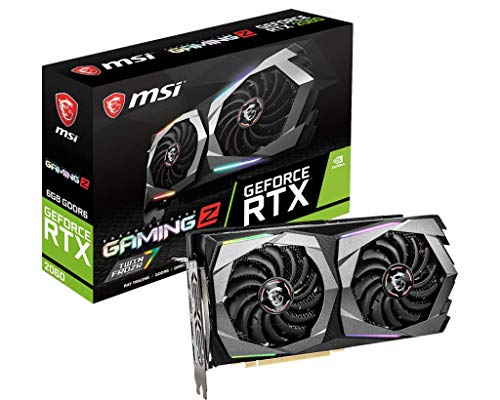
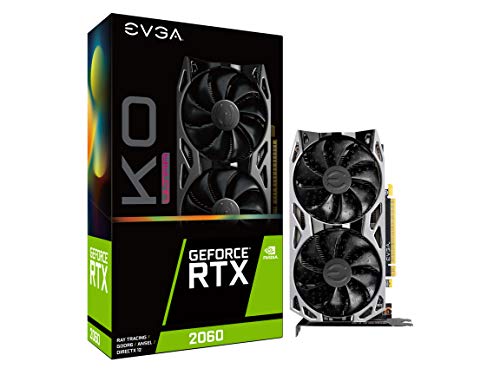
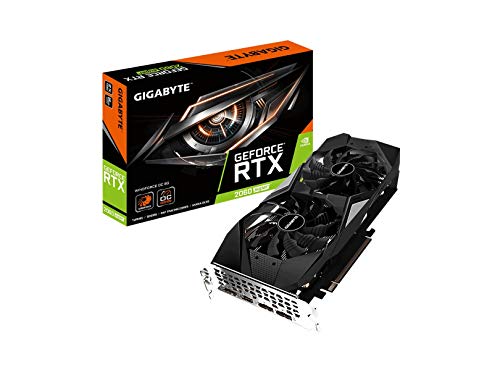
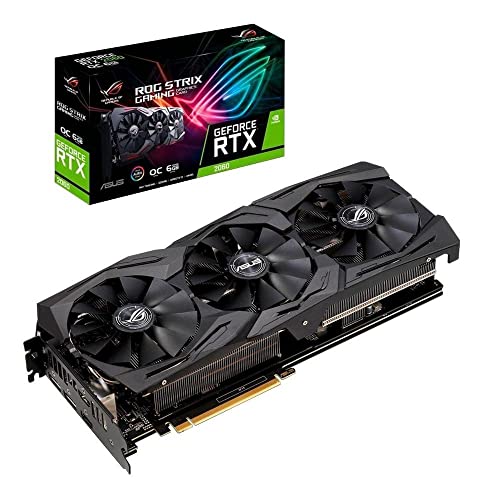
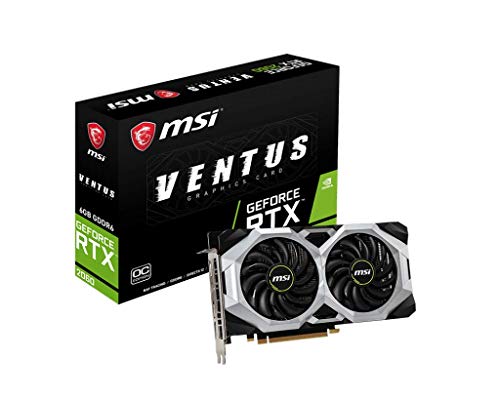
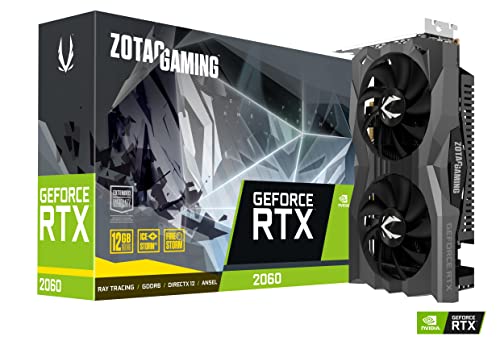
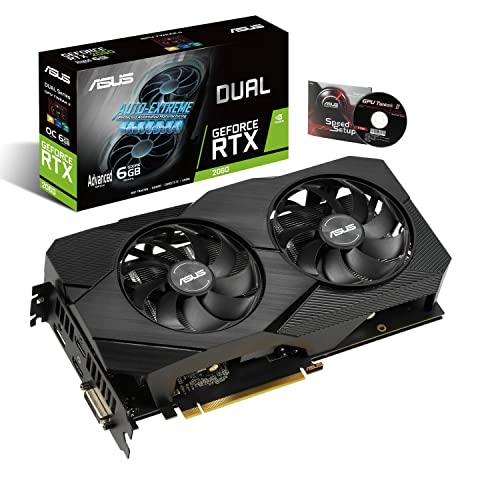
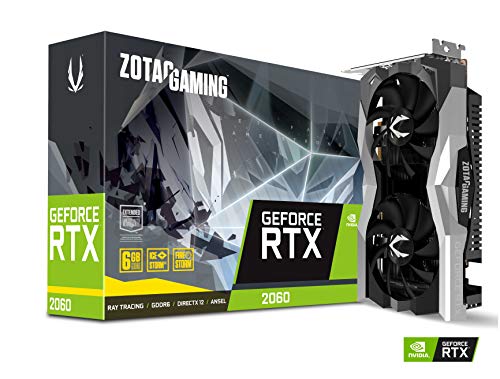
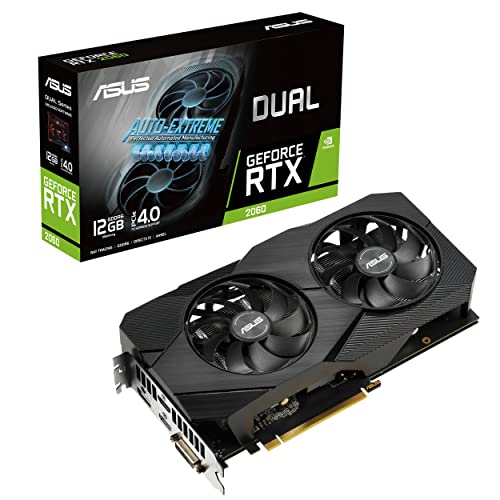
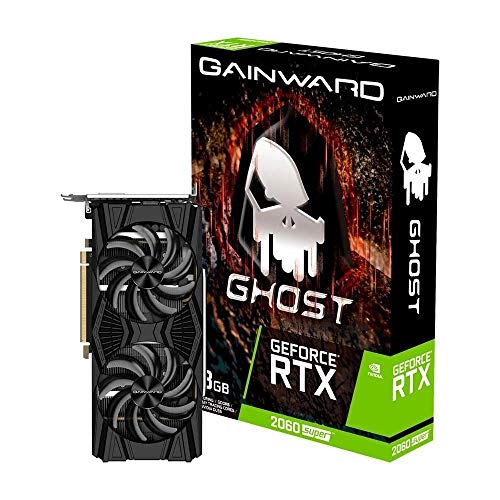
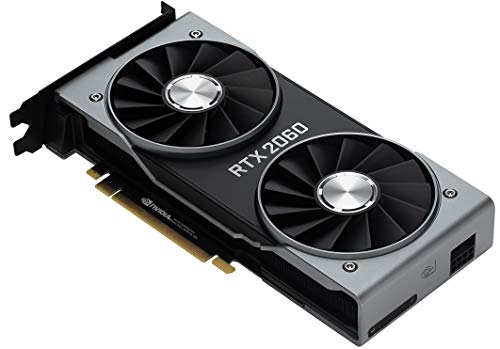
What is the RTX 2060?
The RTX 2060 is an older upper-midrange Nvidia GeForce graphics card family built mainly on the Turing architecture for gaming and other demanding consumer GPU work. In buying terms, it sits above entry-level RTX cards and offers DLSS, ray-tracing support, GDDR6 memory, and enough performance for strong 1080p gaming with some 1440p flexibility.
That makes the RTX 2060 a performance-first older RTX option rather than a low-cost beginner card. It is usually the choice for buyers who want a stronger first-generation RTX desktop profile and who can still find a version priced sensibly enough to justify against newer alternatives.
Who should buy the RTX 2060?
The RTX 2060 is best for buyers who want older upper-midrange GeForce hardware for strong 1080p gaming and some usable 1440p play, but who do not want to drop into the lowest RTX segment. It is a strong fit when baseline gaming strength matters more than owning the newest generation.
It is a weaker fit for buyers who want the cleanest value, the newest efficiency profile, or predictable memory specifications across the whole lineup, because the wider 2060 market can mix several variants and conditions. If your budget is already close to many 30-series prices, another tier often makes more sense.
Is the RTX 2060 a good graphics card?
RTX 2060 graphics cards are still decent older RTX options when they are priced clearly below newer mainstream cards and the buyer wants more than a bare-minimum 1080p GPU.
The main appeal of the RTX 2060 is that it still behaves more like an older upper-midrange card than like a bare-minimum gaming GPU. A typical RTX 2060 gives you DLSS, ray tracing support, GDDR6 memory, and enough performance for strong 1080p or lighter 1440p play.
The main caution is age. RTX 2060 cards are older, less efficient, and often used, so cooler condition, exact variant, VRAM profile, and price against RTX 3060 or newer alternatives matter a lot.
The chart below compares RTX 2060 brands by average overall score.
[horizontal-chart-01485934670838154911028632188939499955303836884219]
What are the main advantages of the RTX 2060?
The main advantages of the RTX 2060 are as follows:
- Still above entry-level RTX hardware: The RTX 2060 behaves more like an older upper-midrange card than like a bare-minimum gaming GPU. That helps it stay relevant for stronger 1080p gaming.
- Solid technical base for its age: Most standard RTX 2060 cards use GDDR6 memory on a 192-bit bus, which gives them a healthier memory profile than many low-end cards built around narrower buses.
- Access to the Nvidia RTX ecosystem: DLSS support, ray-tracing compatibility, NVENC, and CUDA software support make the RTX 2060 more flexible than older GTX-era alternatives.
- Manageable size and power in many builds: Compared with big Ampere and Blackwell cards, the RTX 2060 is much easier to house and power. That makes it a more realistic upgrade for older midrange desktops.
- Can still make sense as a used-gaming step: When the price is right, the RTX 2060 offers a cleaner 1080p gaming upgrade than many legacy cards that lack RTX-era feature support entirely.
What are the main disadvantages of the RTX 2060?
The RTX 2060 has the following disadvantages:
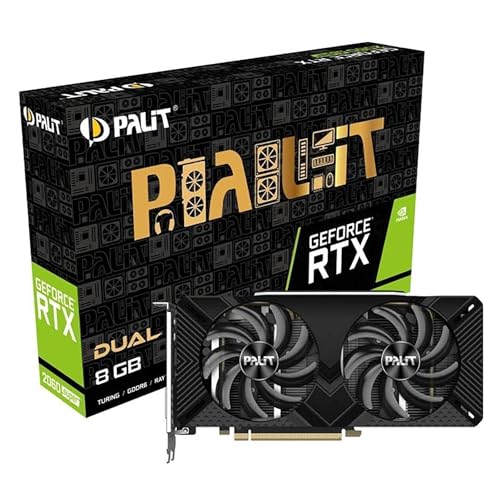
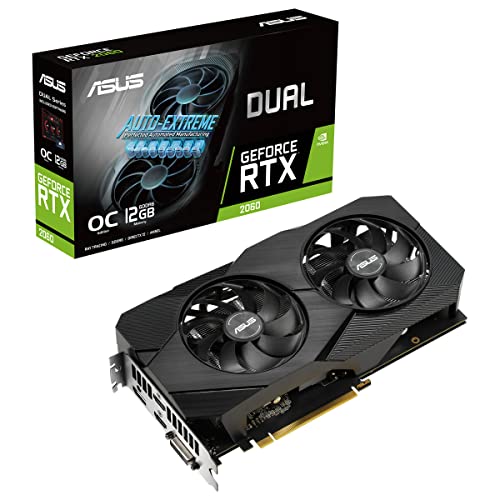
- Multiple versions share the same name: Standard RTX 2060 cards, 2060 Super models, and later 12 GB refreshes are not the same thing. Buyers need to verify the exact version before comparing prices.
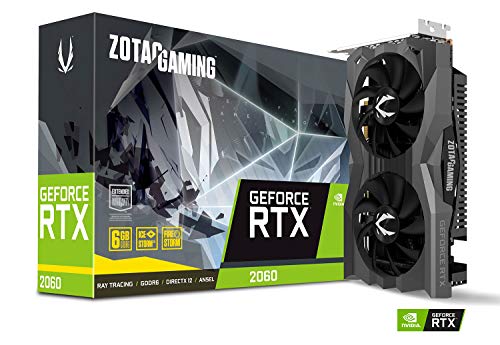
- 6 GB can feel tight now: The common 6 GB desktop configuration is workable for many games, but it does not leave much long-term margin for heavier textures, newer AAA titles, or creator workloads.
- First-generation ray tracing is limited: The RTX 2060 introduced Nvidia's RTX stack to a lower tier, but the raw GPU class is still too modest for heavy RT use without major compromises.
- Older Nvidia generation: As a Turing-era card, the RTX 2060 misses later advances in efficiency, media support, and newer frame-generation features that make newer GeForce cards feel more current.
- Used pricing can be awkward: Because this card still carries the RTX name, some sellers price it higher than its age justifies. It only makes sense when the deal is clearly better than newer entry-level alternatives.
How much does the RTX 2060 cost?
RTX 2060 graphics cards usually cost about £110 to £460, with many realistic desktop cards sitting closer to roughly £220-£390.
That spread comes from the fact that the wider 2060 market can include standard desktop cards, RTX 2060 Super variants, 12 GB refreshes, and a small laptop-branded tail. The smarter buys are usually the sensibly priced desktop cards that still turn the 2060's older upper-midrange gaming strength into clear value instead of drifting too close to newer GPUs.
This chart visualizes RTX 2060 graphics card prices.
[vertical-chart-09390677398958179820080968754067834063164161445580]
How does the RTX 2060 compare with the RTX 3060?
The RTX 2060 compares with the RTX 3060 as the older and less efficient upper-midrange option rather than as the cleaner long-term buy. The main difference is that the RTX 2060 comes from the first RTX generation, while the RTX 3060 generally offers a more modern platform, a wider practical market, and a lower-friction value case.
That matters most when you are deciding between an older stronger-for-its-time card and a newer, easier overall mainstream choice. The RTX 2060 can still make sense when you find a version priced unusually well. The RTX 3060 usually looks stronger when you want better long-term buying logic, a broader partner market, and a more forgiving balance of price, memory, and generation age.
The RTX 2060 is the better fit for niche older-RTX buyers and good-deal hunters. The RTX 3060 is usually the smarter choice for a clearer overall mainstream GeForce purchase.
What should you consider while choosing the RTX 2060?
You should consider the following factors when choosing the RTX 2060:
- Exact variant: Check whether the card is a standard RTX 2060, an RTX 2060 Super, or a later 12 GB refresh, because those versions do not sit in the same performance or value position.
- VRAM and memory profile: Standard RTX 2060 cards are usually 6 GB models, while Super variants often move to 8 GB and later refresh cards can go to 12 GB. Check the exact memory setup before assuming one 2060 has the same longevity as another.
- Resolution and workload target: The RTX 2060 makes the most sense for strong 1080p gaming and some lighter 1440p use. If you want a cleaner long-term path, a newer tier often fits better.
- Power, size, and thermals: The RTX 2060 is easier to house and power than larger Ampere or Blackwell cards, but cooler quality, case fit, and airflow still matter, especially on older used hardware.
- Cooler quality, condition, and acoustics: Two RTX 2060 cards can differ a lot in noise, temperatures, and overall state, especially on the used market. Condition matters here just as much as the model name.
- Price discipline against newer options: The RTX 2060 is an older upper-midrange choice. If a specific 2060 drifts too close to newer entry and mainstream GPUs, compare carefully instead of paying mainly for the RTX label.