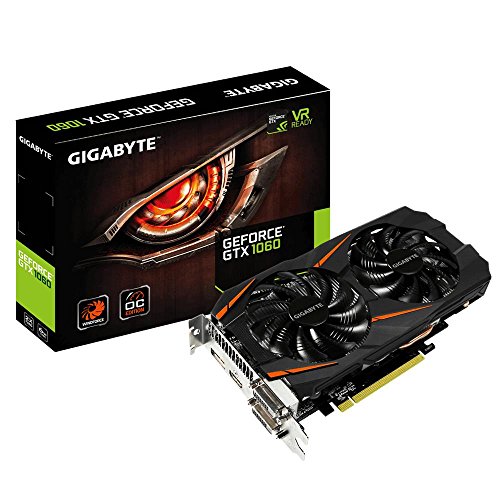
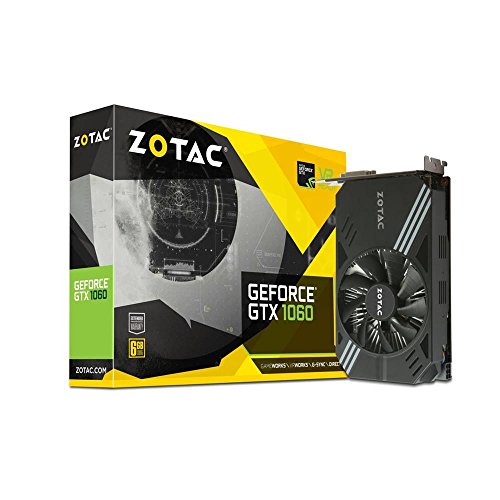
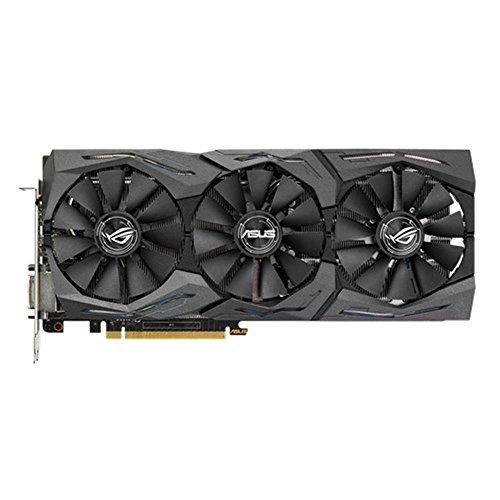
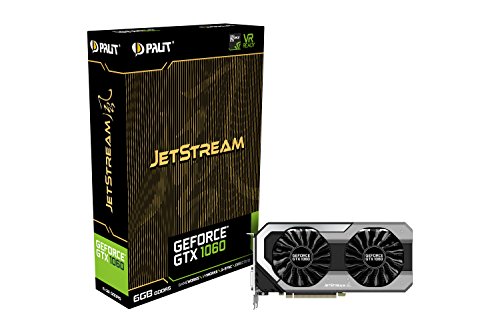
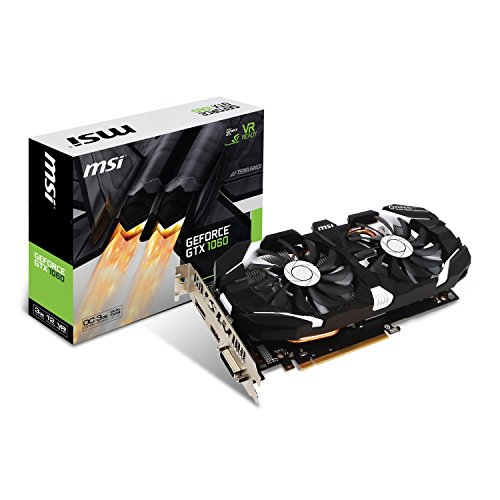
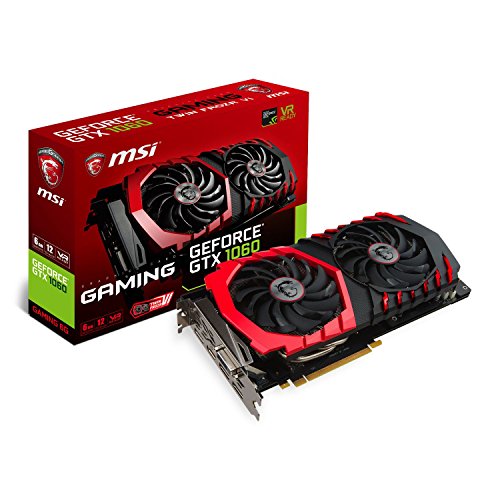
Is the GTX 1060 a good graphics card?
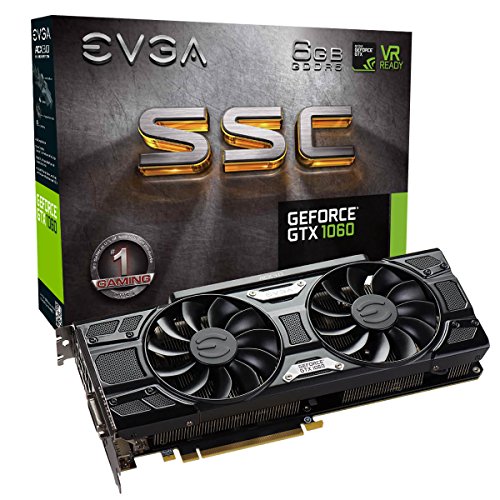
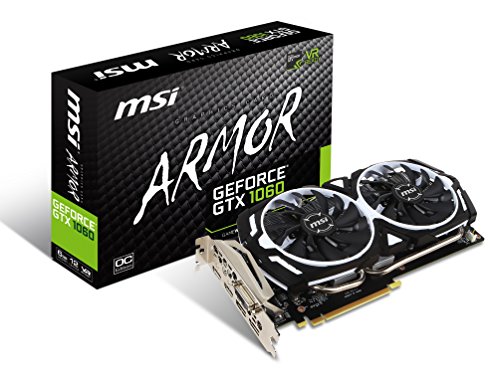
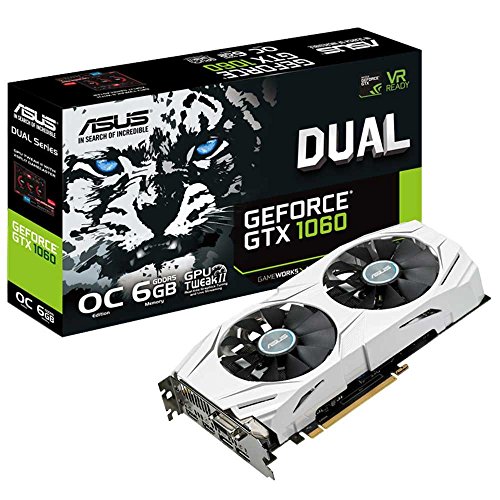
GTX 1060 graphics cards are still decent older-value GPUs for low-cost 1080p gaming, especially when the buyer finds a clean 6 GB version at the right price.
The main reason to buy a GTX 1060 is that it still gives you a familiar, easy-to-power 1080p card for older games, esports, and low-cost builds, especially if you land a 6 GB version at the right price.
The main caution is that this is a legacy Pascal class with no RTX feature stack, limited long-term headroom, and a major gap between 3 GB and 6 GB variants.
What are the main advantages of the GTX 1060?
The main advantages of the GTX 1060 are as follows:
- Light platform requirements: The GTX 1060 usually sits in a much easier power class than modern enthusiast GPUs, so it remains attractive for older desktops, modest PSUs, and simple drop-in upgrades.
- Still usable for older 1080p gaming: The 6 GB GTX 1060 can still handle esports titles and many older AAA games at Full HD well enough for a budget-minded build with realistic expectations.
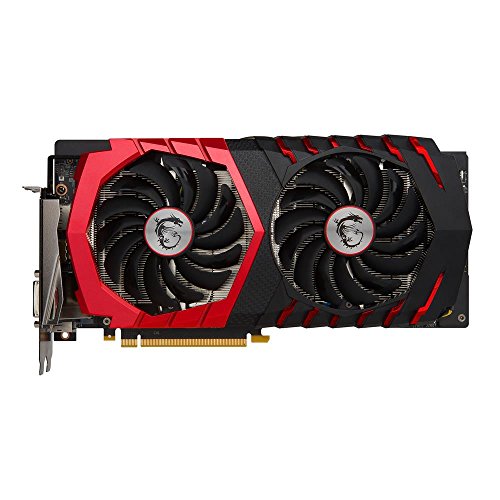
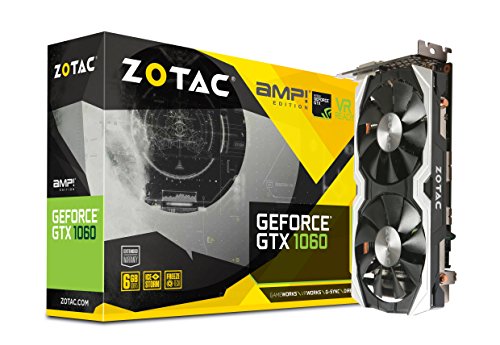
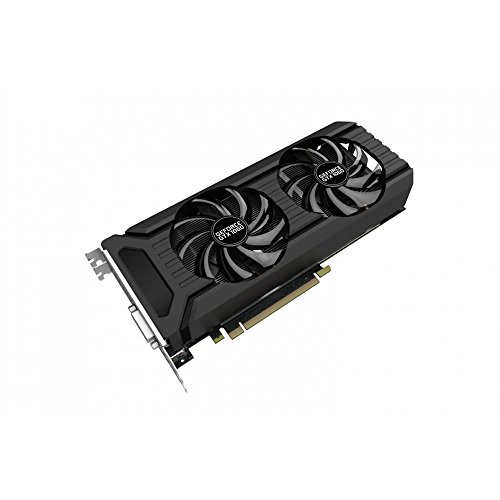
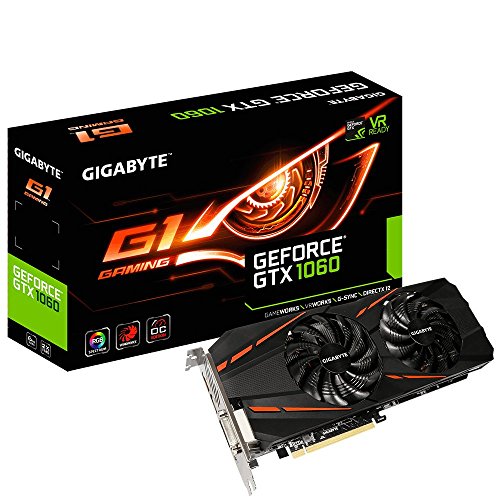
- Very broad used-market availability: Because the GTX 1060 sold in huge numbers, buyers can still find many partner versions with different cooler sizes, outputs, and physical lengths.
- Straightforward legacy choice: For buyers who simply need an older graphics card that is clearly above office-class hardware, the GTX 1060 is easier to understand than many mixed low-end GPU families.
- Often easy to fit physically: Compared with modern triple-fan cards, many GTX 1060 models are shorter, lighter, and easier to place in compact or older PC cases.
What are the main disadvantages of the GTX 1060?
The GTX 1060 has the following disadvantages:
- Huge difference between 3 GB and 6 GB versions: A GTX 1060 3 GB is not just a slightly smaller version of the 6 GB model. Memory capacity and shader differences make the weaker version meaningfully less attractive.
- No RTX-era feature support: The GTX 1060 does not offer hardware ray tracing, DLSS, or the broader Nvidia feature stack that later RTX cards bring. It is a legacy gaming card, not a modern one.
- Old architecture and aging horizon: Pascal is now an old generation, so buyers should expect less long-term comfort around future games, software support, and media features than with newer GPUs.
- Used-market condition matters a lot: At this age, cooler wear, old thermal paste, dusty heatsinks, and unknown prior use can matter more than the logo on the shroud.
- Value disappears quickly if priced too high: The GTX 1060 only makes sense as a low-cost legacy option. Once it drifts near newer used GPUs, the argument for buying it becomes much weaker.
What is the GTX 1060?
The GTX 1060 is an older Nvidia GeForce graphics card family built mainly on the Pascal architecture for mainstream gaming and general consumer GPU use. The most common form is a 6 GB GDDR5 card on a 192-bit bus with no meaningful RTX-era feature stack.
That makes the GTX 1060 a legacy-value graphics card rather than a modern premium choice. Buyers usually look at it when they want an established older 1080p option and care more about low-cost entry or familiar performance than about newer features such as DLSS or ray tracing.
Who should buy the GTX 1060?
The GTX 1060 is best for buyers who want an older GeForce card for low-cost 1080p gaming, legacy system upgrades, or a secondary PC where simple raster performance matters more than modern Nvidia features. It is especially suitable when you find a 6 GB model at the right price and want a card that is still easy to power and easy to fit into an older desktop.
It is a weaker fit for buyers who want strong modern AAA performance, ray tracing, DLSS, or better long-term headroom. It is also harder to justify when a used GTX 1660 Super, RTX 2060, or similar newer card is priced too close to it.
How much does the GTX 1060 cost?
GTX 1060 graphics cards usually cost about £50 to £340, with many ordinary cards sitting closer to roughly £70-£150.
The lower part of the range is where most practical 3 GB cards and simpler 6 GB versions live. Higher prices usually mean cleaner 6 GB cards, premium partner coolers, or unrealistic legacy listings rather than a fundamentally different class of GPU.
If a GTX 1060 starts drifting too far above the low-cost band, a newer used card often becomes the smarter buy. That is why price discipline matters more here than factory overclocks or prestige board-partner branding.
This chart visualizes GTX 1060 graphics card prices.
[vertical-chart-02626944660966254167131802223921933105251312315951]
How does the GTX 1060 compare with the RTX 2060?
The GTX 1060 sits below the RTX 2060 as the older and simpler value option. A typical GTX 1060 is a Pascal-era 6 GB GDDR5 card on a 192-bit bus with no meaningful ray-tracing or DLSS support, while the RTX 2060 is a Turing-era 6 GB GDDR6 card with a stronger core, faster memory, and access to the RTX feature stack.
That difference shows up in real use immediately. The RTX 2060 is clearly stronger for modern 1080p and lighter 1440p gaming, creator work, and longer-term flexibility, while the GTX 1060 only makes sense when it is much cheaper and the build does not need newer features.
The GTX 1060 is the better fit for very low-cost legacy builds. The RTX 2060 is usually the smarter buy if you want a more capable used Nvidia card that still feels meaningfully modern.
What should you consider while choosing the GTX 1060?
You should consider the following factors when choosing the GTX 1060:
- Exact variant: Check whether the card is a GTX 1060 3 GB or GTX 1060 6 GB, because the difference is not minor. The 6 GB version has more VRAM and a more attractive real-world profile.
- Real gaming target: The GTX 1060 makes the most sense for esports, older AAA titles, and lighter 1080p gaming. If your real goal is heavy new AAA releases, higher settings, or 1440p with headroom, this class gets old quickly.
- Power and platform fit: The GTX 1060 is attractive partly because it is a lighter 120 W-class card, but you should still check PSU quality, connector requirements, case space, and whether the rest of the system is balanced enough to support the upgrade.
- Feature expectations: This is a legacy Pascal card with no meaningful RTX or DLSS support. Buy it for simple raster gaming, not because you expect the broader modern Nvidia feature stack.
- Cooler condition and used-market wear: Most GTX 1060 cards are old enough that fan noise, thermal paste age, temperatures, and overall board condition matter a lot. A cleaner used card is often a better decision than a more heavily overclocked one.
- Price discipline against newer used GPUs: A GTX 1060 only makes sense when it is genuinely cheap. If pricing starts drifting too close to stronger used cards such as the GTX 1660 Super or RTX 2060, the newer card is usually easier to justify.