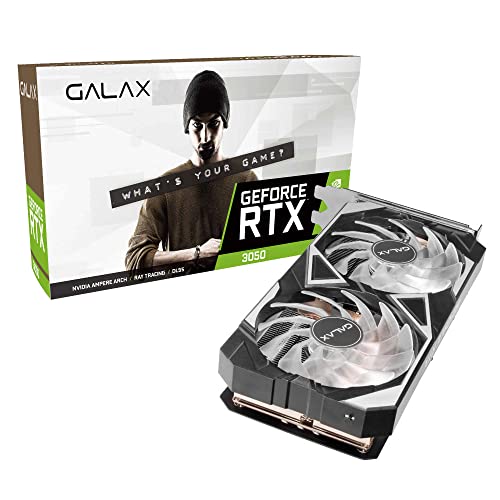
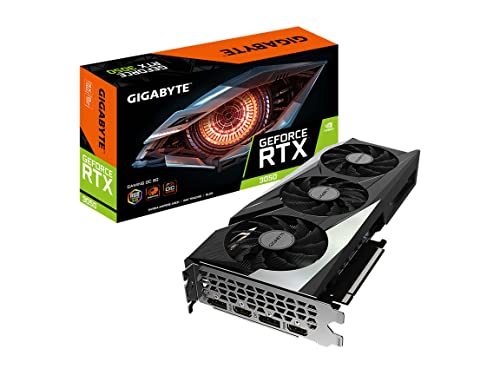
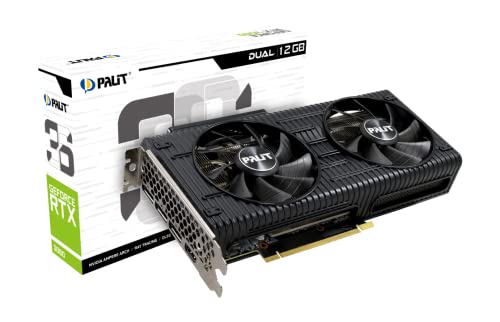
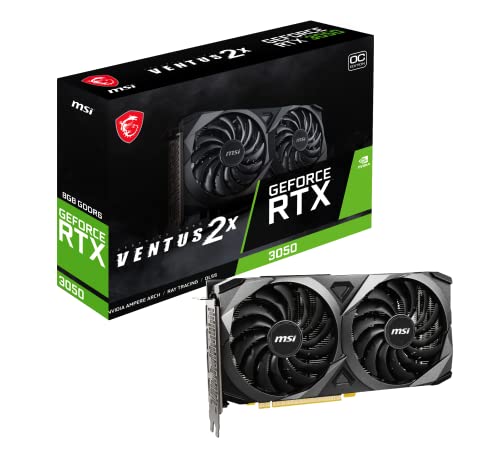
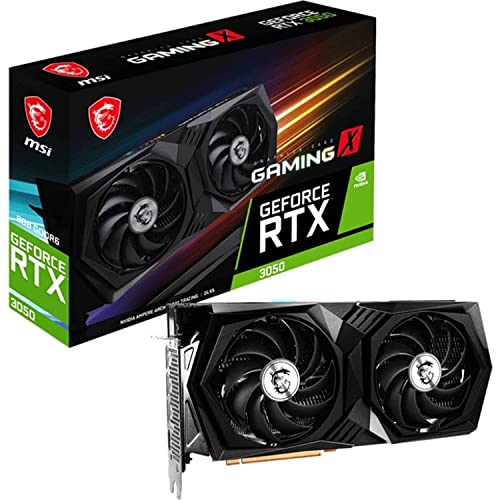
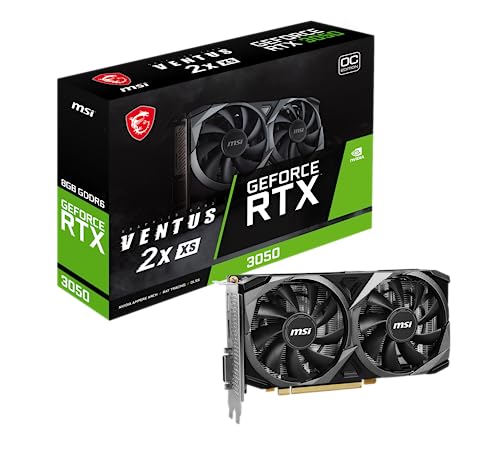
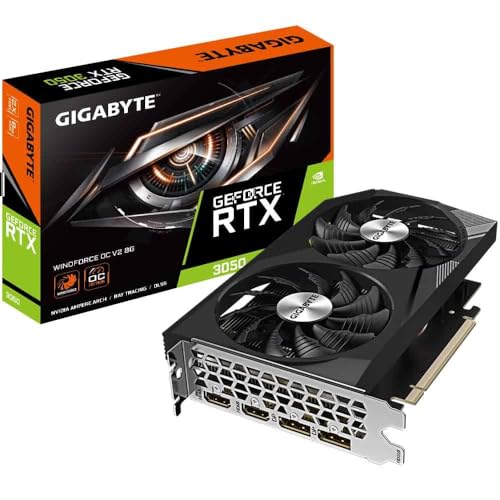
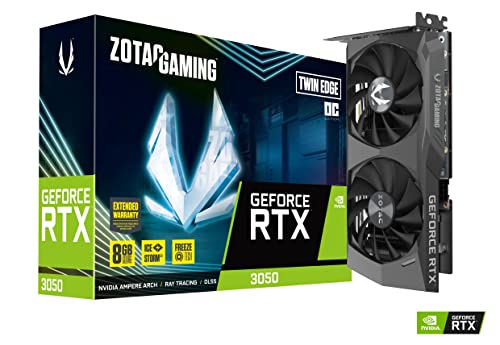
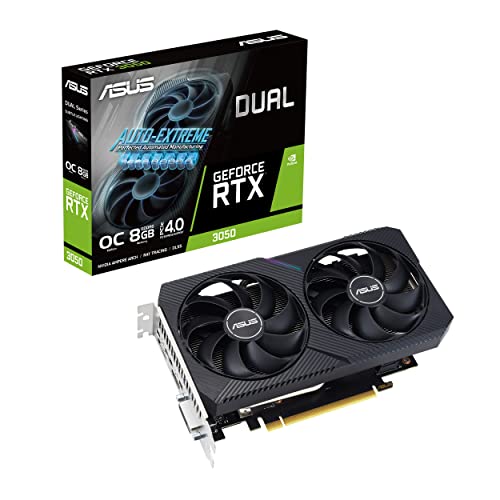
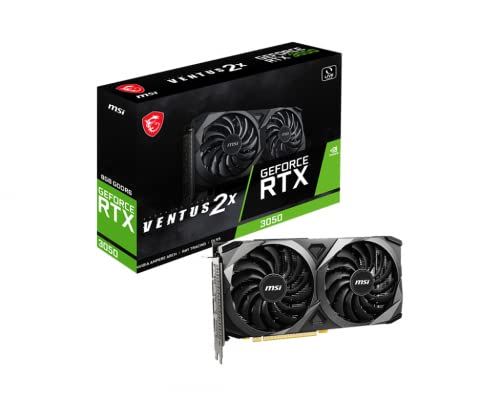
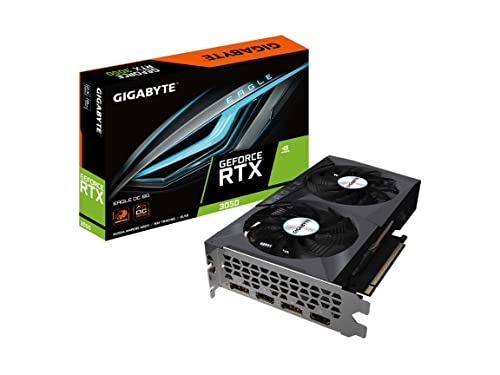
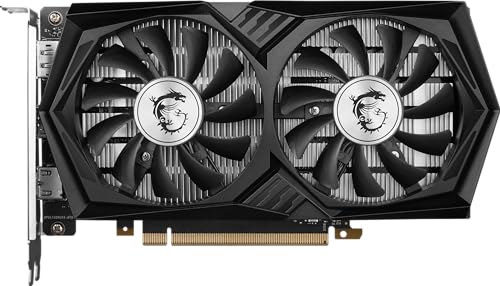
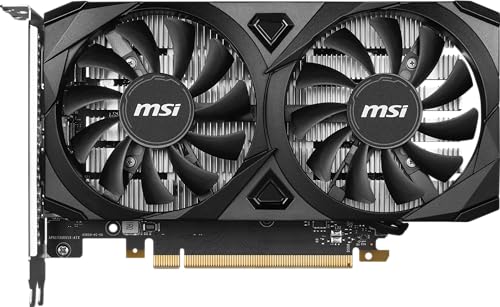
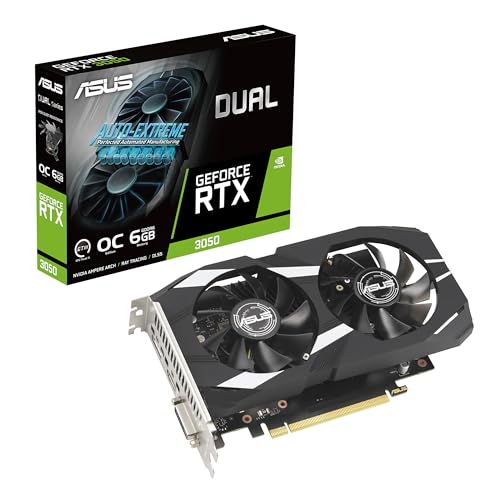
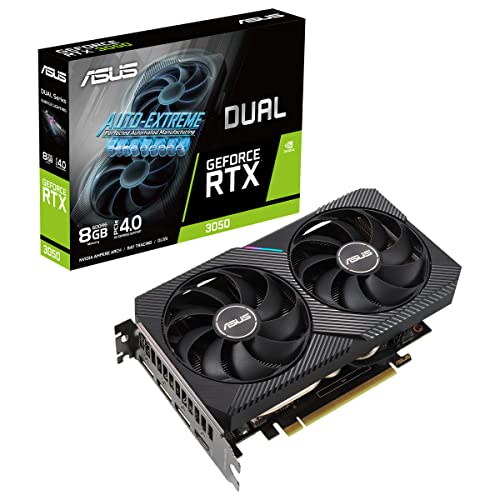
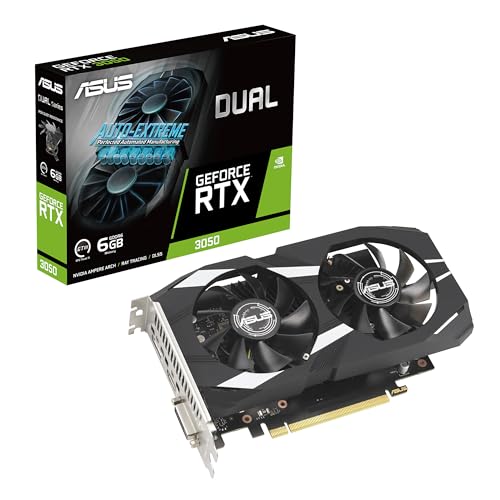
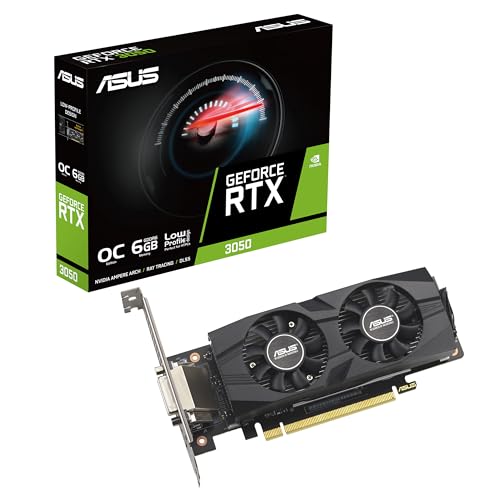
What is the RTX 3050?
The RTX 3050 is an entry-level to lower-midrange Nvidia GeForce graphics card family built mainly on the Ampere architecture for affordable gaming and everyday desktop graphics work. In buying terms, it sits below the 3060 tier, offering DLSS, basic ray-tracing support, and enough hardware for budget-conscious 1080p gaming.
That makes the RTX 3050 a value-led gaming card rather than a high-performance enthusiast product. It is usually the choice for buyers who want a cheaper RTX entry point, compact partner options, and a lighter system-power profile than stronger GeForce tiers require.
Who should buy the RTX 3050?
The RTX 3050 is best for buyers who want a low-cost GeForce card for practical 1080p gaming, compact desktops, or entry-level RTX builds without paying for a much stronger GPU tier. It is a strong fit when price control, lower power draw, and access to modern Nvidia features matter more than chasing higher-end performance.
It is a weaker fit for buyers who want stronger 1440p headroom, cleaner long-term value at slightly higher budgets, or a more consistent one-configuration lineup, because the wider 3050 market can vary quite a lot. If you can spend meaningfully more and want a clearly stronger gaming card, the 3060 family usually makes the better case.
Is the RTX 3050 a good graphics card?
RTX 3050 graphics cards are usable low-cost RTX entry points when the buyer wants basic 1080p gaming, DLSS access, and low system demands rather than high performance.
The main appeal of the RTX 3050 is that it gives buyers access to DLSS, light ray tracing support, and practical 1080p gaming without forcing them into a much more expensive GPU tier.
The main caution is that the RTX 3050 is entry-level by modern gaming standards. It only makes sense when it stays clearly cheap and the buyer does not expect strong 1440p performance or heavy ray tracing comfort.
The chart below compares RTX 3050 brands by average overall score.
[horizontal-chart-05514128793710422277028575888849601880232810282698]
What are the main advantages of the RTX 3050?
The main advantages of the RTX 3050 are as follows:
- Accessible RTX entry point: The RTX 3050 gives buyers access to the Nvidia ecosystem, including DLSS support and ray-tracing compatibility, without forcing them into a much more expensive midrange tier.
- Lower power than most gaming cards: Depending on the exact version, RTX 3050 cards usually stay in a modest power range, which makes them easier to cool and easier to use in simpler or smaller systems.
- Many compact and low-profile options: This is one of the more practical Nvidia families for short, slim, and low-profile builds. That matters for OEM upgrades and small-form-factor gaming PCs.
- Good for lighter 1080p gaming: Esports titles, older AAA games, and lower-to-medium 1080p workloads fit the RTX 3050 much better than they do older office-class graphics cards.
- Wider availability than niche budget cards: Because many major board partners sell RTX 3050 variants, buyers often have more cooler and form-factor choice here than with obscure budget GPUs.
What are the main disadvantages of the RTX 3050?
The RTX 3050 has the following disadvantages:
- Big gap between 6 GB and 8 GB versions: Some RTX 3050 cards use 6 GB on a 96-bit bus, while others use 8 GB on a 128-bit bus. That difference affects the real card more than the shared name suggests.
- Raw performance is modest: The RTX 3050 is mainly a budget 1080p GPU. Buyers looking for stronger 1440p results or longer-term AAA headroom will hit its ceiling fairly quickly.
- Ray tracing is mostly a secondary feature: Support exists, but this tier does not have much spare performance for heavy RT workloads. In many games, ray tracing becomes more of a checkbox than a true selling point.
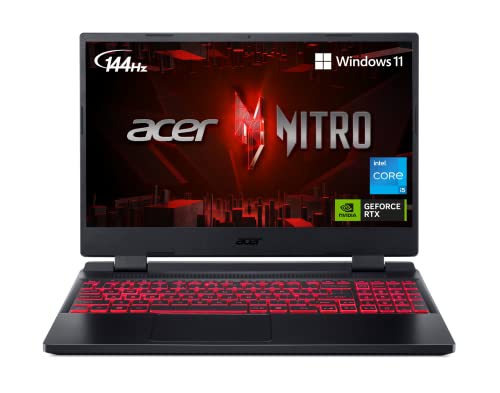
- Naming overlap with laptop and Ti versions: Desktop RTX 3050, laptop RTX 3050, and RTX 3050 Ti are easy to blur together when shopping casually. Buyers need to check the exact platform and version.
- Value depends heavily on price: If an RTX 3050 sits too close to an RTX 3060 or to a stronger used card, the logic weakens quickly because the tier itself does not leave much performance margin.
How much does the RTX 3050 cost?
RTX 3050 graphics cards usually cost about £150 to £690, with many realistic desktop cards sitting closer to roughly £150-£300.
That spread comes from the fact that the wider 3050 market can include cheaper 6 GB desktop cards, pricier 8 GB variants, and a small laptop-branded tail. The smarter buys are usually the sensibly priced desktop cards that still turn the 3050's entry-level gaming role into clear value instead of drifting too close to stronger tiers.
This chart visualizes RTX 3050 graphics card prices.
[vertical-chart-08589376870775562741075411322963800855380129331171]
How does the RTX 3050 compare with the RTX 3060?
The RTX 3050 sits below the RTX 3060 as the cheaper and lighter gaming option rather than as a close substitute. The main technical difference is that the RTX 3050 focuses much more on low-cost 1080p gaming and compact builds, while the RTX 3060 sits in a clearly stronger and more flexible performance tier.
That matters most when you are deciding between strict budget discipline and meaningful extra gaming headroom. The RTX 3050 makes the better case when you need a lower-power card, a much lower entry price, or a compact form factor. The RTX 3060 usually looks better when you want stronger long-term value and a less compromised all-round gaming profile.
The RTX 3050 is the better fit for tighter budgets and space-constrained builds. The RTX 3060 is usually the smarter choice when you can spend more and want a clearly stronger GeForce card.
What should you consider while choosing the RTX 3050?
You should consider the following factors when choosing the RTX 3050:
- Exact variant: Check whether the card is a standard desktop RTX 3050, a laptop-branded version, or a compact low-profile design, because those products do not belong to the same use-case position even if they share the name.
- VRAM and memory layout: RTX 3050 cards can appear with 6 GB or 8 GB of VRAM, and the bus width can differ as well. Check the exact memory setup instead of assuming one 3050 behaves like another.
- Resolution and workload target: The RTX 3050 makes the most sense for affordable 1080p gaming, esports titles, and lighter everyday builds. If you want much stronger 1440p performance or more long-term headroom, another tier fits better.
- Power, form factor, and thermals: Many 3050 cards are attractive specifically because they are low-power, compact, or low-profile. Make sure the exact model matches your case, PSU, and airflow goals.
- Cooler quality and acoustics: Two RTX 3050 cards can use the same GPU but still differ noticeably in noise and temperatures. A cleaner cooler-and-price balance often matters more than branding alone.
- Price discipline against nearby tiers: The RTX 3050 sits between older budget options and the stronger RTX 3060 family. If a specific 3050 drifts too high in price, compare carefully against those neighboring choices instead of buying only by name.