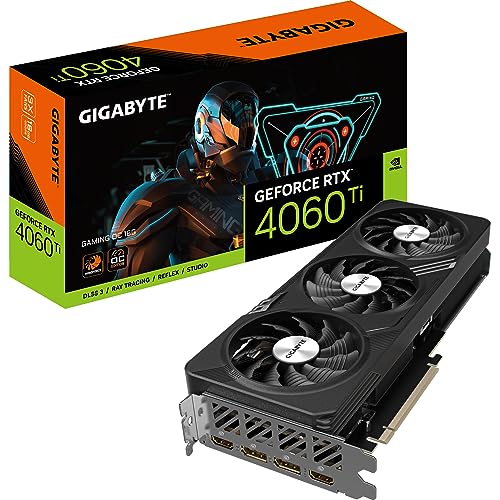
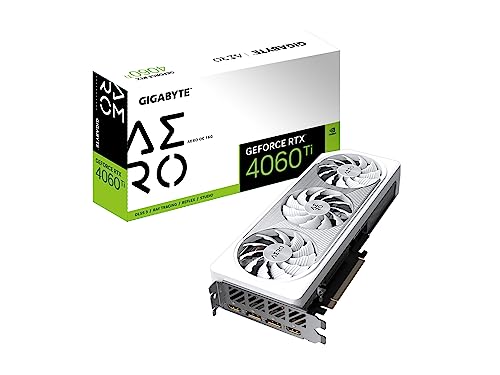
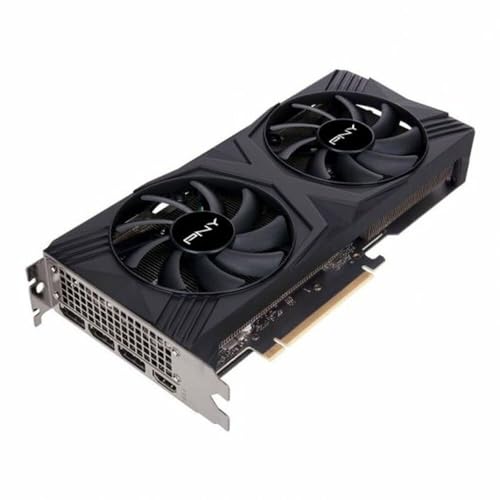
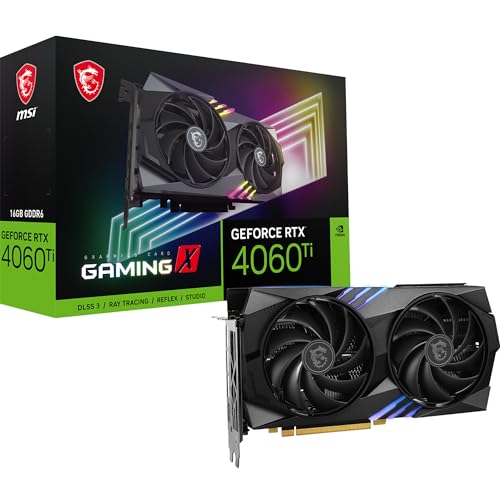
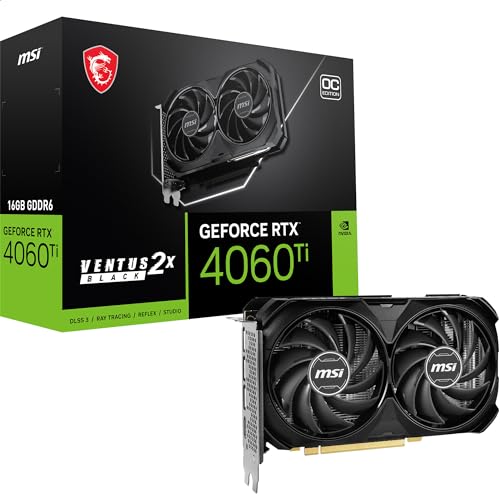
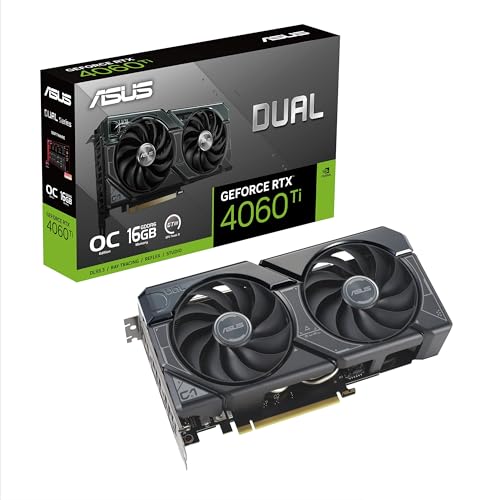
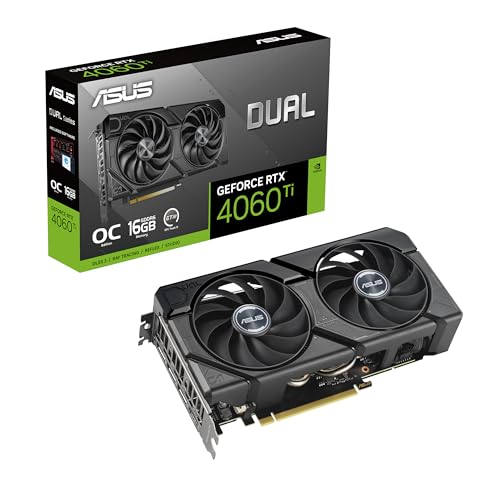
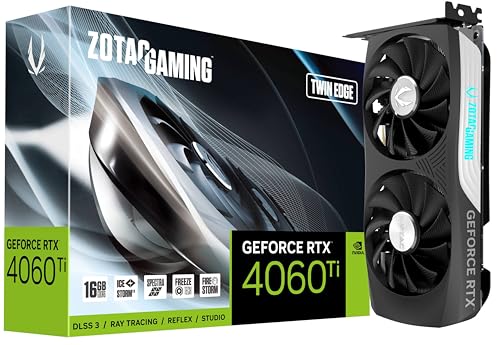
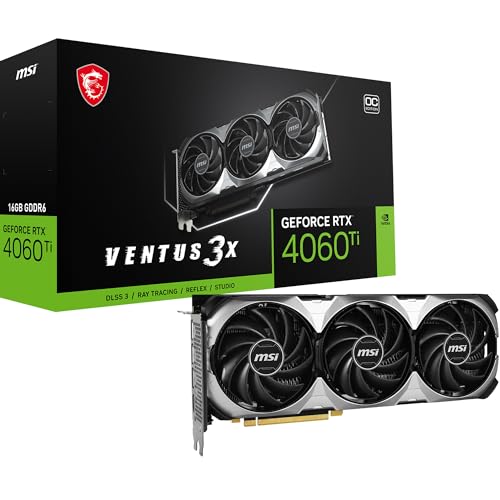
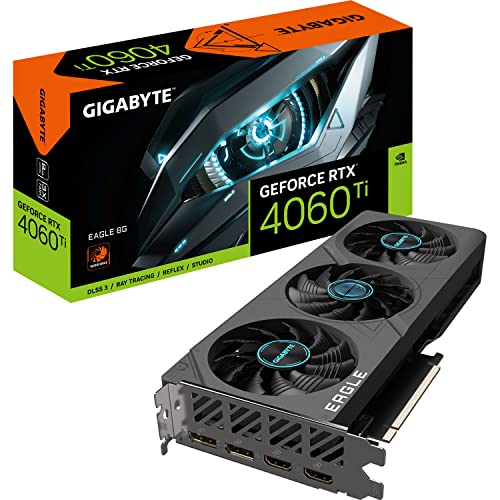
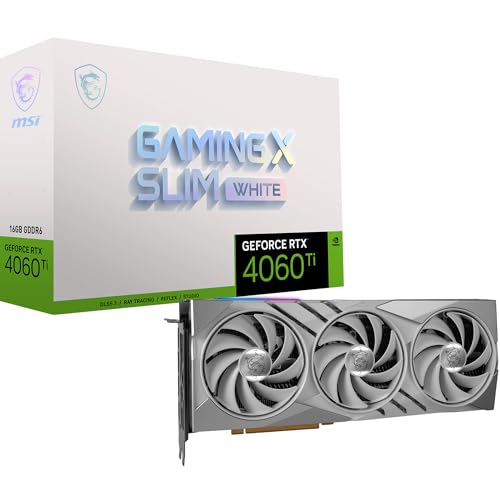
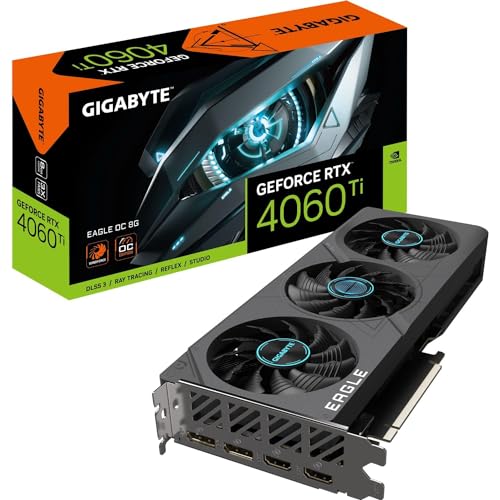
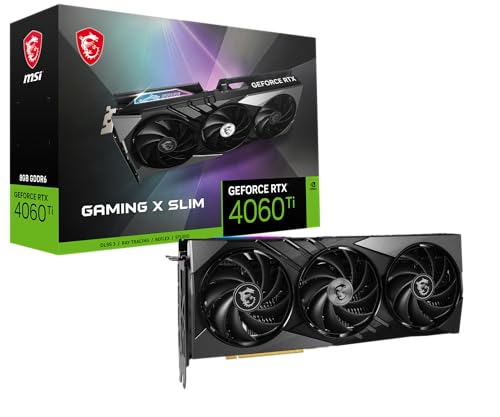
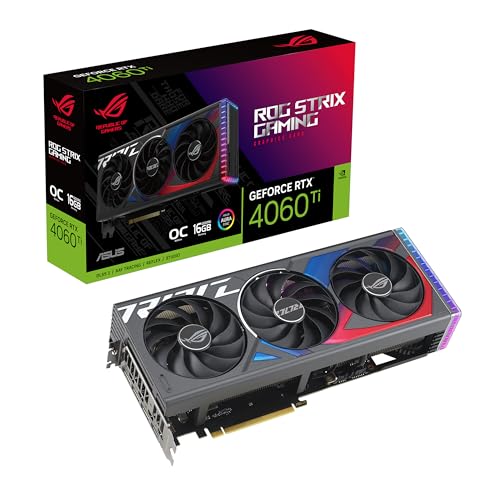
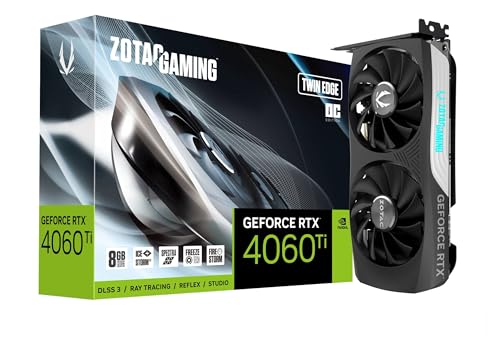
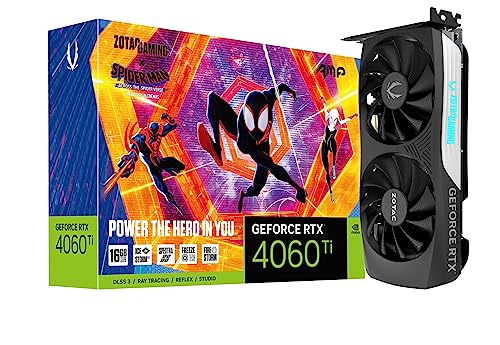
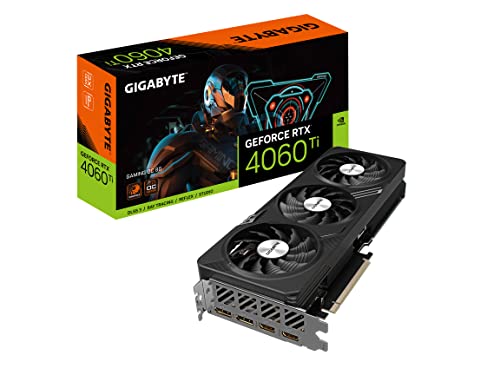
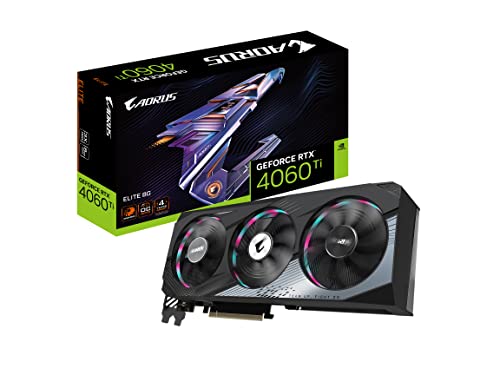
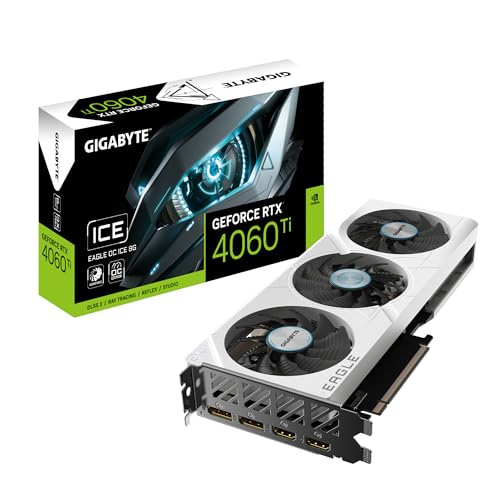
What is the RTX 4060?
The RTX 4060 is a broad Nvidia GeForce graphics card family built mainly on Ada Lovelace for buyers who want a mainstream gaming GPU above entry-level options but below the heavier 4070 class. The most common form is still an 8 GB GDDR6 configuration on a 128-bit bus with modern RTX features and broad board-partner coverage.
That makes the RTX 4060 a mainstream performance step rather than a budget throwaway or a high-end enthusiast card. Buyers usually consider it when they want a current Nvidia card for efficient 1080p-focused gaming and balanced overall system demands.
Who should buy the RTX 4060?
The RTX 4060 is best for buyers who want a modern GeForce card for mainstream 1080p gaming, lower power draw, and tighter budget control than the 4070 class requires. It is a strong fit when you want current Nvidia features in a card that is easier to power, easier to cool, and easier to integrate into smaller or more ordinary systems.
It is a weaker fit for buyers who want large VRAM headroom, a cleaner single-variant family, or a more convincing long-term 1440p card, because the wider 4060 market can include Ti and higher-memory variants and the mainstream 8 GB profile still has clear limits. If you want a more ambitious gaming tier, another class will usually make more sense.
Is the RTX 4060 a good graphics card?
RTX 4060 graphics cards are good mainstream Ada options when efficiency, current Nvidia features, and practical 1080p gaming matter more than heavy long-term headroom.
The main appeal of the RTX 4060 is that it gives buyers current Nvidia features such as DLSS, ray tracing, AV1 support, and good overall efficiency without forcing them into upper-midrange pricing or a demanding power setup.
The main caution is that the RTX 4060 is not a high-headroom card. It is best treated as a 1080p-focused GPU, especially if the buyer wants to keep power draw, card size, and total system cost under control.
The chart below compares RTX 4060 brands by average overall score.
[horizontal-chart-03409399473115338248105007000922611366861425593478]
What are the main advantages of the RTX 4060?
The main advantages of the RTX 4060 are as follows:
- Very easy power and thermal profile: The RTX 4060 sits in a low-power class for a modern gaming GPU, which makes it easy to cool, easy to power, and much easier to drop into small or modest prebuilt systems.
- Modern Nvidia features at a lower tier: DLSS 3, frame generation support, ray tracing compatibility, and AV1 media support give the RTX 4060 a current-generation feature set even though it is not a high-end card.
- Compact-card friendly: Many RTX 4060 models are short dual-fan or even smaller designs, so the tier works well in mini-ITX builds, OEM upgrades, and cases that cannot handle oversized enthusiast coolers.
- Good fit for 1080p gaming: For buyers targeting strong Full HD performance with modern game support, the RTX 4060 usually lands in a much cleaner place than older entry-level cards or much hotter used enthusiast GPUs.
- Lower total platform cost: Because PSU needs, heat output, and noise demands all stay moderate, the real cost of owning a 4060-based build can be lower than the price comparison between cards alone suggests.
What are the main disadvantages of the RTX 4060?
The RTX 4060 has the following disadvantages:
- Narrow mainstream memory setup: Most RTX 4060 cards rely on 8 GB of memory and a 128-bit bus. That is acceptable for 1080p use, but it is not generous by modern standards and leaves less margin for future game demands.
- Weak long-term 1440p headroom: The card can handle some 1440p gaming, but it is not a naturally comfortable 1440p tier. Buyers who want longer-lasting higher-resolution headroom may outgrow it faster than expected.
- Big gap between 4060 and 4060 Ti: The shared 4060 naming can hide very different products once Ti and 16 GB variants enter the comparison. Buyers need to check the exact model, not just the family label.
- Ray tracing is still limited by class: Support is present, but the raw GPU tier is still modest. In heavier games, ray tracing often makes the most sense only with aggressive DLSS help or lower settings.
- Some older cards can still compete on value: In certain price bands, buyers may cross-shop the RTX 4060 against used RTX 3060 Ti, RTX 3070, or Radeon alternatives, which means the newest name is not automatically the strongest deal.
How much does the RTX 4060 cost?
RTX 4060 graphics cards usually cost about £240 to £570, with many standard custom cards sitting closer to roughly £280-£390.
That lower and middle part of the range is usually where the more sensible RTX 4060 options sit. Once prices start rising, the extra money often goes into larger coolers, factory overclocks, or higher variants inside the wider 4060 family rather than into a fundamentally different level of mainstream gaming performance. That is why it is important to check whether you are still buying a sensible 4060 or drifting toward a tier above it.
This chart visualizes RTX 4060 graphics card prices.
[vertical-chart-13311315951019484269115711713779807513791845376411]
How does the RTX 4060 compare with the RTX 3060?
The RTX 4060 compares with the RTX 3060 as the newer, more efficient mainstream Nvidia tier rather than as a completely different price class. A typical RTX 4060 brings Ada-era features such as DLSS 3 and lower overall power draw, while the older RTX 3060 belongs to the previous generation and follows a less modern efficiency and feature profile.
The biggest difference is not that one card is automatically far cheaper than the other, but that the RTX 4060 usually gives you the cleaner modern platform for a new build. The RTX 3060 can still make sense when an older model lands at the right price, but it is usually the older-style compromise rather than the cleaner fresh-buy option.
The RTX 4060 is the better fit when you want lower power use, newer Nvidia features, and a more current mainstream gaming card. The RTX 3060 is mainly worth considering when price or a specific older deal changes the value equation enough to justify it.
What should you consider while choosing the RTX 4060?
You should consider the following factors when choosing the RTX 4060:
- Exact variant: Check whether the card is a standard RTX 4060, RTX 4060 Ti, or a higher-memory version, because those products do not belong to the same value position even if they share part of the name.
- Resolution and workload target: The RTX 4060 makes the most sense for practical 1080p gaming, efficient everyday use, and lighter creator work. If your real target is heavier 1440p gaming or a much longer-term high-end build, this class can become limiting.
- VRAM and memory subsystem: A typical RTX 4060 gives you 8 GB of GDDR6 on a 128-bit bus. That can still be fine for mainstream gaming, but you should decide whether this baseline is enough for the games and settings you actually use.
- Power, size, and thermals: Most RTX 4060-family cards sit around 115-165 W, which is very manageable for many systems. Even so, larger Ti variants and heavier partner coolers still deserve a PSU, airflow, and case-clearance check.
- Cooler quality and acoustics: Two RTX 4060 cards can use the same GPU but differ quite a lot in noise and temperatures. Heatsink size, fan tuning, and board-partner design still matter, especially in compact builds.
- Price discipline against nearby tiers: The RTX 4060 sits between older 3060-era bargains and the clearly stronger RTX 4070 class. If a specific 4060 rises too far in price, compare carefully against those neighboring options instead of buying only by name.