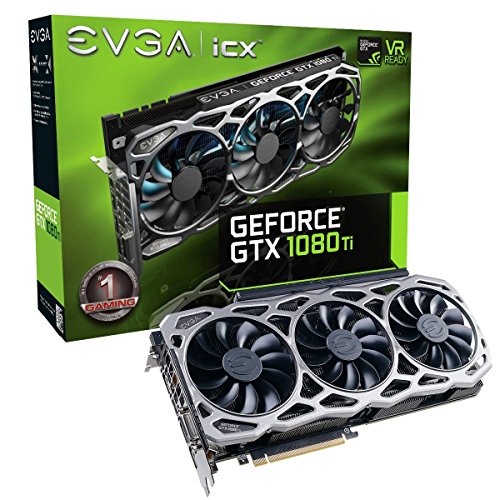
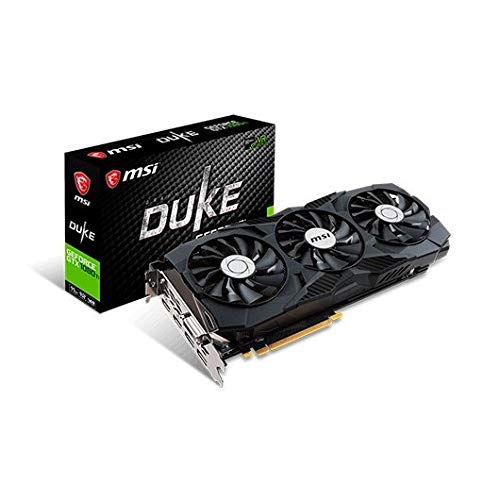
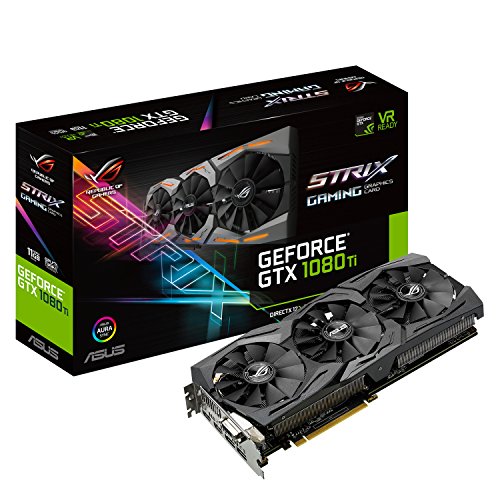
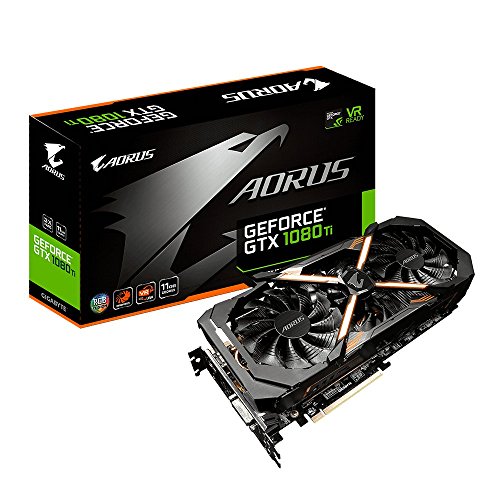
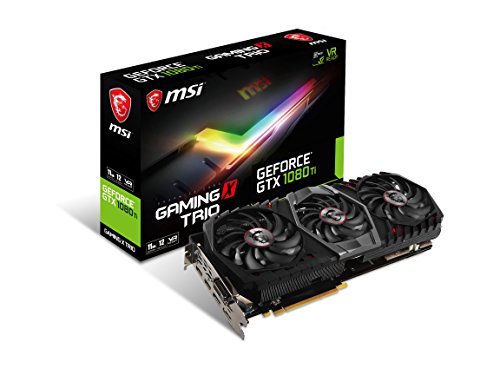
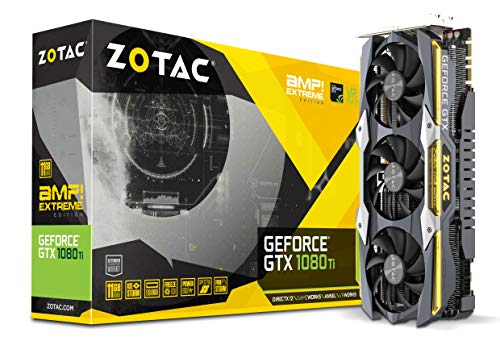
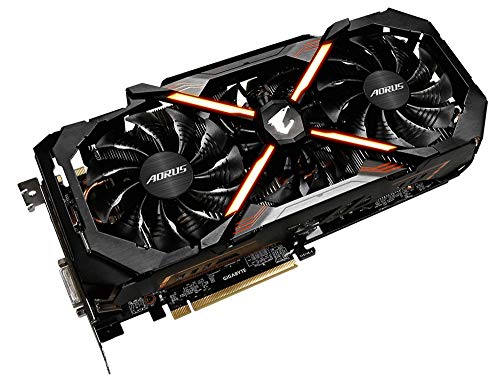
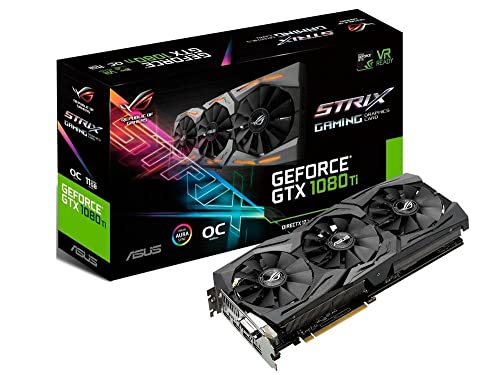
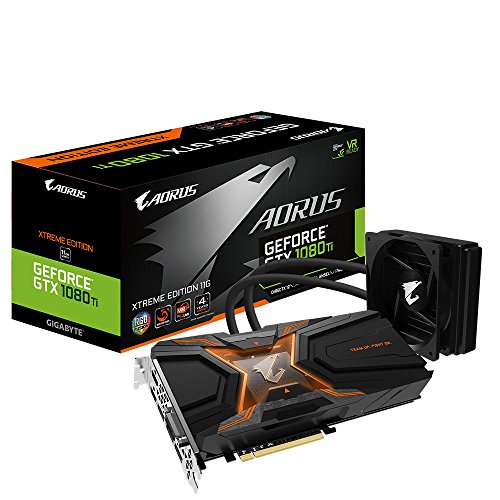
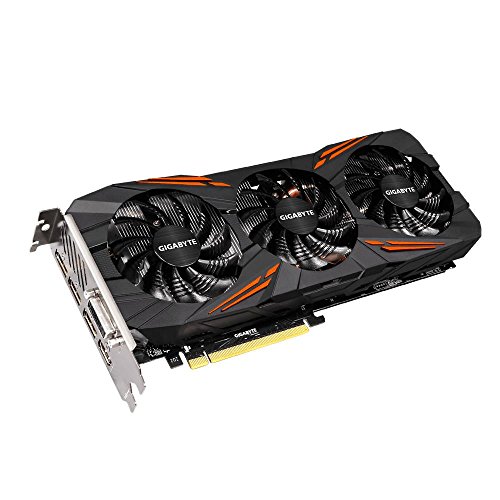
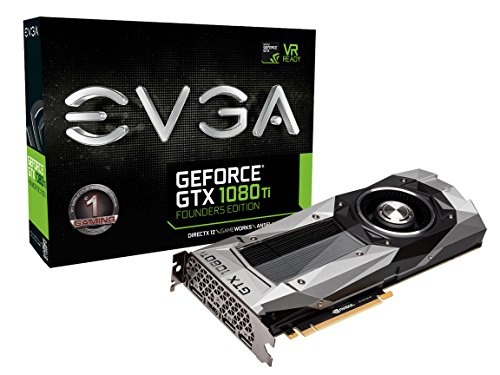
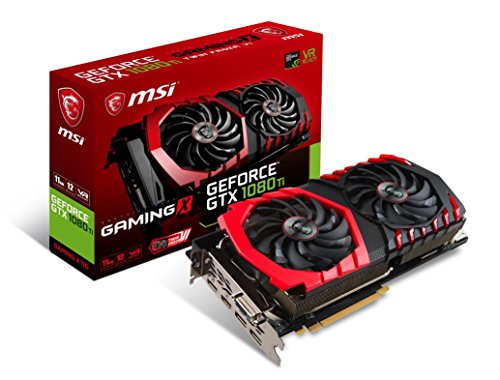
Which brands make the best GTX graphics cards?
The best GTX graphics card brands are as follows:
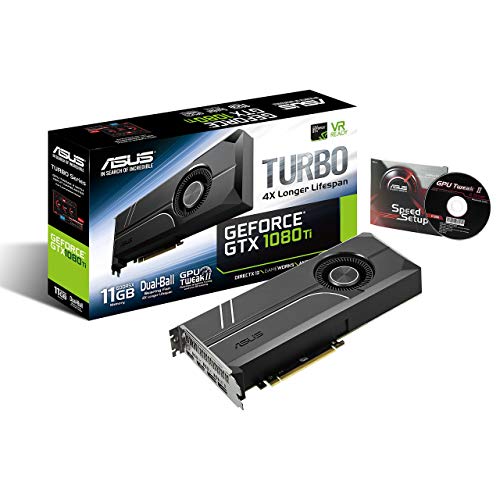
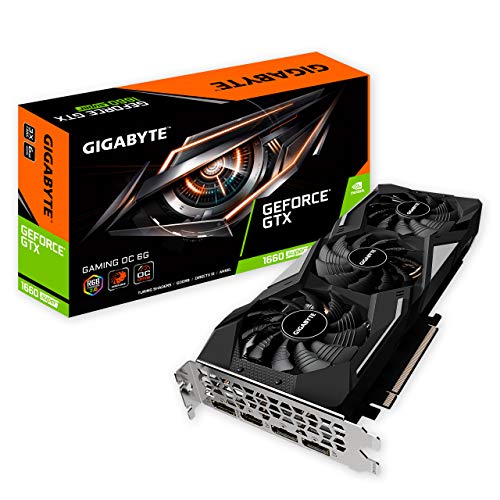
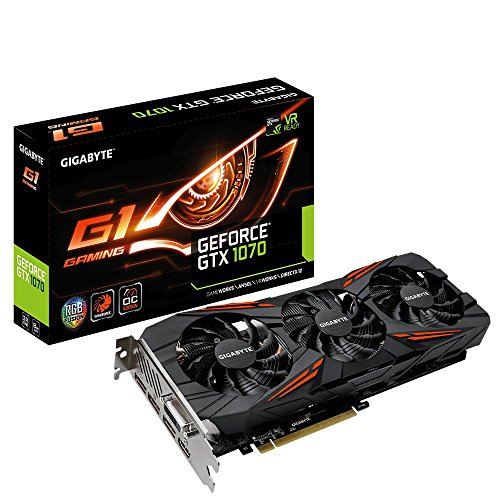
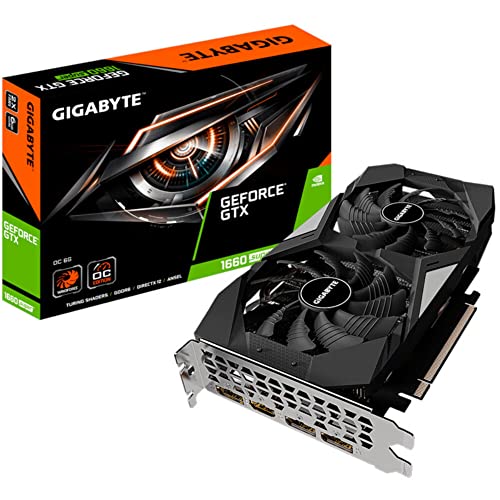
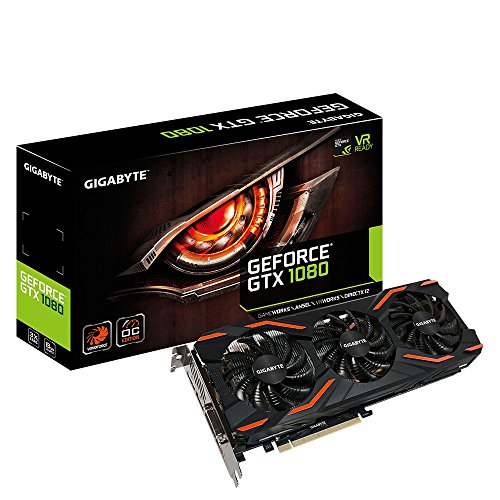
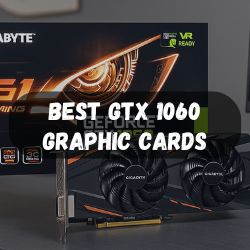
- GIGABYTE (Average overall score: 5.6)
- ZOTAC (Average overall score: 5.3)
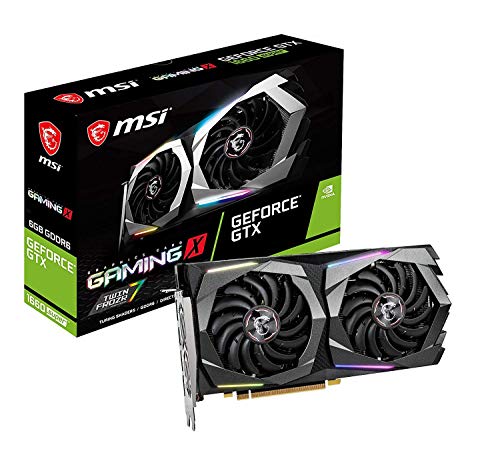
- MSI (Average overall score: 5.3)
The chart below compares GTX graphics card brands by average overall score.
[horizontal-chart-13710784405097534870167751220618880730770227557120]
What does GTX mean on a graphics card?
GTX is Nvidia's older GeForce label for graphics cards that focus on traditional raster graphics performance instead of the RTX feature stack. In practice, GTX usually means a card from the pre-RTX era or from the later GTX 16-series, where the main goal was gaming performance without dedicated ray-tracing hardware.
GTX does not describe one exact speed tier by itself. A GTX 1050, GTX 1060, GTX 1080 Ti, and GTX 1660 Super are all GTX cards, but they sit in very different performance classes, memory sizes, and power bands. Today the label mostly signals an older generation, a stronger focus on value, and fewer modern rendering extras than RTX cards.
How do GTX graphics cards compare with RTX models?
GTX graphics cards compare with RTX models as the older and cheaper raster-first option rather than as the more complete modern platform. A strong GTX card can still make sense if you only care about ordinary 1080p or lighter 1440p gaming and you are getting it at a clear discount.
The main technical gap is that GTX cards do not give you the real RTX-era feature stack. Most GTX models have no dedicated ray-tracing hardware, no tensor hardware for DLSS, and usually less long-term headroom for demanding new games or creator workloads.
That means GTX still works as a value choice, but RTX is usually the smarter family if you want newer features, cleaner long-term flexibility, or a more modern all-around GPU platform.
How much do the best GTX graphics cards cost?
GTX graphics cards usually cost about £50 to £470, with many practical everyday options sitting closer to roughly £80-£190.
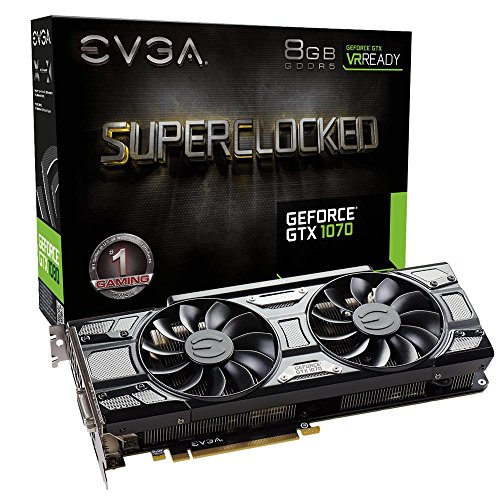
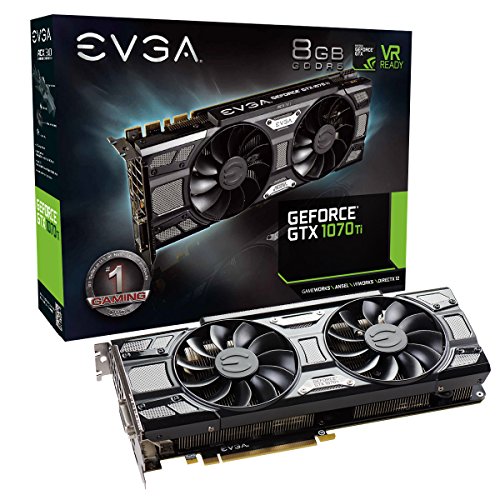
The lower part of the range is where most older value buys live, including cards such as the GTX 1050 Ti, GTX 1060, GTX 1650, and some GTX 1660 models. Once you move higher, you are usually paying for stronger older upper-tier cards such as the GTX 1070, GTX 1080, or GTX 1080 Ti, cleaner partner coolers, or inflated legacy listings rather than for a modern feature jump.
GTX pricing only makes sense when the card is clearly cheaper than a newer used alternative. If an older GTX card starts drifting too close to RTX 2060, GTX 1660 Super, or similar used-GPU territory, the newer option is often the better buy.
This chart visualizes GTX graphics card prices.
[vertical-chart-08412758984702586110140160719484657959723601609755]
What can GTX graphics cards still handle in real use?
GTX graphics cards can still handle 1080p esports very comfortably, and the stronger part of the family can still manage older AAA titles or lighter modern games at medium to high settings. Models such as the GTX 1660 Super, GTX 1070, GTX 1080, and GTX 1080 Ti can also stretch into 1440p if you accept reduced settings or lower frame-rate targets.
Where GTX starts to struggle is with heavier new AAA releases, ray-traced games, and workloads that need more VRAM or newer feature support. GTX still works best as a value-first raster option, not as a modern high-feature graphics platform.
What should you consider while choosing a GTX graphics card?
You should consider the following factors when choosing a GTX graphics card:
- Exact generation and model: GTX covers very different cards, from the GTX 970 and GTX 1060 up to the GTX 1080 Ti and GTX 1660 family. Start with the exact GPU, because age, performance, and efficiency vary a lot across the GTX label.
- VRAM class: Many practical GTX cards sit around 4 GB, 6 GB, or 8 GB, while the GTX 1080 Ti reaches 11 GB. VRAM matters immediately for texture settings, newer games, and how comfortable the card still feels today.
- Power and platform fit: Older GTX cards can still be attractive because many are easier to power than modern enthusiast GPUs, but connector requirements and PSU quality still matter. Check wattage, PCIe power plugs, and whether the card is realistic for the rest of the system.
- Real gaming target: GTX makes the most sense for 1080p esports, older AAA titles, or value-first gaming PCs. If your real goal is heavier 1440p, ray tracing, or long-term modern AAA play, a newer class usually fits better.
- Cooler condition and used-market risk: Most GTX cards are now used hardware, so fan wear, dust, temperatures, coil whine, and repaste history matter more than the original launch branding. Condition is often more important than a tiny factory overclock.
- Feature expectations and price discipline: GTX is a raster-first family with no real RTX feature stack. If a GTX card starts getting priced too close to a newer used RTX or stronger GTX 16-series alternative, the older card usually stops making sense.