Scored using Drones Methodology v2.0
Drones Methodology v2.0
Mathematical & Unbiased Scoring
Products in this category are scored under Frontumo Drones Methodology v2.0: technical specifications plus grades from 1,110 independent expert reviews and 2,622 video reviews, with 0% commercial bias.
Explore Drones Methodology v2.0

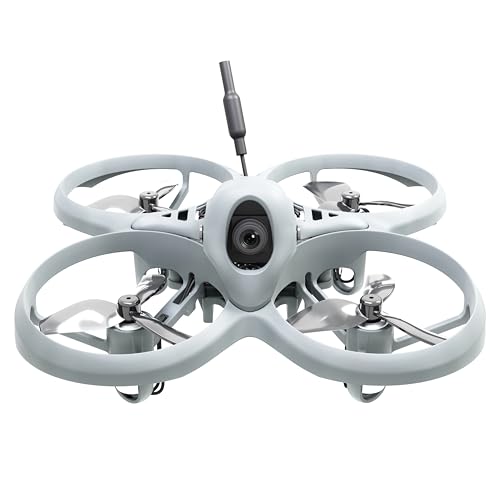
EMAX Tinyhawk Lite Review | 97 Data compared

Avg. price:~£220Max flight time:6 minVideo resolution:N/AMax transmission distance:?

EMAX Tinyhawk Lite Review: Compare 97 technical specifications and 6 expert and video reviews to see how this product ranks in the Drones category and whether it is worth buying.

5.7

Overall score

Score
5.7/ 10
✕
What it is
An overall evaluation of the drone's quality, based on technical analyses and grades from independent expert reviews.
When it matters
When you need a quick reference to identify the best drones on the market.
Score distribution
â–¼
<55-66-77-88-99-10
Score components

75%

5.4

Technical Score

25%

6.7

Review score ( 0 · 6)

Based on 6 video reviews
Experts count the full 25% of the overall score, because this model has at least 3 full tests. The technical score makes up the other 75%. A video review counts half as much as a written full test.
â–¼Worse than 68% of drones
5.4

Technical Score

Technical score
5.4/ 10
✕
What it is
An assessment of the drone's technical performance, covering key areas such as flight performance, camera quality, transmission, safety features, battery life, and design.
When it matters
When you want to compare drones based on technical performance and available features.
Score distribution
â–¼
<55-66-77-88-99-10
Score components

26%

5.0

Flight

24%

4.9

Camera

20%

3.9

Safety

16%

6.8

Connectivity

14%

7.4

Battery & Design

â–¼Worse than 71% of drones
6.7

Review score

Review score
6.7/ 10
✕
What it is
Average grade from independent test sites, magazines and video reviewers, 1–10.
How we count it
Grades: Each review's own score is converted to 1–10; without one, we grade the review ourselves.
Weighting: Big test sites count more, first looks half as much as full tests. A video review counts half.
Share: The review score is 25% of the overall score with 3+ full tests, less with fewer.
Score distribution
â–¼
<55-66-77-88-99-10
Grades by review (6)
6 video reviews, each counting half as much as a written test. Share in this model’s overall score: 25%.
Video reviews 6

16.7%

8.0

Jon E5 FPV

16.7%

7.0

AndyRC

16.7%

7.0

Rimzler

16.7%

3.0

UAVfutures

estimated from the review
Shop star ratings are not part of this score.
â–¼Worse than 80% of drones
  • emax-tinyhawk-lite
  • emax-tinyhawk-lite
  • emax-tinyhawk-lite
  • emax-tinyhawk-lite
  • emax-tinyhawk-lite
  • emax-tinyhawk-lite
  • emax-tinyhawk-lite
  • emax-tinyhawk-lite
  • emax-tinyhawk-lite
emax-tinyhawk-lite
emax-tinyhawk-lite
emax-tinyhawk-lite
emax-tinyhawk-lite
emax-tinyhawk-lite
emax-tinyhawk-lite
emax-tinyhawk-lite
emax-tinyhawk-lite
emax-tinyhawk-lite

Best prices

*As an Amazon Associate, we earn from qualifying purchases.

Best rankings

Available: ranking among products currently available (including other versions of this product).All: ranking among all products in the database.
Loading...
Loading category ranking...

Technical Specifications of drone EMAX Tinyhawk Lite

Technical Score
Technical score
5.4/ 10
✕
What it is
An assessment of the drone's technical performance, covering key areas such as flight performance, camera quality, transmission, safety features, battery life, and design.
When it matters
When you want to compare drones based on technical performance and available features.
Score distribution
â–¼
<55-66-77-88-99-10
Score components:

26%

5.0

Flight

24%

4.9

Camera

20%

3.9

Safety

16%

6.8

Connectivity

14%

7.4

Battery & Design

5.4
Review score
Review score
6.7/ 10
✕
What it is
Average grade from independent test sites, magazines and video reviewers, 1–10.
How we count it
Grades: Each review's own score is converted to 1–10; without one, we grade the review ourselves.
Weighting: Big test sites count more, first looks half as much as full tests. A video review counts half.
Share: The review score is 25% of the overall score with 3+ full tests, less with fewer.
Score distribution
â–¼
<55-66-77-88-99-10
Grades by review (6)
6 video reviews, each counting half as much as a written test. Share in this model’s overall score: 25%.
Video reviews 6

16.7%

8.0

Jon E5 FPV

16.7%

7.0

AndyRC

16.7%

7.0

Rimzler

16.7%

3.0

UAVfutures

estimated from the review
Shop star ratings are not part of this score.
6.7
Popularity
Popularity
4.7/ 10
✕
What it is
An indicator based on the number of reviews received by the drone.
When it matters
When you prefer to choose a drone reviewed and selected by many other buyers.
Score distribution
â–¼
<55-66-77-88-99-10
Popularity:
EMAX Tinyhawk Lite has a popularity score of 4.7 points, which is lower than that of 61.9% of products in this category.
4.7
Ratio quality/price
Value for money
6.8/ 10
✕
What it is
An indicator that combines the drone's overall rating with its cost.
When it matters
When you are looking for a drone with a good balance between flight quality, camera features, and price.
Score distribution
â–¼
<55-66-77-88-99-10
Score components:

60%

5.7

Overall score

40%

9.4

Price

6.8
Max flight time
6 min
Max flight time
6 min
This drone has a max flight time of 6 min, shorter than 96% of drones and equal to 3% of drones.
Max flight distance
?
Max flight speed
5 m/s
Max flight speed
5 m/s
This drone has a max flight speed of 5 m/s, slower than 77.9% of drones and equal to 10.1% of drones.
Max wind resistance
?
Max service ceiling (ASL)
?
Show more
Video resolution
N/A
4K camera
no
4K camera
no
This drone does not support 4K video. 54.6% of drones support 4K video.
Sensor size
?
Main camera megapixels
?
Max movie bitrate
?
Show more
Obstacle detection
no
Obstacle detection
no
This drone does not support obstacle detection. 31% of drones support obstacle detection.
Return to Home (RTH)
no
Return to Home (RTH)
no
This drone does not support Return-to-Home (RTH). 67.5% of drones support Return-to-Home (RTH).
GPS
no
GPS
no
This drone does not support GPS. 65.2% of drones support GPS.
GNSS systems supported
none
GNSS systems supported
none
This drone supports none GNSS systems, which are less comprehensive than those of 65.8% and the same as those of 34.2%.
Obstacle sensing directions
N/A
Show more
Max transmission distance
?
Transmission latency
?
Video transmission system
Analog
Video transmission system
Analog
This drone uses Analog for video transmission, which is less advanced than the system used by 92.3% and the same as that used by 3.1%.
Live view quality
?
Remote control
yes
Remote control
yes
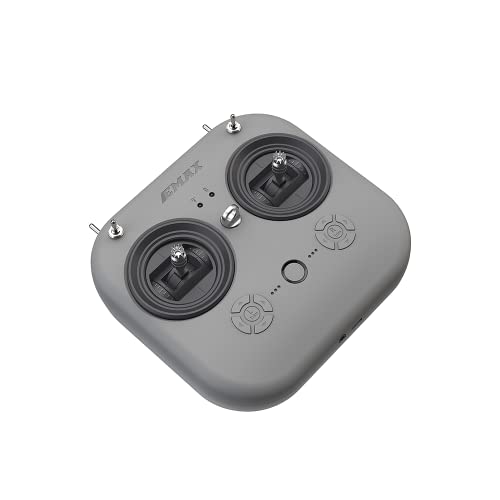
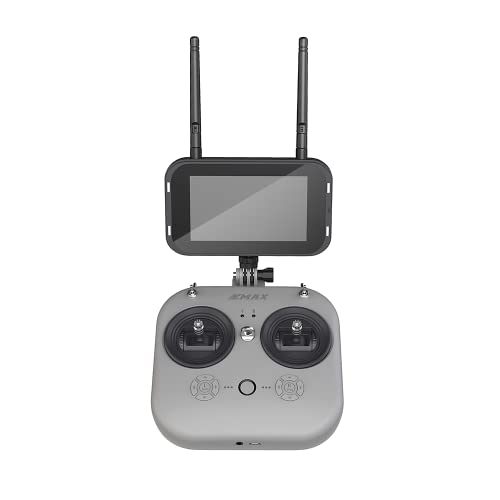
This drone has a handheld remote controller. 5% of drones offer this.
Show more
Battery capacity
750 mAh
Battery capacity
750 mAh
This drone has a battery capacity of 750 mAh, smaller than 86% of drones and equal to 1.6% of drones.
Battery energy
?
Charging time
?
Weight
37 g
Weight
37 g
This drone weighs 37 g, lighter than 94.9% of drones.
Removable battery
yes
Removable battery
yes
This drone has a removable battery. 0.5% of drones have a removable battery.
Show more

EMAX Tinyhawk Lite vs the average drone

246810TotalFlightCameraSafetyConnectivityBattery & Design
  • 85% lower weight
    Weight
    37 g
    This drone is lighter than the average drone (37 g vs 246 g). The average drone weighs 246 g.
    37 g vs 246 g
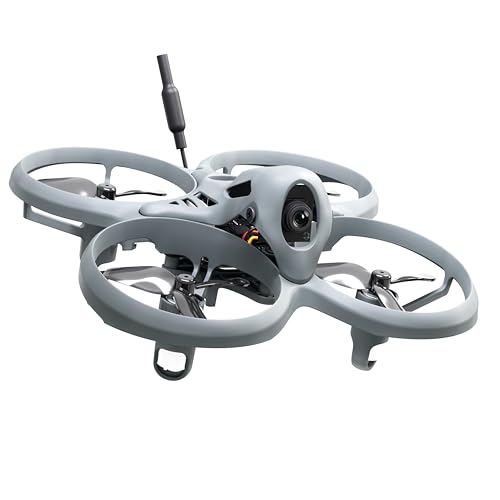
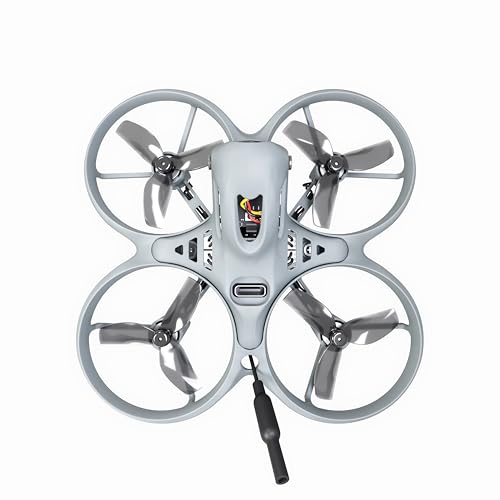
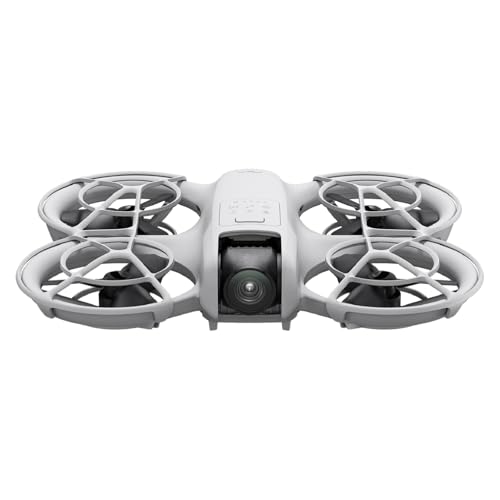
  • Includes propeller guards
    Propeller guards
    yes
    This drone has propeller guards, while the average drone does not. 33.3% of drones offer them.
  • 80 ° wider field of view
    Field of view
    170 °
    This drone has a wider field of view than the average drone (170 ° vs 90 °). The average drone has a field of view of 90 °.
    170 ° vs 90 °
  • FPV camera
    FPV camera
    yes
    This drone has an FPV camera, while the average drone does not.
  • 171 mm shorter body length
    Length
    104 mm
    This drone is shorter than the average drone (104 mm vs 275 mm). The average drone is 275 mm long.
    104 mm vs 275 mm
  • 137 mm narrower width
    Width
    104 mm
    This drone is narrower than the average drone (104 mm vs 241 mm). The average drone width is 241 mm.
    104 mm vs 241 mm
  • 2 years newer release date
    Release date
    2025
    This drone is newer than the average drone (2025 vs 2023). The average drone was released in 2023.
    2025 vs 2023
  • More modern charging port
    Charging interface
    proprietary
    This drone uses proprietary for charging, while the average drone uses micro-USB.
    proprietary vs micro-USB
  • 2 years newer release date
    Release date
    2025
    This drone is newer than the average drone (2025 vs 2023). The average drone was released in 2023.
    2025 vs 2023
  • 80 ° wider field of view
    Field of view
    170 °
    This drone has a wider field of view than the average drone (170 ° vs 90 °). The average drone has a field of view of 90 °.
    170 ° vs 90 °
  • FPV camera
    FPV camera
    yes
    This drone has an FPV camera, while the average drone does not.
  • Includes propeller guards
    Propeller guards
    yes
    This drone has propeller guards, while the average drone does not. 33.3% of drones offer them.
  • 85% lower weight
    Weight
    37 g
    This drone is lighter than the average drone (37 g vs 246 g). The average drone weighs 246 g.
    37 g vs 246 g
  • 171 mm shorter body length
    Length
    104 mm
    This drone is shorter than the average drone (104 mm vs 275 mm). The average drone is 275 mm long.
    104 mm vs 275 mm
  • 137 mm narrower width
    Width
    104 mm
    This drone is narrower than the average drone (104 mm vs 241 mm). The average drone width is 241 mm.
    104 mm vs 241 mm
  • More modern charging port
    Charging interface
    proprietary
    This drone uses proprietary for charging, while the average drone uses micro-USB.
    proprietary vs micro-USB
  • 10.5 mm lower body height
    Height
    52 mm
    This drone is shorter than the average drone (52 mm vs 62.5 mm). The average drone is 62.5 mm tall.
    52 mm vs 62.5 mm
  • Fewer GNSS systems
    GNSS systems supported
    none
    This drone supports none GNSS systems, while the average drone supports GPS, GLONASS, Galileo, BeiDou.
    none vs GPS, GLONASS, Galileo, BeiDou
  • More basic transmission system
    Video transmission system
    Analog
    This drone uses Analog for video transmission, while the average drone uses SkyLink 2.0.
    Analog vs SkyLink 2.0
  • Narrower aperture
    Max ISO
    f/2.1 ISO
    This drone has a narrower aperture than the average drone (f/2.1 vs f/2). The average drone uses an aperture of f/2.
    f/2.1 vs f/2
  • 14 min shorter flight time
    Max flight time
    6 min
    This drone offers shorter max flight time than the average drone (6 min vs 20 min). The average drone offers 20 min of max flight time.
    6 min vs 20 min
  • 10 m/s slower flight speed
    Max flight speed
    5 m/s
    This drone reaches a lower max flight speed than the average drone (5 m/s vs 15 m/s). The average drone reaches 15 m/s.
    5 m/s vs 15 m/s
  • No subject tracking
    Subject tracking
    no
    This drone cannot track subjects, while the average drone can.
  • No return-to-home (RTH)
    Return to Home (RTH)
    no
    This drone does not support return-to-home (RTH), while the average drone does.
  • No GPS
    GPS
    no
    This drone does not have GPS, while the average drone does.
  • 3.4% worse value for money
    EMAX Tinyhawk Lite has worse value for money than the average drone (6.8 vs 7).
    6.8 vs 7.03
  • 14 min shorter flight time
    Max flight time
    6 min
    This drone offers shorter max flight time than the average drone (6 min vs 20 min). The average drone offers 20 min of max flight time.
    6 min vs 20 min
  • 10 m/s slower flight speed
    Max flight speed
    5 m/s
    This drone reaches a lower max flight speed than the average drone (5 m/s vs 15 m/s). The average drone reaches 15 m/s.
    5 m/s vs 15 m/s
  • Non-foldable design
    Foldable design
    no
    This drone does not have a foldable design, while the average drone does.
  • Narrower aperture
    Max ISO
    f/2.1 ISO
    This drone has a narrower aperture than the average drone (f/2.1 vs f/2). The average drone uses an aperture of f/2.
    f/2.1 vs f/2
  • Fewer photo format options
    Photo formats supported
    none
    This drone supports none photo formats, while the average drone supports JPEG, DNG (RAW).
    none vs JPEG, DNG (RAW)
  • Narrower tilt range
    Camera tilt range
    manual only °
    This drone has a narrower tilt range than the average drone (manual only ° vs -90 to 20 °).
    manual only ° vs -90 to 20 °
  • Fewer video codec options
    Video codecs supported
    none
    This drone supports none video codecs, while the average drone supports H.264/AVC.
    none vs H.264/AVC
  • No memory card slot
    Memory card slot
    no
    This drone does not have a memory card slot, while the average drone does.
  • Fewer video format options
    Video formats
    none
    This drone supports none video formats, while the average drone supports MP4.
    none vs MP4
  • 3 x lower digital zoom
    Digital zoom
    0 x
    This drone offers less digital zoom than the average drone (0 x vs 3 x). The average drone offers 3 x of digital zoom.
    0 x vs 3 x
  • No 4K video
    4K camera
    no
    This drone does not support 4K video, while the average drone does.
  • 128 GB lower memory card limit
    Max external memory supported
    0 GB
    This drone supports less external storage than the average drone (0 GB vs 128 GB). The average drone supports up to 128 GB of external storage.
    0 GB vs 128 GB
  • Fewer GNSS systems
    GNSS systems supported
    none
    This drone supports none GNSS systems, while the average drone supports GPS, GLONASS, Galileo, BeiDou.
    none vs GPS, GLONASS, Galileo, BeiDou
  • No subject tracking
    Subject tracking
    no
    This drone cannot track subjects, while the average drone can.
  • No return-to-home (RTH)
    Return to Home (RTH)
    no
    This drone does not support return-to-home (RTH), while the average drone does.
  • No GPS
    GPS
    no
    This drone does not have GPS, while the average drone does.
  • No POI mode
    POI mode
    no
    This drone does not support POI mode, while the average drone does.
  • 4 fewer flight modes
    N. of intelligent flight modes
    0
    This drone offers fewer intelligent flight modes than the average drone (0 vs 4). The average drone offers 4 intelligent flight modes.
    0 vs 4
  • No compass
    Compass
    no
    This drone does not have a compass, while the average drone does.
  • No headless mode
    Headless mode
    no
    This drone does not support headless mode, while the average drone does.
  • 77.9% higher takeoff weight
    Max takeoff weight
    55 g
    This drone has a higher max takeoff weight than the average drone (55 g vs 249 g). The average drone has a max takeoff weight of 249 g.
    55 g vs 249 g
  • No altitude hold
    Altitude hold
    no
    This drone does not support altitude hold, while the average drone does.
  • More basic transmission system
    Video transmission system
    Analog
    This drone uses Analog for video transmission, while the average drone uses SkyLink 2.0.
    Analog vs SkyLink 2.0
  • Basic companion app
    Companion app
    None
    This drone uses the None companion app, while the average drone uses HS FPV.
    None vs HS FPV
  • No wireless file transfer
    Wireless file transfer
    no
    This drone does not support wireless file transfer, while the average drone does.
  • 1,450 mAh less battery capacity
    Battery capacity
    750 mAh
    This drone has a smaller battery capacity than the average drone (750 mAh vs 2200 mAh). The average drone battery has a capacity of 2200 mAh.
    750 mAh vs 2,200 mAh

Video reviews

Hands-on testing, unboxing, and real-world video evaluations

7.0
AndyRC
≈ estimated
18/02/2026
Hands-on review · flight tests and beginner buying advice
Verdict
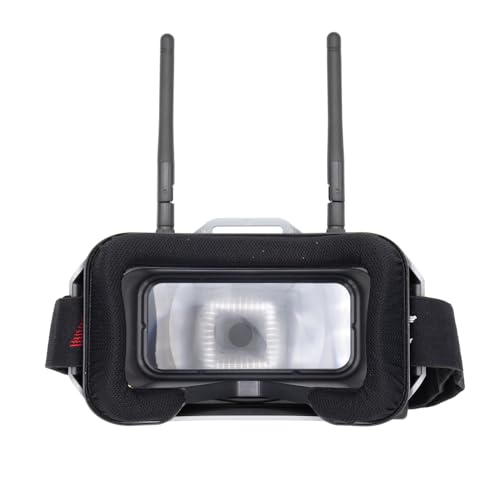
EMAX Tinyhawk Lite is a good, cheap beginner package, though its basic goggles strain the eyes and it lacks a beeper.
7.0
Drone Camps RC
≈ estimated
15/09/2025
Hands-on review · full kit walkthrough and flight tests
Verdict
EMAX Tinyhawk Lite is a solid beginner-to-intermediate kit for the price, though brushed motors and no DVR are real drawbacks.
8.0
CAPTAIN DRONE
≈ estimated
15/09/2025
Hands-on review · kit overview and flight impressions
Verdict
EMAX Tinyhawk Lite is a good beginner kit whose only real drawbacks are weak antennas and no flight recording.
3.0
UAVfutures
≈ estimated
15/09/2025
Hands-on review · flight tests and punch-out performance
Verdict
EMAX Tinyhawk Lite is a pass for most buyers, since brushed motors lack the power to climb or go fast.
7.0
Rimzler
≈ estimated
15/09/2025
Hands-on review · beginner kit and test flight
Verdict
EMAX Tinyhawk Lite is underpowered and lacks a DVR, but it is one of the most affordable starter kits for indoor beginners.
8.0
Jon E5 FPV
≈ estimated
15/09/2025
Hands-on review · beginner flying and racing track test
Verdict
EMAX Tinyhawk Lite is a cheap, durable all-in-one kit that gets beginners flying fast, though it lacks the power of modern racing drones.

Third-party reviews

What we like about EMAX Tinyhawk Lite

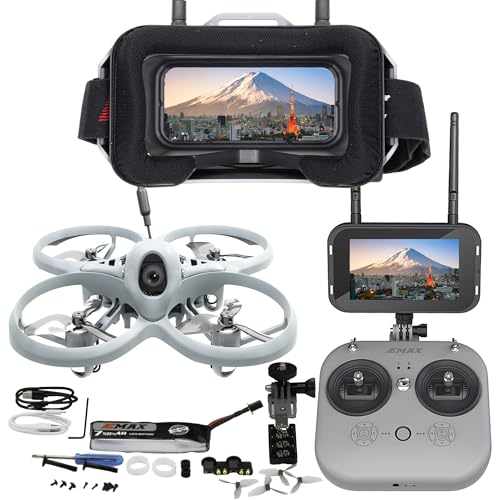
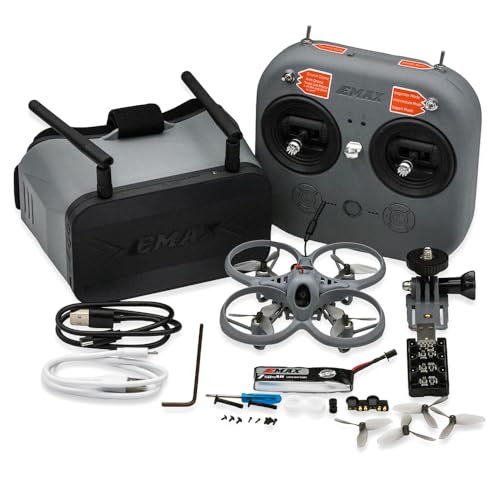
  • Complete kit with drone, goggles and remote
  • Brushless motors in a light 37 g frame
  • Protected frame survives early crashes
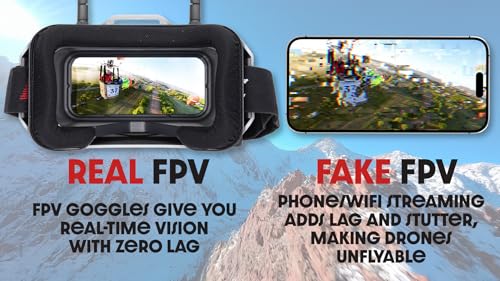
  • Low-latency analog video
  • Established FPV brand

What we don't like about EMAX Tinyhawk Lite

  • No altitude hold, so learning takes time
  • No GPS or return-to-home
  • No recording camera
  • Short flight times

Verdict

The EMAX Tinyhawk Lite is a complete FPV starter kit that bundles the drone, goggles and remote controller in one box. That makes it one of the simplest ways for beginners to try immersive first-person flying without researching compatible parts. The 37 g drone uses brushless motors and a 750 mAh battery, and its protected frame copes with the inevitable early crashes. Video reaches the goggles over an analog link with low delay, which helps new pilots react quickly. There is no altitude hold or GPS, so it flies in a more manual way than camera drones, and learners should expect a short adjustment period. It also has no recording camera for keepsake footage. For anyone curious about FPV who wants a matched, ready-to-fly kit from an established brand, it is a sensible way in.

Compare EMAX Tinyhawk Lite with other drones

1Product to compare no. 1
VS
2Product to compare no. 2
VS
3Product to compare no. 3 (optional)

Graphic comparison of EMAX Tinyhawk Lite and other drones

No results found