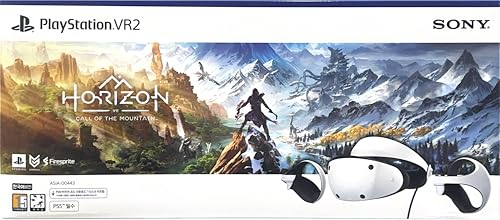

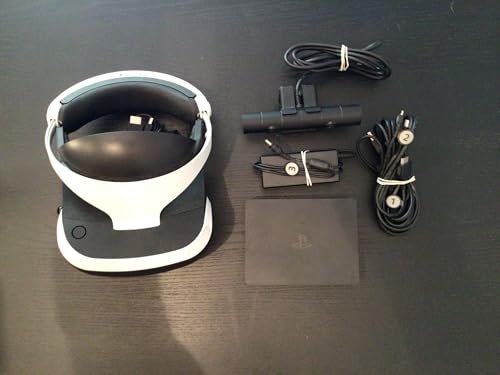


Are Sony VR headsets good?
Sony's biggest strength is that its VR range feels more polished than broad. The PlayStation VR and PlayStation VR2 are tightly tied to Sony's own console ecosystem, which helps with setup, controller support, and access to PlayStation-focused VR games in a way that more open brands do not always match.
The tradeoff is that Sony is much less flexible than brands such as Meta, HTC, or PICO. You only get two real Sony models in this category, both are built around PlayStation rather than open standalone or PC-first use, and the range makes the most sense mainly for buyers who already want a console-centered VR setup.
What are the main advantages of Sony VR headsets?
The main advantages of Sony VR headsets are the following.
- Tight PlayStation integration: Sony VR headsets are built around PlayStation hardware, so setup, controller pairing, and game support usually feel simpler and more unified than with many PC-tethered rivals.
- Strong visual hardware in the newer model: PlayStation VR2 gives Sony a clear technical advantage in display quality, with OLED panels, a 2000 x 2040 resolution per eye, and up to a 120 Hz refresh rate.
- Better out-of-the-box gaming focus: Sony benefits from first-party PlayStation development, which helps its VR headsets feel more game-centered than brands that split attention across business, PC, and standalone use.
- Clear product positioning: With essentially PlayStation VR for older PS4 setups and PlayStation VR2 for PS5, the lineup is easier to understand than broader VR catalogs filled with overlapping families.
- Good fit for console buyers: Sony can be a more practical choice than HTC or PC-first brands if you want advanced VR gaming without building a dedicated gaming PC.
What are the main disadvantages of Sony VR headsets?
The main disadvantages of Sony VR headsets are as follows.
- Very limited model range: Sony only has two real VR headset models in this category, so buyers get far less choice than with Meta, HTC, or PICO.
- Narrow platform compatibility: Sony VR headsets are mainly built for PlayStation rather than for open PC VR or standalone use, which makes them less flexible than broader ecosystems.
- Weaker non-gaming versatility: Sony is much less useful for productivity, mixed-use experimentation, or enterprise-style VR than brands that support wider software and hardware setups.
- Higher dependence on console ownership: PlayStation VR2 makes the most sense only if you already own, or are willing to buy, a PS5, which can raise the real entry cost versus self-contained options like Meta Quest.
- Smaller upgrade and accessory path: Sony's VR ecosystem is more tightly controlled and much shorter than the larger multi-model families offered by leading standalone and PC-focused brands.