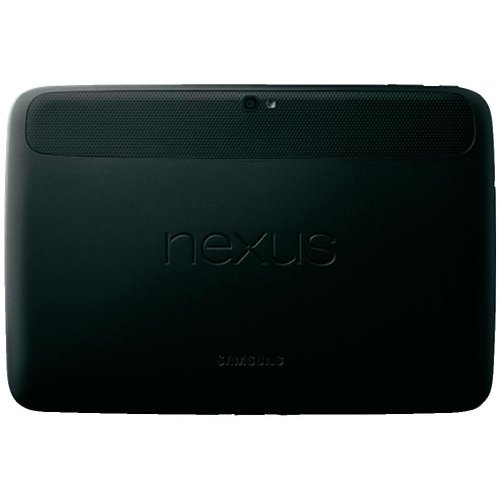
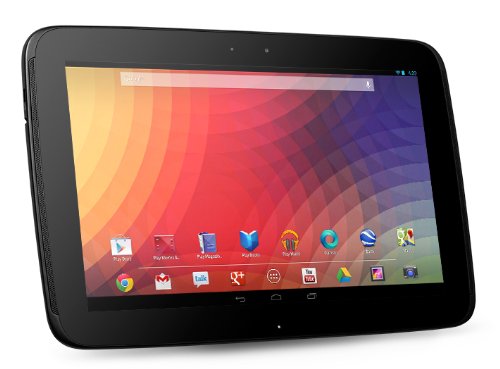
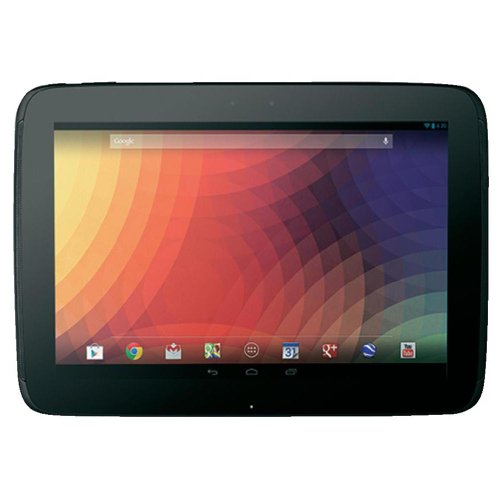
Google Nexus 10 (2GB + 16GB) review. Compare 168 technical specifications and user reviews to see how it ranks among tablets and if it is worth buying.
Overall score
What it is: An overall evaluation of the smartphone's quality, based on technical analyses and user reviews.
When it matters: When you need a quick reference to identify the best Tablets on the market.
Score components:
90.0%
Technical Score
10.0%
User score
Technical Score
What it is: An assessment of the smartphone's technical performance, covering eight key areas: performance & hardware, software, camera, connectivity, display, battery, audio, and design.
When it matters: When you want to compare Tablets based on technical performance and available features.
Score components:
22.0%
Performance
20.0%
Display
16.0%
Camera
14.0%
Battery
12.0%
Connectivity
8.0%
Software & Features
5.0%
Design
3.0%
Audio & Multimedia
User score
What it is: A rating that combines user reviews and the total number of reviews received by the smartphone
When it matters: When you want to know how a smartphone handles daily tasks and how reliable it remains over time according to user feedback.
Score components:
70.0%
User reviews
30.0%
Popularity
Score components:
25.0%
RAM capacity
20.0%
Refresh rate
20.0%
GPU frequency
20.0%
Chipset
15.0%
Battery capacity
Score components:
20.0%
Chipset
20.0%
Battery life
20.0%
RAM capacity
10.0%
Weight
10.0%
Internal storage
10.0%
Keyboard accessory
10.0%
Screen size
Score components:
30.0%
RAM capacity
25.0%
Chipset
20.0%
Internal storage
15.0%
Screen size
5.0%
Keyboard accessory
5.0%
Stylus included
Score components:
20.0%
Screen size
20.0%
Battery life
20.0%
Weight
20.0%
RAM capacity
20.0%
Chipset
Score components:
25.0%
Battery capacity
25.0%
RAM capacity
15.0%
Weight
15.0%
Internal storage
10.0%
Screen size
10.0%
Price
Score components:
20.0%
RAM capacity
20.0%
Battery life
15.0%
Chipset
15.0%
Weight
10.0%
Cellular module
10.0%
5G connectivity
5.0%
GPS
5.0%
Internal storage
Available: ranking among products currently available (including other versions of this product).
All: ranking among all products in the database.
#202 in Best 10-inch Tablets
#440 in Best Android Tablets
#477 in Best Tablets With Keyboard
#600 in Best Tablets
What it is: An assessment of the smartphone's technical performance, covering eight key areas: performance & hardware, software, camera, connectivity, display, battery, audio, and design.
When it matters: When you want to compare Tablets based on technical performance and available features.
Score components:
22.0%
Performance
20.0%
Display
16.0%
Camera
14.0%
Battery
12.0%
Connectivity
8.0%
Software & Features
5.0%
Design
3.0%
Audio & Multimedia
What it is: A rating that combines user reviews and the total number of reviews received by the smartphone
When it matters: When you want to know how a smartphone handles daily tasks and how reliable it remains over time according to user feedback.
Score components:
70.0%
User reviews
30.0%
Popularity
What it is: An indicator that combines the smartphone's overall rating with its cost.
When it matters: When you are looking for a smartphone with a good balance between quality and price.
Score components:
60.0%
Overall score
40.0%
Price
Importance: MEDIUM
Importance: HIGH
Good value: >=8 GB
Importance: HIGH
Good value: <7 nm
Importance: HIGH
Good value: >=128 GB
Importance: HIGH
Good value: >1300
Importance: HIGH
Importance: HIGH
Importance: HIGH
Importance: MEDIUM
Good value: >3500
Importance: MEDIUM
Good value: >=8 GB
Importance: MEDIUM
Good value: 5
Importance: MEDIUM
Good value: >20 GB/s
Importance: MEDIUM
Importance: MEDIUM
Good value: >7 W
Importance: MEDIUM
Good value: >2500
Importance: MEDIUM
Good value: >800
Importance: MEDIUM
Good value: >8
Importance: MEDIUM
Good value: >900 MHz
Importance: MEDIUM
Importance: MEDIUM
Good value: >3000
Importance: MEDIUM
Good value: >1200
Importance: MEDIUM
Good value: >3200 MHz
Importance: MEDIUM
Good value: >400
Importance: MEDIUM
Importance: MEDIUM
Good value: 8+
Importance: MEDIUM
Importance: MEDIUM
Good value: >800 MHz
Importance: MEDIUM
Importance: MEDIUM
Importance: MEDIUM
Good value: >10000 million
Importance: LOW
Good value: >=4 MB
Importance: LOW
Good value: >64 KB
Importance: LOW
Good value: >=1 MB
Importance: LOW
Importance: LOW
Good value: 4
Importance: LOW
Good value: >=512 GB
Importance: LOW
Good value: 2.0/3.0
Importance: LOW
Good value: 3.2
Importance: LOW
Good value: 3.3
Importance: HIGH
Importance: HIGH
Good value: >=120 Hz
Importance: HIGH
Importance: HIGH
Good value: >250 ppi
Importance: HIGH
Importance: MEDIUM
Good value: >500 nits
Importance: MEDIUM
Good value: >=11 inches
Importance: MEDIUM
Importance: MEDIUM
Good value: >120 Hz
Importance: MEDIUM
Importance: MEDIUM
Importance: MEDIUM
Importance: MEDIUM
Good value: >200 Hz
Importance: MEDIUM
Good value: >250 ppi
Importance: MEDIUM
Good value: >400 nits
Importance: MEDIUM
Importance: LOW
Importance: LOW
Importance: LOW
Importance: HIGH
Importance: HIGH
Importance: HIGH
Good value: >=8 MP
Importance: HIGH
Importance: HIGH
Importance: MEDIUM
Importance: MEDIUM
Importance: MEDIUM
Importance: MEDIUM
Importance: LOW
Importance: LOW
Importance: LOW
Importance: LOW
Importance: LOW
Importance: LOW
Importance: LOW
Importance: LOW
Importance: LOW
Importance: LOW
Importance: LOW
Importance: LOW
Importance: LOW
Importance: LOW
Importance: LOW
Importance: LOW
Importance: LOW
Importance: LOW
Importance: LOW
Importance: LOW
Importance: LOW
Importance: LOW
Importance: LOW
Importance: HIGH
Good value: >8000 mAh
Importance: HIGH
Good value: >30 W
Importance: HIGH
Good value: >10 hours
Importance: MEDIUM
Importance: MEDIUM
Importance: LOW
Importance: LOW
Importance: HIGH
Importance: HIGH
Importance: HIGH
Importance: MEDIUM
Importance: MEDIUM
Importance: MEDIUM
Importance: MEDIUM
Importance: MEDIUM
Importance: MEDIUM
Importance: MEDIUM
Importance: MEDIUM
Importance: MEDIUM
Importance: MEDIUM
Importance: LOW
Good value: >5.2
Importance: LOW
Importance: LOW
Importance: LOW
Good value: 3.1/3.2
Importance: LOW
Importance: LOW
Importance: LOW
Importance: LOW
Importance: LOW
Importance: LOW
Importance: LOW
Importance: LOW
Importance: LOW
Importance: HIGH
Importance: HIGH
Importance: HIGH
Importance: MEDIUM
Importance: MEDIUM
Importance: MEDIUM
Importance: MEDIUM
Importance: MEDIUM
Importance: MEDIUM
Importance: MEDIUM
Importance: MEDIUM
Importance: LOW
Importance: LOW
Importance: LOW
Importance: LOW
Importance: LOW
Importance: LOW
Importance: LOW
Importance: LOW
Importance: LOW
Importance: LOW
Importance: MEDIUM
Importance: MEDIUM
Good value: <500 g
Importance: MEDIUM
Importance: MEDIUM
Importance: MEDIUM
Good value: <10 ms
Importance: MEDIUM
Good value: >7
Importance: MEDIUM
Importance: MEDIUM
Importance: LOW
Good value: <7 mm
Importance: LOW
Importance: LOW
Importance: LOW
Importance: LOW
Importance: LOW
Importance: MEDIUM
Good value: >=2
Importance: MEDIUM
Importance: MEDIUM
Importance: MEDIUM
Good value: >=4
Importance: LOW
Importance: LOW
Importance: LOW
Importance: LOW
Importance: LOW
Importance: LOW
Importance: HIGH
Importance: MEDIUM
Importance: MEDIUM
Importance: HIGH
Good value: >250 ppi
Importance: HIGH
Importance: HIGH
Good value: >8000 mAh
Importance: LOW
Importance: MEDIUM
Good value: >250 ppi
Importance: MEDIUM
Importance: HIGH
Good value: >=8 MP
Importance: HIGH
Importance: MEDIUM
Importance: HIGH
Importance: HIGH
Good value: >=8 GB
Importance: HIGH
Good value: <7 nm
Importance: MEDIUM
(Reviews last updated: May 2026)
The ExtremeTech round-up of the Samsung Nexus 10 highlights a device featuring a market-leading 2560x1600 resolution display that offers exceptional, sharp visuals but demands significant processing power. Pros include a comfortable, soft-touch design, the fast Exynos 5 dual-core processor, and a clean, updated Android 4.2 experience. However, substantial cons involve mediocre battery life, GPU strain, and a lack of tablet-optimized applications that fully utilize the high-resolution screen. For more details, visit ExtremeTech.
The Engadget review praises the Nexus 10 for its industry-leading 10.1-inch, 2560 x 1600 resolution display, offering incredible sharpness, along with a comfortable, grippy rubberized back. Powered by an Exynos 5 processor and featuring excellent front-facing speakers, the tablet delivers strong performance and top-tier audio for media consumption, according to the review. However, the 5-megapixel rear camera is deemed a disappointment, and the device suffers from sub-par battery life compared to rivals and a lack of expandable storage. While the hardware is highly rated, the review notes that the limited selection of tablet-optimized Android apps hinders the user experience.
The Google Nexus 10 is lauded by Expert Reviews as a high-value, "brilliant choice" 10-inch Android tablet, highlighted by a "sensational" 2,560 x 1,600 display that offers 300ppi for extreme clarity. Performance is exceptionally fast due to a 1.7GHz dual-core Exynos 5250 processor and 2GB of RAM, providing a fluid user experience for tasks and gaming. Additionally, the device delivers a pure, stock Android experience with timely updates and features a comfortable, lightweight design with a "grippy" soft-touch back. Key drawbacks include a plastic-based build that lacks the premium feel of metal competitors and the absence of a microSD card slot for expandable storage. Furthermore, the tablet lacks a 3G/4G connectivity option and many Android apps are not optimized for the 10-inch screen, appearing as stretched phone apps. Finally, while the 9,000mAh battery provides good longevity, it is notoriously slow to charge via micro USB.
The TechRadar review of the Google Nexus 10 identifies it as a high-value, 10-inch Android tablet featuring a class-leading 300ppi screen and fast performance, positioning it as a strong, affordable alternative to the iPad Air. While the dual-core processor is highly efficient, key design drawbacks include a plastic, "childish" aesthetic and a lack of both microSD storage expansion and 3G/4G connectivity. Despite these hardware compromises and a relatively small battery, the tablet is lauded for its "pure" Android experience and stunning display, making it a compelling option for media consumption.
The Google Nexus 10, as reviewed by What Hi-Fi?, is praised for its exceptional 2560 x 1600 resolution screen, which provides natural colors and sharp, smooth visuals ideal for video playback. Performance is described as fast and fluid, powered by a 1.7GHz dual-core processor, 2GB of RAM, and the clean Android 4.2 interface. While the tablet features enjoyable, meaty front-facing speakers, the review notes a lack of dynamic punch compared to top competitors. The device is praised for being slim and light with a grippy back, but the overall build quality is considered functional rather than premium, showing some flex compared to the iPad 4. Key drawbacks highlighted include the lack of a microSD card slot for storage expansion and a limited selection of apps specifically tailored for high-resolution Android tablets compared to the Apple ecosystem. The 10-inch screen's 16:9 ratio is specifically noted as a major advantage for movie viewing. at
HotHardware's review highlights the Google Nexus 10 as a high-performance tablet, featuring a 2560x1600 Super PLS display that offers 300 pixels per inch, which surpasses the iPad's clarity. Powered by a dual-core 1.7GHz Exynos 5 processor (Cortex A15), the device delivers smooth, fast performance and boasts a comfortable, grippy, and ergonomic design for one-handed use. The tablet is praised for its "pure" Android 4.2 experience, excellent front-facing stereo speakers, and innovative Photo Sphere camera mode. Conversely, the review notes significant drawbacks, primarily a lack of apps optimized for the 10-inch screen, causing many apps to appear stretched. Other limitations include slow charging of the large 9,000mAh battery, which can take over eight hours, and the absence of a microSD card slot for storage expansion. The report concludes that despite the high-tier specs and competitive pricing, the lack of tailored software prevents it from fully leading the tablet market. For more details, visit HotHardware.
JR Raphael’s Computerworld review hails the Samsung-built Nexus 10 as a "standout" 10-inch Android tablet, citing its high-resolution 2560 x 1600 display, strong performance, and clean Android 4.2 experience as major pros. The device features an ergonomic, rubberized design with front-facing speakers, offering a fluid experience superior to many competitors at the time. However, the analysis highlights significant drawbacks, including a lack of tablet-optimized apps, no expandable storage, a non-premium plastic build, and extremely slow charging times.
The T3 review highlights the Google Nexus 10 as a "fantastic," high-value tablet featuring a groundbreaking 10-inch, 2560 x 1600 resolution display that offers a "joyful" viewing experience with a 16:9 aspect ratio. Powered by a 1.7GHz dual-core Exynos 5250 processor and 2GB of RAM, the device provides a fast, fluid experience with Android 4.2, handling apps and high-end gaming with ease. The design is described as slim, lightweight, and ergonomic, featuring a "grippy" rubberized back and impressive front-facing speakers, alongside a battery that lasts 10 hours in mixed use. T3Despite its strengths, the review notes a lack of dedicated 10-inch Android apps, no microSD card slot for expansion, and a mediocre 5MP camera. The device is ultimately lauded for its sensational screen and competitive pricing, representing a strong alternative to the iPad. T3
The Guardian’s review of the 2012 Nexus 10 positions the device as a high-end, 10-inch Android tablet designed to directly compete with the iPad, highlighted by its "stunning" 2560 x 1600 resolution display. Featuring the "slick" Android 4.2 Jelly Bean software, the tablet excels in media consumption and delivers a premium, grippy build, say analysts. However, the review notes a significant "Achilles heel" in the lack of tablet-optimized third-party apps, alongside a fiddly cover mechanism and no expandable storage.
The 2012 WIRED review praises the Google Nexus 10 as a top-tier Android tablet, highlighting its superior 2560 x 1600 resolution display and "beastly" performance driven by a 1.7GHz Exynos 5 processor. The device, co-developed with Samsung, was noted for its comfortable, grippy design and the inclusion of powerful front-facing speakers, setting a high standard for hardware at a $399 price point. Additionally, it was the first to feature "pure" Android 4.2 Jelly Bean, ensuring timely updates and a clean user interface. Despite these strengths, the review highlighted a significant lack of tablet-optimized apps in the Google Play Store, resulting in stretched, low-quality phone apps on the high-resolution screen. Other drawbacks included the absence of a microSD card slot for expandable storage and a design described as lacking the unique character of other Nexus devices. For the full, detailed review from 2012, visit WIRED.
The Google Nexus 10, a 10-inch tablet manufactured by Samsung, features an industry-leading 2560 x 1600 (300ppi) PLS display that offers exceptional sharpness. Driven by a dual-core Exynos 5250 processor and 2GB of RAM, the device provides a fluid, responsive experience running Android 4.2 Jelly Bean. Key pros include the comfortable, rubberized back, impressive front-facing stereo speakers, and a competitive price point for its high-resolution screen. However, cons include a "cheap" feeling plastic construction, bulky wide bezels, and mediocre camera performance. While the hardware is strong, the Nexus 10 is severely hindered by the lack of tablet-optimized apps in the Google Play Store, with many apps appearing as stretched phone versions. Consequently, the review finds that the software ecosystem lags behind the iPad, despite the compelling hardware.
The CNET review of the Google Nexus 10 highlights its exceptional 2,560x1,600-pixel Super PLS display as a standout feature, offering impressive clarity, alongside a durable, lightweight design with a grippy, rubberized back. Performance is a key strength, powered by the Samsung Exynos 5250 processor, making it one of the fastest Android tablets at the time of its release. However, the review notes significant drawbacks, including painfully slow charging speeds, the lack of a microSD slot for storage expansion, and a dearth of apps optimized for the high-resolution, 10-inch screen. These limitations, along with inconsistencies in gaming performance, mean the device is not considered an "iPad-killer". Ultimately, the Nexus 10 is recommended for Android enthusiasts, boasting regular OS updates, competitive pricing, and innovative features like Photo Sphere, despite its shortcomings in the app ecosystem. CNET
The Samsung-built Nexus 10 is praised for its record-breaking 2560x1600 "True RGB Real Stripe" display, which offers 300 ppi, and a powerful dual-core Exynos 5250 processor housed in a grippy, rubberised chassis. Key hardware pros include front-facing stereo speakers, dual charging options (micro-USB and pogo pin), and a competitive $399 price point. However, the experience is hindered by Android 4.2's lack of tablet optimization, causing frequent performance stutters and a "stretched-out" interface on the large display. While multi-user support is highlighted as a significant positive, the software suffers from a confusing notification system and a lack of, tablet-specific apps, creating a contrast between excellent hardware and unpolished software. The review concludes the Nexus 10 is the best Android tablet at launch, yet it is ultimately a "solid house built on shifting sands" due to the inferior app ecosystem compared to the iPad. Its main detractions are systemic software issues, despite having the best display and build quality on the market at the time.
The Samsung-manufactured Nexus 10, running stock Android 4.2 Jelly Bean, features an industry-leading 2560 x 1600 display and high-performance, lag-free operation. While praised for its comfortable rubberized grip, front-facing stereo speakers, and multi-user support, the device lacks expandable storage and suffers from a lackluster app ecosystem optimized for phones rather than tablets. The 9,000 mAh battery offers decent longevity but charges slowly, making the unit a powerful media device limited by software optimization. More details can be found in the original Business Insider review.
The ZDNet review highlights the Google Nexus 10 as a top-performing Android tablet, featuring a 2560 x 1600 display that surpasses the iPad's pixel density and a fast 1.7GHz Exynos 5 processor. While praised for its, performance and display, the device is criticized for its plastic construction, which feels less premium than competitors, and a lack of, tablet-optimized, high-resolution apps. Despite these drawbacks, it is recommended for users deeply integrated into the Google ecosystem, offering a superior, high-resolution experience.
The Samsung-manufactured Google Nexus 10 is reviewed as a high-end Android flagship, primarily lauded for its 10.1-inch PLS display with a 2560x1600 resolution, superior to the Retina displays of its time. Powered by the Exynos 5 Dual-Core processor and 2GB of RAM, it offers a smooth, "pure" Android 4.2 experience, complemented by a comfortable, rubberized design and strong front-facing speakers. However, the device lacks expandable storage and 3G/4G connectivity, while the 9,000 mAh battery suffers from an exceptionally slow 8-hour charge time.
The Google Nexus 10, reviewed by BILD.de/Computer Bild, is highlighted as a high-performance Android tablet featuring an industry-leading display with a resolution of 2560 x 1600 pixels (300 ppi) for exceptional clarity, powered by a 1.7 GHz dual-core Exynos 5 processor. Pros include a durable, ergonomic design with a soft-touch, rubbery back for improved grip and front-facing stereo speakers that offer excellent audio, along with the benefit of clean, timely Android updates. However, cons include an extremely slow charging time for the 9,000 mAh battery, a lack of a microSD card slot for storage expansion, and a limited selection of tablet-optimized apps at the time of review.
The Google Nexus 10, as reviewed on HiFi Test, is lauded for its exceptional 2560×1600 (300 ppi) display, which surpasses contemporary iPad retina screens, paired with a fast 1.7GHz Exynos 5250 processor for a high-performance experience. Its ergonomic, soft-touch design and loud, front-facing stereo speakers are highlighted as significant pros for media consumption. However, the tablet suffers from extremely slow charging, taking over eight hours to fill its large 9,000 mAh battery, and it lacks a microSD slot for storage expansion. Additionally, reviewers noted a lack of tablet-optimized apps in the Android ecosystem and preferred a more premium, non-plastic build.
The Samsung-manufactured Google Nexus 10 boasts a high-resolution 10.1-inch PLS display (2560 x 1600, 300 ppi) that offers superior sharpness, along with a powerful 1.7 GHz Exynos 5250 processor, 2 GB of RAM, and clear, front-facing stereo speakers. While its 8.9mm, 603g design is functional, with a secure rubberized back, the predominantly plastic build lacks a premium feel and can flex under pressure. As a "pure" Android device (4.2 Jelly Bean), it offers rapid, direct updates, but users face limitations such as no microSD card support, slow charging times, and a limited selection of apps optimized for 10-inch screens at launch.
The Samsung-manufactured Google Nexus 10 is highlighted for its superior 10.1-inch PLS display, offering a 2560 x 1600 resolution (300 ppi) and excellent color reproduction. Powered by a 1.7 GHz dual-core Exynos 5 processor, the device delivers strong performance and a clean Android experience. Key pros include a lightweight, sturdy design with a secure, grippy back, high-quality front-facing stereo speakers, and extensive battery life. However, the tablet suffers from slow micro USB charging, taking over eight hours to reach full power, alongside a lack of storage expansion or cellular options. Additionally, some users may find limited third-party app optimization for the high-resolution screen.
In a November 2012 review, Der Spiegel highlighted the Google Nexus 10 as a high-performance, 10.05-inch tablet featuring a 2560 x 1600 resolution display that surpassed Apple's Retina display, providing exceptional sharpness, vibrant colors, and robust Corning Gorilla Glass 2 protection. Running Android 4.2 Jelly Bean, the device offers a pure, lag-free user experience powered by a Samsung Exynos 5250 processor and 2 GB of RAM. Additional pros include a lightweight, thin 8.9 mm design, clear front-facing stereo speakers, and innovative software features like Photo Sphere. However, the review details several significant drawbacks, most notably the lack of third-party apps optimized for a 10-inch Android display, leading to "stretched" smartphone apps. Other cons include non-expandable 16GB or 32GB internal storage and the absence of a 3G/LTE option. Finally, while the 9,000 mAh battery offers decent longevity, the device takes up to 8 hours to fully charge via the standard micro-USB port.
The Samsung Google Nexus 10, reviewed by CHIP.de, features a 10-inch display with a 2560×1600 resolution and 300 ppi, delivering exceptional clarity, natural colors, and wide viewing angles. Driven by a 1.7 GHz dual-core Exynos 5250 processor and 2 GB of RAM, the device provides a smooth experience on Android 4.2, complemented by high-quality front-facing stereo speakers and a grippy, soft-touch back, along with NFC and micro-HDMI connectivity. However, the tablet lacks a microSD card slot for storage expansion, suffers from slow charging (up to eight hours for the 9,000 mAh battery via micro-USB), and faces a limited ecosystem of tablet-optimized apps.
The Google Nexus 10 (GT-P8110) features a 10.1-inch screen with a high 2560x1600 resolution and a 1.7 GHz dual-core Exynos processor with 2GB of RAM, offering a sharp display and strong performance. The tablet's design includes a durable, soft-touch back, while its front-facing speakers and stock Android 4.2 software provide excellent media and multi-user support. Notable drawbacks, according to the review, are the lack of a MicroSD card slot for storage expansion, the absence of a cellular model, and a slow, 8-hour charge time for the 9,000 mAh battery.
The Futurezone.at review highlights the Google Nexus 10’s 2560x1600 Super PLS display (300 ppi) and fast Samsung Exynos 5 processor as major pros, offering a superior visual experience and performance for its time. Its "pure" Android 4.2 software, featuring multi-user support, is paired with a comfortable, rubberized build and practical Micro HDMI/stereo speakers. However, significant cons include the lack of a microSD card slot for storage, the absence of a 3G/4G model, and a slow Micro-USB charging process. Furthermore, the review notes a lack of tablet-optimized apps in the Google Play Store, which results in stretched phone applications.
The MiniMachines.net review highlights the Google Nexus 10 as a high-performance tablet featuring a standout 10.1-inch PLS display with a 2560 x 1600 resolution (300 PPI) and a comfortable, rubberized, soft-touch back. Powered by a Samsung Exynos 5 Dual processor and 2GB of RAM, the device delivers smooth performance, complemented by front-facing stereo speakers and a large 9,000 mAh battery. Key drawbacks noted include the absence of a microSD card slot and 3G/4G connectivity, exceptionally slow micro-USB charging times, and a limited selection of tablet-optimized Android applications.
The ZDNet review highlights the Google Nexus 10 as a top-tier Android alternative to the iPad, driven by a high-resolution 10.1-inch display (2560×1600, 300 ppi) that exceeds Apple's Retina display in density. Performance is a key strength, utilizing a 1.7GHz dual-core Exynos 5250 processor, 2GB of RAM, and stock Android 4.2, paired with high-quality front-facing stereo speakers. However, drawbacks include a plastic build that feels less premium, slow micro-USB charging, a lack of MicroSD storage, and, crucially, a shortage of tablet-optimized apps in the Google Play Store.
The CNET France review highlights the Google Nexus 10 as a high-performance, 10-inch Android tablet featuring a design reminiscent of Samsung's Galaxy Note 10.1, characterized by a comfortable, grippy, and slightly curved form factor. It is highly praised for its exceptional 2560x1600 resolution display and the smooth, stock Android 4.2 experience, making it a competitive, premium device. Despite these strengths, the review notes significant drawbacks, including slow charging times, a lack of optimized tablet applications, no expandable storage, and a plastic construction that feels less premium than competitors.
The Samsung-manufactured Google Nexus 10 is defined by its industry-leading 10.1-inch "Super PLS" display, which boasts a high 2560 x 1600 resolution (300 ppi) that offers exceptional sharpness for text and media, surpassing contemporary competitors. Its ergonomic design features a soft-touch, rubberized back that provides a secure, comfortable grip, while the performance is driven by a powerful Exynos 5 Dual processor and 2GB of RAM that delivers a smooth stock Android 4.2 experience. Key advantages include front-facing stereo speakers for superior audio and native multi-user support, although it faces disadvantages like the limited availability of tablet-optimized apps. Significant drawbacks include a lack of microSD storage expansion, slow charging via micro-USB, and battery life that, at 7 to 8 hours, falls short of the competition. For more details, visit IT Pro.
Les Numériques highlights the Google Nexus 10 as a major advancement for Android, driven by its exceptional 2560 x 1600 "Super PLS" display and high-quality front-facing stereo speakers. Powered by a Samsung Exynos 5 Dual processor, the device runs Android 4.2 with great fluidity and features an ergonomic 8.9mm design with a grippy back. However, the review notes significant drawbacks, including a lack of microSD storage, no 3G/4G connectivity, slow charging times, and a limited selection of tablet-optimized apps.
In a February 2013 review, the RTS "Point Barre" podcast praised the Samsung-manufactured Google Nexus 10 as a highly powerful Android tablet, defined by its 10.1-inch, 2560x1600 resolution display that exceeded the pixel density of contemporary competition. Key advantages included the sharp screen, a fast 1.7 GHz dual-core Exynos 5250 processor, and a comfortable, lightweight design featuring a soft-touch rubberized back. However, the review noted significant drawbacks, primarily the scarcity of apps optimized for 10-inch Android tablets and the lack of a microSD slot for storage expansion. Additionally, critics highlighted that the tablet lacked 3G/4G connectivity, had a slow charging time, and experienced stability issues. Ultimately, the Nexus 10 was presented as a high-performance, cost-effective media device designed for a "pure" Android experience, despite these hardware and software limitations.
The Samsung Google Nexus 10 boasts a 10.1-inch Super PLS display with a 2560x1600 resolution (300 ppi), delivering exceptional sharpness, while featuring a lightweight, ergonomic design with a grippy, rubberized back. Powered by a 1.7 GHz dual-core Exynos 5250 processor and 2GB of RAM, it offers fast performance, front-facing stereo speakers, and pure Android 4.2 software. Key drawbacks include a lack of tablet-optimized apps, no microSD card slot, and a slow-charging 9,000 mAh battery that can struggle with longevity under high brightness.
The Google Nexus 10, manufactured by Samsung, features a standout 2560 x 1600 resolution display (300 ppi) and a 1.7 GHz dual-core Exynos 5250 processor, offering a high-performance, fluid experience with Android 4.2 Jelly Bean. Pros include a comfortable, rubberized design, front-facing stereo speakers, a "pure" Android experience with fast updates, and useful features like multi-user support. Conversely, cons center on the lack of a microSD card slot, sluggish battery life under heavy use, slow micro-USB charging, and a shortage of apps optimized for 10-inch tablets.
The Samsung-manufactured Google Nexus 10, analyzed by Xataka, features a high-resolution 10.1-inch (2560×1600) display and a 1.7 GHz dual-core Exynos 5 processor, offering a superior visual experience with fast performance. The device boasts a lightweight, durable plastic build with a rubbery back, along with front-facing speakers, pure Android 4.2 software, and useful connectivity options like Micro-HDMI and NFC. However, the tablet is constrained by a lack of 10-inch optimized Android applications, slow charging, lack of storage expansion, and average camera performance.
The Xataka Android review highlights the Samsung-built Nexus 10 as a 2012 hardware powerhouse featuring a 10.1-inch 2560x1600 Super PLS display. It offers a fast Exynos 5250 processor, front-facing speakers, and Android 4.2 in a durable, ergonomic design, though the plastic casing acts as a fingerprint magnet. Key drawbacks include slow charging, lack of a microSD slot, and a weak selection of tablet-optimized apps.
The Xataka review highlights the Google Nexus 10 as a benchmark Android tablet, driven by its 2560 x 1600 resolution screen that offers exceptional 300 ppi clarity, surpassing the iPad of its time. Powered by the Samsung Exynos 5 Dual processor and 2GB of RAM, it provides high-performance computing capability. Pros include this superior display quality, fast performance, and the advantages of immediate, direct-from-Google Android software updates. Ergonomics are a focal point, featuring a soft-touch, rubbery plastic back that offers a secure, durable grip, along with effective front-facing stereo speakers. The device offers a clean, stock Android experience designed to leverage high-resolution media. However, the experience is hindered by a lack of well-optimized tablet apps in the Google Play Store, frequently resulting in stretched smartphone interfaces. Key drawbacks noted in the review include the lack of expandable storage via microSD and a slow charging process that struggles during intense use. While functional, the plastic construction feels less premium than competitors, with a design that some deemed less refined.
The Nexus 10 review by Caotic.it highlights the tablet as a powerful showcase for Android 4.2 Jelly Bean, driven by a 2560x1600 Super PLS display with higher pixel density than the iPad's Retina display. The device features an ergonomic, grippy, and lightweight plastic design, making it comfortable for extended two-handed landscape use. Performance is a key strength, powered by the dual-core Exynos 5250 processor and 2GB of RAM, ensuring a smooth user experience, complemented by front-facing stereo speakers that provide clear audio. Furthermore, the tablet benefits from timely software updates, Photo Sphere, and multi-user support, marking it as a strong, pure Google experience. However, the review notes significant cons, primarily the lack of tablet-optimized apps in the Google Play Store, resulting in stretched smartphone apps on the large screen. Other drawbacks include the absence of a microSD card slot, slow charging times, and mediocre battery life under heavy gaming.
The Samsung-built Nexus 10 is highlighted by its industry-leading 10.1-inch, 2560x1600 resolution display that offers exceptional sharpness and color, paired with a lightweight, ergonomic design. Powered by the Exynos 5 CPU, the tablet delivers a responsive, "pure" Android experience that excels in media playback, enhanced by high-quality, front-facing stereo speakers. Despite these strengths, the device suffers from a lack of tablet-optimized apps, no expandable storage, and a slow-charging battery that struggles under heavy usage, according to reviews.
The Google Nexus 10, featured in a Tweakers.net review, is highlighted for its 10.1-inch, 2560x1600 resolution display that offers 300 ppi for exceptional sharpness. Powered by Samsung's Exynos 5 Dual processor, the device features a unique, soft-touch, rubbery back for improved grip and strong front-facing speakers, running on Android 4.2 Jelly Bean. Major drawbacks, or "cons," noted in the review include slow charging times for the 9000mAh battery, a lack of tablet-optimized apps, and the absence of a microSD card slot.
The Samsung Google Nexus 10 is highlighted by its industry-leading 2560x1600 resolution PLS display, offering a 300 ppi pixel density that surpassed contemporary competitors at its 2012 release. Powered by a dual-core Exynos 5 processor and 2GB of RAM, it delivers strong performance, optimized by "pure" Android 4.2 Jelly Bean, which introduced multi-user support and Photo Sphere. Key pros include the exceptional, sharp display for media consumption, an ergonomic design with a soft-touch back, and powerful front-facing speakers. The device's "pure" Android experience ensures prompt software updates. Significant cons stem from a lack of tablet-optimized apps in the Android ecosystem, resulting in stretched phone interfaces, alongside the absence of a microSD card slot for storage expansion. Additional limitations noted include slow charging times and a battery that, while large, often falls short of rival devices. For more details, visit Hardware.info.
The Samsung Google Nexus 10, powered by the Exynos 5250, boasts a superior 10.1-inch PLS display with a 2560 x 1600 resolution (300 ppi), delivering exceptional sharpness. The 2012-era tablet, recognized for its solid, rubberized build, provides a pure Android 4.2 experience and capable, responsive performance. Key pros include the stunning screen and high-end processing, though it lacks a microSD slot, faces a shortage of tablet-optimized apps, and offers disappointing battery life with a slow charging speed.
The Hardware.info review highlights the Samsung Google Nexus 10’s standout 10.1-inch PLS display, which boasts a 2560x1600 resolution and 300 ppi for exceptionally sharp text, alongside an ideal 16:10 aspect ratio for media consumption. Powered by a dual-core Exynos 5250, the tablet delivers strong performance with front-facing stereo speakers, though the 9,000 mAh battery drains quickly under high-demand tasks. Significant limitations mentioned include the lack of microSD storage expansion, slow charging via micro-USB, and limited tablet-optimized app availability. For more details, visit Hardware.info.
The Tweakers.net review highlights the Google Nexus 10 as a high-end, 10-inch tablet boasting an industry-leading 2560x1600 "Super PLS" display (300 ppi), which delivers exceptional sharpness for media consumption. Powered by a 1.7 GHz dual-core Exynos 5 processor and 2 GB of RAM, the device provides strong performance, complemented by a lightweight, ergonomic design with a grippy, rubberized back and front-facing stereo speakers. Key advantages include the "pure" Android 4.2 experience with fast updates from Google and a comfortable form factor. However, the review notes significant downsides, primarily the lack of tablet-optimized applications, resulting in scaled-up smartphone apps, alongside an absence of microSD storage expansion and a very slow charging time via micro-USB. Overall, while functional, the 5-megapixel rear and 1.9-megapixel front cameras are considered average.
Compare