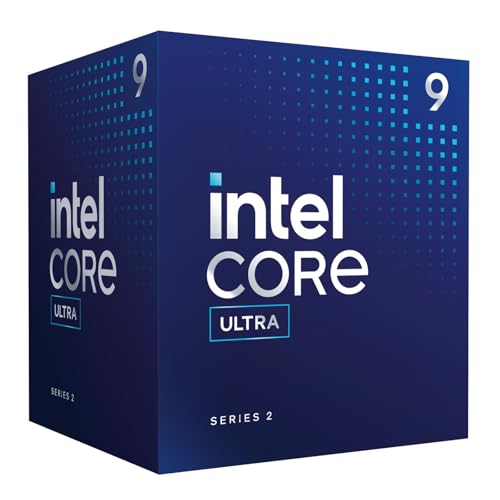
Intel Core Ultra 9 288V Review | 78 Data compared

double-arrow
  • Avg. price: ~£490
  • PassMark benchmark result: 20008
  • N. of physical cores: 8
  • CPU boost clock speed: 5.1 GHz

Intel Core Ultra 9 288V review. Compare 78 technical specifications and user reviews to see how it ranks among processors and if it is worth buying.

7.2

Overall score

What it is: An overall evaluation of the processor's quality, based on technical analyses and user reviews.

When it matters: When you need a quick reference to identify the best processors on the market.

Score components:

90.0%

7.2

Technical Score

10.0%

?

User score

Very good
7.2

Technical Score

What it is: An assessment of the processor's technical performance, covering key areas such as processing performance, core configuration, efficiency, platform support, integrated features, and thermal behavior.

When it matters: When you want to compare processors based on technical performance and available features.

Score components:

60.0%

6.7

Performance

18.0%

8.9

Cache & Architecture

10.0%

7.2

Memory & PCIe

7.0%

7.3

Power & Thermal

4.0%

7.9

Platform

1.0%

7.2

Integrated Graphics

Very good
?

User score

What it is: A rating that combines user reviews and the total number of reviews received by the processor.

When it matters: When you want to know how a processor performs in real workloads and how reliable it is for gaming, productivity, and efficiency according to user feedback.

Score components:

70.0%

?

User reviews

30.0%

?

Popularity

  • 6.9
    Gaming

    Score components:

    30.0%

    8.4

    PassMark single-core benchmark score

    25.0%

    8.5

    Geekbench 6 single-core benchmark score

    20.0%

    7.9

    CPU boost clock speed

    17.0%

    2.7

    L3 cache

    8.0%

    3.5

    N. of physical cores

  • 5.7
    Video editing

    Score components:

    45.0%

    9.0

    Geekbench 6 multi-core benchmark score

    20.0%

    3.5

    N. of physical cores

    20.0%

    2.8

    CPU threads

    15.0%

    2.7

    L3 cache

  • No image
No image

Best prices in UK

    N/A~ £490

Best rankings

?

Available: ranking among products currently available (including other versions of this product).
All: ranking among all products in the database.

Verdict

The Intel Core Ultra 9 288V is a high-end mobile processor from the Lunar Lake series, featuring an 8-core configuration split evenly between 4 Lion Cove performance cores and 4 Skymont efficiency cores with a max turbo clock of 5.1 GHz. Built on a 3nm process, it integrates 32 GB of on-package LPDDR5X-8533 memory and an Intel Arc Graphics 140V iGPU with 8 ray tracing units. Main advantages include exceptional power efficiency with a 30W base TDP, a powerful 48 TOPS NPU for AI acceleration, and strong single-core performance that rivals desktop-class chips in slim laptop form factors. However, it is limited by its non-expandable on-package RAM, a relatively low thread count (8 threads) due to the lack of hyper-threading, and multi-core performance that trails behind competitors with higher core counts.

Technical Specifications of processor Intel Core Ultra 9 288V

Technical Score

What it is: An assessment of the processor's technical performance, covering key areas such as processing performance, core configuration, efficiency, platform support, integrated features, and thermal behavior.

When it matters: When you want to compare processors based on technical performance and available features.

Score components:

60.0%

?

Performance

18.0%

?

Cache & Architecture

10.0%

?

Memory & PCIe

7.0%

?

Power & Thermal

4.0%

?

Platform

1.0%

?

Integrated Graphics

7.2
Intel Core Ultra 9 288V has a technical score of 7.21 points, which is higher than that of 88.2% of products in this category.
User score

What it is: A rating that combines user reviews and the total number of reviews received by the processor.

When it matters: When you want to know how a processor performs in real workloads and how reliable it is for gaming, productivity, and efficiency according to user feedback.

Score components:

70.0%

0.0

User reviews

30.0%

1.0

Popularity

?
Popularity
What it is: An indicator based on the number of reviews received by the processor.
When it matters: When you prefer to choose a processor reviewed and selected by many other buyers.
1.0
Intel Core Ultra 9 288V has a popularity of 1 points, which is higher than 0% of products in this category.
Ratio quality/price

What it is: An indicator that combines the processor's overall rating with its cost.

When it matters: When you are looking for a processor with a good balance between performance, efficiency, and price.

Score components:

60.0%

7.2

Overall score

40.0%

7.9

Price

7.4
Intel Core Ultra 9 288V has a quality-to-price ratio of 7.4 points, which is higher than 82.4% of products in this category.
Brand name
What it is: The manufacturer or brand of the product.
When it matters: When you prefer a specific ecosystem, support network, or design philosophy.

Importance: MEDIUM

Intel
Processor type
What it is: The kind of system the processor is built for, such as desktop PCs, laptops, workstations, or servers.
When it matters: When you want a processor meant for the kind of machine you are actually building or buying, rather than a chip aimed at a different class of system.

Importance: HIGH

mobile
Intel Core Ultra 9 288V belongs to the mobile processor class, which is more advanced than that of 7.3% of processors and equal to that of 48.6% of processors.
CPU socket
What it is: The physical socket the processor fits into on the motherboard.
When it matters: When you need to make sure the CPU can actually be installed on a specific motherboard.

Importance: HIGH

FCBGA2833
Intel Core Ultra 9 288V uses the FCBGA2833 CPU socket, which is older than that of 64.2% of processors and equal to that of 0.6% of processors.
Chipset
What it is: The motherboard chipset families officially meant to work with the processor.
When it matters: When you are checking whether a CPU will work with the motherboard features and platform you plan to use.

Importance: HIGH

N/A
CPU architecture
What it is: The processor family or design generation behind the chip, such as Zen 4 or Raptor Lake.
When it matters: When you are comparing CPUs across generations and want a clearer sense of their design age, feature level, and expected performance class.

Importance: HIGH

x86-64
Intel Core Ultra 9 288V uses the x86-64 architecture, which is more advanced than that of 1.7% of processors and equal to that of 98.3% of processors.
Show more
N. of physical cores
What it is: The number of physical CPU cores on the processor.
When it matters: When you run workloads that benefit from more real cores.

Importance: HIGH

Good value: 8+

8
Intel Core Ultra 9 288V has 8 CPU cores, which is more than 63.4% of processors and equal to 13.6% of processors.
CPU threads
What it is: The total number of processing threads the CPU can handle at once.
When it matters: When you run heavily threaded workloads or multitask a lot.

Importance: HIGH

Good value: 16+

8
Intel Core Ultra 9 288V offers 8 CPU threads, which is more than 35.3% of processors and equal to 19% of processors.
Threads per core
What it is: The number of threads each physical core can handle at once.
When it matters: When you want to understand how much thread-level parallelism each core can provide in multitasking or heavily threaded work.

Importance: MEDIUM

Good value: 2

1
Intel Core Ultra 9 288V offers 1 threads per core, which is fewer than 69.7% of processors and equal to 30.3% of processors.
CPU boost clock speed
What it is: The highest clock speed the processor can reach under boost conditions.
When it matters: When you care about peak speed in short bursts.

Importance: HIGH

Good value: >4.7 GHz

5.1 GHz
Intel Core Ultra 9 288V reaches a boost clock of 5.1 GHz which is higher than that of 86.1% of processors and equal to that of 4.1% of processors.
CPU base clock speed
What it is: The processor's normal all-core starting frequency before boost behavior raises clocks temporarily.
When it matters: When you care about steadier performance in longer workloads rather than short burst speed alone.

Importance: MEDIUM

4 x 3.3 GHz & 4 x 3.3 GHz
Intel Core Ultra 9 288V has a base clock of 4x3.3 GHz & 4x3.3 GHz which is equal to that of 100% of processors.
Show more
Semiconductor size
What it is: The manufacturing process node used to produce the processor, usually expressed in nanometers.
When it matters: When efficiency, heat, and the relative modernity of the chip-making process matter to your comparison.

Importance: HIGH

Good value: <10 nm

3 nm
Intel Core Ultra 9 288V uses a 3 nm process node, which is more advanced than that of 96% of processors and equal to that of 4% of processors.
Foundry
What it is: The semiconductor manufacturer that physically fabricates the processor chip.
When it matters: When process source, manufacturing generation, or foundry differences matter to your comparison more than day-to-day performance alone.

Importance: MEDIUM

TSMC 3 nm
Intel Core Ultra 9 288V is built on the TSMC 3 nm foundry process, which is more advanced than that of 96.2% of processors and equal to that of 3.8% of processors.
L3 cache
What it is: The total amount of L3 cache available on the processor.
When it matters: When you want better performance in cache-sensitive workloads and games.

Importance: MEDIUM

Good value: >=16 MB

12 MB
Intel Core Ultra 9 288V has an L3 cache of 12 MB which is larger than that of 54.4% of processors and equal to that of 9% of processors.
L2 cache
What it is: The total amount of L2 cache available across the processor.
When it matters: When you want to compare CPU design efficiency and how much fast intermediate cache the cores have available.

Importance: MEDIUM

Good value: >=6 MB

14 MB
Intel Core Ultra 9 288V has an L2 cache of 14 MB which is larger than that of 87.5% of processors and equal to that of 2.2% of processors.
L1 cache
What it is: The total amount of L1 cache built into the processor, which sits closest to the cores.
When it matters: When you are comparing low-level CPU design details rather than the broader performance picture buyers usually notice first.

Importance: MEDIUM

Good value: >=512 KB

?
Show more
DDR memory version
What it is: The RAM generation the processor is designed to support, such as DDR4 or DDR5.
When it matters: When you need the CPU to match the kind of memory platform you want to buy or reuse.

Importance: MEDIUM

Good value: DDR5

LPDDR5X
Intel Core Ultra 9 288V supports DDR LPDDR5X, which is newer than that of 89.9% of processors and equal to that of 1.5% of processors.
Maximum memory speed
What it is: The highest official memory speed supported by the processor.
When it matters: When you choose RAM and want to know the supported speed ceiling.

Importance: HIGH

Good value: >=4800 MHz

8,533 MHz
Intel Core Ultra 9 288V supports memory speeds up to 8533 MHz, which is higher than that of 99.1% of processors and equal to 0.9% of processors.
Max memory speed (JEDEC)
What it is: The highest official RAM speed the processor supports under standard JEDEC settings, before any memory overclocking profiles are applied.
When it matters: When officially supported stock RAM speed matters more than XMP, EXPO, or manual memory tuning.

Importance: MEDIUM

Good value: >=5600 MHz

LPDDR5X-8533 MHz
Intel Core Ultra 9 288V supports JEDEC memory speeds up to LPDDR5X-8533 MHz, which is higher than that of 99.2% of processors and equal to 0.8% of processors.
Max memory speed (XMP / EXPO)
What it is: The highest memory speed supported through XMP or EXPO profiles.
When it matters: When you want faster RAM through memory profiles.

Importance: MEDIUM

Good value: >=5200 MHz

N/A
Maximum memory capacity
What it is: The largest total amount of memory officially supported by the processor.
When it matters: When you plan a system with very large RAM capacity.

Importance: HIGH

Good value: >=128 GB

32 GB
Intel Core Ultra 9 288V supports up to 32 GB of memory, which is less than 71.9% of processors and equal to 19.5% of processors.
Show more
Integrated graphics
What it is: Includes built-in graphics, so the system can output video without a separate graphics card.
When it matters: When you want the PC to work without a dedicated GPU, or you are building an office, media, compact, or troubleshooting-friendly system.

Importance: HIGH

yes
Intel Core Ultra 9 288V includes integrated graphics. 87.6% of processors include integrated graphics.
Integrated GPU model
What it is: The model name of the integrated graphics processor, if present.
When it matters: When you plan to use the CPU's built-in graphics.

Importance: MEDIUM

Intel Arc Graphics 140V
Intel Core Ultra 9 288V uses the Intel Arc Graphics 140V integrated GPU, which is more advanced than that in 87.5% of processors and equal to that in 0.3% of processors.
Integrated GPU execution units
What it is: The number of execution units available in the integrated graphics part of the processor.
When it matters: When you plan to rely on built-in graphics and want a better sense of its light gaming, display, or media capability.

Importance: MEDIUM

Good value: >=24

8
Intel Core Ultra 9 288V has 8 GPU execution units, which is fewer than 74.1% of processors and equal to 7.2% of processors.
Integrated GPU base frequency
What it is: The base operating frequency of the integrated GPU.
When it matters: When integrated graphics performance matters to you.

Importance: MEDIUM

Good value: >=350 MHz

600 MHz
Intel Core Ultra 9 288V has an integrated GPU clock of 600 MHz which is higher than that of 83.1% of processors and equal to that of 0.7% of processors.
Integrated media encoders/decoders
What it is: The hardware media formats the processor can encode or decode directly.
When it matters: When you stream, edit video, or rely on hardware media acceleration.

Importance: LOW

JPEG (HW decode/encode)
Intel Core Ultra 9 288V supports JPEG (HW decode/encode) media codecs, which is narrower support than 80.7% of processors and equal to 0.5% of processors.
Show more
TDP (Thermal design power)
What it is: The rated thermal design power, which gives a general idea of cooling and power needs.
When it matters: When you choose a cooler or build in a tighter case.

Importance: HIGH

Good value: <30 W

30 W
Intel Core Ultra 9 288V has a TDP of 30 W which is lower than that of 66.8% of processors and equal to that of 0.3% of processors.
Base power (PL1)
What it is: The sustained power target used for longer CPU loads.
When it matters: When you choose cooling and power delivery for sustained workloads.

Importance: MEDIUM

Good value: <30 W

30 W
Intel Core Ultra 9 288V has a base power of 30 W which is lower than that of 67% of processors and equal to that of 0.1% of processors.
Boost power (PL2)
What it is: The short-term boost power limit the processor may draw under heavier turbo loads.
When it matters: When you size cooling and power delivery for peak turbo behavior.

Importance: MEDIUM

Good value: <50 W

37 W
Intel Core Ultra 9 288V has a boost power of 37 W which is lower than that of 73.3% of processors and equal to that of 1% of processors.
Tau (power duration limit)
What it is: The time limit the CPU can stay at higher boost power before dropping toward sustained power.
When it matters: When you want to understand turbo behavior under longer loads.

Importance: MEDIUM

Good value: <=28 s

?
Configurable TDP
What it is: Allows the processor to run in alternate power modes instead of being fixed to one default TDP target.
When it matters: When you want more control over heat, noise, and power draw in compact systems, quieter builds, or thermally limited machines.

Importance: LOW

yes
Intel Core Ultra 9 288V supports configurable TDP. 52.9% of processors support configurable TDP.
Show more

Intel Core Ultra 9 288V vs the average processor

  • 72.9% better single-core performance
    Intel Core Ultra 9 288V has a higher PassMark single-core score than the average processor (4,294 vs 2,483). The average processor scores 2,483 in PassMark single-core.
    What it is: A benchmark score that reflects single-core CPU performance.
    When it matters: When you care about responsiveness in lighter or older software.

    Importance: HIGH

    Good value: >3200

    Intel Core Ultra 9 288V has a higher PassMark single-core score than the average processor (4,294 vs 2,483). The average processor scores 2,483 in PassMark single-core.4,294 vs 2,483
  • 97.2% higher single-core score
    Intel Core Ultra 9 288V has a higher Geekbench 6 single-core score than the average processor (2,901 vs 1,471). The average processor scores 1,471 in Geekbench 6 single-core.
    What it is: A Geekbench 6 score that reflects single-core CPU performance in mixed modern workloads.
    When it matters: When you care about snappy everyday performance in lighter apps, browsing, office work, or tasks that do not scale well across many cores.

    Importance: HIGH

    Good value: >2000

    Intel Core Ultra 9 288V has a higher Geekbench 6 single-core score than the average processor (2,901 vs 1,471). The average processor scores 1,471 in Geekbench 6 single-core.2,901 vs 1,471
  • More advanced microarchitecture
    Intel Core Ultra 9 288V uses a more advanced microarchitecture than the average processor (Lunar Lake vs Kaby Lake).
    What it is: The internal core-design codename used for this processor generation.
    When it matters: When you are comparing CPUs at a deeper design level and want to identify the exact architecture behind marketing names.

    Importance: LOW

    Intel Core Ultra 9 288V uses a more advanced microarchitecture than the average processor (Lunar Lake vs Kaby Lake).Lunar Lake vs Kaby Lake
  • 5.6x larger L2 cache
    Intel Core Ultra 9 288V has a higher L2 cache than the average processor (14 MB vs 2.5 MB). The average processor has L2 cache of 2.5 MB.
    What it is: The total amount of L2 cache available across the processor.
    When it matters: When you want to compare CPU design efficiency and how much fast intermediate cache the cores have available.

    Importance: MEDIUM

    Good value: >=6 MB

    Intel Core Ultra 9 288V has a higher L2 cache than the average processor (14 MB vs 2.5 MB). The average processor has L2 cache of 2.5 MB.14 MB vs 2.5 MB
  • 18.6% higher boost clock
    Intel Core Ultra 9 288V has a higher boost clock speed than the average processor (5.1 GHz vs 4.3 GHz). The average processor reaches boost clock speed of 4.3 GHz.
    What it is: The highest clock speed the processor can reach under boost conditions.
    When it matters: When you care about peak speed in short bursts.

    Importance: HIGH

    Good value: >4.7 GHz

    Intel Core Ultra 9 288V has a higher boost clock speed than the average processor (5.1 GHz vs 4.3 GHz). The average processor reaches boost clock speed of 4.3 GHz.5.1 GHz vs 4.3 GHz
  • 5x more L2 per core
    Intel Core Ultra 9 288V has more L2 cache per core than the average processor (2.5 MB/core vs 0.5 MB/core). The average processor provides 0.5 MB/core of L2 cache per core.
    What it is: The amount of L2 cache available to each CPU core.
    When it matters: When you are comparing per-core cache resources in deeper architectural analysis.

    Importance: LOW

    Good value: >=1 MB/core

    Intel Core Ultra 9 288V has more L2 cache per core than the average processor (2.5 MB/core vs 0.5 MB/core). The average processor provides 0.5 MB/core of L2 cache per core.2.5 MB/core vs 0.5 MB/core
  • Newer PCIe version
    Intel Core Ultra 9 288V supports a newer PCIe version than the average processor (5 vs 3.0).
    What it is: The newest PCIe generation the processor can use directly for graphics cards, SSDs, and other high-speed expansion devices.
    When it matters: When you want support for newer GPUs or SSDs, or more bandwidth for high-speed expansion hardware.

    Importance: HIGH

    Good value: 4.0

    Intel Core Ultra 9 288V supports a newer PCIe version than the average processor (5 vs 3.0).5.0 vs 3.0
  • 2.91x higher memory speed
    Intel Core Ultra 9 288V has a higher maximum memory speed than the average processor (8,533 MHz vs 2,933 MHz). The average processor supports memory speed of 2,933 MHz.
    What it is: The highest official memory speed supported by the processor.
    When it matters: When you choose RAM and want to know the supported speed ceiling.

    Importance: HIGH

    Good value: >=4800 MHz

    Intel Core Ultra 9 288V has a higher maximum memory speed than the average processor (8,533 MHz vs 2,933 MHz). The average processor supports memory speed of 2,933 MHz.8533 MHz vs 2933 MHz
  • 4 year/s newer release date
    Intel Core Ultra 9 288V has a newer release date than the average processor (2,024 vs 2,020).
  • Supports HMP
    Intel Core Ultra 9 288V supports HMP, the average processor does not.
  • Includes crypto acceleration
    Intel Core Ultra 9 288V includes crypto acceleration, the average processor does not.
  • 72.9% better single-core performance
    Intel Core Ultra 9 288V has a higher PassMark single-core score than the average processor (4,294 vs 2,483). The average processor scores 2,483 in PassMark single-core.
  • 97.2% higher single-core score
    Intel Core Ultra 9 288V has a higher Geekbench 6 single-core score than the average processor (2,901 vs 1,471). The average processor scores 1,471 in Geekbench 6 single-core.
  • 18.6% higher boost clock
    Intel Core Ultra 9 288V has a higher boost clock speed than the average processor (5.1 GHz vs 4.3 GHz). The average processor reaches boost clock speed of 4.3 GHz.
  • 90% higher PassMark score
    Intel Core Ultra 9 288V has a higher PassMark benchmark score than the average processor (20,008 vs 10,532.5). The average processor scores 10,532.5 in PassMark benchmark.
  • 2 more CPU cores
    Intel Core Ultra 9 288V has more CPU cores than the average processor (8 vs 6). The average processor has 6 CPU cores.
  • 4 wider front-end design
    Intel Core Ultra 9 288V has a higher front-end width than the average processor (8 vs 4). The average processor uses front-end width of 4.
  • More advanced microarchitecture
    Intel Core Ultra 9 288V uses a more advanced microarchitecture than the average processor (Lunar Lake vs Kaby Lake).
  • 5.6x larger L2 cache
    Intel Core Ultra 9 288V has a higher L2 cache than the average processor (14 MB vs 2.5 MB). The average processor has L2 cache of 2.5 MB.
  • 5x more L2 per core
    Intel Core Ultra 9 288V has more L2 cache per core than the average processor (2.5 MB/core vs 0.5 MB/core). The average processor provides 0.5 MB/core of L2 cache per core.
  • 75% smaller process node
    Intel Core Ultra 9 288V has a lower process node than the average processor (3 nm vs 12 nm). The average processor uses a process node of 12 nm.
  • 75% more L3 per core
    Intel Core Ultra 9 288V has more L3 cache per core than the average processor (3 MB/core vs 1.714 MB/core). The average processor provides 1.714 MB/core of L3 cache per core.
  • Uses big.LITTLE design
    Intel Core Ultra 9 288V uses a big.LITTLE design, the average processor does not.
  • More advanced foundry
    Intel Core Ultra 9 288V uses a more advanced foundry process than the average processor (TSMC 3 nm vs Intel 14 nm).
  • 50% larger L3 cache
    Intel Core Ultra 9 288V has a higher L3 cache than the average processor (12 MB vs 8 MB). The average processor has L3 cache of 8 MB.
  • Newer PCIe version
    Intel Core Ultra 9 288V supports a newer PCIe version than the average processor (5 vs 3.0).
  • 2.91x higher memory speed
    Intel Core Ultra 9 288V has a higher maximum memory speed than the average processor (8,533 MHz vs 2,933 MHz). The average processor supports memory speed of 2,933 MHz.
  • 2.98x higher memory bandwidth
    Intel Core Ultra 9 288V has a higher memory bandwidth than the average processor (136.5 GB/s vs 45.8 GB/s). The average processor offers memory bandwidth of 45.8 GB/s.
  • Newer DDR support
    Intel Core Ultra 9 288V supports a newer DDR generation than the average processor (LPDDR5X vs DDR4).
  • 4 more PCIe lanes
    Intel Core Ultra 9 288V has more PCIe lanes than the average processor (20 vs 16). The average processor offers 16 PCIe lanes.
  • Better integrated GPU
    Intel Core Ultra 9 288V uses a better integrated GPU than the average processor (Intel Arc Graphics 140V vs Intel UHD Graphics 630).
  • 71.4% higher GPU clock speed
    Intel Core Ultra 9 288V has a higher integrated GPU frequency than the average processor (600 MHz vs 350 MHz). The average processor has integrated GPU frequency of 350 MHz.
  • 33.3% lower base power
    Intel Core Ultra 9 288V has a lower base power draw than the average processor (30 W vs 45 W). The average processor has a base power draw of 45 W.
  • 42.2% lower boost power
    Intel Core Ultra 9 288V has a lower boost power draw than the average processor (37 W vs 64 W). The average processor has a boost power draw of 64 W.
  • 33.3% lower TDP
    Intel Core Ultra 9 288V has a lower TDP than the average processor (30 W vs 45 W). The average processor has a TDP of 45 W.
  • No multithreading support
    Intel Core Ultra 9 288V does not support multithreading, the average processor does.
  • 1 fewer threads per core
    Intel Core Ultra 9 288V has fewer threads per core than the average processor (1 vs 2). The average processor offers 2 threads per core.
  • 50% less memory capacity
    Intel Core Ultra 9 288V has fewer maximum memory capacity than the average processor (32 GB vs 64 GB). The average processor supports 64 GB of memory.
  • Narrower media codec support
    Intel Core Ultra 9 288V supports fewer media codecs than the average processor (JPEG (HW decode/encode) vs H.264 (HW decode/encode), H.265 (HW decode/encode), VP9 (HW decode/encode), AV1 (HW decode)).
  • 66.7% fewer GPU execution units
    Intel Core Ultra 9 288V has fewer GPU execution units than the average processor (8 vs 24). The average processor has 24 GPU execution units.
  • No multithreading support
    Intel Core Ultra 9 288V does not support multithreading, the average processor does.
    What it is: Lets each physical core run more than one thread at the same time, such as with Hyper-Threading or SMT.
    When it matters: When multitasking, rendering, compiling, virtualization, or other thread-heavy work benefits from more total processing threads.

    Importance: HIGH

    Intel Core Ultra 9 288V does not support multithreading, the average processor does.
  • Narrower media codec support
    Intel Core Ultra 9 288V supports fewer media codecs than the average processor (JPEG (HW decode/encode) vs H.264 (HW decode/encode), H.265 (HW decode/encode), VP9 (HW decode/encode), AV1 (HW decode)).
    What it is: The hardware media formats the processor can encode or decode directly.
    When it matters: When you stream, edit video, or rely on hardware media acceleration.

    Importance: LOW

    Intel Core Ultra 9 288V supports fewer media codecs than the average processor (JPEG (HW decode/encode) vs H.264 (HW decode/encode), H.265 (HW decode/encode), VP9 (HW decode/encode), AV1 (HW decode)).JPEG (HW decode/encode) vs H.264 (HW decode/encode), H.265 (HW decode/encode), VP9 (HW decode/encode), AV1 (HW decode)
  • 96% more expensive
    Intel Core Ultra 9 288V is more expensive than the average processor (£490 vs £250).
    Intel Core Ultra 9 288V is more expensive than the average processor (£490 vs £250).£490 vs £250
  • 50% less memory capacity
    Intel Core Ultra 9 288V has fewer maximum memory capacity than the average processor (32 GB vs 64 GB). The average processor supports 64 GB of memory.
    What it is: The largest total amount of memory officially supported by the processor.
    When it matters: When you plan a system with very large RAM capacity.

    Importance: HIGH

    Good value: >=128 GB

    Intel Core Ultra 9 288V has fewer maximum memory capacity than the average processor (32 GB vs 64 GB). The average processor supports 64 GB of memory.32 GB vs 64 GB
  • 1 fewer threads per core
    Intel Core Ultra 9 288V has fewer threads per core than the average processor (1 vs 2). The average processor offers 2 threads per core.
    What it is: The number of threads each physical core can handle at once.
    When it matters: When you want to understand how much thread-level parallelism each core can provide in multitasking or heavily threaded work.

    Importance: MEDIUM

    Good value: 2

    Intel Core Ultra 9 288V has fewer threads per core than the average processor (1 vs 2). The average processor offers 2 threads per core.1 vs 2
  • 66.7% fewer GPU execution units
    Intel Core Ultra 9 288V has fewer GPU execution units than the average processor (8 vs 24). The average processor has 24 GPU execution units.
    What it is: The number of execution units available in the integrated graphics part of the processor.
    When it matters: When you plan to rely on built-in graphics and want a better sense of its light gaming, display, or media capability.

    Importance: MEDIUM

    Good value: >=24

    Intel Core Ultra 9 288V has fewer GPU execution units than the average processor (8 vs 24). The average processor has 24 GPU execution units.8 vs 24

Graphic comparison of Intel Core Ultra 9 288V and other processors

Attribute category
Attribute
No results found

Third-party reviews

What customers like about Intel Core Ultra 9 288V?

  • Excellent single-core performance, rivaling more power-hungry chips in snappy day-to-day tasks
  • Strong integrated graphics (Arc 140V) capable of playing modern 1080p games at playable frame rates
  • Impressive energy efficiency and battery life, living up to 'all-day' usage claims in thin-and-light laptops
  • Includes a powerful dedicated NPU (48 TOPS) for local AI workloads
  • Comes with 32GB of fast on-package LPDDR5x RAM by default
  • Maintains good thermal stability and doesn't get excessively hot in most use cases

What customers dislike about Intel Core Ultra 9 288V?

  • Mediocre multi-core performance compared to AMD and Qualcomm rivals due to a lower 8-core/8-thread count
  • High price point for laptops equipped with this flagship processor
  • Marginal performance gains over the Core Ultra 7 258V despite being marketed as the flagship
  • Fans can be loud and noticeable when the chip is under heavy load
  • Higher power floor (17W minimum vs 8W for other variants) may drain battery faster during very light tasks

Expert reviews

T
techfinitive.com
24/09/2024

The TechFinitive review of the Intel Core Ultra 9 288V (Lunar Lake) highlights a major shift toward extreme power efficiency for thin-and-light laptops, featuring exceptional battery life in tests with the Asus Zenbook S 14. A significant pro includes high single-core performance that competes with AMD and outperforms Qualcomm, alongside a powerful Arc Graphics 140V integrated GPU....Read more

C
cpubenchmark.net
Undated

The Intel Core Ultra 9 288V (Lunar Lake) is a specialized 8-core, 8-thread processor (4 E) designed for thin-and-light laptops, featuring integrated LPDDR5x RAM, a 17W-37W TDP, and no hyper-threading. It delivers industry-leading battery life, exceptional single-core snappiness, and strong AI performance (48 TOPS NPU), while offering capable 1080p gaming via the Arc Graphics 140V...Read more

L
laptopmedia.com
Undated

The Intel Core Ultra 9 288V (Lunar Lake) represents a strategic shift by Intel toward power efficiency and AI, featuring 8 cores and 8 threads with integrated 32GB LPDDR5x memory. Key pros include exceptional single-core performance, a highly capable 48 TOPS NPU, and superior integrated Arc Graphics 140V performance. However, the chip’s cons involve a lack of hyper-threading leading...Read more

T
tomshardware.com
25/09/2024

Tom's Hardware benchmarked the Intel Arc Graphics 140V (Xe2/Battlemage architecture) within a Core Ultra 9 288V, finding it to be a significant leap that frequently outperforms AMD’s high-end integrated solutions, achieving around 51 fps at 1080p medium settings. Despite these gains, which include 25% better performance over Meteor Lake and superior XeSS upscaling, immature drivers...Read more

L
laptopmedia.com
01/09/2024

The Intel Core Ultra 9 288V is a 3nm, 8-core/8-thread flagship designed for thin-and-light laptops, featuring integrated LPDDR5x-8533 memory that limits capacity to 32GB while boosting efficiency. It boasts exceptional single-core performance (up to 5.10 GHz) and strong Intel Arc Graphics 140V, along with a 48 TOPS NPU for AI tasks. While praised for its battery life, its lower core...Read more

C
computerbase.de
24/09/2024

According to the ComputerBase review, the Intel Core Ultra 200V "Lunar Lake" series pivots from raw multi-core power to extreme efficiency and AI capabilities, featuring 4P + 4E cores and integrated memory for reduced power consumption. The processor delivers exceptional battery life and competitive performance against ARM-based alternatives, along with a significantly upgraded NPU...Read more

C
computerbase.de
21/10/2025

The ComputerBase review of the Apple MacBook Pro 14" M5 (2025) highlights an evolutionary update focusing on significant AI and graphics performance gains within a familiar chassis. The M5 chip delivers a 60-70% leap in rendering performance, with the base model capable of rivaling previous top-tier performance levels. Notable pros include exceptional 24-hour battery life, the...Read more

T
techfinitive.com
24/09/2024

The Intel Core Ultra 9 288V is a single-core powerhouse designed for thin-and-light laptops, offering 5.1GHz boost clocks that rival or exceed AMD and Qualcomm counterparts in office tasks. A key strength is its exceptional battery life, often outlasting competitors in standard testing. Conversely, the 8-core design (4 E, no Hyper-Threading) prioritises efficiency over...Read more

G
geeknetic.es
18/10/2024

The ASUS Zenbook S 14 (UX5406), featuring the Intel Core Ultra 9 288V (Lunar Lake), offers a premium, ultra-portable design with a 1.2 kg "Ceraluminum" chassis and a high-quality 3K 120Hz Lumina OLED display, as reviewed by Geeknetic. Performance highlights include an integrated 32GB LPDDR5X-8533 RAM for low latency, efficient single-core performance, and a significant boost in...Read more

Video reviews

Compare Intel Core Ultra 9 288V with other processors

VS
VS

Compare