Scored using Microphones Methodology v1.0
Microphones Methodology v1.0
Mathematical & Unbiased Scoring
Products in this category are evaluated mathematically under Frontumo Microphones Methodology v1.0 using verified laboratory benchmarks, technical specifications, and authentic consumer ratings with 0% commercial bias.
Explore Microphones Methodology v1.0

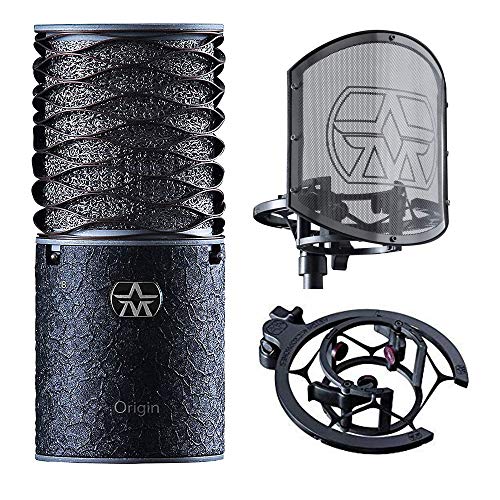
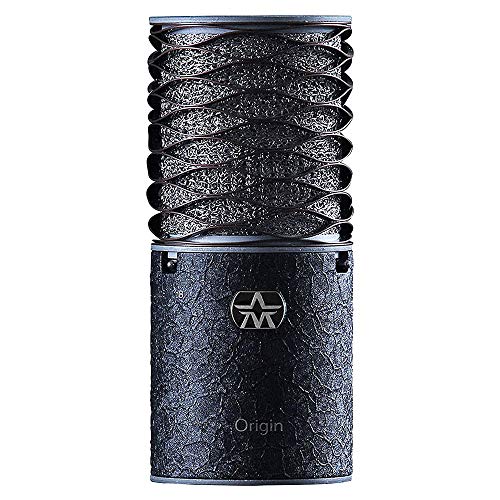
Aston Microphones Origin Review | 76 Data compared

Avg. price:~£200Connection type:XLRTransducer type:condenserMax SPL:127 dB SPLSupported sample rates:N/A kHzOutput connector type:XLR

Aston Microphones Origin Review: Compare 76 technical specifications and user reviews to see how this product ranks in the Microphones category and whether it is worth buying.

6.2

Overall score

Score
6.2/ 10
✕
What it is
An overall evaluation of the microphone's quality, based on technical analyses and user reviews.
When it matters
When you need a quick reference to identify the best microphones on the market.
Score distribution
â–¼
<55-66-77-88-99-10
Score components

75%

5.4

Technical score

25%

8.6

User score

â–¼Worse than 87% of microphones
5.4

Technical score

Technical score
5.4/ 10
✕
What it is
An assessment of technical performance for products in the Microphones category across these key areas: Audio Performance, Connectivity, Recording, Pickup Patterns, Controls & Features, Power, Design, Accessories, Compatibility.
When it matters
When you want to compare microphones based on technical performance and available features.
Score distribution
â–¼
<55-66-77-88-99-10
Score components

20%

7.0

Audio Performance

20%

4.0

Recording

16%

3.2

Pickup Patterns

16%

7.0

Controls & Features

10%

4.0

Power

7%

7.2

Compatibility

5%

5.2

Connectivity

3%

7.5

Design

3%

6.1

Accessories

â–¼Worse than 95% of microphones
8.6

User score

User score
8.6/ 10
✕
What it is
A rating that combines user reviews and the total number of reviews received by the microphone.
When it matters
When you want to know how a microphone performs in real use and how reliable it remains over time according to user feedback.
Score distribution
â–¼
<55-66-77-88-99-10
Score components

70%

9.4

User ratings

30%

6.7

Number of reviews

Based on 355 buyer reviews from online shops.
How we calculate this
User ratings – average star rating across all shop listings, weighted by how many reviews each has, on a 1–10 scale.
Number of reviews – how many buyer reviews the product has, on a logarithmic scale; the 8% most-reviewed models in the category get 10.
â–²Better than 67% of microphones
  • aston-microphones-origin
  • aston-microphones-origin
  • aston-microphones-origin
  • aston-microphones-origin
aston-microphones-origin

Best prices

*As an Amazon Associate, we earn from qualifying purchases.

Best rankings

Available: ranking among products currently available (including other versions of this product).All: ranking among all products in the database.
Loading...
Loading category ranking...

Technical Specifications of microphone Aston Microphones Origin

Technical score
Technical score
5.4/ 10
✕
What it is
An assessment of technical performance for products in the Microphones category across these key areas: Audio Performance, Connectivity, Recording, Pickup Patterns, Controls & Features, Power, Design, Accessories, Compatibility.
When it matters
When you want to compare microphones based on technical performance and available features.
Score distribution
â–¼
<55-66-77-88-99-10
Score components:

20%

7.0

Audio Performance

20%

4.0

Recording

16%

3.2

Pickup Patterns

16%

7.0

Controls & Features

10%

4.0

Power

7%

7.2

Compatibility

5%

5.2

Connectivity

3%

7.5

Design

3%

6.1

Accessories

5.4
User score
User score
8.6/ 10
✕
What it is
A rating that combines user reviews and the total number of reviews received by the microphone.
When it matters
When you want to know how a microphone performs in real use and how reliable it remains over time according to user feedback.
Score distribution
â–¼
<55-66-77-88-99-10
Score components

70%

9.4

User ratings

30%

6.7

Number of reviews

Based on 355 buyer reviews from online shops.
How we calculate this
User ratings – average star rating across all shop listings, weighted by how many reviews each has, on a 1–10 scale.
Number of reviews – how many buyer reviews the product has, on a logarithmic scale; the 8% most-reviewed models in the category get 10.
8.6
Popularity
Popularity
6.7/ 10
✕
What it is
An indicator based on the number of reviews received by the microphone.
When it matters
When you prefer to buy a product chosen and reviewed by many other consumers.
Score distribution
â–¼
<55-66-77-88-99-10
Popularity:
Aston Microphones Origin has a popularity score of 6.7 points, which is higher than 53.8% of microphones.
6.7
Value for money
Value for money
7.2/ 10
✕
What it is
An indicator that combines the microphone's overall rating with its cost.
When it matters
When you are looking for a microphone with a good balance between quality and price.
Score distribution
â–¼
<55-66-77-88-99-10
Score components:

60%

6.2

Overall score

40%

9.5

Price

7.2
Microphone type
studio
Transducer type
condenser
Diaphragm size
25.4 mm
Capsule type
single
Sensitivity
-32.5 dBV/Pa
Show more
Connection type
XLR
Output connector type
XLR
Headphone output
no
Headphone output
no
This microphone does not include a headphone output. 62.8% of microphones include this output.
3.5 mm audio jack
no
3.5 mm audio jack
no
This microphone does not include a 3.5 mm jack. 63.3% of microphones include this connector.
6.35 mm audio jack connector
no
6.35 mm audio jack connector
no
This microphone does not include a 6.35 mm jack. 2% of microphones include this connector.
Show more
Supported sample rates
N/A
Supported bit depths
N/A
Audio interface sample rate
N/A
Audio interface bit depth
N/A
Signal-to-noise ratio (DAC)
N/A
Show more
N. of polar patterns
1
N. of polar patterns
1
The number of selectable polar patterns offered by this microphone is 1, which is lower than that of 24.6% of microphones and equal to that of 75.4% of microphones.
Cardioid pattern
yes
Cardioid pattern
yes
This microphone supports a cardioid pickup pattern. 91% of microphones support this pattern.
Omnidirectional pattern
no
Omnidirectional pattern
no
This microphone does not support an omnidirectional pickup pattern. 26.1% of microphones support this pattern.
Hypercardioid pattern
no
Hypercardioid pattern
no
This microphone does not support a hypercardioid pickup pattern. 1.5% of microphones support this pattern.
Bidirectional pattern
no
Bidirectional pattern
no
This microphone does not support a bidirectional pickup pattern. 17.1% of microphones support this pattern.
Mute function
no
Mute function
no
This microphone does not include a mute function. 68.3% of microphones include this control.
Onboard gain control
no
Onboard gain control
no
This microphone does not include onboard gain control. 51.3% of microphones include this control.
Volume control levels
0
Volume control levels
0
This microphone offers volume output of 0 which is lower than that of 65.7% of microphones and equal to that of 34.3% of microphones.
Flat DSP mode
no
Flat DSP mode
no
This microphone does not support a flat DSP mode. 25.6% of microphones offer this processing option.
DSP presets
0
DSP presets
0
This microphone offers 0 DSP presets, which is fewer than 16.6% of microphones and equal to 83.4% of microphones.
Show more
Phantom power required
yes
Phantom power required
yes
This microphone requires phantom power. 9.1% of microphones also require phantom power.
Phantom power voltage
48 V
USB bus-powered
no
USB bus-powered
no
This microphone does not support USB bus power. 86.4% of microphones support USB-powered operation.
Battery life
N/A
Height
125 mm
Height
125 mm
This microphone is 125 mm tall, which is shorter than 92.8% of microphones.
Width
54 mm
Width
54 mm
This microphone is 54 mm wide, which is narrower than 60% of microphones and equal in width to 2.6% of microphones.
Thickness
54 mm
Thickness
54 mm
This microphone is 54 mm thick, which is thinner than 57.4% of microphones and equal in thickness to 2.6% of microphones.
Weight
450 g
Weight
450 g
This microphone weighs 450 g, which is lighter than 68.8% of microphones and equal in weight to 0.8% of microphones.
Microphone only.
Body material
stainless steel
Show more
Included accessories
stand; mount adapter
Shock mount included
no
Shock mount included
no
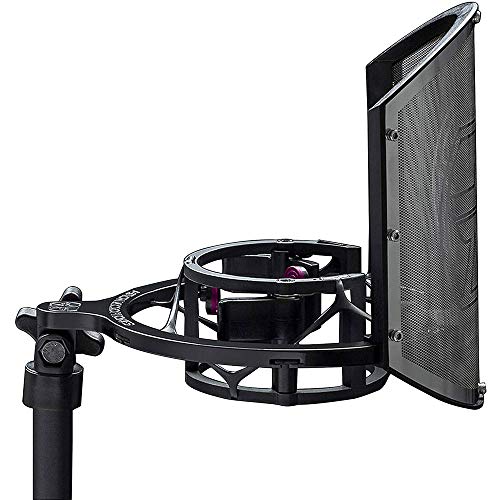
This microphone does not include a shock mount. 49.8% of microphones include this accessory.
Pop filter included
yes
Pop filter included
yes
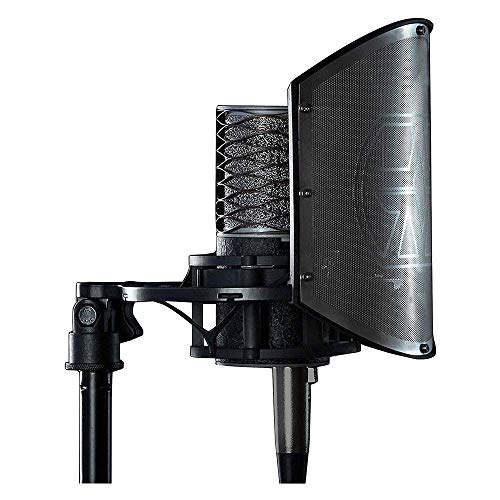
This microphone includes a pop filter. 60.3% of microphones include this accessory.
Built-in mesh-knit pop filter.
Windscreen included
no
Windscreen included
no
This microphone does not include a windscreen. 31.8% of microphones include this accessory.
Cable length
N/A
Android compatibility
no
Android compatibility
no
This microphone is not compatible with Android. 66.3% of microphones are compatible with Android.
iOS compatibility
no
iOS compatibility
no
This microphone is not compatible with iOS. 61.8% of microphones are compatible with iOS.
Windows compatibility
yes
Windows compatibility
yes
This microphone is compatible with Windows. 100% of microphones are compatible with Windows.
Requires audio interface.
macOS compatibility
yes
macOS compatibility
yes
This microphone is compatible with macOS. 99.5% of microphones are compatible with macOS.
Requires audio interface.
Xbox compatibility
no
Xbox compatibility
no
This microphone is not compatible with Xbox. 1.5% of microphones are compatible with Xbox.
Show more

Aston Microphones Origin vs the average microphone

246810TotalAudio PerformanceConnectivityRecordingPickup PatternsControls & FeaturesPowerDesignAccessoriesCompatibility
  • Includes high-pass filter
    High-pass filter
    yes
    This microphone includes a high-pass filter, the average microphone does not.
  • Includes pad switch
    Pad switch
    yes
    This microphone includes a pad switch, the average microphone does not.
  • Supports balanced output
    Balanced output
    yes
    This microphone supports balanced output, the average microphone does not.
  • 13 dB wider dynamic range
    Dynamic range
    109 dB
    This microphone has a wider dynamic range than the average microphone (109 dB vs 96 dB). The average microphone has a dynamic range of 96 dB.
    119 with pad.
    109 dB vs 96 dB
  • 60 mm shorter body
    Height
    125 mm
    This microphone is shorter than the average microphone (125 mm vs 185 mm). The average microphone has a height of 185 mm.
    125 mm vs 185 mm
  • 6 dB SPL higher limit
    Max SPL
    127 dB SPL
    This microphone has a higher max SPL than the average microphone (127 dB SPL vs 121 dB SPL). The average microphone handles a max SPL of 121 dB SPL.
    With pad: 137.
    127 dB SPL vs 121 dB SPL
  • 18.6% lighter
    Weight
    450 g
    This microphone is lighter than the average microphone (450 g vs 553 g). The average microphone weighs 553 g.
    Microphone only.
    450 g vs 553 g
  • 13 dB wider dynamic range
    Dynamic range
    109 dB
    This microphone has a wider dynamic range than the average microphone (109 dB vs 96 dB). The average microphone has a dynamic range of 96 dB.
    119 with pad.
    109 dB vs 96 dB
  • 6 dB SPL higher limit
    Max SPL
    127 dB SPL
    This microphone has a higher max SPL than the average microphone (127 dB SPL vs 121 dB SPL). The average microphone handles a max SPL of 121 dB SPL.
    With pad: 137.
    127 dB SPL vs 121 dB SPL
  • Supports balanced output
    Balanced output
    yes
    This microphone supports balanced output, the average microphone does not.
  • Includes high-pass filter
    High-pass filter
    yes
    This microphone includes a high-pass filter, the average microphone does not.
  • Includes pad switch
    Pad switch
    yes
    This microphone includes a pad switch, the average microphone does not.
  • 60 mm shorter body
    Height
    125 mm
    This microphone is shorter than the average microphone (125 mm vs 185 mm). The average microphone has a height of 185 mm.
    125 mm vs 185 mm
  • 18.6% lighter
    Weight
    450 g
    This microphone is lighter than the average microphone (450 g vs 553 g). The average microphone weighs 553 g.
    Microphone only.
    450 g vs 553 g
  • No zero-latency monitoring
    Zero-latency monitoring
    no
    This microphone does not support zero-latency monitoring, the average microphone does.
  • No gain control
    Onboard gain control
    no
    This microphone does not include onboard gain control, the average microphone does.
  • No mute function
    Mute function
    no
    This microphone does not include a mute function, the average microphone does.
  • No USB bus power
    USB bus-powered
    no
    This microphone does not support USB bus power, the average microphone does.
  • Requires phantom power
    Phantom power required
    yes
    This microphone requires phantom power, while the average microphone does not.
  • Not compatible with iOS
    iOS compatibility
    no
    This microphone is not compatible with iOS, the average microphone is.
  • Not compatible with Android
    Android compatibility
    no
    This microphone is not compatible with Android, the average microphone is.
  • No headphone output
    Headphone output
    no
    This microphone does not include a headphone output, the average microphone does.
  • 2.86x more expensive
    Aston Microphones Origin is more expensive than the average microphone (£200 vs £70).
    £200 vs £70
  • 10.7% worse value for money
    Aston Microphones Origin has a lower value-for-money score than the average microphone (7.17 vs 7.9).
    7.17 vs 7.94
  • 5.5 dB lower signal-to-noise ratio
    Signal-to-noise ratio (SNR)
    76 dB
    This microphone has a lower signal-to-noise ratio than the average microphone (76 dB vs 81.5 dB). The average microphone has a signal-to-noise ratio of 81.5 dB.
    Derived from 18 dBA self-noise.
    76 dB vs 81.5 dB
  • 2 dB-A higher equivalent input noise
    Equivalent input noise
    18 dB-A
    This microphone has a higher equivalent input noise than the average microphone (18 dB-A vs 16 dB-A). The average microphone has equivalent input noise of 16 dB-A.
    18 dB-A vs 16 dB-A
  • No headphone output
    Headphone output
    no
    This microphone does not include a headphone output, the average microphone does.
  • No 3.5 mm jack
    3.5 mm audio jack
    no
    This microphone does not include a 3.5 mm jack, the average microphone does.
  • No zero-latency monitoring
    Zero-latency monitoring
    no
    This microphone does not support zero-latency monitoring, the average microphone does.
  • No gain control
    Onboard gain control
    no
    This microphone does not include onboard gain control, the average microphone does.
  • No mute function
    Mute function
    no
    This microphone does not include a mute function, the average microphone does.
  • No USB bus power
    USB bus-powered
    no
    This microphone does not support USB bus power, the average microphone does.
  • Requires phantom power
    Phantom power required
    yes
    This microphone requires phantom power, while the average microphone does not.
  • 4 older release date
    Release date
    2016
    This microphone is older than the average microphone (2016 vs 2020). The average microphone was released in 2020.
    2016 vs 2020
  • Not compatible with Android
    Android compatibility
    no
    This microphone is not compatible with Android, the average microphone is.
  • Not compatible with iOS
    iOS compatibility
    no
    This microphone is not compatible with iOS, the average microphone is.

Video reviews

Hands-on testing, unboxing, and real-world video evaluations

Expert reviews

In-depth analysis and verdict from leading tech publications

S
soundonsound.com
15/01/2016
Summary of the review
M
musictech.com
24/11/2015
Summary of the review
M
musicradar.com
07/03/2016
Summary of the review
A
ask.video
01/02/2017
Summary of the review
S
soundref.com
15/07/2023
Summary of the review
M
making-music.com
21/12/2017
Summary of the review
T
tapeop.com
01/06/2016
Summary of the review
L
lancetingey.com
12/05/2021
Summary of the review
P
podcastage.com
14/07/2018
Summary of the review
B
bhphotovideo.com
30/05/2016
Summary of the review
B
bonedo.de
26/06/2016
Summary of the review
D
delamar.de
14/12/2016
Summary of the review
T
tapeop.com
15/07/2023
Summary of the review
F
fr.audiofanzine.com
27/07/2016
Summary of the review
S
studio-microphone.com
N/A
Summary of the review
A
audiofader.com
26/06/2016
Summary of the review
A
accordo.it
08/01/2018
Summary of the review
M
musicoff.com
13/06/2017
Summary of the review
P
paolobalestri.com
06/02/2019
Summary of the review
A
audiofader.com
11/02/2021
Summary of the review

Third-party reviews

Based on 355 buyer reviews from online shops.
Reviews last updated: July 2026 · How we calculate this

What we like about Aston Microphones Origin

  • Excellent value for the price, often compared to microphones costing significantly more
  • Robust and unique stainless steel 'waveform' design that is highly durable and can be reshaped if dented
  • Natural, transparent, and 'forgiving' sound quality that works well on both vocals and acoustic guitars
  • Built-in 10dB pad and 80Hz high-pass filter offer useful on-board control
  • Internal shock mounting allows for direct stand mounting without a clip
  • Eco-friendly, 100% recyclable cardboard packaging

What we don't like about Aston Microphones Origin

  • Slightly high self-noise (18dB A-weighted) compared to some direct competitors like the Rode NT1
  • Built-in mesh pop filter is sometimes insufficient for close-range plosives, necessitating an external shield
  • The 80Hz low-cut filter can be overly aggressive or 'fierce' for some applications, thinning out voices
  • Lack of included accessories like a dedicated shock mount or storage case in standard retail versions
  • Direct stand mounting can be awkward for fine adjustments or positioning in tight spaces

Verdict

The Aston Microphones Origin is a high-performance, large-diaphragm cardioid condenser microphone featuring a 1-inch gold-evaporated capsule and transformerless circuitry. It offers a frequency response of 20Hz–20kHz, a max SPL of 127dB (extendable to 137dB with the -10dB pad), and includes a switchable 80Hz high-pass filter. Main characteristics include its signature shock-resistant waveform mesh head, integrated stainless steel pop filter, and a durable 2mm laser-cut steel chassis that allows for direct stand mounting. Its primary pros are a smooth, detailed sound that excels on acoustic guitars and vocals, exceptional build quality for its price point, and a design that minimizes the need for external accessories. However, some users note its self-noise of 18dBA is higher than some competitors, and the steep low-cut filter can sometimes overly thin out deeper sound sources.

Compare Aston Microphones Origin with other products in the Microphones category

1Product to compare no. 1
VS
2Product to compare no. 2
VS
3Product to compare no. 3 (optional)

Graphic comparison of Aston Microphones Origin and other products in the Microphones category

No results found