Scored using Headphones Methodology v1.0
Headphones Methodology v1.0
Mathematical & Unbiased Scoring
Products in this category are scored under Frontum Headphones Methodology v1.0: technical specifications plus authentic consumer ratings, with 0% commercial bias.
Explore Headphones Methodology v1.0

Soul Electronics X Tra Review | 93 Data compared

Avg. price:~£130Form factor:over-earConnectivity:wirelessBattery life:24 hoursActive noise cancellation (ANC):no

Soul Electronics X Tra Review: Compare 93 technical specifications and user reviews to see how this product ranks in the Headphones category and whether it is worth buying.
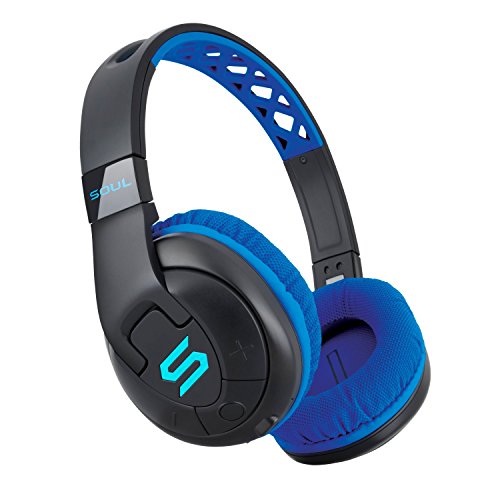
Soul Electronics X Tra
6.1/10

Overall score

Score
6.1/ 10
✕
What it is
An overall evaluation of the headphones' quality, based on technical analyses and user reviews.
When it matters
When you need a quick reference to identify the best headphones on the market.
Score distribution
â–¼
<55-66-77-88-99-10
Score components

80%

5.8

Technical score

20%

7.5

User score

â–¼Worse than 56% of headphones
7.2

Value for money

Value for money
7.2/ 10
✕
What it is
An indicator that combines the headphones' overall rating with their cost.
When it matters
When you are looking for headphones that offer a strong balance of performance, features, and price.
Score distribution
â–¼
<55-66-77-88-99-10
Score components

70%

6.1

Overall score

30%

9.8

Price

â–¼Worse than 59%
5.8

Technical score

Technical score
5.8/ 10
✕
What it is
An assessment of technical performance for products in the Headphones category across these key areas: Sound, Calls & Controls, Connectivity, Features, Battery, Design.
When it matters
When you want to compare headphones based on technical performance and available features.
Score distribution
â–¼
<55-66-77-88-99-10
Score components

52%

6.0

Sound

20%

4.0

Features

10%

7.6

Design

8%

6.0

Connectivity

6%

5.2

Battery

4%

6.4

Calls & Controls

â–¼Worse than 58%
7.5

User score

User score
7.5/ 10
✕
What it is
A rating that combines user reviews and the total number of reviews received by the headphones.
When it matters
When you want to understand how headphones perform in real listening and how reliable they are in terms of comfort, audio quality, battery life, and long-term use.
Score distribution
â–¼
<55-66-77-88-99-10
Score components

70%

8.4

User ratings

30%

5.4

Number of reviews

Based on ratings from across the web.
â–¼Worse than 74%
  • soul-electronics-x-tra
  • soul-electronics-x-tra
  • soul-electronics-x-tra
  • soul-electronics-x-tra
  • soul-electronics-x-tra
  • soul-electronics-x-tra
  • soul-electronics-x-tra
  • soul-electronics-x-tra
  • soul-electronics-x-tra
soul-electronics-x-tra
Where to buy
*As an Amazon Associate, we earn from qualifying purchases.
Best rankings
Available: ranking among products currently available (including other versions of this product).All: ranking among all products in the database.
Loading...
Loading category ranking...

Technical Specifications of pair of headphones Soul Electronics X Tra

Technical score
Technical score
5.8/ 10
✕
What it is
An assessment of technical performance for products in the Headphones category across these key areas: Sound, Calls & Controls, Connectivity, Features, Battery, Design.
When it matters
When you want to compare headphones based on technical performance and available features.
Score distribution
â–¼
<55-66-77-88-99-10
Score components:

52%

6.0

Sound

20%

4.0

Features

10%

7.6

Design

8%

6.0

Connectivity

6%

5.2

Battery

4%

6.4

Calls & Controls

5.8
User score
User score
7.5/ 10
✕
What it is
A rating that combines user reviews and the total number of reviews received by the headphones.
When it matters
When you want to understand how headphones perform in real listening and how reliable they are in terms of comfort, audio quality, battery life, and long-term use.
Score distribution
â–¼
<55-66-77-88-99-10
Score components

70%

8.4

User ratings

30%

5.4

Number of reviews

Based on ratings from across the web.
7.5
Popularity
Popularity
5.4/ 10
✕
What it is
An indicator based on the number of reviews received by the headphones.
When it matters
When you prefer headphones that have already been chosen and reviewed by many other users.
Score distribution
â–¼
<55-66-77-88-99-10
Popularity:
Soul Electronics X Tra has a popularity score of 5.4 points, which is lower than that of 54.1% of products in this category.
5.4
Value for money
Value for money
7.2/ 10
✕
What it is
An indicator that combines the headphones' overall rating with their cost.
When it matters
When you are looking for headphones that offer a strong balance of performance, features, and price.
Score distribution
â–¼
<55-66-77-88-99-10
Score components:

70%

6.1

Overall score

30%

9.8

Price

7.2
Active noise cancellation (ANC)
no
This pair of headphones does not support active noise cancellation. 27.5% of headphones support active noise cancellation.
Driver type
dynamic
Driver size
40 mm
This pair of headphones uses a driver size of 40 mm, larger driver size than 28.6% of headphones and equal to 53.3% of headphones.
Number of drivers
1
This pair of headphones uses 1 drivers, fewer drivers than 4% of headphones and equal to 96% of headphones.
Lowest frequency
20 Hz
This pair of headphones reaches a lowest frequency of 20 Hz, higher lowest frequency than 50.8% of headphones and equal to 47.3% of headphones.
Show more
Noise-canceling microphone
no
This pair of headphones does not support a noise-canceling microphone. 39% of headphones support noise-canceling microphones.
Can be used as a headset
yes
This pair of headphones is headset-ready, 84.8% is not. 15.2% of headphones can be used as headsets.
Number of microphones
1
This pair of headphones has 1 microphones, more microphones than 26.9% of headphones and equal to 50.9% of headphones.
Boom microphone
no
This pair of headphones does not include a boom microphone. 13.5% of headphones have a boom microphone.
Microphone SNR
?
Show more
Connectivity
wireless
This pair of headphones supports wireless connectivity, more flexible connectivity than 50.8% of headphones and equal to 49.2% of headphones.
Bluetooth version
4
This pair of headphones uses Bluetooth version 4, newer Bluetooth version than 57.3% of headphones and equal to 4.9% of headphones.
Maximum Bluetooth range
10 m
This pair of headphones offers a Bluetooth range of 10 m, higher Bluetooth range than 2.7% of headphones and equal to 80.6% of headphones.
Audio latency
175 ms
This pair of headphones has audio latency of 175 ms, higher audio latency than 62.7% of headphones and equal to 1.1% of headphones.
Multipoint support
yes
This pair of headphones supports multipoint. 69.4% of headphones support multipoint.
Show more
Ambient sound mode
no
This pair of headphones does not offer ambient sound mode. 24.9% of headphones support ambient sound mode.
EQ support
no
This pair of headphones does not support EQ customization. 23.2% of headphones support EQ.
Companion app
no
This pair of headphones does not work with a companion app. 21.6% of headphones support companion apps.
Adjustable ANC levels
N/A
Voice assistant support
no
This pair of headphones does not support voice assistants. 60.9% of headphones support voice assistants.
Show more
Battery life
24 hours
This pair of headphones offers battery life of 24 hours, lower battery life than 58.8% of headphones and equal to 3.3% of headphones.
Battery life with ANC
N/A
Charging time
3 hours
This pair of headphones needs 3 hours to charge, higher charging time than 66.7% of headphones and equal to 20.8% of headphones.
Quick charge
yes
This pair of headphones supports quick charge. 67% of headphones support quick charge.
Battery capacity
320 mAh
This pair of headphones has a battery capacity of 320 mAh, lower battery capacity than 82.1% of headphones and equal to 1.1% of headphones.
Show more
Brand name
Soul
Form factor
over-ear
Weight
198 g
This pair of headphones weighs 198 g, lighter than 56.4% of headphones and equal to 0.5% of headphones.
Acoustic design
closed-back
Clamp force
?
Show more

Soul Electronics X Tra vs the average pair of headphones

246810TotalDesignSoundBatteryConnectivityCalls & ControlsFeatures
  • Multipoint support
    This pair of headphones supports multipoint, the average pair of headphones does not. 30.6% of headphones support multipoint.
  • More flexible connectivity
    This pair of headphones offers more flexible connectivity than the average pair of headphones (wireless vs wired). The average headphones support wired connectivity.
    wireless vs wired
  • AptX Adaptive support
    This pair of headphones supports aptX Adaptive, the average pair of headphones does not. 6.7% of headphones support aptX Adaptive.
  • Quick charge support
    This pair of headphones supports quick charge, the average pair of headphones does not. 33% of headphones support quick charge.
  • On-device controls
    This pair of headphones includes on-device controls, the average pair of headphones does not. 46.8% of headphones support on-device controls.
  • Foldable design
    This pair of headphones has a foldable design, the average pair of headphones does not. 48.3% of headphones are foldable.
  • Multipoint connections
    This pair of headphones supports multipoint connections, while the average pair of headphones does not. 30.2% of headphones support multipoint connections.
    supports multipoint for up to 2 devices.
  • Rechargeable battery
    This pair of headphones has a rechargeable battery, the average pair of headphones does not. 47.9% of headphones have a rechargeable battery.
  • Foldable design
    This pair of headphones has a foldable design, the average pair of headphones does not. 48.3% of headphones are foldable.
  • Quick charge support
    This pair of headphones supports quick charge, the average pair of headphones does not. 33% of headphones support quick charge.
  • Rechargeable battery
    This pair of headphones has a rechargeable battery, the average pair of headphones does not. 47.9% of headphones have a rechargeable battery.
  • Multipoint support
    This pair of headphones supports multipoint, the average pair of headphones does not. 30.6% of headphones support multipoint.
  • More flexible connectivity
    This pair of headphones offers more flexible connectivity than the average pair of headphones (wireless vs wired). The average headphones support wired connectivity.
    wireless vs wired
  • AptX Adaptive support
    This pair of headphones supports aptX Adaptive, the average pair of headphones does not. 6.7% of headphones support aptX Adaptive.
  • Multipoint connections
    This pair of headphones supports multipoint connections, while the average pair of headphones does not. 30.2% of headphones support multipoint connections.
    supports multipoint for up to 2 devices.
  • On-device controls
    This pair of headphones includes on-device controls, the average pair of headphones does not. 46.8% of headphones support on-device controls.
  • 1 hours longer charging time
    This pair of headphones has a higher charging time than the average pair of headphones (3 hours vs 2 hours). The average headphones need 2 hours to charge.
    3 hours vs 2 hours
  • No voice assistant support
    This pair of headphones does not support voice assistants, the average pair of headphones does. 60.8% of headphones support voice assistants.
  • 2 Hz weaker bass extension
    This pair of headphones has a higher lowest frequency than the average pair of headphones (20 Hz vs 18 Hz). The average headphones reach a lowest frequency of 18 Hz.
    20 Hz vs 18 Hz
  • 44.8% lower battery capacity
    This pair of headphones has a lower battery capacity than the average pair of headphones (320 mAh vs 580 mAh). The average headphones have a battery capacity of 580 mAh.
    320 mAh vs 580 mAh
  • 2 dB/mW lower sensitivity
    This pair of headphones has a lower sensitivity than the average pair of headphones (100 dB/mW vs 102 dB/mW). The average headphones have sensitivity of 102 dB/mW.
    100 dB/mW vs 102 dB/mW
  • 25 ms higher audio latency
    This pair of headphones has a higher audio latency than the average pair of headphones (175 ms vs 150 ms). The average headphones have audio latency of 150 ms.
    175 ms vs 150 ms
  • 5 mm tighter earcup height
    This pair of headphones has tighter earcup height than the average pair of headphones (55 mm vs 60 mm). The average headphones offer an inner earcup height of 60 mm.
    55 mm vs 60 mm
  • Tangle-prone cable
    This pair of headphones uses a tangle-prone cable, while the average pair of headphones is easier to manage. 64.2% of headphones use a tangle-free cable.
  • 6.6% lower user score
    User score
    7.5/ 10
    ✕
    What it is
    A rating that combines user reviews and the total number of reviews received by the headphones.
    When it matters
    When you want to understand how headphones perform in real listening and how reliable they are in terms of comfort, audio quality, battery life, and long-term use.
    Score distribution
    ▼▼
    <55-66-77-88-99-10
    Soul Electronics X Tra
    the average pair of headphones
    Soul Electronics X Tra has a lower user score than the average pair of headphones (7.51 vs 8).
    7.51 vs 8
  • Tangle-prone cable
    This pair of headphones uses a tangle-prone cable, while the average pair of headphones is easier to manage. 64.2% of headphones use a tangle-free cable.
  • 5 mm tighter earcup height
    This pair of headphones has tighter earcup height than the average pair of headphones (55 mm vs 60 mm). The average headphones offer an inner earcup height of 60 mm.
    55 mm vs 60 mm
  • 2 Hz weaker bass extension
    This pair of headphones has a higher lowest frequency than the average pair of headphones (20 Hz vs 18 Hz). The average headphones reach a lowest frequency of 18 Hz.
    20 Hz vs 18 Hz
  • 2 dB/mW lower sensitivity
    This pair of headphones has a lower sensitivity than the average pair of headphones (100 dB/mW vs 102 dB/mW). The average headphones have sensitivity of 102 dB/mW.
    100 dB/mW vs 102 dB/mW
  • 1 hours longer charging time
    This pair of headphones has a higher charging time than the average pair of headphones (3 hours vs 2 hours). The average headphones need 2 hours to charge.
    3 hours vs 2 hours
  • 44.8% lower battery capacity
    This pair of headphones has a lower battery capacity than the average pair of headphones (320 mAh vs 580 mAh). The average headphones have a battery capacity of 580 mAh.
    320 mAh vs 580 mAh
  • 6 hours shorter battery life
    This pair of headphones has a lower battery life than the average pair of headphones (24 hours vs 30 hours). The average headphones offer battery life of 30 hours.
    24 hours vs 30 hours
  • 25 ms higher audio latency
    This pair of headphones has a higher audio latency than the average pair of headphones (175 ms vs 150 ms). The average headphones have audio latency of 150 ms.
    175 ms vs 150 ms
  • No voice assistant support
    This pair of headphones does not support voice assistants, the average pair of headphones does. 60.8% of headphones support voice assistants.

Video reviews

Hands-on testing, unboxing, and real-world video evaluations

7.0
GYMCADDY
≈ estimated
17/03/2017
Unboxing and short review · gym use
Verdict
Soul Electronics X-Tra is built for the gym only, not for daily use, with average sound and a few design flaws.

Third-party reviews

Based on ratings from across the web.
Reviews last updated: November 2026 · How we calculate this

What customers like about Soul Electronics X Tra

  • Lightweight and ergonomic design suitable for sports and long-term wear
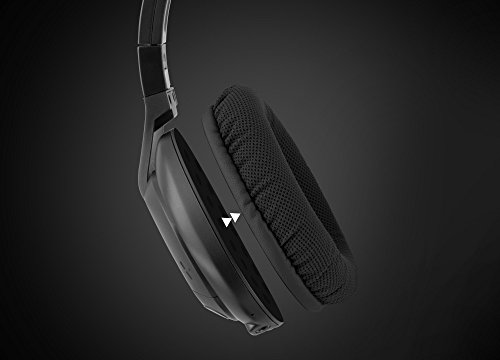
  • Removable and washable ear pads help maintain hygiene after sweaty workouts
  • Long battery life (approx. 24 hours) with a helpful fast-charging feature
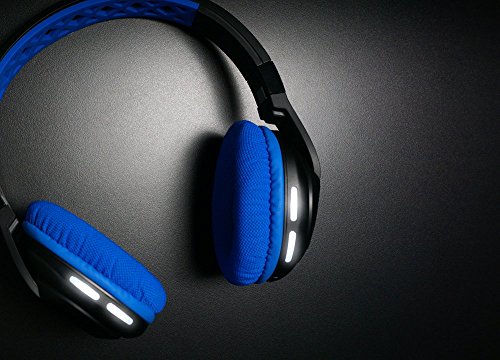
  • Built-in LED safety lights provide visibility for nighttime running
  • Large, tactile buttons make controls easy to use during intensive activity
  • Solid Bluetooth connectivity with minimal dropouts and decent range
  • Includes a high-quality hard-shell carrying case with a carabiner

What customers don't like about Soul Electronics X Tra

  • Sound quality is considered only passable or middling, often lacking clarity and detail
  • Insufficient clamping force causes them to slide off during horizontal exercises like bench presses
  • No active noise cancellation (ANC), though over-ear design provides some passive isolation
  • Heavily skewed toward high-end/bright frequencies, which can sound thin without EQ adjustment
  • Uses an outdated Micro-USB charging port instead of the modern USB-C
  • Lacks a dedicated button for voice assistants like Siri or Google Assistant
  • Hinges can feel a bit sharp or less premium compared to high-end competitors

Verdict

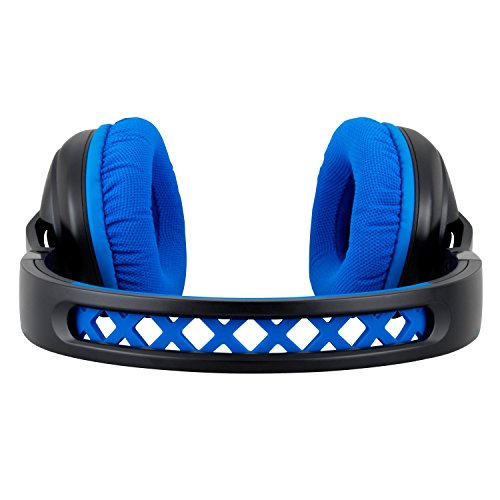
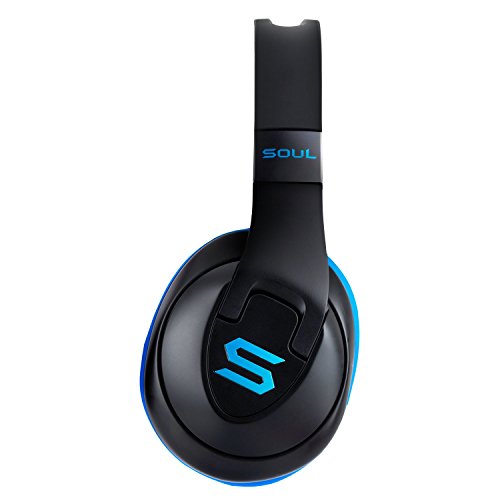
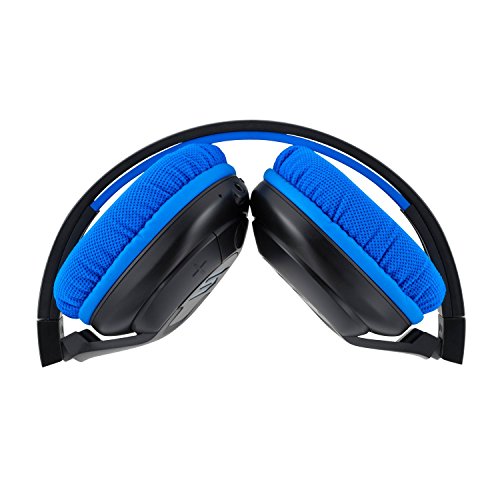
The Soul Electronics X-TRA is a lightweight, 198g wireless over-ear headphone specifically engineered for high-intensity sports, featuring 40mm dynamic drivers with neodymium magnets and a frequency response of 20Hz–20kHz. Its primary characteristics include a breathable, non-padded silicone headband for airflow, dual-mode rear safety LEDs for nighttime visibility, and moisture-wicking, removable, and washable ear cushions for hygiene. Key pros include a robust 24-hour battery life (extending to 2.5 hours with a 15-minute fast charge), a compact foldable design with an included hard carry case, and reliable physical media controls. However, notable cons include a lack of active noise cancellation, the use of an older Micro-USB charging port instead of USB-C, and a relatively loose clamping force that may cause the headset to slip during horizontal exercises like bench presses.

Compare Soul Electronics X Tra with other products in the Headphones category

1Product to compare no. 1
VS
2Product to compare no. 2
VS
3Product to compare no. 3 (optional)

Graphic comparison of Soul Electronics X Tra and other products in the Headphones category

No results found