Sony MDR ZX220BT Review | 93 Data compared

double-arrow
  • Avg. price in UK: ~£70
  • Avg. price in US: ~$80
  • Form factor: on-ear
  • Connectivity: wireless
  • Battery life: 8 hours
  • Active noise cancellation (ANC): no

Sony MDR ZX220BT review. Compare 93 technical specifications and user reviews to see how it ranks among headphones and if it is worth buying.

5.2

Overall score

What it is: An overall evaluation of the headphones' quality, based on technical analyses and user reviews.

When it matters: When you need a quick reference to identify the best headphones on the market.

Score components:

80.0%

4.6

Technical Score

20.0%

7.8

User score

Good
4.6

Technical Score

What it is: An assessment of the headphones' technical performance, covering key areas such as sound quality, noise cancelling, microphone performance, battery life, comfort, connectivity, features, and build quality.

When it matters: When you want to compare headphones based on technical performance and available features.

Score components:

52.0%

4.4

Sound

20.0%

4.4

Features

10.0%

6.9

Design

8.0%

3.9

Connectivity

6.0%

3.4

Battery

4.0%

5.2

Calls & Controls

Poor
7.8

User score

What it is: A rating that combines user reviews and the total number of reviews received by the headphones.

When it matters: When you want to understand how headphones perform in real listening and how reliable they are in terms of comfort, audio quality, battery life, and long-term use.

Score components:

70.0%

8.4

User reviews

30.0%

6.5

Popularity

User score:
United Kingdom
amazon
4.2
(246)
United States
Amazon_logo.png
4.2
(246)

(Reviews last updated: June 2026)

Very good
  • 5.6
    Gaming

    Score components:

    35.0%

    9.0

    Audio latency

    25.0%

    1.0

    Low-latency game mode

    20.0%

    10

    Can be used as a headset

    12.0%

    1.0

    Noise-canceling microphone

    8.0%

    1.0

    Battery life

  • 2.0
    Travel

    Score components:

    28.0%

    1.0

    Active noise cancellation (ANC)

    24.0%

    1.0

    Battery life

    18.0%

    7.3

    Weight

    16.0%

    1.0

    Multipoint support

    14.0%

    0.0

    Ambient sound mode

  • 3.2
    Calls

    Score components:

    28.0%

    1.0

    Noise-canceling microphone

    24.0%

    10

    Can be used as a headset

    18.0%

    1.0

    Multipoint support

    16.0%

    1.0

    Battery life

    14.0%

    1.0

    Companion app

  • 4.5
    Workout

    Score components:

    28.0%

    7.3

    Weight

    24.0%

    1.0

    Water resistance

    20.0%

    4.0

    IP rating

    16.0%

    1.0

    Battery life

    12.0%

    10

    Can be used as a headset

  • sony-mdr-zx220bt
  • sony-mdr-zx220bt
  • sony-mdr-zx220bt
  • sony-mdr-zx220bt
sony-mdr-zx220bt
sony-mdr-zx220bt
sony-mdr-zx220bt
sony-mdr-zx220bt

Best prices in UK

Best rankings

?

Available: ranking among products currently available (including other versions of this product).
All: ranking among all products in the database.

Verdict

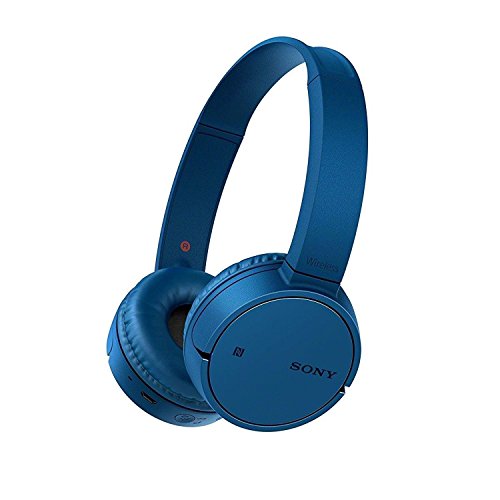
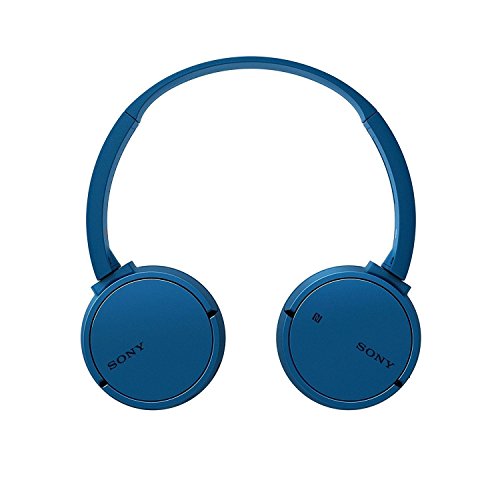
The Sony MDR-ZX220BT is a lightweight (130g) on-ear wireless headphone featuring 30mm dome drivers and a frequency response of 20Hz–20,000Hz. It utilizes Bluetooth 4.1 with NFC one-touch pairing for quick connectivity and includes a built-in microphone for hands-free calling. Key pros include its highly portable swivel-folding design, integrated volume and track controls, and an affordable price point. However, it is limited by a relatively short 8-hour battery life (requiring a 2.5-hour charge), a non-padded plastic headband that can cause discomfort during long sessions, and the lack of a wired backup option when the battery is depleted.

Technical Specifications of Sony MDR ZX220BT

Technical Score

What it is: An assessment of the headphones' technical performance, covering key areas such as sound quality, noise cancelling, microphone performance, battery life, comfort, connectivity, features, and build quality.

When it matters: When you want to compare headphones based on technical performance and available features.

Score components:

52.0%

4.4

Sound

20.0%

4.4

Features

10.0%

6.9

Design

8.0%

3.9

Connectivity

6.0%

3.4

Battery

4.0%

5.2

Calls & Controls

4.6
Sony MDR ZX220BT has a technical score of 4.56 points, which is lower than that of 68.4% of products in this category.
User score

What it is: A rating that combines user reviews and the total number of reviews received by the headphones.

When it matters: When you want to understand how headphones perform in real listening and how reliable they are in terms of comfort, audio quality, battery life, and long-term use.

Score components:

70.0%

8.4

User reviews

30.0%

6.5

Popularity

User score:
United Kingdom
amazon
4.2
(246)
United States
Amazon_logo.png
4.2
(246)

(Reviews last updated: June 2026)

7.8
Sony MDR ZX220BT has a user score of 7.83 points, which is lower than that of 64.2% of products in this category.
Popularity
What it is: An indicator based on the number of reviews received by the headphones.
When it matters: When you prefer headphones that have already been chosen and reviewed by many other users.
6.5
Sony MDR ZX220BT has a popularity of 6.5 points, which is higher than 60.1% of products in this category.
Ratio quality/price

What it is: An indicator that combines the headphones' overall rating with their cost.

When it matters: When you are looking for headphones that offer a strong balance of performance, features, and price.

Score components:

60.0%

5.2

Overall score

40.0%

10

Price

6.7
Sony MDR ZX220BT has a quality-to-price ratio of 6.7 points, which is higher than 45.2% of products in this category.
Active noise cancellation (ANC)
What it is: Reduces background noise using active technology
When it matters: When blocking office, travel, or aircraft noise is a priority.

Importance: HIGH

no
Sony MDR ZX220BT does not support active noise cancellation. 27.4% of headphones support active noise cancellation.
Driver type
What it is: Type of speaker driver technology used
When it matters: When the underlying sound character and driver technology matter to you.

Importance: MEDIUM

dynamic
Driver size
What it is: Diameter of the speaker driver unit
When it matters: When you want extra hardware context behind how the headphones may handle bass weight, scale, or overall presentation.

Importance: MEDIUM

30 mm
Sony MDR ZX220BT uses a driver size of 30 mm, smaller driver size than 77.7% of headphones and equal to 4.1% of headphones.
Number of drivers
What it is: Total number of speaker drivers per earcup
When it matters: When multi-driver designs are part of your buying criteria.

Importance: LOW

1
Sony MDR ZX220BT uses 1 drivers, equal to 96% of headphones.
Lowest frequency
What it is: Lowest audio frequency the headphones can reproduce
When it matters: When deeper bass extension matters for your music or movie listening.

Importance: MEDIUM

Good value: <=10 Hz

20 Hz
Sony MDR ZX220BT reaches a lowest frequency of 20 Hz, higher lowest frequency than 50.6% of headphones and equal to 47.5% of headphones.
Show more
Noise-canceling microphone
What it is: Built-in microphone reduces background noise during calls
When it matters: When you take calls in busy spaces and want your voice to stay clearer.

Importance: MEDIUM

no
Sony MDR ZX220BT does not support a noise-canceling microphone. 45.6% of headphones support noise-canceling microphones.
Can be used as a headset
What it is: Shows whether the headphones can handle voice chat and calls in addition to normal audio playback.
When it matters: When one pair needs to cover music, calls, meetings, and gaming chat.

Importance: MEDIUM

yes
Sony MDR ZX220BT is headset-ready, 84.7% is not. 15.3% of headphones can be used as headsets.
Number of microphones
What it is: Total number of built-in microphones
When it matters: When call pickup quality and beamforming support matter to you.

Importance: LOW

Good value: >=2

1
Sony MDR ZX220BT has 1 microphones, more microphones than 25.9% of headphones and equal to 52.2% of headphones.
Boom microphone
What it is: Includes detachable boom microphone for voice clarity
When it matters: When you need stronger voice clarity for gaming, streaming, or work calls.

Importance: LOW

no
Sony MDR ZX220BT does not include a boom microphone. 15.6% of headphones have a boom microphone.
Microphone SNR
What it is: Signal-to-noise ratio of the microphone
When it matters: When call clarity matters and you want your voice picked up more cleanly instead of buried in background hiss.

Importance: LOW

Good value: >80 dB

?
Show more
Connectivity
What it is: Available connection methods (wired, wireless, Bluetooth, etc.)
When it matters: When the headphones need to match how you listen across wired and wireless devices.

Importance: HIGH

wireless
Sony MDR ZX220BT supports wireless connectivity, more flexible connectivity than 52.6% of headphones and equal to 47.4% of headphones.
Bluetooth version
What it is: Version of Bluetooth technology supported
When it matters: When wireless stability, efficiency, and feature support matter more than treating Bluetooth as a box-check spec.

Importance: MEDIUM

Good value: >=5.0

4.1
Sony MDR ZX220BT uses Bluetooth version 4.1, newer Bluetooth version than 62.2% of headphones and equal to 5.3% of headphones.
Maximum Bluetooth range
What it is: Maximum wireless operating distance from source device
When it matters: When you move around rooms and want fewer dropouts from your source device.

Importance: LOW

Good value: >=10 m

10 m
Sony MDR ZX220BT offers a Bluetooth range of 10 m, higher Bluetooth range than 2.6% of headphones and equal to 79.9% of headphones.
Audio latency
What it is: Delay between audio and video in wireless mode
When it matters: When you watch video or play games and need sound to stay in sync.

Importance: HIGH

Good value: <60 ms

?
Multipoint support
What it is: Supports simultaneous connections to multiple devices
When it matters: When you switch often between a phone and a laptop during the day.

Importance: MEDIUM

no
Sony MDR ZX220BT does not support multipoint. 65.1% of headphones support multipoint.
Show more
Ambient sound mode
What it is: Allows external sounds to pass through for awareness
When it matters: When you need to stay aware of traffic, voices, or announcements.

Importance: MEDIUM

N/A
EQ support
What it is: Allows customization of sound profile via equalizer
When it matters: When the stock tuning is not enough and you want to shape bass, mids, or treble to match your taste.

Importance: MEDIUM

yes
Sony MDR ZX220BT supports EQ customization. 76.8% of headphones support EQ.
Companion app
What it is: Dedicated mobile app for customization and updates
When it matters: When software customization, updates, and extra controls matter.

Importance: MEDIUM

no
Sony MDR ZX220BT does not work with a companion app. 44.4% of headphones support companion apps.
Adjustable ANC levels
What it is: Allows adjustment of noise cancellation intensity levels
When it matters: When you move between quiet rooms, offices, streets, and public transport and do not want one ANC setting for every situation.

Importance: LOW

Good value: >=4

N/A
Voice assistant support
What it is: Compatible with voice assistants like Siri, Alexa, or Google Assistant
When it matters: When hands-free control is part of your daily routine.

Importance: LOW

yes
Sony MDR ZX220BT supports voice assistants. 39.2% of headphones support voice assistants.
Show more
Battery life
What it is: Playback time on a single charge
When it matters: When you commute, travel, or work long shifts and do not want charging breaks to interrupt listening.

Importance: HIGH

Good value: >45 hours

8 hours
Sony MDR ZX220BT offers battery life of 8 hours, lower battery life than 93.8% of headphones and equal to 3.9% of headphones.
Battery life with ANC
What it is: Playback time with active noise cancellation enabled
When it matters: When you plan to keep noise cancellation on for most of the day.

Importance: HIGH

Good value: >40 hours

N/A
Charging time
What it is: Time required for a full battery charge
When it matters: When you often need the headphones ready again after short breaks.

Importance: MEDIUM

Good value: <=2 hours

2.5 hours
Sony MDR ZX220BT needs 2.5 hours to charge, higher charging time than 52.4% of headphones and equal to 12.9% of headphones.
Quick charge
What it is: Provides quick playback time with short charging period
When it matters: When a short top-up needs to deliver useful playback before you leave.

Importance: MEDIUM

no
Sony MDR ZX220BT does not support quick charging. 69.1% of headphones support quick charge.
Battery capacity
What it is: Total energy storage of the internal battery
When it matters: When you are estimating how much battery headroom the design may have before relying only on the official runtime claim.

Importance: MEDIUM

Good value: >=720 mAh

150 mAh
Sony MDR ZX220BT has a battery capacity of 150 mAh, lower battery capacity than 97.3% of headphones.
Show more
Brand name
What it is: The manufacturer or brand of the product.
When it matters: When you prefer a specific ecosystem, support network, or design philosophy.

Importance: MEDIUM

Sony
Form factor
What it is: Overall design type of the headphones (over-ear, on-ear, in-ear, etc.)
When it matters: When comfort, portability, and isolation depend on the overall headphone style.

Importance: HIGH

on-ear
Weight
What it is: Total weight of the headphones
When it matters: When long listening sessions make wearing comfort more important.

Importance: MEDIUM

Good value: <150 g

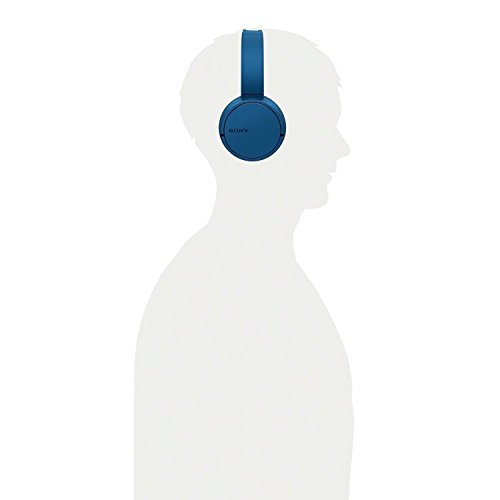
130 g
Sony MDR ZX220BT weighs 130 g, lighter than 74.1% of headphones and equal to 0.7% of headphones.
Acoustic design
What it is: Type of acoustic design (open-back, closed-back, semi-open)
When it matters: When you need the right balance of isolation, leakage, and soundstage.

Importance: HIGH

closed-back
Clamp force
What it is: Amount of clamping pressure applied to the head
When it matters: When comfort and fit security matter during long sessions.

Importance: MEDIUM

?
Show more

Sony MDR ZX220BT vs the average headphone

  • EQ customization
    Sony MDR ZX220BT supports EQ customization, the average headphone does not. 23.3% of headphones support EQ.
    What it is: Allows customization of sound profile via equalizer
    When it matters: When the stock tuning is not enough and you want to shape bass, mids, or treble to match your taste.

    Importance: MEDIUM

    Sony MDR ZX220BT supports EQ customization, the average headphone does not. 23.3% of headphones support EQ.
  • More flexible connectivity
    Sony MDR ZX220BT offers more flexible connectivity than the average headphone (wireless vs wired). The average headphones support wired connectivity.
    What it is: Available connection methods (wired, wireless, Bluetooth, etc.)
    When it matters: When the headphones need to match how you listen across wired and wireless devices.

    Importance: HIGH

    Sony MDR ZX220BT offers more flexible connectivity than the average headphone (wireless vs wired). The average headphones support wired connectivity.wireless vs wired
  • 40.4% lower weight
    Sony MDR ZX220BT is lighter than the average headphone (130 g vs 218 g). The average pair of headphones weighs 218 g.
    What it is: Total weight of the headphones
    When it matters: When long listening sessions make wearing comfort more important.

    Importance: MEDIUM

    Good value: <150 g

    Sony MDR ZX220BT is lighter than the average headphone (130 g vs 218 g). The average pair of headphones weighs 218 g.130 g vs 218 g
  • On-device controls
    Sony MDR ZX220BT includes on-device controls, the average headphone does not. 46.8% of headphones support on-device controls.
    What it is: Physical controls available directly on headphones
    When it matters: When you need playback, volume, or call controls to be easy to reach without pulling out your phone.

    Importance: MEDIUM

    Sony MDR ZX220BT includes on-device controls, the average headphone does not. 46.8% of headphones support on-device controls.
  • Sidetone support
    Sony MDR ZX220BT supports sidetone, the average headphone does not. 29.7% of headphones support sidetone.
    What it is: Lets users hear their own voice during calls
    When it matters: When long calls matter and you do not want to sound unnaturally loud in your own ears while speaking.

    Importance: LOW

    Sony MDR ZX220BT supports sidetone, the average headphone does not. 29.7% of headphones support sidetone.
  • Rechargeable battery
    Sony MDR ZX220BT has a rechargeable battery, the average headphone does not. 47.9% of headphones have a rechargeable battery.
    What it is: Shows whether the headphones rely on an internal rechargeable battery instead of replaceable disposable cells.
    When it matters: When you expect regular wireless use and want charging convenience instead of buying and replacing disposable batteries.

    Importance: MEDIUM

    Sony MDR ZX220BT has a rechargeable battery, the average headphone does not. 47.9% of headphones have a rechargeable battery.
  • 40.4% lower weight
    Sony MDR ZX220BT is lighter than the average headphone (130 g vs 218 g). The average pair of headphones weighs 218 g.
  • Rechargeable battery
    Sony MDR ZX220BT has a rechargeable battery, the average headphone does not. 47.9% of headphones have a rechargeable battery.
  • More flexible connectivity
    Sony MDR ZX220BT offers more flexible connectivity than the average headphone (wireless vs wired). The average headphones support wired connectivity.
  • On-device controls
    Sony MDR ZX220BT includes on-device controls, the average headphone does not. 46.8% of headphones support on-device controls.
  • Sidetone support
    Sony MDR ZX220BT supports sidetone, the average headphone does not. 29.7% of headphones support sidetone.
  • EQ customization
    Sony MDR ZX220BT supports EQ customization, the average headphone does not. 23.3% of headphones support EQ.
  • Fixed cable
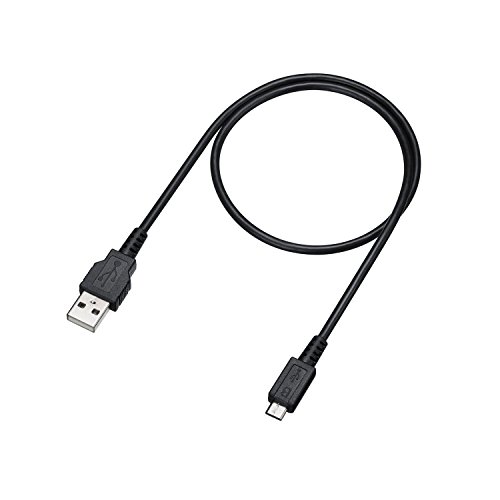
    Sony MDR ZX220BT has a fixed cable, while the average headphone has a detachable one. 62% of headphones have a detachable cable.
  • Tangle-prone cable
    Sony MDR ZX220BT uses a tangle-prone cable, while the average headphone is easier to manage. 64.2% of headphones use a tangle-free cable.
    no tangle-free listening cable is present or specified.
  • No travel bag
    Sony MDR ZX220BT does not include a travel bag, the average headphone does. 65.2% of headphones include a travel bag.
  • 10 mm smaller driver size
    Sony MDR ZX220BT has smaller driver size than the average headphone (30 mm vs 40 mm). The average headphones use a driver size of 40 mm.
  • 2 Hz weaker bass extension
    Sony MDR ZX220BT has a higher lowest frequency than the average headphone (20 Hz vs 18 Hz). The average headphones reach a lowest frequency of 18 Hz.
  • 2 dB/mW lower sensitivity
    Sony MDR ZX220BT has a lower sensitivity than the average headphone (100 dB/mW vs 102 dB/mW). The average headphones have sensitivity of 102 dB/mW.
  • 97.5% lower input power handling
    Sony MDR ZX220BT has a lower max input power than the average headphone (2.5 mW vs 100 mW). The average headphones handle max input power of 100 mW.
  • 22 hours shorter battery life
    Sony MDR ZX220BT has a lower battery life than the average headphone (8 hours vs 30 hours). The average headphones offer battery life of 30 hours.
  • 0.5 hours longer charging time
    Sony MDR ZX220BT has a higher charging time than the average headphone (2.5 hours vs 2 hours). The average headphones need 2 hours to charge.
  • 75% lower battery capacity
    Sony MDR ZX220BT has a lower battery capacity than the average headphone (150 mAh vs 600 mAh). The average headphones have a battery capacity of 600 mAh.
  • 10 mm smaller driver size
    Sony MDR ZX220BT has smaller driver size than the average headphone (30 mm vs 40 mm). The average headphones use a driver size of 40 mm.
    What it is: Diameter of the speaker driver unit
    When it matters: When you want extra hardware context behind how the headphones may handle bass weight, scale, or overall presentation.

    Importance: MEDIUM

    Sony MDR ZX220BT has smaller driver size than the average headphone (30 mm vs 40 mm). The average headphones use a driver size of 40 mm.30 mm vs 40 mm
  • Fixed cable
    Sony MDR ZX220BT has a fixed cable, while the average headphone has a detachable one. 62% of headphones have a detachable cable.
    What it is: Cable can be removed or replaced
    When it matters: When you care about easier cable replacement, simpler storage, or the option to swap to shorter, longer, or upgraded leads.

    Importance: MEDIUM

    Sony MDR ZX220BT has a fixed cable, while the average headphone has a detachable one. 62% of headphones have a detachable cable.
  • 22 hours shorter battery life
    Sony MDR ZX220BT has a lower battery life than the average headphone (8 hours vs 30 hours). The average headphones offer battery life of 30 hours.
    What it is: Playback time on a single charge
    When it matters: When you commute, travel, or work long shifts and do not want charging breaks to interrupt listening.

    Importance: HIGH

    Good value: >45 hours

    Sony MDR ZX220BT has a lower battery life than the average headphone (8 hours vs 30 hours). The average headphones offer battery life of 30 hours.8 hours vs 30 hours
  • 0.5 hours longer charging time
    Sony MDR ZX220BT has a higher charging time than the average headphone (2.5 hours vs 2 hours). The average headphones need 2 hours to charge.
    What it is: Time required for a full battery charge
    When it matters: When you often need the headphones ready again after short breaks.

    Importance: MEDIUM

    Good value: <=2 hours

    Sony MDR ZX220BT has a higher charging time than the average headphone (2.5 hours vs 2 hours). The average headphones need 2 hours to charge.2.5 hours vs 2 hours
  • 75% lower battery capacity
    Sony MDR ZX220BT has a lower battery capacity than the average headphone (150 mAh vs 600 mAh). The average headphones have a battery capacity of 600 mAh.
    What it is: Total energy storage of the internal battery
    When it matters: When you are estimating how much battery headroom the design may have before relying only on the official runtime claim.

    Importance: MEDIUM

    Good value: >=720 mAh

    Sony MDR ZX220BT has a lower battery capacity than the average headphone (150 mAh vs 600 mAh). The average headphones have a battery capacity of 600 mAh.150 mAh vs 600 mAh
  • 2 Hz weaker bass extension
    Sony MDR ZX220BT has a higher lowest frequency than the average headphone (20 Hz vs 18 Hz). The average headphones reach a lowest frequency of 18 Hz.
    What it is: Lowest audio frequency the headphones can reproduce
    When it matters: When deeper bass extension matters for your music or movie listening.

    Importance: MEDIUM

    Good value: <=10 Hz

    Sony MDR ZX220BT has a higher lowest frequency than the average headphone (20 Hz vs 18 Hz). The average headphones reach a lowest frequency of 18 Hz.20 Hz vs 18 Hz
  • Tangle-prone cable
    Sony MDR ZX220BT uses a tangle-prone cable, while the average headphone is easier to manage. 64.2% of headphones use a tangle-free cable.
    no tangle-free listening cable is present or specified.
    What it is: Cable designed to resist tangling
    When it matters: When you often carry wired headphones in a bag or pocket.

    Importance: LOW

    Sony MDR ZX220BT uses a tangle-prone cable, while the average headphone is easier to manage. 64.2% of headphones use a tangle-free cable.
  • No travel bag
    Sony MDR ZX220BT does not include a travel bag, the average headphone does. 65.2% of headphones include a travel bag.
    What it is: Comes with a protective carrying case or pouch
    When it matters: When protection in transit matters right out of the box.

    Importance: LOW

    Sony MDR ZX220BT does not include a travel bag, the average headphone does. 65.2% of headphones include a travel bag.

Graphic comparison of Sony MDR ZX220BT and

Attribute category
Attribute
No results found

Third-party reviews

United Kingdom
United States

(Reviews last updated: June 2026)

What customers like about Sony MDR ZX220BT?

  • Excellent value for the price, especially when found on sale
  • Balanced and clear sound quality with decent highs and mids
  • Reliable Bluetooth and NFC pairing that connects quickly to smartphones
  • Long-lasting battery life, typically providing 8–10 hours of playback
  • Lightweight and portable swivel-flat design
  • Effective built-in microphone for clear hands-free calls

What customers dislike about Sony MDR ZX220BT?

  • On-ear design can cause ear fatigue or discomfort after 1–2 hours of use
  • Build quality feels somewhat cheap and plasticky
  • Lack of a 3.5mm auxiliary port for wired listening when the battery is dead
  • No active noise cancellation (ANC), leading to poor isolation in loud environments
  • Charging time is relatively slow, taking about an hour for a full charge
  • Volume levels may not be loud enough for some users in noisy cardio areas

Expert reviews

L
leclaireur.fnac.com
29/11/2016

The Labo Fnac review evaluates the Sony MDR-ZX220BT as a good, lightweight (136 grams) on-ear, closed-back wireless headset that balances strong performance areas with notable weaknesses. The laboratory testing reveals excellent audio fidelity with a frequency response score of 7.8 and a solid distortion score of 7.5. Its standout performance attribute is its perfect sound leakage...Read more

I
it.webuy.com
01/07/2026

The Sony MDR-ZX220BT is a wireless on-ear Bluetooth headphone model featured on CeX. A major benefit is its NFC One-touch technology for instant device pairing. The hardware utilizes 1.18-inch (30 mm) dome drivers to output clear, dynamic audio. It includes an integrated microphone and convenient on-ear buttons for hands-free call control. Furthermore, a flat-folding swivel design...Read more

Video reviews

Compare Sony MDR ZX220BT with

VS
VS

Compare