Scored using Headphones Methodology v3.0
Headphones Methodology v3.0
Mathematical & Unbiased Scoring
Products in this category are scored under Frontum Headphones Methodology v3.0: the technical score from the specifications is the base, and independent expert and video reviews (up to ±0.5 points), owner opinions (up to ±0.3) and best-of lists (up to +0.3) move it up or down.
Explore Headphones Methodology v3.0

Philips TAK4200 review: 92 specs compared

Avg. price:~£?Form factor:on-earConnectivity:wirelessBattery life:45 hoursActive noise cancellation (ANC):no

Philips TAK4200 Review: Compare 92 technical specifications to see how this product ranks in the Headphones category and whether it is worth buying.
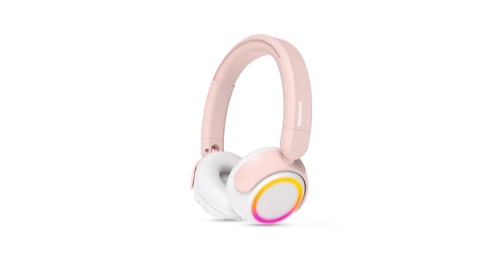
Philips TAK4200
7.0/10

Overall score

Score
7.0/ 10
✕
What it is
Our main score for this model, 1–10. It combines specs, best-of lists, expert reviews and owners.
How we count it
Parts: Technical score 40%, List score 30%, Reviews score 25%, Sentiment score 5%
Marks: Each part gets a mark out of 10. For reviews, lists and owners, a typical model in this category gets about 8 and the best one gets 10.
No data yet: A part with no data shows "?". It counts as the mark of a weaker model in this category (4 in 5 models with data score higher). This way, models with reviews, lists and owners usually come out ahead.
Score distribution
<55-66-77-88-99-10
Score components

40%

6.3

Technical score

30%

?

List scoreNot enough data yet, so we use 7.5, the mark of a weaker model in this category

25%

?

Reviews scoreNot enough data yet, so we use 7.7, the mark of a weaker model in this category

5%

?

Sentiment scoreNot enough data yet, so we use 6.3, the mark of a weaker model in this category

â–²Better than 55% of headphones
6.3

Technical score

Technical score
6.3/ 10
✕
What it is
How good the specs are compared with the other models in this category, 1–10.
How we count it
Areas: We rate the specs in each area against the other models in this category.
Weighting: The areas that matter most to buyers count more. The shares are shown under Score components.
Share: The technical score is 40% of the overall score.
Score distribution
<55-66-77-88-99-10
Score components

52%

6.0

Sound

20%

4.9

Features

10%

8.1

Design

8%

6.7

Connectivity

6%

8.0

Battery

4%

8.6

Calls & Controls

â–²Better than 64%
?

Reviews score

Reviews score
✕
What it is
Average grade from independent test sites, magazines and video reviewers, 1–10.
How we count it
Grades: Each review's own score is converted to 1–10; without one, we grade the review ourselves. Big test sites count more, short reviews half as much as full tests. A video review counts half.
Score: The average grade is 80% of the review mark; the number of reviews is the other 20% (1 review = 5, the typical number in this category = 8, the most-reviewed model = 10).
Enough data: With few reviews, the average grade is pulled toward the typical grade of this category. No reviews yet: 7.7 for now.
Share: Reviews count 25% of the overall score.
Score distribution
<55-66-77-88-99-10
Grades by review (0)
We have not found an independent test of this model yet. Until we do, its review part counts as 7.7.
User ratings collected online are not part of this score.
No expert tests yet
?

Sentiment score

Sentiment score
6.3/ 10
✕
What it is
How positive owners are about this model in their comments under video reviews and on forums. We read each comment, keep only people who say they own the model, and sort them into positive, mixed or negative.
How we count it
Score: We compare how satisfied this model’s owners are with the other models in this category: the typical model gets 8, the most satisfied tenth 10, the least satisfied 4. This is 80% of the owner mark; the number of owners is the other 20%.
Enough data: A model counts with 10+ owners from 4+ different discussions. With fewer, the owner part changes nothing.
Share: Owners count 5% of the overall score (left out in categories where fewer than 10 models have enough owner comments).
Score distribution
<55-66-77-88-99-10
Owners (0)
Not enough owner comments yet (10+ owners from 4+ discussions needed), so the owner part changes nothing.
Our own analysis of online owner opinions, not a rating from any website.
Not enough owner comments yet
?

List score

List score
7.5/ 10
✕
What it is
How often independent test sites, magazines and video reviewers put this model in their best-of lists for this category.
How we count it
Points: The model in the most lists of this category gets 10; the others get 8 to 10 in proportion. In no list yet: 7.5. Lists count 30% of the overall score.
Enough data: Every list counts, even a single one. With fewer than 10 best-of lists in the category, this part is left out.
Lists with this model (0)
Not in any best-of list yet, so this part counts as 7.5. Models in a list get 8 to 10.
Not in any best-of list yet
  • philips-tak4200
philips-tak4200
Where to buy
    N/A~ £?
Best rankings
Available: ranking among products currently available (including other versions of this product).All: ranking among all products in the database.
Loading...
Loading category ranking...

Technical Specifications of pair of headphones Philips TAK4200

Technical score
Technical score
6.3/ 10
✕
What it is
How good the specs are compared with the other models in this category, 1–10.
How we count it
Areas: We rate the specs in each area against the other models in this category.
Weighting: The areas that matter most to buyers count more. The shares are shown under Score components.
Share: The technical score is 40% of the overall score.
Score distribution
<55-66-77-88-99-10
Score components:

52%

6.0

Sound

20%

4.9

Features

10%

8.1

Design

8%

6.7

Connectivity

6%

8.0

Battery

4%

8.6

Calls & Controls

6.3
Reviews score
7.7
Sentiment score
?
List score
?
Value for money
Value for money
0.0/ 10
✕
What it is
An indicator that combines the headphones' overall rating with their cost.
When it matters
When you are looking for headphones that offer a strong balance of performance, features, and price.
Score distribution
<55-66-77-88-99-10
Score components:

70%

7.0

Overall score

30%

?

Price

0.0
Active noise cancellation (ANC)
no
This pair of headphones does not support active noise cancellation. 28.1% of headphones support active noise cancellation.
Driver type
dynamic
Driver size
32 mm
This pair of headphones uses a driver size of 32 mm, smaller driver size than 71.3% of headphones and equal to 2.9% of headphones.
Number of drivers
1
This pair of headphones uses 1 drivers, fewer drivers than 4.4% of headphones and equal to 95.6% of headphones.
Lowest frequency
20 Hz
This pair of headphones reaches a lowest frequency of 20 Hz, lower lowest frequency than 1.8% of headphones and equal to 49.8% of headphones.
Show more
Noise-canceling microphone
yes
This pair of headphones supports a noise-canceling microphone. 59.4% of headphones support noise-canceling microphones.
Can be used as a headset
yes
This pair of headphones is headset-ready, 85.3% is not. 14.7% of headphones can be used as headsets.
Number of microphones
1
This pair of headphones has 1 microphones, more microphones than 25.9% of headphones and equal to 50.3% of headphones.
Boom microphone
no
This pair of headphones does not include a boom microphone. 13% of headphones have a boom microphone.
Microphone SNR
N/A
Show more
Connectivity
wireless
This pair of headphones supports wireless connectivity, more flexible connectivity than 49.9% of headphones and equal to 50.1% of headphones.
Bluetooth version
5.4
This pair of headphones uses Bluetooth version 5.4, newer Bluetooth version than 94.1% of headphones and equal to 4.8% of headphones.
Maximum Bluetooth range
10 m
This pair of headphones offers a Bluetooth range of 10 m, higher Bluetooth range than 2.5% of headphones and equal to 81.4% of headphones.
Audio latency
?
Multipoint support
yes
This pair of headphones supports multipoint. 68.2% of headphones support multipoint.
Show more
Ambient sound mode
no
This pair of headphones does not offer ambient sound mode. 25.6% of headphones support ambient sound mode.
EQ support
no
This pair of headphones does not support EQ customization. 24.8% of headphones support EQ.
Companion app
?
Adjustable ANC levels
N/A
Voice assistant support
?
Show more
Battery life
45 hours
This pair of headphones offers battery life of 45 hours, higher battery life than 69.3% of headphones and equal to 2.2% of headphones.
Battery life with ANC
N/A
Charging time
2 hours
This pair of headphones needs 2 hours to charge, lower charging time than 46.9% of headphones and equal to 40.4% of headphones.
Quick charge
yes
This pair of headphones supports quick charge. 65.4% of headphones support quick charge.
Battery capacity
300 mAh
This pair of headphones has a battery capacity of 300 mAh, lower battery capacity than 81.4% of headphones and equal to 6.3% of headphones.
Show more
Form factor
on-ear
Weight
?
Acoustic design
closed-back
Clamp force
?
Earcup inner height
N/A
Show more

Philips TAK4200 vs the average pair of headphones

246810TotalDesignSoundBatteryConnectivityCalls & ControlsFeatures
  • Multipoint support
    This pair of headphones supports multipoint, the average pair of headphones does not. 31.8% of headphones support multipoint.
  • Clear call microphone
    This pair of headphones offers a clear call microphone, while the average pair of headphones does not. 40.7% of headphones support noise-canceling microphones.
  • Quick charge support
    This pair of headphones supports quick charge, the average pair of headphones does not. 34.7% of headphones support quick charge.
  • On-device controls
    This pair of headphones includes on-device controls, the average pair of headphones does not. 48.7% of headphones support on-device controls.
  • In-line controls
    This pair of headphones includes in-line controls, the average pair of headphones does not. 35.5% of headphones support in-line controls.
  • 15 hours longer battery life
    This pair of headphones has a higher battery life than the average pair of headphones (45 hours vs 30 hours). The average headphones offer battery life of 30 hours.
    45 hours vs 30 hours
  • Foldable design
    This pair of headphones has a foldable design, the average pair of headphones does not. 46.6% of headphones are foldable.
  • USB-C charging
    This pair of headphones uses USB-C charging, the average pair of headphones does not. 32.3% of headphones use USB Type-C.
  • Foldable design
    This pair of headphones has a foldable design, the average pair of headphones does not. 46.6% of headphones are foldable.
  • Quick charge support
    This pair of headphones supports quick charge, the average pair of headphones does not. 34.7% of headphones support quick charge.
  • 15 hours longer battery life
    This pair of headphones has a higher battery life than the average pair of headphones (45 hours vs 30 hours). The average headphones offer battery life of 30 hours.
    45 hours vs 30 hours
  • USB-C charging
    This pair of headphones uses USB-C charging, the average pair of headphones does not. 32.3% of headphones use USB Type-C.
  • Rechargeable battery
    This pair of headphones has a rechargeable battery, the average pair of headphones does not. 49.7% of headphones have a rechargeable battery.
  • Multipoint support
    This pair of headphones supports multipoint, the average pair of headphones does not. 31.8% of headphones support multipoint.
  • Clear call microphone
    This pair of headphones offers a clear call microphone, while the average pair of headphones does not. 40.7% of headphones support noise-canceling microphones.
  • On-device controls
    This pair of headphones includes on-device controls, the average pair of headphones does not. 48.7% of headphones support on-device controls.
  • In-line controls
    This pair of headphones includes in-line controls, the average pair of headphones does not. 35.5% of headphones support in-line controls.
  • 8 mm smaller drivers
    This pair of headphones has smaller drivers than the average pair of headphones (32 mm vs 40 mm). The average pair of headphones has a driver size of 40 mm.
    32 mm vs 40 mm
  • 46.4% lower battery capacity
    This pair of headphones has a lower battery capacity than the average pair of headphones (300 mAh vs 560 mAh). The average headphones have a battery capacity of 560 mAh.
    300 mAh vs 560 mAh
  • No travel bag
    This pair of headphones does not include a travel bag, the average pair of headphones does. 62.4% of headphones include a travel bag.
  • No travel bag
    This pair of headphones does not include a travel bag, the average pair of headphones does. 62.4% of headphones include a travel bag.
  • 8 mm smaller drivers
    This pair of headphones has smaller drivers than the average pair of headphones (32 mm vs 40 mm). The average pair of headphones has a driver size of 40 mm.
    32 mm vs 40 mm
  • 46.4% lower battery capacity
    This pair of headphones has a lower battery capacity than the average pair of headphones (300 mAh vs 560 mAh). The average headphones have a battery capacity of 560 mAh.
    300 mAh vs 560 mAh

Third-party reviews

What customers like about Philips TAK4200

  • 45 hours of battery life covers many days of normal use.
  • A 32 mm driver gives full sound, with bass down to 20 Hz.
  • 112 dB SPL is loud enough for a noisy room.
  • In-line controls let you skip tracks on the cable.
  • The noise-canceling microphone keeps your voice clear on calls.
  • It connects to two devices at once.

What customers don't like about Philips TAK4200

  • There is no active noise cancelling, so traffic and trains come through.
  • Only one microphone makes calls on a noisy street harder to hear.
  • There is no aptX Low Latency, so video and games may lag behind the picture.
  • There is no aptX Lossless or Hi-Res Audio for higher-quality wireless sound.

Verdict

Forty-five hours of battery life is what sets the Philips TAK4200 apart, so it suits someone who hates charging. The 32 mm driver gives full sound, and the low end reaches down to 20 Hz, so bass-heavy tracks have some weight. It is loud, with 112 dB SPL, enough for a noisy room or a bus. The controls sit on the cable, so you can pause or skip a track without reaching for the phone. The noise-canceling microphone keeps your voice clear on calls. The trade-off is that there is no active noise cancelling, so a train or a busy street comes straight through, and the passive noise reduction blocks only part of it. It fits a commuter or a student who wants a headset that lasts and does not need silence.

Compare Philips TAK4200 with other products in the Headphones category

1Product to compare no. 1
VS
2Product to compare no. 2
VS
3Product to compare no. 3 (optional)

Graphic comparison of Philips TAK4200 and other products in the Headphones category

No results found