Grado RS1e Review | 93 Data compared

double-arrow
  • Avg. price in UK: ~£750
  • Avg. price in US: ~$700
  • Form factor: on-ear
  • Connectivity: wired
  • Battery life: N/A hours
  • Active noise cancellation (ANC): no

Grado RS1e review. Compare 93 technical specifications and user reviews to see how it ranks among headphones and if it is worth buying.

4.0

Overall score

What it is: An overall evaluation of the headphones' quality, based on technical analyses and user reviews.

When it matters: When you need a quick reference to identify the best headphones on the market.

Score components:

80.0%

3.4

Technical Score

20.0%

6.3

User score

Poor
3.4

Technical Score

What it is: An assessment of the headphones' technical performance, covering key areas such as sound quality, noise cancelling, microphone performance, battery life, comfort, connectivity, features, and build quality.

When it matters: When you want to compare headphones based on technical performance and available features.

Score components:

52.0%

3.1

Sound

20.0%

2.7

Features

10.0%

5.6

Design

8.0%

6.2

Connectivity

6.0%

1.0

Battery

4.0%

2.9

Calls & Controls

Poor
6.3

User score

What it is: A rating that combines user reviews and the total number of reviews received by the headphones.

When it matters: When you want to understand how headphones perform in real listening and how reliable they are in terms of comfort, audio quality, battery life, and long-term use.

Score components:

70.0%

8.0

User reviews

30.0%

2.3

Popularity

User score:
United Kingdom
amazon
4.0
(18)
amazon
4.0
(1)
United States
Amazon_logo.png
4.0
(18)
Amazon_logo.png
4.0
(1)

(Reviews last updated: June 2026)

Good
  • 2.1
    Gaming

    Score components:

    35.0%

    0.0

    Audio latency

    25.0%

    0.0

    Low-latency game mode

    20.0%

    10

    Can be used as a headset

    12.0%

    1.0

    Noise-canceling microphone

    8.0%

    0.0

    Battery life

  • 1.1
    Travel

    Score components:

    28.0%

    1.0

    Active noise cancellation (ANC)

    24.0%

    0.0

    Battery life

    18.0%

    4.3

    Weight

    16.0%

    0.0

    Multipoint support

    14.0%

    0.0

    Ambient sound mode

  • 2.7
    Calls

    Score components:

    28.0%

    1.0

    Noise-canceling microphone

    24.0%

    10

    Can be used as a headset

    18.0%

    0.0

    Multipoint support

    16.0%

    0.0

    Battery life

    14.0%

    0.0

    Companion app

  • 3.4
    Workout

    Score components:

    28.0%

    4.3

    Weight

    24.0%

    1.0

    Water resistance

    20.0%

    4.0

    IP rating

    16.0%

    0.0

    Battery life

    12.0%

    10

    Can be used as a headset

  • grado-rs1e
  • grado-rs1e
  • grado-rs1e
  • grado-rs1e
  • grado-rs1e
  • grado-rs1e
grado-rs1e
grado-rs1e
grado-rs1e
grado-rs1e
grado-rs1e
grado-rs1e

Best prices in UK

Best rankings

?

Available: ranking among products currently available (including other versions of this product).
All: ranking among all products in the database.

Verdict

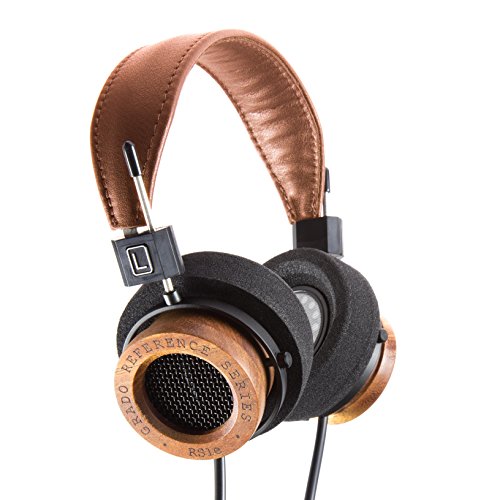
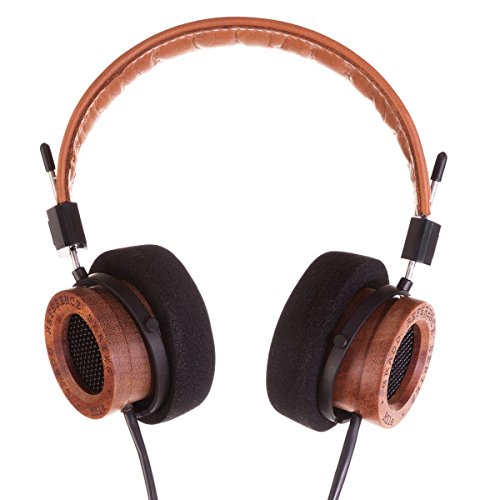
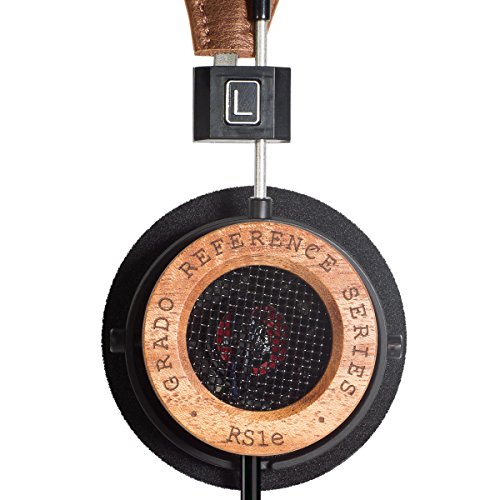
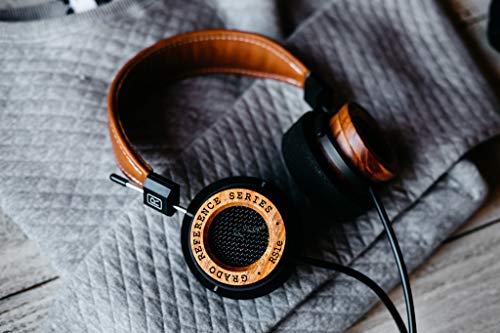
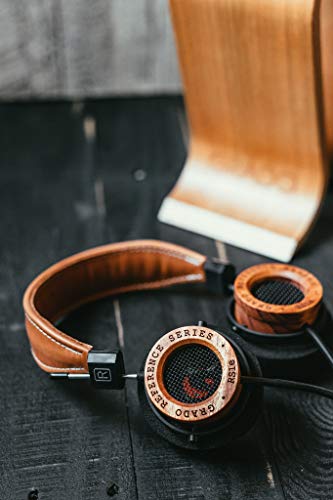
The Grado RS1e is an open-back, on-ear headphone handcrafted in Brooklyn featuring 50mm dynamic drivers housed in resonance-reducing mahogany wood chambers. Technically capable, it offers a frequency response of 12Hz–30kHz, 32-ohm impedance for easy driving by portable devices, and drivers matched to within 0.05dB for precise stereo imaging. Its main characteristics include a warm yet highly detailed sound signature, particularly praised for its vivid midrange and 'organic' timber that excels with acoustic and vocal tracks. Pros include a spacious soundstage, fast transient response, and a lightweight 9oz build with a genuine leather headband. However, common cons include a lack of sub-bass impact due to bass roll-off, a thick and cumbersome non-detachable cable, and potential discomfort from the foam L-cushions during long listening sessions.

Technical Specifications of Grado RS1e

Technical Score

What it is: An assessment of the headphones' technical performance, covering key areas such as sound quality, noise cancelling, microphone performance, battery life, comfort, connectivity, features, and build quality.

When it matters: When you want to compare headphones based on technical performance and available features.

Score components:

52.0%

3.1

Sound

20.0%

2.7

Features

10.0%

5.6

Design

8.0%

6.2

Connectivity

6.0%

1.0

Battery

4.0%

2.9

Calls & Controls

3.4
Grado RS1e has a technical score of 3.38 points, which is lower than that of 95.2% of products in this category.
User score

What it is: A rating that combines user reviews and the total number of reviews received by the headphones.

When it matters: When you want to understand how headphones perform in real listening and how reliable they are in terms of comfort, audio quality, battery life, and long-term use.

Score components:

70.0%

8.0

User reviews

30.0%

2.3

Popularity

User score:
United Kingdom
amazon
4.0
(18)
amazon
4.0
(1)
United States
Amazon_logo.png
4.0
(18)
Amazon_logo.png
4.0
(1)

(Reviews last updated: June 2026)

6.3
Grado RS1e has a user score of 6.28 points, which is lower than that of 90% of products in this category.
Popularity
What it is: An indicator based on the number of reviews received by the headphones.
When it matters: When you prefer headphones that have already been chosen and reviewed by many other users.
2.3
Grado RS1e has a popularity of 2.3 points, which is lower than 64.9% of products in this category.
Ratio quality/price

What it is: An indicator that combines the headphones' overall rating with their cost.

When it matters: When you are looking for headphones that offer a strong balance of performance, features, and price.

Score components:

60.0%

4.0

Overall score

40.0%

6.6

Price

4.7
Grado RS1e has a quality-to-price ratio of 4.7 points, which is lower than 96.4% of products in this category.
Active noise cancellation (ANC)
What it is: Reduces background noise using active technology
When it matters: When blocking office, travel, or aircraft noise is a priority.

Importance: HIGH

no
Grado RS1e does not support active noise cancellation. 27.4% of headphones support active noise cancellation.
Driver type
What it is: Type of speaker driver technology used
When it matters: When the underlying sound character and driver technology matter to you.

Importance: MEDIUM

dynamic
Driver size
What it is: Diameter of the speaker driver unit
When it matters: When you want extra hardware context behind how the headphones may handle bass weight, scale, or overall presentation.

Importance: MEDIUM

50 mm
Grado RS1e uses a driver size of 50 mm, larger driver size than 86.1% of headphones and equal to 8.3% of headphones.
Number of drivers
What it is: Total number of speaker drivers per earcup
When it matters: When multi-driver designs are part of your buying criteria.

Importance: LOW

1
Grado RS1e uses 1 drivers, fewer drivers than 4% of headphones and equal to 96% of headphones.
Lowest frequency
What it is: Lowest audio frequency the headphones can reproduce
When it matters: When deeper bass extension matters for your music or movie listening.

Importance: MEDIUM

Good value: <=10 Hz

12 Hz
Grado RS1e reaches a lowest frequency of 12 Hz, lower lowest frequency than 65.1% of headphones and equal to 2% of headphones.
Show more
Noise-canceling microphone
What it is: Built-in microphone reduces background noise during calls
When it matters: When you take calls in busy spaces and want your voice to stay clearer.

Importance: MEDIUM

no
Grado RS1e does not support a noise-canceling microphone. 45.6% of headphones support noise-canceling microphones.
Can be used as a headset
What it is: Shows whether the headphones can handle voice chat and calls in addition to normal audio playback.
When it matters: When one pair needs to cover music, calls, meetings, and gaming chat.

Importance: MEDIUM

yes
Grado RS1e is headset-ready, 84.7% is not. 15.3% of headphones can be used as headsets.
Number of microphones
What it is: Total number of built-in microphones
When it matters: When call pickup quality and beamforming support matter to you.

Importance: LOW

Good value: >=2

N/A
Boom microphone
What it is: Includes detachable boom microphone for voice clarity
When it matters: When you need stronger voice clarity for gaming, streaming, or work calls.

Importance: LOW

no
Grado RS1e does not include a boom microphone. 15.6% of headphones have a boom microphone.
Microphone SNR
What it is: Signal-to-noise ratio of the microphone
When it matters: When call clarity matters and you want your voice picked up more cleanly instead of buried in background hiss.

Importance: LOW

Good value: >80 dB

N/A
Show more
Connectivity
What it is: Available connection methods (wired, wireless, Bluetooth, etc.)
When it matters: When the headphones need to match how you listen across wired and wireless devices.

Importance: HIGH

wired
Grado RS1e supports wired connectivity, less flexible connectivity than 47.4% of headphones and equal to 52.6% of headphones.
Bluetooth version
What it is: Version of Bluetooth technology supported
When it matters: When wireless stability, efficiency, and feature support matter more than treating Bluetooth as a box-check spec.

Importance: MEDIUM

Good value: >=5.0

N/A
Maximum Bluetooth range
What it is: Maximum wireless operating distance from source device
When it matters: When you move around rooms and want fewer dropouts from your source device.

Importance: LOW

Good value: >=10 m

N/A
Audio latency
What it is: Delay between audio and video in wireless mode
When it matters: When you watch video or play games and need sound to stay in sync.

Importance: HIGH

Good value: <60 ms

N/A
Multipoint support
What it is: Supports simultaneous connections to multiple devices
When it matters: When you switch often between a phone and a laptop during the day.

Importance: MEDIUM

N/A
Show more
Ambient sound mode
What it is: Allows external sounds to pass through for awareness
When it matters: When you need to stay aware of traffic, voices, or announcements.

Importance: MEDIUM

N/A
EQ support
What it is: Allows customization of sound profile via equalizer
When it matters: When the stock tuning is not enough and you want to shape bass, mids, or treble to match your taste.

Importance: MEDIUM

no
Grado RS1e does not support EQ customization. 23.3% of headphones support EQ.
Companion app
What it is: Dedicated mobile app for customization and updates
When it matters: When software customization, updates, and extra controls matter.

Importance: MEDIUM

N/A
Adjustable ANC levels
What it is: Allows adjustment of noise cancellation intensity levels
When it matters: When you move between quiet rooms, offices, streets, and public transport and do not want one ANC setting for every situation.

Importance: LOW

Good value: >=4

N/A
Voice assistant support
What it is: Compatible with voice assistants like Siri, Alexa, or Google Assistant
When it matters: When hands-free control is part of your daily routine.

Importance: LOW

no
Grado RS1e does not support voice assistants. 60.9% of headphones support voice assistants.
Show more
Battery life
What it is: Playback time on a single charge
When it matters: When you commute, travel, or work long shifts and do not want charging breaks to interrupt listening.

Importance: HIGH

Good value: >45 hours

N/A
Battery life with ANC
What it is: Playback time with active noise cancellation enabled
When it matters: When you plan to keep noise cancellation on for most of the day.

Importance: HIGH

Good value: >40 hours

N/A
Charging time
What it is: Time required for a full battery charge
When it matters: When you often need the headphones ready again after short breaks.

Importance: MEDIUM

Good value: <=2 hours

N/A
Quick charge
What it is: Provides quick playback time with short charging period
When it matters: When a short top-up needs to deliver useful playback before you leave.

Importance: MEDIUM

N/A
Battery capacity
What it is: Total energy storage of the internal battery
When it matters: When you are estimating how much battery headroom the design may have before relying only on the official runtime claim.

Importance: MEDIUM

Good value: >=720 mAh

N/A
Show more
Brand name
What it is: The manufacturer or brand of the product.
When it matters: When you prefer a specific ecosystem, support network, or design philosophy.

Importance: MEDIUM

Grado
Form factor
What it is: Overall design type of the headphones (over-ear, on-ear, in-ear, etc.)
When it matters: When comfort, portability, and isolation depend on the overall headphone style.

Importance: HIGH

on-ear
Weight
What it is: Total weight of the headphones
When it matters: When long listening sessions make wearing comfort more important.

Importance: MEDIUM

Good value: <150 g

255.1 g
Grado RS1e weighs 255.1 g, heavier than 64.9% of headphones.
Acoustic design
What it is: Type of acoustic design (open-back, closed-back, semi-open)
When it matters: When you need the right balance of isolation, leakage, and soundstage.

Importance: HIGH

open-back
Clamp force
What it is: Amount of clamping pressure applied to the head
When it matters: When comfort and fit security matter during long sessions.

Importance: MEDIUM

2.7
Grado RS1e has a clamp force of 2.7, lower clamp force than 86.1% of headphones and equal to 2.4% of headphones.
Show more

Grado RS1e vs the average headphone

  • 10 mm larger driver size
    Grado RS1e uses a larger driver size than the average headphone (50 mm vs 40 mm). The average headphones use a driver size of 40 mm.
    What it is: Diameter of the speaker driver unit
    When it matters: When you want extra hardware context behind how the headphones may handle bass weight, scale, or overall presentation.

    Importance: MEDIUM

    Grado RS1e uses a larger driver size than the average headphone (50 mm vs 40 mm). The average headphones use a driver size of 40 mm.50 mm vs 40 mm
  • Direct 3.5 mm plug
    Grado RS1e includes a direct 3.5 mm plug, the average headphone does not. 38.8% of headphones have a 3.5 mm male connector.
    What it is: Shows whether the headphones end in a built-in 3.5 mm male plug instead of relying on a separate detachable cable.
    When it matters: When direct wired compatibility with older devices or adapters matters.

    Importance: MEDIUM

    Grado RS1e includes a direct 3.5 mm plug, the average headphone does not. 38.8% of headphones have a 3.5 mm male connector.
  • 10000 Hz higher treble extension
    Grado RS1e has a higher highest frequency than the average headphone (30000 Hz vs 20000 Hz). The average headphones reach a highest frequency of 20000 Hz.
    What it is: Highest audio frequency the headphones can reproduce
    When it matters: When treble extension and overall frequency reach matter to you.

    Importance: MEDIUM

    Good value: >=24000 Hz

    Grado RS1e has a higher highest frequency than the average headphone (30000 Hz vs 20000 Hz). The average headphones reach a highest frequency of 20000 Hz.30000 Hz vs 20000 Hz
  • 6 Hz lower bass extension
    Grado RS1e has a lower lowest frequency than the average headphone (12 Hz vs 18 Hz). The average headphones reach a lowest frequency of 18 Hz.
    What it is: Lowest audio frequency the headphones can reproduce
    When it matters: When deeper bass extension matters for your music or movie listening.

    Importance: MEDIUM

    Good value: <=10 Hz

    Grado RS1e has a lower lowest frequency than the average headphone (12 Hz vs 18 Hz). The average headphones reach a lowest frequency of 18 Hz.12 Hz vs 18 Hz
  • 1.6 lower clamp force
    Grado RS1e has a lower clamp force than the average headphone (2.7 vs 4.3). The average headphones have a clamp force of 4.3.
    What it is: Amount of clamping pressure applied to the head
    When it matters: When comfort and fit security matter during long sessions.

    Importance: MEDIUM

    Grado RS1e has a lower clamp force than the average headphone (2.7 vs 4.3). The average headphones have a clamp force of 4.3.2.7 vs 4.3
  • 3.37 m more useful cable length
    Grado RS1e offers a more useful cable length than the average headphone (4.6 m vs 1.2 m). The average headphones have a cable length of 1.2 m.
    What it is: Length of the supplied audio cable
    When it matters: When your desk, TV, or audio setup needs more or less movement range.

    Importance: LOW

    Grado RS1e offers a more useful cable length than the average headphone (4.6 m vs 1.2 m). The average headphones have a cable length of 1.2 m.4.57 m vs 1.2 m
  • Open-back design
    Grado RS1e uses an open-back design, while the average headphone does not. 9.3% of headphones have an open-back design.
    What it is: Shows whether the headphones use an open-back housing that lets air and sound pass through more freely than a closed design.
    When it matters: When you listen in quiet places and care more about spacious sound than blocking outside noise or preventing sound leakage.

    Importance: MEDIUM

    Grado RS1e uses an open-back design, while the average headphone does not. 9.3% of headphones have an open-back design.
  • 1.6 lower clamp force
    Grado RS1e has a lower clamp force than the average headphone (2.7 vs 4.3). The average headphones have a clamp force of 4.3.
  • 3.37 m more useful cable length
    Grado RS1e offers a more useful cable length than the average headphone (4.6 m vs 1.2 m). The average headphones have a cable length of 1.2 m.
  • Open-back design
    Grado RS1e uses an open-back design, while the average headphone does not. 9.3% of headphones have an open-back design.
  • 10 mm larger driver size
    Grado RS1e uses a larger driver size than the average headphone (50 mm vs 40 mm). The average headphones use a driver size of 40 mm.
  • 10000 Hz higher treble extension
    Grado RS1e has a higher highest frequency than the average headphone (30000 Hz vs 20000 Hz). The average headphones reach a highest frequency of 20000 Hz.
  • 6 Hz lower bass extension
    Grado RS1e has a lower lowest frequency than the average headphone (12 Hz vs 18 Hz). The average headphones reach a lowest frequency of 18 Hz.
  • Direct 3.5 mm plug
    Grado RS1e includes a direct 3.5 mm plug, the average headphone does not. 38.8% of headphones have a 3.5 mm male connector.
  • Fixed cable
    Grado RS1e has a fixed cable, while the average headphone has a detachable one. 62% of headphones have a detachable cable.
  • 17% higher weight
    Grado RS1e is heavier than the average headphone (255.1 g vs 218 g). The average pair of headphones weighs 218 g.
  • Tangle-prone cable
    Grado RS1e uses a tangle-prone cable, while the average headphone is easier to manage. 64.2% of headphones use a tangle-free cable.
  • No travel bag
    Grado RS1e does not include a travel bag, the average headphone does. 65.2% of headphones include a travel bag.
  • No passive noise reduction
    Grado RS1e does not offer passive noise reduction, while the average headphone does. 82.7% of headphones have passive noise reduction.
  • 2.2 dB/mW lower sensitivity
    Grado RS1e has a lower sensitivity than the average headphone (99.8 dB/mW vs 102 dB/mW). The average headphones have sensitivity of 102 dB/mW.
  • No voice assistant support
    Grado RS1e does not support voice assistants, the average headphone does. 60.8% of headphones support voice assistants.
  • No passive noise reduction
    Grado RS1e does not offer passive noise reduction, while the average headphone does. 82.7% of headphones have passive noise reduction.
    What it is: Shows whether the headphones reduce outside noise through physical sealing, fit, and materials rather than active electronics.
    When it matters: When you want better isolation from fit and seal alone, even with ANC turned off or not available.

    Importance: MEDIUM

    Grado RS1e does not offer passive noise reduction, while the average headphone does. 82.7% of headphones have passive noise reduction.
  • No voice assistant support
    Grado RS1e does not support voice assistants, the average headphone does. 60.8% of headphones support voice assistants.
    What it is: Compatible with voice assistants like Siri, Alexa, or Google Assistant
    When it matters: When hands-free control is part of your daily routine.

    Importance: LOW

    Grado RS1e does not support voice assistants, the average headphone does. 60.8% of headphones support voice assistants.
  • Fixed cable
    Grado RS1e has a fixed cable, while the average headphone has a detachable one. 62% of headphones have a detachable cable.
    What it is: Cable can be removed or replaced
    When it matters: When you care about easier cable replacement, simpler storage, or the option to swap to shorter, longer, or upgraded leads.

    Importance: MEDIUM

    Grado RS1e has a fixed cable, while the average headphone has a detachable one. 62% of headphones have a detachable cable.
  • 17% higher weight
    Grado RS1e is heavier than the average headphone (255.1 g vs 218 g). The average pair of headphones weighs 218 g.
    What it is: Total weight of the headphones
    When it matters: When long listening sessions make wearing comfort more important.

    Importance: MEDIUM

    Good value: <150 g

    Grado RS1e is heavier than the average headphone (255.1 g vs 218 g). The average pair of headphones weighs 218 g.255.1 g vs 218 g
  • 8.33x more expensive
    Grado RS1e is more expensive than the average headphone (£750 vs £90).
    Grado RS1e is more expensive than the average headphone (£750 vs £90).£750 vs £90
  • 42.1% worse value for money
    Grado RS1e has worse value for money than the average headphone (4.74 vs 6.736).
    What it is: An indicator that combines the headphones' overall rating with their cost.
    When it matters: When you are looking for headphones that offer a strong balance of performance, features, and price.
    Grado RS1e has worse value for money than the average headphone (4.74 vs 6.736).4.74 vs 6.74
  • 2.2 dB/mW lower sensitivity
    Grado RS1e has a lower sensitivity than the average headphone (99.8 dB/mW vs 102 dB/mW). The average headphones have sensitivity of 102 dB/mW.
    What it is: Sound pressure output level per unit of input power
    When it matters: When you plan to use weaker sources like phones, handhelds, or entry-level dongles and still want enough volume.

    Importance: MEDIUM

    Good value: >=106 dB/mW

    Grado RS1e has a lower sensitivity than the average headphone (99.8 dB/mW vs 102 dB/mW). The average headphones have sensitivity of 102 dB/mW.99.8 dB/mW vs 102 dB/mW
  • 27.4% lower user score
    Grado RS1e has a lower user score than the average headphone (6.28 vs 8).
    What it is: A rating that combines user reviews and the total number of reviews received by the headphones.
    When it matters: When you want to understand how headphones perform in real listening and how reliable they are in terms of comfort, audio quality, battery life, and long-term use.
    Grado RS1e has a lower user score than the average headphone (6.28 vs 8).6.28 vs 8

Graphic comparison of Grado RS1e and

Attribute category
Attribute
No results found

Third-party reviews

(Reviews last updated: June 2026)

What customers like about Grado RS1e?

  • Exceptional midrange clarity and 'vivid' detail retrieval
  • Natural, organic sound signature with excellent timbre for acoustic instruments and vocals
  • Spacious and open soundstage that provides good instrument separation
  • Fast transient response, giving music a lively and engaging 'energetic' feel
  • Lightweight design that is easy to drive even from portable devices like smartphones or laptops
  • Beautiful handcrafted mahogany wood earcups providing a unique, retro aesthetic

What customers dislike about Grado RS1e?

  • Poor on-ear comfort; the stock 'L-cushion' foam pads are often described as scratchy or painful over time
  • Cumbersome, thick, and non-detachable cable that can feel heavy and awkward
  • Noticeable bass roll-off, resulting in a lack of deep sub-bass 'slam' for electronic or hip-hop music
  • Bright or peaky treble that may cause sibilance or fatigue for treble-sensitive listeners
  • Questionable build quality for the price, specifically regarding the plastic adjustment sliders and overall 'flimsy' feel
  • Significant sound leakage due to the open-back design, making them unsuitable for public or noisy environments

Expert reviews

H
homestudiobasics.com
14/05/2022
Summary of the review
S
superbestaudiofriends.org
22/02/2020
Summary of the review
P
positive-feedback.com
12/03/2018
Summary of the review
J
joewilcox.com
23/10/2016
Summary of the review
S
soundandvision.com
04/08/2016
Summary of the review
O
open-end-music.com
02/03/2015
Summary of the review
O
on-mag.fr
25/06/2022
Summary of the review
M
maplatine.com
30/12/2018
Summary of the review
Z
zococity.es
15/08/2026
Summary of the review
Y
yumpu.com
21/09/2016
Summary of the review
R
remusic.it
29/03/2022
Summary of the review

Video reviews

Compare Grado RS1e with

VS
VS

Compare