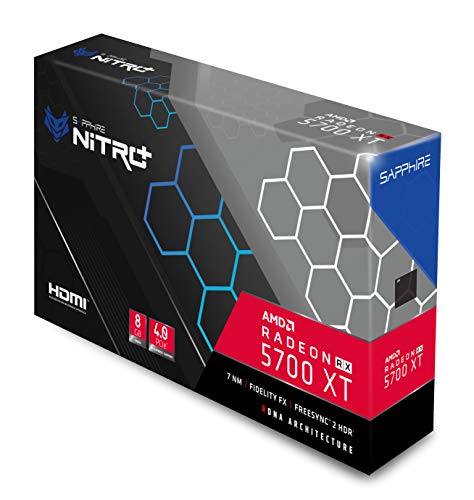
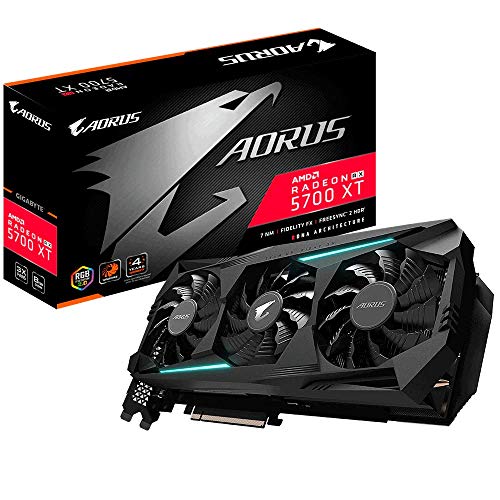
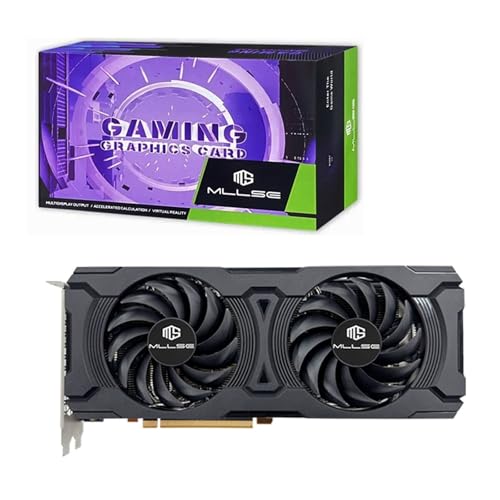
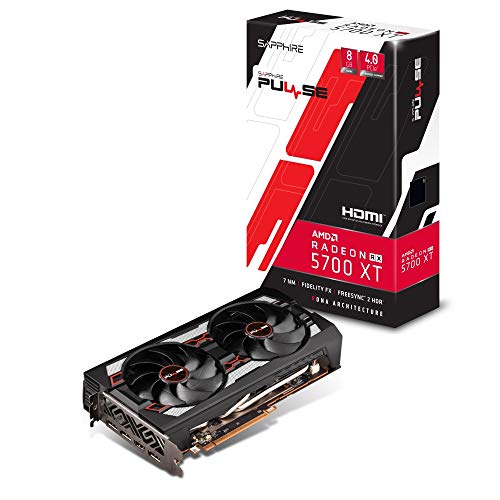
Is the RX 570 a good graphics card?
RX 570 graphics cards are still usable old-budget Radeon cards for very cheap 1080p gaming, especially in esports and older games.
The main reason to buy an RX 570 is that it still gives you a cheap entry point into real 1080p gaming, especially for esports and older games, without needing a modern premium GPU budget.
The main caution is that this is an older Polaris class with limited headroom, weaker efficiency than newer budget cards, and a bigger performance ceiling gap versus the RX 580 and newer used GPUs.
What are the main advantages of the RX 570?
The main advantages of the RX 570 are as follows:
- Lower-cost entry into real GPU gaming: The RX 570 is one of the easier ways to move above office graphics and into usable 1080p gaming when the budget is tight and the expectations stay realistic.
- Lighter system burden than an RX 580: Power draw is usually lower than on the RX 580, so the RX 570 can fit more comfortably into weaker legacy systems and cheaper PSU setups.
- Still useful for esports and older AAA games: For buyers focused on simpler raster gaming at Full HD, the RX 570 can still deliver playable results in many established titles.
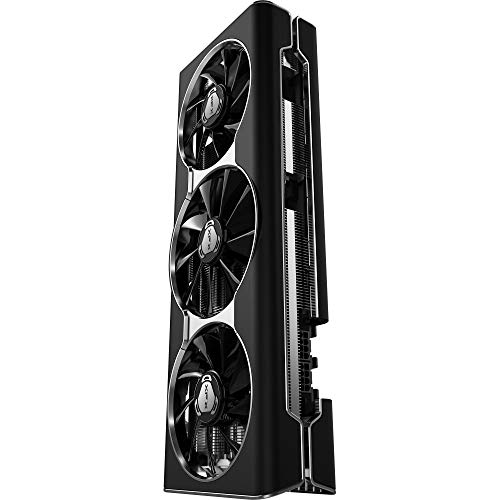
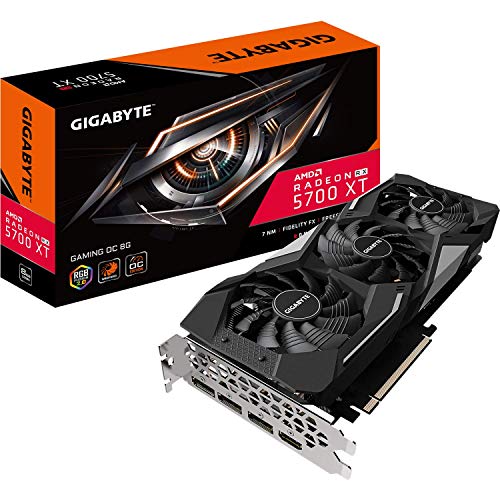
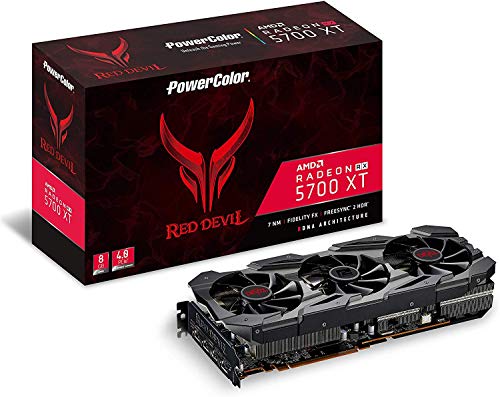
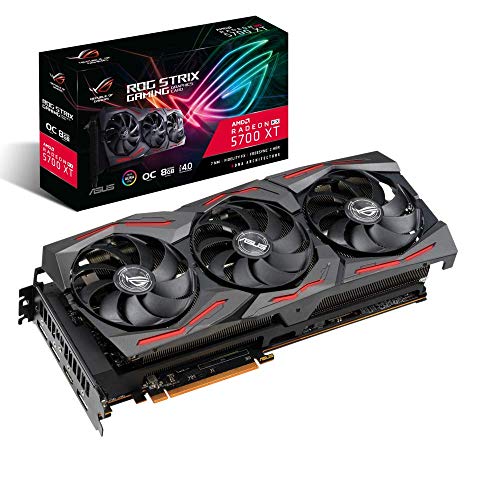
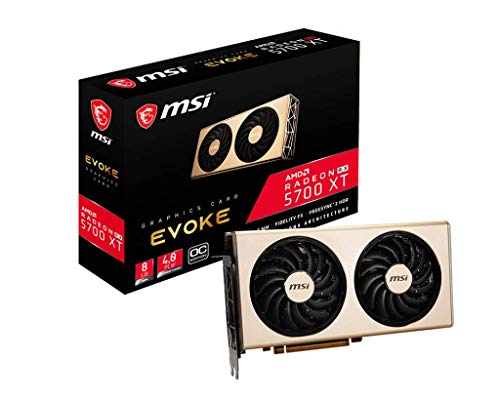
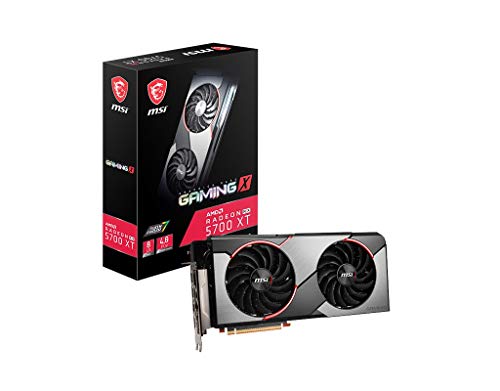
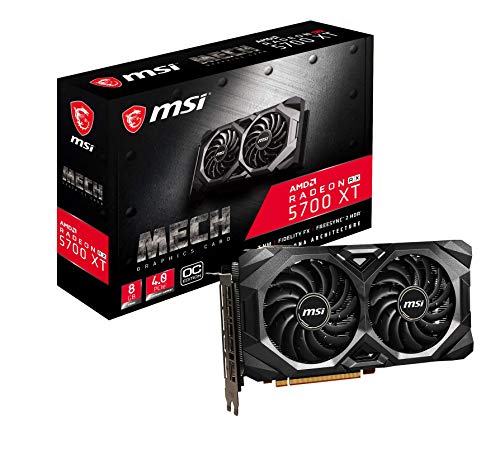
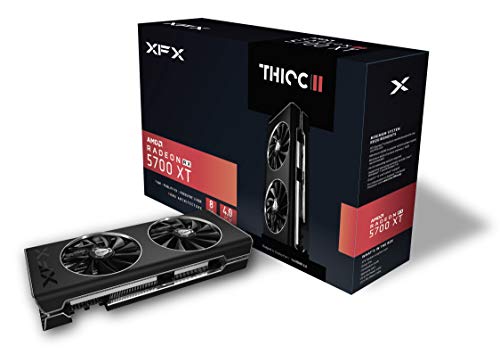
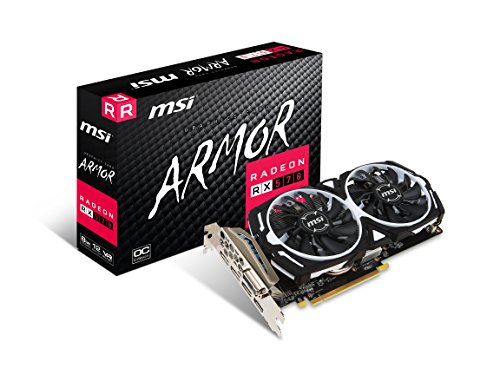
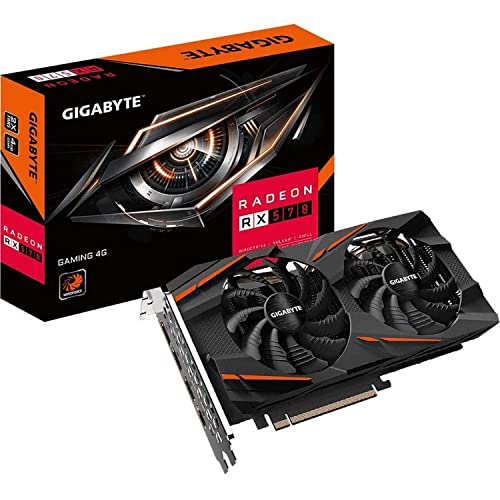
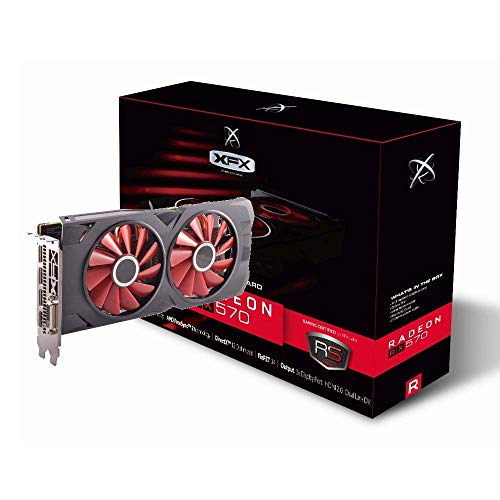
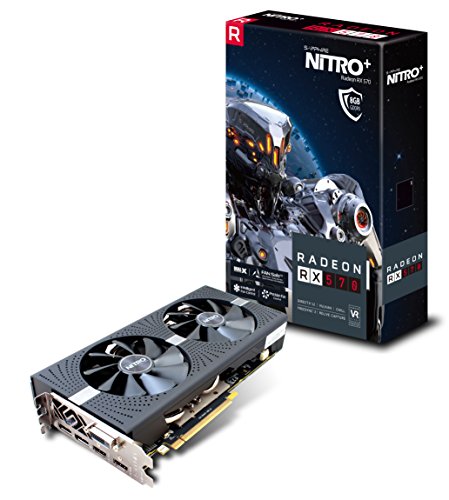
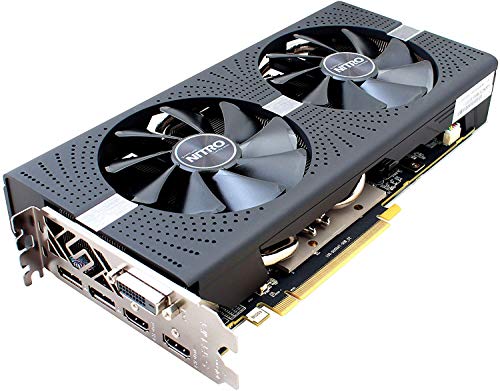
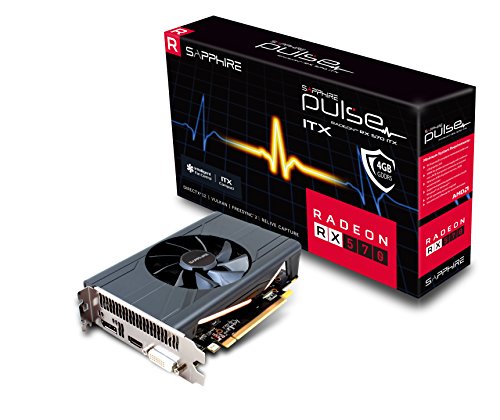
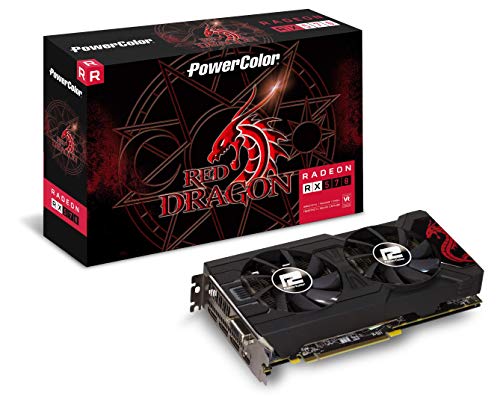
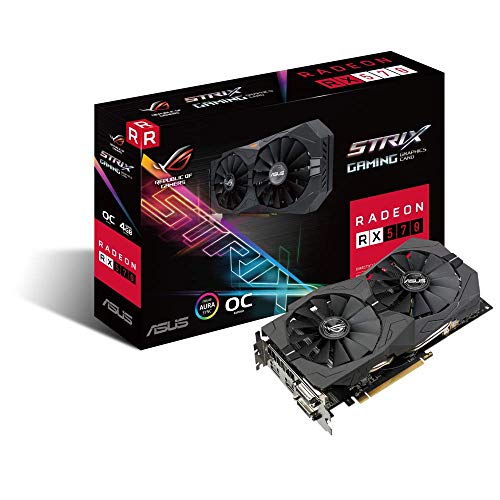
- Wide used-market choice: Like the RX 580, the RX 570 exists in many partner versions from Sapphire, XFX, MSI, Asus, and Gigabyte, so buyers can still search for a better cooler or form factor.
- Reasonable fit for cheap AMD-oriented builds: In a low-budget system paired with a FreeSync display and older games, the RX 570 still makes more sense than very weak legacy cards or office-class upgrades.
What are the main disadvantages of the RX 570?
The RX 570 has the following disadvantages:
- Weaker performance ceiling than the RX 580: The RX 570 is cheaper and lighter, but it also gives up some bandwidth and gaming headroom. That difference shows up quickly in heavier 1080p titles.
- Many versions are only 4 GB: A large part of the RX 570 market uses 4 GB of VRAM, which is less comfortable for newer textures and leaves less safety margin than 8 GB alternatives.
- Very old used-hardware territory: At this point, RX 570 cards are firmly second-hand products, so cooler wear, fan noise, dust buildup, and unknown history can all affect the real buying decision.
- No modern RT or efficiency advantage: The RX 570 belongs to an older Radeon generation, so it cannot match newer cards for ray tracing features, power efficiency, or broader modern graphics extras.
- Only sensible when truly cheap: The RX 570 works as a low-budget stopgap. If it is priced too close to an RX 580, GTX 1660-class card, or newer entry GPU, the value case falls apart quickly.
What is the RX 570?
The RX 570 is an older Radeon graphics card based on AMD's Polaris architecture, built as a mainstream gaming GPU for traditional raster performance rather than for modern ray-tracing features. In practical terms, the RX 570 is best known as a budget 1080p card with PCIe 3.0 support, roughly 224 GB/s memory bandwidth, and a mix of 4 GB and 8 GB variants.
RX 570 cards also tend to cluster around boost clocks in the mid-1200 MHz to low-1300 MHz range, and their direct power figures often sit below RX 580. That mix is why the RX 570 still works as a cheaper used-market gaming option but no longer feels like a strong long-term mainstream card.
Who should buy the RX 570?
The RX 570 is best for buyers who want the cheapest practical step into older 1080p gaming, esports, or a basic budget rebuild and who are comfortable buying older used hardware. It is especially suitable when you find a clean 8 GB card at a clear discount versus newer used options.
It is a weaker fit for buyers who want stronger AAA performance, better efficiency, or more long-term headroom. It also becomes harder to justify when pricing starts drifting too close to the RX 580, GTX 1060 6 GB, or newer budget GPUs.
How much does the RX 570 cost?
RX 570 graphics cards usually cost about £70 to £240, with many practical cards sitting closer to roughly £80-£130.
The lower part of the range is where the RX 570 starts making sense, especially for ordinary 4 GB cards and simpler 8 GB versions. Higher prices usually mean cleaner used condition, stronger coolers, or unrealistic legacy listings rather than a meaningfully different class of GPU.
The RX 570 only works as a value choice when it stays clearly below RX 580 and newer used-card pricing. If it climbs too far above that low-cost band, a stronger used GPU is usually the smarter buy.
This chart visualizes RX 570 graphics card prices.
[vertical-chart-06540663068684376511146293578734678648902807389973]
How does the RX 570 compare with the RX 580?
The RX 570 sits below the RX 580 as the cheaper and slightly lighter version of the same Polaris-era idea. Both cards are older PCIe 3.0 raster-first designs, but the RX 580 usually offers more comfortable 1080p headroom and more frequent 8 GB configurations.
The RX 570 is easier to justify when the price gap is clear and the build is strictly low-budget. The RX 580 usually makes more sense if you want a bit more room for older AAA games, heavier textures, or a more relaxed overall 1080p experience.
That means the better card depends mostly on price spacing. If the RX 580 is only a little more expensive, it is often the smarter Polaris buy.
What should you consider while choosing the RX 570?
You should consider the following factors when choosing the RX 570:
- Memory size: RX 570 cards split more heavily between 4 GB and 8 GB versions than the RX 580 does. If the price gap is small, the 8 GB cards are usually the better buy for texture-heavy older games.
- Real gaming target: The RX 570 makes the most sense for esports, older AAA games, and low-cost 1080p gaming. If your real goal is heavier modern AAA use, this class runs out of headroom quickly.
- Power and platform fit: The RX 570 is still an older dedicated GPU with meaningful heat and power needs, even if it is lighter than the RX 580. Check PSU quality, connector requirements, and case airflow before treating it as a routine upgrade.
- Cooler condition and used-market wear: Most RX 570 cards are old enough that fan noise, thermal paste age, temperatures, and possible mining history matter a lot. A cleaner used card is often more important than a small factory overclock.
- Feature expectations: The RX 570 is a legacy raster-first Radeon card with no modern RT tier. Buy it for simple gaming value, not because you expect premium current-generation features.
- Price discipline against nearby used GPUs: The RX 570 only makes sense when it is clearly cheap. If pricing moves too close to the RX 580 or newer used alternatives, the stronger card is usually easier to justify.