Are AMD graphics cards good?
AMD graphics cards have an average overall score of 6, ranking #26 among comparable graphics card brands, and a user rating of 8.8, placing them at #15 in user reviews.
AMD is usually strongest when the buyer wants straightforward gaming value, especially in raster performance and VRAM capacity. Radeon cards are often easier to justify when price-per-frame matters more than proprietary feature depth.
The main caution is that AMD is not always the safest choice for buyers who care most about ray tracing, DLSS-style upscaling, or the widest creator-software support. That is why the best AMD card depends heavily on whether you prioritize pure gaming value or the broader feature stack around the GPU.
What are the main advantages of AMD graphics cards?
The main advantages of AMD graphics cards are as follows:
- Strong raster value: AMD is often at its best when the goal is straightforward gaming performance per euro. In many 1080p and 1440p comparisons, Radeon cards look especially attractive when buyers care more about native frame rates and VRAM than about Nvidia-only extras.
- Generous VRAM on current tiers: AMD frequently offers 8 GB, 12 GB, 16 GB, and sometimes more at prices where Nvidia can look tighter on memory. That helps in modern texture-heavy games, longer ownership plans, and mixed gaming-and-creator use where memory pressure shows up before raw core limits do.
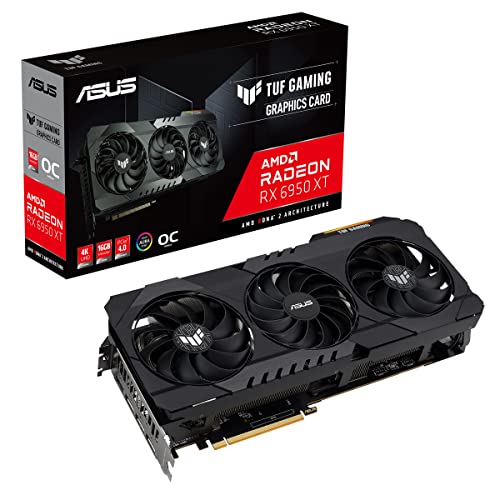
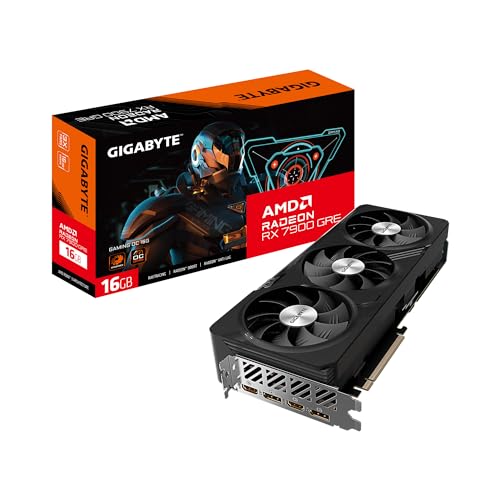
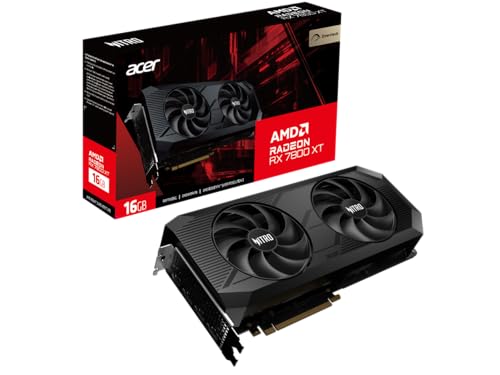
- Healthy mainstream and upper-midrange coverage: AMD has very relevant cards in the RX 6600, RX 7600, RX 7700 XT, RX 7800 XT, RX 7900 GRE, RX 7900 XT, and RX 7900 XTX classes. That gives the brand real presence from value 1080p all the way to strong 4K and enthusiast tiers.
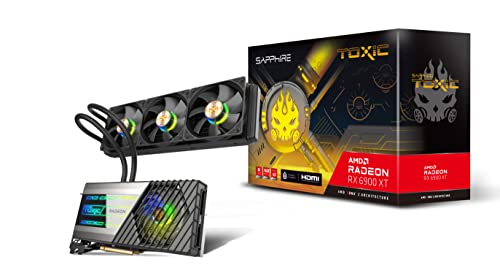
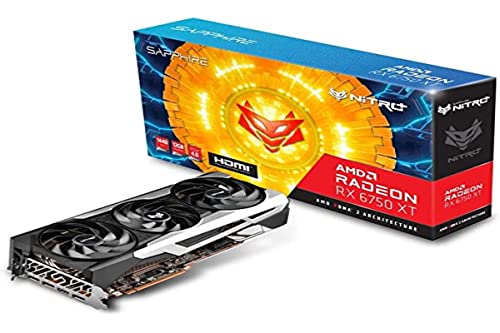
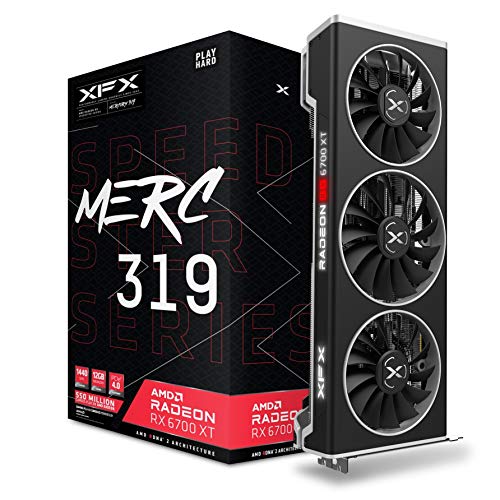
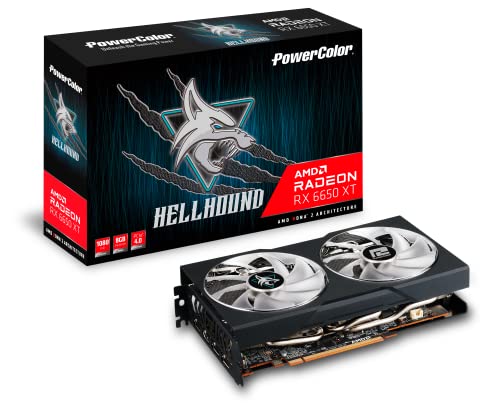
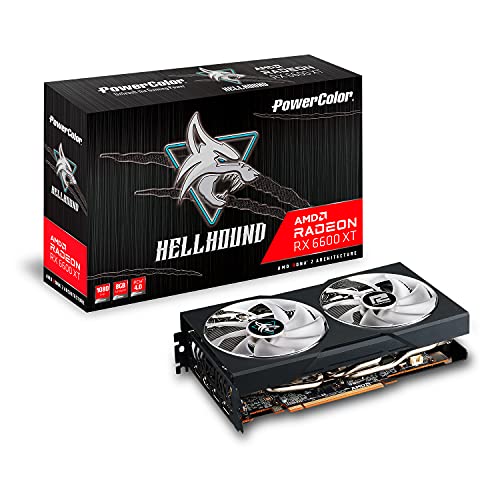
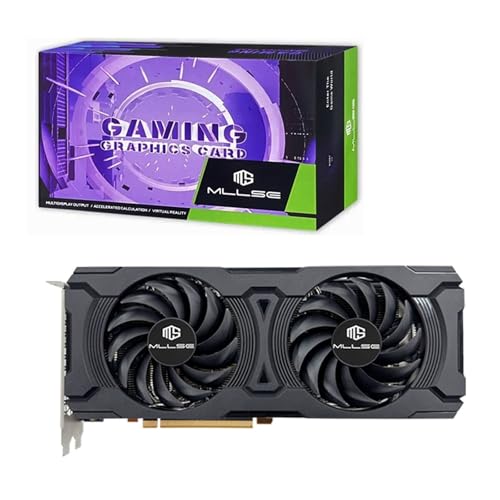
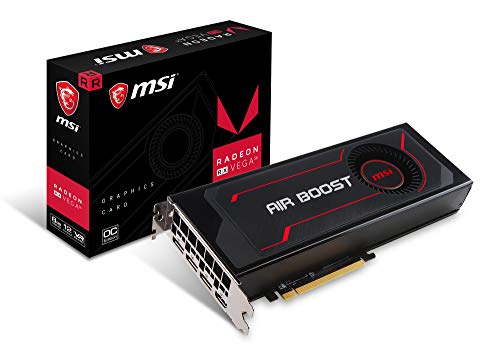
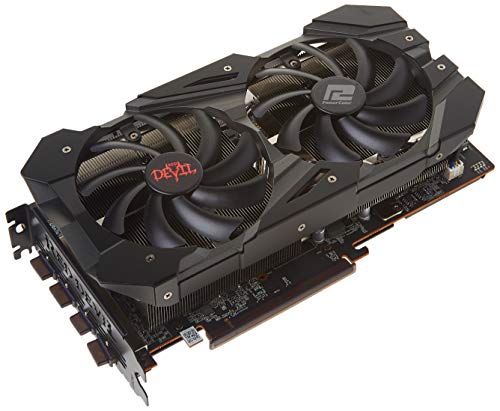
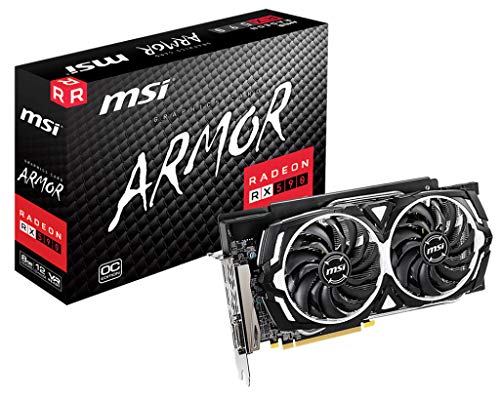
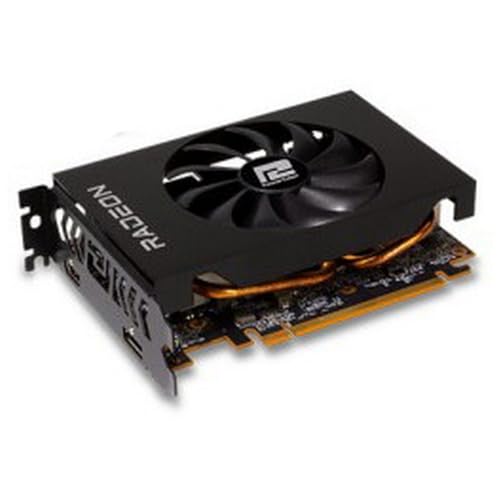
- Useful board-partner variety: AMD cards are sold by Sapphire, XFX, PowerColor, Asus, MSI, Gigabyte, Asrock, and others. Buyers therefore get real choice in cooler style, acoustics, physical size, and pricing rather than being forced into one narrow design philosophy.
- Competitive display and media support: Modern AMD cards bring current output standards, AV1 support on newer generations, and strong multi-display appeal. That helps the brand stay useful not only in gaming PCs but also in general-purpose and creator-oriented desktop setups.
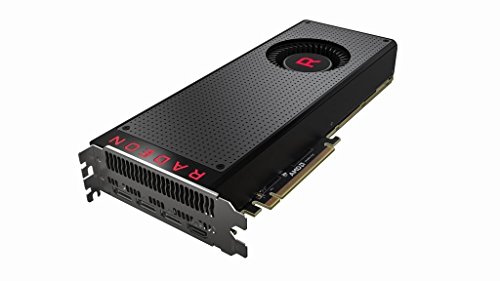
- Broad used-market opportunities: AMD spans a very large second-hand range from older Polaris and Vega cards to much newer RDNA products. Buyers with small budgets can often find workable entry points, while buyers with more money can still stay inside the same broader brand family.
What are the main disadvantages of AMD graphics cards?
The main disadvantages of AMD graphics cards are as follows:
- Ray tracing is rarely the main selling point: Newer AMD cards do support ray tracing, but the brand is usually bought for raster value rather than for leading RT comfort. Buyers who care heavily about path tracing, maximum RT settings, or Nvidia-style frame-generation ecosystems often end up preferring GeForce.
- Creator-software support can be weaker in CUDA-heavy workflows: AMD is perfectly usable in many creator setups, but it does not benefit from CUDA dependence in the way Nvidia does. If your software, plug-ins, render tools, or AI stack are tuned first for Nvidia, AMD can be the less convenient choice.
- Generation spread is easy to misread: AMD includes very old HD, R7, R9, RX 400, RX 500, Vega, and much newer RX 6000 or RX 7000 cards under one broad brand umbrella. That makes cheap older AMD cards easy to overrate if you focus only on price or VRAM.
- Feature support changes sharply by generation: AV1, stronger media engines, better efficiency, and more convincing modern RT capability are concentrated in the newer branch. Older AMD cards can still work, but they are much less future-proof than the newer Radeon tiers many buyers actually have in mind.
- High-end pricing still climbs hard: Although AMD often looks good on value, its upper-end products can still become expensive enough that every euro has to be defended carefully. Once the price moves deep into flagship territory, AMD is no longer automatically the budget-friendly choice people expect.
- Naming can confuse less technical buyers: Similar Radeon labels can belong to very different eras and capability levels, especially when desktop, mobile, workstation, and legacy cards are all visible in the same wider market. Without generation awareness, it is easy to compare the wrong cards.
Who makes AMD graphics cards?
AMD graphics cards are made by AMD, short for Advanced Micro Devices, the long-running US semiconductor company headquartered in Santa Clara, California. AMD designs the Radeon graphics architectures and sells them across gaming, workstation, mobile, and integrated graphics branches, which is why the AMD name appears on such a wide spread of GPU products.
AMD's role in graphics became much more important after its 2006 acquisition of ATI Technologies, the company behind the Radeon brand. That deal gave AMD a deep in-house GPU roadmap and let it compete directly with Nvidia across consumer and professional graphics markets.
AMD graphics cards today sit inside a broader chip business that also includes CPUs and APUs. That matters because AMD's graphics strategy is not limited to standalone desktop GPUs: it also ties into notebook graphics, integrated Radeon solutions, gaming systems, and professional Radeon Pro products.
What are the main AMD graphics card series?
The main AMD graphics card series are as follows:
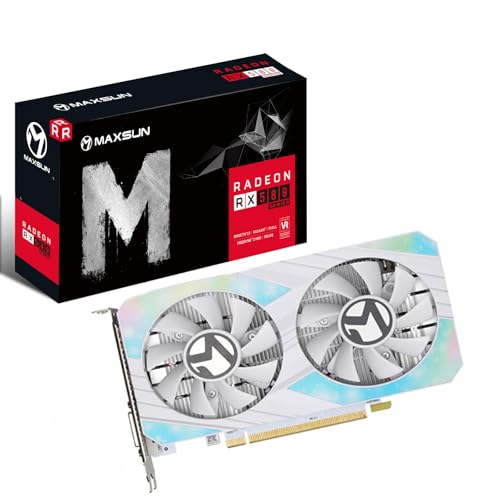
- Radeon RX: Radeon RX is AMD's core gaming family and the lineup most buyers should focus on for modern desktop graphics cards, covering everything from mainstream value models up to flagship 4K-class cards.
- RX XT and XTX tiers: XT and XTX labels usually mark faster versions inside the RX family, often with more cores, higher clocks, or a more aggressive overall performance target than the base card.
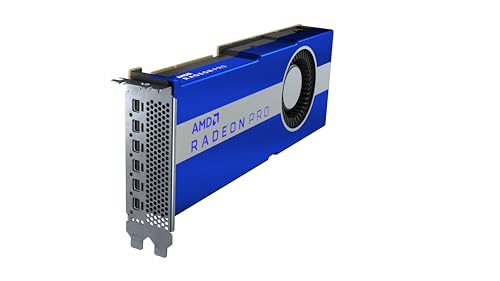
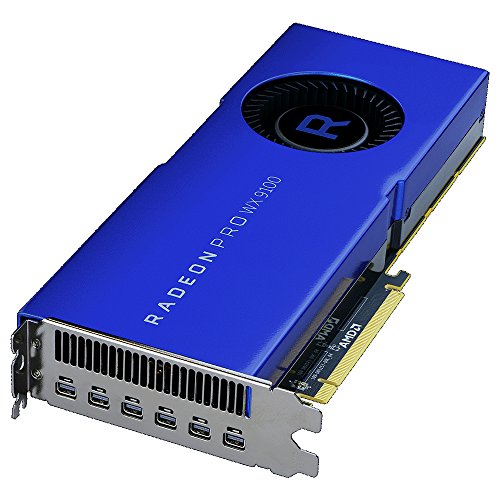
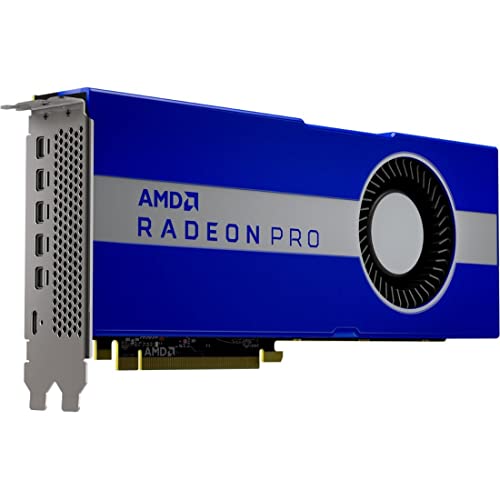
- Radeon Pro: Radeon Pro is AMD's workstation branch, aimed more at professional applications, stability, and creator workflows than at mainstream gaming-first buying.
- Older Radeon R-series and HD-series: These older families still appear in legacy PCs and used listings, but they belong much more to very old value or compatibility buying than to serious modern GPU shopping.
- Older FirePro and specialist accelerators: FirePro and related specialist AMD products sit outside normal gaming-focused buying and matter mostly for legacy workstation or niche compute scenarios.
How much do AMD graphics cards cost?
AMD graphics cards usually cost about £100 to £1,160, with many practical gaming options sitting closer to roughly £190-£650.
The lower part of the range is where older RX 5000 and RX 6000 value cards and used-market deals tend to matter most. The middle of the range is where AMD often looks strongest, especially with cards such as the RX 6600, RX 6700 XT, RX 7600, RX 7700 XT, or RX 7800 XT that focus on gaming performance per euro.
At the higher end, you move into RX 7900-class hardware where the buyer is paying for stronger 4K capability, more VRAM, and a more serious overall GPU tier. The key is to check whether the specific AMD card is still meaningfully cheaper than the Nvidia alternative it competes with.
This chart visualizes AMD graphics card prices.
[vertical-chart-05235365985678360376069718962144463892211439409454]
How do AMD graphics cards compare with Nvidia models?
AMD graphics cards usually compare with Nvidia models as the stronger value-first option for raster gaming and VRAM capacity, while Nvidia is more often chosen for ray tracing strength, creator-software support, and proprietary features such as DLSS.
In practical terms, AMD is often the easier choice when the buyer mainly wants more frames per euro at 1080p or 1440p, or more VRAM at a given price. Nvidia is usually the safer choice if the buyer cares more about the wider feature ecosystem around the GPU than about pure raster value.
That means the better brand depends on what matters most in the real build. AMD is often stronger for straightforward gaming value, while Nvidia is often stronger for feature depth, RT comfort, and broader software support.
What should you consider while choosing the best AMD graphics card?
You should consider the following factors when choosing the best AMD graphics card:
- Generation and architecture: AMD covers very different Radeon eras, from older Polaris and RDNA 1 cards up to RDNA 2 and RDNA 3 models. Generation matters immediately for performance per watt, feature support, media engines, and long-term value.
- Real gaming target: AMD can cover everything from low-cost 1080p gaming to strong 4K builds. Start with the actual resolution, settings target, and game type, because the right RX 6600-class card and the right RX 7900 XTX-class card solve completely different problems.
- VRAM and memory subsystem: AMD is often attractive because it gives you healthy VRAM at a given price. Check memory size, bus width, and overall class carefully, because VRAM headroom is one of the brand's main selling points.
- Ray tracing and feature expectations: AMD is usually bought for raster value first. If your real priority is heavier RT use, the strongest upscaling ecosystem, or creator software that clearly favors Nvidia, you need to weigh those trade-offs directly.
- Power, cooling, and board-partner quality: Two Radeon cards using the same GPU can still differ a lot in noise, temperatures, and overall polish. Cooler quality, fan tuning, PCB design, and case fit matter more than small factory-clock differences.
- Price logic against nearby rivals: AMD often wins when the price gap versus Nvidia is clear. If an AMD card drifts too close to the Nvidia model above it, or to a stronger discounted Radeon tier, the value story can change very quickly.