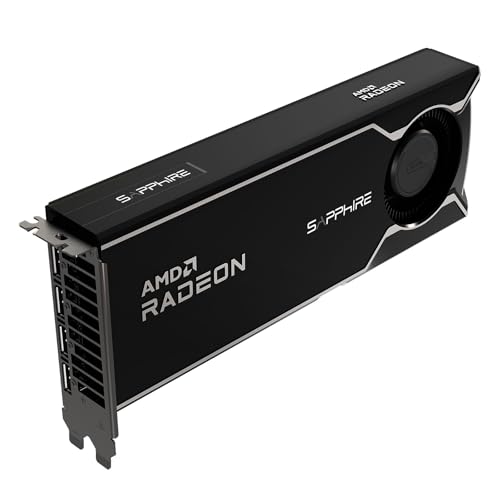
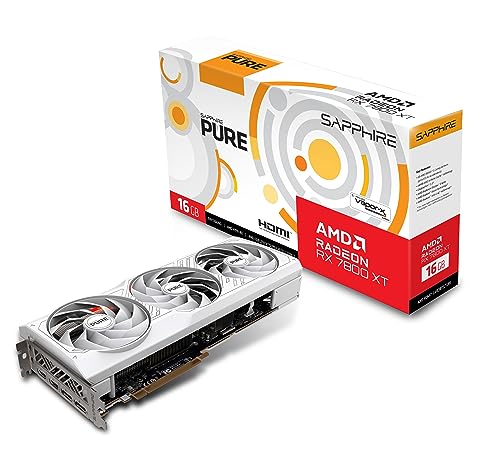
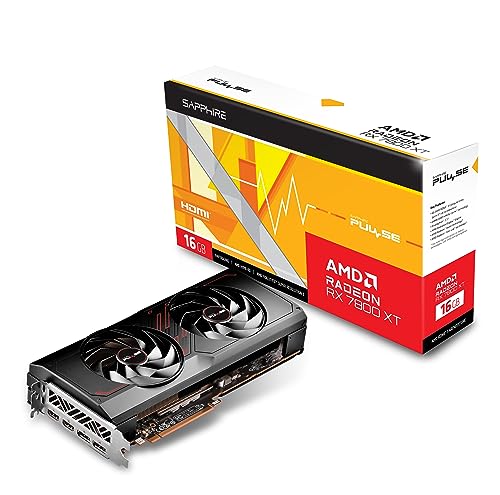
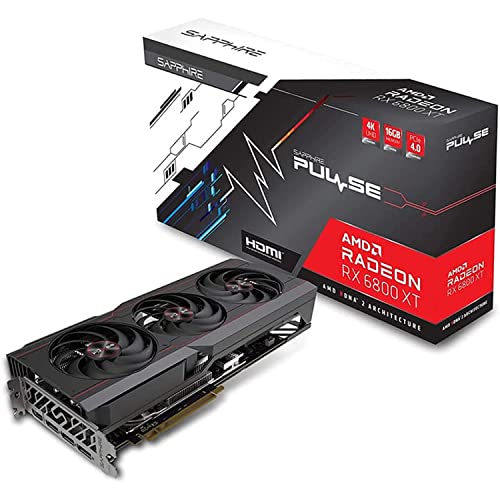
Are Sapphire graphics cards good?
Sapphire graphics cards have an average overall score of 7.7, ranking #16 among comparable graphics card brands, and a user rating of 9.2, placing them at #9 in user reviews.
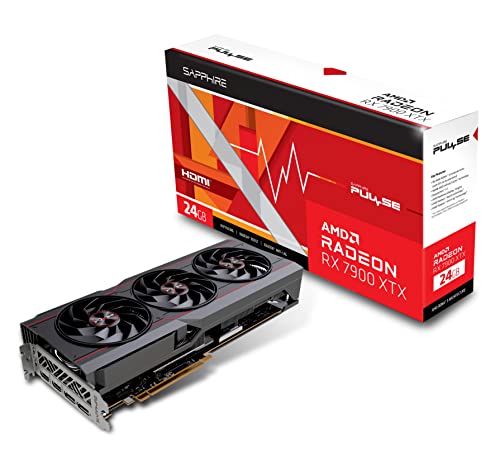
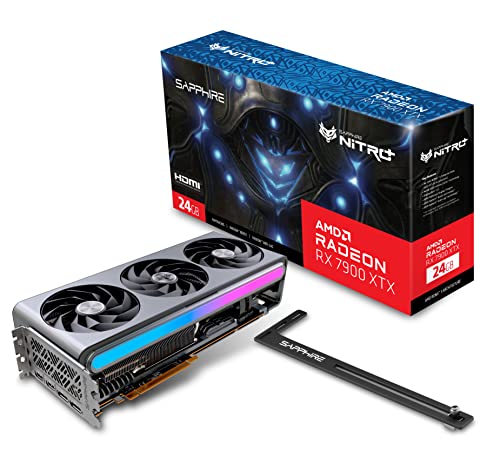
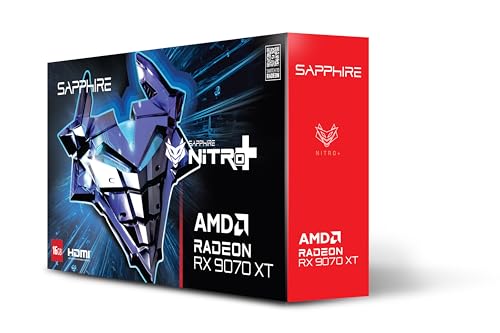
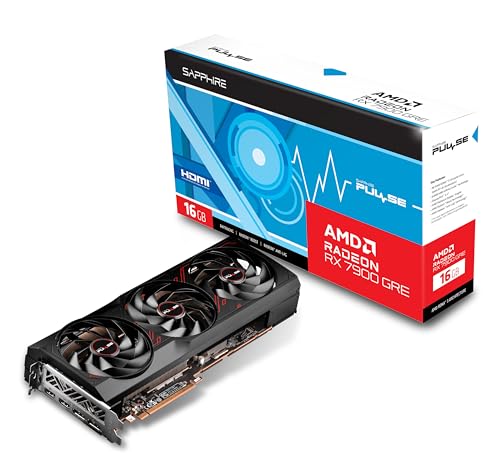
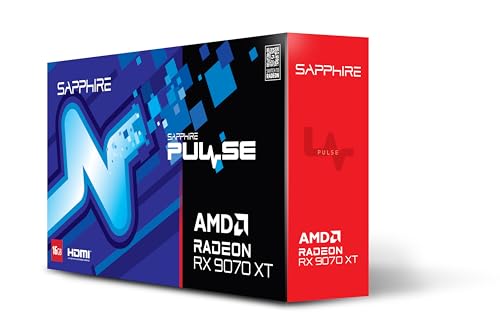
Sapphire is especially attractive when the buyer wants a clearer AMD-only lineup without sorting through a much broader mixed-brand ecosystem. Families such as Pulse and Nitro+ make the brand easier to read than some wider board-partner ranges.
The main caution is that Sapphire is narrower than the biggest cross-brand partners, and some premium Sapphire models can still become expensive if the Radeon tier underneath them is already pushing upward in price. That is why the exact GPU and the exact Sapphire family still matter.
What are the main advantages of Sapphire graphics cards?
The main advantages of Sapphire graphics cards are as follows:
Strong Radeon specialization: Sapphire is one of the clearest AMD-focused board partners in graphics cards. That makes the buying logic simpler for people who already know they want a Radeon card rather than a mixed AMD-and-Nvidia catalog.
Easy family structure: Pulse and Nitro+ dominate the lineup, so Sapphire is easier to understand than many broader brands with a dozen overlapping families. Buyers can usually tell quickly whether they are looking at a practical mainstream card or a stronger premium Radeon variant.
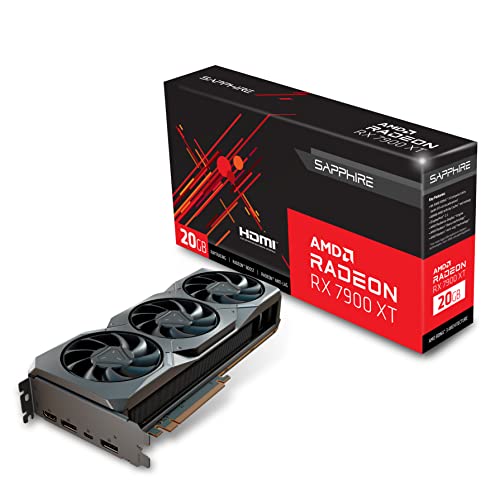
Well-regarded modern Radeon presence: Sapphire stays highly relevant wherever current Radeon cards matter, especially in mainstream and upper-mainstream gaming tiers. That makes it one of the first brands many buyers compare once they have already decided on AMD.
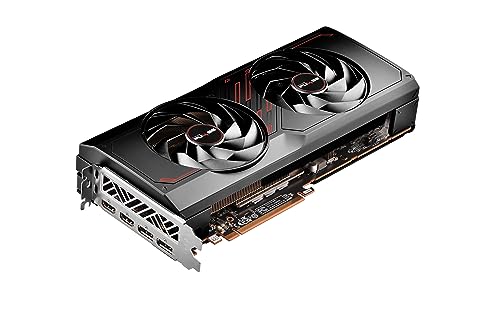
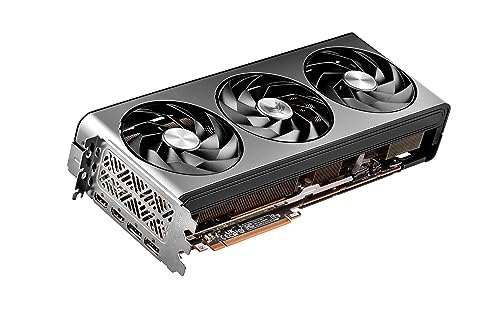
Useful cooler tier separation: Pulse usually covers the more sensible value branch, while Nitro+ pushes into stronger cooling, lower noise, and more premium finish. That clear split helps buyers choose the right cooler ambition without sorting through too many confusing sub-lines.
Good used-market continuity: Older Pulse, Nitro, Vega, Polaris, and other Sapphire cards are still common enough that second-hand buyers can find recognizable options at lower budgets. That continuity keeps the brand relevant beyond only the newest retail cards.
Cohesive brand identity: Sapphire's catalog feels more unified than many giant partner ecosystems. For focused Radeon shoppers, that makes comparison faster and reduces the risk of getting lost in too many parallel style and naming branches.
What are the main disadvantages of Sapphire graphics cards?
The main disadvantages of Sapphire graphics cards are as follows:
- No Nvidia side: Sapphire is much narrower than big multi-ecosystem board partners. If you want GeForce options under the same brand umbrella, Sapphire simply is not the right place to compare them.
- Older Radeon tail can mislead buyers: Sapphire includes many older RX, R9, Vega, and related cards that are now mainly used-market options. Those can still be useful at the right price, but they should not be judged like modern RDNA-era cards.
- Feature support depends heavily on Radeon generation: AV1, stronger ray tracing, and the most relevant modern Radeon features are concentrated in newer cards. Buyers who shop loosely by Sapphire reputation can still end up with very old hardware if they ignore the generation.
- Premium Radeon models still get expensive: Although Sapphire is often associated with sensible AMD buying, upper-end Nitro+ and stronger modern Radeon cards can still move deep into premium pricing. The brand is not automatically cheap just because it is focused.
- Smaller family spread means less variety: Pulse and Nitro+ make the brand easy to read, but they also mean less stylistic and form-factor variation than you get from broader brands with many more parallel lines.
- Used-market condition matters a lot: Sapphire's reputation is strongest on the better cards, but many of the cheap older Sapphire listings buyers see today are long out of warranty and old enough that cooler wear, dust, and previous use matter more than the original brand image.
Who makes Sapphire graphics cards?
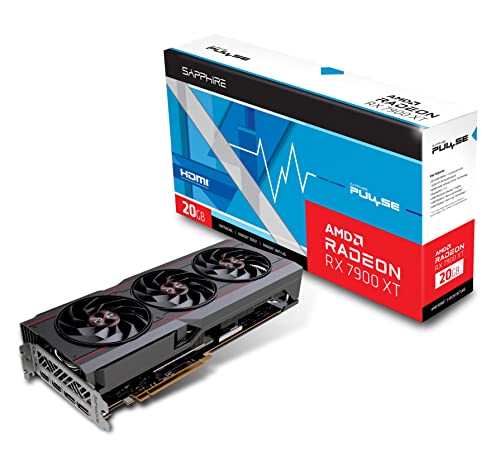
Sapphire graphics cards are made by Sapphire, a board partner best known for AMD Radeon-based products. Sapphire does not create the underlying GPU architecture, but it does control the cooler design, retail positioning, factory tuning, and final product family, especially through lines such as Pulse and Nitro.
That is why a Sapphire graphics card is best understood as Sapphire's version of a Radeon GPU tier rather than as a distinct chip platform of its own. In practical buying terms, the real question is how a Sapphire Pulse, Nitro, Pure, or other variant compares with rival partner versions of the same AMD GPU.
What are the main Sapphire graphics card series?
The main Sapphire graphics card series are as follows:
- Pulse: Pulse is Sapphire's main practical mainstream branch and usually the easiest starting point for buyers who want a sensible Radeon card without jumping straight to the most premium tier.
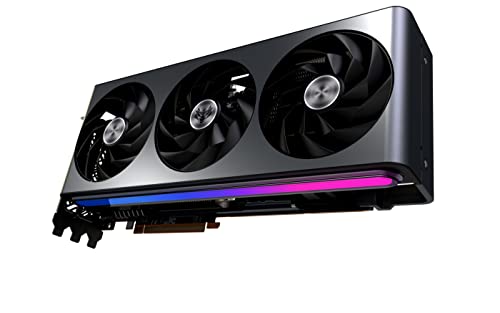
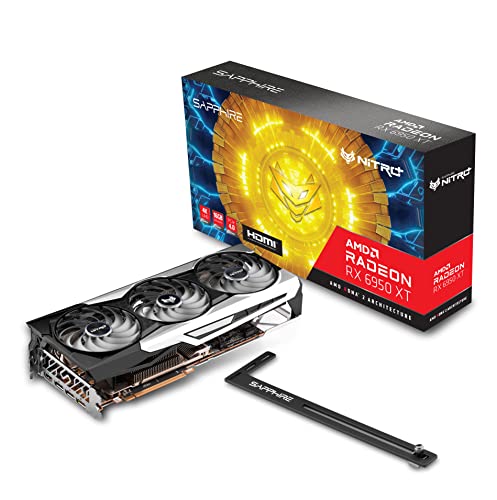
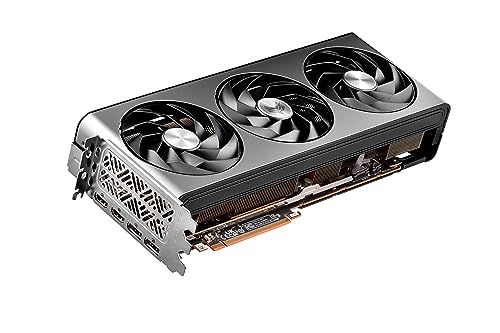
- Nitro+: Nitro+ is Sapphire's better-known premium gaming branch, usually built around stronger cooling, higher-visibility styling, and more enthusiast-facing positioning than Pulse.
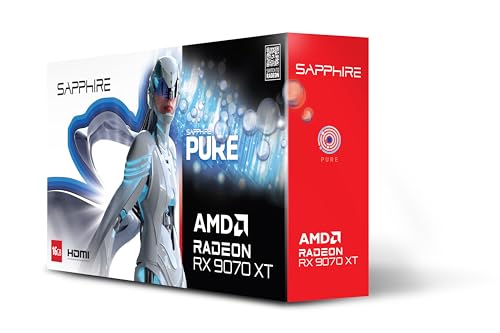
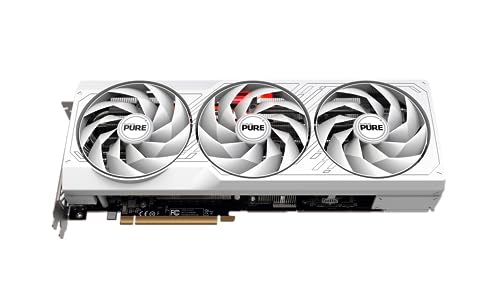
- Pure: Pure is a smaller Sapphire branch that tends to focus more on cleaner styling and more specific aesthetic positioning than the core mainstream lines.
- Toxic and older halo branches: Toxic and related halo-style Sapphire variants sit at the more premium or specialized edge of the lineup rather than at the center of ordinary buying.
- Older Vapor and legacy branches: Older Sapphire families still appear in the market, but they matter much more as legacy context than as the main shape of current Sapphire buying.
How much do Sapphire graphics cards cost?
Sapphire graphics cards usually cost about £60 to £1,500, with many practical gaming options sitting closer to roughly £130-£730.
The lower part of the range includes older Radeon value cards and simpler used-market options, while the middle of the range is where many of Sapphire's strongest real buying choices sit, especially with balanced Pulse cards and stronger mainstream Radeon tiers.
At the top end, the buyer is often paying for both the Radeon tier itself and Sapphire's more premium Nitro+ or halo-style positioning. The key is to check whether the Sapphire version is actually priced well against Asus, MSI, XFX, or PowerColor alternatives using the same AMD GPU class.
This chart visualizes Sapphire graphics card prices.
[vertical-chart-00006894417696246177101388572199530136650553890996]
How do Sapphire graphics cards compare with Asus models?
Sapphire graphics cards usually compare with Asus models as a focused Radeon specialist against a much broader board-partner ecosystem. Asus covers both Nvidia and AMD branches with many more product families, while Sapphire stays much more centered on Radeon-specific buying.
In practical terms, Sapphire often looks strongest when the buyer already knows they want an AMD card and wants a cleaner brand map built around Pulse and Nitro+. Asus usually looks stronger when the buyer wants more total range across GPU ecosystems or a broader board-partner catalog.
That means Sapphire is not automatically better just because it is more specialized. If the Asus Radeon card is cooler, quieter, or priced better for the same AMD GPU tier, it can easily be the smarter buy, and the reverse is equally true.
What should you consider while choosing the best Sapphire graphics card?
You should consider the following factors when choosing the best Sapphire graphics card:
- Series family: Sapphire cards are led mainly by Pulse and Nitro+, with smaller Pure, Toxic, and older specialist branches around them. Choose the family first, because that usually tells you whether you are looking at a more practical mainstream Radeon card or a more premium enthusiast version.
- Radeon tier underneath the brand: Sapphire cards cover many AMD GPU classes, from low-cost used cards up to serious modern flagship Radeons. Start with the actual GPU and performance target first, because the Sapphire badge does not change what class of Radeon you are buying.
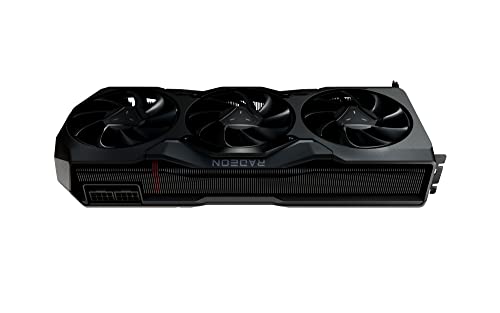
- Cooler quality and acoustics: Sapphire often earns its reputation through cooler execution, but the differences between Pulse, Nitro+, and the smaller branches still matter a lot. Heatsink size, fan tuning, and overall thermal behavior usually matter more than a small factory overclock.
- Physical size and case fit: Premium Sapphire cards can be large and heavy. Check case length, slot clearance, airflow, and radiator conflicts before assuming a Nitro+ or halo-style card will fit comfortably.
- Markup versus competing Radeon partners: Some Sapphire cards justify their price very well, but premium branches can still drift upward. Compare carefully against Asus, XFX, PowerColor, MSI, or Gigabyte Radeon alternatives using the same AMD GPU tier.
- Use-case alignment: A Pulse card, a Nitro+ card, and a more specialized Sapphire branch are not aimed at the same buyer. Match the Sapphire family to the actual build instead of defaulting to the most expensive series.