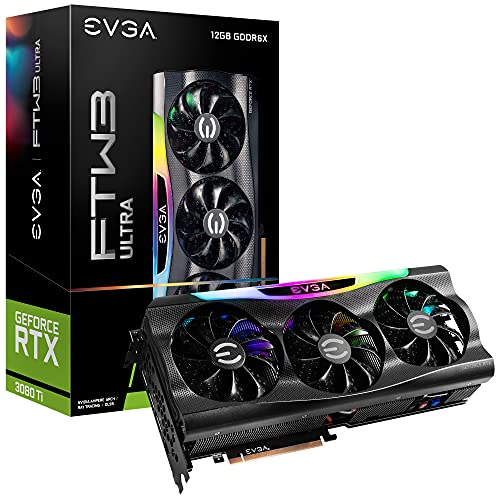
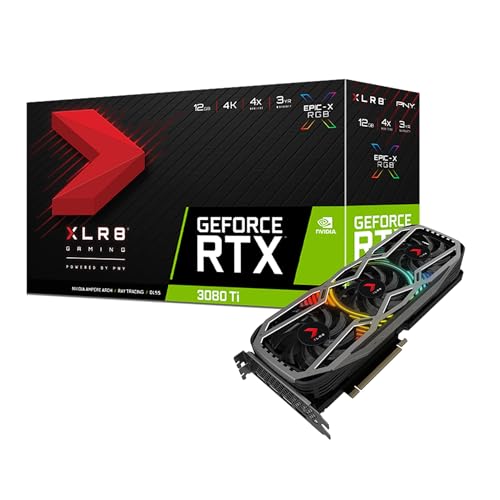
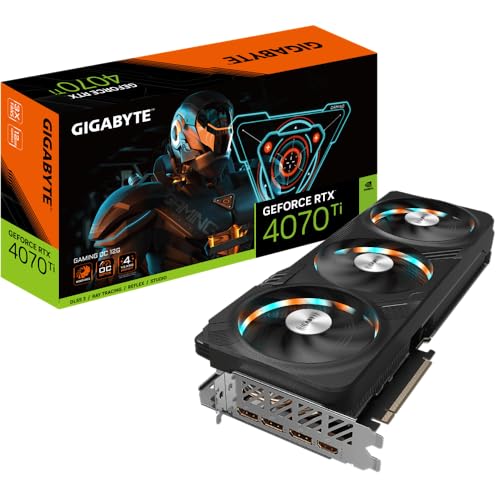
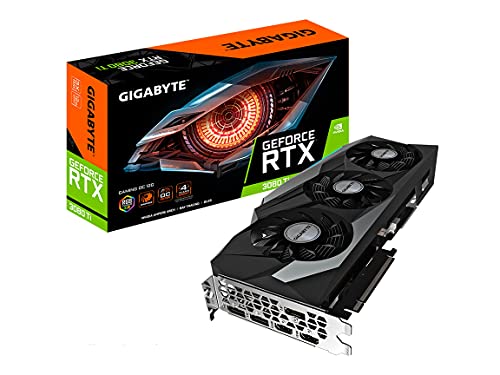
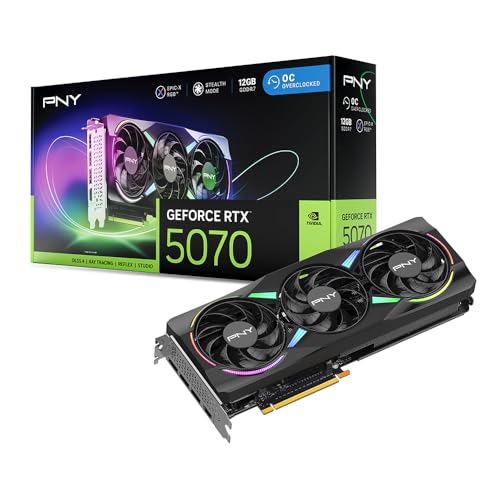
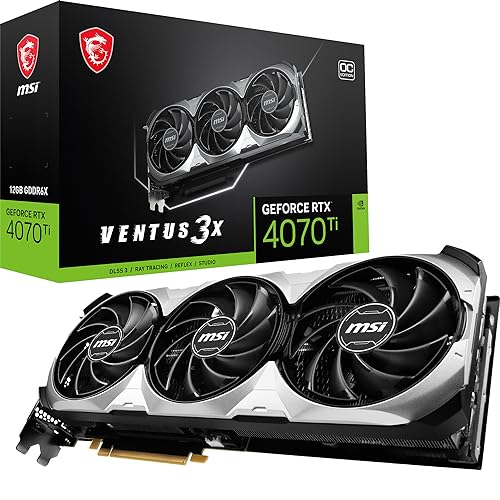
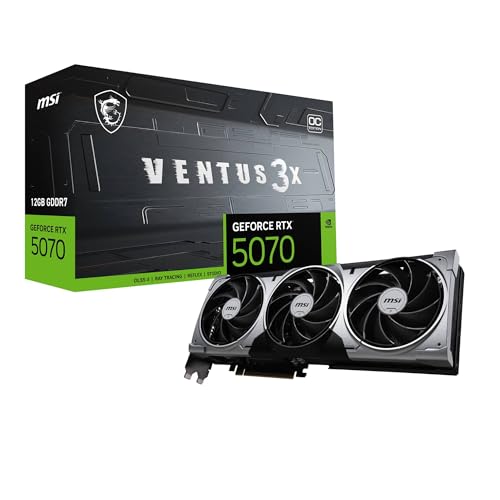
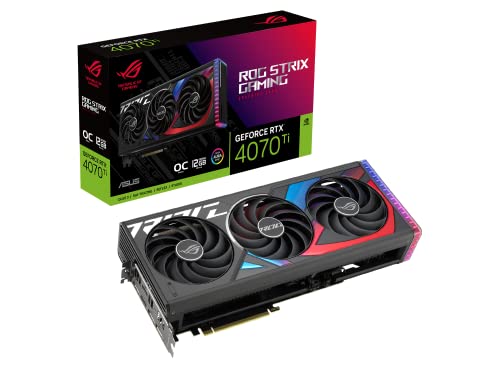
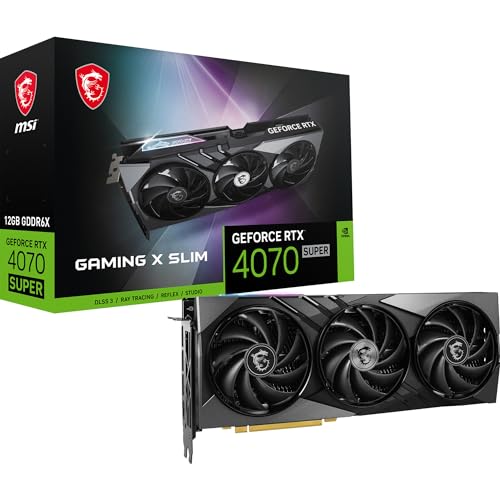
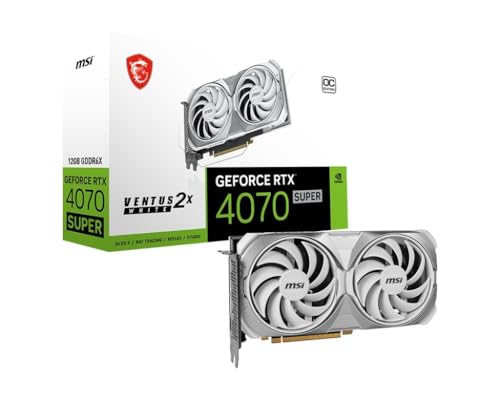
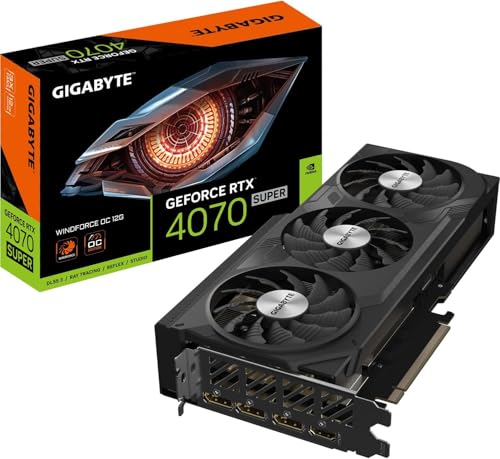
Which brands make the best 12 GB graphics cards?
The 12 GB graphics-card brands with the best average overall scores are as follows.
- MSI (Average overall score: 7.4)
- EVGA (Average overall score: 7.4)
- ASUS (Average overall score: 7.4)
The chart below compares how the main 12 GB graphics card brands perform on average by overall score.
[horizontal-chart-04040764183841660412084824509382960258103905764553]
What does 12 GB mean on a graphics card?
12 GB on a graphics card means the card has 12 gigabytes of dedicated video memory, or VRAM, available for textures, frame buffers, ray tracing data, and other graphics assets. That amount gives games more room to breathe than 8 GB, especially when texture quality rises, resolutions move up, or newer engines demand more memory at once.
12 GB VRAM does not guarantee a fast card by itself, but it usually appears on a stronger overall class of GPU than 8 GB does. In practice, 12 GB is large enough to reduce memory pressure in demanding 1440p play and to make higher settings or more ambitious 4K attempts more realistic when the GPU core is strong enough to keep up.
What games and settings suit 12 GB graphics cards?
12 GB graphics cards suit high-settings 1440p gaming very well, and the stronger models in this group can also push into credible 4K play. This memory tier is concentrated much more heavily around upper-mainstream and high-end GPUs than 8 GB or cheaper 6 GB cards usually are, which is why it feels more comfortable once heavier games and larger texture demands enter the picture.
Game settings still depend on the GPU behind the memory, but 12 GB gives stronger cards more room for heavier textures, bigger open-world titles, and more demanding ray tracing workloads. That makes 12 GB a natural fit for modern AAA gaming at high settings while also leaving more safety margin when future titles start pushing memory use harder.
How much do the best 12 GB graphics cards cost?
The best 12 GB graphics cards usually cost about £400-£900, although the broader market runs from roughly £150 to £2,860. In practice, 12 GB is common on stronger upper-mainstream and premium cards, so this part of the market already starts well above basic entry-level pricing.
Below roughly £340, 12 GB cards are much less common and usually come with tradeoffs elsewhere. Around £400-£700, you are in the strongest part of the category for serious 1440p gaming and stronger all-round performance. Above that, the extra money usually goes toward faster GPUs, better ray tracing, heavier coolers, and more premium card designs rather than just the extra VRAM figure.
This chart visualizes 12 GB graphics card prices.
[vertical-chart-06986442966872582047006884636762796461073144868254]
What resolutions are 12 GB graphics cards best for?
12 GB graphics cards are best for 1440p and are often strong enough for 4K if the GPU itself is in the right class. That memory capacity gives much better breathing room for higher texture settings and heavier games than 8 GB, so it is a more comfortable fit once resolution targets rise and visual demands become harder to manage.
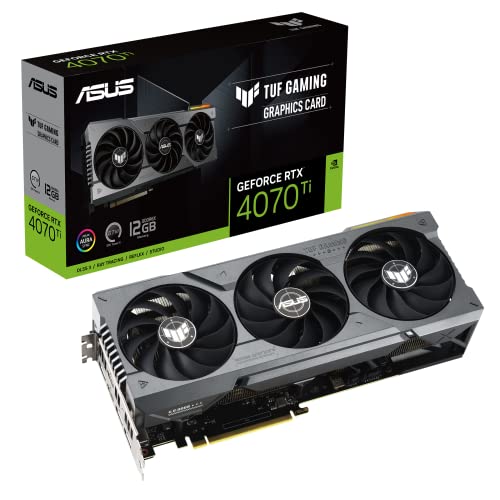
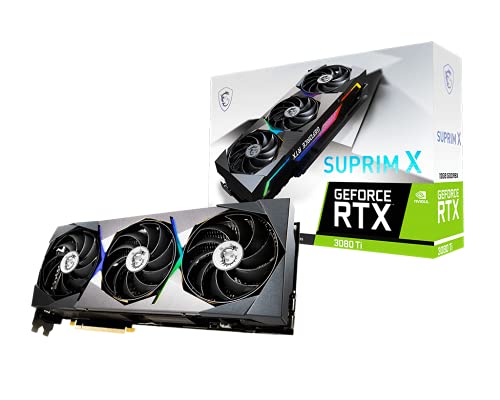
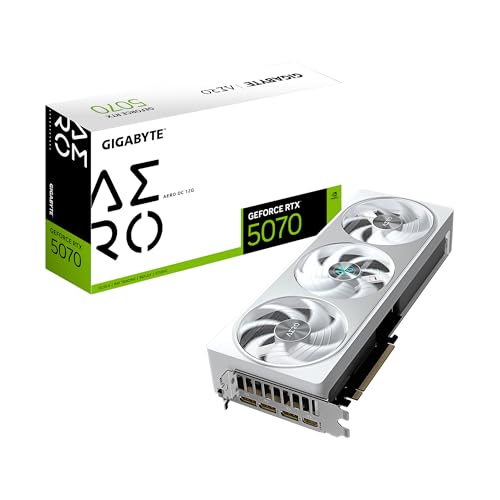
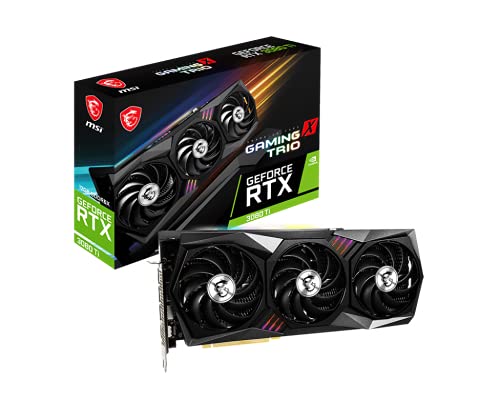
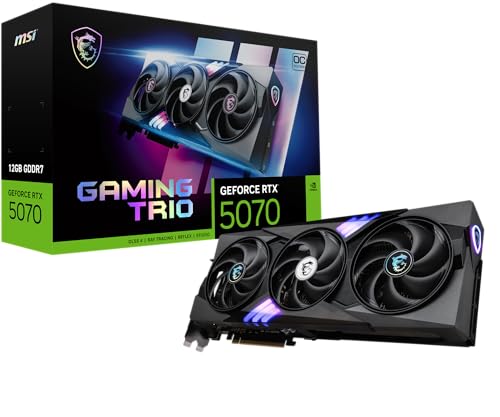
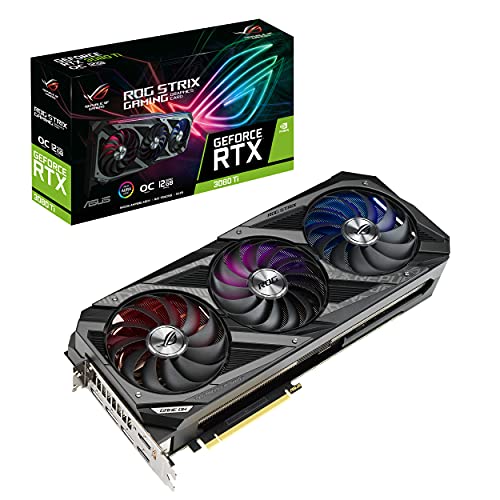
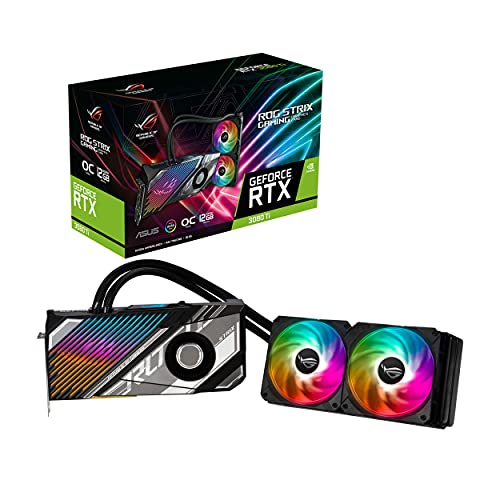
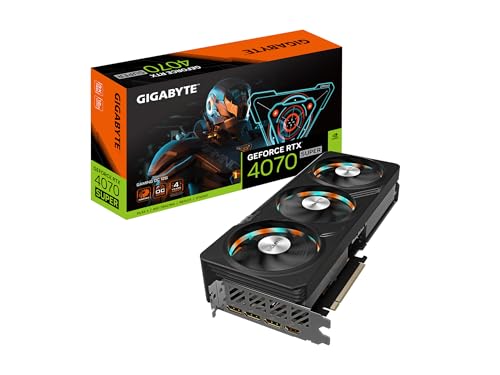
Resolution choice still depends on the GPU tier first. A weaker 12 GB card can still be more of a 1080p or lighter 1440p solution, while stronger 12 GB cards such as RTX 4070, RTX 4070 Super, RTX 4070 Ti, RTX 5070, or RTX 3080 Ti class models are much better positioned for sustained 1440p high settings and selective 4K play.
How long will 12 GB VRAM stay relevant?
12 GB VRAM will stay relevant for quite a while in mainstream enthusiast gaming because it already gives more breathing room than many current mid-range alternatives. It is large enough to stay comfortable in demanding 1440p use and to age more gracefully than 8 GB once heavier textures, ray tracing, and newer AAA releases push memory requirements upward.
Long-term relevance still depends on the class of GPU attached to that memory, but 12 GB is a much safer place to be if you want a card to last across several game cycles. For buyers who want stronger future margin without moving all the way into very high-cost flagship memory sizes, 12 GB is one of the most practical balances available today.
What should you consider while choosing a 12 GB graphics card?
You should focus on the following factors when choosing a 12 GB graphics card:
- GPU class: 12 GB appears on both value-oriented and premium-leaning cards, so the memory amount alone is not enough. A 12 GB card can still be weaker than a faster 8 GB card if the GPU tier, clocks, or architecture are less capable.
- Resolution: 12 GB is often a comfortable point for stronger 1080p and many 1440p builds, and it can also support selective 4K play on the right GPU. The real question is whether the core performance matches the resolution and refresh target you want to hold.
- Memory subsystem: Not every 12 GB card uses the same bus width, memory speed, or bandwidth. A 12 GB card on a narrower bus can still feel much less convincing than a 12 GB card with a wider and faster memory layout once textures, ray tracing, or heavier 1440p loads enter the picture.
- Features: 12 GB cards are often attractive for mixed gaming, streaming, creator work, or local AI use. That makes encoder quality, AV1 support, compute behavior, and upscaling support worth checking alongside the raw gaming tier.
- Power and cooling: Many 12 GB cards sit above entry-level power territory, so partner-cooler quality, hotspot control, and total case airflow still matter. The same VRAM tier can feel very different in daily use if one card runs much hotter or louder than another.
- Game load: One of the main reasons to buy 12 GB is to reduce memory pressure once heavier textures, larger worlds, and more demanding ray tracing start showing up. Judge the card by the kind of games and settings you actually run, not by the memory number in isolation.