Is the RX 580 a good graphics card?
RX 580 graphics cards are still decent old-budget Radeon options when they are cheap, clean, and preferably the 8 GB version.
The main reason to buy an RX 580 is that it still gives you workable 1080p raster gaming, often with 8 GB of VRAM, at a price level where many newer cards still cost noticeably more.
The main caution is that this is an older Polaris class with high power draw for its performance level, no modern ray-tracing tier, and only limited long-term headroom for heavier new games.
What are the main advantages of the RX 580?
The main advantages of the RX 580 are as follows:
- 8 GB is common on strong versions: Many RX 580 cards come with 8 GB of VRAM, which helps more than older 4 GB cards when you play texture-heavier games or want a little more breathing room at 1080p.
- Still decent for raster 1080p gaming: The RX 580 remains one of the more believable old-budget cards for esports titles and many older AAA games when your target is simple Full HD raster performance.
- Usually better than office-GPU upgrades: For buyers moving from integrated graphics or very weak legacy cards, the RX 580 still feels like a real gaming GPU rather than just a display-output upgrade.
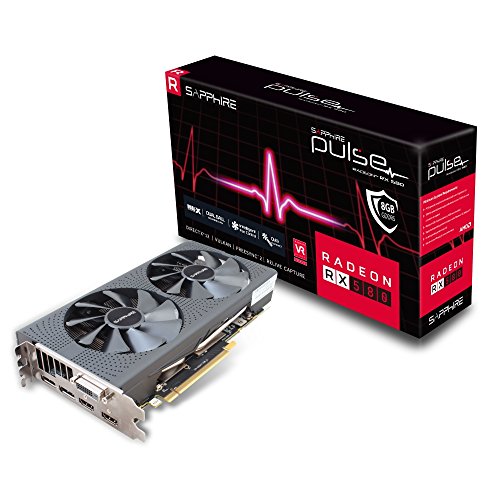
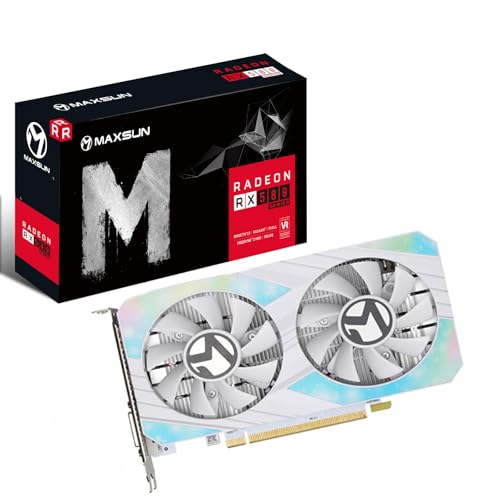
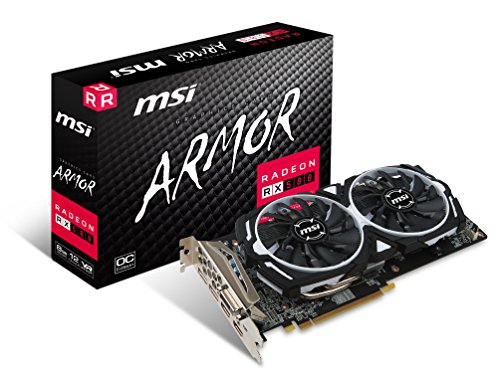
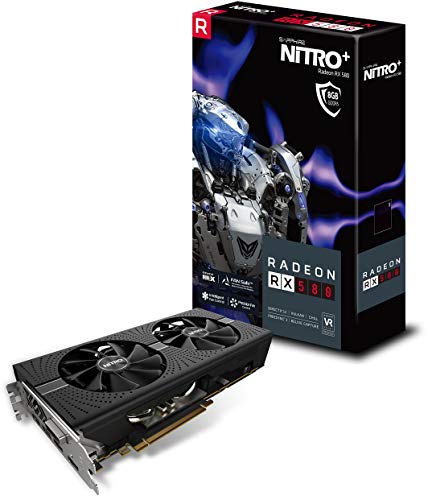
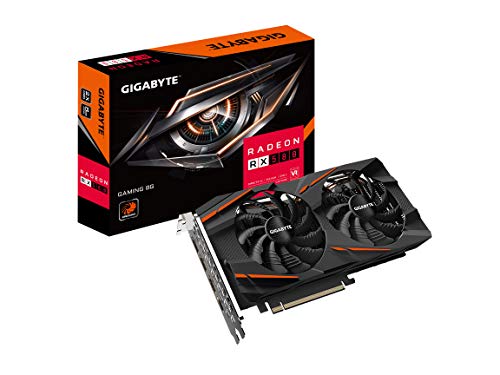
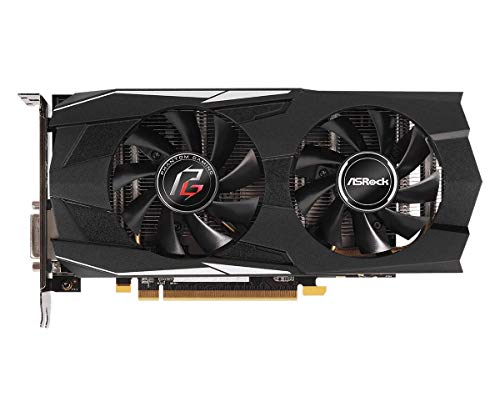
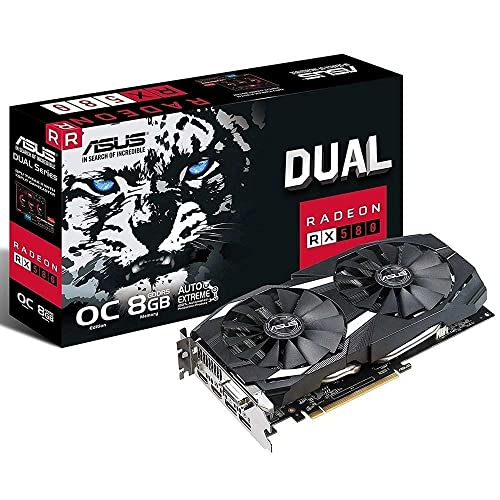
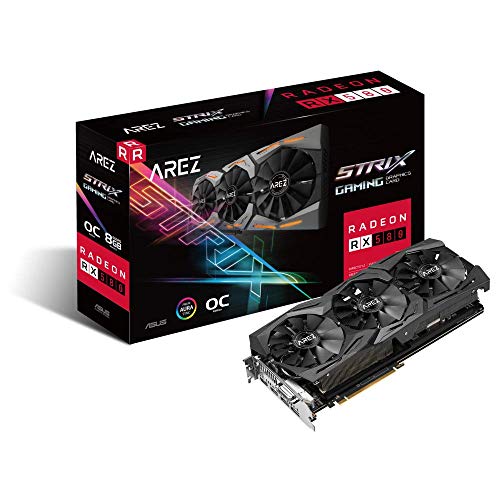
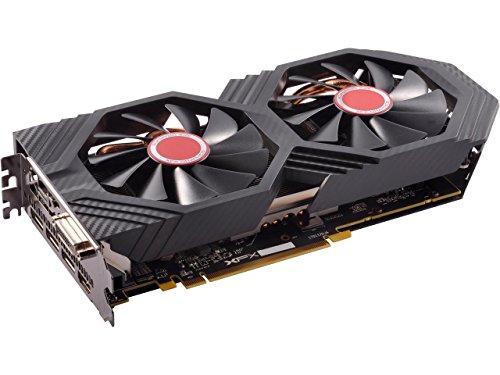
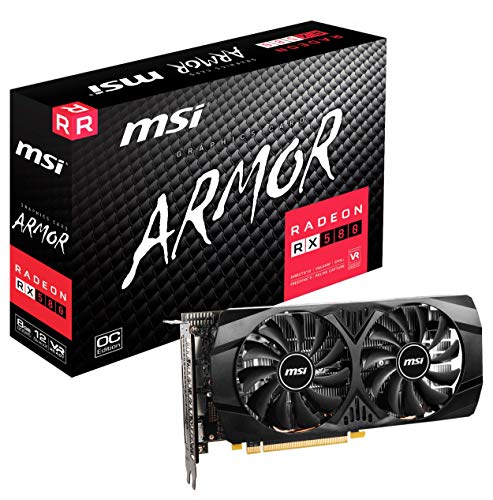
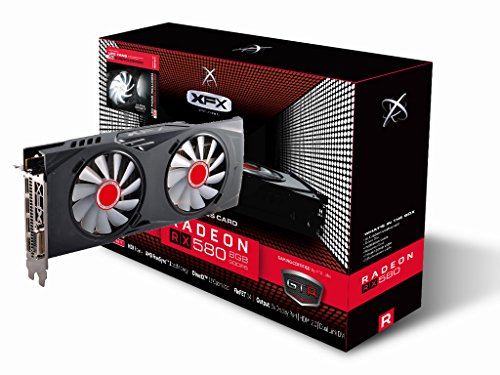
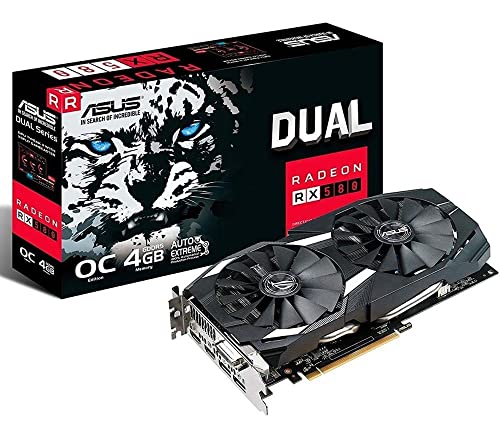
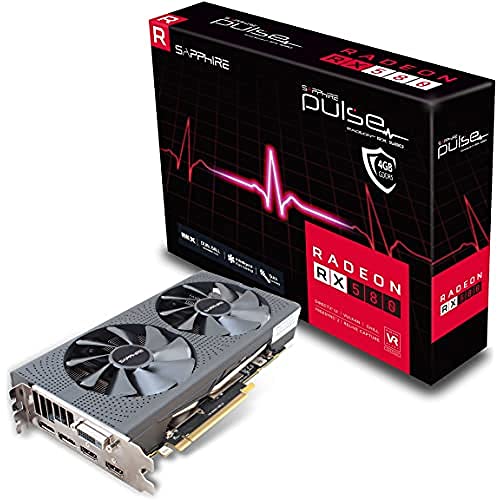
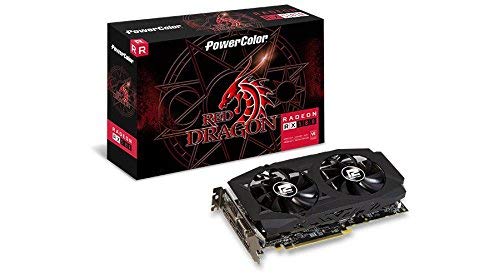
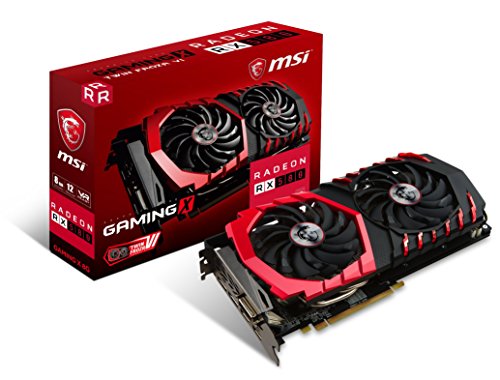
- Wide board-partner coverage: Sapphire, XFX, MSI, Asus, PowerColor, Gigabyte, and other partners all sold RX 580 variants, so buyers can still search for a quieter or better-built version.
- Clear fit for cheap FreeSync setups: The RX 580 still makes sense in older AMD-oriented budget builds where FreeSync monitors and simple raster gaming matter more than cutting-edge features.
What are the main disadvantages of the RX 580?
The RX 580 has the following disadvantages:
- High power draw for an old budget card: An RX 580 commonly sits around the 185 W mark, which is heavy for the level of performance it now delivers. Heat and PSU quality matter more here than on many newer budget GPUs.
- No modern hardware ray tracing tier: The RX 580 is built around older raster gaming and does not offer the kind of modern RT feature set buyers now see on newer GeForce and Radeon generations.
- Used-market wear is a serious risk: Many RX 580 cards have lived through years of gaming, mining, or hot case environments. The condition of the exact board can matter more than the basic model choice.
- Can become a bad deal surprisingly fast: The RX 580 only makes strong sense when it stays cheap. If the price climbs too far, the card's age, heat output, and missing features become much harder to excuse.
- Limited long-term comfort: Even with 8 GB on many versions, the RX 580 is still an old Polaris card. Buyers should see it as a short-term or low-budget solution, not as a clean long-horizon GPU.
What is the RX 580?
The RX 580 is an older Radeon graphics card based on AMD's Polaris architecture, built as a mainstream gaming GPU for traditional raster performance rather than for modern ray-tracing features. In practical terms, the RX 580 is best known as a 1080p-focused card with PCIe 3.0 support, roughly 185 W power draw, and mostly 8 GB variants.
RX 580 cards also tend to cluster around 256 GB/s memory bandwidth and boost clocks in the mid-1300 MHz to mid-1400 MHz range, depending on the specific board partner and factory overclock. That combination is why the RX 580 still feels usable in older gaming rigs even though it now sits firmly in the used-market part of the category.
Who should buy the RX 580?
The RX 580 is best for buyers who want an older Radeon card for low-cost 1080p gaming, esports, or a budget rebuild where 8 GB of VRAM still looks useful and the card is priced clearly below newer used alternatives. It is especially suitable when you find a clean 8 GB version and do not need modern RT features.
It is a weaker fit for buyers who want stronger efficiency, quieter operation, or better long-term support for newer AAA releases. It is also harder to justify when pricing starts drifting too close to newer used GPUs such as the RX 6600 or RTX 2060.
How much does the RX 580 cost?
RX 580 graphics cards usually cost about £80 to £250, with many practical cards sitting closer to roughly £90-£150.
The lower part of the range is where the better value story begins, especially for standard 8 GB cards with ordinary air coolers. Higher prices usually mean cleaner used condition, premium partner cooling, or unrealistic legacy listings rather than a different class of GPU.
The RX 580 only makes real sense when it stays clearly cheaper than newer used cards. If pricing climbs too far above the low-cost band, a card such as the RX 6600 often becomes the much smarter buy.
This chart visualizes RX 580 graphics card prices.
[vertical-chart-14232077002692605863141511726598436638933489799581]
How does the RX 580 compare with the RX 570?
The RX 580 compares with the RX 570 as the slightly stronger and more complete version of the same general Polaris-era idea. Both cards are older PCIe 3.0 raster-first designs, but the RX 580 more often appears as an 8 GB card with more comfortable 1080p headroom.
The RX 580 also asks a bit more from the system, because its power draw is usually higher. In return, it gives you a little more room for older AAA games, heavier textures, and a more relaxed overall 1080p experience.
The RX 580 is the better fit when the price gap is reasonable and you want the stronger Polaris option. The RX 570 can still make sense if it is noticeably cheaper and the build is strictly low-budget.
What should you consider while choosing the RX 580?
You should consider the following factors when choosing the RX 580:
- Memory size: Most attractive RX 580 cards are 8 GB models, while 4 GB versions are less comfortable for heavier textures and have a weaker long-term value story. If the price gap is small, the 8 GB version is usually the better buy.
- Real gaming target: The RX 580 makes the most sense for esports, older AAA games, and budget 1080p gaming. If your goal is newer heavy AAA releases or a more future-proof GPU, this class gets old quickly.
- Power and PSU fit: An RX 580 usually sits around the 185 W class, which is heavy for an older budget card. Check PSU quality, connector requirements, case airflow, and whether the rest of the system is realistic for that heat and power profile.
- Cooler condition and used-market wear: Most RX 580 cards are old enough that fan noise, thermal paste age, temperatures, mining history, and general board condition matter a lot. A cleaner used card is often better than a heavily overclocked one.
- Driver expectations and feature limits: The RX 580 is a legacy raster-first Radeon card. Buy it for basic gaming value, not because you expect modern RT features, top media-engine support, or long-term premium-driver comfort.
- Price discipline against newer used cards: The RX 580 only works when it stays clearly cheap. If pricing climbs too close to cards such as the RX 6600, the newer GPU is usually the easier decision.