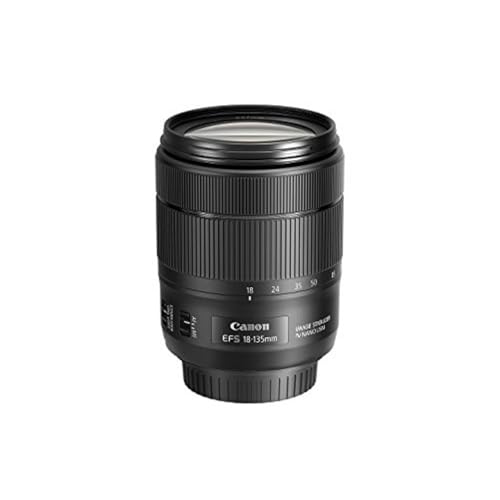
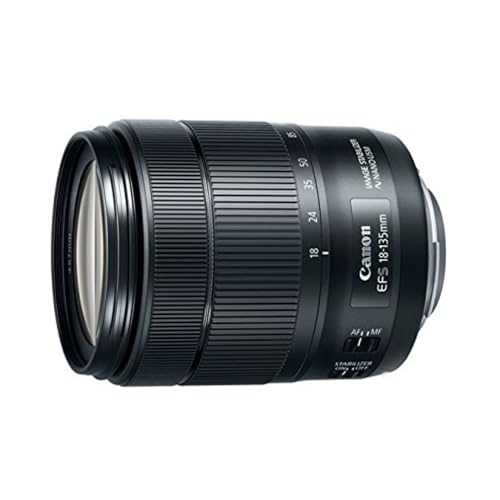
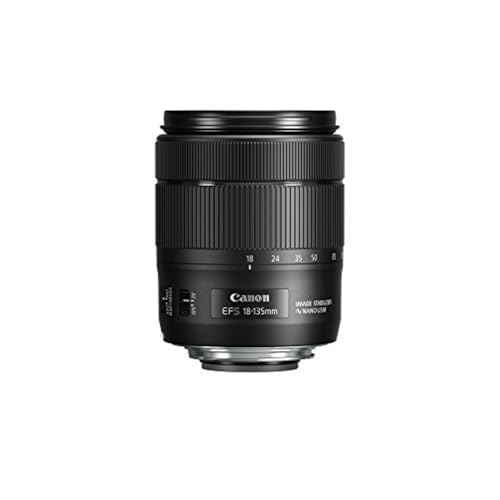
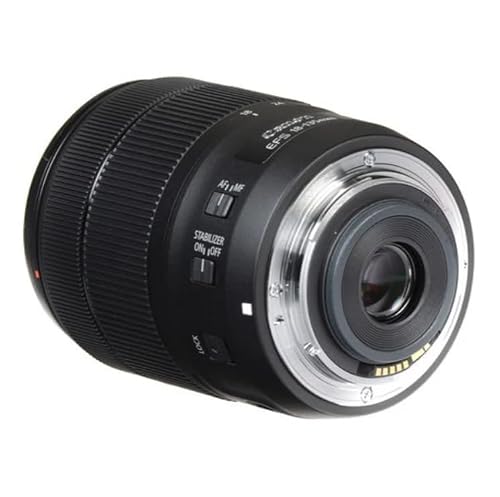
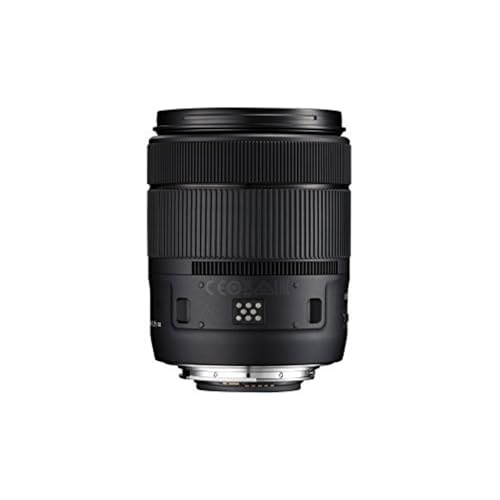
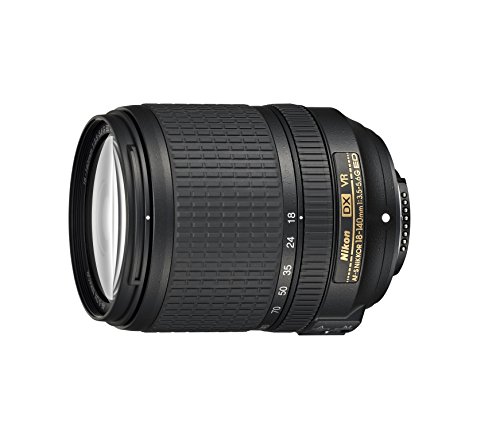
Canon EF-S 18 135mm F 3 5 5 6 IS USM Review | 54 Data compared

double-arrow
  • Avg. price: ~£360
  • Lens mount: Canon EF-S
  • Maximum focal length: 135 mm
  • Maximum aperture (telephoto end): 5.6
  • Optical image stabilization: yes
  • Maximum angle of view: 74.3 °

Canon EF-S 18 135mm F 3 5 5 6 IS USM review. Compare 54 technical specifications and user reviews to see how it ranks among camera lenses and if it is worth buying.

7.3

Overall score

What it is: An overall evaluation of the camera lens's quality, based on technical analyses and user reviews.

When it matters: When you need a quick reference to identify the best camera lenses on the market.

Score components:

80.0%

6.8

Technical Score

20.0%

9.4

User score

Very good
6.8

Technical Score

What it is: An assessment of the camera lens's technical performance, covering eight key areas: sharpness, aperture flexibility, autofocus, stabilization, build quality, mount compatibility, close-focus performance, and design.

When it matters: When you want to compare camera lenses based on technical performance and available features.

Score components:

35.0%

7.8

Optics & Aperture

24.0%

5.6

Build & Handling

20.0%

5.8

Focus & Controls

10.0%

9.0

Lab Scores

8.0%

7.9

Stabilization

3.0%

1.0

Mount & Format

Good
9.4

User score

What it is: A rating that combines user reviews and the total number of reviews received by the camera lens.

When it matters: When real-world owner satisfaction and review volume matter to your decision.

Score components:

70.0%

9.1

User reviews

30.0%

10

Popularity

User score:
United Kingdom
amazon
4.5
(404)
amazon
4.5
(250)
United States
Amazon_logo.png
4.5
(403)
Amazon_logo.png
4.6
(269)

(Reviews last updated: July 2026)

Exceptional
  • 9.7
    Low-light photography

    Score components:

    70.0%

    9.5

    Maximum aperture (telephoto end)

    30.0%

    10

    Optical image stabilization

  • 6.7
    Travel

    Score components:

    30.0%

    8.5

    Lens length

    25.0%

    7.6

    Lens diameter

    25.0%

    1.0

    Weather sealing (splashproof)

    20.0%

    10

    Optical image stabilization

  • canon-ef-s-18-135mm-f-3-5-5-6-is-usm
  • canon-ef-s-18-135mm-f-3-5-5-6-is-usm
  • canon-ef-s-18-135mm-f-3-5-5-6-is-usm
  • canon-ef-s-18-135mm-f-3-5-5-6-is-usm
  • canon-ef-s-18-135mm-f-3-5-5-6-is-usm
canon-ef-s-18-135mm-f-3-5-5-6-is-usm

Best prices in UK

Best rankings

?

Available: ranking among products currently available (including other versions of this product).
All: ranking among all products in the database.

Verdict

The Canon EF-S 18-135mm f/3.5-5.6 IS USM is a versatile wide-to-telephoto zoom lens designed for APS-C format DSLRs, delivering a 35mm equivalent focal length range of 28.8-216mm. Its optical design consists of 16 elements in 12 groups, a 67mm filter thread, and a 515g chassis measuring 77.4 x 96mm. Key advantages include an innovative Nano USM autofocus system that blends high-speed stills performance with smooth, near-silent video tracking, along with a 4-stop optical image stabilization system and compatibility with the optional PZ-E1 Power Zoom Adapter. However, its main drawbacks are a variable maximum aperture that restricts low-light performance at the telephoto end, a lack of weather sealing, and noticeable corner softness when shooting wide open at 18mm.

Technical Specifications of Canon EF-S 18 135mm F 3 5 5 6 IS USM

Technical Score

What it is: An assessment of the camera lens's technical performance, covering eight key areas: sharpness, aperture flexibility, autofocus, stabilization, build quality, mount compatibility, close-focus performance, and design.

When it matters: When you want to compare camera lenses based on technical performance and available features.

Score components:

35.0%

7.8

Optics & Aperture

24.0%

5.6

Build & Handling

20.0%

5.8

Focus & Controls

10.0%

9.0

Lab Scores

8.0%

7.9

Stabilization

3.0%

1.0

Mount & Format

6.8
Canon EF-S 18 135mm F 3 5 5 6 IS USM has a technical score of 6.8 points, which is lower than 65.9% of camera lenses.
User score

What it is: A rating that combines user reviews and the total number of reviews received by the camera lens.

When it matters: When real-world owner satisfaction and review volume matter to your decision.

Score components:

70.0%

9.1

User reviews

30.0%

10

Popularity

User score:
United Kingdom
amazon
4.5
(404)
amazon
4.5
(250)
United States
Amazon_logo.png
4.5
(403)
Amazon_logo.png
4.6
(269)

(Reviews last updated: July 2026)

9.4
Canon EF-S 18 135mm F 3 5 5 6 IS USM has a user score of 9.36 points, which is higher than 83.4% of camera lenses.
Popularity
What it is: An indicator based on the number of reviews received by the camera lens.
When it matters: When you want to see which camera lenses attract the most buyer attention and review activity.
10
Canon EF-S 18 135mm F 3 5 5 6 IS USM has a popularity of 10 points, which is higher than 69.2% of products in this category.
Ratio quality/price

What it is: An indicator that combines the camera lens's overall rating with its cost.

When it matters: When you want to know how much overall quality you get for the price.

Score components:

60.0%

7.3

Overall score

40.0%

8.6

Price

7.7
Canon EF-S 18 135mm F 3 5 5 6 IS USM has a quality-to-price ratio of 7.7 points, which is higher than 72% of products in this category.
Lens type
What it is: The optical category that indicates whether the lens is a prime, zoom, macro, fisheye, or another design.
When it matters: When you are choosing between a prime, zoom, macro, or specialty lens for the kind of subjects you shoot.

Importance: LOW

zoom
Lens mount
What it is: The mechanical and electronic interface that determines which cameras the lens can be attached to.
When it matters: When camera compatibility and access to the right lens ecosystem are central to your buying decision.

Importance: LOW

Canon EF-S
Sensor format coverage
What it is: The largest sensor size the lens is designed to cover without severe vignetting.
When it matters: When you need the lens to fully cover your camera sensor without heavy corner darkening.

Importance: LOW

APS-C
Filter thread size
What it is: The diameter of the front filter thread used for screw-in filters and compatible accessories.
When it matters: When you plan to use screw-in filters such as polarizers, ND filters, or protective glass.

Importance: LOW

67 mm
Teleconverter compatibility
What it is: Whether the lens can be used with compatible teleconverters to extend focal length.
When it matters: When you want to extend reach for wildlife or sports without changing to a different long lens.

Importance: HIGH

no
Canon EF-S 18 135mm F 3 5 5 6 IS USM does not support teleconverters. 15.3% of camera lenses support teleconverters.
Show more
Minimum focal length
What it is: The shortest focal length the lens can provide, which determines its widest framing.
When it matters: When wide framing matters for landscapes, interiors, architecture, or travel shots.

Importance: LOW

18 mm
Maximum focal length
What it is: The longest focal length the lens can reach, which determines its telephoto reach.
When it matters: When you need more reach for wildlife, sports, stage events, or distant details.

Importance: LOW

135 mm
Optical zoom
What it is: The ratio between the longest and shortest focal lengths available in the lens zoom range.
When it matters: When you want one lens to cover a broader range of compositions without swapping glass.

Importance: LOW

7.5x
Maximum angle of view
What it is: The widest scene the lens can capture at its shortest focal length.
When it matters: When you need to fit more of a room, skyline, or landscape into the frame.

Importance: LOW

74.3 °
Minimum angle of view
What it is: The narrowest scene the lens captures at its longest focal length.
When it matters: When you want tighter framing on faraway subjects without moving closer.

Importance: LOW

11.5 °
Show more
Focus motor
What it is: The autofocus drive system responsible for moving lens elements into focus.
When it matters: When fast, quiet autofocus matters for video, wildlife, street shots, or moving subjects.

Importance: LOW

Nano USM
Minimum focus distance
What it is: The shortest distance at which the lens can focus on a subject.
When it matters: When you like shooting details, food, flowers, or products from a very short distance.

Importance: MEDIUM

0.39 m
Canon EF-S 18 135mm F 3 5 5 6 IS USM focuses as close as 0.39 m, which is farther than 59.6% of camera lenses and equal to 0.8% of camera lenses.
Maximum reproduction ratio
What it is: The highest magnification the lens can achieve when focusing at its closest distance.
When it matters: When close-up magnification matters for macro work, textures, or small product details.

Importance: MEDIUM

0.28x
Canon EF-S 18 135mm F 3 5 5 6 IS USM reaches a reproduction ratio of 0.28x, which is higher than 78.8% of camera lenses and equal to 1.4% of camera lenses.
Full-time manual focus
What it is: The ability to adjust focus manually without leaving autofocus mode.
When it matters: When you want to fine-tune focus instantly without switching out of autofocus.

Importance: HIGH

yes
Canon EF-S 18 135mm F 3 5 5 6 IS USM supports full-time manual focus. 68.3% of camera lenses support full-time manual focus.
Electronic override in One-Shot AF.
Internal focusing
What it is: A focusing design in which internal elements move while the outer barrel length stays unchanged.
When it matters: When you use polarizers, gimbals, or close-up setups that benefit from a lens that does not extend while focusing.

Importance: HIGH

yes
Canon EF-S 18 135mm F 3 5 5 6 IS USM supports internal focusing. 83.6% of camera lenses support internal focusing.
Show more
Optical image stabilization
What it is: A hardware system that shifts optical elements to counteract camera shake and reduce blur.
When it matters: When you want steadier handheld shots and less blur, especially in low light or at longer focal lengths.

Importance: HIGH

yes
Canon EF-S 18 135mm F 3 5 5 6 IS USM supports optical image stabilization. 28.9% of camera lenses include optical image stabilization.
Stabilization effectiveness (CIPA stops)
What it is: The rated stabilizer benefit, measured in stops, under CIPA testing standards.
When it matters: When you are comparing stabilized lenses and want to know how much handheld shutter-speed advantage they offer.

Importance: HIGH

4 stops
Canon EF-S 18 135mm F 3 5 5 6 IS USM offers 4 stops of stabilization, which is stronger than 21.3% of camera lenses and equal to 44.5% of camera lenses.
Weight
What it is: The total mass of the lens, affecting portability and handling balance on the camera body.
When it matters: When you carry a lens all day for travel, hiking, or event coverage and want to keep your kit manageable.

Importance: HIGH

?
Lens length
What it is: The physical length of the lens body from mount to front edge.
When it matters: When bag space, balance, or front clearance matters in a compact travel or video setup.

Importance: HIGH

96 mm
Canon EF-S 18 135mm F 3 5 5 6 IS USM is 96 mm long, which is longer than 53.3% of camera lenses and equal to the length of 0.5% of camera lenses.
Lens diameter
What it is: The widest outer diameter of the lens barrel.
When it matters: When grip comfort, filter size, or fit inside a tight camera bag matters to you.

Importance: MEDIUM

77.4 mm
Canon EF-S 18 135mm F 3 5 5 6 IS USM has a diameter of 77.4 mm, which is wider than 51% of camera lenses and equal to that of 0.1% of camera lenses.
Weather sealing (splashproof)
What it is: Protective sealing intended to resist splashes, dust, and light environmental exposure.
When it matters: When you often shoot outdoors in light rain, dust, or changing conditions.

Importance: HIGH

no
Canon EF-S 18 135mm F 3 5 5 6 IS USM does not support weather sealing. 50.3% of camera lenses support weather sealing.
Metal mount
What it is: A lens mount made of metal rather than plastic for greater durability at the camera connection point.
When it matters: When durability matters because you change lenses often or use heavier gear for work.

Importance: HIGH

yes
Canon EF-S 18 135mm F 3 5 5 6 IS USM uses a metal lens mount. 93.1% of camera lenses use a metal lens mount.
Show more
DxOMark overall score
What it is: The combined DxOMark lens rating based on lab-tested optical performance.
When it matters: When you want a quick lab-based summary of overall optical performance before comparing lenses in detail.

Importance: HIGH

?
DxOMark sharpness score
What it is: The DxOMark subscore that reflects how much detail the lens can resolve across the frame.
When it matters: When fine detail matters for landscapes, product work, or high-resolution cameras.

Importance: HIGH

?
DxOMark transmission
What it is: The measured light transmission of the lens, expressed as T-stop rather than nominal f-number.
When it matters: When real light loss matters for exposure consistency in studio, cinema, or mixed-lens shoots.

Importance: MEDIUM

?
DxOMark distortion
What it is: The DxOMark metric that measures how much the lens bends straight lines away from their true shape.
When it matters: When straight lines matter in architecture, interiors, copy work, or product photography.

Importance: MEDIUM

?
DxOMark vignetting
What it is: The DxOMark measurement of corner darkening relative to the center of the image.
When it matters: When even corner brightness matters for skies, studio backdrops, or clean product shots.

Importance: MEDIUM

0.900 EV
Canon EF-S 18 135mm F 3 5 5 6 IS USM has DxOMark vignetting of 0.900 EV, which is lower than that of 69.8% of camera lenses and equal to that of 11.8% of camera lenses.
Show more

Canon EF-S 18 135mm F 3 5 5 6 IS USM vs the average camera lens

  • Has optical image stabilization
    Canon EF-S 18 135mm F 3 5 5 6 IS USM has optical image stabilization, the average camera lens does not. 29% of camera lenses include optical image stabilization.
    What it is: A hardware system that shifts optical elements to counteract camera shake and reduce blur.
    When it matters: When you want steadier handheld shots and less blur, especially in low light or at longer focal lengths.

    Importance: HIGH

    Canon EF-S 18 135mm F 3 5 5 6 IS USM has optical image stabilization, the average camera lens does not. 29% of camera lenses include optical image stabilization.
  • Has zoom lock switch
    Canon EF-S 18 135mm F 3 5 5 6 IS USM has a zoom lock switch, the average camera lens does not. 8.6% of camera lenses include a zoom lock switch.
    Zoom lock switch present.
    What it is: A switch that locks the zoom position to prevent the lens from extending during transport.
    When it matters: When you carry the lens while walking or traveling and want to prevent zoom creep.

    Importance: LOW

    Canon EF-S 18 135mm F 3 5 5 6 IS USM has a zoom lock switch, the average camera lens does not. 8.6% of camera lenses include a zoom lock switch.
  • 0.3 EV less vignetting
    Canon EF-S 18 135mm F 3 5 5 6 IS USM has less vignetting than the average camera lens (0.9 EV vs 1.2 EV). The average lens has vignetting of 1.2 EV.
    What it is: The DxOMark measurement of corner darkening relative to the center of the image.
    When it matters: When even corner brightness matters for skies, studio backdrops, or clean product shots.

    Importance: MEDIUM

    Canon EF-S 18 135mm F 3 5 5 6 IS USM has less vignetting than the average camera lens (0.9 EV vs 1.2 EV). The average lens has vignetting of 1.2 EV.0.900 EV vs 1.2 EV
  • 0.09 x higher maximum reproduction ratio
    Canon EF-S 18 135mm F 3 5 5 6 IS USM has a higher maximum reproduction ratio than the average camera lens (0.3x vs 0.192x). The average lens has a maximum reproduction ratio of 0.192x.
    What it is: The highest magnification the lens can achieve when focusing at its closest distance.
    When it matters: When close-up magnification matters for macro work, textures, or small product details.

    Importance: MEDIUM

    Canon EF-S 18 135mm F 3 5 5 6 IS USM has a higher maximum reproduction ratio than the average camera lens (0.3x vs 0.192x). The average lens has a maximum reproduction ratio of 0.192x.0.28 x vs 0.192 x
  • 15.6% higher user score
    Canon EF-S 18 135mm F 3 5 5 6 IS USM has a higher user score than the average camera lens (9.36 vs 8.091).
    What it is: A rating that combines user reviews and the total number of reviews received by the camera lens.
    When it matters: When real-world owner satisfaction and review volume matter to your decision.
    Canon EF-S 18 135mm F 3 5 5 6 IS USM has a higher user score than the average camera lens (9.36 vs 8.091).9.36 vs 8.09
  • Has zoom lock switch
    Canon EF-S 18 135mm F 3 5 5 6 IS USM has a zoom lock switch, the average camera lens does not. 8.6% of camera lenses include a zoom lock switch.
  • 0.09 x higher maximum reproduction ratio
    Canon EF-S 18 135mm F 3 5 5 6 IS USM has a higher maximum reproduction ratio than the average camera lens (0.3x vs 0.192x). The average lens has a maximum reproduction ratio of 0.192x.
  • Has optical image stabilization
    Canon EF-S 18 135mm F 3 5 5 6 IS USM has optical image stabilization, the average camera lens does not. 29% of camera lenses include optical image stabilization.
  • 0.3 EV less vignetting
    Canon EF-S 18 135mm F 3 5 5 6 IS USM has less vignetting than the average camera lens (0.9 EV vs 1.2 EV). The average lens has vignetting of 1.2 EV.
  • 2.8 higher f-number at telephoto end
    Canon EF-S 18 135mm F 3 5 5 6 IS USM has a dimmer maximum telephoto aperture than the average camera lens (f/5.6 vs f/2.8). The average lens has a maximum telephoto aperture of f/2.8.
  • 2 fewer aperture blades
    Canon EF-S 18 135mm F 3 5 5 6 IS USM has fewer aperture blades than the average camera lens (7 vs 9). The average lens has 9 aperture blades.
  • 1 fewer low-dispersion elements
    Canon EF-S 18 135mm F 3 5 5 6 IS USM has fewer low-dispersion elements than the average camera lens (1 vs 2). The average lens has 2 low-dispersion elements.
  • 1 fewer aspherical elements
    Canon EF-S 18 135mm F 3 5 5 6 IS USM has fewer aspherical elements than the average camera lens (1 vs 2). The average lens has 2 aspherical elements.
  • 0.09 m longer minimum focus distance
    Canon EF-S 18 135mm F 3 5 5 6 IS USM has a higher minimum focus distance than the average camera lens (0.4 m vs 0.3 m). The average lens has a minimum focus distance of 0.3 m.
  • Not weather-sealed
    Canon EF-S 18 135mm F 3 5 5 6 IS USM does not support weather sealing, the average camera lens does. 50.3% of camera lenses support weather sealing.
  • No lens hood
    Canon EF-S 18 135mm F 3 5 5 6 IS USM does not include a lens hood, the average camera lens does. 89.1% of camera lenses include a lens hood.
  • 4 mm longer lens
    Canon EF-S 18 135mm F 3 5 5 6 IS USM is longer than the average camera lens (96 mm vs 92 mm). The average lens has a length of 92 mm.
  • Not weather-sealed
    Canon EF-S 18 135mm F 3 5 5 6 IS USM does not support weather sealing, the average camera lens does. 50.3% of camera lenses support weather sealing.
    What it is: Protective sealing intended to resist splashes, dust, and light environmental exposure.
    When it matters: When you often shoot outdoors in light rain, dust, or changing conditions.

    Importance: HIGH

    Canon EF-S 18 135mm F 3 5 5 6 IS USM does not support weather sealing, the average camera lens does. 50.3% of camera lenses support weather sealing.
  • 2.8 higher f-number at telephoto end
    Canon EF-S 18 135mm F 3 5 5 6 IS USM has a dimmer maximum telephoto aperture than the average camera lens (f/5.6 vs f/2.8). The average lens has a maximum telephoto aperture of f/2.8.
    What it is: The widest aperture available at the long end of the zoom range, affecting light intake and background blur.
    When it matters: When you shoot at the long end in low light or want stronger background blur for portraits and sports.

    Importance: HIGH

    Canon EF-S 18 135mm F 3 5 5 6 IS USM has a dimmer maximum telephoto aperture than the average camera lens (f/5.6 vs f/2.8). The average lens has a maximum telephoto aperture of f/2.8.5.6 vs 2.8
  • 2 fewer aperture blades
    Canon EF-S 18 135mm F 3 5 5 6 IS USM has fewer aperture blades than the average camera lens (7 vs 9). The average lens has 9 aperture blades.
    What it is: The number of diaphragm blades that shape the aperture opening and influence blur rendering.
    When it matters: When the look of out-of-focus highlights matters in portraits, close-ups, or cinematic video.

    Importance: HIGH

    Canon EF-S 18 135mm F 3 5 5 6 IS USM has fewer aperture blades than the average camera lens (7 vs 9). The average lens has 9 aperture blades.7 vs 9
  • No lens hood
    Canon EF-S 18 135mm F 3 5 5 6 IS USM does not include a lens hood, the average camera lens does. 89.1% of camera lenses include a lens hood.
    What it is: Whether a matching lens hood is supplied in the box.
    When it matters: When you want flare protection straight out of the box without buying extra accessories.

    Importance: MEDIUM

    Canon EF-S 18 135mm F 3 5 5 6 IS USM does not include a lens hood, the average camera lens does. 89.1% of camera lenses include a lens hood.
  • 1 fewer low-dispersion elements
    Canon EF-S 18 135mm F 3 5 5 6 IS USM has fewer low-dispersion elements than the average camera lens (1 vs 2). The average lens has 2 low-dispersion elements.
    What it is: Optical elements designed to reduce color fringing by controlling how different wavelengths focus.
    When it matters: When you want cleaner edges and less color fringing in high-contrast scenes.

    Importance: MEDIUM

    Canon EF-S 18 135mm F 3 5 5 6 IS USM has fewer low-dispersion elements than the average camera lens (1 vs 2). The average lens has 2 low-dispersion elements.1 vs 2
  • 1 fewer aspherical elements
    Canon EF-S 18 135mm F 3 5 5 6 IS USM has fewer aspherical elements than the average camera lens (1 vs 2). The average lens has 2 aspherical elements.
    What it is: Specially shaped lens elements used to reduce distortion and improve sharpness with fewer optical compromises.
    When it matters: When edge sharpness and lower distortion matter in wide-angle, travel, or everyday shooting.

    Importance: MEDIUM

    Canon EF-S 18 135mm F 3 5 5 6 IS USM has fewer aspherical elements than the average camera lens (1 vs 2). The average lens has 2 aspherical elements.1 vs 2
  • 0.09 m longer minimum focus distance
    Canon EF-S 18 135mm F 3 5 5 6 IS USM has a higher minimum focus distance than the average camera lens (0.4 m vs 0.3 m). The average lens has a minimum focus distance of 0.3 m.
    What it is: The shortest distance at which the lens can focus on a subject.
    When it matters: When you like shooting details, food, flowers, or products from a very short distance.

    Importance: MEDIUM

    Canon EF-S 18 135mm F 3 5 5 6 IS USM has a higher minimum focus distance than the average camera lens (0.4 m vs 0.3 m). The average lens has a minimum focus distance of 0.3 m.0.39 m vs 0.3 m
  • 4 mm longer lens
    Canon EF-S 18 135mm F 3 5 5 6 IS USM is longer than the average camera lens (96 mm vs 92 mm). The average lens has a length of 92 mm.
    What it is: The physical length of the lens body from mount to front edge.
    When it matters: When bag space, balance, or front clearance matters in a compact travel or video setup.

    Importance: HIGH

    Canon EF-S 18 135mm F 3 5 5 6 IS USM is longer than the average camera lens (96 mm vs 92 mm). The average lens has a length of 92 mm.96 mm vs 92 mm

Graphic comparison of Canon EF-S 18 135mm F 3 5 5 6 IS USM and

Attribute category
Attribute
No results found

Third-party reviews

(Reviews last updated: July 2026)

What customers like about Canon EF-S 18 135mm F 3 5 5 6 IS USM?

  • Extremely fast, quiet, and smooth Nano USM autofocus, significantly improved over STM
  • Excellent, highly effective image stabilization (IS)
  • Versatile zoom range, suitable for varied photography and videography needs
  • Supports Power Zoom adapter for enhanced video capabilities
  • Good, fast tracking performance for capturing family moments and moving subjects

What customers dislike about Canon EF-S 18 135mm F 3 5 5 6 IS USM?

  • Variable maximum aperture (f/3.5-5.6) makes it less ideal for low-light shooting
  • Noticeable corner softness at wide angles, particularly at 18mm
  • Chromatic aberration (purple/green fringing) is common in high-contrast scenes
  • Not a sharp as prime lenses or higher-end L-series lenses
  • Relatively heavy/large for a consumer-grade kit lens

Expert reviews

T
the-digital-picture.com
11/04/2016
Summary of the review
D
dustinabbott.net
04/05/2016
Summary of the review
E
ephotozine.com
02/11/2016
Summary of the review
P
photoreview.com.au
11/04/2016
Summary of the review
P
pcmag.com
10/05/2026
Summary of the review
K
kenrockwell.com
18/01/2018
Summary of the review
F
focus-review.com
19/06/2016
Summary of the review
D
digitalcameraworld.com
28/05/2017
Summary of the review
P
photozone.de
27/07/2026
Summary of the review
D
digitalkamera.de
13/11/2019
Summary of the review
O
objektiv-berater.de
27/07/2026
Summary of the review
M
monappareilphotopro.fr
30/01/2025
Summary of the review
F
fotografiamoderna.it
02/12/2021
Summary of the review
R
rcefoto.com
Undated
Summary of the review
E
eoszine.nl
18/04/2016
Summary of the review
F
focus-review.com
19/06/2026
Summary of the review

Compare Canon EF-S 18 135mm F 3 5 5 6 IS USM with

VS
VS

Compare