Scored using Washer-dryers Methodology v1.0
Washer-dryers Methodology v1.0
Mathematical & Unbiased Scoring
Products in this category are scored under Frontum Washer-dryers Methodology v1.0: technical specifications plus authentic consumer ratings, with 0% commercial bias.
Explore Washer-dryers Methodology v1.0

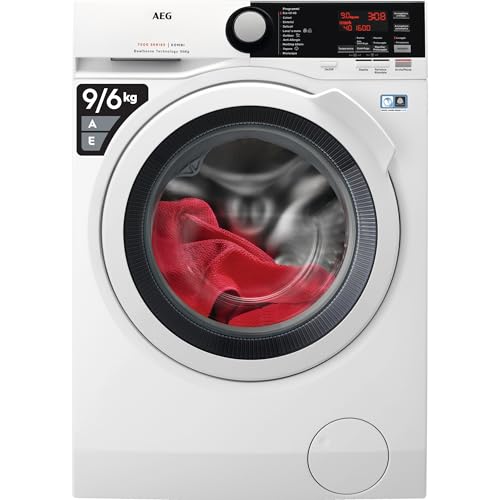
Electrolux EW7W396B PerfectCare 700 Review | 104 Data compared

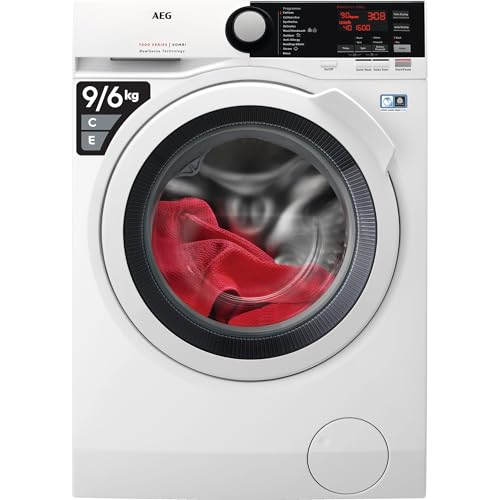
Avg. price:~£720Washing capacity:9 kgDrying capacity:6 kgDrying technology:condenserWashing energy efficiency class:ACombined energy efficiency class:E

Electrolux EW7W396B PerfectCare 700 Review: Compare 104 technical specifications and user reviews to see how this product ranks in the Washer-dryers category and whether it is worth buying.

6.4/10

Overall score

Score
6.4/ 10
✕
What it is
An overall evaluation of the washer-dryer's quality, based on technical analyses and user reviews.
When it matters
When you need a quick reference to identify the best washer-dryers on the market.
Score distribution
▼
<55-66-77-88-99-10
Score components

70%

6.8

Technical score

30%

5.5

User score

▼Worse than 84% of washer dryers
6.4

Value for money

Value for money
6.4/ 10
✕
What it is
An indicator that combines the washer-dryer's overall rating with its cost.
When it matters
When you are looking for a washer-dryer with a good balance between quality and price.
Score distribution
▼
<55-66-77-88-99-10
Score components

70%

6.4

Overall score

30%

6.3

Price

▼Worse than 84%
6.8

Technical score

Technical score
6.8/ 10
✕
What it is
An assessment of the washer-dryer's technical performance, covering five key areas: performance, energy efficiency, washing and drying programs, features, and design.
When it matters
When you want to compare washer-dryers based on technical performance and available features.
Score distribution
▼
<55-66-77-88-99-10
Score components

25%

8.1

Performance

25%

7.5

Energy efficiency

25%

6.6

Washing & Drying

20%

4.9

Features

5%

5.8

Design

▲Better than 52%
5.5

User score

User score
5.5/ 10
✕
What it is
A rating that combines user reviews and the total number of reviews received by the washer-dryer.
When it matters
When you want to know how a washer-dryer performs in everyday use and how reliable it is according to user reviews.
Score distribution
▼
<55-66-77-88-99-10
Score components

70%

6.6

User ratings

30%

3.1

Number of reviews

▼Worse than 98%
  • No image
No image
Where to buy
    N/A~ £720
Best rankings
Available: ranking among products currently available (including other versions of this product).All: ranking among all products in the database.
Loading...
Loading category ranking...

Technical Specifications of washer-dryer Electrolux EW7W396B PerfectCare 700

Technical score
Technical score
6.8/ 10
✕
What it is
An assessment of the washer-dryer's technical performance, covering five key areas: performance, energy efficiency, washing and drying programs, features, and design.
When it matters
When you want to compare washer-dryers based on technical performance and available features.
Score distribution
▼
<55-66-77-88-99-10
Score components:

25%

8.1

Performance

25%

7.5

Energy efficiency

25%

6.6

Washing & Drying

20%

4.9

Features

5%

5.8

Design

6.8
User score
User score
5.5/ 10
✕
What it is
A rating that combines user reviews and the total number of reviews received by the washer-dryer.
When it matters
When you want to know how a washer-dryer performs in everyday use and how reliable it is according to user reviews.
Score distribution
▼
<55-66-77-88-99-10
Score components

70%

6.6

User ratings

30%

3.1

Number of reviews

5.5
Popularity
Popularity
3.1/ 10
✕
What it is
An indicator based on the number of reviews received by the washer-dryer.
When it matters
When you prefer to purchase a product chosen and reviewed by many other consumers.
Score distribution
▼
<55-66-77-88-99-10
Popularity:
Electrolux EW7W396B PerfectCare 700 has a popularity of 3.1 points, which is higher than 97.9% of washer-dryers.
3.1
Value for money
Value for money
6.4/ 10
✕
What it is
An indicator that combines the washer-dryer's overall rating with its cost.
When it matters
When you are looking for a washer-dryer with a good balance between quality and price.
Score distribution
▼
<55-66-77-88-99-10
Score components:

70%

6.4

Overall score

30%

6.3

Price

6.4
Washing capacity
9 kg
This washer-dryer has a washing capacity of 9 kg which is bigger than the capacity of 45% of washer-dryers and equal to the capacity of 29.6% of washer-dryers.
Drying capacity
6 kg
This washer-dryer has a drying capacity of 6 kg which is bigger than the capacity of 37.6% of washer-dryers and equal to the capacity of 51.3% of washer-dryers.
Drum volume
69 L
This washer-dryer has a drum volume of 69 L which is bigger than the drum volume of 76% of washer-dryers and equal to the drum volume of 8.9% of washer-dryers.
Spin efficiency class
B
This washer-dryer has B spin efficiency class which is better than the spin efficiency class of 1.1% of washer-dryers and equal to that of 84.7% of washer-dryers.
Maximum spin speed
1,600 RPM
The maximum spin speed of this washer-dryer is 1,600 RPM which is higher than the maximum spin speed of 81.5% of washer-dryers and equal to the maximum spin speed of 18.5% of washer-dryers.
Show more
Washing energy efficiency class
A
This washer-dryer has A washing energy efficiency class which is better than the washing energy efficiency of 52.4% of washer-dryers and equal to that of 47.6% of washer-dryers.
Combined energy efficiency class
E
This washer-dryer has E combined energy efficiency class which is better than the combined energy efficiency of 3.8% of washer-dryers and equal to that of 50.8% of washer-dryers.
Energy consumption per 100 washing cycles
49 kWh/100 cycles
This washer-dryer has an energy consumption per 100 washing cycles of 49 kWh/100 cycles which is lower than the energy consumption of 69.8% of washer-dryers and equal to that of 11.6% of washer-dryers.
Energy consumption per 100 combined cycles
376 kWh/100 cycles
This washer-dryer has an energy consumption per 100 combined cycles of 376 kWh/100 cycles which is higher than the energy consumption of 74.1% of washer-dryers and equal to that of 3.7% of washer-dryers.
Water consumption per washing cycle
46 L
This washer-dryer has a water consumption per washing cycle of 46 L which is lower than the water consumption of 64% of washer-dryers and equal to that of 5.8% of washer-dryers.
Show more
Number of washing programs
14
This washer-dryer has 14 different washing programs which is more than the n. of programs of 64% of washer-dryers and equal to that of 15.3%.
Eco 40-60, Cotton, Synthetics, Delicates, Wool, FreshScent, Spin/Drain, Rinse, Drum Clean, Anti-Allergy, Sportswear, Outdoor, Denim, NonStop 1h 1kg
Number of drying programs
2
This washer-dryer has 2 different drying programs which is less than the n. of programs of 68.3% of washer-dryers and equal to that of 30.2% of washer-dryers.
Eco 40-60 + Cupboard Dry Level, NonStop 1h 1kg.
Fast washing cycle duration
-
Maximum washing cycle duration
220 min
The maximum washing cycle duration of this washer-dryer is 220 min which is more than the maximum cycle duration of 50.3% of washer-dryers and equal to that of 3.8% of washer-dryers.
Maximum combined cycle duration
485 min
The maximum combined cycle duration of this washer-dryer is 485 min which is more than the maximum combined duration of 50% of washer-dryers and equal to that of 2.7% of washer-dryers.
Show more
N. of features
14
This washer-dryer has 14 advanced features, which is more than the number of features in 37% of washer-dryers and equal to the number in 13.2% of washer-dryers.
Foam control system, Unbalanced load detection, Laundry detection system, Automatic drying, Time remaining indicator, Time remaining indicator, Steam function, Fast cycle option, Extra rinse function, Anti-stain function, Anti-crease function, Pause & Add Feature, Delay start option, Drying level selection
N. of downloadable programs
-
Foam control system
yes
This washer-dryer features a foam control system. 59.5% of washer-dryers have a foam control system.
Unbalanced load detection
yes
This washer-dryer has unbalanced load detection. 94.7% of washer-dryers have this feature.
Automatic load balancing during spin
no
This washer-dryer does not feature automatic load balancing. 38.9% of washer-dryers have automatic load balancing.
Show more
Installation type
free-standing
This washer-dryer is free-standing type. 9.5% of washer-dryers a different type.
Color
white
This washer-dryer is white in color. 76.8%.
Display
yes
This washer-dryer has a display. 100% of washer-dryers have a display.
Noise-reducing design
no
This washer-dryer does not have a noise-reducing design. 7.4% of washer-dryers have a noise-reducing design.
Special drum design
no
This washer-dryer does not have a special drum design. 47.9% of washer-dryers have a special drum design.
Show more

Electrolux EW7W396B PerfectCare 700 vs the average washer-dryer

246810TotalPerformanceEnergy efficiencyWashing & DryingFeaturesDesign
  • 1 more washing program/s
    This washer-dryer has more washing programs than the average washer-dryer (14 vs 13). The average washer-dryer has 13 washing programs.
    Eco 40-60, Cotton, Synthetics, Delicates, Wool, FreshScent, Spin/Drain, Rinse, Drum Clean, Anti-Allergy, Sportswear, Outdoor, Denim, NonStop 1h 1kg
    14 vs 13
  • 200 RPM higher maximum spin speed
    This washer-dryer has a higher maximum spin speed than the average washer-dryer (1,600 RPM vs 1,400 RPM). The average washer-dryer has a maximum spin speed of 1,400 RPM.
    1,600 RPM vs 1,400 RPM
  • 2 more spin speed options
    This washer-dryer offers a higher number of spin speeds than the average washer-dryer (7 vs 5). The average washer-dryer has 5 spin speeds.
    400, 600, 800, 1,000, 1,200, 1,400, 1,600 RPM
    7 vs 5
  • 6 kWh/100 cycles lower energy consumption for washing
    This washer-dryer has a lower energy consumption for washing than the average washer-dryer (49 kWh/100 cycles vs 55 kWh/100 cycles). The average washer-dryer consumes 55 kWh/100 cycles per 100 washing cycles.
    49 kWh/100 cycles vs 55 kWh/100 cycles
  • 9 L bigger drum volume
    This washer-dryer has a bigger drum volume than the average washer-dryer (69 L vs 60 L). The average washer-dryer has a drum volume of 60 L.
    69 L vs 60 L
  • Has a fast cycle option
    This washer-dryer has a fast cycle option, the average washer-dryer does not. 37.4% of washer-dryers have a fast cycle option.
    Time Manager (shortens wash time based on load size and soil level)
  • Has quick washing & drying
    This washer-dryer has a quick washing & drying option, the average washer-dryer does not. 40.5% of washer-dryers have a quick washing & drying option.
    Ready-to-wear clothes in one hour with the Non-Stop 60 Minute program that washes and dries small loads in just one hour for an extraordinarily quick and efficient cycle.
  • Has a jeans cycle
    This washer-dryer has a cycle for jeans, the average washer-dryer does not. 13.2% of washer-dryers have a jeans cycle.
  • 200 RPM higher maximum spin speed
    This washer-dryer has a higher maximum spin speed than the average washer-dryer (1,600 RPM vs 1,400 RPM). The average washer-dryer has a maximum spin speed of 1,400 RPM.
    1,600 RPM vs 1,400 RPM
  • 2 more spin speed options
    This washer-dryer offers a higher number of spin speeds than the average washer-dryer (7 vs 5). The average washer-dryer has 5 spin speeds.
    400, 600, 800, 1,000, 1,200, 1,400, 1,600 RPM
    7 vs 5
  • 9 L bigger drum volume
    This washer-dryer has a bigger drum volume than the average washer-dryer (69 L vs 60 L). The average washer-dryer has a drum volume of 60 L.
    69 L vs 60 L
  • 6 kWh/100 cycles lower energy consumption for washing
    This washer-dryer has a lower energy consumption for washing than the average washer-dryer (49 kWh/100 cycles vs 55 kWh/100 cycles). The average washer-dryer consumes 55 kWh/100 cycles per 100 washing cycles.
    49 kWh/100 cycles vs 55 kWh/100 cycles
  • Better washing energy efficiency class
    This washer-dryer has a better washing energy efficiency class than the average washer-dryer (A vs B). The average washer-dryer is classified in the B washing energy efficiency rating class.
    A vs B
  • 9 L lower water consumption for combined cycles
    This washer-dryer has a lower water consumption for combined cycles than the average washer-dryer (70 L vs 79 L). The average washer-dryer consumes 79 L per combined cycle.
    70 L vs 79 L
  • 2 L lower water consumption for washing
    This washer-dryer has a lower water consumption for washing than the average washer-dryer (46 L vs 48 L). The average washer-dryer consumes 48 L per washing cycle.
    46 L vs 48 L
  • 1 more washing program/s
    This washer-dryer has more washing programs than the average washer-dryer (14 vs 13). The average washer-dryer has 13 washing programs.
    Eco 40-60, Cotton, Synthetics, Delicates, Wool, FreshScent, Spin/Drain, Rinse, Drum Clean, Anti-Allergy, Sportswear, Outdoor, Denim, NonStop 1h 1kg
    14 vs 13
  • Has quick washing & drying
    This washer-dryer has a quick washing & drying option, the average washer-dryer does not. 40.5% of washer-dryers have a quick washing & drying option.
    Ready-to-wear clothes in one hour with the Non-Stop 60 Minute program that washes and dries small loads in just one hour for an extraordinarily quick and efficient cycle.
  • Has a fast cycle option
    This washer-dryer has a fast cycle option, the average washer-dryer does not. 37.4% of washer-dryers have a fast cycle option.
    Time Manager (shortens wash time based on load size and soil level)
  • Has a jeans cycle
    This washer-dryer has a cycle for jeans, the average washer-dryer does not. 13.2% of washer-dryers have a jeans cycle.
  • Has an outdoor/sport cycle
    This washer-dryer has a special cycle for outdoor/sport clothes, while the average washer-dryer does not. 34.2% of washer-dryers have such a cycle.
  • Has an allergen cycle
    This washer-dryer has an allergen cycle, the average washer-dryer does not. 48.9% of washer-dryers have an allergen cycle.
  • 0.3 cm lower height
    This washer-dryer has a lower height than the average washer-dryer (84.7 cm vs 85 cm). The average washer-dryer has a height of 85 cm.
    84.7 cm vs 85 cm
  • 0.3 cm narrower
    This washer-dryer is narrower than the average washer-dryer (59.7 cm vs 60 cm). The average washer-dryer has a width of 60 cm.
    59.7 cm vs 60 cm
  • 2 fewer drying program/s
    This washer-dryer has fewer drying programs than the average washer-dryer (2 vs 4). The average washer-dryer has 4 drying programs.
    Eco 40-60 + Cupboard Dry Level, NonStop 1h 1kg.
    2 vs 4
  • 8 year/s shorter motor warranty
    This washer-dryer has a shorter motor warranty than the average washer-dryer (2 year/s vs 10 year/s). The average washer-dryer includes a 10 year/s warranty for the motor.
    2 year/s vs 10 year/s
  • 50.5 kWh/100 cycles higher energy consumption for combined cycles
    This washer-dryer has a higher energy consumption for combined cycles than the average washer-dryer (376 kWh/100 cycles vs 325.5 kWh/100 cycles). The average washer-dryer consumes 325.5 kWh/100 cycles per 100 combined cycles.
    376 kWh/100 cycles vs 325.5 kWh/100 cycles
  • 4 h shorter maximum delay start
    This washer-dryer has a shorter maximum delay start than the average washer-dryer (20 h vs 24 h). The maximum delay start of an average washer-dryer is 24 h.
    20 h vs 24 h
  • 5.6 cm larger depth
    This washer-dryer has a larger depth than the average washer-dryer (63.6 cm vs 58 cm). The average washer-dryer has a depth of 58 cm.
    63.6 cm vs 58 cm
  • 2.29x less popular
    Electrolux EW7W396B PerfectCare 700 is less popular than the average washer-dryer (3.08 vs 7.1). The average washer-dryer has a popularity score of 7.073 points.
    3.08 vs 7.07
  • 8.7% larger volume
    This washer-dryer has a larger volume than the average washer-dryer (321,599.1 cm³ vs 295,800 cm³). The average washer-dryer has a volume of 295,800 cm³.
    321,599.124 cm³ vs 295,800 cm³
  • 10.5 kg heavier
    This washer-dryer is heavier than the average washer-dryer (78.5 kg vs 68 kg). The average washer-dryer weighs 68 kg.
    78.5 kg vs 68 kg
  • 2.29x less popular
    Electrolux EW7W396B PerfectCare 700 is less popular than the average washer-dryer (3.08 vs 7.1). The average washer-dryer has a popularity score of 7.073 points.
    3.08 vs 7.07
  • 40.6% lower user score
    User score
    5.5/ 10
    ✕
    What it is
    A rating that combines user reviews and the total number of reviews received by the washer-dryer.
    When it matters
    When you want to know how a washer-dryer performs in everyday use and how reliable it is according to user reviews.
    Score distribution
    ▼
    ▼
    <55-66-77-88-99-10
    Electrolux EW7W396B PerfectCare 700
    the average washer-dryer
    Electrolux EW7W396B PerfectCare 700 has a lower user score than the average washer-dryer (5.54 vs 7.795).
    5.54 vs 7.8
  • 11.8% worse value for money
    Electrolux EW7W396B PerfectCare 700 has worse value for money than the average washer-dryer (6.4 vs 7.2).
    6.4 vs 7.16
  • 28.6% more expensive
    Electrolux EW7W396B PerfectCare 700 is more expensive than the average washer-dryer (£720 vs £560). The average washer-dryer costs 560.000.
    £720 vs £560
  • 8 year/s shorter motor warranty
    This washer-dryer has a shorter motor warranty than the average washer-dryer (2 year/s vs 10 year/s). The average washer-dryer includes a 10 year/s warranty for the motor.
    2 year/s vs 10 year/s
  • 1 dB louder during spinning
    This washer-dryer is louder during spinning than the average washer-dryer (76 dB vs 75 dB). The average washer-dryer has a spinning noise level of 75 dB.
    76 dB vs 75 dB
  • 50.5 kWh/100 cycles higher energy consumption for combined cycles
    This washer-dryer has a higher energy consumption for combined cycles than the average washer-dryer (376 kWh/100 cycles vs 325.5 kWh/100 cycles). The average washer-dryer consumes 325.5 kWh/100 cycles per 100 combined cycles.
    376 kWh/100 cycles vs 325.5 kWh/100 cycles
  • 101 kWh/year higher annual energy consumption (combined)
    This washer-dryer has a higher annual energy consumption (wash & dry) than the average washer-dryer (752 kWh/year vs 651 kWh/year). The average washer-dryer consumes 651 kWh/year per year for combined cycles.
    752 kWh/year vs 651 kWh/year
  • 2 fewer drying program/s
    This washer-dryer has fewer drying programs than the average washer-dryer (2 vs 4). The average washer-dryer has 4 drying programs.
    Eco 40-60 + Cupboard Dry Level, NonStop 1h 1kg.
    2 vs 4
  • 4 h shorter maximum delay start
    This washer-dryer has a shorter maximum delay start than the average washer-dryer (20 h vs 24 h). The maximum delay start of an average washer-dryer is 24 h.
    20 h vs 24 h
  • 5.6 cm larger depth
    This washer-dryer has a larger depth than the average washer-dryer (63.6 cm vs 58 cm). The average washer-dryer has a depth of 58 cm.
    63.6 cm vs 58 cm
  • 8.7% larger volume
    This washer-dryer has a larger volume than the average washer-dryer (321,599.1 cm³ vs 295,800 cm³). The average washer-dryer has a volume of 295,800 cm³.
    321,599.124 cm³ vs 295,800 cm³
  • 10.5 kg heavier
    This washer-dryer is heavier than the average washer-dryer (78.5 kg vs 68 kg). The average washer-dryer weighs 68 kg.
    78.5 kg vs 68 kg

Verdict

The Electrolux EW7W396B PerfectCare 700 freestanding washer-dryer delivers premium fabric care with a nine-kilogram washing drum and a six-kilogram condensation drying capacity. Driven by an energy-efficient permanent magnet inverter motor, it operates with a high-speed 1600 RPM spin that emits 76 decibels during extraction. It achieves energy class A in washing alone with a consumption of 49 kilowatt-hours per hundred cycles and class E in combined operations with 376 kilowatt-hours. The DualCare system automatically adapts temperature and drum movements to specific fabric types, while SensiCare sensors adjust cycle duration to garment load weight. Garments benefit from SteamCare technology with FreshScent, which reduces wrinkles by up to a third and refreshes delicate items without full washing. Equipped with a 24-hour delay start, Pause and Add flexibility, and a child lock, it ensures exceptional domestic laundry performance.

Compare Electrolux EW7W396B PerfectCare 700 with other washer-dryers

1Product to compare no. 1
VS
2Product to compare no. 2
VS
3Product to compare no. 3 (optional)

Graphic comparison of Electrolux EW7W396B PerfectCare 700 and other washer-dryers

No results found