Scored using Smartwatches Methodology v2.0
Smartwatches Methodology v2.0
Mathematical & Unbiased Scoring
Products in this category are scored under Frontum Smartwatches Methodology v2.0: technical specifications plus grades from 3,948 independent expert reviews and 12,633 video reviews, with 0% commercial bias.
Explore Smartwatches Methodology v2.0

Omate X Review | 126 Data compared

Avg. price:~£90Screen size:1.54 inchBattery life:7 daysDisplay type:TFT LCD

Omate X Review: Compare 126 technical specifications and 3 expert and video reviews to see how this product ranks in the Smartwatches category and whether it is worth buying.
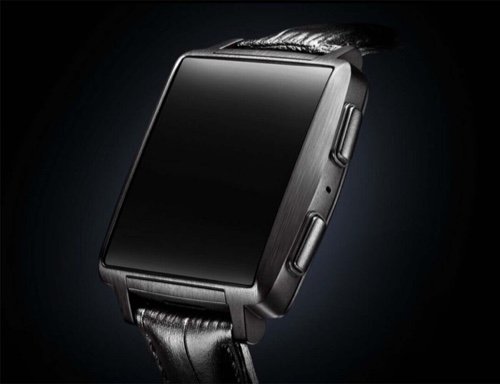
Omate X
5.4/10

Overall score

Score
5.4/ 10
✕
What it is
An overall evaluation of the smartwatch's quality, based on technical analyses and user reviews.
When it matters
When you need a quick reference to identify the best smartwatches on the market.
Score distribution
▼
<55-66-77-88-99-10
Score components

70%

4.5

Technical score

30%

7.5

Reviews score ( 2 · 1)

Reviews score 30% · 7.5 · based on 2 written reviews + 1 video
2 written reviews + 1 video count as 2.5 of the 5 needed; the rest counts as 7/10. Every model in this category gets the same split: reviews 30%, technical score 70%. A video or a short review counts less than a full test.
▼Worse than 91% of smartwatches
6.8

Value for money

Value for money
6.8/ 10
✕
What it is
An indicator that combines the smartwatch's overall rating with its cost.
When it matters
When you are looking for a smartwatch with a good balance between quality and price.
Score distribution
▼
<55-66-77-88-99-10
Score components

70%

5.4

Overall score

30%

10

Price

▼Worse than 88%
4.5

Technical score

Technical score
4.5/ 10
✕
What it is
An assessment of the smartwatchx27s technical performance, covering seven key areas: health, fitness, display & design, hardware, battery, smart features and connectivity.
When it matters
When you want to compare smartwatches based on technical performance and available features.
Score distribution
▼
<55-66-77-88-99-10
Score components

24%

2.5

Health

21%

6.3

Fitness

16%

4.6

Battery

14%

5.6

Smart features

12%

2.4

Connectivity

9%

6.0

Display & Design

4%

5.9

Hardware

▼Worse than 93%
7.5

Reviews score

Reviews score
7.5/ 10
✕
What it is
Average grade from independent test sites, magazines and video reviewers, 1–10.
How we count it
Grades: Each review's own score is converted to 1–10; without one, we grade the review ourselves.
Weighting: Big test sites count more, short reviews half as much as full tests. A video review counts half.
Share: Reviews are 30% of the overall score for every model in this category; each of the 5 needed reviews that is missing counts as 7/10.
Score distribution
▼
<55-66-77-88-99-10
Grades by review (3)
2 reviews: 0 with a printed score, 2 estimated from the review. 1 video review, counting half as much as a written test. Share in the overall score: 30%, the same for every model in this category.
User ratings collected online are not part of this score.
▼Worse than 64%
  • omate-x
omate-x
Best prices
    N/A~ £90
Best rankings
Available: ranking among products currently available (including other versions of this product).All: ranking among all products in the database.
Loading...
Loading category ranking...

Technical Specifications of smartwatch Omate X

Technical score
Technical score
4.5/ 10
✕
What it is
An assessment of the smartwatchx27s technical performance, covering seven key areas: health, fitness, display & design, hardware, battery, smart features and connectivity.
When it matters
When you want to compare smartwatches based on technical performance and available features.
Score distribution
▼
<55-66-77-88-99-10
Score components:

24%

2.5

Health

21%

6.3

Fitness

16%

4.6

Battery

14%

5.6

Smart features

12%

2.4

Connectivity

9%

6.0

Display & Design

4%

5.9

Hardware

4.5
Reviews score
7.5
Value for money
Value for money
6.8/ 10
✕
What it is
An indicator that combines the smartwatch's overall rating with its cost.
When it matters
When you are looking for a smartwatch with a good balance between quality and price.
Score distribution
▼
<55-66-77-88-99-10
Score components:

70%

5.4

Overall score

30%

10

Price

6.8
Brand name
Omate
Heart rate monitor
no
This smartwatch does not include a heart rate monitor. 89.6% of smartwatches include a heart rate monitor.
Blood oxygen monitoring
no
This smartwatch does not support blood oxygen monitoring. 66.8% of smartwatches support blood oxygen monitoring.
ECG
no
This smartwatch does not support ECG. 16.6% of smartwatches support ECG.
Irregular heart rate warnings
no
This smartwatch does not support irregular heart rate warnings. 48.2% of smartwatches support irregular heart rate warnings.
Show more
Accelerometer
yes
This smartwatch includes an accelerometer. 0.6% of smartwatches include an accelerometer.
Barometer
no
This smartwatch does not include a barometer. 49.6% of smartwatches include a barometer.
Gyroscope
yes
This smartwatch includes a gyroscope. 30.2% of smartwatches include a gyroscope.
Cadence sensor
no
This smartwatch does not include a cadence sensor. 31.2% of smartwatches include a cadence sensor.
Distance tracking
yes
This smartwatch supports distance tracking. 4.1% of smartwatches support distance tracking.
Distance tracking may depend on phone GPS/app on some models.
Show more
Battery life
7 days
This smartwatch offers a battery life of 7 days which is longer than that of 38.7% of smartwatches and equal to that of 17.1% of smartwatches.
Battery life in training mode
10 h
This smartwatch lasts 10 h in training mode which is shorter than 66.6% of smartwatches and equal to that of 4.1% of smartwatches.
Up to 7 days standby.
Battery life with GPS on
N/A
Battery power
500 mAh
This smartwatch has a battery capacity of 500 mAh which is larger than the batteries in 93.1% of smartwatches and equal to those in 1% of smartwatches.
Charge time
?
Show more
Operating system
Proprietary OS
This smartwatch runs Proprietary OS which is less advanced than the operating system in 53.5% of smartwatches and the same as that in 42.8% of smartwatches.
OS detail: Proprietary OS (RTOS).
Software update frequency
ended
This smartwatch has ended software update support which is less active than that of 42.6% of smartwatches and equal to that of 57.5% of smartwatches.
Third-party app support
no
This smartwatch does not support third-party apps. 47.7% of smartwatches support third-party apps.
Notifications
yes
This smartwatch supports notifications. 0.3% of smartwatches support notifications.
Voice assistant support
yes
This smartwatch supports voice assistants. 32.4% of smartwatches support voice assistants.
Show more
Cellular module
no
This smartwatch does not include a cellular module. 18% of smartwatches include a cellular module.
SIM cards
0
GPS
no
This smartwatch does not support GPS. 56.2% of smartwatches support GPS.
Galileo support
no
This smartwatch does not support Galileo navigation. 38.5% of smartwatches support Galileo navigation.
Compass
no
This smartwatch does not include a compass. 52.7% of smartwatches include a compass.
Show more
Screen size
1.54 inch
This smartwatch has a screen size of 1.54 inch which is larger than the screens of 70.5% of smartwatches and equal to those of 0.7% of smartwatches.
Display type
TFT LCD
This smartwatch uses a TFT LCD display type which is less advanced than that of 74.1% of smartwatches and the same as that of 15.9% of smartwatches.
Resolution
240x 240
This smartwatch has a display resolution of 240x240 which is lower than that of 73.9% of smartwatches and equal to that of 15.2% of smartwatches.
Pixel density
220 ppi
This smartwatch has a pixel density of 220 ppi which is lower than that of 84.9% of smartwatches and equal to that of 0.7% of smartwatches.
Display brightness
?
Show more
CPU speed
?
Processor model
?
RAM
?
Internal storage
0.125 GB
This smartwatch uses 0.125 GB for internal storage which is smaller than that of 66.8% of smartwatches and equal to that of 3.4% of smartwatches.
128 MB internal storage
External memory slot
no
This smartwatch does not include an external memory slot. 0.3% of smartwatches include an external memory slot.
Show more

Omate X vs the average smartwatch

246810TotalHealthFitnessBatteryConnectivityDisplay & DesignSmart featuresHardware
  • Stronger display glass
    This smartwatch uses sapphire display glass, while the average smartwatch uses mineral glass.
    sapphire vs mineral glass
  • VO2 max measurement
    This smartwatch measures VO2 max, the average smartwatch does not. 47.6% of smartwatches measure VO2 max.
  • 200 mAh larger battery capacity
    This smartwatch has a larger battery capacity than the average smartwatch (500 mAh vs 300 mAh). The average smartwatch battery is 300 mAh.
    500 mAh vs 300 mAh
  • Better band material
    This smartwatch uses leather for the band material, while the average smartwatch uses silicone.
    leather vs silicone
  • 0.14 inch larger screen size
    This smartwatch has a larger screen size than the average smartwatch (1.5 inch vs 1.4 inch). The average smartwatch screen is 1.40 inch.
    1.54 inch vs 1.40 inch
  • VO2 max measurement
    This smartwatch measures VO2 max, the average smartwatch does not. 47.6% of smartwatches measure VO2 max.
  • 200 mAh larger battery capacity
    This smartwatch has a larger battery capacity than the average smartwatch (500 mAh vs 300 mAh). The average smartwatch battery is 300 mAh.
    500 mAh vs 300 mAh
  • Stronger display glass
    This smartwatch uses sapphire display glass, while the average smartwatch uses mineral glass.
    sapphire vs mineral glass
  • Better band material
    This smartwatch uses leather for the band material, while the average smartwatch uses silicone.
    leather vs silicone
  • 0.14 inch larger screen size
    This smartwatch has a larger screen size than the average smartwatch (1.5 inch vs 1.4 inch). The average smartwatch screen is 1.40 inch.
    1.54 inch vs 1.40 inch
  • No blood oxygen monitoring
    This smartwatch does not support blood oxygen monitoring, the average smartwatch does. 66.7% of smartwatches support blood oxygen monitoring.
  • No GPS support
    This smartwatch does not support GPS, the average smartwatch does. 56.1% of smartwatches support GPS.
  • No heart rate monitor
    This smartwatch does not include a heart rate monitor, the average smartwatch does. 89.5% of smartwatches include a heart rate monitor.
  • No stress monitoring
    This smartwatch does not support stress monitoring, the average smartwatch does. 65.4% of smartwatches support stress monitoring.
  • Basic display type
    This smartwatch uses TFT LCD display technology, while the average smartwatch features AMOLED.
    TFT LCD vs AMOLED
  • No automatic activity detection
    This smartwatch does not support automatic activity detection, the average smartwatch does. 79.7% of smartwatches support automatic activity detection.
  • No route tracking
    This smartwatch does not support route tracking, the average smartwatch does. 74.6% of smartwatches support route tracking.
  • No coaching features
    This smartwatch does not support coaching, the average smartwatch does. 54.6% of smartwatches support coaching.
  • 6.12x less popular
    Omate X has a lower popularity than the average smartwatch (1 vs 6.1).
    1 vs 6.12
  • 10.6% worse value for money
    Omate X has a lower value-for-money score than the average smartwatch (6.8 vs 7.5).
    6.8 vs 7.52
  • No blood oxygen monitoring
    This smartwatch does not support blood oxygen monitoring, the average smartwatch does. 66.7% of smartwatches support blood oxygen monitoring.
  • No heart rate monitor
    This smartwatch does not include a heart rate monitor, the average smartwatch does. 89.5% of smartwatches include a heart rate monitor.
  • No stress monitoring
    This smartwatch does not support stress monitoring, the average smartwatch does. 65.4% of smartwatches support stress monitoring.
  • No cycle tracking
    This smartwatch does not support menstrual cycle tracking, the average smartwatch does. 64.3% of smartwatches support menstrual cycle tracking.
  • No smart scale support
    This smartwatch does not support smart scale compatibility, the average smartwatch does. 53.7% of smartwatches support smart scale compatibility.
  • No inactivity alerts
    This smartwatch does not support inactivity alerts, the average smartwatch does. 91.7% of smartwatches support inactivity alerts.
  • No automatic activity detection
    This smartwatch does not support automatic activity detection, the average smartwatch does. 79.7% of smartwatches support automatic activity detection.
  • No route tracking
    This smartwatch does not support route tracking, the average smartwatch does. 74.6% of smartwatches support route tracking.
  • No coaching features
    This smartwatch does not support coaching, the average smartwatch does. 54.6% of smartwatches support coaching.
  • No auto-pause
    This smartwatch does not support auto pause, the average smartwatch does. 59.3% of smartwatches support auto pause.
  • No swim mode
    This smartwatch does not include a swim sport mode, the average smartwatch does. 74.9% of smartwatches include a swim sport mode.
  • No achievement tracking
    This smartwatch does not support achievements, the average smartwatch does. 85.8% of smartwatches support achievements.
  • No low-power mode
    This smartwatch does not include a low power mode, the average smartwatch does. 92.5% of smartwatches include a low power mode.
  • 9.25 h shorter training battery life
    This smartwatch lasts less in training mode than the average smartwatch (10 h vs 19.25 h). The average smartwatch lasts 19.25 h.
    Up to 7 days standby.
    10 h vs 19.25 h
  • Basic battery type
    This smartwatch uses a Li-ion battery, while the average smartwatch uses Li-Po.
    Li-ion vs Li-Po
  • No GPS support
    This smartwatch does not support GPS, the average smartwatch does. 56.1% of smartwatches support GPS.
  • No compass
    This smartwatch does not include a compass, the average smartwatch does. 52.6% of smartwatches include a compass.
  • Older Bluetooth version
    This smartwatch supports an older Bluetooth version than the average smartwatch (4 vs 5). The average smartwatch uses 5.0.
    4.0 vs 5.0
  • Basic display type
    This smartwatch uses TFT LCD display technology, while the average smartwatch features AMOLED.
    TFT LCD vs AMOLED
  • No always-on display
    This smartwatch does not have an always-on display, the average smartwatch does. 67.6% of smartwatches have an always-on display.
  • No ambient light sensor
    This smartwatch does not include an ambient light sensor, the average smartwatch does. 60.7% of smartwatches include an ambient light sensor.
  • 106 ppi lower pixel density
    This smartwatch has a lower pixel density than the average smartwatch (220 ppi vs 326 ppi). The average smartwatch display reaches 326 ppi.
    220 ppi vs 326 ppi
  • Lower resolution
    This smartwatch has a display resolution of 240x240, while the average smartwatch reaches 352x430.
    240x240 vs 352x430
  • No smart alarm
    This smartwatch does not support a smart alarm, the average smartwatch does. 52.7% of smartwatches support smart alarms.
  • No gesture control
    This smartwatch does not support gesture control, the average smartwatch does. 77.7% of smartwatches support gesture control.
  • 7 year/s older release date
    This smartwatch is an older model than the average smartwatch (2014 vs 2021). The average smartwatch was released in 2021.
    October 2014
    2014 vs 2021
  • 3.88 GB less storage
    This smartwatch offers less internal storage than the average smartwatch (0.1 GB vs 4 GB). The average smartwatch provides 4 GB of storage.
    128 MB internal storage
    0.125 GB vs 4 GB

Video reviews

Hands-on testing, unboxing, and real-world video evaluations

8.0
CyberAndi (Cyb3r4nd1) offiziell
≈ estimated
01/05/2015
Hands-on review · companion features and battery test
Verdict
Omate X is the best smartwatch tested so far, though battery life and some promised features fall short.
Brand video

Expert reviews

In-depth analysis and verdict from leading tech publications
8.0
techspective.net
≈ estimated
06/04/2015
Hands-on review · Android smartwatch
Verdict
The Omate X is a light watch with up to a week of battery that suits Android users best, since iPhone owners get basic, all-or-nothing alerts.
8.0
techaeris.com
≈ estimated
16/02/2015
Hands-on review · Notification smartwatch
Verdict
The Omate X is a sleek notification watch with a machined aluminum case, suited to people who don't need apps, though its calls are poor.

Third-party reviews

What we like about Omate X

  • Battery life: Exceptional for its class, with users reporting 5 to 7 days on a single charge
  • Design and Build: Premium aluminum housing and a sleek aesthetic that rivals more expensive models
  • Value: Highly affordable entry-point price of approximately $129–$149
  • Comfort: Lightweight and unobtrusive on the wrist
  • Customisation: Supports standard 22mm watch straps and offers multiple custom watch faces

What we don't like about Omate X

  • Display limitations: The screen turns off automatically after a few seconds and requires a physical button press to check the time
  • OS Compatibility: Full functionality is largely limited to Android; iPhone users experience more restricted access
  • Poor Speaker/Mic Quality: Bluetooth calls are often tinny and require the watch to be held very close to the mouth
  • Laggy Performance: Users reported noticeable interface lag due to early software and a frugal MediaTek processor
  • Company Reliability: Significant reports of poor customer service and unfulfilled pre-orders from Omate as a startup

Verdict

The Omate X is a streamlined companion smartwatch featuring a 1.54-inch curved TFT LCD touchscreen with a 240x240 resolution, housed in a slim 11.2mm aluminum casing compatible with standard 22mm straps. Powered by the MediaTek MT2502A Aster chipset with 128MB of RAM, it provides essential smartphone tethering via Bluetooth 4.0 for both Android and iOS, supporting push notifications, hands-free calling through a built-in speaker and microphone, and basic fitness tracking via a 3-axis accelerometer. Its primary advantages include an impressive battery life of up to seven days on a single 400mAh charge and a premium metallic aesthetic at an affordable price point. However, notable drawbacks include a display that does not stay always-on, occasional software lag, and more limited app functionality compared to standalone or fully-featured OS competitors.

Compare Omate X with other Smartwatches

1Product to compare no. 1
VS
2Product to compare no. 2
VS
3Product to compare no. 3 (optional)

Graphic comparison of Omate X and other Smartwatches

No results found