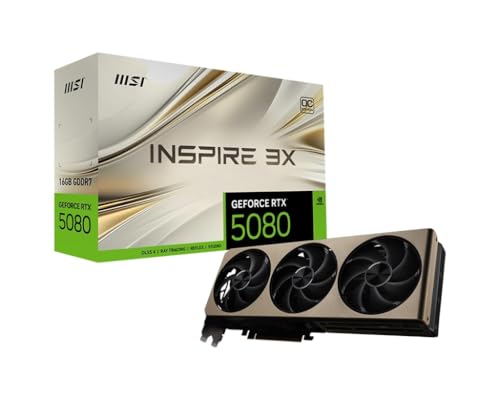
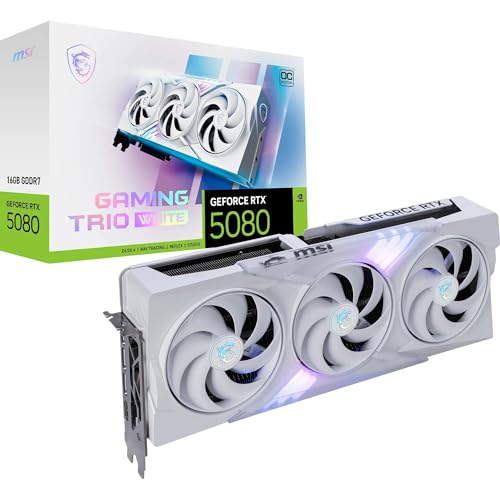
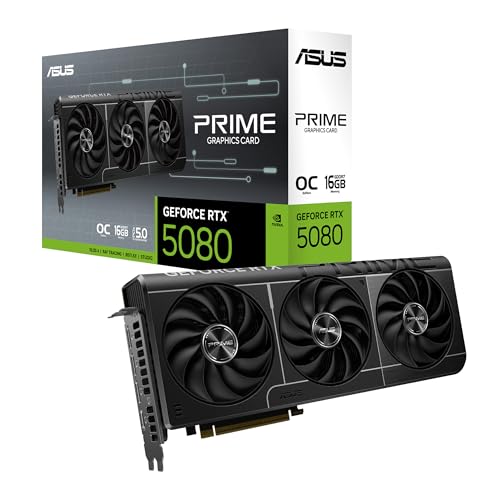
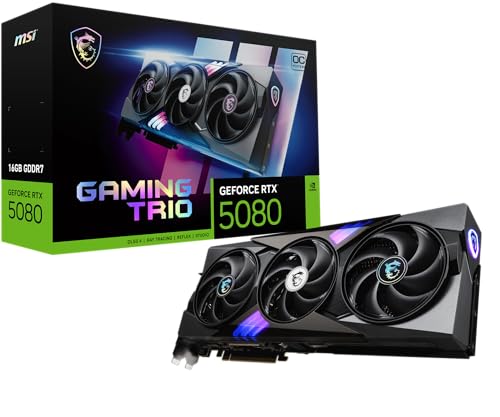
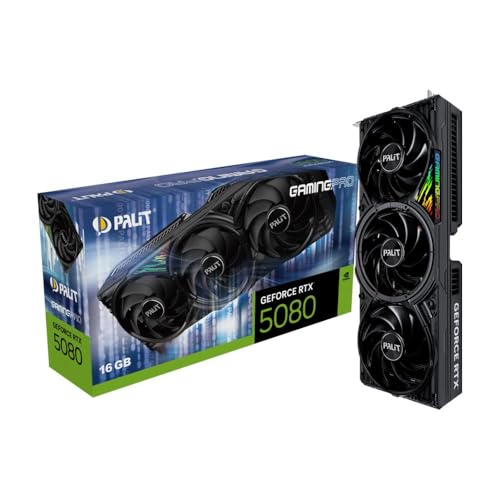
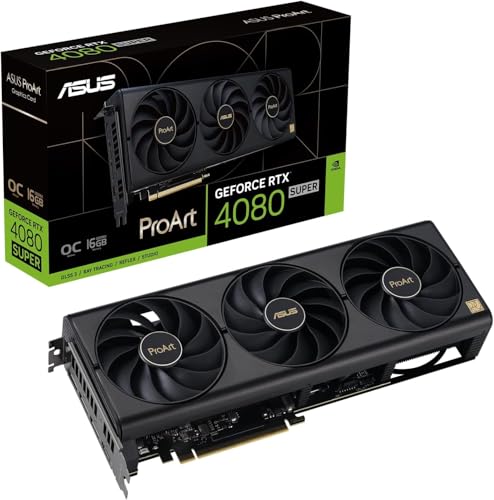
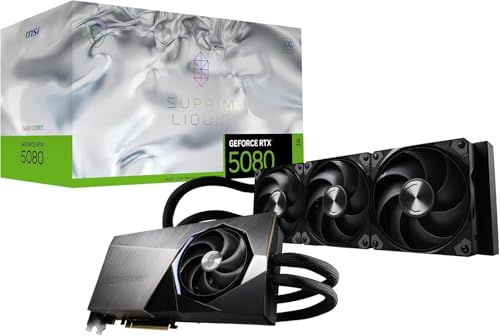
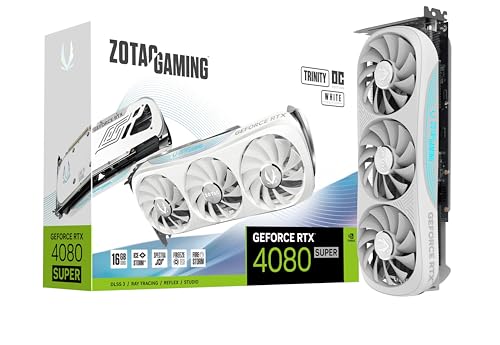
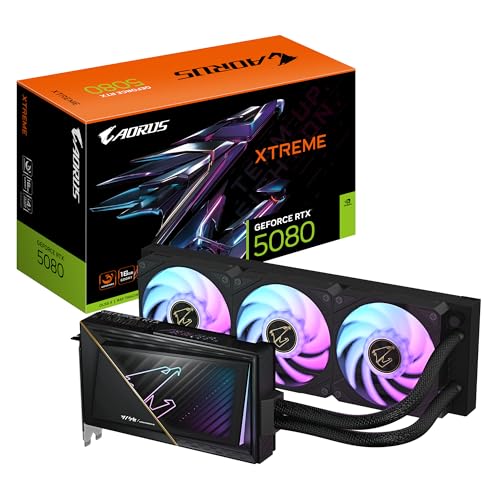
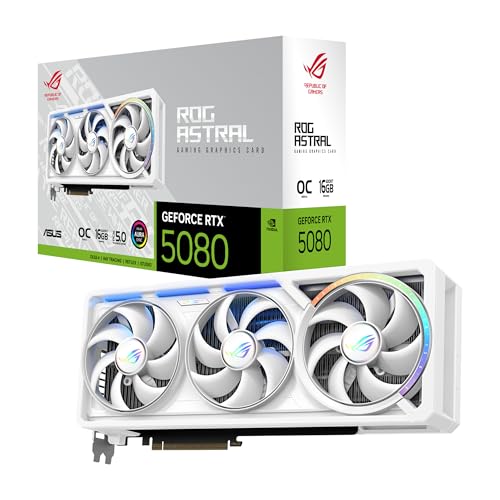
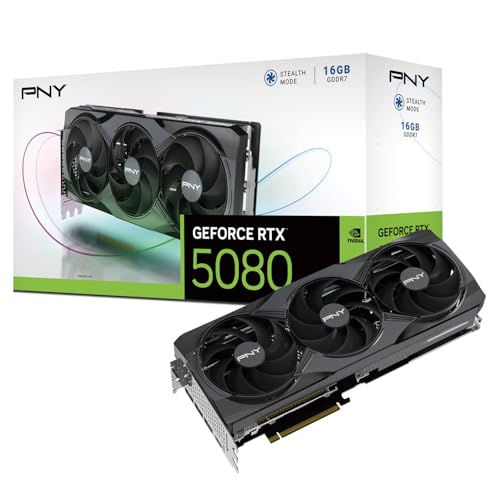
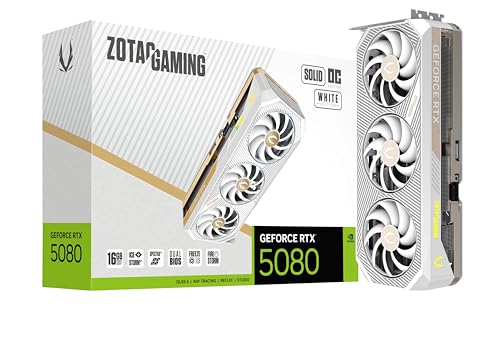
Which brands make the best 16 GB graphics cards?
The 16 GB graphics-card brands with the best average overall scores are as follows.
- MSI (Average overall score: 8.7)
- GALAX (Average overall score: 8.7)
- GIGABYTE (Average overall score: 8.6)
The chart below compares how the main 16 GB graphics card brands perform on average by overall score.
[horizontal-chart-09238307435449456783129018926512127916682290108654]
What does 16 GB mean on a graphics card?
16 GB on a graphics card means the card has 16 gigabytes of dedicated video memory, or VRAM, available for textures, frame buffers, ray tracing data, and other graphics assets. That amount gives modern games far more breathing room for higher resolutions, heavier texture packs, larger worlds, and more demanding visual effects than 8 GB or even 12 GB in tighter situations.
16 GB VRAM does not automatically make a card fast, but it usually comes attached to much stronger GPUs. In practical gaming terms, 16 GB is the kind of memory capacity that helps high-end cards stay comfortable at 1440p ultra settings, stronger 4K use, and longer-term ownership when future game memory demands continue to rise.
What games and settings suit 16 GB graphics cards?
16 GB graphics cards suit very demanding 1440p and strong 4K gaming extremely well, because both the GPU class and the memory capacity are usually far above mainstream needs. This memory tier is heavily concentrated around genuinely high-end gaming hardware, which is why it feels much more comfortable once ultra textures, heavier ray tracing, and newer AAA engines start pushing resource demands upward.
Game settings still depend on the exact GPU, but 16 GB gives these cards much more room for ultra textures, larger ray-tracing loads, and demanding modern engines without hitting memory limits as quickly. That makes 16 GB a natural fit for buyers who want fewer compromises in newer AAA titles and better long-term comfort at higher resolutions.
How much do the best 16 GB graphics cards cost?
The best 16 GB graphics cards usually cost about £800-£2,500. In practice, 16 GB mostly lives in the high-end part of the market, because that memory tier is usually paired with much stronger GPUs and heavier cooling. A few cheaper or unusual cards do exist in the wider market, but they are not what defines this segment.
Below roughly £770, there are only a few exceptions. Around £800-£1,200, you are usually looking at strong high-end gaming or creator-focused cards with much better longevity. Around £1,200-£1,900, the market moves deeper into premium GPUs with more performance headroom and better board designs. Above that, the prices increasingly reflect flagship-class hardware rather than just the jump to 16 GB itself.
This chart visualizes 16 GB graphics card prices.
[vertical-chart-14668444368431957589182808970112005483393377301840]
What resolutions are 16 GB graphics cards best for?
16 GB graphics cards are best for 4K and are also exceptionally comfortable for high-end 1440p gaming. That memory capacity gives much more headroom for demanding textures, ray tracing, and modern game assets, so it is especially well suited to buyers who want higher resolutions without running into VRAM pressure as quickly.
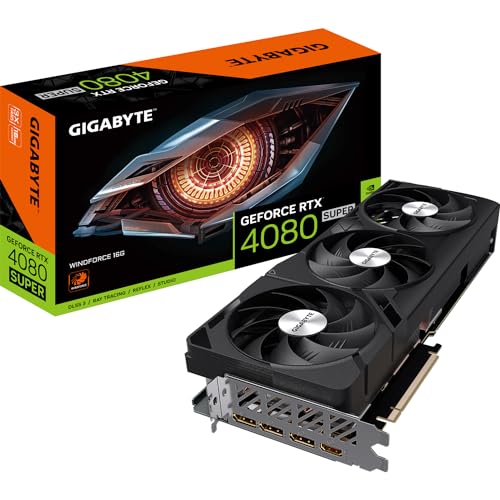
Resolution choice still depends on the GPU tier first, but 16 GB is commonly paired with cards such as RTX 4080, RTX 4080 Super, RTX 5080, and similar upper-end models. That makes 16 GB one of the clearest signs that you are shopping for serious 1440p ultra or strong 4K gaming rather than basic mainstream play.
How long will 16 GB VRAM stay relevant?
16 GB VRAM will stay relevant for a long time in gaming because it already gives a generous buffer for the kinds of higher-resolution textures and heavier engines that keep pushing memory demands upward. Compared with 8 GB and even many 12 GB cards, 16 GB is much better positioned to stay comfortable as new AAA releases become more demanding over time.
Long-term relevance still depends on the GPU attached to that memory, but 16 GB is a very strong place to be if you want premium-level headroom without moving into even more expensive flagship memory sizes. For buyers who keep a card for several years, 16 GB offers one of the safest practical balances between current performance and future resilience.
What should you consider while choosing a 16 GB graphics card?
You should focus on the following factors when choosing a 16 GB graphics card:
- GPU class: A 16 GB label can sit on genuinely strong cards or on models that are more memory-rich than performance-rich. Check the raster class, ray-tracing ability, and compute headroom so you do not assume every 16 GB card is automatically high-end.
- Resolution: 16 GB is often the comfortable premium point for higher-quality 1440p builds and stronger 4K entry. It becomes much more relevant once ultra textures, heavier ray tracing, and larger asset loads are part of the target instead of occasional extras.
- Memory design: 16 GB paired with a wider bus and stronger bandwidth profile usually feels more convincing than 16 GB on a narrower, more constrained design. Capacity matters, but the rest of the memory subsystem still shapes how useful that larger pool is in real games.
- Features: Many 16 GB cards are bought for mixed use, not only for gaming. Creator apps, local AI, AV1 encoding, display outputs, and upscaling support can matter just as much as frame rates depending on the workload.
- Power and cooling: Many 16 GB cards sit above the mainstream power band and use thicker coolers, so PSU quality, transient handling, hotspot behavior, and noise level matter much more than they do on lighter cards.
- Workload: 16 GB is often bought for the kinds of tasks that push VRAM hardest, such as large texture packs, demanding AAA engines, creator apps, or local AI tasks. Match the memory tier to those heavier use cases instead of treating 16 GB as a universal requirement.