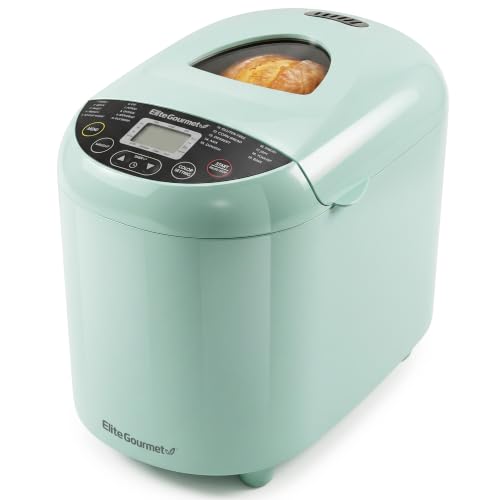
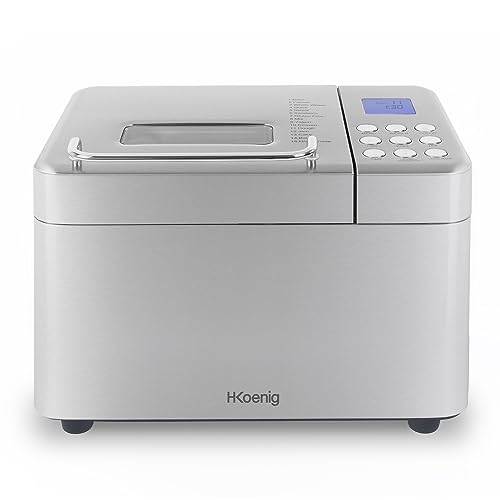
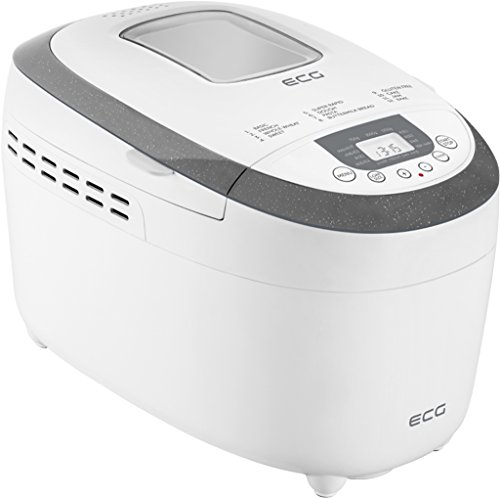
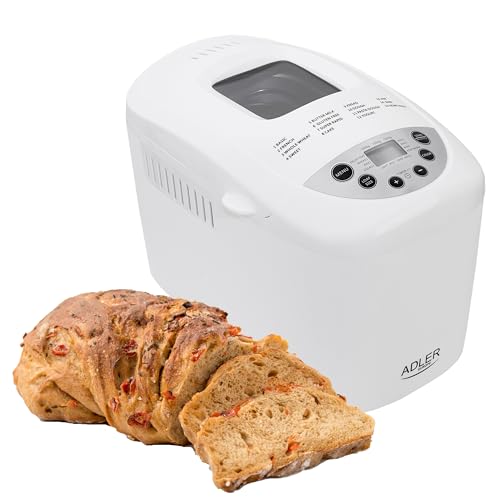
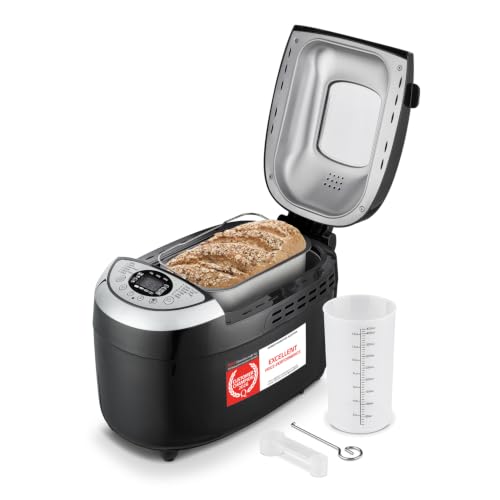
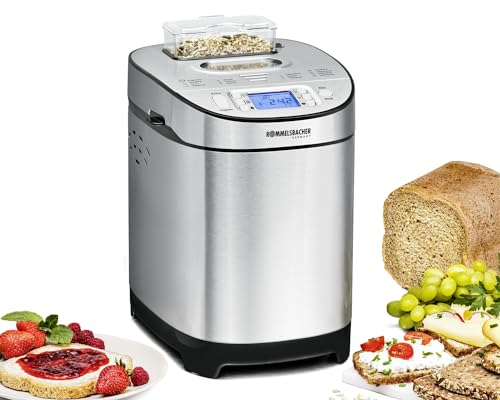
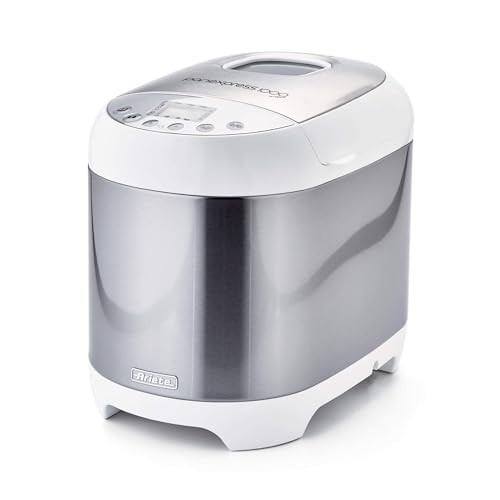
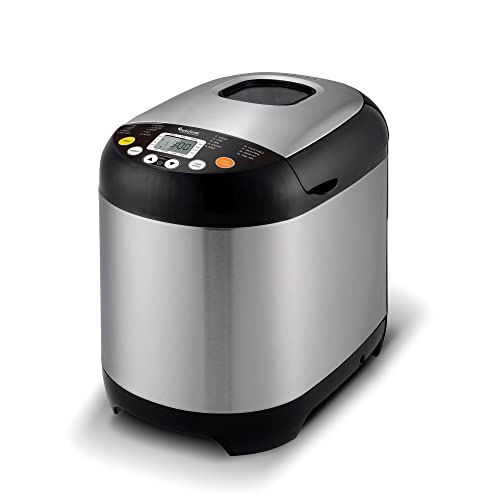
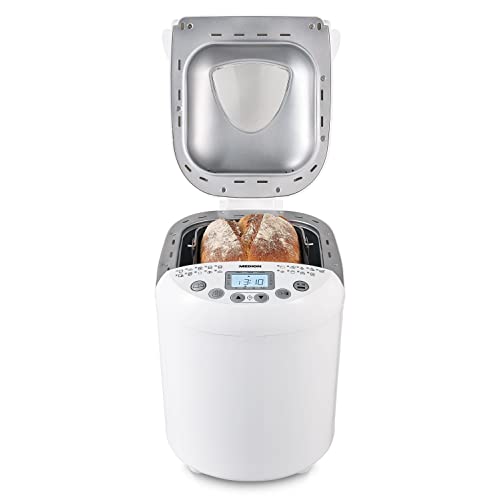
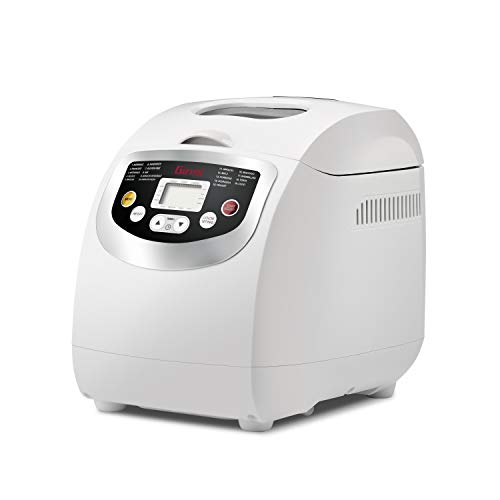
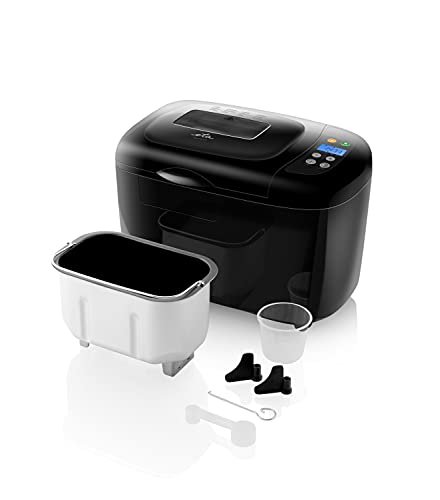
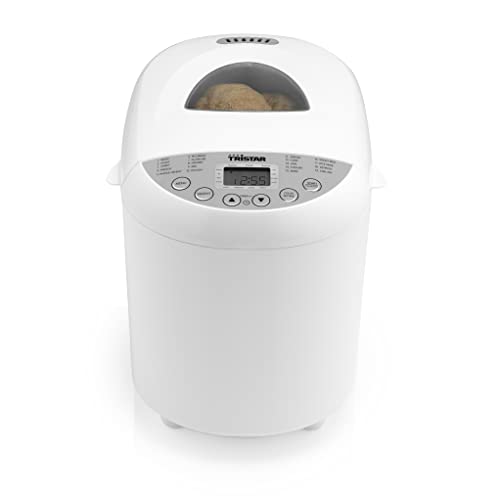
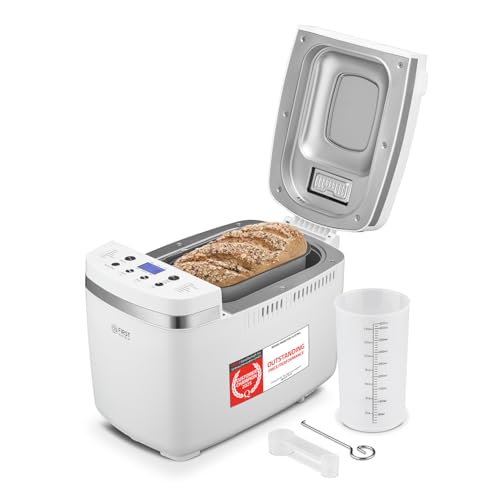
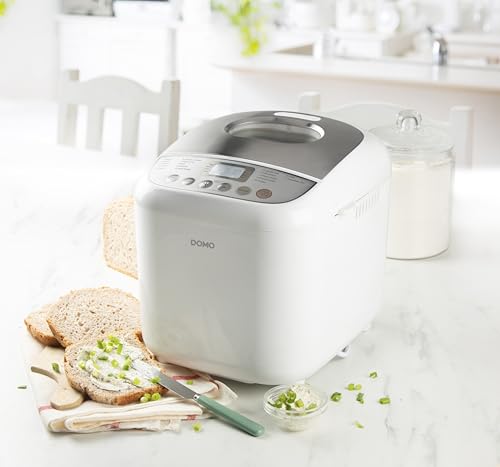
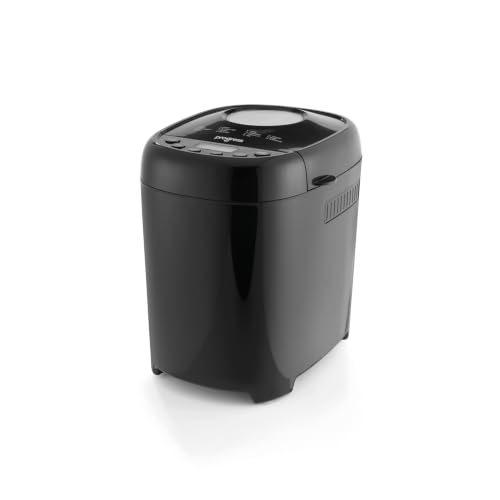
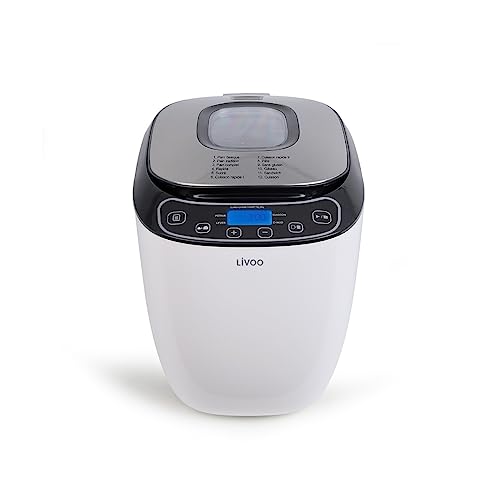
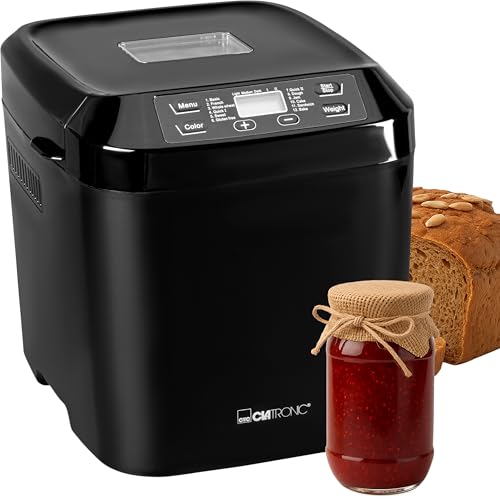
Cheap bread makers commonly cost about £50-£70, while anything up to £80 still counts as budget. At the lower end you get a 1 kg pan, about 600 W, one paddle and 12–15 programmes. That is enough for a daily white or wholemeal loaf.
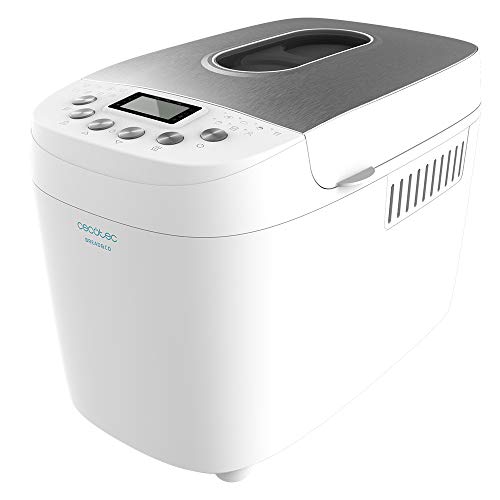
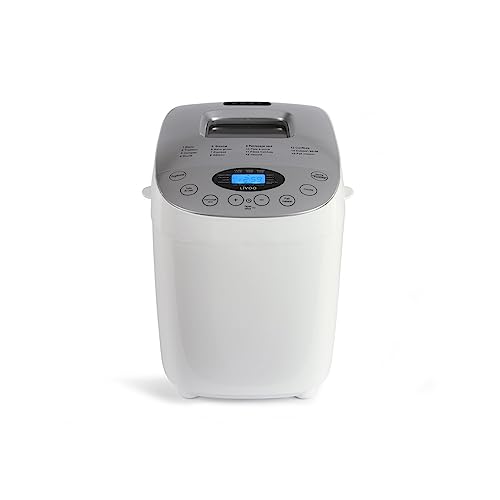
Around £60-£70 the specs jump. The Cecotec Bread&Co 1500 PerfectCook and Livoo DOP205W cost about £60 yet bake 1.5–1.6 kg loaves with two paddles and 850 W. Models close to £80 add little beyond styling or a couple of extra programmes, so the sweet spot sits in the middle of the range.
The chart below shows the price distribution of cheap bread makers.
[vertical-chart-11222389866892788569030374983255683519551902816596]
Are cheap bread makers worth buying?
Yes, cheap bread makers are worth buying if you mainly bake everyday sandwich loaves. The basic cycle of mixing, proving and baking is the same as on premium machines. A £60 model bakes a white or wholemeal loaf close to what a far pricier machine produces, because extra money mostly buys convenience features.
They pay off fastest when you bake two or three times a week. A 1 kg loaf needs roughly 500–600 g of flour, water, yeast and salt, and home bread costs much less per loaf than a bakery one. The delay timer turns that into fresh bread at breakfast with five minutes of effort the night before.
They are a poor fit for rye, sourdough or artisan crusts. Budget machines offer 2–3 loaf sizes and three crust shades with no custom programme to stretch rising times. The non-stick pan is the usual weak point and wears faster than on pricier machines.