Scored using Washing machines Methodology v3.0
Washing machines Methodology v3.0
Mathematical & Unbiased Scoring
Products in this category are scored under Frontum Washing machines Methodology v3.0: the technical score from the specifications is the base, and independent expert and video reviews (up to ±0.5 points), owner opinions (up to ±0.3) and best-of lists (up to +0.3) move it up or down.
Explore Washing machines Methodology v3.0

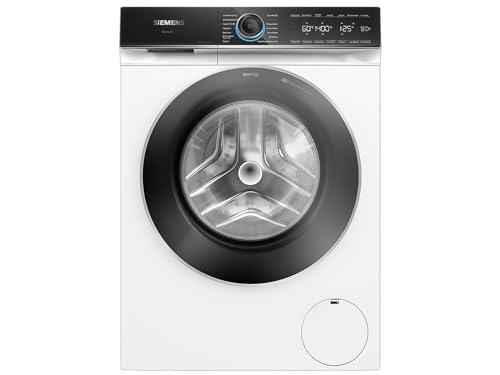
Siemens WI14W443 iQ700 review: 101 specs compared

Avg. price:~£1,190Capacity:8 kgMaximum spin speed:1400 RPMEnergy efficiency class:CType:integratedLoading type:front-loading

Siemens WI14W443 iQ700 Review: Compare 101 technical specifications to see how this product ranks in the Washing machines category and whether it is worth buying.
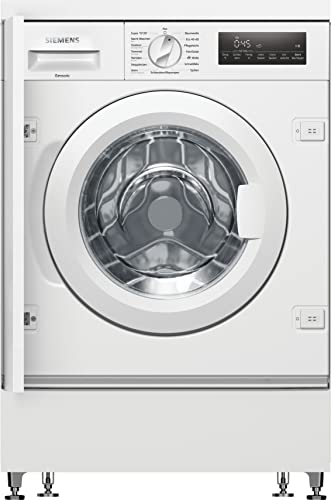
Siemens WI14W443 iQ700
7.5/10

Overall score

Score
7.5/ 10
✕
What it is
Our main score for this model, 1–10. It combines specs, ratings from across the web and best-of lists.
How we count it
Parts: Technical score 70%, User score 25%, List score 5%
Marks: Each part gets a mark out of 10. For reviews, lists and owners, a typical model in this category gets about 8 and the best one gets 10.
No data yet: A part with no data shows "?". It counts as the mark of a weaker model in this category (4 in 5 models with data score higher). This way, models with reviews, lists and owners usually come out ahead.
Score distribution
â–¼
<55-66-77-88-99-10
Score components

70%

7.5

Technical score

25%

7.5

User score

5%

?

List scoreNot enough data yet, so we use 7.5, the mark of a weaker model in this category

â–¼Worse than 63% of washing machines
5.7

Value for money

Value for money
5.7/ 10
✕
What it is
An indicator that combines the washing machine's overall rating with its cost.
When it matters
When you are looking for a washing machine with a good balance between quality and price.
Score distribution
â–¼
<55-66-77-88-99-10
Score components

70%

7.5

Overall score

30%

1.3

Price

â–¼Worse than 99%
7.5

Technical score

Technical score
7.5/ 10
✕
What it is
How good the specs are compared with the other models in this category, 1–10.
How we count it
Areas: We rate the specs in each area against the other models in this category.
Weighting: The areas that matter most to buyers count more. The shares are shown under Score components.
Share: The technical score is 70% of the overall score.
Score distribution
â–¼
<55-66-77-88-99-10
Score components

25%

9.0

Performance

25%

6.8

Energy efficiency

20%

7.3

Washing programs

20%

6.2

Features

10%

8.8

Design

â–¼Worse than 56%
7.5

User score

User score
7.5/ 10
✕
What it is
How happy buyers are with this model, based on ratings from across the web.
How we count it
Enough data: A model needs at least 1 rating from across the web. Without one, it counts as 7.9, the mark of a weaker rated model in this category.
Share: User score counts 25% of the overall score.
Score distribution
â–¼
<55-66-77-88-99-10

7.5

Mark 8.3 is below the typical mark 8.3 of this category, so it cannot lift the score above the technical score

70%

8.6

Rating

30%

7.6

Popularity

â–¼Worse than 84%
?

List score

List score
7.5/ 10
✕
What it is
How often independent test sites, magazines and video reviewers put this model in their best-of lists for this category.
How we count it
Points: The model in the most lists of this category gets 10; the others get 8 to 10 in proportion. In no list yet: 7.5. Lists count 5% of the overall score.
Enough data: Every list counts, even a single one. With fewer than 5 best-of lists in the category, this part is left out.
Lists with this model (0)
Not in any best-of list yet, so this part counts as 7.5. Models in a list get 8 to 10.
Not in any best-of list yet
  • siemens-wi14w443-iq700
  • siemens-wi14w443-iq700
  • siemens-wi14w443-iq700
  • siemens-wi14w443-iq700
  • siemens-wi14w443-iq700
  • siemens-wi14w443-iq700
  • siemens-wi14w443-iq700
  • siemens-wi14w443-iq700
  • siemens-wi14w443-iq700
  • siemens-wi14w443-iq700
  • siemens-wi14w443-iq700
siemens-wi14w443-iq700
Where to buy
*As an Amazon Associate, we earn from qualifying purchases.
Best rankings
Available: ranking among products currently available (including other versions of this product).All: ranking among all products in the database.
Loading...
Loading category ranking...

Technical Specifications of washing machine Siemens WI14W443 iQ700

Technical score
Technical score
7.5/ 10
✕
What it is
How good the specs are compared with the other models in this category, 1–10.
How we count it
Areas: We rate the specs in each area against the other models in this category.
Weighting: The areas that matter most to buyers count more. The shares are shown under Score components.
Share: The technical score is 70% of the overall score.
Score distribution
â–¼
<55-66-77-88-99-10
Score components:

25%

9.0

Performance

25%

6.8

Energy efficiency

20%

7.3

Washing programs

20%

6.2

Features

10%

8.8

Design

7.5
Value for money
Value for money
5.7/ 10
✕
What it is
An indicator that combines the washing machine's overall rating with its cost.
When it matters
When you are looking for a washing machine with a good balance between quality and price.
Score distribution
â–¼
<55-66-77-88-99-10
Score components:

70%

7.5

Overall score

30%

1.3

Price

5.7
Capacity
8 kg
This washing machine holds 8 kg, which is more than 27.3% of washing machines and equal to 26.3% of washing machines.
Drum volume
55 L
This washing machine has a 55 L drum, which is smaller than 59.2% of washing machines and equal to 6.3% of washing machines.
Spin-drying efficiency class
B
This washing machine has spin-drying class B, which is more efficient than in 9.6% of washing machines and the same as in 84.2% of washing machines.
Maximum spin speed
1,400 RPM
This washing machine spins at 1,400 RPM, which is faster than 31.1% of washing machines and equal to 64% of washing machines.
Minimum spin speed
400 RPM
This washing machine has a minimum spin of 400 RPM, which is lower than 27.6% of washing machines and equal to 71.7% of washing machines.
Show more
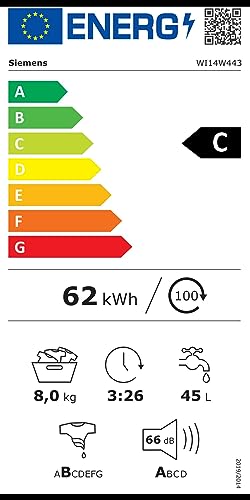
Energy efficiency class
C
This washing machine has energy class C, which is worse than 74% of washing machines and the same as 8.4% of washing machines.
Energy consumption per 100 cycles
62 kWh/100 cycles
This washing machine uses 62 kWh/100 cycles, which is higher than 75.3% of washing machines and equal to 3% of washing machines.
Annual energy consumption
136.4 kWh/year
This washing machine uses 136.4 kWh/year, which is higher than 75.2% of washing machines and equal to 2.5% of washing machines.
Annual energy cost
34.1 £
This washing machine has a yearly running cost of £34.1, which is higher than 74.7% of washing machines and equal to 2.4% of washing machines.
Water consumption per cycle
45 L
This washing machine uses 45 L of water per cycle, which is lower than 58.7% of washing machines and equal to 9.9% of washing machines.
Show more
N. of washing programs
15
This washing machine offers 15 wash programmes, which is more than 39.5% of washing machines and equal to 37% of washing machines.
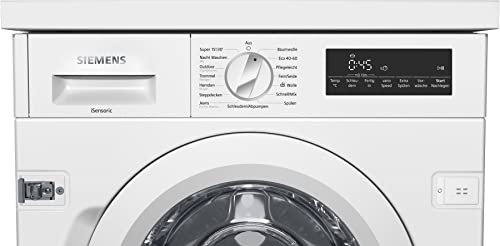
Cotton, Eco 40-60, Easy Care, Quick/Mixed, Night Mixed Wash, Delicates/Silk, Wool, Rinse, Spin/Drain, Shirts, Outdoor/Waterproofing, Quilts, Jeans/Dark Clothes, Drum Cleaning, Super 15'/30'.
N. of downloadable programs
0
This washing machine offers 0 downloadable programmes, which is fewer than 9.1% of washing machines and equal to 90.9% of washing machines.
N. of washing programs under 1 hour
2
This washing machine has 2 programmes under an hour, which is more than 42.3% of washing machines and equal to 37% of washing machines.
Quick/Mixed, Super 15'/30'
Fastest cycle duration
15 min
This washing machine has a fastest cycle of 15 min, which is shorter than 24.5% of washing machines and equal to 45.3% of washing machines.
ECO cycle duration
206 min
This washing machine has an ECO cycle of 206 min, which is shorter than 80% of washing machines and equal to 1.1% of washing machines.
Show more
N. of advanced features
10
This washing machine has 10 advanced features, which is fewer than 61.4% of washing machines and equal to 10.3% of washing machines.
AquaStop system, Overflow protection, Foam control system, Unbalanced load detection, Laundry detection system, Self-cleaning function, Pause & Add, Anti-crease function, Extra rinse function, Quick function.
Foam control system
yes
This washing machine features a foam control system. 79.8% of washing machines have a foam control system.
Laundry detection system
yes
This washing machine has a laundry detection system. 93% of washing machines have this feature.
WaterPerfect Plus (smart system with 256 load detection levels for optimal water usage in washing machines)
Unbalanced load detection
yes
This washing machine has unbalanced load detection. 92.5% of washing machines have unbalanced load detection.
Load balancing system
no
This washing machine does not feature a load balancing system. 46.2% of washing machines have a load balancing system.
Show more
Color
white
This washing machine comes in white, which is more conventional than the colour in 14.2% of washing machines and the same as the colour in 85.8% of washing machines.
Type
integrated
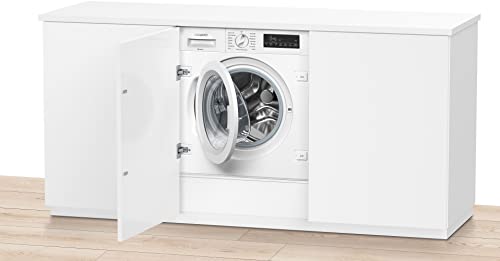
This washing machine is integrated, which is less flexible to place than the type in 96.9% of washing machines and the same as the type in 3.1% of washing machines.
Loading type
front-loading
This washing machine is front-loading, which is more practical than the design in 8.9% of washing machines and the same as the design in 91.1% of washing machines.
Display
yes
This washing machine has a display. 96.2% of washing machines have a display.
Display LED simpleTouch
Child lock
yes
This washing machine has a child lock. 99.7% of washing machines have a child lock.
Show more

Siemens WI14W443 iQ700 vs the average washing machine

246810TotalPerformanceEnergy efficiencyWashing programsFeaturesDesign
  • 8 dB quieter spinning
    This washing machine is quieter on spin than the average washing machine (66 dB vs 74 dB). The average washing machine spins at 74 dB.
    66 dB vs 74 dB
  • 2 more spin speeds
    This washing machine has more spin speeds than the average washing machine (6 vs 4). The average washing machine has 4 spin speeds.
    400, 600, 800, 1,000, 1,200, 1,400 RPM
    6 vs 4
  • Has an anti-vibration design
    This washing machine has an anti-vibration design, the average washing machine does not have. 31.5% of washing machines have an anti-vibration design.
    x
  • Has the AquaStop feature
    This washing machine has the AquaStop feature, the average washing machine does not. 34% of washing machines have an AquaStop feature.
    aquaStop (lifetime guarantee against water damage)
  • Has an interior light
    This washing machine has an interior light, the average washing machine does not have. 9.5% of washing machines have an interior light.
  • 12 dB quieter washing
    This washing machine is quieter than the average washing machine when washing (41 dB vs 53 dB). The average washing machine washes at 53 dB.
    41 dB vs 53 dB
  • Better noise class
    This washing machine has a better noise class than the average washing machine (A vs B).
    A vs B
  • Door can be reversed
    This washing machine features a reversible door, the average washing machine does not have. 0.7% of washing machines have a reversible door.
  • 8 dB quieter spinning
    This washing machine is quieter on spin than the average washing machine (66 dB vs 74 dB). The average washing machine spins at 74 dB.
    66 dB vs 74 dB
  • 2 more spin speeds
    This washing machine has more spin speeds than the average washing machine (6 vs 4). The average washing machine has 4 spin speeds.
    400, 600, 800, 1,000, 1,200, 1,400 RPM
    6 vs 4
  • 12 dB quieter washing
    This washing machine is quieter than the average washing machine when washing (41 dB vs 53 dB). The average washing machine washes at 53 dB.
    41 dB vs 53 dB
  • Better noise class
    This washing machine has a better noise class than the average washing machine (A vs B).
    A vs B
  • 2 L less water per cycle
    This washing machine uses less water per cycle than the average washing machine (45 L vs 47 L). The average washing machine uses 47 L of water per cycle.
    45 L vs 47 L
  • Jeans cycle
    This washing machine has a cycle for jeans, the average washing machine does not have. 46.7% of washing machines have a jeans cycle.
  • Shirt cycle
    This washing machine has a cycle for shirts, the average washing machine does not have. 46.6% of washing machines have a shirt cycle.
  • 12 min shorter eco cycle
    This washing machine has a shorter ECO cycle than the average washing machine (206 min vs 218 min). The average washing machine's ECO cycle takes 218 min.
    206 min vs 218 min
  • Has the AquaStop feature
    This washing machine has the AquaStop feature, the average washing machine does not. 34% of washing machines have an AquaStop feature.
    aquaStop (lifetime guarantee against water damage)
  • Has an anti-vibration design
    This washing machine has an anti-vibration design, the average washing machine does not have. 31.5% of washing machines have an anti-vibration design.
    x
  • Has an interior light
    This washing machine has an interior light, the average washing machine does not have. 9.5% of washing machines have an interior light.
  • Door can be reversed
    This washing machine features a reversible door, the average washing machine does not have. 0.7% of washing machines have a reversible door.
  • 3.2 cm lower height
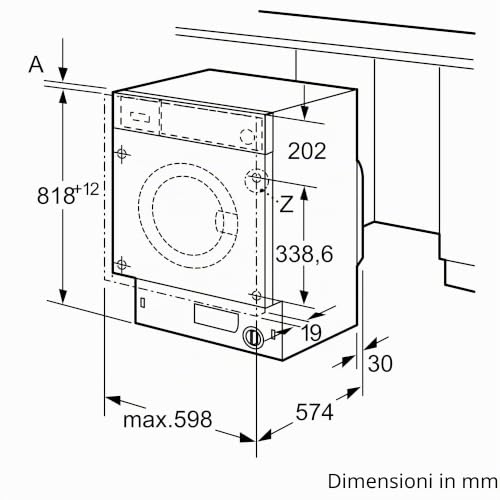
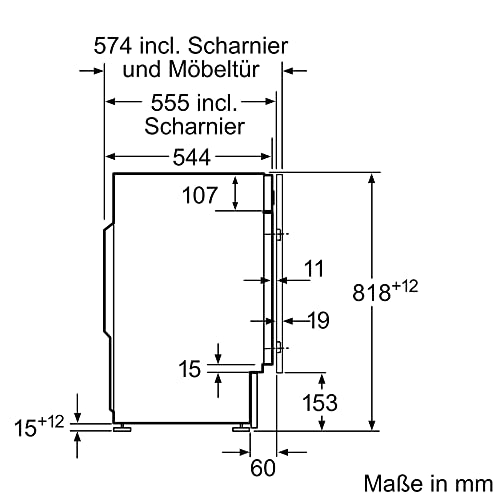
    This washing machine is shorter than the average washing machine (81.8 cm vs 85 cm). The average washing machine is 85 cm tall.
    81.8 cm vs 85 cm
  • 5.4% smaller volume
    This washing machine has a smaller volume than the average washing machine (265,215.2 cm³ vs 280,500 cm³). The average washing machine has a volume of 280,500 cm³.
    265,215.232 cm³ vs 280,500 cm³
  • 2.1 cm shallower
    This washing machine is shallower than the average washing machine (54.4 cm vs 56.5 cm). The average washing machine is 56.5 cm deep.
    54.4 cm vs 56.5 cm
  • Worse energy grade
    This washing machine has a worse energy class than the average washing machine (C vs A).
    C vs A
  • 12 kWh/100 cycles more energy use
    This washing machine uses more electricity than the average washing machine (62 kWh/100 cycles vs 50 kWh/100 cycles). The average washing machine uses 50 kWh/100 cycles.
    62 kWh/100 cycles vs 50 kWh/100 cycles
  • Does not have a steam technology
    This washing machine does not feature a steam technology, the average washing machine does. 67.6% of washing machines feature a steam technology.
  • Does not have an anti-stain cycle
    This washing machine does not have an anti-stain cycle, the average washing machine does. 69.7% of washing machines have an anti-stain cycle.
  • Does not have a duvet cycle
    This washing machine does not have a duvet cycle, the average washing machine does. 54.7% of washing machines have a duvet cycle.
  • Does not have an allergen cycle
    This washing machine does not have an allergen cycle, the average washing machine does not have. 65.1% of washing machines have an allergen cycle.
  • Does not have a hygiene cycle
    This washing machine does not have a hygiene cycle, the average washing machine does. 66.4% of washing machines have a hygiene cycle.
  • 2 fewer advanced features
    This washing machine has fewer advanced features than the average washing machine (10 vs 12). The average washing machine has 12 advanced features.
    AquaStop system, Overflow protection, Foam control system, Unbalanced load detection, Laundry detection system, Self-cleaning function, Pause & Add, Anti-crease function, Extra rinse function, Quick function.
    10 vs 12
  • 2.9x more expensive
    Siemens WI14W443 iQ700 is more expensive than the average washing machine (£1,190 vs £410).
    £1,190 vs £410
  • 34% worse value for money
    Siemens WI14W443 iQ700 has worse value for money than the average washing machine (5.66 vs 7.6).
    5.66 vs 7.59
  • 7.4% lower user score
    User score
    7.5/ 10
    ✕
    What it is
    How happy buyers are with this model, based on ratings from across the web.
    How we count it
    Enough data: A model needs at least 1 rating from across the web. Without one, it counts as 7.9, the mark of a weaker rated model in this category.
    Share: User score counts 25% of the overall score.
    Score distribution
    â–¼
    <55-66-77-88-99-10

    7.5

    Mark 8.3 is below the typical mark 8.3 of this category, so it cannot lift the score above the technical score

    70%

    8.6

    Rating

    30%

    7.6

    Popularity

    7.5 vs 8.1
  • 3 L less drum space
    This washing machine has a smaller drum than the average washing machine (55 L vs 58 L). The average washing machine has a drum of 58 L.
    55 L vs 58 L
  • Worse energy grade
    This washing machine has a worse energy class than the average washing machine (C vs A).
    C vs A
  • 12 kWh/100 cycles more energy use
    This washing machine uses more electricity than the average washing machine (62 kWh/100 cycles vs 50 kWh/100 cycles). The average washing machine uses 50 kWh/100 cycles.
    62 kWh/100 cycles vs 50 kWh/100 cycles
  • 22.8% higher energy use
    This washing machine uses more energy than the average washing machine (136.4 kWh/year vs 111.1 kWh/year). The average washing machine uses 111.1 kWh/year.
    136.4 kWh/year vs 111.1 kWh/year
  • 6 £ higher yearly running cost
    This washing machine costs more to run than the average washing machine (34.1 £ vs 28.1 £). The average washing machine has a yearly running cost of 28.1 £.
    34.1 £ vs 28.1 £
  • Does not have a steam technology
    This washing machine does not feature a steam technology, the average washing machine does. 67.6% of washing machines feature a steam technology.
  • Does not have an anti-stain cycle
    This washing machine does not have an anti-stain cycle, the average washing machine does. 69.7% of washing machines have an anti-stain cycle.
  • Does not have a duvet cycle
    This washing machine does not have a duvet cycle, the average washing machine does. 54.7% of washing machines have a duvet cycle.
  • Does not have an allergen cycle
    This washing machine does not have an allergen cycle, the average washing machine does not have. 65.1% of washing machines have an allergen cycle.
  • Does not have a hygiene cycle
    This washing machine does not have a hygiene cycle, the average washing machine does. 66.4% of washing machines have a hygiene cycle.
  • 2 fewer advanced features
    This washing machine has fewer advanced features than the average washing machine (10 vs 12). The average washing machine has 12 advanced features.
    AquaStop system, Overflow protection, Foam control system, Unbalanced load detection, Laundry detection system, Self-cleaning function, Pause & Add, Anti-crease function, Extra rinse function, Quick function.
    10 vs 12
  • 13.9% heavier
    This washing machine is heavier than the average washing machine (76.3 kg vs 67 kg). The average washing machine weighs 67 kg.
    76.3 kg vs 67 kg
  • Less flexible placement
    This washing machine is less flexible to place than the average washing machine (integrated vs self-standing).
    integrated vs self-standing

Third-party reviews

What customers like about Siemens WI14W443 iQ700

  • Washing noise of 41 dB keeps it quiet enough to run at night.
  • Spin noise of 66 dB keeps the final spin fairly calm.
  • Six spin speeds suit both delicate and sturdy fabrics.
  • The ECO cycle takes 206 min, so the energy-saving wash does not drag on.
  • The reversible door can open on the side that suits your kitchen.
  • Self-cleaning function helps keep the drum fresh.

What customers don't like about Siemens WI14W443 iQ700

  • At 76.3 kg it is hard to move for cleaning behind it.
  • No steam function, so clothes cannot be refreshed between washes.
  • No Wi-Fi, so the cycle cannot be started from a phone.
  • No automatic dosing, so you measure the detergent yourself.
  • Energy class C and 62 kWh per 100 cycles mean it uses more power per wash.

Verdict

The Siemens WI14W443 iQ700 is a high-end washing machine notable for its remarkable quietness, with only 41 dB during washing and 66 dB during spinning. The iQdrive brushless motor ensures reliable and long-lasting performance. The machine offers six spin speeds up to 1400 rpm and includes safety features such as AquaStop with a lifetime guarantee. Internal drum lighting and a reversible door enhance usability. Its anti-vibration design contributes to stability during operation. However, the WI14W443 iQ700 has some drawbacks: energy consumption of 62 kWh per 100 cycles places it in C energy class, and it weighs a considerable 76.3 kg. It lacks modern features like steam technology, an Anti-Stain cycle, a load balancing system, and self-diagnostics. The high price and absence of a Hygiene cycle may give buyers pause. Despite its excellent noise performance and build quality, it has notable limitations.

Compare Siemens WI14W443 iQ700 with other washing machines

1Product to compare no. 1
VS
2Product to compare no. 2
VS
3Product to compare no. 3 (optional)

Graphic comparison of Siemens WI14W443 iQ700 and other washing machines

No results found