Scored using Washing machines Methodology v2.0
Washing machines Methodology v2.0
Mathematical & Unbiased Scoring
Products in this category are scored under Frontumo Washing machines Methodology v2.0: technical specifications plus grades from 80 independent expert reviews and 72 video reviews, with 0% commercial bias.
Explore Washing machines Methodology v2.0

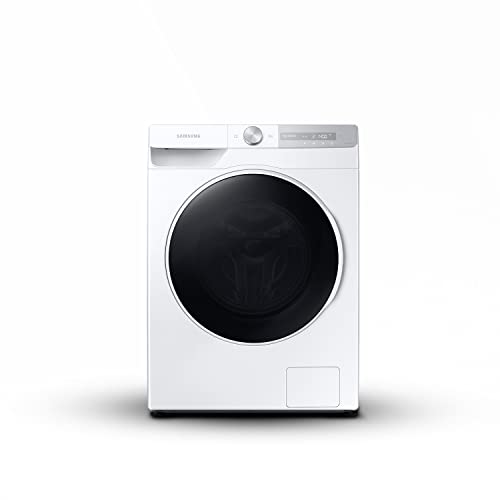
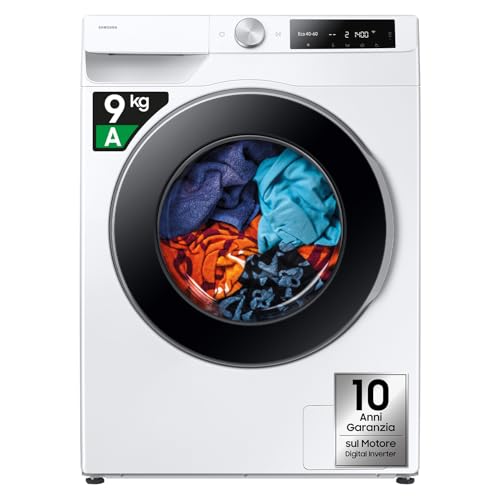
Samsung WF90F09C4SU2 Review | 101 Data compared

Avg. price:~£700Capacity:9 kgMaximum spin speed:1400 RPMEnergy efficiency class:AType:self-standingLoading type:front-loading

Samsung WF90F09C4SU2 Review: Compare 101 technical specifications and expert reviews to see how this product ranks in the Washing machines category and whether it is worth buying.

9.0

Overall score

Score
9.0/ 10
✕
What it is
An overall evaluation of the washing machine's quality, based on technical analyses and user reviews.
When it matters
When you need a quick reference to identify the best washing machines on the market.
Score distribution
â–¼
<55-66-77-88-99-10
Score components

100%

9.0

Technical score

★Better than 99% of washing-machines
9.0

Technical score

Technical score
9.0/ 10
✕
What it is
An assessment of the washing machine's technical performance, covering five key areas: performance, energy efficiency, washing programs, features, and design.
When it matters
When you want to compare washing machines based on technical performance and available features.
Score distribution
â–¼
<55-66-77-88-99-10
Score components

25%

9.5

Performance

25%

8.8

Energy efficiency

20%

8.9

Washing programs

20%

9.1

Features

10%

8.1

Design

★Better than 99% of washing-machines
?

Review score

Review score
✕
What it is
Average grade from independent test sites, magazines and video reviewers, 1–10.
How we count it
Grades: Each review's own score is converted to 1–10; without one, we grade the review ourselves.
Weighting: Big test sites count more, short reviews half as much as full tests. A video review counts half.
Share: Too few models in this category have enough reviews yet, so reviews are shown but do not count in the overall score.
Score distribution
â–¼
<55-66-77-88-99-10
Grades by review (0)
We have not found an independent test of this model yet, so its overall score is our technical score alone.
Shop star ratings are not part of this score.
No expert tests yet
  • No image
No image

Best prices

    N/A~ £700

Best rankings

Available: ranking among products currently available (including other versions of this product).All: ranking among all products in the database.
Loading...
Loading category ranking...

Technical Specifications of washing machine Samsung WF90F09C4SU2

Technical score
Technical score
9.0/ 10
✕
What it is
An assessment of the washing machine's technical performance, covering five key areas: performance, energy efficiency, washing programs, features, and design.
When it matters
When you want to compare washing machines based on technical performance and available features.
Score distribution
â–¼
<55-66-77-88-99-10
Score components:

25%

9.5

Performance

25%

8.8

Energy efficiency

20%

8.9

Washing programs

20%

9.1

Features

10%

8.1

Design

9.0
Review score
Review score
✕
What it is
Average grade from independent test sites, magazines and video reviewers, 1–10.
How we count it
Grades: Each review's own score is converted to 1–10; without one, we grade the review ourselves.
Weighting: Big test sites count more, short reviews half as much as full tests. A video review counts half.
Share: Too few models in this category have enough reviews yet, so reviews are shown but do not count in the overall score.
Score distribution
â–¼
<55-66-77-88-99-10
Grades by review (0)
We have not found an independent test of this model yet, so its overall score is our technical score alone.
Shop star ratings are not part of this score.
?
Popularity
Popularity
6.9/ 10
✕
What it is
An indicator based on the number of reviews received by the washing machine.
When it matters
When you prefer to purchase a product chosen and reviewed by many other consumers.
Score distribution
â–¼
<55-66-77-88-99-10
Popularity:
Samsung WF90F09C4SU2 has a popularity of 6.9 points, which is higher than 75.6% of washing machines.
6.9
Value for money
Value for money
7.9/ 10
✕
What it is
An indicator that combines the washing machine's overall rating with its cost.
When it matters
When you are looking for a washing machine with a good balance between quality and price.
Score distribution
â–¼
<55-66-77-88-99-10
Score components:

60%

9.0

Overall score

40%

5.4

Price

7.9
Capacity
9 kg
Capacity
9 kg
This washing machine holds 9 kg, which is more than 53.6% of washing machines and equal to 23.9% of washing machines.
Drum volume
71.5 L
Drum volume
71.5 L
This washing machine has a 71.5 L drum, which is larger than 92.4% of washing machines.
Spin-drying efficiency class
B
Spin-drying efficiency class
B
This washing machine has spin-drying class B, which is more efficient than in 10% of washing machines and the same as in 83.5% of washing machines.
Maximum spin speed
1,400 RPM
Maximum spin speed
1,400 RPM
This washing machine spins at 1,400 RPM, which is faster than 31.2% of washing machines and equal to 63.8% of washing machines.
Minimum spin speed
400 RPM
Minimum spin speed
400 RPM
This washing machine has a minimum spin of 400 RPM, which is lower than 27.9% of washing machines and equal to 71.1% of washing machines.
Show more
Energy efficiency class
A
Energy efficiency class
A
This washing machine has energy class A, which is better than 38.3% of washing machines and the same as 61.7% of washing machines.
Energy consumption per 100 cycles
22 kWh/100 cycles
Energy consumption per 100 cycles
22 kWh/100 cycles
This washing machine uses 22 kWh/100 cycles, which is lower than 100% of washing machines.
Annual energy consumption
48.4 kWh/year
Annual energy consumption
48.4 kWh/year
This washing machine uses 48.4 kWh/year, which is lower than 99.9% of washing machines.
Annual energy cost
12.1 £
Annual energy cost
12.1 £
This washing machine has a yearly running cost of £12.1, which is lower than 100% of washing machines.
Water consumption per cycle
50 L
Water consumption per cycle
50 L
This washing machine uses 50 L of water per cycle, which is higher than 69.6% of washing machines and equal to 13.5% of washing machines.
Show more
N. of washing programs
24
N. of washing programs
24
This washing machine offers 24 wash programmes, which is more than 98.6% of washing machines and equal to 1.2% of washing machines.
N. of downloadable programs
?
N. of washing programs under 1 hour
2
N. of washing programs under 1 hour
2
This washing machine has 2 programmes under an hour, which is more than 41.7% of washing machines and equal to 36.5% of washing machines.
Fastest cycle duration
15 min
Fastest cycle duration
15 min
This washing machine has a fastest cycle of 15 min, which is shorter than 25.4% of washing machines and equal to 44.8% of washing machines.
ECO cycle duration
228 min
ECO cycle duration
228 min
This washing machine has an ECO cycle of 228 min, which is longer than 59.2% of washing machines and equal to 18.2% of washing machines.
Show more
N. of advanced features
?
Foam control system
yes
Foam control system
yes
This washing machine features a foam control system. 79.1% of washing machines have a foam control system.
Laundry detection system
yes
Laundry detection system
yes
This washing machine has a laundry detection system. 92.7% of washing machines have this feature.
Unbalanced load detection
yes
Unbalanced load detection
yes
This washing machine has unbalanced load detection. 91.7% of washing machines have unbalanced load detection.
Load balancing system
no
Load balancing system
no
This washing machine does not feature a load balancing system. 46.8% of washing machines have a load balancing system.
Show more
Color
silver
Color
silver
This washing machine comes in silver, which is less conventional than the colour in 91.2% of washing machines and the same as the colour in 2.3% of washing machines.
Type
self-standing
Type
self-standing
This washing machine is self-standing, which is more flexible to place than the type in 3.3% of washing machines and the same as the type in 96.8% of washing machines.
Loading type
front-loading
Loading type
front-loading
This washing machine is front-loading, which is more practical than the design in 9% of washing machines and the same as the design in 91% of washing machines.
Display
yes
Display
yes
This washing machine has a display. 96.2% of washing machines have a display.
Child lock
yes
Child lock
yes
This washing machine has a child lock. 99.7% of washing machines have a child lock.
Show more

Samsung WF90F09C4SU2 vs the average washing machine

246810TotalPerformanceEnergy efficiencyWashing programsFeaturesDesign
  • 28 kWh/100 cycles less energy use
    Energy consumption per 100 cycles
    22 kWh/100 cycles
    This washing machine uses less electricity than the average washing machine (22 kWh/100 cycles vs 50 kWh/100 cycles). The average washing machine uses 50 kWh/100 cycles.
    22 kWh/100 cycles vs 50 kWh/100 cycles
  • 9 more wash programmes
    N. of washing programs
    24
    This washing machine offers more wash programmes than the average washing machine (24 vs 15). The average washing machine offers 15 wash programmes.
    24 vs 15
  • 10 year/s longer motor warranty
    Motor warranty
    20 year/s
    This washing machine has a longer motor warranty than the average washing machine (20 year/s vs 10 year/s). The average washing machine has a motor warranty of 10 year/s.
    20 year/s vs 10 year/s
  • Has an automatic dosing system
    Automatic dosing system
    yes
    This washing machine features an automatic dosing system, the average washing machine does not. 7.9% of washing machines feature an automatic dosing system.
  • Has Wi-Fi
    Wi-Fi connectivity
    yes
    This washing machine has Wi-Fi, the average washing machine does not. 28.3% of washing machines have Wi-Fi.
  • 2 more spin speeds
    N. of spin speeds
    6
    This washing machine has more spin speeds than the average washing machine (6 vs 4). The average washing machine has 4 spin speeds.
    6 vs 4
  • Has an anti-vibration design
    Anti-vibration design
    yes
    This washing machine has an anti-vibration design, the average washing machine does not have. 34.2% of washing machines have an anti-vibration design.
  • Has an energy-saving mode
    Energy saving mode
    yes
    This washing machine includes an energy-saving mode, the average washing machine does not. 18.6% of washing machines come with an energy-saving mode.
  • 6.94x more popular
    Samsung WF90F09C4SU2 is more popular than the average washing machine (6.94 vs 1).
    6.94 vs 1
  • 10 year/s longer motor warranty
    Motor warranty
    20 year/s
    This washing machine has a longer motor warranty than the average washing machine (20 year/s vs 10 year/s). The average washing machine has a motor warranty of 10 year/s.
    20 year/s vs 10 year/s
  • 2 more spin speeds
    N. of spin speeds
    6
    This washing machine has more spin speeds than the average washing machine (6 vs 4). The average washing machine has 4 spin speeds.
    6 vs 4
  • 13.5 L more drum space
    Drum volume
    71.5 L
    This washing machine has a roomier drum than the average washing machine (71.5 L vs 58 L). The average washing machine has a drum of 58 L.
    71.5 L vs 58 L
  • 1 kg more capacity
    Capacity
    9 kg
    This washing machine holds more laundry than the average washing machine (9 kg vs 8 kg). The average washing machine holds 8 kg.
    9 kg vs 8 kg
  • Better noise class
    Noise emission class
    A
    This washing machine has a better noise class than the average washing machine (A vs B).
    A vs B
  • 2 dB quieter spinning
    Spin noise level
    72 dB
    This washing machine is quieter on spin than the average washing machine (72 dB vs 74 dB). The average washing machine spins at 74 dB.
    72 dB vs 74 dB
  • 28 kWh/100 cycles less energy use
    Energy consumption per 100 cycles
    22 kWh/100 cycles
    This washing machine uses less electricity than the average washing machine (22 kWh/100 cycles vs 50 kWh/100 cycles). The average washing machine uses 50 kWh/100 cycles.
    22 kWh/100 cycles vs 50 kWh/100 cycles
  • 56.9% lower energy use
    Annual energy consumption
    48.4 kWh/year
    This washing machine uses less energy than the average washing machine (48.4 kWh/year vs 112.2 kWh/year). The average washing machine uses 112.2 kWh/year.
    48.4 kWh/year vs 112.2 kWh/year
  • 16 £ lower yearly running cost
    Annual energy cost
    12.1 £
    This washing machine costs less to run than the average washing machine (12.1 £ vs 28.1 £). The average washing machine has a yearly running cost of 28.1 £.
    12.1 £ vs 28.1 £
  • 9 more wash programmes
    N. of washing programs
    24
    This washing machine offers more wash programmes than the average washing machine (24 vs 15). The average washing machine offers 15 wash programmes.
    24 vs 15
  • Has a soak function
    Soak function
    yes
    This washing machine includes a soak function, which the average washing machine does not have. 11.3% of washing machines come with a soak function.
  • Has a night/silent option
    Night/Silent option
    yes
    This washing machine has a Night/Silent function, which the average washing machine does not have. 26.9% of washing machines include a Night/Silent option.
  • Colors cycle
    Colors cycle
    yes
    This washing machine has a Colors cycle, which the average washing machine does not offer. 38.2% of washing machines include a Colors cycle.
  • Shirt cycle
    Shirt cycle
    yes
    This washing machine has a cycle for shirts, the average washing machine does not have. 48.5% of washing machines have a shirt cycle.
  • Baby-care cycle
    Baby Care cycle
    yes
    This washing machine has a special cycle for baby's clothes, the average washing machine does not have. 46.5% of washing machines have such cycle.
  • Jeans cycle
    Jeans cycle
    yes
    This washing machine has a cycle for jeans, the average washing machine does not have. 49.7% of washing machines have a jeans cycle.
  • Has an automatic dosing system
    Automatic dosing system
    yes
    This washing machine features an automatic dosing system, the average washing machine does not. 7.9% of washing machines feature an automatic dosing system.
  • Has Wi-Fi
    Wi-Fi connectivity
    yes
    This washing machine has Wi-Fi, the average washing machine does not. 28.3% of washing machines have Wi-Fi.
  • Has an energy-saving mode
    Energy saving mode
    yes
    This washing machine includes an energy-saving mode, the average washing machine does not. 18.6% of washing machines come with an energy-saving mode.
  • Uses AI technology
    AI technology
    yes
    This washing machine uses an AI technology, the average washing machine does not. 18% of washing machines use an AI technology.
  • Features a pre-mix technology
    Pre-mix technology
    yes
    This washing machine features a pre-mix technology, the average washing machine does not. 24.4% of washing machines have a pre-mix technology.
  • Can clean its drawer automatically
    Automatic drawer cleaning
    yes
    This washing machine can clean its drawer automatically, the average washing machine cannot. 10.7% of washing machines can clean their drawer automatically.
  • Has the AquaStop feature
    AquaStop system
    yes
    This washing machine has the AquaStop feature, the average washing machine does not. 36.3% of washing machines have an AquaStop feature.
  • Includes a water jets system
    Water jets system
    yes
    This washing machine has a water jets system, the average washing machine does not. 20% of washing machines feature a water jets system.
  • Can save settings to favorites
    Memory/Favourite function
    yes
    This washing machine can save selected settings to favorites, the average washing machine cannot. 40.1% of washing machines have this feature.
  • Can self-diagnose its problems
    Smart diagnosis function
    yes
    This washing machine can self-diagnose its problems, the average washing machine cannot. 45.3% of washing machines have this feature.
  • Can be controlled by voice
    Voice control
    yes
    This washing machine can be controlled by voice, the average washing machine cannot. 32.1% of washing machines can be controlled by voice.
  • Shows consumption statistics
    Consumption statistics
    yes
    This washing machine can shows its consumption statistics in the app, the average washing machine cannot. 35.7% of washing machines can do this.
  • Has an anti-vibration design
    Anti-vibration design
    yes
    This washing machine has an anti-vibration design, the average washing machine does not have. 34.2% of washing machines have an anti-vibration design.
  • Has an interior light
    Interior light
    yes
    This washing machine has an interior light, the average washing machine does not have. 10.8% of washing machines have an interior light.
  • 3 L more water per cycle
    Water consumption per cycle
    50 L
    This washing machine uses more water per cycle than the average washing machine (50 L vs 47 L). The average washing machine uses 47 L of water per cycle.
    50 L vs 47 L
  • Does not have a duvet cycle
    Duvet cycle
    no
    This washing machine does not have a duvet cycle, the average washing machine does. 53.8% of washing machines have a duvet cycle.
  • Does not have an allergen cycle
    Anti-Allergy cycle
    no
    This washing machine does not have an allergen cycle, the average washing machine does not have. 66.1% of washing machines have an allergen cycle.
  • 11.9% heavier
    Weight
    75 kg
    This washing machine is heavier than the average washing machine (75 kg vs 67 kg). The average washing machine weighs 67 kg.
    75 kg vs 67 kg
  • 9.1% larger volume
    Volume
    306,000 cm³
    This washing machine has a larger volume than the average washing machine (306000 cm³ vs 280500 cm³). The average washing machine has a volume of 280500 cm³.
    306,000 cm³ vs 280,500 cm³
  • 10 min longer eco cycle
    ECO cycle duration
    228 min
    This washing machine has a longer ECO cycle than the average washing machine (228 min vs 218 min). The average washing machine's ECO cycle takes 218 min.
    228 min vs 218 min
  • 70.7% more expensive
    Samsung WF90F09C4SU2 is more expensive than the average washing machine (£700 vs £410).
    £700 vs £410
  • 3.5 cm deeper
    Depth
    60 cm
    This washing machine is deeper than the average washing machine (60 cm vs 56.5 cm). The average washing machine is 56.5 cm deep.
    60 cm vs 56.5 cm
  • 70.7% more expensive
    Samsung WF90F09C4SU2 is more expensive than the average washing machine (£700 vs £410).
    £700 vs £410
  • 3 L more water per cycle
    Water consumption per cycle
    50 L
    This washing machine uses more water per cycle than the average washing machine (50 L vs 47 L). The average washing machine uses 47 L of water per cycle.
    50 L vs 47 L
  • 6.4% higher yearly water use
    Annual water consumption
    11,000 L/year
    This washing machine uses more water per year than the average washing machine (11000 L/year vs 10340 L/year). The average washing machine uses 10340 L/year of water a year.
    11,000 L/year vs 10,340 L/year
  • 1.25 £ higher yearly water cost
    Annual water cost
    20.9 £
    This washing machine costs more for water than the average washing machine (20.9 £ vs 19.6 £). The average washing machine has a yearly water cost of 19.646 £.
    20.9 £ vs 19.646 £
  • Does not have a duvet cycle
    Duvet cycle
    no
    This washing machine does not have a duvet cycle, the average washing machine does. 53.8% of washing machines have a duvet cycle.
  • Does not have an allergen cycle
    Anti-Allergy cycle
    no
    This washing machine does not have an allergen cycle, the average washing machine does not have. 66.1% of washing machines have an allergen cycle.
  • 10 min longer eco cycle
    ECO cycle duration
    228 min
    This washing machine has a longer ECO cycle than the average washing machine (228 min vs 218 min). The average washing machine's ECO cycle takes 218 min.
    228 min vs 218 min
  • 9.1% larger volume
    Volume
    306,000 cm³
    This washing machine has a larger volume than the average washing machine (306000 cm³ vs 280500 cm³). The average washing machine has a volume of 280500 cm³.
    306,000 cm³ vs 280,500 cm³
  • 11.9% heavier
    Weight
    75 kg
    This washing machine is heavier than the average washing machine (75 kg vs 67 kg). The average washing machine weighs 67 kg.
    75 kg vs 67 kg
  • 3.5 cm deeper
    Depth
    60 cm
    This washing machine is deeper than the average washing machine (60 cm vs 56.5 cm). The average washing machine is 56.5 cm deep.
    60 cm vs 56.5 cm
  • 0.2 cm wider
    Width
    60 cm
    This washing machine is wider than the average washing machine (60 cm vs 59.8 cm). The average washing machine is 59.8 cm wide.
    60 cm vs 59.8 cm
  • More unusual colour
    Color
    silver
    This washing machine comes in a less conventional colour than the average washing machine (silver vs white).
    silver vs white

Video reviews

Hands-on testing, unboxing, and real-world video evaluations
Not graded

Third-party reviews

What we like about Samsung WF90F09C4SU2

  • Energy use of 22 kWh per 100 cycles keeps power use low.
  • The 71.5 L drum takes bulky duvets and big loads.
  • 24 washing programs cover nearly every fabric.
  • The motor carries a 20-year warranty.
  • Pause and add lets you slip in a forgotten sock mid-cycle.
  • Six spin speeds let you match the spin to each fabric.

What we don't like about Samsung WF90F09C4SU2

  • At 75 kg it is hard to move on your own.
  • The spin reaches 72 dB, which is loud enough to hear from another room.
  • Each cycle uses 50 L of water.
  • The 9 kg capacity means a large family needs more loads.

Verdict

Low energy use is what sets the Samsung WF90F09C4SU2 apart, with 22 kWh per 100 cycles. It suits a household that washes often and wants plenty of choice over each load. The drum holds 71.5 L, so duvets fit without much folding. Its 24 washing programs and six spin speeds let you match each fabric closely. Pause and add lets you slip in a forgotten sock mid-cycle. The motor comes with a 20-year warranty, a long cover for the part that does the hard work. The trade-off is weight and noise: at 75 kg it is hard to shift, and the spin reaches 72 dB, which you will hear in the next room. It fits a buyer who wants a big drum and low energy use, and does not mind a loud spin.

Compare Samsung WF90F09C4SU2 with other washing machines

1Product to compare no. 1
VS
2Product to compare no. 2
VS
3Product to compare no. 3 (optional)

Graphic comparison of Samsung WF90F09C4SU2 and other washing machines

No results found