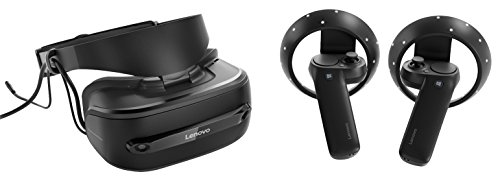
Lenovo Mirage Solo Review | 89 Data compared

double-arrow
  • Avg. price in UK: ~£350
  • Avg. price in US: ~$400
  • Weight: 645 g
  • Resolution: 1280x1440
  • Refresh rate: 75 Hz
  • Display type: IPS LCD
  • Device type: standalone

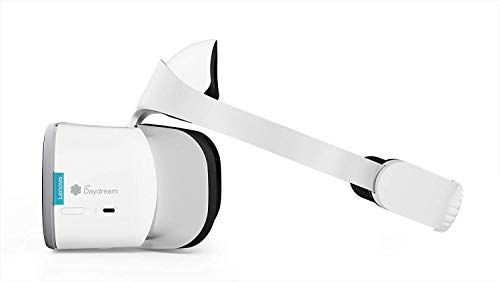
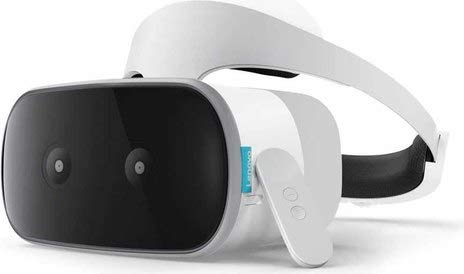
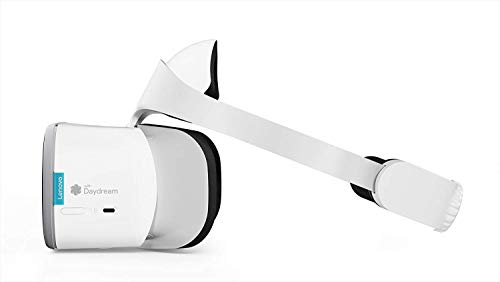
Lenovo Mirage Solo review. Compare 89 technical specifications and user reviews to see how it ranks among vr headsets and if it is worth buying.

5.9

Overall score

What it is: An overall evaluation of the VR headset's quality, based on technical analyses and user reviews.

When it matters: When you need a quick reference to identify the best VR headsets on the market.

Score components:

80.0%

6.1

Technical Score

20.0%

5.4

User score

Good
6.1

Technical Score

What it is: An assessment of the VR headset's technical performance, covering eight key areas: display quality, tracking, comfort, controllers, connectivity, audio, battery, and design.

When it matters: When you want to compare VR headsets based on technical performance and available features.

Score components:

58.0%

5.8

Display & Optics

22.0%

6.6

Tracking & Sensors

10.0%

7.4

Controls & Audio

4.0%

4.8

Hardware

3.0%

5.7

Connectivity

3.0%

5.1

Design & Power

Good
5.4

User score

What it is: A rating that combines user reviews and the total number of reviews received by the VR headset.

When it matters: When you want to know how a VR headset performs in real use and how reliable it remains over time according to user feedback.

Score components:

70.0%

6.6

User reviews

30.0%

2.6

Popularity

User score:
United Kingdom
amazon
3.3
(27)

(Reviews last updated: July 2026)

Good
  • 6.2
    Gaming

    Score components:

    40.0%

    3.3

    Refresh rate

    35.0%

    10

    Touch controllers

    25.0%

    5.4

    Resolution

  • 6.5
    Movies

    Score components:

    40.0%

    5.4

    Resolution

    35.0%

    6.4

    Display type

    25.0%

    8.5

    Visible FoV (horizontal)

  • lenovo-mirage-solo
  • lenovo-mirage-solo
  • lenovo-mirage-solo
lenovo-mirage-solo
lenovo-mirage-solo
lenovo-mirage-solo

Best prices in UK

Best rankings

?

Available: ranking among products currently available (including other versions of this product).
All: ranking among all products in the database.

Verdict

The Lenovo Mirage Solo is a pioneer standalone VR headset that operates on the Google Daydream platform, powered by a Qualcomm Snapdragon 835 processor and 4GB of RAM. Its main characteristic is the integration of WorldSense technology, which uses dual front-facing cameras to provide 6-degrees-of-freedom (6DoF) inside-out tracking without external sensors. Key technical specs include a 5.5-inch QHD LCD display with a 2560 x 1440 resolution, a 75Hz refresh rate, and a 110-degree field of view. Its primary pros are its completely untethered design, 64GB of internal storage expandable via microSD, and a comfortable halo-style headband with a 4000 mAh battery offering up to 2.5 hours of use. However, notable cons include its relatively heavy weight of 645g, a limited library of 6DoF-compatible apps, and the included handheld controller being restricted to only 3-degrees-of-freedom tracking.

Technical Specifications of Lenovo Mirage Solo

Technical Score

What it is: An assessment of the VR headset's technical performance, covering eight key areas: display quality, tracking, comfort, controllers, connectivity, audio, battery, and design.

When it matters: When you want to compare VR headsets based on technical performance and available features.

Score components:

58.0%

5.8

Display & Optics

22.0%

6.6

Tracking & Sensors

10.0%

7.4

Controls & Audio

4.0%

4.8

Hardware

3.0%

5.7

Connectivity

3.0%

5.1

Design & Power

6.1
Lenovo Mirage Solo has a technical score of 6.06 points, which is lower than 63.3% of VR headsets.
User score

What it is: A rating that combines user reviews and the total number of reviews received by the VR headset.

When it matters: When you want to know how a VR headset performs in real use and how reliable it remains over time according to user feedback.

Score components:

70.0%

6.6

User reviews

30.0%

2.6

Popularity

User score:
United Kingdom
amazon
3.3
(27)

(Reviews last updated: July 2026)

5.4
Lenovo Mirage Solo has a user score of 5.39 points, which is lower than 93.9% of VR headsets.
Popularity
What it is: An indicator based on the number of reviews received by the VR headset.
When it matters: When you prefer to buy a product chosen and reviewed by many other consumers.
2.6
Lenovo Mirage Solo has a popularity of 2.6 points, which is lower than 53.1% of products in this category.
Ratio quality/price

What it is: An indicator that combines the VR headset's overall rating with its cost.

When it matters: When you are looking for a VR headset with a good balance between quality and price.

Score components:

60.0%

5.9

Overall score

40.0%

8.7

Price

6.7
Lenovo Mirage Solo has a quality-to-price ratio of 6.7 points, which is higher than 42.9% of products in this category.
Resolution
What it is: The total number of pixels displayed on the screen, expressed as width x height, determining sharpness.
When it matters: When you want crisp text and sharp details in photos and videos.

Importance: HIGH

1280x1440
Lenovo Mirage Solo has a screen resolution of 1280x1440 which is lower than that of 74.4% of VR headsets and equal to that of 7.7% of VR headsets.
Screen size
What it is: The physical diagonal measurement of the display area, usually expressed in inches.
When it matters: When you want a larger image area that can feel more immersive in games, movies, and VR apps.

Importance: LOW

Good value: >4.41 inches

5.5 inches
Refresh rate
What it is: The number of times per second the display updates the image, measured in Hertz (Hz); higher rates offer smoother motion.
When it matters: When you want scrolling to feel fluid and games to look smoother.

Importance: HIGH

Good value: >102 Hz

75 Hz
Lenovo Mirage Solo supports a refresh rate of 75 Hz which is lower than in 82.1% of VR headsets and equal to that in 2.6% of VR headsets.
Visible FoV (horizontal)
What it is: Measures the visible horizontal field of view of the image, expressed in degrees.
When it matters: When you want a wider left-to-right view for racing, shooters, and room-scale immersion.

Importance: HIGH

Good value: >105.7 °

110 °
Lenovo Mirage Solo offers a horizontal FoV of 110 ° which is wider than that of 79% of VR headsets and equal to that of 5.3% of VR headsets.
Visible FoV (vertical)
What it is: Measures the visible vertical field of view of the image, expressed in degrees.
When it matters: When a taller visible image helps scenes feel less cropped above and below your view.

Importance: HIGH

Good value: >97.5 °

?
Show more
Tracking type
What it is: Specifies the tracking method used for positional detection, such as inside-out or outside-in.
When it matters: When you want to know whether tracking depends on onboard cameras or external hardware.

Importance: LOW

inside-out
360° head tracking
What it is: Shows whether the headset can track head movement across a full 360-degree space.
When it matters: When you turn around often in room-scale games and do not want tracking blind spots.

Importance: MEDIUM

yes
Lenovo Mirage Solo supports full 360° head tracking. 2% of VR headsets support this tracking mode.
N. of tracking sensors
What it is: Counts the integrated sensors used for positional or motion tracking.
When it matters: When you compare how much built-in hardware the headset uses for motion tracking.

Importance: LOW

Good value: >4.2

2
N. of cameras
What it is: Counts the built-in cameras used for tracking, passthrough, or environmental sensing.
When it matters: When passthrough quality, room mapping, and inside-out tracking matter to your setup.

Importance: MEDIUM

Good value: >4.2

2
Lenovo Mirage Solo has 2 cameras which is more than in 39.6% of VR headsets and equal to that in 18.8% of VR headsets.
Tracking frequency
What it is: Indicates how often the tracking system updates position data, measured in hertz.
When it matters: When you want fast motion tracking to stay stable during quick head or hand movement.

Importance: LOW

Good value: >718 Hz

?
Show more
Operating system
What it is: The primary system software that manages the headset's hardware, apps, and core functions.
When it matters: When you have a preference for the user interface and app ecosystem.

Importance: LOW

Android
OpenXR support
What it is: Indicates whether the headset supports the OpenXR standard for compatible VR software.
When it matters: When you want broader compatibility with VR apps across different software platforms.

Importance: LOW

no
Lenovo Mirage Solo does not support OpenXR. 64.4% of VR headsets support this cross-platform VR standard.
Wireless PC streaming
What it is: Shows whether the headset can receive PC VR content over a wireless connection.
When it matters: When you want PC VR without a cable running from the headset to your computer.

Importance: LOW

no
Lenovo Mirage Solo does not support wireless PC streaming. 36.7% of VR headsets support cable-free PC VR streaming.
Wi-Fi connectivity
What it is: The ability of the headset to connect to a wireless network.
When it matters: When you want wireless downloads, streaming, updates, or online features without relying on a cable.

Importance: LOW

yes
Lenovo Mirage Solo has Wi-Fi. 63.3% of VR headsets have Wi-Fi connectivity.
Wi-Fi version
What it is: Version of Wi-Fi standard supported.
When it matters: When compatibility with your router and wireless setup affects download speeds, streaming quality, or latency.

Importance: LOW

Wi-Fi 5
Lenovo Mirage Solo supports Wi-Fi Wi-Fi 5, which is more advanced than 67.4% of VR headsets and equal to 8.2% of VR headsets.
Show more
Touch controllers
What it is: Shows whether dedicated motion controllers are included for hand-based input in VR.
When it matters: When your favorite games rely on precise hand input rather than hand tracking alone.

Importance: MEDIUM

yes
Lenovo Mirage Solo includes touch controllers. 28.6% of VR headsets come with dedicated hand controllers.
Game controller included
What it is: Indicates whether game controllers are included in the standard package.
When it matters: When you want a complete VR package and do not want to buy controllers separately.

Importance: LOW

yes
Lenovo Mirage Solo includes a game controller. 36.7% of VR headsets ship with controllers in the box.
Spatial audio
What it is: Supports immersive spatial audio playback.
When it matters: When movies, games, and VR experiences feel better with more immersive positional sound.

Importance: LOW

yes
Lenovo Mirage Solo supports spatial audio. 10.6% of VR headsets support spatial audio.
N. of speakers
What it is: Counts the built-in speakers used for audio playback.
When it matters: When you plan to use the headset without separate headphones or external speakers.

Importance: LOW

0
Lenovo Mirage Solo has 0 speakers which is fewer than in 63% of VR headsets and equal to that in 37% of VR headsets.
N. of microphones
What it is: The number of microphones built into the headset or its integrated hardware.
When it matters: When voice chat, voice commands, or in-headset recording quality matter to your setup.

Importance: LOW

2
Lenovo Mirage Solo includes 2 microphones, which is more than 44.2% of VR headsets and equal to 48.8% of VR headsets.
Show more
Device type
What it is: Describes the overall headset class, such as standalone, PC VR, or mixed reality.
When it matters: When you choose between a standalone headset, a PC VR model, or mixed-reality use.

Importance: LOW

standalone
Chipset
What it is: The central System-on-Chip (SoC) that houses the CPU, GPU, modem, and other core processing components.
When it matters: When you want to know the specific engine powering your device's speed and features.

Importance: LOW

Snapdragon 835
Lenovo Mirage Solo uses the Snapdragon 835 processor model which is slower than processors in 64.7% of VR headsets and equal to processors in 11.8% of VR headsets.
CPU clock speed
What it is: Indicates the base operating frequency of the main processor, measured in gigahertz.
When it matters: When you compare standalone headset speed for games, menus, and mixed-reality apps.

Importance: LOW

Good value: >2.86 GHz

2.45 GHz
Lenovo Mirage Solo has a CPU clock speed of 2.45 GHz which is lower than that of 64.7% of VR headsets and equal to that of 11.8% of VR headsets.
GPU model
What it is: The official model name of the graphics processor used in the tablet.
When it matters: When you compare graphics hardware for gaming, video editing, or benchmarks.

Importance: LOW

Adreno 540
Lenovo Mirage Solo uses the Adreno 540 GPU model, which is less advanced than that used in 66.7%.
RAM capacity
What it is: States the installed RAM capacity used for system operation and multitasking.
When it matters: When you want smoother multitasking and better headroom for demanding VR apps.

Importance: LOW

Good value: >9.3 GB

4 GB
Lenovo Mirage Solo has 4 GB of RAM, which is less than 66.7% of VR headsets and equal to 11.1% of VR headsets.
Show more
Battery capacity
What it is: The amount of electric charge the battery can store, usually measured in mAh.
When it matters: When you want longer untethered play time without recharging the headset too often.

Importance: LOW

Good value: >4980 mAh

4,000 mAh
Lenovo Mirage Solo has a battery capacity of 4000 mAh mAh which is lower than that of 52.9% of VR headsets and equal to that of 5.9% of VR headsets.
Charging time
What it is: Time required for a full charge.
When it matters: When charging speed, charging method, or battery upkeep convenience matters to your routine.

Importance: LOW

Good value: <2.3 hours

2.83 h
Lenovo Mirage Solo recharges in 2.83 h, which is slower than 84.6% of VR headsets.
Weight
What it is: The total weight of the headset, affecting how heavy it feels during use.
When it matters: When you want a headset that feels lighter and more comfortable during longer VR sessions.

Importance: LOW

Good value: <484.2 g

645 g
Lenovo Mirage Solo weighs 645 g which is heavier than 66.7% of VR headsets and equal to the weight of 4.4% of VR headsets.
Headstrap type
What it is: Identifies the design of the headstrap used to secure the headset on the user's head.
When it matters: When comfort, balance, and pressure distribution matter during long VR sessions.

Importance: LOW

rigid halo
Lenovo Mirage Solo uses a rigid halo headstrap, which is more comfortable than the design on 44.9%.
Body material
What it is: The main material used for the headset body or housing.
When it matters: When you care about how sturdy, premium, or lightweight the headset feels over time.

Importance: LOW

plastic
Show more

Lenovo Mirage Solo vs the average VR headset

  • Supports eye relief adjustment
    Lenovo Mirage Solo supports eye relief adjustment, the average VR headset does not. 25% of VR headsets support eye relief adjustment.
    What it is: Shows whether the distance between the eyes and lenses can be adjusted for comfort or glasses clearance.
    When it matters: When you wear glasses or need more space between your eyes and the lenses.

    Importance: MEDIUM

    Lenovo Mirage Solo supports eye relief adjustment, the average VR headset does not. 25% of VR headsets support eye relief adjustment.
  • 10 ° wider horizontal FoV
    Lenovo Mirage Solo has a higher horizontal visible FoV than the average VR headset (110 ° vs 100 °). The average VR headset offers a horizontal visible FoV of 100 °.
    What it is: Measures the visible horizontal field of view of the image, expressed in degrees.
    When it matters: When you want a wider left-to-right view for racing, shooters, and room-scale immersion.

    Importance: HIGH

    Good value: >105.7 °

    Lenovo Mirage Solo has a higher horizontal visible FoV than the average VR headset (110 ° vs 100 °). The average VR headset offers a horizontal visible FoV of 100 °.110 ° vs 100 °
  • Includes remote control
    Lenovo Mirage Solo includes a remote control, the average VR headset does not.
    What it is: Indicates whether a physical remote control is included with the soundbar.
    When it matters: When you want easier everyday control.

    Importance: LOW

    Lenovo Mirage Solo includes a remote control, the average VR headset does not.
  • Includes compass
    Lenovo Mirage Solo features a compass, the average VR headset does not. 35.6% of VR headsets include a compass sensor.
    What it is: A digital magnetometer that determines the device's orientation relative to the Earth's magnetic north.
    When it matters: When you are hiking or navigating on foot and need to know which direction you are facing.

    Importance: LOW

    Lenovo Mirage Solo features a compass, the average VR headset does not. 35.6% of VR headsets include a compass sensor.
  • Better lens type
    Lenovo Mirage Solo uses hybrid lenses, while the average VR headset uses fresnel lenses.
    What it is: Identifies the optical lens design used by the headset, such as Fresnel or pancake.
    When it matters: When you compare edge clarity, glare behavior, and headset thickness across optical designs.

    Importance: MEDIUM

    Lenovo Mirage Solo uses hybrid lenses, while the average VR headset uses fresnel lenses.hybrid vs fresnel
  • 74.2% lighter controllers
    Lenovo Mirage Solo is lighter than the average VR headset (40 g vs 155 g). The average controller weighs 155 g.
    What it is: States the weight of one controller, usually measured in grams.
    When it matters: When controller comfort matters during long sessions or active rhythm and fitness games.

    Importance: LOW

    Good value: <132.3 g

    Lenovo Mirage Solo is lighter than the average VR headset (40 g vs 155 g). The average controller weighs 155 g.40 g vs 155 g
  • Has a memory card slot
    Lenovo Mirage Solo features a memory card slot, the average VR headset does not. 14.3% of VR headsets support expandable storage.
    What it is: A physical slot, usually for microSD cards, allowing users to expand the device's storage capacity.
    When it matters: When you want to expand storage for games, videos, or other media without relying only on internal memory.

    Importance: LOW

    Lenovo Mirage Solo features a memory card slot, the average VR headset does not. 14.3% of VR headsets support expandable storage.
  • Has Wi-Fi
    Lenovo Mirage Solo has Wi-Fi, the average VR headset does not. 38% of VR headsets have Wi-Fi connectivity.
    What it is: The ability of the headset to connect to a wireless network.
    When it matters: When you want wireless downloads, streaming, updates, or online features without relying on a cable.

    Importance: LOW

    Lenovo Mirage Solo has Wi-Fi, the average VR headset does not. 38% of VR headsets have Wi-Fi connectivity.
  • Supports eye relief adjustment
    Lenovo Mirage Solo supports eye relief adjustment, the average VR headset does not. 25% of VR headsets support eye relief adjustment.
  • 10 ° wider horizontal FoV
    Lenovo Mirage Solo has a higher horizontal visible FoV than the average VR headset (110 ° vs 100 °). The average VR headset offers a horizontal visible FoV of 100 °.
  • Better lens type
    Lenovo Mirage Solo uses hybrid lenses, while the average VR headset uses fresnel lenses.
  • Includes compass
    Lenovo Mirage Solo features a compass, the average VR headset does not. 35.6% of VR headsets include a compass sensor.
  • Has Wi-Fi
    Lenovo Mirage Solo has Wi-Fi, the average VR headset does not. 38% of VR headsets have Wi-Fi connectivity.
  • Includes remote control
    Lenovo Mirage Solo includes a remote control, the average VR headset does not.
  • 74.2% lighter controllers
    Lenovo Mirage Solo is lighter than the average VR headset (40 g vs 155 g). The average controller weighs 155 g.
  • Has a memory card slot
    Lenovo Mirage Solo features a memory card slot, the average VR headset does not. 14.3% of VR headsets support expandable storage.
  • 16% faster GPU clock
    Lenovo Mirage Solo has a higher GPU clock speed than the average VR headset (710 MHz vs 612 MHz). The average VR headset has a GPU clock speed of 612 MHz.
  • Battery level indicator
    Lenovo Mirage Solo has a battery level indicator, the average VR headset does not. 46% of VR headsets include a battery level indicator.
  • No adjustable IPD
    Lenovo Mirage Solo does not support adjustable IPD, the average VR headset does. 64% of VR headsets offer adjustable lens spacing.
  • 16.7% lower refresh rate
    Lenovo Mirage Solo has a lower refresh rate than the average VR headset (75 Hz vs 90 Hz). The average VR headset has a refresh rate of 90 Hz.
  • Lower screen resolution
    Lenovo Mirage Solo has a lower screen resolution than the average VR headset (1280x1440 vs 1440x1600). The average VR headset has a screen resolution of 1440x1600.
  • 12.7% lower pixel density
    Lenovo Mirage Solo has a lower pixel density than the average VR headset (538 ppi vs 616 ppi). The average VR headset has a pixel density of 616 ppi.
  • Smaller tracking area
    Lenovo Mirage Solo has a lower tracking area than the average VR headset (1x1 m vs 10x10 m). The average VR headset supports a tracking area of 10x10 m.
  • No OpenXR support
    Lenovo Mirage Solo does not support OpenXR, the average VR headset does. 63% of VR headsets support this cross-platform VR standard.
  • Old Bluetooth version
    Lenovo Mirage Solo supports an older Bluetooth version than the average VR headset (5 vs 5.2). The average VR headset uses Bluetooth 5.2.
  • No haptic feedback
    Lenovo Mirage Solo does not support haptic feedback, the average VR headset does. 63.3% of VR headsets offer haptics in the headset or controllers.
  • Fewer speakers
    Lenovo Mirage Solo has fewer speakers than the average VR headset (0 vs 2). The average VR headset has 2 speakers.
  • 2 fewer memory channels
    Lenovo Mirage Solo has fewer memory channels than the average VR headset (2 vs 4). The average VR headset supports 4 memory channels.
  • 4 GB less RAM
    Lenovo Mirage Solo has a lower RAM capacity than the average VR headset (4 GB vs 8 GB). The average VR headset has a RAM capacity of 8 GB.
  • 3,467 MHz slower memory speed
    Lenovo Mirage Solo has a lower RAM speed than the average VR headset (1,866 MHz vs 5,333 MHz). The average VR headset has a RAM speed of 5,333 MHz.
  • 0.39 GHz lower CPU clock speed
    Lenovo Mirage Solo has a lower CPU clock speed than the average VR headset (2.5 GHz vs 2.84 GHz). The average VR headset has a CPU clock speed of 2.84 GHz.
  • 3 nm larger process node
    Lenovo Mirage Solo has a higher process node than the average VR headset (10 nm vs 7 nm). The average VR headset uses a process node of 7 nm.
  • 50% less storage
    Lenovo Mirage Solo has a lower internal storage than the average VR headset (64 GB vs 128 GB). The average VR headset offers 128 GB of internal storage.
  • 0.83 h slower charging
    Lenovo Mirage Solo has a higher charging time than the average VR headset (2.8 h vs 2 h). The average VR headset reaches a charging time of 2 h.
  • 71.36 mm higher height
    Lenovo Mirage Solo is taller than the average VR headset (179.9 mm vs 108.5 mm). The average VR headset has a height of 108.5 mm.
  • 10.6% heavier
    Lenovo Mirage Solo is heavier than the average VR headset (645 g vs 583 g). The average VR headset weighs 583 g.
  • 27 mm thicker
    Lenovo Mirage Solo is thicker than the average VR headset (132 mm vs 105 mm). The average VR headset has a thickness of 105 mm.
  • 14.01 mm wider
    Lenovo Mirage Solo is wider than the average VR headset (204 mm vs 190 mm). The average VR headset has a width of 190 mm.
  • No adjustable IPD
    Lenovo Mirage Solo does not support adjustable IPD, the average VR headset does. 64% of VR headsets offer adjustable lens spacing.
    What it is: Shows whether the lens spacing can be adjusted to match the distance between the user's pupils.
    When it matters: When more than one person uses the headset and needs the lenses aligned comfortably.

    Importance: HIGH

    Lenovo Mirage Solo does not support adjustable IPD, the average VR headset does. 64% of VR headsets offer adjustable lens spacing.
  • 16.7% lower refresh rate
    Lenovo Mirage Solo has a lower refresh rate than the average VR headset (75 Hz vs 90 Hz). The average VR headset has a refresh rate of 90 Hz.
    What it is: The number of times per second the display updates the image, measured in Hertz (Hz); higher rates offer smoother motion.
    When it matters: When you want scrolling to feel fluid and games to look smoother.

    Importance: HIGH

    Good value: >102 Hz

    Lenovo Mirage Solo has a lower refresh rate than the average VR headset (75 Hz vs 90 Hz). The average VR headset has a refresh rate of 90 Hz.75 Hz vs 90 Hz
  • No haptic feedback
    Lenovo Mirage Solo does not support haptic feedback, the average VR headset does. 63.3% of VR headsets offer haptics in the headset or controllers.
    What it is: Shows whether vibration-based haptic feedback is available in the controllers or headset.
    When it matters: When you want stronger physical feedback from hits, grabs, or rhythm cues in VR games.

    Importance: LOW

    Lenovo Mirage Solo does not support haptic feedback, the average VR headset does. 63.3% of VR headsets offer haptics in the headset or controllers.
  • Lower screen resolution
    Lenovo Mirage Solo has a lower screen resolution than the average VR headset (1280x1440 vs 1440x1600). The average VR headset has a screen resolution of 1440x1600.
    What it is: The total number of pixels displayed on the screen, expressed as width x height, determining sharpness.
    When it matters: When you want crisp text and sharp details in photos and videos.

    Importance: HIGH

    Lenovo Mirage Solo has a lower screen resolution than the average VR headset (1280x1440 vs 1440x1600). The average VR headset has a screen resolution of 1440x1600.1280x1440 vs 1440x1600
  • Smaller tracking area
    Lenovo Mirage Solo has a lower tracking area than the average VR headset (1x1 m vs 10x10 m). The average VR headset supports a tracking area of 10x10 m.
    What it is: Defines the usable play area available for tracked VR or mixed-reality movement.
    When it matters: When you have limited room or want enough space for active room-scale sessions.

    Importance: LOW

    Lenovo Mirage Solo has a lower tracking area than the average VR headset (1x1 m vs 10x10 m). The average VR headset supports a tracking area of 10x10 m.1x1 m vs 10x10 m
  • 12.7% lower pixel density
    Lenovo Mirage Solo has a lower pixel density than the average VR headset (538 ppi vs 616 ppi). The average VR headset has a pixel density of 616 ppi.
    What it is: The concentration of pixels on the display, measured in pixels per inch (PPI), affecting image clarity.
    When it matters: When you want the image to look perfectly smooth with no visible pixels.

    Importance: HIGH

    Good value: >852.7 ppi

    Lenovo Mirage Solo has a lower pixel density than the average VR headset (538 ppi vs 616 ppi). The average VR headset has a pixel density of 616 ppi.538 ppi vs 616 ppi
  • Fewer speakers
    Lenovo Mirage Solo has fewer speakers than the average VR headset (0 vs 2). The average VR headset has 2 speakers.
    What it is: Counts the built-in speakers used for audio playback.
    When it matters: When you plan to use the headset without separate headphones or external speakers.

    Importance: LOW

    Lenovo Mirage Solo has fewer speakers than the average VR headset (0 vs 2). The average VR headset has 2 speakers.0 vs 2
  • No OpenXR support
    Lenovo Mirage Solo does not support OpenXR, the average VR headset does. 63% of VR headsets support this cross-platform VR standard.
    What it is: Indicates whether the headset supports the OpenXR standard for compatible VR software.
    When it matters: When you want broader compatibility with VR apps across different software platforms.

    Importance: LOW

    Lenovo Mirage Solo does not support OpenXR, the average VR headset does. 63% of VR headsets support this cross-platform VR standard.

Graphic comparison of Lenovo Mirage Solo and

Attribute category
Attribute
No results found

Third-party reviews

United Kingdom

(Reviews last updated: July 2026)

What customers like about Lenovo Mirage Solo?

  • Fully standalone device requiring no smartphone or PC
  • Inside-out tracking provides six degrees of freedom (6DoF) without external sensors
  • Ergonomic design with adjustable straps and padding for a comfortable fit
  • Expandable storage via a microSD card slot
  • Good visual quality with reduced ghosting and screen-door effect on the LCD display
  • Compatible with a wide range of Google Daydream VR apps

What customers dislike about Lenovo Mirage Solo?

  • High price point compared to contemporary standalone rivals like Oculus Go
  • Included controller is limited to 3DoF, which can break immersion for 6DoF movement
  • Lack of integrated speakers; requires external headphones for audio
  • Large and bulky design makes it less portable than other mobile VR options
  • Limited library of apps specifically designed to utilize the 6DoF tracking
  • Can be front-heavy, potentially causing neck fatigue during long sessions

Expert reviews

C
cnet.com
04/05/2018

Lenovo Mirage Solo Review Summary The Lenovo Mirage Solo is a fully standalone VR headset powered by Google Daydream that operates completely free of a phone or PC connection. Its standout feature is the inclusion of dual front-facing tracking cameras that provide inside-out, 6 degrees of freedom (6DOF) motion tracking. This allows users to physically duck, lean, and step within a...Read more

P
pcmag.com
04/05/2018

The Lenovo Mirage Solo with Daydream is a $399.99 standalone VR headset offering high convenience by eliminating the need for a PC, console, or smartphone, and it is praised for its comfortable physical design. However, the device is considered expensive for its performance level, with limitations in graphics power, screen quality, and a single motion controller compared to tethered...Read more

E
engadget.com
04/05/2018

The Lenovo Mirage Solo is an ambitious, self-contained VR headset that successfully delivers mobile virtual reality without requiring a PC or a smartphone connection. Tucking modified 2017 flagship smartphone components inside its plasticky frame—including a Snapdragon 835 chipset, 4GB of RAM, and a crisp 2,560x1,440 LCD screen—the device achieves smooth performance with virtually...Read more

T
techradar.com
04/05/2018

Lenovo Mirage Solo Review Summary The Lenovo Mirage Solo is a revolutionary standalone virtual reality headset that delivers a high-quality Google Daydream experience without requiring a smartphone or PC tethering. Priced at $399, it provides an exceptionally easy, console-like setup directly inside the headset and uses an Android-based operating system. Taking design cues from the...Read more

P
pcworld.com
04/05/2018

The PCWorld review highlights the Lenovo Mirage Solo as an innovative, standalone VR headset featuring untethered, wire-free operation with effective inside-out positional tracking for movement like dodging. A key, convenient feature is built-in Chromecast support for easy external display streaming, though it lacks on-board external speakers. PCWorld However, the headset is limited...Read more

R
roadtovr.com
04/05/2018

Lenovo Mirage Solo The Lenovo Mirage Solo is a standalone VR headset that introduces robust, fast, and accurate 6DOF inside-out positional head tracking to Google’s Daydream ecosystem using "WorldSense" technology. Powered by a Snapdragon 835 processor, it operates entirely without a PC or docked smartphone, drastically reducing user friction. Visually, the headset delivers a sharp...Read more

T
tomshardware.com
04/05/2018

The Lenovo Mirage Solo is a true standalone VR headset that operates within the Google Daydream ecosystem without needing a phone or PC, relying on an on-device setup via Wi-Fi and a Google account. Powered by a Qualcomm Snapdragon 835 processor with a 4,000 mAh battery, the hardware delivers 3 to 4 hours of continuous use and excels at rendering 3D graphics and immersive YouTube...Read more

A
androidheadlines.com
04/05/2018

The Lenovo Mirage Solo is the world’s first completely standalone VR headset featuring inside-out tracking, powered by a Qualcomm Snapdragon 835 processor, 4GB of RAM, and a 4,000mAh battery that delivers roughly six hours of continuous playtime. Operating on the Google Daydream VR platform, it offers an incredibly easy, wire-free setup that functions entirely within the headset...Read more

S
slashgear.com
04/05/2018

Despite its strengths, the headset has several notable drawbacks. The biggest con is its limited 2.5-hour battery life and a lack of built-in speakers, meaning users must plug in headphones. Additionally, while the headset tracks in 6DoF, the included Daydream controller only tracks general rotation, and the actual physical space allowed for roaming is quite small. Buyers should...Read more

T
techgearlab.com
19/07/2018

Lenovo Mirage Solo Review Summary The Lenovo Mirage Solo is a completely standalone VR headset that provides an exceptionally immersive visual experience with a high-resolution 5.5" display (1280x1440 per eye) and a wide 110° field of view. It is highly interactive, featuring accurate 6-DOF motion tracking via Google WorldSense that lets users physically move within a 10-to-15...Read more

T
trustedreviews.com
20/06/2018

The Lenovo Mirage Solo is a standalone virtual reality headset praised for its cable-free design, sharp display, and responsive positional tracking, offering a deeper immersive experience without requiring a PC or phone. Key advantages include its comfortable, untethered nature and an auto-sleep feature designed to optimize battery life. Conversely, the headset is identified as...Read more

W
wired.com
04/05/2018

The Lenovo Mirage Solo is a standalone, cable-free virtual reality headset powered by the Google Daydream platform. Its standout feature is WorldSense technology, which uses front-facing lenses to scan surroundings and deliver six degrees of freedom (6DOF). This allows the device to track both head rotation and physical movement without requiring external sensors, satellite devices,...Read more

A
androidcentral.com
04/05/2018

The Lenovo Mirage Solo is a Daydream standalone VR headset that eliminates the need for a PC, cables, or a docked smartphone to operate. On a technical level, the hardware delivers strong performance by utilizing a Snapdragon 835 processor, a 4,000mAh battery, and a 5.5-inch QHD LCD display featuring a 75Hz refresh rate. This low-latency screen significantly reduces the "screen-door...Read more

M
medium.com
04/05/2018

Lance Ulanoff’s review highlights the Lenovo Mirage Solo as a powerful, standalone VR headset featuring Google’s WorldSense for 6DoF movement without external sensors, powered by a Snapdragon 835 for improved performance over competitors. The design is noted for being relatively comfortable and for freeing users from phone-reliant, corded setups. medium.com · However, the $399 price...Read more

P
pixelatedgamer.com
19/09/2019

The Lenovo Mirage Solo is an exceptional standalone, plug-and-play VR headset powered by the Snapdragon 835 processor and Google’s Daydream OS, eliminating the need for complex PC wiring, smartphone docks, or external tracking sensors. On the positive side, it features highly precise WorldSense tracking technology that offers 360-degree movement, letting users naturally lean, duck,...Read more

T
thecanadiantechie.com
20/06/2018

The Lenovo Mirage Solo stands out as a strong progression for standalone virtual reality by bypassing the need for a dedicated smartphone or computer connection. Priced at $499 CAD ($399 USD), this gray and white plastic headset is powered by a Qualcomm Snapdragon 845 processor with 4GB of RAM, 64GB of expandable storage, and a 4,000 mAh battery that provides several hours of...Read more

F
forbes.com
30/01/2019

The Lenovo Mirage Solo, evaluated in a Forbes review by Moor Insights & Strategy (also found here), is praised for its wireless design, futuristic aesthetics, and easy-to-use USB-C and microSD slots, offering a highly immersive, stand-alone VR experience. However, the review notes significant drawbacks, including a limiting 3-DoF controller and a bulky design that hampers...Read more

K
krone.at
23. Februar 2019

The krone.at review of the Lenovo Mirage Solo highlights it as a standalone virtual reality headset priced at approximately €400, designed to bridge the gap between low-cost smartphone shells and high-end gaming PC rigs. On the positive side (pros), the device features a hassle-free, wireless setup that operates independently without a computer or smartphone connection. Powered by a...Read more

N
nextpit.de
12. März 2018

The Lenovo Mirage Solo review on nextpit details a standalone VR headset running on the Google Daydream platform that delivers a surprisingly high-quality, untethered virtual reality experience. Powered by a Snapdragon 835 processor and 4 GB of RAM, the device features a QHD display (2560 x 1440 pixels) and a 4,000 mAh battery, which combined offer smooth system performance and a...Read more

V
video.golem.de
14/11/2018

The Golem.de review presents the Lenovo Mirage Solo as a standalone, wireless virtual reality headset that attempts to usher in "the next generation of VR" alongside its companion, the 180-degree stereoscopic 3D Mirage Camera. On the positive side, the hardware features impressive technology, including built-in front-facing cameras that provide "Worldsense" positional tracking. This...Read more

L
lesnumeriques.com
06/07/2018

The Lenovo Mirage Solo is a solid, well-built standalone virtual reality headset that functions without requiring a PC or smartphone. It provides high-quality imagery via its 5.5-inch QHD LCD screen, which features a 2560 x 1440 resolution, a 75 Hz refresh rate, and a 110-degree field of view. Borrowing design elements from the PlayStation VR, it is highly comfortable, easily...Read more

R
realite-virtuelle.com
06/07/2018

The Lenovo Mirage Solo is a standalone VR headset that operates entirely without a PC or smartphone, offering a solid QHD resolution of 2560 x 1440 pixels. On the positive side, it delivers an impressive, high-quality image that is sharp and pleasant to the eye, free from distracting blurriness. It features an easily accessible SD port, a useful button to adjust screen distance, and...Read more

L
leclaireur.fnac.com
04/08/2018

The Lenovo Mirage Solo is a standalone virtual reality headset powered by a Qualcomm Snapdragon 835 processor, 4GB of RAM, and 64GB of expandable internal storage. The review praises its excellent display quality, featuring a 5.5-inch LCD screen with a 2560 x 1440 resolution, a 75 Hz refresh rate, and a wide 110-degree field of view that keeps images sharp and text readable....Read more

0
01net.com
14/02/2018

The Lenovo Mirage Solo is a lightweight, standalone VR headset built on the Google DayDream platform that operates entirely without a PC or smartphone, powered by a Qualcomm Snapdragon 835 processor. During hands-on testing, its ergonomic design—highly reminiscent of the Sony PSVR—and comfortable memory foam padding successfully minimized facial pressure, while its wire-free...Read more

F
frandroid.com
12/01/2018

The Lenovo Mirage Solo is a completely standalone virtual reality headset utilizing Google’s Daydream platform, meaning it functions without requiring a PC or a smartphone. Powered by a Qualcomm Snapdragon 835 processor and 4GB of RAM, it features a 5.5-inch IPS LCD display with QHD resolution and ships with an effective pointer-style remote controller. A standout technical...Read more

E
elespanol.com
01/08/2018

The Lenovo Mirage Solo is a standalone virtual reality headset based on Google's Daydream platform that delivers a cable-free experience without needing a smartphone or PC. A major highlight of the device is its WorldSense technology, which utilizes two tracking cameras on the front to achieve highly accurate six degrees of freedom (6DoF) movement without any external sensors....Read more

E
es.digitaltrends.com
09/08/2021

The Lenovo Mirage Solo is a standalone VR headset powered by Google’s Daydream platform that offers an immersive experience without requiring a phone or a PC connection. Priced at $399, it stands out for featuring Google’s WorldSense position tracking, which provides "Six Degrees of Freedom" (6DoF). This technology allows users to naturally lean, duck, and move around within virtual...Read more

R
realovirtual.com
17/04/2019

The Lenovo Mirage Solo is reviewed as a highly capable but commercially overlooked standalone VR headset powered by a Snapdragon 835 processor and 4GB of RAM. It features a 5.5-inch LCD display delivering 1280x1440 resolution per eye at a 75Hz refresh rate, alongside an impressive 110-degree field of view (FOV) and a wide optical "sweet spot" that minimises the screen-door effect...Read more

R
realovirtual.com
07/03/2018

The Lenovo Mirage Solo is an autonomous VR headset powered by the Qualcomm Snapdragon 835 processor and Google's WorldSense tracking technology. On the positive side, it features a high-quality hybrid fresnel/aspherical lens system that provides a wide 110-degree field of view, a large sweet spot, and minimal screen-door effect on its 2560x1440 RGB LCD screen. Its standalone...Read more

Q
quasardynamics.com
16/01/2019

YouTube · However, the headset does have some notable cons according to the article. Instead of using separate screens for each eye like some high-end competitors, it relies on a single 5.5-inch screen. While the 2560 x 1440 pixel resolution is acceptable, the display suffers from a lack of visual impact, showing washed-out colors and weak contrast. Additionally, it lacks built-in...Read more

A
afdigitale.it
08/05/2018

The Lenovo Mirage Solo is a standalone virtual reality headset created through a collaboration between Lenovo and Google, functioning entirely without the need for a PC or smartphone. Priced at $399 at launch, it stands out as the only device in its tier to feature Google's WorldSense motion-tracking technology, which utilizes two front-facing cameras to deliver precise positional...Read more

C
ct.nl
31/10/2018

The Lenovo Mirage Solo is a wireless, standalone virtual reality headset that runs on Google’s Daydream platform and functions entirely without cables or a smartphone. It distinguishes itself from simpler mobile VR headsets by utilizing Google's "WorldSense" tracking technology via two front-facing cameras, allowing users to lean and move their bodies through six-degrees-of-freedom...Read more

Video reviews

Compare Lenovo Mirage Solo with

VS
VS

Compare