Lenovo Explorer Review | 89 Data compared

double-arrow
  • Avg. price in UK: ~£400
  • Avg. price in US: ~$350
  • Weight: 380 g
  • Resolution: 1440x1440
  • Refresh rate: 90 Hz
  • Display type: LCD
  • Device type: PC VR

Lenovo Explorer review. Compare 89 technical specifications and user reviews to see how it ranks among vr headsets and if it is worth buying.

6.4

Overall score

What it is: An overall evaluation of the VR headset's quality, based on technical analyses and user reviews.

When it matters: When you need a quick reference to identify the best VR headsets on the market.

Score components:

80.0%

5.9

Technical Score

20.0%

8.3

User score

Good
5.9

Technical Score

What it is: An assessment of the VR headset's technical performance, covering eight key areas: display quality, tracking, comfort, controllers, connectivity, audio, battery, and design.

When it matters: When you want to compare VR headsets based on technical performance and available features.

Score components:

58.0%

5.2

Display & Optics

22.0%

6.7

Tracking & Sensors

10.0%

8.0

Controls & Audio

4.0%

4.0

Hardware

3.0%

6.6

Connectivity

3.0%

7.5

Design & Power

Good
8.3

User score

What it is: A rating that combines user reviews and the total number of reviews received by the VR headset.

When it matters: When you want to know how a VR headset performs in real use and how reliable it remains over time according to user feedback.

Score components:

70.0%

7.6

User reviews

30.0%

10

Popularity

User score:
United Kingdom
amazon
3.9
(575)
amazon
3.4
(40)
United States
Amazon_logo.png
3.8
(635)

(Reviews last updated: July 2026)

Excellent
  • 7.1
    Gaming

    Score components:

    40.0%

    5.5

    Refresh rate

    35.0%

    10

    Touch controllers

    25.0%

    5.8

    Resolution

  • 5.3
    Movies

    Score components:

    40.0%

    5.8

    Resolution

    35.0%

    5.2

    Display type

    25.0%

    4.8

    Visible FoV (horizontal)

  • lenovo-explorer
  • lenovo-explorer
  • lenovo-explorer
  • lenovo-explorer
  • lenovo-explorer
  • lenovo-explorer
  • lenovo-explorer
lenovo-explorer
lenovo-explorer
lenovo-explorer
lenovo-explorer
lenovo-explorer
lenovo-explorer
lenovo-explorer

Best prices in UK

Best rankings

?

Available: ranking among products currently available (including other versions of this product).
All: ranking among all products in the database.

Verdict

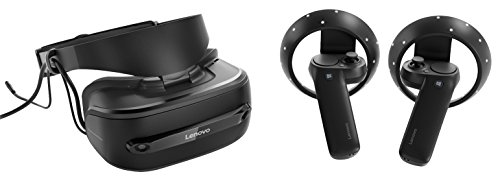
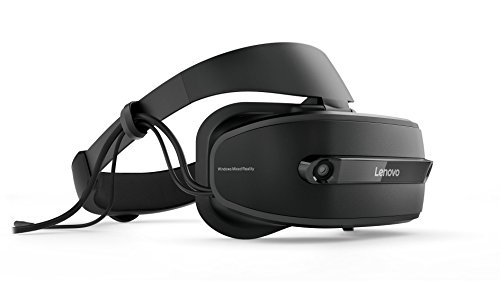
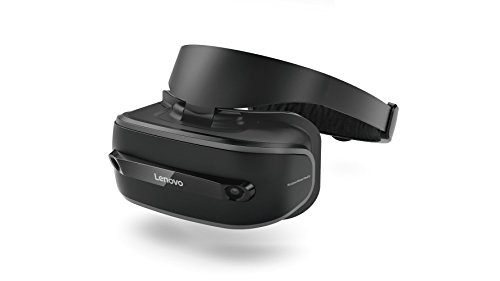
The Lenovo Explorer is a lightweight PC-powered Windows Mixed Reality headset featuring dual 2.89-inch LCD panels with a resolution of 1440 x 1440 per eye and a 90Hz refresh rate. It is distinguished by its 110-degree field of view, 6DoF inside-out tracking using dual integrated cameras—eliminating the need for external sensors—and a convenient flip-up visor design. Main pros include its exceptionally low weight of 380g, easy plug-and-play setup via a 4-meter Y-cable (HDMI 2.0 and USB 3.0), and a comfortable halo-style headband with a rear adjustment dial. However, cons include a fixed interpupillary distance (IPD) of 63mm that may cause blurriness for some users, a relatively small optical 'sweet spot,' and lower contrast compared to contemporary OLED-based headsets.

Technical Specifications of Lenovo Explorer

Technical Score

What it is: An assessment of the VR headset's technical performance, covering eight key areas: display quality, tracking, comfort, controllers, connectivity, audio, battery, and design.

When it matters: When you want to compare VR headsets based on technical performance and available features.

Score components:

58.0%

5.2

Display & Optics

22.0%

6.7

Tracking & Sensors

10.0%

8.0

Controls & Audio

4.0%

4.0

Hardware

3.0%

6.6

Connectivity

3.0%

7.5

Design & Power

5.9
Lenovo Explorer has a technical score of 5.89 points, which is lower than 69.4% of VR headsets.
User score

What it is: A rating that combines user reviews and the total number of reviews received by the VR headset.

When it matters: When you want to know how a VR headset performs in real use and how reliable it remains over time according to user feedback.

Score components:

70.0%

7.6

User reviews

30.0%

10

Popularity

User score:
United Kingdom
amazon
3.9
(575)
amazon
3.4
(40)
United States
Amazon_logo.png
3.8
(635)

(Reviews last updated: July 2026)

8.3
Lenovo Explorer has a user score of 8.29 points, which is higher than 73.5% of VR headsets.
Popularity
What it is: An indicator based on the number of reviews received by the VR headset.
When it matters: When you prefer to buy a product chosen and reviewed by many other consumers.
10
Lenovo Explorer has a popularity of 10 points, which is higher than 67.4% of products in this category.
Ratio quality/price

What it is: An indicator that combines the VR headset's overall rating with its cost.

When it matters: When you are looking for a VR headset with a good balance between quality and price.

Score components:

60.0%

6.4

Overall score

40.0%

8.4

Price

7.0
Lenovo Explorer has a quality-to-price ratio of 7 points, which is higher than 75.5% of products in this category.
Resolution
What it is: The total number of pixels displayed on the screen, expressed as width x height, determining sharpness.
When it matters: When you want crisp text and sharp details in photos and videos.

Importance: HIGH

1440x1440
Lenovo Explorer has a screen resolution of 1440x1440 which is lower than that of 69.2% of VR headsets and equal to that of 2.6% of VR headsets.
Screen size
What it is: The physical diagonal measurement of the display area, usually expressed in inches.
When it matters: When you want a larger image area that can feel more immersive in games, movies, and VR apps.

Importance: LOW

Good value: >4.41 inches

2.89 inches
Refresh rate
What it is: The number of times per second the display updates the image, measured in Hertz (Hz); higher rates offer smoother motion.
When it matters: When you want scrolling to feel fluid and games to look smoother.

Importance: HIGH

Good value: >102 Hz

90 Hz
Lenovo Explorer supports a refresh rate of 90 Hz which is higher than in 23.1% of VR headsets and equal to that in 51.3% of VR headsets.
Visible FoV (horizontal)
What it is: Measures the visible horizontal field of view of the image, expressed in degrees.
When it matters: When you want a wider left-to-right view for racing, shooters, and room-scale immersion.

Importance: HIGH

Good value: >105.7 °

97 °
Lenovo Explorer offers a horizontal FoV of 97 ° which is narrower than that of 60.5% of VR headsets and equal to that of 5.3% of VR headsets.
Visible FoV (vertical)
What it is: Measures the visible vertical field of view of the image, expressed in degrees.
When it matters: When a taller visible image helps scenes feel less cropped above and below your view.

Importance: HIGH

Good value: >97.5 °

94 °
Lenovo Explorer offers a vertical FoV of 94 ° which is narrower than that of 58.3% of VR headsets and equal to that of 5.6% of VR headsets.
Show more
Tracking type
What it is: Specifies the tracking method used for positional detection, such as inside-out or outside-in.
When it matters: When you want to know whether tracking depends on onboard cameras or external hardware.

Importance: LOW

inside-out
360° head tracking
What it is: Shows whether the headset can track head movement across a full 360-degree space.
When it matters: When you turn around often in room-scale games and do not want tracking blind spots.

Importance: MEDIUM

yes
Lenovo Explorer supports full 360° head tracking. 2% of VR headsets support this tracking mode.
N. of tracking sensors
What it is: Counts the integrated sensors used for positional or motion tracking.
When it matters: When you compare how much built-in hardware the headset uses for motion tracking.

Importance: LOW

Good value: >4.2

2
N. of cameras
What it is: Counts the built-in cameras used for tracking, passthrough, or environmental sensing.
When it matters: When passthrough quality, room mapping, and inside-out tracking matter to your setup.

Importance: MEDIUM

Good value: >4.2

2
Lenovo Explorer has 2 cameras which is more than in 39.6% of VR headsets and equal to that in 18.8% of VR headsets.
Tracking frequency
What it is: Indicates how often the tracking system updates position data, measured in hertz.
When it matters: When you want fast motion tracking to stay stable during quick head or hand movement.

Importance: LOW

Good value: >718 Hz

?
Show more
Operating system
What it is: The primary system software that manages the headset's hardware, apps, and core functions.
When it matters: When you have a preference for the user interface and app ecosystem.

Importance: LOW

Windows
OpenXR support
What it is: Indicates whether the headset supports the OpenXR standard for compatible VR software.
When it matters: When you want broader compatibility with VR apps across different software platforms.

Importance: LOW

yes
Lenovo Explorer supports OpenXR. 37.8% of VR headsets support this cross-platform VR standard.
Wireless PC streaming
What it is: Shows whether the headset can receive PC VR content over a wireless connection.
When it matters: When you want PC VR without a cable running from the headset to your computer.

Importance: LOW

no
Lenovo Explorer does not support wireless PC streaming. 36.7% of VR headsets support cable-free PC VR streaming.
Wi-Fi connectivity
What it is: The ability of the headset to connect to a wireless network.
When it matters: When you want wireless downloads, streaming, updates, or online features without relying on a cable.

Importance: LOW

no
Lenovo Explorer does not have Wi-Fi. 38.8% of VR headsets have Wi-Fi connectivity.
Wi-Fi version
What it is: Version of Wi-Fi standard supported.
When it matters: When compatibility with your router and wireless setup affects download speeds, streaming quality, or latency.

Importance: LOW

N/A
Show more
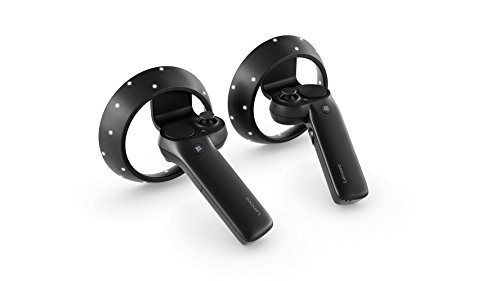
Touch controllers
What it is: Shows whether dedicated motion controllers are included for hand-based input in VR.
When it matters: When your favorite games rely on precise hand input rather than hand tracking alone.

Importance: MEDIUM

yes
Lenovo Explorer includes touch controllers. 28.6% of VR headsets come with dedicated hand controllers.
Game controller included
What it is: Indicates whether game controllers are included in the standard package.
When it matters: When you want a complete VR package and do not want to buy controllers separately.

Importance: LOW

yes
Lenovo Explorer includes a game controller. 36.7% of VR headsets ship with controllers in the box.
Spatial audio
What it is: Supports immersive spatial audio playback.
When it matters: When movies, games, and VR experiences feel better with more immersive positional sound.

Importance: LOW

yes
Lenovo Explorer supports spatial audio. 10.6% of VR headsets support spatial audio.
N. of speakers
What it is: Counts the built-in speakers used for audio playback.
When it matters: When you plan to use the headset without separate headphones or external speakers.

Importance: LOW

0
Lenovo Explorer has 0 speakers which is fewer than in 63% of VR headsets and equal to that in 37% of VR headsets.
N. of microphones
What it is: The number of microphones built into the headset or its integrated hardware.
When it matters: When voice chat, voice commands, or in-headset recording quality matter to your setup.

Importance: LOW

0
Lenovo Explorer includes 0 microphones, which is fewer than 74.4% of VR headsets and equal to 25.6% of VR headsets.
Show more
Device type
What it is: Describes the overall headset class, such as standalone, PC VR, or mixed reality.
When it matters: When you choose between a standalone headset, a PC VR model, or mixed-reality use.

Importance: LOW

PC VR
Chipset
What it is: The central System-on-Chip (SoC) that houses the CPU, GPU, modem, and other core processing components.
When it matters: When you want to know the specific engine powering your device's speed and features.

Importance: LOW

N/A
CPU clock speed
What it is: Indicates the base operating frequency of the main processor, measured in gigahertz.
When it matters: When you compare standalone headset speed for games, menus, and mixed-reality apps.

Importance: LOW

Good value: >2.86 GHz

N/A
GPU model
What it is: The official model name of the graphics processor used in the tablet.
When it matters: When you compare graphics hardware for gaming, video editing, or benchmarks.

Importance: LOW

N/A
RAM capacity
What it is: States the installed RAM capacity used for system operation and multitasking.
When it matters: When you want smoother multitasking and better headroom for demanding VR apps.

Importance: LOW

Good value: >9.3 GB

N/A
Show more
Battery capacity
What it is: The amount of electric charge the battery can store, usually measured in mAh.
When it matters: When you want longer untethered play time without recharging the headset too often.

Importance: LOW

Good value: >4980 mAh

N/A
Charging time
What it is: Time required for a full charge.
When it matters: When charging speed, charging method, or battery upkeep convenience matters to your routine.

Importance: LOW

Good value: <2.3 hours

N/A
Weight
What it is: The total weight of the headset, affecting how heavy it feels during use.
When it matters: When you want a headset that feels lighter and more comfortable during longer VR sessions.

Importance: LOW

Good value: <484.2 g

380 g
Lenovo Explorer weighs 380 g which is lighter than 80% of VR headsets.
Headstrap type
What it is: Identifies the design of the headstrap used to secure the headset on the user's head.
When it matters: When comfort, balance, and pressure distribution matter during long VR sessions.

Importance: LOW

rigid halo
Lenovo Explorer uses a rigid halo headstrap, which is more comfortable than the design on 44.9%.
Body material
What it is: The main material used for the headset body or housing.
When it matters: When you care about how sturdy, premium, or lightweight the headset feels over time.

Importance: LOW

plastic
Show more

Lenovo Explorer vs the average VR headset

  • Supports voice commands
    Lenovo Explorer supports voice commands, the average VR headset does not. 42.6% of VR headsets include voice command functionality.
    What it is: The capability to control the headset using spoken commands through built-in voice features or assistants.
    When it matters: When you want hands-free control inside VR for navigation, commands, or accessibility.

    Importance: LOW

    Lenovo Explorer supports voice commands, the average VR headset does not. 42.6% of VR headsets include voice command functionality.
  • Includes compass
    Lenovo Explorer features a compass, the average VR headset does not. 35.6% of VR headsets include a compass sensor.
    What it is: A digital magnetometer that determines the device's orientation relative to the Earth's magnetic north.
    When it matters: When you are hiking or navigating on foot and need to know which direction you are facing.

    Importance: LOW

    Lenovo Explorer features a compass, the average VR headset does not. 35.6% of VR headsets include a compass sensor.
  • Supports SteamVR
    Lenovo Explorer supports SteamVR, the average VR headset does not. 50% of VR headsets support this PC VR ecosystem.
    What it is: Indicates whether the headset supports the SteamVR ecosystem for compatible PC VR content.
    When it matters: When you want confidence that the headset can access the SteamVR software ecosystem in normal supported use.

    Importance: LOW

    Lenovo Explorer supports SteamVR, the average VR headset does not. 50% of VR headsets support this PC VR ecosystem.
  • 34.8% lighter
    Lenovo Explorer is lighter than the average VR headset (380 g vs 583 g). The average VR headset weighs 583 g.
    What it is: The total weight of the headset, affecting how heavy it feels during use.
    When it matters: When you want a headset that feels lighter and more comfortable during longer VR sessions.

    Importance: LOW

    Good value: <484.2 g

    Lenovo Explorer is lighter than the average VR headset (380 g vs 583 g). The average VR headset weighs 583 g.380 g vs 583 g
  • 1 more HDMI ports
    Lenovo Explorer has more HDMI ports than the average VR headset (1 vs 0). The average VR headset has 0 HDMI ports.
    What it is: Counts the HDMI ports available for video input or connection to external hardware.
    When it matters: When you need direct HDMI input for external devices instead of relying only on wireless links.

    Importance: LOW

    Good value: >0.7

    Lenovo Explorer has more HDMI ports than the average VR headset (1 vs 0). The average VR headset has 0 HDMI ports.1 vs 0
  • 13.6% higher pixel density
    Lenovo Explorer has a higher pixel density than the average VR headset (700 ppi vs 616 ppi). The average VR headset has a pixel density of 616 ppi.
    What it is: The concentration of pixels on the display, measured in pixels per inch (PPI), affecting image clarity.
    When it matters: When you want the image to look perfectly smooth with no visible pixels.

    Importance: HIGH

    Good value: >852.7 ppi

    Lenovo Explorer has a higher pixel density than the average VR headset (700 ppi vs 616 ppi). The average VR headset has a pixel density of 616 ppi.700 ppi vs 616 ppi
  • 3 h longer controller battery life
    Lenovo Explorer has a higher controller battery life than the average VR headset (15 h vs 12 h). The average controller battery lasts 12 h.
    What it is: States the maximum operating time of the controllers before the batteries need recharging or replacement.
    When it matters: When you play often and do not want controller batteries interrupting long sessions.

    Importance: LOW

    Good value: >22.5 hours

    Lenovo Explorer has a higher controller battery life than the average VR headset (15 h vs 12 h). The average controller battery lasts 12 h.15 h vs 12 h
  • 13.6% higher pixel density
    Lenovo Explorer has a higher pixel density than the average VR headset (700 ppi vs 616 ppi). The average VR headset has a pixel density of 616 ppi.
  • Includes compass
    Lenovo Explorer features a compass, the average VR headset does not. 35.6% of VR headsets include a compass sensor.
  • Supports SteamVR
    Lenovo Explorer supports SteamVR, the average VR headset does not. 50% of VR headsets support this PC VR ecosystem.
  • 1 more HDMI ports
    Lenovo Explorer has more HDMI ports than the average VR headset (1 vs 0). The average VR headset has 0 HDMI ports.
  • Supports voice commands
    Lenovo Explorer supports voice commands, the average VR headset does not. 42.6% of VR headsets include voice command functionality.
  • 3 h longer controller battery life
    Lenovo Explorer has a higher controller battery life than the average VR headset (15 h vs 12 h). The average controller battery lasts 12 h.
  • 34.8% lighter
    Lenovo Explorer is lighter than the average VR headset (380 g vs 583 g). The average VR headset weighs 583 g.
  • No adjustable IPD
    Lenovo Explorer does not support adjustable IPD, the average VR headset does. 64% of VR headsets offer adjustable lens spacing.
  • 3 ° narrower horizontal FoV
    Lenovo Explorer has a lower horizontal visible FoV than the average VR headset (97 ° vs 100 °). The average VR headset offers a horizontal visible FoV of 100 °.
  • Lower screen resolution
    Lenovo Explorer has a lower screen resolution than the average VR headset (1440x1440 vs 1440x1600). The average VR headset has a screen resolution of 1440x1600.
  • 1 ° narrower vertical FoV
    Lenovo Explorer has a lower vertical visible FoV than the average VR headset (94 ° vs 95 °). The average VR headset offers a vertical visible FoV of 95 °.
  • Smaller tracking area
    Lenovo Explorer has a lower tracking area than the average VR headset (3.5x3.5 m vs 10x10 m). The average VR headset supports a tracking area of 10x10 m.
  • Lacks USB Type-C
    Lenovo Explorer lacks a USB Type-C port, the average VR headset includes one. 58% of VR headsets use USB-C ports.
  • Fewer microphones
    Lenovo Explorer includes fewer microphones than the average VR headset (0 vs 2). The average VR headset includes 2 microphone/s.
  • Fewer speakers
    Lenovo Explorer has fewer speakers than the average VR headset (0 vs 2). The average VR headset has 2 speakers.
  • 11.6% heavier controllers
    Lenovo Explorer is heavier than the average VR headset (173 g vs 155 g). The average controller weighs 155 g.
  • No adjustable IPD
    Lenovo Explorer does not support adjustable IPD, the average VR headset does. 64% of VR headsets offer adjustable lens spacing.
    What it is: Shows whether the lens spacing can be adjusted to match the distance between the user's pupils.
    When it matters: When more than one person uses the headset and needs the lenses aligned comfortably.

    Importance: HIGH

    Lenovo Explorer does not support adjustable IPD, the average VR headset does. 64% of VR headsets offer adjustable lens spacing.
  • Fewer microphones
    Lenovo Explorer includes fewer microphones than the average VR headset (0 vs 2). The average VR headset includes 2 microphone/s.
    What it is: The number of microphones built into the headset or its integrated hardware.
    When it matters: When voice chat, voice commands, or in-headset recording quality matter to your setup.

    Importance: LOW

    Lenovo Explorer includes fewer microphones than the average VR headset (0 vs 2). The average VR headset includes 2 microphone/s.0 vs 2
  • Fewer speakers
    Lenovo Explorer has fewer speakers than the average VR headset (0 vs 2). The average VR headset has 2 speakers.
    What it is: Counts the built-in speakers used for audio playback.
    When it matters: When you plan to use the headset without separate headphones or external speakers.

    Importance: LOW

    Lenovo Explorer has fewer speakers than the average VR headset (0 vs 2). The average VR headset has 2 speakers.0 vs 2
  • 3 ° narrower horizontal FoV
    Lenovo Explorer has a lower horizontal visible FoV than the average VR headset (97 ° vs 100 °). The average VR headset offers a horizontal visible FoV of 100 °.
    What it is: Measures the visible horizontal field of view of the image, expressed in degrees.
    When it matters: When you want a wider left-to-right view for racing, shooters, and room-scale immersion.

    Importance: HIGH

    Good value: >105.7 °

    Lenovo Explorer has a lower horizontal visible FoV than the average VR headset (97 ° vs 100 °). The average VR headset offers a horizontal visible FoV of 100 °.97 ° vs 100 °
  • Lower screen resolution
    Lenovo Explorer has a lower screen resolution than the average VR headset (1440x1440 vs 1440x1600). The average VR headset has a screen resolution of 1440x1600.
    What it is: The total number of pixels displayed on the screen, expressed as width x height, determining sharpness.
    When it matters: When you want crisp text and sharp details in photos and videos.

    Importance: HIGH

    Lenovo Explorer has a lower screen resolution than the average VR headset (1440x1440 vs 1440x1600). The average VR headset has a screen resolution of 1440x1600.1440x1440 vs 1440x1600
  • Lacks USB Type-C
    Lenovo Explorer lacks a USB Type-C port, the average VR headset includes one. 58% of VR headsets use USB-C ports.
    What it is: A modern, reversible connector used for charging, data transfer, and sometimes audio or video output.
    When it matters: When you want a reversible cable that handles charging, data, and accessories universally.

    Importance: LOW

    Lenovo Explorer lacks a USB Type-C port, the average VR headset includes one. 58% of VR headsets use USB-C ports.
  • Smaller tracking area
    Lenovo Explorer has a lower tracking area than the average VR headset (3.5x3.5 m vs 10x10 m). The average VR headset supports a tracking area of 10x10 m.
    What it is: Defines the usable play area available for tracked VR or mixed-reality movement.
    When it matters: When you have limited room or want enough space for active room-scale sessions.

    Importance: LOW

    Lenovo Explorer has a lower tracking area than the average VR headset (3.5x3.5 m vs 10x10 m). The average VR headset supports a tracking area of 10x10 m.3.5x3.5 m vs 10x10 m
  • 1 ° narrower vertical FoV
    Lenovo Explorer has a lower vertical visible FoV than the average VR headset (94 ° vs 95 °). The average VR headset offers a vertical visible FoV of 95 °.
    What it is: Measures the visible vertical field of view of the image, expressed in degrees.
    When it matters: When a taller visible image helps scenes feel less cropped above and below your view.

    Importance: HIGH

    Good value: >97.5 °

    Lenovo Explorer has a lower vertical visible FoV than the average VR headset (94 ° vs 95 °). The average VR headset offers a vertical visible FoV of 95 °.94 ° vs 95 °

Graphic comparison of Lenovo Explorer and

Attribute category
Attribute
No results found

Third-party reviews

United States

(Reviews last updated: July 2026)

What customers like about Lenovo Explorer?

  • Lightweight and comfortable design, weighing only 380g
  • Sharp 1440x1440 per-eye resolution providing a clear image in the sweet spot
  • Easy setup process using inside-out tracking with no external sensors required
  • Flip-up visor allows users to see the real world without removing the headset
  • Excellent value for an entry-level VR experience
  • Compatible with a wide range of SteamVR and Windows Mixed Reality applications

What customers dislike about Lenovo Explorer?

  • Small 'sweet spot' for lens focus, leading to peripheral blurriness
  • No physical IPD (interpupillary distance) adjustment, problematic for some eye widths
  • Cheaper build quality compared to premium rivals, with reports of fragile hinges
  • LCD panels result in less vibrant colors and shallower blacks than OLED displays
  • Controller tracking is limited to the headset's front-facing camera field of view
  • Lacks integrated audio; requires external headphones
  • Large nose gap can cause significant light leakage

Expert reviews

T
techradar.com
17/01/2018

The Lenovo Explorer is a standout entry in the Windows Mixed Reality lineup, offering a lightweight and well-built virtual reality headset at a highly competitive price point. It is notably easier and quicker to install than premium alternatives like the HTC Vive, as its inside-out motion-tracking cameras eliminate the need for external sensors. The hardware features a dual-lens LCD...Read more

T
tomshardware.com
11/04/2018

The Lenovo Explorer Windows Mixed Reality Headset is a lightweight and compact VR headset that serves as an excellent, low-cost introduction to virtual reality, especially for first-time buyers and laptop users. The review highlights its easy setup process and crisp display as standout features. It is also praised for its exceptional portability, making it a perfect companion for...Read more

T
trustedreviews.com
15/02/2018

The Lenovo Explorer is a capable Windows Mixed Reality headset praised for its simple, sensor-free setup and intuitive optional motion controllers, making it a solid entry into the Windows VR ecosystem. Its pros include excellent inside-out tracking and a comfortable design, offering a satisfying experience for users focused on Microsoft Store content. However, the review notes cons...Read more

E
expertreviews.co.uk
01/07/2019

The Lenovo Explorer is a lightweight, all-plastic Windows Mixed Reality headset that offers an incredibly easy setup process for virtual reality beginners. It connects to a PC with a single four-metre cable and does not require complex external sensors, utilizing two inside-out cameras to track its AA-battery-powered controllers. The headset features dual 2.89-inch LCDs with a 2,880...Read more

W
wareable.com
22/11/2017

The Lenovo Explorer is a lightweight, 380-gram Windows Mixed Reality headset praised for its superior comfort, quick-adjust headband, and practical flip-up visor design. Its inside-out tracking, powered by built-in cameras, removes the need for external sensors, making setup simple. However, the device lacks built-in headphones and features a somewhat clunky hinge mechanism....Read more

M
mrtv.co
12/03/2018

The Lenovo Explorer stands out as an affordable and exceptionally comfortable entry-point into virtual reality, rivaling more expensive options like the original Oculus Rift and HTC Vive in overall visual clarity. Weighing only 380 grams and utilizing a well-padded, PlayStation VR-style headband design, it is arguably the most comfortable Windows Mixed Reality (WMR) headset of its...Read more

L
lenardgunda.com
31/01/2018

The Lenovo Explorer is a Windows Mixed Reality headset launched at an affordable entry point ($399/399€/399£) to bring immersive virtual reality to a wider audience without requiring high-end, dedicated gaming hardware. It is lightweight and features a simple adjustment knob at the back, connecting to computers via a Y-splitter cable with HDMI and USB 3.0 plugs, alongside a 3.5mm...Read more

U
uk.pcmag.com
06/09/2017

The Lenovo Explorer is a Windows Mixed Reality headset that blends virtual and augmented reality into an immersive experience. A major benefit of this device is its wireless room tracking, which utilizes two outward-facing fish-eye cameras to map out an 11.5 by 11.5-foot play area. This internal tracking system removes the need for complex, wired external sensors required by...Read more

T
techradar.com
31/08/2017

The Lenovo Explorer is a light and comfortable mixed reality headset designed to connect easily to Windows 10 PCs. It features an attractive, user-friendly design with a rear click wheel for simple head adjustments, which keeps the goggles from weighing heavily on the face. Internally, the device boasts two 2.89-inch LCD displays, each delivering a sharp and clear 1440 x 1440...Read more

T
tomshardware.com
11/04/2018

The Lenovo Explorer is a portable and exceptionally lightweight Windows Mixed Reality VR headset that serves as an accessible entry point into virtual reality, requiring more modest PC hardware than its high-end competitors. It is uniquely well-suited for families because its compact physical design allows it to comfortably fit smaller heads, making it one of the few PC-connected VR...Read more

H
heise.de
02/08/2018

High-Resolution Display and Simple Inside-Out Tracking The Lenovo Explorer is a Windows Mixed Reality (WMR) VR headset that offers a straightforward setup experience compared to competitors like the HTC Vive or Oculus Rift. It eliminates the need for external sensors by utilizing inside-out tracking, where built-in headset sensors detect room positioning and controller movements...Read more

W
windowsunited.de
21/10/2017

The WindowsUnited review finds that the Lenovo Explorer is an impressive, lightweight (380g) virtual reality headset that offers a deep, convincing sense of immersion compared to AR solutions. Pros include an easy setup with inside-out tracking, removing the need for external sensors, and a comfortable flip-up visor design. YouTube · However, the review notes significant drawbacks,...Read more

M
mixed.de
20/11/2017

This 2017 review evaluates the initial wave of Windows Mixed Reality (WMR) headsets from Acer, Lenovo, and Medion, which are all built on Microsoft’s identical hardware blueprint. A major advantage of these devices is their streamlined, lightweight design and a highly practical flip-up visor mechanism that allows quick switches to reality. Setting up the headsets is straightforward,...Read more

F
forum.lesnumeriques.com
16/12/2017

The Les Numériques review of the Acer Windows Mixed Reality Headset highlights the device as one of the pioneering products built for Microsoft's virtual reality platform. The primary pros of this headset include its incredibly quick and straightforward setup process, which operates on a plug-and-play basis via USB and HDMI. It features a very lightweight design and an intuitive,...Read more

R
realovirtual.com
12/01/2018

The Lenovo Explorer is a Windows Mixed Reality (WMR) headset praised for its lightweight chassis, simple inside-out tracking installation, and impressive resolution. It completely eliminates the need for external base stations, using two integrated front-facing cameras for head tracking, and connects via standard HDMI and USB 3.0 cables. Boasting dual 1440x1440 LCD displays, the...Read more

X
xataka.com.mx
14/03/2018

The Lenovo Explorer is a lightweight Windows Mixed Reality headset that weighs just 380 grams and features dual 2.89-inch LCD screens with a combined resolution of 2880 x 1440 pixels and a 90 Hz refresh rate. Designed for integration with Windows 10, it allows users to navigate native apps, utilize Office, and experience 3D environments like Paint 3D or VR gaming by mapping a...Read more

E
elespanol.com
04/04/2018

The Lenovo Explorer is a Windows Mixed Reality headset designed to offer an accessible and highly precise virtual reality experience directly from a compatible PC. Weighing only 380 grams, this lightweight device uses integrated front-facing cameras paired with internal sensors—such as a gyroscope, accelerometer, and magnetometer—to accurately track movement and spatial limits...Read more

C
cruzdesanandres.com
23/10/2018

The user Rioku explains that the Lenovo Explorer VR provides an incredibly immersive "Matrix-like" experience for flight and racing simulators like Digital Combat Simulator (DCS) and Assetto Corsa, making cockpits and vehicles feel true to life. Setup is relatively straightforward via Windows Mixed Reality (WMR) and SteamVR, though it requires software calibration because the lenses...Read more

H
hwupgrade.it
02/07/2018

The Lenovo Explorer is a PC-tethered virtual reality headset built on Microsoft’s Windows Mixed Reality platform, designed to interface with Windows 10 and fully compatible with SteamVR. A standout feature is its inside-out tracking system, which uses two front-facing cameras to establish environmental points of reference, entirely eliminating the need for external infrared base...Read more

Video reviews

Compare Lenovo Explorer with

VS
VS

Compare