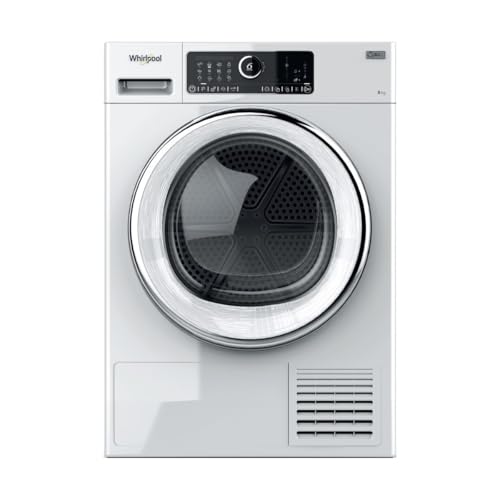

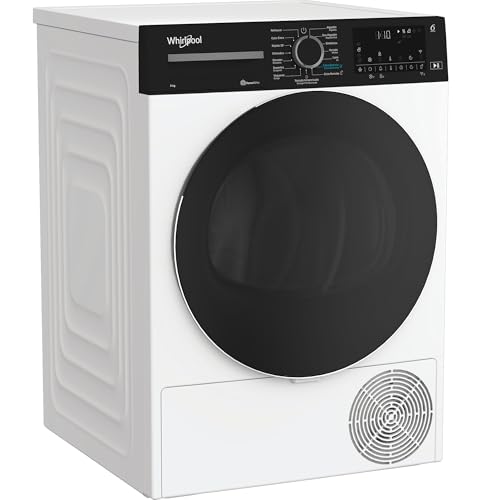
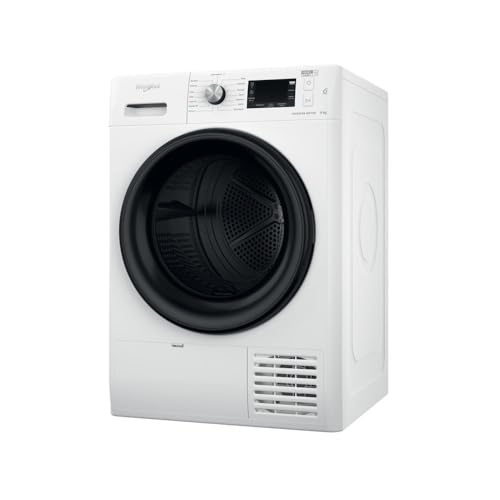
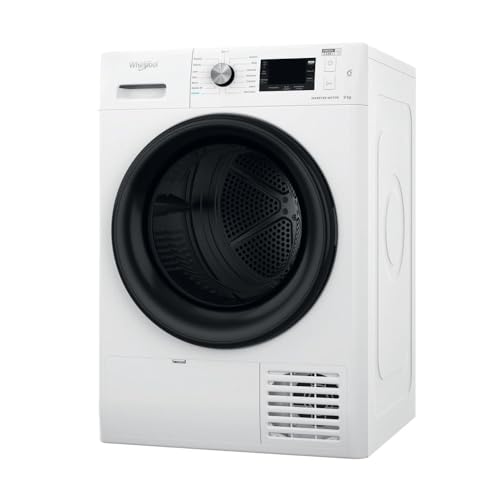
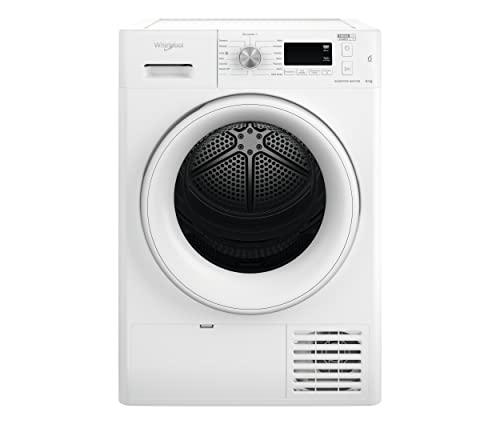
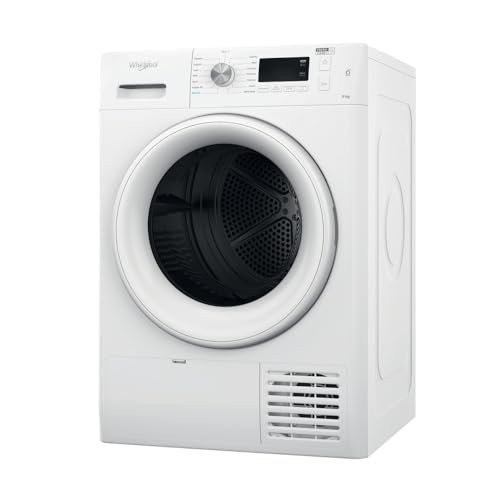
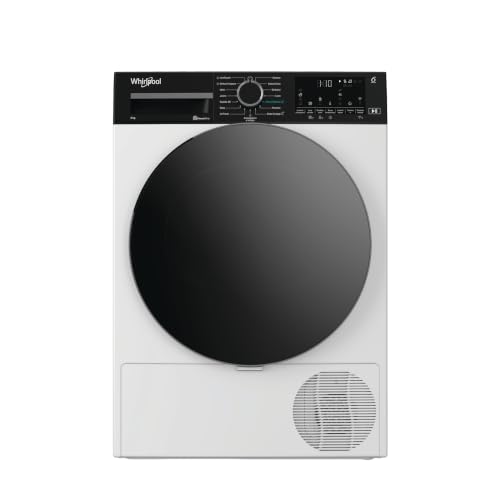
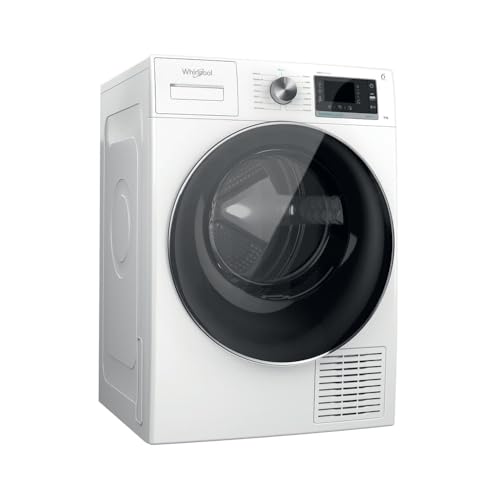
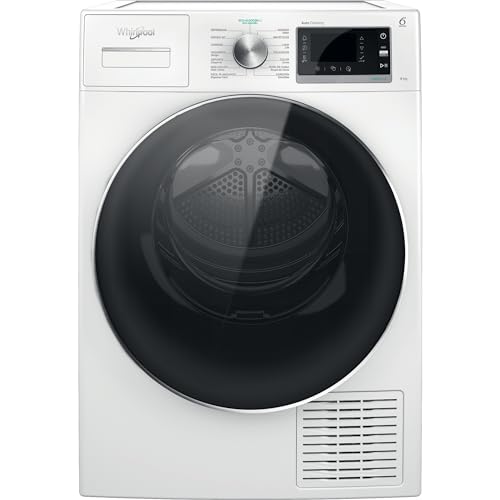
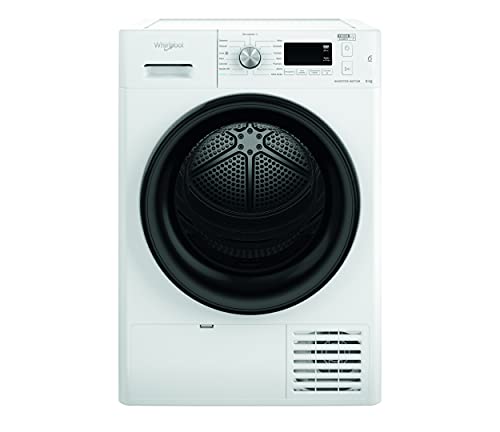
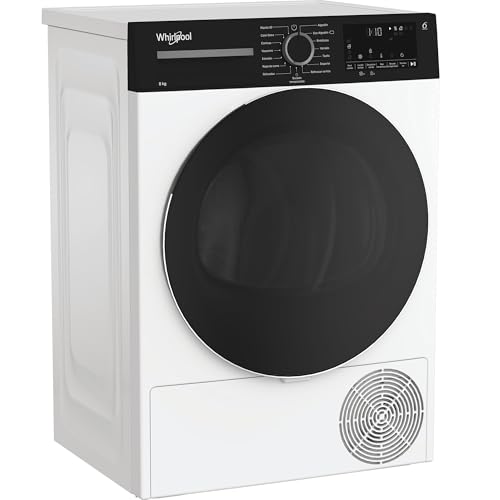
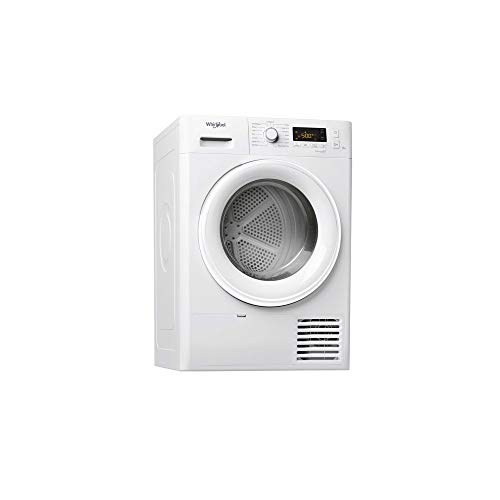


Are Whirlpool tumble dryers good?
Whirlpool tumble dryers have an average overall score of 7.6 and rank at position #12 among all tumble dryer brands.
Only 14 brands were considered (brands with fewer than 6 products in the database were excluded).
The chart below shows how dryer brands are ranked by their overall scores.
[horizontal-chart-33837636474424437]The best Whirlpool tumble dryers (with the highest overall score) are as follows.
- Whirlpool ST U 83X Overall score: 8.12 pointscapacity: 8 kg
- Whirlpool C WD 94M WBS Overall score: 8.06 pointscapacity: 9 kg
- Whirlpool FFT M22 9X3B Overall score: 7.58 pointscapacity: 9 kg
Note: Products currently available are listed first.
What are the main advantages of Whirlpool tumble dryers?
Whirlpool tumble dryers have the following advantages over other brands:
- Heat pump technology: Most Whirlpool tumble dryers use heat pump technology, which is more energy efficient than condenser or vented dryers.
- Larger drum volume: Whirlpool tumble dryers have an average drum volume of 120 litres, matching the market average.
- Lower energy consumption at full load: Whirlpool heat pump tumble dryers consume 1.64 kWh per cycle at full load, lower than the market average of 1.93 kWh per cycle.
- Lower energy consumption at partial load: Whirlpool heat pump tumble dryers use 0.88 kWh per cycle in partial load, lower than the market average of 1.1 kWh per cycle.
- Lower annual energy consumption: Whirlpool tumble dryers consume an average of 194 kWh per year (mix of full and partial load), about 40 kWh less than the market average of 235 kWh.
- High inverter motor presence: 92% of Whirlpool tumble dryers include an inverter motor, improving efficiency and durability.
- Quieter operation: Whirlpool tumble dryers have an average noise level of 64 dB, slightly lower than the market average of 65 dB.
- More drying programs: Whirlpool tumble dryers have an average of 15 drying programs, similar to most other tumble dryers on the market.
- Advanced drying cycle adjustments: Many Whirlpool tumble dryers include cycle adjustment functions such as Fresh Care+, Extra Fast, and Delicate.
- Comprehensive sensor technology: Almost all Whirlpool tumble dryers feature a laundry detection system (6th Sense Technology), Humidity sensors (6th Sense and 6th Sense 3Dry Technology), bidirectional movement, Delay start (up to 24 hours), Selectable Drying Times, and selectable drying levels.
- Additional smart functions: More advanced Whirlpool tumble dryers include Eco mode, ECO indicator, Favorite/Memory function, and a self-cleaning condenser filter.
- Enhanced drum design: Many Whirlpool tumble dryers have a Special Drum Design (SoftMove), and several models feature an easy cleaning filter. Some models also have a reversible door and interior light.
What are the main disadvantages of Whirlpool tumble dryers?
Whirlpool tumble dryers have the following disadvantages over other brands:
- No slim models available: Whirlpool does not produce any slim tumble dryers.
- Higher average price: Whirlpool tumble dryers cost about £70 more than the market average (£550 vs £480).
- Longer ECO cycle duration: Whirlpool tumble dryers take an average of 210 minutes for the ECO cycle, which is 20 minutes longer than the market average of 190 minutes.
- Missing hygiene programs: Whirlpool tumble dryers do not include Baby-Care, Hygiene, or Allergy cycles.
- Lack of smart features: Whirlpool tumble dryers do not include Wi-Fi connectivity, Consumption statistics, smart diagnosis, or a fast function.
- No mention of antivibration design: There is no information confirming that Whirlpool tumble dryers have an antivibration design.