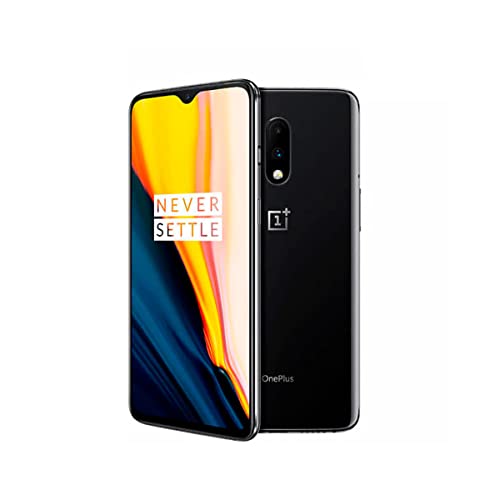
OnePlus 7 (8GB + 256GB) review. Compare 197 technical specifications and user reviews to see how this product ranks in the Smartphones category and whether it is worth buying.
Overall score
What it is: An overall evaluation of the smartphone's quality, based on technical analyses and user reviews.
When it matters: When you need a quick reference to identify the best smartphones on the market.
Score components:
90.0%
Technical Score
10.0%
User score
Technical Score
What it is: An assessment of the smartphone's technical performance, covering eight key areas: performance & hardware, software, camera, connectivity, display, battery, audio, and design.
When it matters: When you want to compare smartphones based on technical performance and available features.
Score components:
25.0%
Performance & Hardware
18.0%
Camera
15.0%
Display
15.0%
Battery
10.0%
Software
10.0%
Connectivity
4.0%
Audio
3.0%
Design
User score
What it is: A rating that combines user reviews and the total number of reviews received by the smartphone
When it matters: When you want to know how a smartphone handles daily tasks and how reliable it remains over time according to user feedback.
Score components:
70.0%
User reviews
30.0%
Popularity




Available: ranking among products currently available (including other versions of this product).
All: ranking among all products in the database.
#37 in Best OnePlus Smartphones
#260 in Best Mid-Range Smartphones
#511 in Best Chinese Smartphones
#666 in Best 5G Smartphones
#716 in Best NFC Smartphones
#741 in Best Android Smartphones
#779 in Best AI Smartphones
#782 in Best Smartphones
#1120 in Best Value Smartphones
What it is: An assessment of the smartphone's technical performance, covering eight key areas: performance & hardware, software, camera, connectivity, display, battery, audio, and design.
When it matters: When you want to compare smartphones based on technical performance and available features.
Score components:
25.0%
Performance & Hardware
18.0%
Camera
15.0%
Display
15.0%
Battery
10.0%
Software
10.0%
Connectivity
4.0%
Audio
3.0%
Design
What it is: A rating that combines user reviews and the total number of reviews received by the smartphone
When it matters: When you want to know how a smartphone handles daily tasks and how reliable it remains over time according to user feedback.
Score components:
70.0%
User reviews
30.0%
Popularity
What it is: An indicator that combines the smartphone's overall rating with its cost.
When it matters: When you are looking for a smartphone with a good balance between quality and price.
Score components:
60.0%
Overall score
40.0%
Price
Importance: LOW
Importance: HIGH
Importance: HIGH
Good value: >12 GB
Importance: MEDIUM
Good value: >256 GB
Importance: MEDIUM
Good value: >3.2 GHz
Importance: LOW
Importance: MEDIUM
Good value: >1500
Importance: LOW
Good value: >4000
Importance: LOW
Good value: 8+
Importance: LOW
Importance: LOW
Good value: >950 MHz
Importance: LOW
Good value: >700
Importance: LOW
Good value: >1000
Importance: LOW
Good value: >2500
Importance: MEDIUM
Good value: >6000
Importance: LOW
Good value: >8000
Importance: MEDIUM
Good value: >12000
Importance: LOW
Good value: >5000
Importance: LOW
Good value: >1800
Importance: LOW
Good value: >3200 MHz
Importance: LOW
Good value: 5
Importance: LOW
Good value: > 50 GB/s
Importance: LOW
Good value: 4
Importance: LOW
Good value: >16 GB
Importance: MEDIUM
Good value: <6 nm
Importance: MEDIUM
Good value: >9 W
Importance: LOW
Importance: LOW
Good value: >8192 KB
Importance: LOW
Good value: >2048 KB
Importance: LOW
Good value: >512 KB
Importance: LOW
Good value: >100000 million
Importance: LOW
Good value: 3.3
Importance: LOW
Good value: 3.2
Importance: LOW
Good value: 2.0/3.0
Importance: LOW
Importance: LOW
Importance: LOW
Importance: MEDIUM
Importance: LOW
Importance: LOW
Importance: LOW
Importance: LOW
Importance: LOW
Importance: LOW
Importance: LOW
Importance: LOW
Importance: LOW
Importance: LOW
Importance: LOW
Importance: LOW
Importance: LOW
Importance: LOW
Importance: LOW
Importance: LOW
Importance: LOW
Importance: LOW
Importance: LOW
Importance: LOW
Importance: LOW
Importance: LOW
Importance: LOW
Importance: LOW
Importance: LOW
Importance: LOW
Importance: LOW
Importance: LOW
Importance: LOW
Importance: LOW
Importance: LOW
Importance: LOW
Importance: LOW
Importance: MEDIUM
Good value: >50 MP
Importance: MEDIUM
Importance: HIGH
Good value: >60
Importance: LOW
Good value: ≥1.2 µm
Importance: MEDIUM
Good value: >2.5x
Importance: MEDIUM
Importance: LOW
Importance: LOW
Importance: LOW
Importance: LOW
Good value: ≥2
Importance: LOW
Importance: LOW
Importance: LOW
Importance: LOW
Good value: >16 MP
Importance: LOW
Importance: LOW
Importance: LOW
Importance: LOW
Importance: MEDIUM
Importance: LOW
Importance: LOW
Importance: LOW
Importance: LOW
Importance: LOW
Importance: LOW
Importance: LOW
Importance: LOW
Importance: LOW
Importance: LOW
Importance: LOW
Importance: LOW
Importance: LOW
Importance: LOW
Importance: LOW
Importance: LOW
Importance: LOW
Importance: LOW
Importance: LOW
Importance: LOW
Importance: LOW
Good value: >130
Importance: LOW
Good value: >120
Importance: LOW
Good value: ≥2
Importance: LOW
Importance: LOW
Importance: LOW
Importance: LOW
Importance: LOW
Importance: LOW
Good value: >5.2
Importance: LOW
Importance: LOW
Importance: LOW
Importance: LOW
Good value: 3.1/3.2
Importance: LOW
Importance: LOW
Importance: LOW
Good value: ≥2
Importance: LOW
Importance: LOW
Importance: LOW
Importance: LOW
Importance: LOW
Importance: LOW
Importance: LOW
Importance: LOW
Importance: LOW
Importance: LOW
Importance: LOW
Importance: LOW
Importance: LOW
Importance: LOW
Importance: LOW
Importance: LOW
Good value: ≥6.6 inches
Importance: MEDIUM
Importance: LOW
Good value: >400 ppi
Importance: MEDIUM
Importance: MEDIUM
Good value: ≥120 Hz
Importance: LOW
Importance: LOW
Good value: >300 Hz
Importance: LOW
Good value: >800 nits
Importance: LOW
Good value: >1300 nits
Importance: LOW
Good value: >1000 nits
Importance: LOW
Importance: LOW
Importance: LOW
Importance: LOW
Importance: LOW
Importance: LOW
Importance: LOW
Importance: LOW
Importance: HIGH
Good value: >5000 mAh
Importance: MEDIUM
Good value: >60 W
Importance: LOW
Importance: LOW
Good value: <45 min
Importance: LOW
Importance: LOW
Good value: >40 W
Importance: LOW
Importance: LOW
Good value: >10 W
Importance: LOW
Importance: LOW
Importance: MEDIUM
Importance: LOW
Good value: >800
Importance: LOW
Importance: LOW
Importance: LOW
Importance: LOW
Importance: LOW
Good value: ≥3
Importance: LOW
Importance: LOW
Importance: LOW
Importance: LOW
Importance: LOW
Importance: LOW
Importance: LOW
Good value: <162 mm
Importance: LOW
Good value: <75 mm
Importance: LOW
Good value: <8 mm
Importance: LOW
Good value: <190 g
Importance: LOW
Good value: <98cm³
Importance: LOW
Importance: LOW
Importance: LOW
Importance: LOW
Importance: LOW
Importance: LOW
Good value: ≥1.5 m
Importance: LOW
Importance: LOW
Good value: >8
Importance: LOW
Importance: LOW
Importance: MEDIUM
Importance: MEDIUM
Good value: >9 W
Importance: LOW
Importance: LOW
Importance: LOW
Importance: MEDIUM
Good value: >3.2 GHz
Importance: LOW
Importance: LOW
Good value: 4
Importance: MEDIUM
Good value: ≥120 Hz
Importance: LOW
Good value: >950 MHz
Importance: HIGH
Good value: >5000 mAh
Importance: LOW
Importance: LOW
Importance: LOW
Importance: LOW
Good value: ≥6.6 inches
Importance: LOW
(Reviews last updated: August 2026)
The OnePlus 7, reviewed as a £499 "cautious upgrade" to the 6T, delivers flagship-level performance with a Snapdragon 855 processor and introduces stereo speakers. While it lacks the 90Hz display of the "Pro" model, it excels in value, boasting excellent AMOLED screen color accuracy and superior battery life, with tests showing over 21 hours of video playback. However, the device is limited by moderate peak screen brightness and a sometimes finicky in-display fingerprint sensor. Camera performance is noted as a "mixed bag," with the 48MP main sensor delivering decent daylight shots, but suffering from excessive noise reduction and lack of HDR in certain modes. Other compromises include the absence of an official IP rating for water resistance and the lack of a 3.5mm headphone jack. Despite these, the device is considered a solid, cost-effective alternative to more expensive flagships.
In his July 2019 review for The Guardian, Samuel Gibbs characterizes the OnePlus 7 as an exceptional value, offering top-tier performance—driven by a Snapdragon 855 processor and UFS 3.0 storage—at a significantly lower price point than its competitors. While recycling the design of the 6T, the phone excels in practical areas with a 6.41-inch AMOLED display, an industry-leading in-screen fingerprint sensor, and a robust 34-hour battery life that surpasses the Pro model. However, the device lacks a 90Hz display, wireless charging, an IP rating for water resistance, and the versatile triple-camera setup found on costlier rivals. The Guardian
The TechRadar review identifies the OnePlus 7 as a balanced, high-value alternative to the Pro model, offering flagship performance with a design similar to the 6T. Key pros include the powerful Snapdragon 855 processor, fast UFS 3.0 storage, improved stereo speakers, and a quicker in-display fingerprint sensor. However, cons include a "good, not great" camera lacking an ultra-wide lens, no IP rating, no wireless charging, and the absence of a 3.5mm headphone jack.
The OnePlus 7 is a "flagship killer" offering exceptional value, functioning as an incremental, high-performance update to the 6T that prioritizes speed and core features over the premium gimmicks of the Pro model. Powered by the Snapdragon 855 chipset, the device is lauded for its "blistering speed," polished OxygenOS, and a superior, larger in-screen fingerprint sensor. Despite these strengths, the phone suffers from a design nearly identical to its predecessor, lacking features like wireless charging, an IP rating, and a versatile multi-lens camera, falling behind competitors in photographic flexibility.
The India Today review labels the OnePlus 7 a "solid bargain" for 2019, characterizing it as a refined, faster version of the 6T powered by the Snapdragon 855 chipset and UFS 3.0 storage. Key pros include exceptional battery life lasting through a full day of heavy use, a vibrant 6.41-inch AMOLED display, and improved dual stereo speakers. However, cons include a "boring" design, the lack of an IP rating and headphone jack, and a camera that struggles with color accuracy, particularly in low-light.
The ITPro review describes the OnePlus 7 as a high-value device positioned as the "champion of cheap and cheerful," retaining the powerful Snapdragon 855 processor and a fast under-display fingerprint scanner despite lacking some of the 7 Pro's premium features. The review highlights its exceptional value, high-quality 6.41-inch AMOLED display with accurate colors, strong 21-hour battery life, and fast Warp Charge 30 technology as key advantages. However, it notes drawbacks including an outdated design similar to the OnePlus 6T, limited camera versatility compared to the Pro model (especially criticism for oversharpening in 48MP manual mode), and the absence of an IP rating, wireless charging, or a headphone jack. Oneplus 7 128gb 256gb 6.41" 48mp Snapdragon 855 48mp Android Phone By£546.874.6(549)Garmin Fenix 7 Pro Sapphire Solar£579.99& more prices4.8(2.5k)
The GSMArena review characterizes the OnePlus 7 as a "conservative" yet highly capable successor to the 6T, offering top-tier Snapdragon 855 performance and UFS 3.0 storage at a lower price point. Key pros include the addition of stereo speakers and a faster in-display fingerprint sensor, although the design remains almost identical to the previous model. The 6.41-inch Optic AMOLED display achieves a high 642-nit brightness, and the 3,700 mAh battery delivers a strong 102h endurance rating. Limitations include the lack of a 3.5mm headphone jack, wireless charging, and an official IP rating, along with slower 20W charging compared to the Pro model. The camera system, featuring a 48MP main sensor, provides excellent daylight photos and capable low-light shots using Nightscape 2.0. However, the absence of ultrawide or telephoto lenses limits the overall versatility of the camera, making it less flexible than competitors.
The OnePlus 7 functions as a cautious, iterative upgrade over the 6T, retaining a familiar 6.41-inch OLED design while utilizing a flagship Snapdragon 855 processor and UFS 3.0 storage for superior performance. Positioned as a high-value alternative to the Pro model, it delivers a fast, responsive user experience through OxygenOS. Key pros include exceptional, long-lasting battery life, a fast 20W charger, improved dual stereo speakers, and a more accurate in-display fingerprint sensor. Cons involve limited camera versatility with occasionally inconsistent imaging, and the absence of features like a headphone jack, wireless charging, or an IP rating. Due to its similarities to the 6T, it is viewed as a less exciting option compared to the subsequent OnePlus 7T.
According to Android Central, the OnePlus 7 is a "value flagship" that prioritizes internal power with upgrades like the Snapdragon 855 chipset and faster UFS 3.0 storage, making it one of the fastest and smoothest phones in its price bracket due to the combination of these components and OxygenOS. Pros include exceptional performance, superior battery life, enhanced stereo audio, and an improved in-display fingerprint sensor. Cons highlight a camera that needs fine-tuning, the absence of an IP rating, wireless charging, or a headphone jack, an outdated 60Hz display, and older hardware like the haptic engine and slower 20W charging compared to the Pro model.
According to TechRadar, the OnePlus 7 is presented as a balanced and reliable "affordable flagship" that prioritizes core performance over premium features. Its strengths include high-end power from the Snapdragon 855 chipset, a clean OxygenOS software experience, better ergonomics due to its size, and a faster in-display fingerprint scanner. However, the review notes drawbacks such as an outdated design resembling the OnePlus 6T, limitations in the camera department especially in low light, the absence of premium features like water resistance or wireless charging, and a weaker vibration motor compared to the Pro model.
, analyzed by Smartzone.de, functions as a performance-oriented "flagship killer" upgrading storage for exceptional speed. Key advantages include dual stereo speakers with Dolby Atmos, although the design remains largely unchanged T. -inch AMOLED display provides good color accuracy, but Hz refresh rate of the Pro model. Android Central + MP main camera shows significant daylight improvements. However, the lack of versatile lenses (telephoto/ultra-wide) and inconsistent low-light performance are notable drawbacks. Battery life is, W fast charging, but the device lacks wireless charging, an IP rating, and a headphone jack. Android Central +5Ultimately, is positioned as a high-value device for those prioritizing performance over top-tier camera versatility or premium features. It offers an excellent, fast user experience at a lower price point than the Pro model. For more details, visit Smartzone.de. TechRadar +4
Phonandroid's review of the OnePlus 7 characterizes the device as a high-performance, cost-effective smartphone bridging the gap between mid-range and premium, boasting a Snapdragon 855 processor and rapid UFS 3.0 storage. The 6.41-inch AMOLED display and OxygenOS provide a superior user experience, while the 48MP main sensor delivers high detail and good low-light performance. However, the device lacks a 90Hz refresh rate, wireless charging, and an official IP rating, maintaining a design nearly identical to the preceding 6T model. Pros and Cons Summary: Pros: Outstanding performance, excellent value, high-quality AMOLED display, and a polished software experience.Cons: Lack of design innovation, absence of premium features (90Hz, wireless charging), and no 3.5mm headphone jack.
Clubic characterizes the OnePlus 7 as a "lazy" but effective update to the 6T, offering a high-performance "affordable flagship" experience powered by the Snapdragon 855 processor and faster UFS 3.0 storage. Key upgrades include a 48MP Sony IMX586 main sensor with improved Nightscape 2.0, stereo speakers, and a more reliable optical fingerprint sensor. However, it retains the 6T's 60Hz AMOLED screen, lacks 30W charging, and omits an IP rating, wireless charging, and a headphone jack.
The Melty.fr review characterizes the OnePlus 7 as a subtle evolution of the 6T, focusing on refinement rather than radical innovation. It boasts a manageable, lightweight design with a high-end finish, though it is prone to fingerprints. Performance is a highlight, driven by the Snapdragon 855 processor and fast UFS 3.0 storage, complemented by a faster in-display fingerprint sensor than its predecessor. Despite solid performance, the device lacks modern staples like wireless charging, an official IP rating for water resistance, and a headphone jack. The 60Hz display and waterdrop notch feel dated compared to newer, more competitive alternatives, notes the analysis. Ultimately framed as a safe, budget-friendly option, the OnePlus 7 is positioned for users prioritizing speed and reliability over cutting-edge, flagship features. It serves as a practical, albeit incremental, upgrade for those not requiring the premium Pro features.
The Leclaireur Fnac Labo review characterizes the OnePlus 7 as a solid, iterative update focusing on efficiency, featuring the Snapdragon 855 processor and a design nearly identical to the 6T. Key strengths include a highly accurate Optic AMOLED display, fast UFS 3.0 storage, and improved audio via dual stereo speakers. However, the device lacks a versatile camera system compared to the Pro model and omits IP68 water resistance, wireless charging, and the faster 30W charging speed.
The OnePlus 7 functions as an iterative update to the 6T, maintaining a similar design while upgrading to a Snapdragon 855 processor and UFS 3.0 storage. It features a 6.41-inch Optic AMOLED display and, while lacking the 90Hz refresh rate of the Pro model, positions itself as a high-performance, cost-effective alternative. Pros include the rapid performance, inclusion of dual stereo speakers, strong battery life, and the refined OxygenOS. However, the device lacks modern, standard features such as wireless charging, an official IP rating for water resistance, a headphone jack, or a telephoto lens, utilizing a 5MP depth sensor instead. The charging speed is limited to 20W, and the design is largely unchanged from its predecessor, according to reviewers. The device is generally considered a practical, high-value, but unexciting update.
According to Generation-NT, the OnePlus 7 is characterized as a "wise" choice, focusing on internal upgrades like the Snapdragon 855 processor and UFS 3.0 storage while retaining the 6.41-inch AMOLED display and design of the 6T. The device offers a high-performance experience similar to the 7 Pro, but with a more conservative approach to hardware updates. Key pros include exceptional speed, an excellent display, and improved audio, while cons center on the lack of a telephoto/ultra-wide lens, no official IP rating, and no wireless charging.
The Journal du Geek review describes the OnePlus 7 as a high-performance "S" update to the 6T that maintains an excellent price-to-quality ratio by offering top-tier power in a compact, familiar design. Key strengths include the Snapdragon 855 processor with fast UFS 3.0 storage, a rapid in-display fingerprint sensor, and solid battery life. Conversely, the device is critiqued for its recycled design, the lack of a 90Hz screen, a basic dual-camera setup lacking specialized lenses, and the omission of wireless charging or IP water resistance.
The OnePlus 7 is a high-end, well-constructed device featuring an exceptionally calibrated 6.41-inch Optic AMOLED display with high brightness and accurate color temperature. Performance is driven by a Snapdragon 855 processor and UFS 3.0 storage, offering immense speed for tasks, though it suffers from poor heat management during intense usage. While the 48MP main camera provides good, detailed, and low-light images, the device lacks a 3.5mm jack, wireless charging, and IP water resistance, alongside not offering an ultra-wide or telephoto lens. Les Numé
The UFC-Que Choisir review characterizes the OnePlus 7 as a high-performing "affordable flagship" offering significant upgrades in speed over the 6T, driven by its Snapdragon 855 processor and UFS 3.0 storage. Key advantages include robust battery life with 20W charging and a bright 6.4-inch AMOLED display, though it lacks the 90Hz refresh rate of the Pro model. While the 48MP camera performs well in daylight, the device is limited by inconsistent low-light performance and lacks the ultra-wide and telephoto lenses found on its sibling. Significant drawbacks identified include the absence of an IP rating for water resistance, no wireless charging, and the omission of a 3.5mm headphone jack and microSD storage. The design, featuring a teardrop notch, is nearly identical to the 6T, making it feel less modern compared to current alternatives. The phone is ultimately described as a "sensible choice" for users prioritizing performance and software efficiency over cutting-edge hardware features.
The Sport.es review identifies the OnePlus 7T as a significant upgrade bridging standard and Pro models, highlighting its 90Hz Fluid AMOLED display, Snapdragon 855+ processor, and OxygenOS as key performance pros. The upgraded camera system features a 48MP main sensor and a versatile Super Macro mode, although low-light performance is noted as inconsistent. While praised for its fast Warp Charge 30T and premium matte design, the device lacks an IP rating and a 3.5mm headphone jack.
The Xataka review frames the OnePlus 7 as a strategic "back to basics" approach, essentially serving as a refined OnePlus 6T with modern, high-performance internal components. While lacking the 90Hz display and advanced cameras of the Pro model, it retains an ergonomic design with a 6.41-inch teardrop notch screen, making it a reliable, one-handed device. Key pros highlighted include exceptional speed powered by the Snapdragon 855 and UFS 3.0 storage, alongside improved dual stereo speakers with Dolby Atmos. Furthermore, the user experience is enhanced by the highly optimized OxygenOS software and a 3,700mAh battery that delivers consistent, full-day performance. Conversely, the device faces cons due to its iterative, almost identical design to the 6T, resulting in a 60Hz display that feels dated compared to contemporary, faster alternatives. Additionally, the camera falls short in low-light scenarios, there is no official IP rating for water resistance, and charging is capped at 20W rather than the faster 30W found on the Pro.
The Computer Hoy review describes the OnePlus 7 as an iterative, performance-focused evolution of the 6T, highlighting the Snapdragon 855 processor and UFS 3.0 storage as major pros for speed, alongside the clean OxygenOS interface. While the Optic AMOLED panel offers great, standard-rate visuals, the design feels similar to previous models and is prone to fingerprints. Notable drawbacks include the lack of a 3.5mm jack, no official IP rating, and the absence of wireless charging.
The OnePlus 7 functions as a refined update to the 6T, offering a 6.41-inch Optic AMOLED screen and a Snapdragon 855 processor that delivers top-tier performance and smooth user experience. It appeals to users preferring a flat screen over the Pro model, featuring a 48MP main sensor, dual stereo speakers, and a fast in-display fingerprint sensor as key pros. However, the device lacks a 90Hz display, wireless charging, and an IP rating, with a 5MP depth sensor as a limiting factor in the camera setup.
The OnePlus 7 functions as a refined, budget-friendly flagship, offering a 6.41-inch AMOLED display and a familiar design similar to the 6T, while upgrading to a Snapdragon 855 chipset and fast UFS 3.0 storage. Key advantages include its high-end performance, clean OxygenOS software, and the addition of stereo speakers and a faster in-display fingerprint sensor. However, the device lacks premium features found in the Pro model, such as a 90Hz display, wireless charging, and an IP rating, settling instead for a standard 48MP dual-camera setup.
The OnePlus 7 functions as an incremental update to the 6T, offering high-end performance with a Snapdragon 855 processor and faster UFS 3.0 storage in a familiar design. It features a 6.41-inch AMOLED display and solid battery life with 20W charging, though it lacks the faster charging and versatility of the Pro model. Pros include fast performance, a quality screen, and improved stereo speakers, while cons include the lack of wireless charging, no official IP rating, and a dated design. For more details, visit SmartWorld.
Andrea Galeazzi's review positions the OnePlus 7 as a refined, high-performance evolution of the 6T, boasting a fast Snapdragon 855 processor and UFS 3.0 storage for exceptional speed, while featuring a flat AMOLED screen preferred for its handling. Key advantages include its excellent price-to-performance ratio, a vastly improved 48MP main camera, and a cleaner,, more versatile user experience enhanced by stereo speakers. However, the device lacks the 90Hz display and versatile camera lenses found on the Pro model, alongside the absence of a headphone jack and a prominent camera bump.
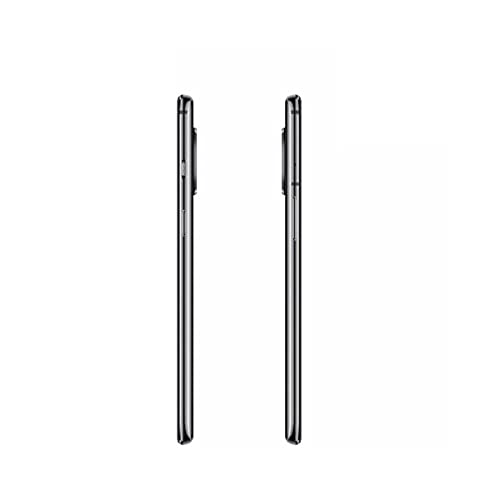
The OnePlus 7 is characterized as a "safe" and incremental update that heavily borrows the chassis and design of its predecessor, the 6T, lacking the "wow factor" of the Pro model while maintaining a lower price point. It features a 6.41-inch AMOLED screen with a waterdrop notch and significantly upgraded internal hardware, including the Snapdragon 855 chipset and fast UFS 3.0 storage. Pros include the added stereo speakers and raw speed, while cons focus on the lack of a headphone jack, no IP rating, and the absence of wireless charging. While the 48MP main camera is decent, the 5MP depth sensor offers limited versatility, making the device a solid, practical choice that prioritizes performance over experimental features.
The OnePlus 7 functions as a high-performance "value flagship" that improves on the 6T with a Snapdragon 855 processor and UFS 3.0 storage, though it retains a familiar design. While the Optic AMOLED display is accurate and the dual stereo speakers with Dolby Atmos offer significant audio improvements, the device lacks a high refresh rate and premium features found in the 7 Pro. Pros include blazing speed, excellent battery life, and clean software, while cons consist of inconsistent low-light camera performance, a lack of wireless charging, and no official IP rating.
The ITDaily.be review labels the OnePlus 7 a "triumph of common sense," offering top-tier Snapdragon 855 performance and UFS 3.0 storage in a refined 6T chassis without the high cost of "Pro" features. Pros include a bright 6.41-inch AMOLED display with 99% sRGB coverage, stellar battery life from the 3,700mAh pack, and improved stereo speakers. Conversely, cons focus on the lack of an IP rating, wireless charging, and a 3.5mm jack, alongside an inconsistent 48MP camera that struggles with low-light, making it a functional rather than exciting upgrade.
The OnePlus 7 is a subtle, solid upgrade over the 6T, retaining the 6.41-inch "waterdrop" notch design while introducing the powerful Snapdragon 855 processor and faster UFS 3.0 storage for an exceptionally smooth experience. The camera is improved via a 48-megapixel Sony IMX586 sensor, though it lacks the versatility of the Pro model due to the absence of ultra-wide or telephoto lenses. Key pros include high-end performance, an in-display fingerprint scanner, and clean OxygenOS, while cons include the lack of wireless charging, no official IP rating, and a less versatile camera system.
Android Planet’s review characterizes the OnePlus 7 as a modest, iterative upgrade over the 6T, offering flagship performance without the high price tag of the Pro model. Visually similar to its predecessor, it features a 6.41-inch Optic AMOLED screen that boasts great brightness, though it lacks the 90Hz refresh rate found on the Pro. The device retains a familiar design, focusing on incremental improvements rather than groundbreaking innovations. Performance is a key highlight, driven by the Snapdragon 855 processor and fast UFS 3.0 storage, providing a smooth, high-end experience. Significant upgrades include the addition of stereo speakers for better audio and an improved, faster in-display fingerprint sensor. However, the, device still lacks features such as wireless charging and an official IP rating for water resistance. The main advantages are its excellent value for money and superior performance, while the primary downsides are the lack of design innovation and missing premium features. Ultimately, it is described as a "6T Plus" that acts as a solid, budget-conscious choice.
The OnePlus 7, a refined iteration of the 6T, offers a high-quality, "no-nonsense" smartphone experience featuring a 6.41-inch AMOLED display and a comfortable design. It delivers top-tier performance via the Snapdragon 855 processor, fast UFS 3.0 storage, and a polished Oxygen OS, while introducing improved Dolby Atmos stereo speakers. Despite these strengths, the device lacks a 90Hz screen, wide-angle/telephoto lenses, wireless charging, and official IP water resistance, making it a sensible but incremental upgrade.

Compare