Nothing Phone 2 (12GB + 256GB) review. Compare 197 technical specifications and user reviews to see how this product ranks in the Smartphones category and whether it is worth buying.
Overall score
What it is: An overall evaluation of the smartphone's quality, based on technical analyses and user reviews.
When it matters: When you need a quick reference to identify the best smartphones on the market.
Score components:
90.0%
Technical Score
10.0%
User score
Technical Score
What it is: An assessment of the smartphone's technical performance, covering eight key areas: performance & hardware, software, camera, connectivity, display, battery, audio, and design.
When it matters: When you want to compare smartphones based on technical performance and available features.
Score components:
25.0%
Performance & Hardware
18.0%
Camera
15.0%
Display
15.0%
Battery
10.0%
Software
10.0%
Connectivity
4.0%
Audio
3.0%
Design
User score
What it is: A rating that combines user reviews and the total number of reviews received by the smartphone
When it matters: When you want to know how a smartphone handles daily tasks and how reliable it remains over time according to user feedback.
Score components:
70.0%
User reviews
30.0%
Popularity
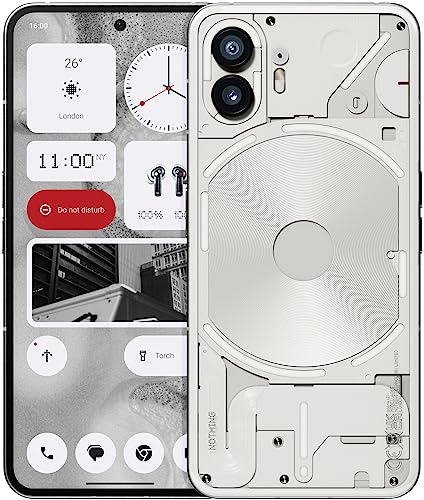
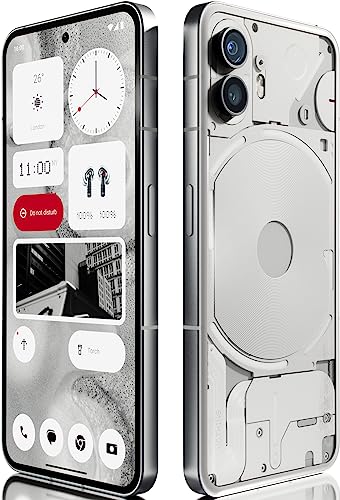
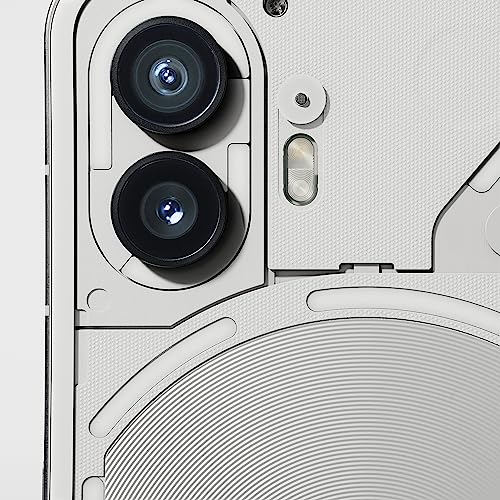
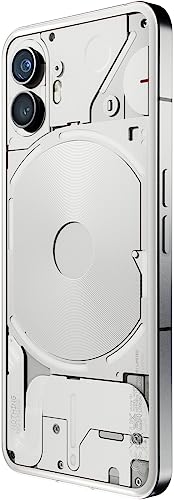
Available: ranking among products currently available (including other versions of this product).
All: ranking among all products in the database.
#60 in Best Smartphones Under £500
#68 in Best Mid-Range Smartphones
#72 in Best Smartphones for Seniors
#115 in Best Large-Screen Smartphones
#116 in Best Android Smartphones
#127 in Best NFC Smartphones
#128 in Best Smartphones
#128 in Best 5G Smartphones
#128 in Best AI Smartphones
#444 in Best Value Smartphones
#544 in Best Battery Life Smartphones
What it is: An assessment of the smartphone's technical performance, covering eight key areas: performance & hardware, software, camera, connectivity, display, battery, audio, and design.
When it matters: When you want to compare smartphones based on technical performance and available features.
Score components:
25.0%
Performance & Hardware
18.0%
Camera
15.0%
Display
15.0%
Battery
10.0%
Software
10.0%
Connectivity
4.0%
Audio
3.0%
Design
What it is: A rating that combines user reviews and the total number of reviews received by the smartphone
When it matters: When you want to know how a smartphone handles daily tasks and how reliable it remains over time according to user feedback.
Score components:
70.0%
User reviews
30.0%
Popularity
What it is: An indicator that combines the smartphone's overall rating with its cost.
When it matters: When you are looking for a smartphone with a good balance between quality and price.
Score components:
60.0%
Overall score
40.0%
Price
Importance: LOW
Importance: HIGH
Importance: HIGH
Good value: >12 GB
Importance: MEDIUM
Good value: >256 GB
Importance: MEDIUM
Good value: >3.2 GHz
Importance: LOW
Importance: MEDIUM
Good value: >1500
Importance: LOW
Good value: >4000
Importance: LOW
Good value: 8+
Importance: LOW
Importance: LOW
Good value: >950 MHz
Importance: LOW
Good value: >700
Importance: LOW
Good value: >1000
Importance: LOW
Good value: >2500
Importance: MEDIUM
Good value: >6000
Importance: LOW
Good value: >8000
Importance: MEDIUM
Good value: >12000
Importance: LOW
Good value: >5000
Importance: LOW
Good value: >1800
Importance: LOW
Good value: >3200 MHz
Importance: LOW
Good value: 5
Importance: LOW
Good value: > 50 GB/s
Importance: LOW
Good value: 4
Importance: LOW
Good value: >16 GB
Importance: MEDIUM
Good value: <6 nm
Importance: MEDIUM
Good value: >9 W
Importance: LOW
Importance: LOW
Good value: >8192 KB
Importance: LOW
Good value: >2048 KB
Importance: LOW
Good value: >512 KB
Importance: LOW
Good value: >100000 million
Importance: LOW
Good value: 3.3
Importance: LOW
Good value: 3.2
Importance: LOW
Good value: 2.0/3.0
Importance: LOW
Importance: LOW
Importance: LOW
Importance: MEDIUM
Importance: LOW
Importance: LOW
Importance: LOW
Importance: LOW
Importance: LOW
Importance: LOW
Importance: LOW
Importance: LOW
Importance: LOW
Importance: LOW
Importance: LOW
Importance: LOW
Importance: LOW
Importance: LOW
Importance: LOW
Importance: LOW
Importance: LOW
Importance: LOW
Importance: LOW
Importance: LOW
Importance: LOW
Importance: LOW
Importance: LOW
Importance: LOW
Importance: LOW
Importance: LOW
Importance: LOW
Importance: LOW
Importance: LOW
Importance: LOW
Importance: LOW
Importance: LOW
Importance: LOW
Importance: MEDIUM
Good value: >50 MP
Importance: MEDIUM
Importance: HIGH
Good value: >60
Importance: LOW
Good value: ≥1.2 µm
Importance: MEDIUM
Good value: >2.5x
Importance: MEDIUM
Importance: LOW
Importance: LOW
Importance: LOW
Importance: LOW
Good value: ≥2
Importance: LOW
Importance: LOW
Importance: LOW
Importance: LOW
Good value: >16 MP
Importance: LOW
Importance: LOW
Importance: LOW
Importance: LOW
Importance: MEDIUM
Importance: LOW
Importance: LOW
Importance: LOW
Importance: LOW
Importance: LOW
Importance: LOW
Importance: LOW
Importance: LOW
Importance: LOW
Importance: LOW
Importance: LOW
Importance: LOW
Importance: LOW
Importance: LOW
Importance: LOW
Importance: LOW
Importance: LOW
Importance: LOW
Importance: LOW
Importance: LOW
Importance: LOW
Good value: >130
Importance: LOW
Good value: >120
Importance: LOW
Good value: ≥2
Importance: LOW
Importance: LOW
Importance: LOW
Importance: LOW
Importance: LOW
Importance: LOW
Good value: >5.2
Importance: LOW
Importance: LOW
Importance: LOW
Importance: LOW
Good value: 3.1/3.2
Importance: LOW
Importance: LOW
Importance: LOW
Good value: ≥2
Importance: LOW
Importance: LOW
Importance: LOW
Importance: LOW
Importance: LOW
Importance: LOW
Importance: LOW
Importance: LOW
Importance: LOW
Importance: LOW
Importance: LOW
Importance: LOW
Importance: LOW
Importance: LOW
Importance: LOW
Importance: LOW
Good value: ≥6.6 inches
Importance: MEDIUM
Importance: LOW
Good value: >400 ppi
Importance: MEDIUM
Importance: MEDIUM
Good value: ≥120 Hz
Importance: LOW
Importance: LOW
Good value: >300 Hz
Importance: LOW
Good value: >800 nits
Importance: LOW
Good value: >1300 nits
Importance: LOW
Good value: >1000 nits
Importance: LOW
Importance: LOW
Importance: LOW
Importance: LOW
Importance: LOW
Importance: LOW
Importance: LOW
Importance: LOW
Importance: HIGH
Good value: >5000 mAh
Importance: MEDIUM
Good value: >60 W
Importance: LOW
Importance: LOW
Good value: <45 min
Importance: LOW
Importance: LOW
Good value: >40 W
Importance: LOW
Importance: LOW
Good value: >10 W
Importance: LOW
Importance: LOW
Importance: MEDIUM
Importance: LOW
Good value: >800
Importance: LOW
Importance: LOW
Importance: LOW
Importance: LOW
Importance: LOW
Good value: ≥3
Importance: LOW
Importance: LOW
Importance: LOW
Importance: LOW
Importance: LOW
Importance: LOW
Importance: LOW
Good value: <162 mm
Importance: LOW
Good value: <75 mm
Importance: LOW
Good value: <8 mm
Importance: LOW
Good value: <190 g
Importance: LOW
Good value: <98cm³
Importance: LOW
Importance: LOW
Importance: LOW
Importance: LOW
Importance: LOW
Importance: LOW
Good value: ≥1.5 m
Importance: LOW
Importance: LOW
Good value: >8
Importance: LOW
Importance: LOW
Importance: MEDIUM
Importance: LOW
Importance: MEDIUM
Good value: >3.2 GHz
Importance: HIGH
Good value: >12 GB
Importance: HIGH
Good value: >60
Importance: MEDIUM
Good value: >1500
Importance: MEDIUM
Good value: <6 nm
Importance: LOW
Importance: MEDIUM
Importance: LOW
Importance: LOW
Importance: LOW
Importance: LOW
Importance: HIGH
Good value: >5000 mAh
Importance: LOW
Good value: >40 W
Importance: LOW
Good value: >950 MHz
(Reviews last updated: August 2026)
(Reviews last updated: August 2026)
The Nothing Phone (2) elevates the brand to the lower-flagship segment, featuring a Snapdragon 8 Plus Gen 1 processor and exceptional battery life, which lasted over 31 hours in testing. Key improvements include a brighter 6.7-inch LTPO OLED display and a refined Glyph interface, although the design remains bulky with only IP54 water resistance. Despite a polished software experience, the camera system is a drawback, struggling with inconsistent processing, making the £579 starting price steep compared to competitors.
The Nothing Phone (2) elevates the brand to a premium, "flagship-tier" contender, featuring a refined, comfortable glass design and a 6.7-inch 120Hz LTPO OLED display with 1,600 nits peak brightness. Key design and performance upgrades include an enhanced Glyph Interface with improved functionality and a snappy, efficient Snapdragon 8+ Gen 1 processor that delivers significant speed improvements. The user experience is further enhanced by Nothing OS 2.0, which boasts a unique, highly customizable, and fluid interface. AVForumsBattery life is a major plus, with the 4,700mAh cell providing a full day of heavy usage, complemented by fast 45W wired and 15W wireless charging capabilities. The dual 50MP cameras offer solid, detailed performance in good light, though they can suffer from inconsistencies and lack a dedicated telephoto zoom. The device's notable limitations include a modest IP54 water resistance rating and a higher price point that faces stiff competition. AVForums
The Nothing Phone 2 is a refined, "solid update" featuring a brighter 6.7-inch OLED display, improved premium design with recycled materials, and a faster Snapdragon 8+ Gen 1 chip. Key pros include excellent battery life lasting roughly 40 hours, highly customizable Nothing OS 2.0 software, and a responsive user experience. Cons highlighted in the review are a camera system that lags behind competitors in detail, the lack of an optical telephoto lens, and disappointing long-term software support of only three years of Android updates. The Guardian
The Nothing Phone (2) elevates the brand's, distinct design with an improved Glyph Interface, featuring increased LED segments for granular, customizable tracking. It is equipped with a Snapdragon 8+ Gen 1 processor and a 4,700 mAh battery, delivering fast performance and full-day battery life. While the device offers a more premium, polished aesthetic compared to its predecessor, its $599 launch price makes it approximately $100 more expensive than competitors like the Pixel 7a, which offer better camera performance. Although the 50-megapixel cameras are improved, they still fall short of the quality found in top-tier rivals. Ultimately, the review suggests that while it is a strong, unique mid-range device, it is best purchased at a discount.
The Nothing Phone (2) elevates the brand to a premium contender, featuring a refined design with a pillowed back glass, improved ergonomics, and a brighter 6.7-inch 120Hz LTPO OLED display. The iconic Glyph Interface is enhanced with 11 zones for greater functionality, while the Snapdragon 8+ Gen 1 chip delivers fast performance. Despite these improvements, some Glyph features are described as gimmicky and less practical. Nothing OS 2.0 provides a distinct, monochrome, and bloatware-free experience aimed at reducing distractions. The phone boasts impressive, long-lasting battery life—often extending to two days—and supports fast 45W charging. The primary drawback is the camera system, which, while improved, still falls short of true, top-tier flagship standards. The device is positioned as a sophisticated alternative, though it lacks a telephoto lens and carries only an IP54 splash-resistant rating. Overall, the review highlights the improved design and software, positioning it as an ambitious 2023 release.
The Nothing Phone 2 is recognized as a refined successor with a 6.7-inch 120Hz display, a more ergonomic "pillowed" glass back, and an improved Glyph Interface that remains largely functional as a novelty. It offers strong performance with a Snapdragon 8+ Gen 1 chipset, a clean Nothing OS 2.0 interface, and reliable, long-lasting battery life. Key drawbacks include inconsistent camera quality with notable shutter lag, limited connectivity for Verizon users due to missing band 13, and a lower IP54 splash-resistance rating compared to competitors.
The WIRED review highlights the Nothing Phone (2) as a unique, stylish alternative featuring a 6.7-inch 120-Hz AMOLED display and a snappy Snapdragon 8+ Gen 1 processor that rivals more expensive flagships. Key design elements include the improved Glyph Interface for visual notifications and the aesthetic-focused Nothing OS 2.0, which promotes a more intentional, less distracting user experience. However, the phone’s camera quality trails behind the Pixel 7A, and it lacks robust IP68 waterproofing, ultimately earning a 7/10 rating for its style-over-substance trade-offs.
The Nothing Phone 2 is described as a "superlative sequel" with a refined design featuring 2.5D curved glass, an upgraded 6.7-inch LTPO OLED display with a peak brightness of 1600 nits, and an expanded Glyph lighting system. Powered by the Snapdragon 8+ Gen 1 chipset and a 4700mAh battery, it offers smooth performance and reliable all-day battery life with 45W wired charging, alongside a polished Nothing OS 2.0 software experience. While the 50MP main camera is improved, the ultrawide lens lacks detail and low-light performance lags behind top flagships; other cons include limited IP54 water resistance and speakers that lack bass.
The Nothing Phone (2) matures into a high-performance, upper mid-range device powered by the efficient Snapdragon 8+ Gen 1, featuring a refined design with improved ergonomics and an expanded 11-segment Glyph Interface. Positive highlights include a bright, accurate 6.7-inch LTPO OLED display, exceptional battery life with up to 16 hours of screen-on time, and the clean, functional Nothing OS 2.0. While performance is strong, the camera system lacks a telephoto lens and suffers from inconsistent low-light performance, and the device holds a lower IP54 rating.
The Nothing Phone (2) is a refined, upper mid-range device featuring a 6.7-inch 120Hz OLED display, the improved Glyph interface, and the Snapdragon 8 Plus Gen 1 chipset for superior performance. Key pros include exceptional battery life exceeding 14 hours, clean Nothing OS 2.0 software, and a more premium, ergonomic design. However, cons include subpar low-light camera performance, a higher $599 starting price, and only IP54 splash resistance.
According to a Business Insider review, the Nothing Phone 2 successfully elevates the brand to the mid-to-high-range market, offering a premium feel and unique design with its refined curved glass back and enhanced Glyph Interface. The phone delivers strong performance via the Snapdragon 8+ Gen 1 chip and boasts excellent battery life, supported by the clean, minimalist Nothing OS 2.0 software. However, its main drawbacks are the subpar camera system, which struggles with sharpness and dynamic range compared to competitors, and a higher price point that puts it against established flagships with better durability and potentially longer software support.
The Nothing Phone (2) refines its unique transparent design with a curved glass back and an upgraded 33-zone Glyph Interface, while featuring a brighter 6.7-inch LTPO OLED display. Performance sees a significant boost from the Snapdragon 8+ Gen 1 chip, complemented by the clean and bloatware-free Nothing OS 2.0, though the IP54 rating is considered a drawback for its price. The device offers improved camera performance with a 50MP Sony IMX890 sensor and strong all-day battery life from its 4700 mAh cell, despite the continued absence of a charging brick in the box.
The Gear Patrol review identifies the Nothing Phone (2) as a, "really fast, really pretty, and really unique" device that elevates the brand from midrange to "borderline flagship" territory. Featuring a refined, "pillowed" glass design, the 6.7-inch device offers a premium feel while providing significant performance upgrades, including a Snapdragon 8+ Gen 1 chip and 120Hz OLED display with high outdoor brightness. Pros include the upgraded, functional Glyph Interface, the distraction-reducing Nothing OS 2.0, and a snappy user experience. Cons noted in the review center on its large size, the "gimmickry" of the rear lights, a merely "decent" camera system, limited IP54 water resistance, and a higher starting price than its predecessor.
Mark Ellis describes the Nothing Phone (2) as a mature, "difficult second album" that upgrades to a Snapdragon 8+ Gen 1 chipset and a 6.7-inch LTPO OLED display, improving ergonomics with a curved back. The review highlights the Glyph Interface and Nothing OS 2.0 as key differentiators, praising the software’s minimalist aesthetic, the Essential Glyph feature, and a capable 50MP dual-camera system that offers more natural processing. While the phone is considered a refined lifestyle choice, the higher price tag moves it into direct competition with established flagships, and the camera performance still falls just short of the top-tier, says Mark Ellis.
The Android Central review highlights the Nothing Phone (2) as a successful, refined second-generation device featuring a premium, slightly curved design and a distinctive, intentional software experience with Nothing OS 2.0. Key pros include a competitive $599 price point, excellent battery life, a smooth Snapdragon 8+ Gen 1 chipset, and an eye-friendly display with high PWM dimming. Conversely, the review notes the IP54 rating is less competitive than rivals, and the Glyph interface may still feel gimmicky to some, alongside slightly inferior video performance compared to top-tier competitors.
TechRadar characterizes the Nothing Phone 2 as a stylish Android alternative focusing on design over raw specs. While not revolutionary, it offers good performance, a bright LTPO display, and strong battery life. Key drawbacks include an underwhelming camera system that struggles with dynamic range and HDR, and the Glyph Interface is seen as an underutilized gimmick. The device's software can feel buggy, and its IP54 rating means it is only splash resistant, while the slippery glass back is prone to damage.
The Nothing Phone (2) arrives as a polished, $600 mid-range contender in the U.S. market, featuring a premium design, a bright 6.7-inch OLED display, and a powerful Snapdragon 8+ Gen 1 chip. While the unique, customizable LED "Glyph Interface" offers a distinct aesthetic, it is considered more of a gimmick than a functional, transformative tool. MashablePros include excellent battery life lasting over 24 hours, a clean Nothing OS 2.0 interface, and solid, fast performance. However, the 50MP camera system is a weak link, specifically underperforming in low-light and zoom capabilities compared to rivals like the Google Pixel 7 Pro. MashableUltimately, the device offers a stylish, "mindful" alternative to mainstream phones, but users prioritizing top-tier photography may find better value elsewhere. Mashable
The Nothing Phone (2) elevates its predecessor with a refined, premium design, featuring a more functional, 33-zone Glyph Interface and a brighter 6.7-inch, 120Hz OLED display. Powered by the Snapdragon 8+ Gen 1, the device delivers high-end performance, a snappy user experience, and exceptional battery life. However, the camera system is identified as a weak spot, often producing oversaturated, less detailed images, while the device lacks full waterproofing with only an IP54 rating.
According to Android Authority's review, the Nothing Phone 2 is a significant upgrade from its predecessor, offering a premium design with a comfortable curved glass back and an enhanced Glyph lighting system. The device features a Snapdragon 8 Plus Gen 1 chipset for improved performance and a 4,700mAh battery that provides roughly a day and a half of use. While the camera system has improved with a new sensor, it still struggles in low light and lacks a telephoto lens, and the phone's IP54 splash resistance and older Gorilla Glass 5 lag behind competitors in durability.
The 9to5Google review of the Nothing Phone (2) highlights it as a well-rounded device featuring a refined design with a more comfortable curved back glass and improved, though still "party trick" style, Glyph interface. It emphasizes exceptional software stability with Nothing OS 2.0 and solid performance from the Snapdragon 8+ Gen 1 chipset, delivering all-day battery life and a bright, 120Hz display. While the phone excels in daily performance, key disadvantages include a camera system that lacks a telephoto lens and a, to a degree, subpar selfie camera, alongside limited third-party accessory options. Furthermore, the review notes a lackluster update policy of three years for OS updates, along with a lack of Verizon certification for U.S. users. Ultimately, the Phone (2) is deemed a high-quality "candybar" phone that focuses on core user experience, but it struggles to compete with top-tier, faster-supported devices in terms of long-term software commitment and specialized camera hardware.
The Nothing Phone 2 is lauded for balancing a distinct, functional design with high-end performance, featuring a bright OLED screen and exceptional battery life. Key pros include the upgraded, customizable "Glyph" interface, a capable camera system with improved low-light performance, and clean, fast software (Nothing OS 2.0). However, cons include the lack of a telephoto zoom lens, only moderate IP54 water resistance, and a potentially tedious, monochromatic user interface.
Der Standard describes the Nothing Phone (2) as a mix of high-end upgrades and compromises, summarizing it as "two steps forward, two steps back". The device features improved performance with a Snapdragon 8+ Gen 1 processor, a refined Glyph interface, and better battery life. However, it faces criticism for a significant price increase and a camera system that lags behind competitors in low-light scenarios, along with a lower IP54 water resistance rating.
The Netzwelt review characterizes the Nothing Phone (2) as a "semi-flagship" upgrade, highlighting its improved 6.7-inch 120Hz LTPO OLED display and the refined Glyph interface with 11 segmented LED zones. The device delivers strong performance via the Snapdragon 8+ Gen 1 chipset, boasting excellent battery life with 45W charging and a clean, functional Nothing OS 2.0 interface. While praising its design, the review notes significant cons, specifically an unreliable camera system that lacks a dedicated telephoto lens and performs poorly in low light. Other drawbacks include a lower IP54 water-resistance rating and a higher price point that places it against more established competitors.
The Nothing Phone (2) features a refined design with a 6.7-inch 120Hz LTPO OLED display, improved ergonomics, and an upgraded IP54 rating. Performance is driven by the Snapdragon 8+ Gen 1 chipset, while the enhanced Glyph Interface and Nothing OS 2.0 offer a unique, functional user experience. Despite these advancements, the device lacks a periscope telephoto camera lens, has limited water resistance compared to IP68 competitors, and does not include a charger or eSIM support.
The Allround-PC review highlights the Nothing Phone (2) as a significant, higher-quality advancement over its predecessor, successfully bridging the gap between mid-range and flagship, featuring a refined Glyph Interface with 33 addressable zones, a curved glass back, and symmetrical bezels. Pros include a bright 6.7-inch 120Hz LTPO OLED display, a power-efficient Snapdragon 8+ Gen 1 chip offering "wickedly fast" performance, and clean Nothing OS 2.0 software. However, cons include subpar IP54 splash resistance, the absence of a dedicated telephoto lens, and no charger included in the box, making the higher price point a point of criticism.
The Nothing Phone (2) review from GQ Germany highlights the device as a serious, refined competitor, featuring a distinct, upgraded Glyph Interface and the functional Nothing OS 2.0. Pros include improved performance from the Snapdragon 8+ Gen 1, excellent battery life, fast 45W charging, and a bright 6.7-inch LTPO OLED display. Conversely, cons focus on the lack of a telephoto lens, lackluster 10x digital zoom, mediocre low-light photography, and a basic IP54 rating.
The Nothing Phone (2) is a refined successor featuring a more comfortable design with a curved glass back, a brighter 120Hz LTPO OLED display, and an enhanced Glyph Interface with 33 addressable zones. It boasts strong performance, utilizing the Snapdragon 8+ Gen 1 chipset to deliver significantly faster speeds than its predecessor. The 4,700 mAh battery provides lasting power, supported by faster 45W charging, complemented by the functional and clean Nothing OS 2.0. techreviewer.deDespite these upgrades, the device suffers from a mediocre camera system that lacks a dedicated telephoto lens and struggles with low-light performance. Furthermore, the phone is limited by a basic IP54 rating, which is not as durable as competitors, and lacks eSIM support in some markets. techreviewer.de
The Root-Nation review highlights the Nothing Phone 2 as a significant improvement in design and utility, moving beyond the "gimmick" reputation of its predecessor. The standout feature is the improved Glyph Interface for functional notifications, complemented by a premium, ergonomic design featuring 2.5D curved glass and a recycled aluminum frame. Performance is driven by the Snapdragon 8+ Gen 1, delivering flagship-grade speed and excellent heat management for daily tasks and gaming. The 6.7-inch LTPO AMOLED display is praised for its 120Hz adaptive refresh rate and high 1,600-nit peak brightness. Additionally, the 4,700 mAh battery offers exceptional longevity, often lasting two days, and is supported by 45W fast charging. Root-Nation.comHowever, the review notes drawbacks, particularly in camera performance where the selfie camera and social media app optimization lag behind competitors. While the 50MP main sensor excels, the lack of a telephoto lens limits zoom, and the device has a lower IP54 rating compared to rivals.
The Nothing Phone (2) offers incremental photographic improvements over its predecessor, focusing on better processing through the Snapdragon 8+ Gen 1 chip rather than hardware changes. While featuring a competent 50 MP main and ultra-wide setup, the lack of a dedicated telephoto lens limits zoom capabilities, positioning it behind top-tier competitors. The device excels in design, interface, and video stability, but ultimately remains a stylistic "lifestyle" phone rather than a photography-focused flagship.
The Nothing Phone (2) is presented as a stylish, "cool" device that prioritizes a unique design with an improved, 11-segment Glyph interface over being the absolute best in technical specifications. Upgraded with a Snapdragon 8+ Gen 1 chipset, the device delivers a smoother experience,1.5 hours more battery life than its predecessor, and a bright 1,000-nit OLED display. However, the review highlights drawbacks, including an average camera lacking a telephoto lens, limited IP54 splash resistance, and a higher price point compared to rivals like the Pixel 7 or Galaxy S23.
The Nothing Phone (2) evolves into a solid $599/£579 mid-range device, featuring a refined, "pillowed" glass design and an expanded Glyph Interface with 33 addressable LED zones for enhanced functionality. Powered by the Snapdragon 8+ Gen 1 chipset, the device delivers strong performance and efficient battery life lasting over a day, complemented by a 6.7-inch 120Hz LTPO OLED display. Additionally, Nothing OS 2.0 offers a unique, customizable, and minimalist user experience. Despite these strengths, the device has notable drawbacks, including a camera system that lags behind competitors with aggressive processing, leading to inconsistent, sometimes over-sharpened, or inaccurately colored images. Furthermore, the phone features only IP54 splash resistance, lower peak outdoor brightness compared to rivals, and haptics that feel less refined. Key pros include the unique design, high-end performance, and clean software, while key cons are the underwhelming camera, lower durability rating, and mediocre display brightness.
The Nothing Phone (2) is a high-end,, premium-performing evolution of its predecessor, featuring a 6.7-inch 120Hz LTPO OLED display with 1,600 nits peak brightness and a Snapdragon 8+ Gen 1 processor. Key advantages include exceptional battery life from a 4,700 mAh cell, an upgraded, ergonomic design with a 33-zone Glyph interface, and a minimalist Nothing OS 2.0. Notable drawbacks, however, include underwhelming low-light camera performance, slower 45W charging compared to rivals, and only an IP54 splash-resistant rating.
The Nothing Phone 2 represents a mature, refined upgrade featuring improved ergonomics with a curved glass back and a brighter 6.7-inch 120Hz LTPO OLED display. Key enhancements include the updated Glyph Interface for deeper customization and a shift to the Snapdragon 8+ Gen 1 processor, which offers high-end performance and better battery efficiency. While the camera system benefits from improved processing, the device faces stiffer competition at a higher price point, with only an IP54 rating and 3 years of OS support limiting its appeal. CNET France
The Nothing Phone (2) elevates the series toward the premium market with a refined design featuring a curved, transparent back, an improved 11-zone Glyph Interface, and a bright 6.7-inch 120Hz LTPO OLED display. It is powered by the capable Snapdragon 8+ Gen 1, paired with the clean, functional Nothing OS 2.0 and a 4,700 mAh battery that offers excellent all-day longevity. Despite these strengths, the device is held back by the absence of a telephoto lens, inconsistent color rendering between lenses, and a modest IP54 rating.
The Nothing Phone (2) review from Les Numériques highlights a shift toward the high-end market, featuring a refined, premium design with a curved back and an improved, more functional Glyph interface. Performance sees a significant boost with the Snapdragon 8+ Gen 1, while the LTPO OLED display offers excellent, variable refresh rates, complemented by outstanding battery life. However, the device faces criticism for its higher price point, the lack of a charger in the box, and only moderate, IP54-rated water resistance. The camera system, although updated, is noted for inconsistencies in low-light detail and a lack of a dedicated telephoto lens. Les Numériques
The Nothing Phone (2) marks a shift into the premium mid-range segment, featuring a refined design with a "pillowed" glass back and an enhanced Glyph interface, according to Journal du Geek. Performance is driven by the Snapdragon 8+ Gen 1 chip, powering a 6.7-inch LTPO OLED screen that delivers a smooth experience with improved brightness. While praising the unique, distraction-reducing Nothing OS 2.0, the review notes a significant price increase and only splash-resistant (IP54) protection. Journal du Geek
Frandroid’s review highlights the Nothing Phone 2 as a premium contender, featuring a refined design with a pillowed, curved glass back that enhances ergonomics. The updated Glyph interface now features 33 addressable zones, offering functional utility for apps and notifications. Key pros include the Snapdragon 8+ Gen 1 chip, providing an 80% performance boost, and a superior 6.7-inch 120Hz LTPO OLED display with 1,600 nits peak brightness. Battery life is strong, lasting over a day and a half with efficient 45W charging. However, the camera system is a drawback, with inconsistent low-light performance from the main 50MP sensor and a lack of a dedicated telephoto lens. Additionally, the device is limited to an IP54 rating, and its slippery design makes a case essential.
The Nothing Phone (2) elevates the brand to a serious high-end competitor by refining the Glyph Interface, adding, and utilizing a superior 6.7-inch LTPO OLED screen. Performance is driven by the Snapdragon 8+ Gen 1 chip, complemented by robust battery life with 45W charging and an improved 50MP camera for daylight, alongside a clean Nothing OS 2.0 interface. While offering premium design, the review notes drawbacks including weak low-light photography, limited IP54 water resistance, and a higher price point.
The Nothing Phone (2) evolves into a near-flagship contender, featuring a refined design with a curved rear for better ergonomics and an improved Glyph interface. Performance is a standout, driven by a Snapdragon 8+ Gen 1 chip, a 120Hz LTPO OLED display, and two-day battery life. However, the device faces criticism for its high price point, average camera performance lacking a telephoto lens, and limited software support compared to competitors.
The ComputerHoy analysis positions the Nothing Phone (2) as a "premium mid-range" device, highlighting its refined design with a curved rear glass and improved Glyph interface. Key pros include the high-quality 6.7-inch LTPO OLED display and the significant performance boost from the Snapdragon 8+ Gen 1 chipset. Additionally, the device delivers improved battery life with 45W charging and a more "mindful" user experience via Nothing OS 2.0. However, the review points out several cons, including a camera system that still struggles in low light and lacks a dedicated telephoto lens. Furthermore, the device features a basic IP54 splash resistance rating, which lags behind competitors, and arrives at a higher price point than its predecessor. Despite these drawbacks, the Nothing Phone (2) is recommended as a unique, high-performing alternative in the smartphone market.
According to a Root-Nation review, the Nothing Phone (2) distinguishes itself with a unique design featuring a functional, upgraded Glyph Interface and improved ergonomics via a new curved glass back. It boasts high performance driven by the Snapdragon 8+ Gen 1 chip, a bright 120Hz LTPO OLED screen, and solid battery life with 45W charging. However, key drawbacks include only IP54 splash resistance, a 50MP camera system that falls behind top-tier competitors, no included charger, and the absence of a telephoto lens.
The Nothing Phone (2) elevates the brand to the premium segment, featuring a refined design with a curved glass back and an improved 11-segment Glyph Interface for increased functionality. It boasts a 6.7-inch 1,600-nit LTPO OLED display and solid performance from the Snapdragon 8+ Gen 1, although it may stutter in demanding games. The phone offers excellent battery life, lasting about 1.5 days, alongside a clean and highly customizable Nothing OS 2.0.
The Nothing Phone 2, as reviewed by Revista ON OFF, presents a more mature, refined design compared to its predecessor, featuring a "pillowed" 2.5D glass back and a redesigned Glyph interface with 33 addressable zones. Key pros include a bright 120Hz LTPO OLED display, a highly optimized Nothing OS 2.0 for reduced digital distraction, and improved 50MP main camera performance, according to various sources. While performance from the Snapdragon 8+ Gen 1 is solid and battery life is reliable, the device faces cons such as a lack of a dedicated telephoto lens, only IP54 splash resistance, and limited, though improved, functionality for the Glyph lights.
The Nothing Phone (2) review by Profesional Review highlights a refined design with a more ergonomic curved rear glass and an improved Glyph Interface featuring 33 independent LED zones for enhanced functionality. It features a 6.7-inch 120Hz LTPO OLED display with 1,600 nits peak brightness and delivers significant performance gains using the Snapdragon 8+ Gen 1 chipset. The device runs Nothing OS 2.0 with a, featuring 4,700mAh battery life lasting up to two days with 45W wired and 15W wireless charging. Key advantages include the unique Glyph design, superior performance, excellent display, and solid battery life. However, the review notes drawbacks such as a lack of a telephoto lens, aggressive HDR in camera processing, a limited IP54 rating, and the absence of a charger in the box. The software support commitment is also noted to be shorter than that of top industry competitors. DismissMore input optionsMicrophoneStopStartSendAsk about
The Nothing Phone 2, reviewed by Movilzona, elevates its predecessor to an "affordable flagship" status, featuring a refined design with a curved glass back and improved 120Hz LTPO OLED display. Performance is a major pro, driven by the Snapdragon 8+ Gen 1, paired with excellent battery life and the unique, minimalist Nothing OS 2.0. However, cons include lackluster low-light camera performance, a sub-par IP54 durability rating, and a higher price point. For more details, visit Movilzona.
The Wired Italy review presents the Nothing Phone (2) as a mature, "quasi-flagship" device featuring an improved Glyph Interface with 33 addressable zones for enhanced functionality. Key pros include the snappy Snapdragon 8+ Gen 1 chipset, a bright 6.7-inch 120Hz LTPO OLED display, and a refined, ergonomic design with a curved glass back. While Nothing OS 2.0 is praised for its functional, minimalist, and monochromatic design, the phone faces criticism for its camera consistency and lack of a telephoto lens compared to rivals. Other noted cons include a lower IP54 splash-resistance rating and the use of Gorilla Glass 5, rather than a higher standard. Positioned in a higher price segment, the phone is deemed a stylish, solid choice for those prioritizing software experience and unique design over pure camera performance.
The Nothing Phone 2, reviewed on Everyeye.it, evolves into a competitive "affordable flagship" featuring a refined Glyph Interface with improved functionality and a robust Snapdragon 8+ Gen 1 chipset. Key strengths include a high-quality 6.7-inch 120Hz LTPO OLED display, intuitive Nothing OS 2.0 software, and capable 45W charging. However, the device falls short with limited IP54 water resistance and a lack of a dedicated telephoto lens, alongside inconsistent low-light camera performance.
The Nothing Phone (2) transitions to a "semi-flagship" device featuring an improved, ergonomic curved glass design and an upgraded Glyph interface with 33 LED zones. While the aesthetic is a pro, the device is limited by a modest IP54 splash-resistance rating. Performance is strong due to the Snapdragon 8+ Gen 1, and the 6.7-inch 1,600-nit display is a significant upgrade. Software, via Nothing OS 2.0, provides a unique, functional user experience, though the minimalist icons can be less intuitive. The camera system, featuring a 50MP main sensor, is a mixed point, offering good daylight photos but struggling with HDR and low-light scenarios compared to competitors. The phone lacks a dedicated telephoto lens. Battery life is a major plus, lasting over a day and a half with 45W wired and 15W wireless charging capabilities. Overall, the review highlights improved, refined performance, though the camera and IP rating are areas for improvement.
Andrea Galeazzi’s review of the Nothing Phone (2) highlights a more refined, "emotional" user experience with improved build quality, featuring a curved glass back and enhanced Glyph Interface. The device boasts a bright 6.7-inch LTPO OLED display, powerful Snapdragon 8+ Gen 1 performance, and Nothing OS 2.0, which offers deep, functional customization. While the 50MP camera delivers vibrant daylight shots and battery life is strong with fast charging, the device lacks eSIM support, has a somewhat quiet loudspeaker, and lacks a dedicated telephoto lens.
The Nothing Phone (2) evolves into a refined, top-tier device featuring a more ergonomic, rounded design and the functional, aesthetic Nothing OS 2.0 with an improved Glyph Interface. Powered by the Snapdragon 8+ Gen 1 chip and a 120Hz LTPO OLED display, the phone offers a fast, high-performance experience with excellent battery life. While it succeeds in performance, the camera system's low-light performance, aggressive processing, and lack of a telephoto lens are noted as cons, along with an IP54 rating.
The Nothing Phone (2) elevates the brand to the high-end market with a more ergonomic design featuring a curved glass back and an enhanced, functional Glyph Interface. Powered by the Snapdragon 8+ Gen 1 chipset, the device delivers smooth performance, excellent battery life, and a high-quality LTPO OLED display. Key drawbacks include an IP54 rating, limiting water resistance, and the absence of a dedicated telephoto lens, which restricts camera versatility compared to top-tier flagships. Additionally, while Nothing OS 2.0 is clean, the monochromatic interface can hinder quick app recognition. Ultimately, the Phone (2) is praised for its unique personality and performance, positioning it as a compelling alternative to mainstream,, despite stiff competition in camera capabilities.
The Nothing Phone (2) marks a significant evolution, transforming from a "curiosity" to a serious market contender with improved ergonomics, including a curved rear glass and a refined, functional Glyph Interface. Performance is greatly enhanced by the Snapdragon 8+ Gen 1 processor and a 6.7-inch 120Hz LTPO OLED display with high peak brightness. While the device excels in design and speed, it falls short with a lower IP54 water resistance rating, the lack of a telephoto lens, and the exclusion of a charger in the box, which are noted as compromises.
The TechPrincess review highlights the Nothing Phone (2) as a significant step up, featuring a refined design with a curved glass back and an upgraded Glyph Interface. Key improvements include a high-quality 6.7-inch LTPO OLED display and a shift to the Snapdragon 8+ Gen 1 chipset, which delivers strong performance. Furthermore, the device is praised for its functional Nothing OS 2.0 and improved battery life, although the camera lacks a dedicated telephoto lens and the device offers only IP54 splash resistance.
The Nothing Phone (2) elevates the series to a semi-flagship level with a refined, ergonomic design, an improved Glyph Interface, and the high-performance Snapdragon 8+ Gen 1 chipset. Key hardware advancements include a bright 6.7-inch LTPO OLED display and a faster Sony IMX890 main camera sensor, complemented by the user-friendly Nothing OS 2.0. While praised for excellent battery life and unique aesthetics, the phone faces criticism for its average ultra-wide camera and lack of a dedicated telephoto lens. The device justifies its higher price point through superior build quality and software, offering a mature alternative to traditional premium smartphones.
The Nothing Phone (2) elevates its predecessor with a refined, ergonomic design featuring a slightly curved glass back and improved, highly customizable Nothing OS 2.0 software. Upgraded performance is driven by the Snapdragon 8+ Gen 1 chipset, paired with an efficient 120Hz LTPO OLED display that reaches 1,600 nits, and a 4,700 mAh battery supporting 45W charging. While the dual 50MP cameras deliver solid results, the device lacks a dedicated telephoto lens, offers only IP54 splash resistance, and excludes a charger in the box.
The Nothing Phone (2) enhances its distinctive, transparent design with a slightly curved back for better ergonomics and upgrades the Glyph Interface with 33 LED segments for improved functionality like visual progress tracking. Performance is significantly boosted by the Snapdragon 8+ Gen 1 chipset and optimized by the clean, widget-focused Nothing OS 2.0. While featuring a 6.7-inch LTPO OLED display and solid 50MP cameras, the device lacks a dedicated telephoto lens and carries a higher price tag than its predecessor.
The Nothing Phone (2) elevates the brand to a semi-flagship contender, featuring a refined design with a comfortable, slightly curved glass back and the enhanced Glyph Interface, which now offers functional tools like a visual timer. Key performance upgrades include the Snapdragon 8+ Gen 1 chipset for a snappy experience and Nothing OS 2.0, which provides a clean, customized, and distraction-free user experience. The device shines with a bright 6.7-inch LTPO OLED display but falls short with an IP54 rating, limited camera performance in low light, and a shorter software support promise than competitors.
The Nothing Phone 2 acts as a refined, affordable flagship, upgrading to a 6.7-inch LTPO OLED screen and the Snapdragon 8+ Gen 1 chipset for superior performance. Key strengths include the refined Glyph interface, improved build quality with a curved glass back, and exceptional battery life paired with 45W charging. However, drawbacks involve subpar low-light camera performance, a lacking IP54 rating, and a higher price point that brings stiff competition.
The Nothing Phone 2 represents a shift to an "affordable flagship," featuring a refined design with a curved back and an improved, more functional Glyph Interface. Key advantages include a brighter 6.7-inch 120Hz LTPO OLED display and a, faster Snapdragon 8+ Gen 1 processor that delivers high-end performance. Additionally, the device offers excellent battery life and a clean, unique software experience with Nothing OS 2.0. However, the camera system falls behind competitors in low-light scenarios and lacks a dedicated telephoto lens. Other, notable drawbacks mentioned in the review include the limited IP54 water resistance rating, tinny speakers, and the omission of a charger in the box. Despite these, the phone offers a premium feel at a competitive price point.
The Nothing Phone (2) review from Tweakers highlights a refined, bloatware-free device featuring the smooth, minimalist Nothing OS 2.0 and an improved, more functional Glyph interface. With a premium, curved glass design, the device is powered by the capable Snapdragon 8+ Gen 1 chip, offering high-end performance, a top-tier LTPO OLED display, and excellent battery life. Despite these strengths, the device's main drawbacks include a lackluster camera performance, particularly in low-light, and the absence of a dedicated telephoto lens. Furthermore, the substantial €230 price increase over its predecessor places it in direct competition with, and sometimes behind, rivals like the Samsung Galaxy S23, which offer newer processors. TweakersPros include the clean software experience, improved design, great display, and strong battery life. Cons, however, are the higher price point and underwhelming camera performance.

Compare