Are Intel graphics cards good?
Intel graphics cards have an average overall score of 5.7, ranking #27 among comparable graphics card brands, and a user rating of 8.9, placing them at #14 in user reviews.
Intel is usually strongest when the buyer wants a newer dedicated GPU platform with strong media-engine support, practical 1080p or entry 1440p ambitions, and something different from the older used Radeon or GeForce value paths.
The main caution is that Intel still has a much smaller lineup than AMD or Nvidia, and platform behavior matters more here than with the more established GPU families. That is why the exact Arc model and the rest of the system matter a lot.
What are the main advantages of Intel graphics cards?
The main advantages of Intel graphics cards are as follows:
- Modern-focused lineup: Intel graphics cards today are mostly Arc-era products rather than a chaotic mix of very old and very new generations. That makes the buying logic cleaner than with broader GPU families that include many outdated desktop tiers.
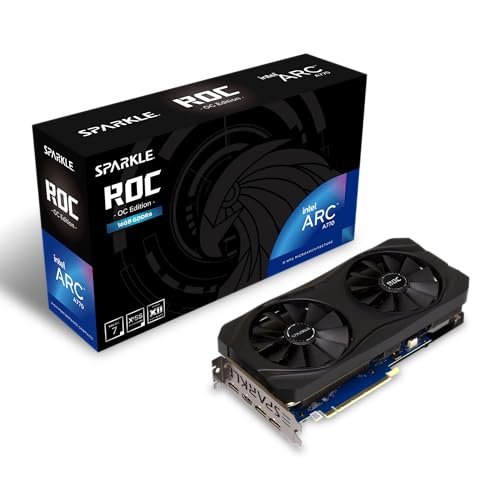
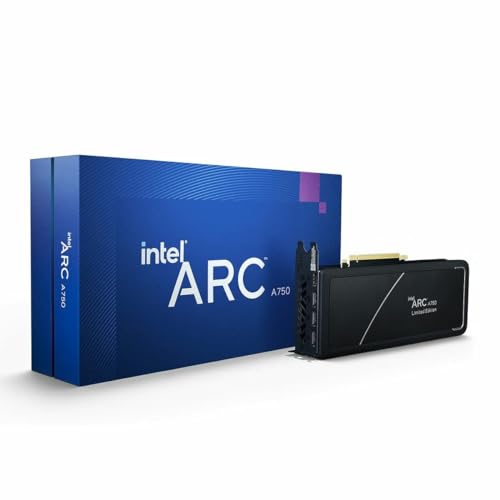
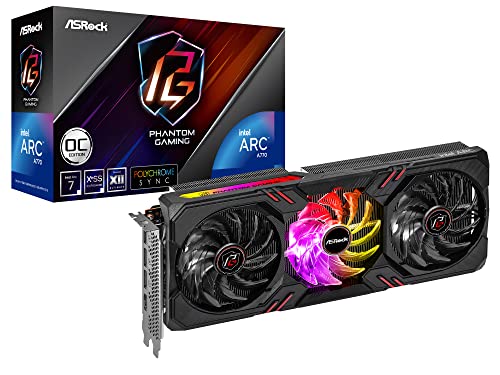
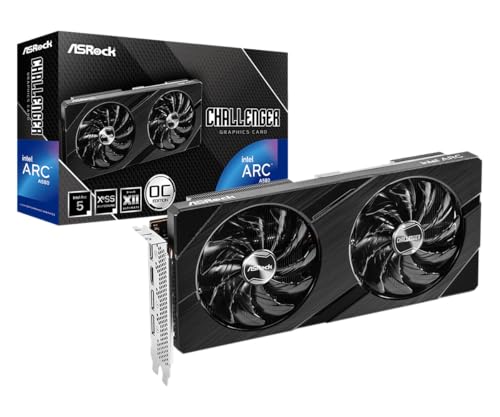
- Good lower-mainstream positioning: Intel is usually most relevant where many real buyers shop, especially in entry and mid-range price bands. Cards such as Arc A580, A750, and A770 can make the brand feel more serious than its much smaller market share might suggest.
- Strong media-engine appeal: Intel's modern media support is one of its clearest advantages. AV1, current decode and encode capabilities, and solid playback support make Arc especially relevant for editing, streaming, media servers, and general-purpose desktop use beyond gaming.
- Consistent XeSS support: XeSS is a simple family-wide strength in the Arc era. Buyers who want modern upscaling support without shopping across many generations get a more coherent feature story here than they often do in the used-market branches of Radeon or GeForce.
- Respectable VRAM on some mainstream cards: Intel can offer 8 GB and even 16 GB in parts of the Arc range, which helps it look more substantial than some entry-mainstream rivals that stay tighter on memory.
- Straightforward branding: The range sits under the Intel name rather than across a huge board-partner ecosystem. That reduces cooler and naming complexity, which can be an advantage for buyers who prefer a simpler catalog.
What are the main disadvantages of Intel graphics cards?
The main disadvantages of Intel graphics cards are as follows:
- Small lineup: Intel has far fewer dedicated graphics-card options than Radeon or GeForce. That means less choice across price tiers, cooler styles, compact models, halo products, and specialized workstation roles.
- Platform dependence matters more than usual: Intel Arc cards are usually happiest in newer systems with Resizable BAR properly enabled. That makes the brand less universal for older upgrade builds than some buyers expect when they compare only raw specs.
- Limited high-end depth: Intel's strongest desktop relevance is still in lower and mid-range tiers rather than in a dense enthusiast stack. Buyers who want many serious 4K or halo-class choices will find a much thinner market than they do with Nvidia or AMD.
- Driver reputation still affects confidence: Intel has improved a great deal, but it does not yet have the same long desktop-GPU track record as Nvidia or AMD. That matters most to buyers who want the safest possible long-history ecosystem.
- Expensive fringe products can be hard to justify: Once Intel pricing rises toward premium mobile, specialized, or pro-adjacent territory, the case gets much weaker against stronger Radeon and GeForce alternatives. Intel is usually most attractive before it enters those upper bands.
- Narrower partner ecosystem: Because the catalog is much less diverse on the board-partner side, buyers get less variation in cooler approach, styling, and tuning than they do with the biggest GeForce or Radeon ecosystems. That can matter if fit, acoustics, or special form factor is a priority.
Who makes Intel graphics cards?
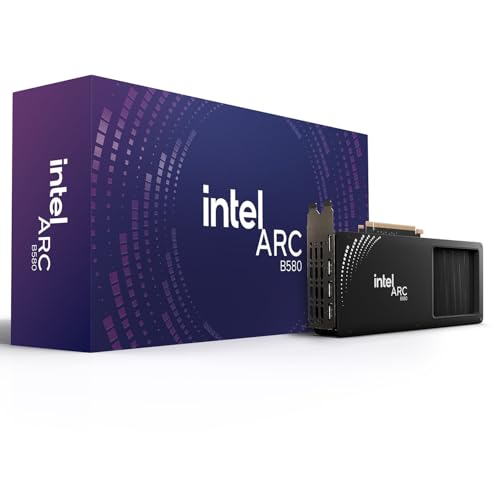
Intel graphics cards are made by Intel. Unlike broader Radeon and GeForce markets that are heavily split across many board partners, this guide shows Intel graphics cards sold entirely under the Intel brand itself.
That makes the lineup easier to identify, but it also means buyers see less variation in partner-specific cooler design or factory tuning than they might expect from AMD- or Nvidia-based ecosystems. In practical terms, choosing an Intel graphics card is mainly about choosing the Arc tier, memory level, and price rather than choosing between many retail brands.
What are the main Intel graphics card series?
The main Intel graphics card series are as follows:
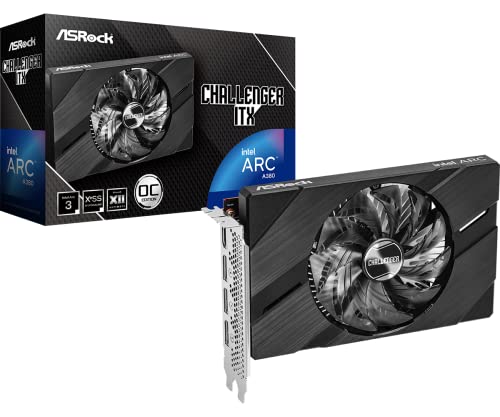
- Arc A-series: Arc A is Intel's main consumer graphics branch and the family most buyers should focus on for dedicated desktop gaming cards such as the A380, A580, A750, and A770.
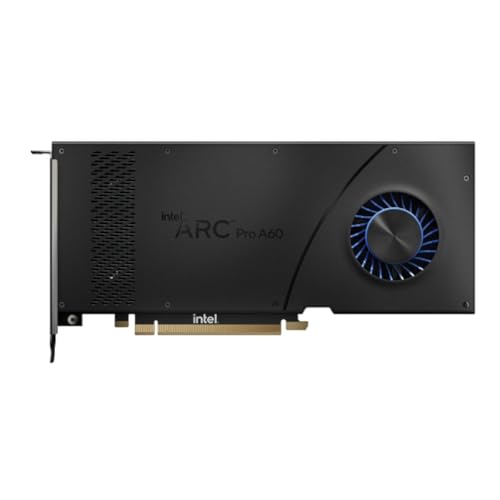
- Arc Pro series: Arc Pro covers Intel's more professional branch, aimed more at workstation use, creator workflows, and specialized deployment than at ordinary gaming-first buying.
- Intel integrated graphics branches: Intel also has a very large integrated-graphics presence, but that sits outside the main dedicated graphics-card buying logic covered by this guide.
- Older Intel dedicated attempts and niche variants: Older or rarer Intel graphics efforts matter far less than Arc in real current buying, and they are usually more niche or historically interesting than practically important.
- Mobile-adjacent Arc branches: Some Arc naming also appears in mobile-focused contexts, but the most relevant desktop buying logic still sits overwhelmingly inside the Arc A and Arc Pro families.
How much do Intel graphics cards cost?
Intel graphics cards usually cost about £100 to £330, with many practical desktop options sitting closer to roughly £150-£280.
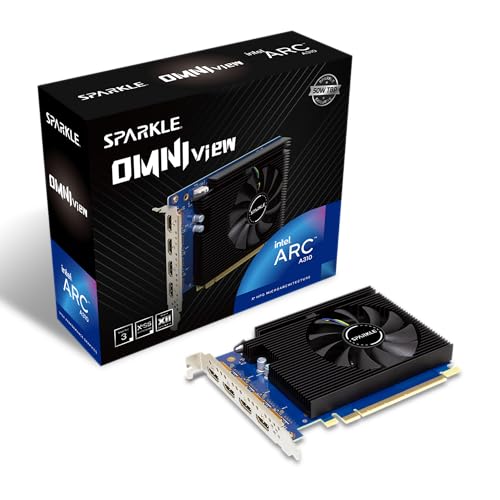
The lower part of the range is where simpler Arc entries such as the A380 and some A580-style value options start to matter. The middle of the range is where Intel's most meaningful desktop buying happens, especially when buyers compare cards such as the A750 and A770 against mainstream Radeon and GeForce alternatives.
Intel does not really stretch across the whole market yet, so the question is less about picking from every price tier and more about whether a specific Arc card is priced well enough against the AMD and Nvidia cards around it.
This chart visualizes Intel graphics card prices.
[vertical-chart-03466896315372490430135948112539833758423368557966]
How do Intel graphics cards compare with AMD models?
Intel graphics cards usually compare with AMD models as narrower but more modern-focused alternatives built mainly around the Arc family. AMD covers far more generations, price tiers, and value paths, while Intel is concentrated in a smaller set of recent dedicated GPUs.
In practical terms, Intel looks strongest when the buyer wants a current Arc card with strong media support, acceptable 1080p or entry 1440p ambitions, and pricing that undercuts or closely pressures the AMD alternative. AMD usually stays stronger when the buyer wants broader choice, more established lineup depth, or simpler used-market flexibility.
That means Intel is more of a targeted alternative than a full-spectrum Radeon rival. The better choice depends mostly on the exact card, the price, and how much the buyer values Intel's newer Arc platform traits.
What should you consider while choosing the best Intel graphics card?
You should consider the following factors when choosing the best Intel graphics card:
- Exact Arc tier: Intel's dedicated lineup is still relatively compact, so the gap between an A380, A580, A750, and A770 matters immediately. Start with the actual model, because each card solves a different value and performance target.
- Real gaming target: Intel graphics cards make the most sense for practical 1080p or entry 1440p gaming rather than for halo-tier performance. Decide whether the build is for esports, lighter AAA gaming, or broader creator use, because Arc value depends a lot on the workload.
- Platform fit and system balance: Intel Arc behavior can depend more heavily on the rest of the platform than older Radeon or GeForce value cards do. CPU generation, motherboard support, Resizable BAR behavior, and driver maturity all matter more here than on some competing GPU families.
- VRAM and media priorities: Arc can look attractive when the buyer wants modern codec support, strong media engines, and a healthy VRAM profile for the price. Check whether those strengths actually matter in the real build.
- Driver expectations: Intel's dedicated GPU platform is much newer than the Radeon and GeForce ecosystems. That does not make it bad, but it does mean buyers should care more about current driver maturity and game-specific behavior.
- Price logic against AMD and Nvidia: Intel only wins when the exact Arc card is priced correctly. If it drifts too close to a clearly stronger or more established Radeon or GeForce option, the value case weakens quickly.