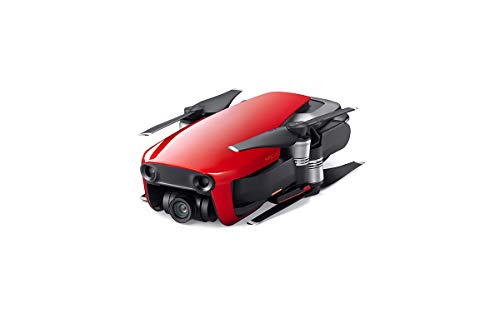
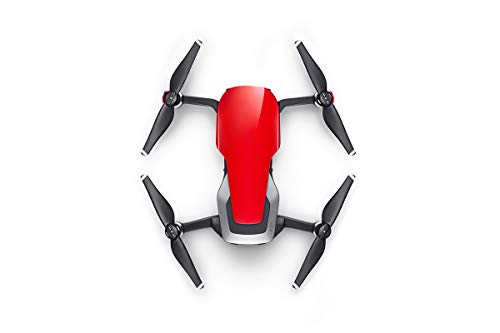
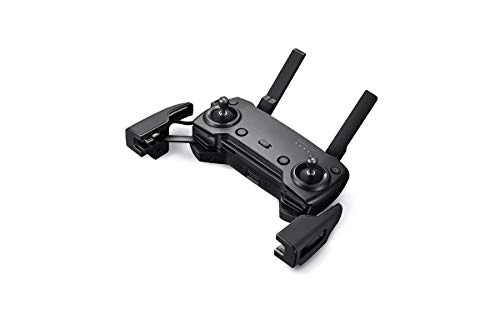
DJI Mavic Air Review | 95 Data compared

double-arrow
  • Avg. price in UK: ~£750
  • Avg. price in US: ~$800
  • Max flight time: 21 min
  • Video resolution: 4K/30 fps
  • Max transmission distance: 4 km

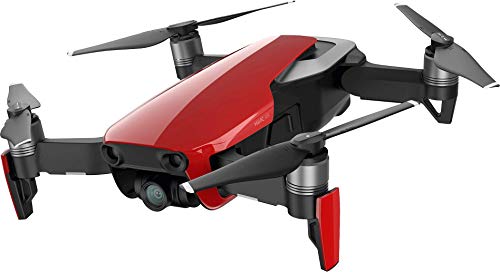
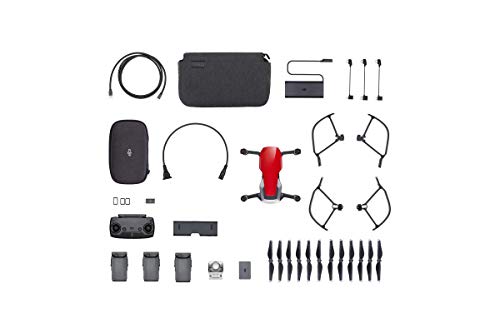
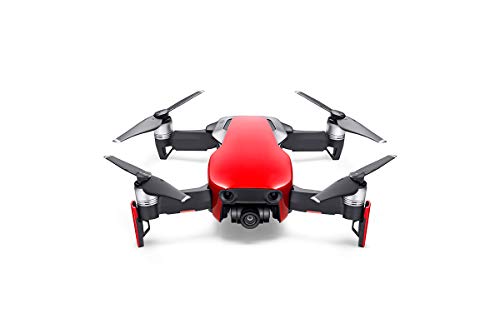
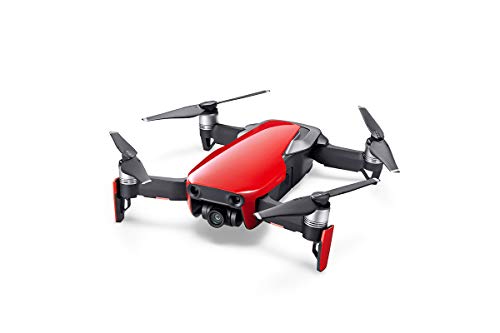
DJI Mavic Air review. Compare 95 technical specifications and user reviews to see how it ranks among drones and if it is worth buying.

6.8

Overall score

What it is: An overall evaluation of the drone's quality, based on technical analyses and user reviews.

When it matters: When you need a quick reference to identify the best drones on the market.

Score components:

90.0%

6.5

Technical Score

10.0%

9.2

User score

Good
6.5

Technical Score

What it is: An assessment of the drone's technical performance, covering key areas such as flight performance, camera quality, transmission, safety features, battery life, and design.

When it matters: When you want to compare drones based on technical performance and available features.

Score components:

26.0%

6.5

Flight

24.0%

6.0

Camera

20.0%

7.7

Safety

16.0%

5.4

Connectivity

14.0%

7.0

Battery & Design

Good
9.2

User score

What it is: A rating that combines user reviews and the total number of reviews received by the drone.

When it matters: When you want to know how a drone performs in real flights and how reliable it is for stability, video capture, and controls according to user feedback.

Score components:

70.0%

8.9

User reviews

30.0%

10

Popularity

User score:
United Kingdom
amazon
4.5
(1231)
amazon
4.4
(316)
amazon
4.3
(172)
amazon
4.0
(45)
United States
Amazon_logo.png
4.4
(162)
Amazon_logo.png
4.2
(120)
Amazon_logo.png
4.5
(64)

(Reviews last updated: Apr 2026)

Exceptional
    • dji-mavic-air
    • dji-mavic-air
    • dji-mavic-air
    • dji-mavic-air
    • dji-mavic-air
    • dji-mavic-air
    • dji-mavic-air
    dji-mavic-air
    dji-mavic-air
    dji-mavic-air
    dji-mavic-air
    dji-mavic-air
    dji-mavic-air
    dji-mavic-air

    Best prices

    Best rankings

    ?

    Available: ranking among products currently available (including other versions of this product).
    All: ranking among all products in the database.

    Technical Specifications of drone DJI Mavic Air

    Technical Score

    What it is: An assessment of the drone's technical performance, covering key areas such as flight performance, camera quality, transmission, safety features, battery life, and design.

    When it matters: When you want to compare drones based on technical performance and available features.

    Score components:

    26.0%

    6.5

    Flight

    24.0%

    6.0

    Camera

    20.0%

    7.7

    Safety

    16.0%

    5.4

    Connectivity

    14.0%

    7.0

    Battery & Design

    6.5
    DJI Mavic Air has a technical score of 6.53 points, which is higher than that of 59.1% of products in this category.
    User score

    What it is: A rating that combines user reviews and the total number of reviews received by the drone.

    When it matters: When you want to know how a drone performs in real flights and how reliable it is for stability, video capture, and controls according to user feedback.

    Score components:

    70.0%

    8.9

    User reviews

    30.0%

    10

    Popularity

    User score:
    United Kingdom
    amazon
    4.5
    (1231)
    amazon
    4.4
    (316)
    amazon
    4.3
    (172)
    amazon
    4.0
    (45)
    United States
    Amazon_logo.png
    4.4
    (162)
    Amazon_logo.png
    4.2
    (120)
    Amazon_logo.png
    4.5
    (64)

    (Reviews last updated: Apr 2026)

    9.2
    DJI Mavic Air has a user score of 9.2 points, which is higher than that of 90.3% of products in this category.
    Popularity
    What it is: An indicator based on the number of reviews received by the drone.
    When it matters: When you prefer to choose a drone reviewed and selected by many other buyers.
    10
    DJI Mavic Air has a popularity of 10 points, which is higher than 81.2% of smartphones.
    Ratio quality/price

    What it is: An indicator that combines the drone's overall rating with its cost.

    When it matters: When you are looking for a drone with a good balance between flight quality, camera features, and price.

    Score components:

    60.0%

    6.8

    Overall score

    40.0%

    6.6

    Price

    6.7
    DJI Mavic Air has a quality-to-price ratio of 6.7 points, which is lower than 55.8% of smartphones.
    Brand name
    What it is: The manufacturer or brand of the product.
    When it matters: When you prefer a specific ecosystem, support network, or design philosophy.

    Importance: MEDIUM

    DJI
    Max flight time
    What it is: The quoted endurance shows how long the drone can stay airborne on one battery in ideal conditions.
    When it matters: When you want longer flights from each battery.

    Importance: HIGH

    Good value: >=30

    21 min
    DJI Mavic Air has a max flight time of 21 min, shorter than 53.3% of drones and equal to 0%.
    Max flight distance
    What it is: The range figure indicates how far the drone can travel while maintaining control and telemetry.
    When it matters: When you plan longer routes and want more range margin.

    Importance: HIGH

    Good value: >=10

    10 km
    DJI Mavic Air has a max flight distance of 10 km, farther than 67.8% of drones and equal to 7.5%.
    Max flight speed
    What it is: The maximum horizontal speed defines how quickly the drone can move across a scene.
    When it matters: When you want quicker movement or smoother tracking of fast subjects.

    Importance: MEDIUM

    Good value: >=50

    19 km/h
    DJI Mavic Air has a max flight speed of 19 km/h, faster than 73.2% of drones and equal to 2.4%.
    Max wind resistance
    What it is: The wind resistance rating shows how much wind speed the drone can handle while staying controllable.
    When it matters: When you fly in windy conditions.

    Importance: HIGH

    Good value: >=10.5

    10.5 m/s
    DJI Mavic Air has max wind resistance of 10.5 m/s, lower than 59.5% of drones and equal to 4.5%.
    Show more
    Video resolution
    What it is: The listed recording format states maximum capture resolution and frame rate.
    When it matters: When video quality matters for your footage.

    Importance: MEDIUM

    Good value: 4K+

    4K/30 fps
    DJI Mavic Air records video at 4K/30 fps, higher than 50.3% of drones and equal to 24.2%.
    4K camera
    What it is: Indicates whether the drone supports 4K or higher video recording.
    When it matters: When you want a drone that can record in 4K or a higher video resolution.

    Importance: LOW

    yes
    DJI Mavic Air supports 4K video, and 65.2% of drones do too.
    Sensor size
    What it is: The sensor format value describes the physical light-collecting area.
    When it matters: When you shoot in more difficult lighting.

    Importance: MEDIUM

    Good value: 1 inch or larger

    1/2.3"
    DJI Mavic Air has a sensor size of 1/2.3", smaller than 58.8% of drones and equal to 14.1%.
    Main camera megapixels
    What it is: The megapixel count states how many millions of pixels the main sensor captures per photo.
    When it matters: When you want more detail for photos or cropping.

    Importance: MEDIUM

    Good value: >=12

    12 MP
    DJI Mavic Air has a main camera resolution of 12 MP, higher than 40.3% of drones and equal to 17.7%.
    Max movie bitrate
    What it is: The bitrate indicates how much video data is recorded each second, usually in Mbps.
    When it matters: When video quality matters for your footage.

    Importance: MEDIUM

    Good value: >=100

    100 Mbps
    DJI Mavic Air has a max movie bitrate of 100 Mbps, higher than 31% of drones and equal to 31%.
    Show more
    Obstacle detection
    What it is: Indicates whether the drone can detect obstacles and warn the pilot or avoid them automatically.
    When it matters: When you fly near trees, buildings, or other obstacles.

    Importance: HIGH

    Good value: Omnidirectional

    yes
    DJI Mavic Air includes obstacle detection, and 34.7% of drones offer it.
    Return to Home (RTH)
    What it is: Indicates whether the drone can automatically return to its takeoff point when needed.
    When it matters: When signal drops or the battery gets low.

    Importance: HIGH

    Good value: Smart RTH

    yes
    DJI Mavic Air includes return-to-home (RTH), and 74.3% of drones provide it.
    GPS
    What it is: Indicates whether the drone can use GPS positioning for navigation and stabilisation.
    When it matters: When you want steadier flight and more reliable positioning.

    Importance: MEDIUM

    yes
    DJI Mavic Air has GPS, and 69% of drones offer GPS navigation.
    GNSS systems supported
    What it is: Lists the satellite navigation systems the drone can use, such as GPS, Galileo, or GLONASS.
    When it matters: When this part of flying or filming matters to you.

    Importance: HIGH

    Good value: GPS+Galileo+GLONASS

    GPS, GLONASS
    DJI Mavic Air supports GPS, GLONASS GNSS systems, which are less comprehensive than those of 51.8% of drones and the same as those of 29.5% of drones.
    Obstacle sensing directions
    What it is: The listed sensing coverage shows which directions the drone can monitor for obstacles.
    When it matters: When you fly near trees, buildings, or other obstacles.

    Importance: HIGH

    Good value: Omnidirectional

    forward/backward/downward
    DJI Mavic Air senses obstacles in forward/backward/downward directions, which is more comprehensive than that of 72.9% of drones and the same as that of 7.3% of drones.
    Show more
    Max transmission distance
    What it is: The maximum transmission distance indicates the farthest stable control-and-video link under ideal conditions.
    When it matters: When you plan longer routes and want more range margin.

    Importance: HIGH

    Good value: >=10

    4 km
    DJI Mavic Air has a max transmission distance of 4 km, farther than 55.6% of drones and equal to 3.3%.
    Maximum range varies by region; CE/SRRC/MIC limits can be lower.
    Transmission latency
    What it is: The transmission latency measures delay between camera capture, pilot view, and control response.
    When it matters: When you want the live view to feel more responsive.

    Importance: MEDIUM

    Good value: <=130

    240 ms
    DJI Mavic Air has transmission latency of 240 ms, higher than 93.8% of drones and equal to 3.1%.
    Video transmission system
    What it is: The transmission system value identifies the radio-link technology used for control and live feed.
    When it matters: When video quality matters for your footage.

    Importance: HIGH

    Good value: Digital low-latency

    Enhanced Wi-Fi
    DJI Mavic Air uses Enhanced Wi-Fi for video transmission, which is more advanced than that of 52% of drones and the same as that of 1.4% of drones.
    Live view quality
    What it is: The live-view mode defines resolution and frame rate of the pilot feed.
    When it matters: When video quality matters for your footage.

    Importance: MEDIUM

    Good value: 1080p+

    720p@30 fps
    DJI Mavic Air offers live view quality of 720p@30 fps, lower-quality than 59.9% of drones and equal to 29.9%.
    Remote control
    What it is: Indicates whether a dedicated handheld remote controller is included or supported.
    When it matters: When you want easier control and monitoring in the field.

    Importance: LOW

    Good value: Dedicated controller

    yes
    DJI Mavic Air includes a remote control, and 96.1% of drones ship with one.
    Show more
    Battery capacity
    What it is: The battery capacity shows how much electric charge the pack can store, commonly in mAh.
    When it matters: When you want longer sessions before changing batteries.

    Importance: HIGH

    Good value: >=3500

    2,375 mAh
    DJI Mavic Air has a battery capacity of 2375 mAh, larger than 55.6% of drones and equal to 0%.
    Battery energy
    What it is: The battery energy figure, usually in Wh, describes total available energy in the pack.
    When it matters: When you want longer sessions before changing batteries.

    Importance: LOW

    Good value: >=40

    27.43 Wh
    DJI Mavic Air has battery energy of 27.43 Wh, higher than 66.7% of drones and equal to 0%.
    Charging time
    What it is: The charging time measures how long a depleted battery needs to reach full charge.
    When it matters: When you want shorter turnaround between flights.

    Importance: MEDIUM

    Good value: <=90

    55 min
    DJI Mavic Air charges in 55 min, faster than 89.8% of drones and equal to 1.4%.
    Weight
    What it is: The measured mass of the drone body and flight hardware, usually in grams.
    When it matters: When you want the drone to be easier to carry or pack.

    Importance: LOW

    Good value: <=900

    430 g
    DJI Mavic Air weighs 430 g, heavier than 62.7% of drones and equal to 0%.
    Removable battery
    What it is: Indicates whether the flight battery can be removed and swapped by the user.
    When it matters: When you want to swap batteries quickly between flights.

    Importance: LOW

    yes
    DJI Mavic Air has a removable battery, and 99.4% of drones include one.
    Show more

    DJI Mavic Air vs the average drone

    • Obstacle detection included
      DJI Mavic Air includes obstacle detection, while the average drone does not.
      What it is: Indicates whether the drone can detect obstacles and warn the pilot or avoid them automatically.
      When it matters: When you fly near trees, buildings, or other obstacles.

      Importance: HIGH

      Good value: Omnidirectional

      DJI Mavic Air includes obstacle detection, while the average drone does not.
    • QuickShots supported
      DJI Mavic Air supports QuickShots, while the average drone does not.
      QuickShots listed in normalized intelligent flight modes.
      What it is: Indicates whether the drone includes automated cinematic shot presets.
      When it matters: When this part of flying or filming matters to you.

      Importance: MEDIUM

      Good value: QuickShots available

      DJI Mavic Air supports QuickShots, while the average drone does not.
    • 7 more intelligent flight mode/s
      DJI Mavic Air has a higher n. of intelligent flight modes than the average drone (11 vs 4). The average drone value is 4.
      ActiveTrack, Follow Me, POI, Waypoint Flight, TapFly, QuickShots, Panorama, Terrain Follow, Course Lock, Home Lock, SmartCapture
      What it is: Number of confirmed intelligent flight modes on the drone, such as tracking, POI, waypoint flight, QuickShots, or Hyperlapse.
      When it matters: When you want easier automated shots or tracking.

      Importance: MEDIUM

      Good value: Multiple modes

      DJI Mavic Air has a higher n. of intelligent flight modes than the average drone (11 vs 4). The average drone value is 4.11 vs 4
    • 8 km longer flight distance
      DJI Mavic Air has a longer max flight distance than the average drone (10 km vs 2 km). The average drone can fly up to 2 km.
      What it is: The range figure indicates how far the drone can travel while maintaining control and telemetry.
      When it matters: When you plan longer routes and want more range margin.

      Importance: HIGH

      Good value: >=10

      DJI Mavic Air has a longer max flight distance than the average drone (10 km vs 2 km). The average drone can fly up to 2 km.10 km vs 2 km
    • TapFly supported
      DJI Mavic Air supports TapFly, while the average drone does not.
      TapFly listed in normalized intelligent flight modes.
      What it is: Indicates whether the drone can fly toward a tapped point on screen automatically.
      When it matters: When you want easier straight-line shots with less manual control.

      Importance: MEDIUM

      Good value: TapFly available

      DJI Mavic Air supports TapFly, while the average drone does not.
    • Shoots RAW photos
      DJI Mavic Air can shoot RAW photos, while the average drone cannot.
      What it is: Indicates whether the camera can save RAW files with minimally processed image data.
      When it matters: When you want more editing freedom in photos.

      Importance: MEDIUM

      Good value: DNG

      DJI Mavic Air can shoot RAW photos, while the average drone cannot.
    • More video format options
      DJI Mavic Air supports MP4, MOV video formats, while the average drone supports MP4.
      What it is: Lists the video container or file formats the drone can record, such as MP4 or MOV.
      When it matters: When video quality matters for your footage.

      Importance: MEDIUM

      Good value: MP4/MOV

      DJI Mavic Air supports MP4, MOV video formats, while the average drone supports MP4.MP4, MOV vs MP4
    • 8 km longer flight distance
      DJI Mavic Air has a longer max flight distance than the average drone (10 km vs 2 km). The average drone can fly up to 2 km.
    • 3 km/h faster flight speed
      DJI Mavic Air reaches a higher max flight speed than the average drone (19 km/h vs 16 km/h). The average drone reaches 16 km/h.
    • 1,000 m higher max service ceiling
      DJI Mavic Air can fly at a higher max service ceiling than the average drone (5,000 m vs 4,000 m). The average drone reaches 4,000 m.
    • Shoots RAW photos
      DJI Mavic Air can shoot RAW photos, while the average drone cannot.
    • More video format options
      DJI Mavic Air supports MP4, MOV video formats, while the average drone supports MP4.
    • 8 GB higher internal storage
      DJI Mavic Air has more internal storage than the average drone (8 GB vs 0 GB). The average drone has 0 GB of internal storage.
    • Slow-motion mode
      DJI Mavic Air includes slow-motion mode, while the average drone does not.
    • 2 axis higher gimbal axes
      DJI Mavic Air has more gimbal axes than the average drone (3 axis vs 1 axis). The average drone has 1 axis gimbal axes.
    • More advanced manual controls
      DJI Mavic Air offers partial manual camera controls, while the average drone offers no.
    • Burst mode included
      DJI Mavic Air includes burst mode, while the average drone does not.
    • Panorama mode included
      DJI Mavic Air includes panorama mode, while the average drone does not.
    • Higher photo resolution
      DJI Mavic Air supports higher photo resolution than the average drone (4,056x 3,040 MP vs 4,000x3,000 MP). The average drone supports 4,000x3,000 MP photo resolution.
    • Obstacle detection included
      DJI Mavic Air includes obstacle detection, while the average drone does not.
    • 7 more intelligent flight mode/s
      DJI Mavic Air has a higher n. of intelligent flight modes than the average drone (11 vs 4). The average drone value is 4.
    • QuickShots supported
      DJI Mavic Air supports QuickShots, while the average drone does not.
    • TapFly supported
      DJI Mavic Air supports TapFly, while the average drone does not.
    • 0.2 m lower hover accuracy
      DJI Mavic Air has better horizontal hover accuracy than the average drone (0.1 m vs 0.3 m). The average drone has horizontal hover accuracy of 0.3 m.
    • 2.49 km longer transmission distance
      DJI Mavic Air has a longer max transmission distance than the average drone (4 km vs 1,507 km). The average drone reaches 1,507 km of transmission distance.
    • 35 min shorter charging time
      DJI Mavic Air charges faster than the average drone (55 min vs 90 min). The average drone charges in 90 min.
    • 117 mm more compact length
      DJI Mavic Air has a shorter length than the average drone (168 mm vs 285 mm). The average drone length is 285 mm.
    • 62.5 mm more compact width
      DJI Mavic Air is narrower than the average drone (184 mm vs 246.5 mm). The average drone width is 246.5 mm.
    • 10.11 Wh higher battery energy
      DJI Mavic Air has higher battery energy than the average drone (27.4 Wh vs 17.32 Wh). The average drone battery has 17.32 Wh of energy.
    • 1 m/s slower descent speed
      DJI Mavic Air descends more slowly than the average drone (3 m/s vs 4 m/s). The average drone descends at 4 m/s.
      Value reflects maximum descent speed in higher-performance flight mode.
    • 0.2 m/s lower max wind resistance
      DJI Mavic Air handles weaker wind than the average drone (10.5 m/s vs 10.7 m/s). The average drone handles wind up to 10.7 m/s.
    • 1 m/s slower ascent speed
      DJI Mavic Air climbs more slowly than the average drone (4 m/s vs 5 m/s). The average drone climbs at 5 m/s.
      Value reflects maximum ascent speed in higher-performance flight mode.
    • 2 min shorter flight time
      DJI Mavic Air offers shorter max flight time than the average drone (21 min vs 23 min). The average drone offers 23 min of max flight time.
    • Lower video resolution
      DJI Mavic Air supports lower video resolution than the average drone (4K/30 fps vs 4K/100 fps). The average drone supports 4K/100 fps video resolution.
    • Lower sensor size
      DJI Mavic Air has a smaller sensor than the average drone (1/2.3" vs 1/2"). The average drone uses a sensor of 1/2".
    • 3x lower digital zoom
      DJI Mavic Air offers less digital zoom than the average drone (0x vs 3x). The average drone offers 3x of digital zoom.
    • 3,200 ISO lower max iso
      DJI Mavic Air reaches a lower max ISO than the average drone (3,200 ISO vs 6,400 ISO). The average drone reaches 6,400 ISO ISO.
    • 5 ° narrower field of view
      DJI Mavic Air has a narrower field of view than the average drone (85 ° vs 90 °). The average drone has a field of view of 90 °.
    • Fewer GNSS systems
      DJI Mavic Air supports GPS, GLONASS GNSS systems, while the average drone supports GPS, GLONASS, BeiDou.
    • 2 m/s lower max subject tracking speed
      DJI Mavic Air can track subjects at a lower speed than the average drone (12 m/s vs 14 m/s). The average drone tracks subjects at 14 m/s.
    • 110 ms higher latency
      DJI Mavic Air has higher transmission latency than the average drone (240 ms vs 130 ms). The average drone has transmission latency of 130 ms.
    • Lower live view quality
      DJI Mavic Air has worse live view quality than the average drone (720p@30 fps vs 1,080p@25 fps). The average drone offers live view quality of 1,080p@25 fps.
    • 72.7% heavier weight
      DJI Mavic Air is heavier than the average drone (430 g vs 249 g). The average drone weighs 249 g.
    • 3 year/s older release date
      DJI Mavic Air is older than the average drone (2,018 vs 2,021). The average drone was released in 2,021.
      January 2,018
    • 110 ms higher latency
      DJI Mavic Air has higher transmission latency than the average drone (240 ms vs 130 ms). The average drone has transmission latency of 130 ms.
      What it is: The transmission latency measures delay between camera capture, pilot view, and control response.
      When it matters: When you want the live view to feel more responsive.

      Importance: MEDIUM

      Good value: <=130

      DJI Mavic Air has higher transmission latency than the average drone (240 ms vs 130 ms). The average drone has transmission latency of 130 ms.240 ms vs 130 ms
    • Lower video resolution
      DJI Mavic Air supports lower video resolution than the average drone (4K/30 fps vs 4K/100 fps). The average drone supports 4K/100 fps video resolution.
      What it is: The listed recording format states maximum capture resolution and frame rate.
      When it matters: When video quality matters for your footage.

      Importance: MEDIUM

      Good value: 4K+

      DJI Mavic Air supports lower video resolution than the average drone (4K/30 fps vs 4K/100 fps). The average drone supports 4K/100 fps video resolution.4K/30 fps vs 4K/100 fps
    • Lower live view quality
      DJI Mavic Air has worse live view quality than the average drone (720p@30 fps vs 1,080p@25 fps). The average drone offers live view quality of 1,080p@25 fps.
      What it is: The live-view mode defines resolution and frame rate of the pilot feed.
      When it matters: When video quality matters for your footage.

      Importance: MEDIUM

      Good value: 1080p+

      DJI Mavic Air has worse live view quality than the average drone (720p@30 fps vs 1,080p@25 fps). The average drone offers live view quality of 1,080p@25 fps.720p@30 fps vs 1,080p@25 fps
    • 1 m/s slower descent speed
      DJI Mavic Air descends more slowly than the average drone (3 m/s vs 4 m/s). The average drone descends at 4 m/s.
      Value reflects maximum descent speed in higher-performance flight mode.
      What it is: The descent speed indicates how quickly the drone can reduce altitude.
      When it matters: When you want quicker movement or smoother tracking of fast subjects.

      Importance: LOW

      Good value: >=4

      DJI Mavic Air descends more slowly than the average drone (3 m/s vs 4 m/s). The average drone descends at 4 m/s.3 m/s vs 4 m/s
    • Lower sensor size
      DJI Mavic Air has a smaller sensor than the average drone (1/2.3" vs 1/2"). The average drone uses a sensor of 1/2".
      What it is: The sensor format value describes the physical light-collecting area.
      When it matters: When you shoot in more difficult lighting.

      Importance: MEDIUM

      Good value: 1 inch or larger

      DJI Mavic Air has a smaller sensor than the average drone (1/2.3" vs 1/2"). The average drone uses a sensor of 1/2".1/2.3" vs 1/2"
    • Fewer GNSS systems
      DJI Mavic Air supports GPS, GLONASS GNSS systems, while the average drone supports GPS, GLONASS, BeiDou.
      What it is: Lists the satellite navigation systems the drone can use, such as GPS, Galileo, or GLONASS.
      When it matters: When this part of flying or filming matters to you.

      Importance: HIGH

      Good value: GPS+Galileo+GLONASS

      DJI Mavic Air supports GPS, GLONASS GNSS systems, while the average drone supports GPS, GLONASS, BeiDou.GPS, GLONASS vs GPS, GLONASS, BeiDou
    • 0.2 m/s lower max wind resistance
      DJI Mavic Air handles weaker wind than the average drone (10.5 m/s vs 10.7 m/s). The average drone handles wind up to 10.7 m/s.
      What it is: The wind resistance rating shows how much wind speed the drone can handle while staying controllable.
      When it matters: When you fly in windy conditions.

      Importance: HIGH

      Good value: >=10.5

      DJI Mavic Air handles weaker wind than the average drone (10.5 m/s vs 10.7 m/s). The average drone handles wind up to 10.7 m/s.10.5 m/s vs 10.7 m/s
    • 1 m/s slower ascent speed
      DJI Mavic Air climbs more slowly than the average drone (4 m/s vs 5 m/s). The average drone climbs at 5 m/s.
      Value reflects maximum ascent speed in higher-performance flight mode.
      What it is: The ascent speed indicates how quickly the drone can gain altitude.
      When it matters: When you want quicker movement or smoother tracking of fast subjects.

      Importance: LOW

      Good value: >=5

      DJI Mavic Air climbs more slowly than the average drone (4 m/s vs 5 m/s). The average drone climbs at 5 m/s.4 m/s vs 5 m/s

    Graphic comparison of DJI Mavic Air and other drones

    Attribute category
    Attribute
    No results found

    Third-party reviews

    What customers like about DJI Mavic Air?

    • Extremely compact and foldable design, small enough to fit in a jacket pocket.
    • High-quality 4K UHD video recording at a 100 Mbps bitrate, addressing previous quality issues.
    • Comprehensive safety features including forward, backward, and downward obstacle avoidance sensors.
    • 8GB of internal storage serves as a backup if you forget your MicroSD card.
    • Innovative automated flight modes like 'Asteroid' and 'Boomerang' for professional-looking shots.
    • Sturdy build quality that remains durable even after minor crashes.

    What customers dislike about DJI Mavic Air?

    • Relatively short real-world battery life, often averaging 15–18 minutes compared to the advertised 21.
    • Uses Wi-Fi for video transmission rather than OcuSync, leading to poorer range and connection stability in urban areas.
    • Lacks a secondary control wheel on the remote for quick exposure adjustments.
    • No D-Log or Log profile support for advanced color grading in post-production.
    • Noticeable image noise and limited dynamic range due to the small 1/2.3-inch sensor.
    • Video recording above 30fps results in significant cropping of the frame.

    Expert reviews

    P
    ppa.com
    22/04/2026

    The Professional Photographers of America (PPA) review highlights the DJI Mavic Air as a highly portable, powerful drone featuring a 3-axis gimbal and 100 Mbps, 4K video capabilities. Key advantages include its compact design, superior image detail, and advanced obstacle avoidance (APAS). Conversely, limitations identified include a less robust Wi-Fi-based transmission system and,...Read more

    P
    photographylife.com
    01/04/2018

    The DJI Mavic Air is characterized as a highly portable, compact "pocket rocket" featuring robust 3-axis gimbal stabilization, 4K/100 Mbps video, and intuitive flight modes like Asteroid and 32MP panoramas. While offering impressive high-speed performance in Sport Mode (68.4 kph), the drone is limited by a small 1/2.3″ CMOS sensor that produces noise in low light and limited dynamic...Read more

    D
    digital-photography-school.com
    09/12/2018

    The Digital Photography School review characterizes the DJI Mavic Air as an ultra-portable, sturdy, and powerful drone, bridging the gap between the Spark and Mavic Pro. Key advantages include its 12MP camera with 4K video at 100 Mbps, 3-axis gimbal, responsive 42 mph "Sport Mode," and removable controller joysticks. However, the review notes drawbacks, including a limited 15-18...Read more

    T
    t3.com
    16/04/2021

    The T3 review highlights the DJI Mavic Air as a highly portable and efficient drone, ideal for travel due to its 430g, foldable design. It features a 3-axis gimbal capturing 4K video and 12MP photos, with smart flight modes and robust FlightAutonomy 2.0 obstacle avoidance. While performance is strong, the 21-minute battery life and high, £769 price point are noted as drawbacks.

    V
    videomaker.com
    01/02/2018

    The Videomaker review positions the DJI Mavic Air as a compact, foldable hybrid bridging the gap between the Spark and Mavic Pro, featuring a 3-axis gimbal, 4K/30fps video at 100 Mbps, and 8GB internal storage. While praised for its 43 mph speed and advanced obstacle avoidance, the drone is limited by a 21-minute battery life, the lack of a D-log profile, and a Wi-Fi-based...Read more

    P
    pcmag.com
    04/09/2019

    The PCMag review positions the DJI Mavic Air as a highly portable, foldable "middle child" between the Spark and Mavic Pro, praised for its exceptional design and 4K UHD video capability. Technically advanced, it features a three-directional obstacle avoidance system using APAS, 8GB of internal storage, and impressive flight speeds. However, significant drawbacks include a limited...Read more

    F
    fstoppers.com
    14/02/2018

    The DJI Mavic Air is highlighted as a highly portable, well-engineered, and agile travel drone capable of stable 4K video in moderate winds. Its 100 Mbps 4K video bitrate and, superior gimbal design are major strengths, though the small 1/2.3" sensor exhibits image noise, and the lack of D-Log limits color grading. Significant criticisms focus on the reliance on Wi-Fi instead of...Read more

    T
    thetrailhunter.com
    19/06/2020

    The Trail Hunter highlights the DJI Mavic Air's exceptional portability and ruggedness for adventure filmmaking, praising its 4K/30fps video and ease of use over years of travel. Key pros include the comprehensive Fly More Combo, reliable wind resistance, and intelligent flight modes like ActiveTrack and QuickShots, making it a durable, compact upgrade for hikers. However, notable...Read more

    M
    medium.com
    10/12/2018

    The DJI Mavic Air is praised as an ultra-portable, "idiot-proof" drone ideal for travel, featuring a foldable design, 3-axis gimbal, and 4K video capabilities. Key advantages include its high-quality imagery, robust build, and the Advanced Pilot Assistance System (APAS) for autonomous obstacle avoidance. The Fly More Combo is recommended for its value, adding essential extra...Read more

    F
    flitetest.com
    02/03/2018

    The Flite Test review identifies the DJI Mavic Air as a highly portable, durable, and professional-grade drone that fills the gap between the Spark and Mavic Pro. Key advantages include 4K video at 100 Mbps, a three-axis gimbal, and a 42 mph top speed, with the reviewer noting surprising resilience during a, tree-based, "return to home" incident. While the drone boasts advanced...Read more

    A
    au.pcmag.com
    05/09/2019

    The PCMag review characterizes the DJI Mavic Air as a compact, foldable drone bridging the gap between the Spark and Mavic Pro, featuring 4K video, 12MP stills, and advanced panorama modes. It boasts improved obstacle avoidance with front, rear, and bottom sensors, alongside the Advanced Pilot Assistance System (APAS) for navigating around, rather than just stopping at, obstacles....Read more

    T
    techradar.com
    31/07/2018

    The TechRadar review praises the DJI Mavic Air as a highly portable, foldable drone that bridges the gap between the Spark and Mavic Pro, featuring 4K video capabilities and 8GB of internal storage. Its key strengths include an advanced obstacle avoidance system (front, back, and bottom) and excellent flight performance, achieving speeds of 40mph in Sport mode. While user-friendly...Read more

    D
    dpreview.com
    28/02/2019

    The DJI Mavic Air is a highly portable, foldable drone that bridges the gap between the Spark and Mavic Pro, offering a compact design ideal for travel. Key advantages include 4K video at 100 Mbps, a three-axis gimbal, 8GB internal storage, and the obstacle-avoiding APAS system. However, the drone is limited by a Wi-Fi-based transmission system, lacks side-sensor obstacle avoidance,...Read more

    T
    techcrunch.com
    29/01/2018

    Brian Heater’s 2018 TechCrunch review describes the DJI Mavic Air as a refined, highly portable, and affordable bridging of the Mavic Pro and Spark, capable of folding to the size of an iPhone 8 Plus. Key pros include a 4K camera with a three-axis gimbal, 8GB of internal storage, and durable, stable flight even in windy conditions. The drone offers advanced automated flight modes...Read more

    T
    theverge.com
    31/01/2018

    In a January 2018 review, The Verge described the DJI Mavic Air as a highly portable, "foldable photographer" that bridges the gap between the Spark and Mavic Pro. Key pros include a lightweight, compact design, a 100Mbps 4K camera, and an improved seven-camera obstacle avoidance system that allows the drone to steer around obstacles. Additional features like 8GB internal storage...Read more

    D
    drohnen-vergleich.net
    15/02/2018

    The DJI Mavic Air is an ultra-compact, foldable drone featuring a 3-axis gimbal, 4K/30fps video at 100 Mbps, and 8 GB internal storage. Its standout features include impressive 64.8 km/h top speeds and an advanced APAS obstacle avoidance system. While highly portable and capable of 32 MP spherical panoramas, limitations include a shorter 18-minute real-world flight time, reliance on...Read more

    W
    welt.de
    24/01/2018

    The DJI Mavic Air is a highly portable, foldable drone that bridges the gap between the Spark and Mavic Pro, weighing 430g and featuring a 12MP camera capable of 4K video at 30fps and a 100Mbps bitrate. Key advantages include rear-facing obstacle sensors, 8GB of internal storage, "SmartCapture" gesture controls, and a stable 3-axis gimbal, making it ideal for beginners. However, the...Read more

    S
    spiegel.de
    13/02/2018

    The Spiegel review positions the 2018 DJI Mavic Air as a highly portable "crossbreed" between high-tech and selfie drones, offering excellent stability and 4K, 3-axis stabilized footage. Key advantages include its compact, foldable design and advanced obstacle avoidance, while notable drawbacks include inconsistent gesture controls and a shorter 20-minute flight time. Despite using...Read more

    D
    drohnen.de
    08/04/2018

    The DJI Mavic Air, often described as a "middle child" between the Spark and Mavic Pro, is a highly compact, foldable drone featuring a 1/2.3-inch CMOS sensor capable of 4K video at 100Mbps, 12MP RAW stills, and 32MP panoramas. It boasts advanced technology including a 3-axis gimbal, 3-directional obstacle avoidance (via APAS), 8GB internal storage, and impressive "QuickShot" modes....Read more

    A
    alza.at
    09/03/2018

    The DJI Mavic Air, reviewed by Alza.at, is a highly compact, foldable drone positioned between the Spark and Mavic Pro, featuring a sturdy design and 3-axis gimbal. Key strengths include 4K UHD video at 100 Mbps, 32 MP sphere panoramas, and the Advanced Pilot Awareness System (APAS) for automatic obstacle avoidance. However, the drone suffers from a limited, real-world battery life...Read more

    A
    awesomewild.de
    15/11/2018

    The DJI Mavic Air is a highly portable and durable drone, making it ideal for adventurers who need to minimize gear weight. It is praised for its compact design, 4K/100Mbps video quality, and reliable, stable flight performance even in windy conditions. Additionally, the inclusion of 8GB internal storage and advanced, user-friendly flight modes are highlighted as key advantages....Read more

    H
    heise.de
    06/04/2018

    The Heise.de review describes the DJI Mavic Air as an ultra-portable, 4K-capable drone that bridges the gap between the Spark and Mavic Pro, reaching speeds of up to 68.4 km/h. Key advantages include a foldable design, a 3-axis gimbal, improved obstacle avoidance (APAS), and 8GB of internal storage. However, drawbacks include a limited 16-18 minute real-world battery life, reliance...Read more

    C
    computerbild.de
    08/02/2018

    The DJI Mavic Air, a highly portable, foldable drone, bridges the gap between the Spark and Mavic Pro with a 4K/30fps camera and 32-megapixel panorama capabilities. Its compact design and 8GB of internal storage are highlighted as major advantages, making it an excellent, travel-friendly option. Performance-wise, the drone features the Advanced Pilot Assistance System (APAS) for...Read more

    C
    chip.de
    23/01/2018

    The CHIP.de review positions the DJI Mavic Air as a highly portable, foldable drone that merges the compactness of the Spark with the performance of the Mavic Pro. It is praised for its 430g, collapsible design, making it ideal for travel, while offering robust build quality and a 12-megapixel camera on a three-axis gimbal for 4K video. The drone features the Advanced Pilot...Read more

    F
    frandroid.com
    05/06/2018

    The Frandroid review identifies the DJI Mavic Air as a highly portable, robust, and elegant drone that merges the compactness of the Spark with the performance of the Mavic Pro. Key advantages include 4K video recording at 100 Mbps, a stable 3-axis gimbal, and advanced obstacle avoidance (APAS) in three directions. However, notable drawbacks include a short, real-world battery life...Read more

    L
    lesnumeriques.com
    01/06/2018

    The DJI Mavic Air, as reviewed on Les Numériques, is a highly portable, foldable drone featuring a 3-axis gimbal and a 1/2.3" CMOS sensor capable of 4K video at 100 Mbps. Key pros include an robust design with 8GB internal storage and high-speed flight reaching 68.4 km/h. Its advanced capabilities are enhanced by intelligent flight modes and obstacle avoidance via the APAS system....Read more

    U
    uneboleedair.fr
    18 Avril 2018

    The Une Bolée d'Air review highlights the DJI Mavic Air as a highly portable, "sturdy" drone with a premium feel, featuring a 3-axis gimbal that delivers detailed 4K video at 100 Mbps. Key pros include the advanced APAS obstacle avoidance, 8GB internal storage, and automated QuickShot modes, along with a remote featuring detachable joysticks. However, the drone's drawbacks include a...Read more

    C
    cnetfrance.fr
    13 Février 2018

    The DJI Mavic Air is a highly portable, foldable drone that bridges the gap between the Spark and Mavic Pro, offering a 3-axis gimbal and a 4K camera capable of 100 Mbps recording. Key advantages include its compact size, superior video stability, and a 42 mph top speed in Sport mode, alongside enhanced safety features like rear obstacle avoidance and the Advanced Pilot Assistance...Read more

    S
    strawberryfilms.es
    Sin fecha

    The DJI Mavic Air is described as a highly portable, foldable drone featuring a 3-axis gimbal and 8GB of internal storage. Pros include high-quality 4K video at 100Mbps, advanced QuickShot modes, and an obstacle avoidance system (APAS). Key cons focus on the Wi-Fi-based transmission system, which offers inferior range and reliability compared to OcuSync. Additionally, the drone...Read more

    E
    es.digitaltrends.com
    9 de agosto de 2021

    The DJI Mavic Air, reviewed as a highly portable, foldable drone, bridges the gap between the Spark and Mavic Pro with superior design for travel. Key pros include a 3-axis gimbal, 4K video at 100 Mbps, and 32 MP spherical panoramas, ensuring high-quality, stabilized footage. The aircraft features robust, seven-sensor obstacle avoidance, yet faces cons like limited 17-18 minute...Read more

    E
    es.gizmodo.com
    25 de enero de 2018

    The DJI Mavic Air bridges the gap between the Spark and Mavic Pro with an ultra-portable, foldable design, featuring a 3-axis gimbal, 4K video at 100Mbps, and intelligent flight modes. Key advantages include its compact size, 8GB internal storage, and advanced obstacle avoidance, though it relies on Wi-Fi rather than OcuSync, leading to potential signal issues in urban areas. While...Read more

    X
    xataka.com
    23/04/2018

    The Xataka review defines the DJI Mavic Air as a "marvel of engineering," combining the portability of the DJI Spark with high-end performance, featuring a foldable design, a 3-axis stabilized 4K camera, and advanced flight assistance. It captures 4K video at 100 Mbps, includes intelligent shooting modes, and features 8 GB of internal storage as a backup. Key cons identified include...Read more

    J
    juzaphoto.com
    03/03/2026

    The DJI Mavic Air is highly praised for its extreme portability and robust build, featuring a compact, foldable design that fits in a pocket and a protected gimbal. It offers high-quality 4K video at 100 Mbps, along with advanced flight modes like ActiveTrack and reliable obstacle avoidance. However, its 1/2.3" sensor struggles with dynamic range and low-light noise, while the short...Read more

    E
    enontheroad.com
    30/01/2021

    The EnOnTheRoad review positions the DJI Mini 2 as superior to the Mavic Air 1 for modern users, citing significantly better flight efficiency (approx. 31 minutes) and a more reliable OcuSync 2.0 transmission system compared to the older Wi-Fi-based connection. While the Mini 2 is quieter, lighter, and often avoids stricter drone regulations under 250g, it lacks the obstacle...Read more

    D
    dronezine.it
    07/02/2018

    The DronEzine review highlights the DJI Mavic Air as a highly portable, foldable drone that fits between the Spark and Mavic Pro, featuring 4K video at 100 Mbps and a 3-axis gimbal. It emphasizes advanced APAS obstacle avoidance and rock-solid hovering stability, making it accessible for beginners. Key limitations identified in the review include the reliance on Wi-Fi instead of...Read more

    T
    tweakers.net
    27 januari 2018

    The DJI Mavic Air, described by Tweakers as a "Mavic in a Spark jacket," packs advanced technology into a highly portable, foldable design with a 100Mbps 4K camera and new QuickShot modes. Key advantages include the upgraded FlightAutonomy 2.0 system for active obstacle avoidance, 8GB of internal storage, and a well-protected, recessed three-axis gimbal. However, the drone's...Read more

    D
    dronewatch.nl
    15 februari 2018

    The Dronewatch.nl review highlights the DJI Mavic Air as a compact, foldable 4K travel drone that bridges the gap between the Spark and Mavic Pro, weighing just 430g. Key pros include 4K video at 100 Mbps, a 3-axis gimbal for stability, 8GB internal storage, and advanced safety features like APAS and rear sensors. Limitations (cons) include a short 16-18 minute real-world battery...Read more

    T
    tweakers.net
    05/04/2018

    The Tweakers.net review positions the DJI Mavic Air as a highly compact "flying holiday camera" that packs advanced features, including 4K video, a 12-megapixel sensor, and robust obstacle avoidance, into a smaller frame than the Mavic Pro. Key advantages include its agile, stable flight performance, intelligent flight modes like "Asteroid," and 8GB of internal storage, though it...Read more

    T
    tweakers.net
    21/02/2018

    The DJI Mavic Air is a highly portable, foldable drone featuring a 3-axis gimbal and a 1/2.3" CMOS sensor capable of recording 4K video at 100Mbps. It bridges the gap between the Spark and Mavic Pro with robust, well-engineered construction, and features advanced obstacle avoidance (APAS) and creative QuickShot modes. Performance is marked by stability in windy conditions and top...Read more

    Video reviews

    Compare DJI Mavic Air with other drones

    VS
    VS

    Compare