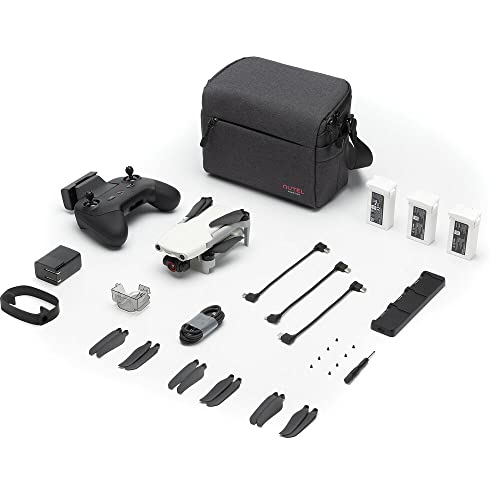
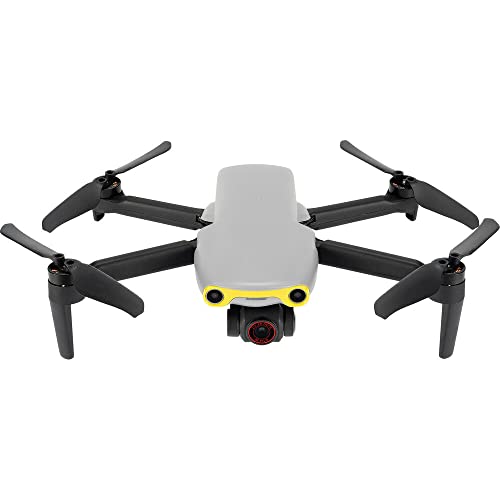
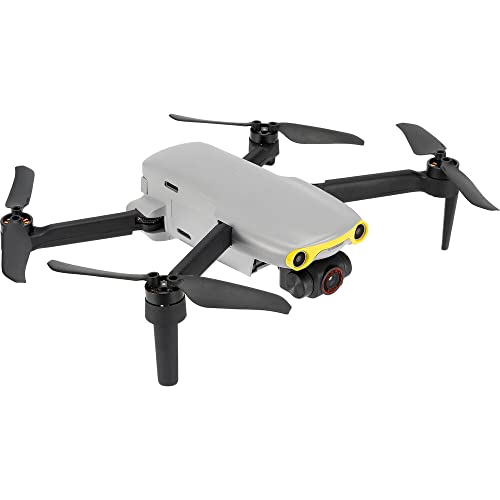
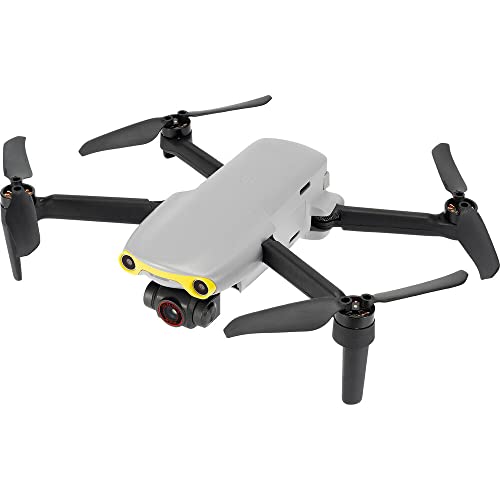
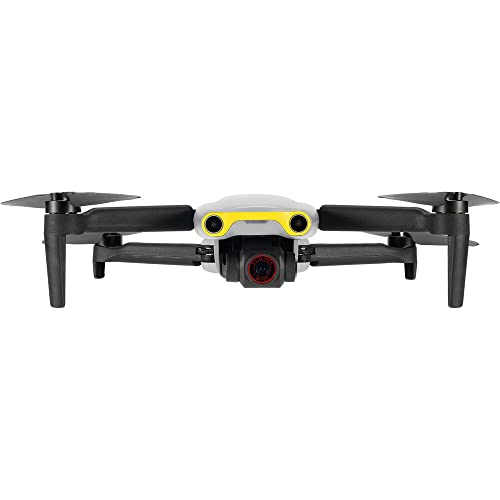
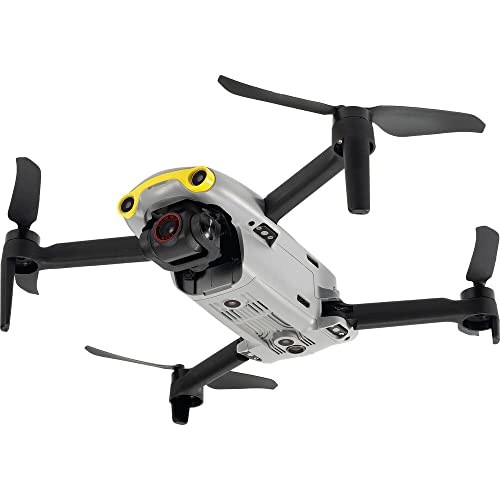
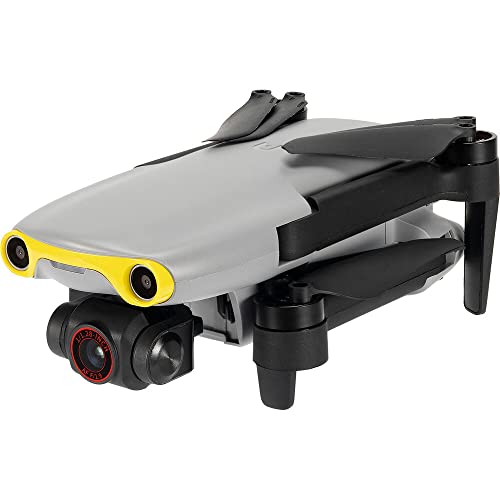
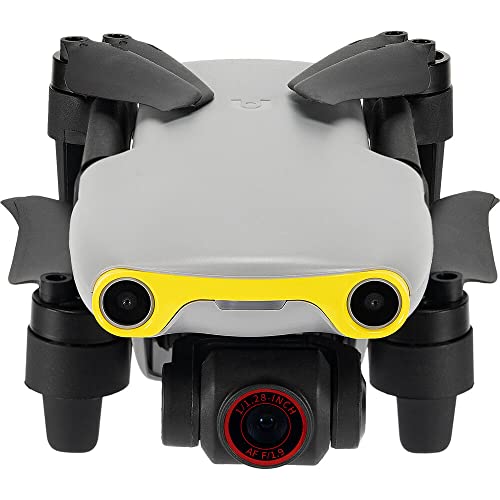
Autel Evo Nano Plus Review | 95 Data compared

double-arrow
  • Avg. price in UK: ~£630
  • Avg. price in US: ~$680
  • Max flight time: 28 min
  • Video resolution: 4K/30 fps
  • Max transmission distance: 10 km

Autel Evo Nano Plus review. Compare 95 technical specifications and user reviews to see how it ranks among drones and if it is worth buying.

7.0

Overall score

What it is: An overall evaluation of the drone's quality, based on technical analyses and user reviews.

When it matters: When you need a quick reference to identify the best drones on the market.

Score components:

90.0%

7.2

Technical Score

10.0%

5.4

User score

Very good
7.2

Technical Score

What it is: An assessment of the drone's technical performance, covering key areas such as flight performance, camera quality, transmission, safety features, battery life, and design.

When it matters: When you want to compare drones based on technical performance and available features.

Score components:

26.0%

7.4

Flight

24.0%

7.2

Camera

20.0%

7.2

Safety

16.0%

7.1

Connectivity

14.0%

6.9

Battery & Design

Very good
5.4

User score

What it is: A rating that combines user reviews and the total number of reviews received by the drone.

When it matters: When you want to know how a drone performs in real flights and how reliable it is for stability, video capture, and controls according to user feedback.

Score components:

70.0%

6.4

User reviews

30.0%

3.1

Popularity

User score:
United Kingdom
amazon
3.1
(8)
amazon
3.9
(7)
amazon
2.6
(5)
amazon
3.8
(5)
amazon
2.9
(4)
amazon
2.4
(4)
amazon
1.4
(2)
United States
Amazon_logo.png
3.7
(7)
Amazon_logo.png
2.8
(4)

(Reviews last updated: April 2026)

Good
    • autel-evo-nano-plus
    • autel-evo-nano-plus
    • autel-evo-nano-plus
    • autel-evo-nano-plus
    • autel-evo-nano-plus
    • autel-evo-nano-plus
    • autel-evo-nano-plus
    • autel-evo-nano-plus
    • autel-evo-nano-plus
    autel-evo-nano-plus
    autel-evo-nano-plus
    autel-evo-nano-plus
    autel-evo-nano-plus
    autel-evo-nano-plus
    autel-evo-nano-plus
    autel-evo-nano-plus
    autel-evo-nano-plus
    autel-evo-nano-plus

    Best prices in UK

    Best rankings

    ?

    Available: ranking among products currently available (including other versions of this product).
    All: ranking among all products in the database.

    Verdict

    The Autel EVO Nano+ is an ultralight, sub-250g foldable drone featuring a high-performance 1/1.28-inch CMOS sensor with an RYYB color filter array and a large f/1.9 aperture, enabling superior 50MP stills and 4K/30fps HDR video even in low-light conditions. Its primary characteristics include a three-way binocular obstacle avoidance system (front, rear, and bottom), a 3-axis mechanical gimbal for stabilized footage, and the SkyLink transmission system offering a 10km range. Main pros include its exceptional image quality for its size, portable registration-free weight, and advanced PDAF+CDAF dual autofocus for precise subject tracking. However, notable cons include a relatively short 28-minute flight time compared to newer rivals, a high retail price, limited high frame rate options (60fps only available at 1080p), and a lack of 10-bit video capture.

    Technical Specifications of drone Autel Evo Nano Plus

    Technical Score

    What it is: An assessment of the drone's technical performance, covering key areas such as flight performance, camera quality, transmission, safety features, battery life, and design.

    When it matters: When you want to compare drones based on technical performance and available features.

    Score components:

    26.0%

    7.4

    Flight

    24.0%

    7.2

    Camera

    20.0%

    7.2

    Safety

    16.0%

    7.1

    Connectivity

    14.0%

    6.9

    Battery & Design

    7.2
    Autel Evo Nano Plus has a technical score of 7.19 points, which is higher than that of 76% of products in this category.
    User score

    What it is: A rating that combines user reviews and the total number of reviews received by the drone.

    When it matters: When you want to know how a drone performs in real flights and how reliable it is for stability, video capture, and controls according to user feedback.

    Score components:

    70.0%

    6.4

    User reviews

    30.0%

    3.1

    Popularity

    User score:
    United Kingdom
    amazon
    3.1
    (8)
    amazon
    3.9
    (7)
    amazon
    2.6
    (5)
    amazon
    3.8
    (5)
    amazon
    2.9
    (4)
    amazon
    2.4
    (4)
    amazon
    1.4
    (2)
    United States
    Amazon_logo.png
    3.7
    (7)
    Amazon_logo.png
    2.8
    (4)

    (Reviews last updated: April 2026)

    5.4
    Autel Evo Nano Plus has a user score of 5.38 points, which is lower than that of 95.5% of products in this category.
    Popularity
    What it is: An indicator based on the number of reviews received by the drone.
    When it matters: When you prefer to choose a drone reviewed and selected by many other buyers.
    3.1
    Autel Evo Nano Plus has a popularity of 3.1 points, which is higher than 56.5% of products in this category.
    Ratio quality/price

    What it is: An indicator that combines the drone's overall rating with its cost.

    When it matters: When you are looking for a drone with a good balance between flight quality, camera features, and price.

    Score components:

    60.0%

    7.0

    Overall score

    40.0%

    7.2

    Price

    7.1
    Autel Evo Nano Plus has a quality-to-price ratio of 7.1 points, which is higher than 62.3% of products in this category.
    Brand name
    What it is: The manufacturer or brand of the product.
    When it matters: When you prefer a specific ecosystem, support network, or design philosophy.

    Importance: MEDIUM

    Autel
    Max flight time
    What it is: The quoted endurance shows how long the drone can stay airborne on one battery in ideal conditions.
    When it matters: When you want longer flights from each battery.

    Importance: HIGH

    Good value: >=30

    28 min
    Autel Evo Nano Plus has a max flight time of 28 min, longer than 59.3% of drones and equal to 2%.
    Max flight distance
    What it is: The range figure indicates how far the drone can travel while maintaining control and telemetry.
    When it matters: When you plan longer routes and want more range margin.

    Importance: HIGH

    Good value: >=10

    16.8 km
    Autel Evo Nano Plus has a max flight distance of 16.8 km, farther than 80.8% of drones and equal to 0%.
    Distance can vary by region standard (for example FCC vs CE).
    Max flight speed
    What it is: The maximum horizontal speed defines how quickly the drone can move across a scene.
    When it matters: When you want quicker movement or smoother tracking of fast subjects.

    Importance: MEDIUM

    Good value: >=50

    15 km/h
    Autel Evo Nano Plus has a max flight speed of 15 km/h, slower than 56.1% of drones and equal to 2.4%.
    Max wind resistance
    What it is: The wind resistance rating shows how much wind speed the drone can handle while staying controllable.
    When it matters: When you fly in windy conditions.

    Importance: HIGH

    Good value: >=10.5

    10.5 m/s
    Autel Evo Nano Plus has max wind resistance of 10.5 m/s, lower than 59.5% of drones and equal to 4.5%.
    Show more
    Video resolution
    What it is: Shows the highest recording resolution and supported frame-rate combinations for video capture.
    When it matters: When you want more room for cropping, downsampling, or delivering sharper footage.

    Importance: MEDIUM

    Good value: 4K+

    4K/30 fps
    Autel Evo Nano Plus records video at 4K/30 fps, higher than 50.3% of drones and equal to 24.2%.
    4K camera
    What it is: Confirms support for recording video at 4K resolution or higher.
    When it matters: When you want sharper footage, more cropping room, or delivery above Full HD.

    Importance: LOW

    yes
    Autel Evo Nano Plus supports 4K video, and 65.2% of drones do too.
    Sensor size
    What it is: The sensor format value describes the physical light-collecting area.
    When it matters: When you shoot in more difficult lighting.

    Importance: MEDIUM

    Good value: 1 inch or larger

    1/1.28"
    Autel Evo Nano Plus has a sensor size of 1/1.28", larger than 75.3% of drones and equal to 4.7%.
    Value reflects the main/largest visual camera sensor when multiple sensors are listed.
    Main camera megapixels
    What it is: The megapixel count states how many millions of pixels the main sensor captures per photo.
    When it matters: When you want more detail for photos or cropping.

    Importance: MEDIUM

    Good value: >=12

    50 MP
    Autel Evo Nano Plus has a main camera resolution of 50 MP, higher than 94.6% of drones and equal to 3.1%.
    Max movie bitrate
    What it is: Shows how much video data is recorded each second, usually in Mbps.
    When it matters: When you want cleaner detail retention and fewer compression artifacts in demanding footage.

    Importance: MEDIUM

    Good value: >=100

    100 Mbps
    Autel Evo Nano Plus has a max movie bitrate of 100 Mbps, higher than 29.3% of drones and equal to 29.3%.
    Show more
    Obstacle detection
    What it is: Uses onboard sensors to spot obstacles and warn the pilot or help avoid collisions automatically.
    When it matters: When you fly near trees, facades, cables, or other obstacles that leave little room for error.

    Importance: HIGH

    Good value: Omnidirectional

    yes
    Autel Evo Nano Plus includes obstacle detection, and 34% of drones offer it.
    Return to Home (RTH)
    What it is: Can fly back toward the takeoff point or a safe home point automatically when triggered.
    When it matters: When signal loss, low battery, or disorientation could make manual recovery harder.

    Importance: HIGH

    Good value: Smart RTH

    yes
    Autel Evo Nano Plus includes return-to-home (RTH), and 74.5% of drones provide it.
    GPS
    What it is: Uses satellite positioning to help the drone understand its location and stabilize navigation.
    When it matters: When you want steadier hovering, more accurate return-to-home behavior, and cleaner position hold.

    Importance: MEDIUM

    yes
    Autel Evo Nano Plus has GPS, and 70.4% of drones offer GPS navigation.
    GNSS systems supported
    What it is: Lists which satellite navigation constellations the drone can use, such as GPS, Galileo, or GLONASS.
    When it matters: When stronger satellite coverage and more robust positioning matter in difficult environments.

    Importance: HIGH

    Good value: GPS+Galileo+GLONASS

    GPS, GLONASS, Galileo
    Autel Evo Nano Plus supports GPS, GLONASS, Galileo GNSS systems, which are more comprehensive than those of 51.8% of drones and the same as those of 7.1% of drones.
    Obstacle sensing directions
    What it is: The listed sensing coverage shows which directions the drone can monitor for obstacles.
    When it matters: When you fly near trees, buildings, or other obstacles.

    Importance: HIGH

    Good value: Omnidirectional

    forward/backward/downward
    Autel Evo Nano Plus senses obstacles in forward/backward/downward directions, which is more comprehensive than that of 73% of drones and the same as that of 7.2% of drones.
    Show more
    Max transmission distance
    What it is: The maximum transmission distance indicates the farthest stable control-and-video link under ideal conditions.
    When it matters: When you plan longer routes and want more range margin.

    Importance: HIGH

    Good value: >=10

    10 km
    Autel Evo Nano Plus has a max transmission distance of 10 km, farther than 71.2% of drones and equal to 11.8%.
    Maximum range varies by region; CE/SRRC/MIC limits can be lower.
    Transmission latency
    What it is: The transmission latency measures delay between camera capture, pilot view, and control response.
    When it matters: When you want the live view to feel more responsive.

    Importance: MEDIUM

    Good value: <=130

    200 ms
    Autel Evo Nano Plus has transmission latency of 200 ms, higher than 62.9% of drones and equal to 21.4%.
    Video transmission system
    What it is: Names the radio-link technology used to send live video and telemetry between the drone and controller.
    When it matters: When transmission stability, range behavior, and live-view quality matter during flight.

    Importance: HIGH

    Good value: Digital low-latency

    SkyLink
    Autel Evo Nano Plus uses SkyLink for video transmission, which is more advanced than that of 71.1% of drones and the same as that of 2% of drones.
    Live view quality
    What it is: Defines the resolution and frame rate of the pilot’s live video feed rather than the recorded file itself.
    When it matters: When you need a clearer, smoother view for framing shots and flying accurately in real time.

    Importance: MEDIUM

    Good value: 1080p+

    2.7K@30 fps
    Autel Evo Nano Plus offers live view quality of 2.7K@30 fps, higher-quality than 97.3% of drones and equal to 2.1%.
    Remote control
    What it is: Shows whether a dedicated handheld controller is included or officially supported.
    When it matters: When precise sticks, longer range, and a more stable pilot setup matter more than phone-only control.

    Importance: LOW

    Good value: Dedicated controller

    yes
    Autel Evo Nano Plus includes a remote control, and 96.1% of drones ship with one.
    Show more
    Battery capacity
    What it is: The battery capacity shows how much electric charge the pack can store, commonly in mAh.
    When it matters: When you want longer sessions before changing batteries.

    Importance: HIGH

    Good value: >=3500

    2,250 mAh
    Autel Evo Nano Plus has a battery capacity of 2250 mAh, larger than 51% of drones and equal to 3.3%.
    Battery energy
    What it is: The battery energy figure, usually in Wh, describes total available energy in the pack.
    When it matters: When you want longer sessions before changing batteries.

    Importance: LOW

    Good value: >=40

    17.32 Wh
    Autel Evo Nano Plus has battery energy of 17.32 Wh, higher than 50% of drones and equal to 3.3%.
    Charging time
    What it is: The charging time measures how long a depleted battery needs to reach full charge.
    When it matters: When you want shorter turnaround between flights.

    Importance: MEDIUM

    Good value: <=90

    90 min
    Autel Evo Nano Plus charges in 90 min, faster than 45.3% of drones and equal to 18.2%.
    Weight
    What it is: The measured mass of the drone body and flight hardware, usually in grams.
    When it matters: When you want the drone to be easier to carry or pack.

    Importance: LOW

    Good value: <=900

    249 g
    Autel Evo Nano Plus weighs 249 g, lighter than 43.3% of drones and equal to 8%.
    Removable battery
    What it is: Lets the flight battery be removed and replaced by the user instead of being built in permanently.
    When it matters: When you want to swap packs quickly and keep flying without waiting for a recharge.

    Importance: LOW

    yes
    Autel Evo Nano Plus has a removable battery, and 99.4% of drones include one.
    Show more

    Autel Evo Nano Plus vs the average drone

    • 14.8 km longer flight distance
      Autel Evo Nano Plus has a longer max flight distance than the average drone (16.8 km vs 2 km). The average drone can fly up to 2 km.
      Distance can vary by region standard (for example FCC vs CE).
      What it is: The range figure indicates how far the drone can travel while maintaining control and telemetry.
      When it matters: When you plan longer routes and want more range margin.

      Importance: HIGH

      Good value: >=10

      Autel Evo Nano Plus has a longer max flight distance than the average drone (16.8 km vs 2 km). The average drone can fly up to 2 km.16.8 km vs 2 km
    • Obstacle detection included
      Autel Evo Nano Plus includes obstacle detection, while the average drone does not.
      What it is: Uses onboard sensors to spot obstacles and warn the pilot or help avoid collisions automatically.
      When it matters: When you fly near trees, facades, cables, or other obstacles that leave little room for error.

      Importance: HIGH

      Good value: Omnidirectional

      Autel Evo Nano Plus includes obstacle detection, while the average drone does not.
    • 38 MP higher main camera megapixels
      Autel Evo Nano Plus has more main camera megapixels than the average drone (50 MP vs 12 MP). The average drone has 12 MP MP on the main camera.
      What it is: The megapixel count states how many millions of pixels the main sensor captures per photo.
      When it matters: When you want more detail for photos or cropping.

      Importance: MEDIUM

      Good value: >=12

      Autel Evo Nano Plus has more main camera megapixels than the average drone (50 MP vs 12 MP). The average drone has 12 MP MP on the main camera.50 MP vs 12 MP
    • 8.49 km longer transmission distance
      Autel Evo Nano Plus has a longer max transmission distance than the average drone (10 km vs 1.507 km). The average drone reaches 1.507 km of transmission distance.
      Maximum range varies by region; CE/SRRC/MIC limits can be lower.
      What it is: The maximum transmission distance indicates the farthest stable control-and-video link under ideal conditions.
      When it matters: When you plan longer routes and want more range margin.

      Importance: HIGH

      Good value: >=10

      Autel Evo Nano Plus has a longer max transmission distance than the average drone (10 km vs 1.507 km). The average drone reaches 1.507 km of transmission distance.10 km vs 1.507 km
    • Better transmission system
      Autel Evo Nano Plus uses SkyLink for video transmission, while the average drone uses Wi-Fi.
      What it is: Names the radio-link technology used to send live video and telemetry between the drone and controller.
      When it matters: When transmission stability, range behavior, and live-view quality matter during flight.

      Importance: HIGH

      Good value: Digital low-latency

      Autel Evo Nano Plus uses SkyLink for video transmission, while the average drone uses Wi-Fi.SkyLink vs Wi-Fi
    • Higher live view quality
      Autel Evo Nano Plus has better live view quality than the average drone (2.7K@30 fps vs 1080p@25 fps). The average drone offers live view quality of 1080p@25 fps.
      What it is: Defines the resolution and frame rate of the pilot’s live video feed rather than the recorded file itself.
      When it matters: When you need a clearer, smoother view for framing shots and flying accurately in real time.

      Importance: MEDIUM

      Good value: 1080p+

      Autel Evo Nano Plus has better live view quality than the average drone (2.7K@30 fps vs 1080p@25 fps). The average drone offers live view quality of 1080p@25 fps.2.7K@30 fps vs 1080p@25 fps
    • More video codec options
      Autel Evo Nano Plus supports H.264/AVC, H.265/HEVC video codecs, while the average drone supports H.264/AVC.
      What it is: Lists which compression codecs the drone can use for recorded video, such as H.264 or H.265.
      When it matters: When editing compatibility, file size, and compression efficiency all affect your workflow.

      Importance: HIGH

      Good value: H.265+H.264

      Autel Evo Nano Plus supports H.264/AVC, H.265/HEVC video codecs, while the average drone supports H.264/AVC.H.264/AVC, H.265/HEVC vs H.264/AVC
    • QuickShots supported
      Autel Evo Nano Plus supports QuickShots, while the average drone does not.
      QuickShots listed in normalized intelligent flight modes.
      What it is: Provides automated cinematic flight-and-camera presets such as orbit, reveal, or rocket-style moves.
      When it matters: When you want polished social-ready shots without building each move manually.

      Importance: MEDIUM

      Good value: QuickShots available

      Autel Evo Nano Plus supports QuickShots, while the average drone does not.
    • 14.8 km longer flight distance
      Autel Evo Nano Plus has a longer max flight distance than the average drone (16.8 km vs 2 km). The average drone can fly up to 2 km.
    • 1 m/s faster ascent speed
      Autel Evo Nano Plus climbs faster than the average drone (6 m/s vs 5 m/s). The average drone climbs at 5 m/s.
    • 5 min longer flight time
      Autel Evo Nano Plus offers longer max flight time than the average drone (28 min vs 23 min). The average drone offers 23 min of max flight time.
    • 38 MP higher main camera megapixels
      Autel Evo Nano Plus has more main camera megapixels than the average drone (50 MP vs 12 MP). The average drone has 12 MP MP on the main camera.
    • More video codec options
      Autel Evo Nano Plus supports H.264/AVC, H.265/HEVC video codecs, while the average drone supports H.264/AVC.
    • Better focus system
      Autel Evo Nano Plus uses hybrid AF (PDAF + CDAF) + manual focus for focusing, while the average drone uses fixed focus.
    • Higher photo resolution
      Autel Evo Nano Plus supports higher photo resolution than the average drone (8192x6144 MP vs 4000x3000 MP). The average drone supports 4000x3000 MP photo resolution.
    • Shoots RAW photos
      Autel Evo Nano Plus can shoot RAW photos, while the average drone cannot.
    • More video format options
      Autel Evo Nano Plus supports MP4, MOV video formats, while the average drone supports MP4.
    • Higher sensor size
      Autel Evo Nano Plus has a larger sensor than the average drone (1/1.28" vs 1/2"). The average drone uses a sensor of 1/2".
    • More advanced manual controls
      Autel Evo Nano Plus offers full manual camera controls, while the average drone offers no.
    • Slow-motion mode
      Autel Evo Nano Plus includes slow-motion mode, while the average drone does not.
    • 2 axis higher gimbal axes
      Autel Evo Nano Plus has more gimbal axes than the average drone (3 axis vs 1 axis). The average drone has 1 axis gimbal axes.
    • 12 x higher digital zoom
      Autel Evo Nano Plus offers more digital zoom than the average drone (16x vs 4x). The average drone offers 4x of digital zoom.
    • More color profile options
      Autel Evo Nano Plus supports Normal, D-Log color profiles, while the average drone supports Normal.
    • HDR mode included
      Autel Evo Nano Plus includes HDR mode, while the average drone does not.
    • Burst mode included
      Autel Evo Nano Plus includes burst mode, while the average drone does not.
    • Panorama mode included
      Autel Evo Nano Plus includes panorama mode, while the average drone does not.
    • Obstacle detection included
      Autel Evo Nano Plus includes obstacle detection, while the average drone does not.
    • QuickShots supported
      Autel Evo Nano Plus supports QuickShots, while the average drone does not.
    • Remote ID included
      Autel Evo Nano Plus includes Remote ID support, while the average drone does not.
    • Favorable EU class
      Autel Evo Nano Plus is rated as C0 under the EU drone class system, while the average drone is rated as None.
    • 1 more flight modes
      Autel Evo Nano Plus has a higher n. of intelligent flight modes than the average drone (5 vs 4). The average drone value is 4.
    • 8.49 km longer transmission distance
      Autel Evo Nano Plus has a longer max transmission distance than the average drone (10 km vs 1.507 km). The average drone reaches 1.507 km of transmission distance.
    • Better transmission system
      Autel Evo Nano Plus uses SkyLink for video transmission, while the average drone uses Wi-Fi.
    • Higher live view quality
      Autel Evo Nano Plus has better live view quality than the average drone (2.7K@30 fps vs 1080p@25 fps). The average drone offers live view quality of 1080p@25 fps.
    • More frequency bands
      Autel Evo Nano Plus supports 2.4 GHz, 5.2 GHz, 5.8 GHz operating frequency bands, while the average drone supports 2.4 GHz, 5.8 GHz.
    • More modern interface
      Autel Evo Nano Plus uses USB-C for charging, while the average drone uses micro-USB.
    • 14 mm more compact height
      Autel Evo Nano Plus has a lower height than the average drone (55 mm vs 69 mm). The average drone height is 69 mm.
    • 0.2 m/s lower max wind resistance
      Autel Evo Nano Plus handles weaker wind than the average drone (10.5 m/s vs 10.7 m/s). The average drone handles wind up to 10.7 m/s.
    • 1 km/h slower flight speed
      Autel Evo Nano Plus reaches a lower max flight speed than the average drone (15 km/h vs 16 km/h). The average drone reaches 16 km/h.
    • Lower video resolution
      Autel Evo Nano Plus supports lower video resolution than the average drone (4K/30 fps vs 4K/100 fps). The average drone supports 4K/100 fps video resolution.
    • Weaker stabilization
      Autel Evo Nano Plus uses 3-Axis Mechanical image stabilization, while the average drone uses 3-Axis Mechanical + EIS.
    • Narrower tilt range
      Autel Evo Nano Plus offers a narrower camera tilt range than the average drone (-90 to 0 ° vs -90 to 20 °). The average drone offers a camera tilt range of -90 to 20 °.
    • 5 ° narrower field of view
      Autel Evo Nano Plus has a narrower field of view than the average drone (85 ° vs 90 °). The average drone has a field of view of 90 °.
    • No waypoint flight
      Autel Evo Nano Plus does not support waypoint flight, while the average drone does.
    • 10 °C higher min operating temperature
      Autel Evo Nano Plus can operate only at a higher minimum temperature than the average drone (-10 °C vs 0 °C). The average drone has a minimum operating temperature of 0 °C.
    • 70 ms higher latency
      Autel Evo Nano Plus has higher transmission latency than the average drone (200 ms vs 130 ms). The average drone has transmission latency of 130 ms.
    • No smartphone control
      Autel Evo Nano Plus does not support smartphone remote control, while the average drone does.
    • 79 mm larger width
      Autel Evo Nano Plus is wider than the average drone (325 mm vs 246 mm). The average drone width is 246 mm.
    • Basic color finish
      Autel Evo Nano Plus uses white, gray, orange, red for color, while the average drone uses gray.
    • No waypoint flight
      Autel Evo Nano Plus does not support waypoint flight, while the average drone does.
      What it is: Lets the drone follow a saved route through predefined waypoints automatically.
      When it matters: When you need repeatable flight paths for inspections, mapping, or matched before-and-after shots.

      Importance: MEDIUM

      Good value: Waypoint flight available

      Autel Evo Nano Plus does not support waypoint flight, while the average drone does.
    • 70 ms higher latency
      Autel Evo Nano Plus has higher transmission latency than the average drone (200 ms vs 130 ms). The average drone has transmission latency of 130 ms.
      What it is: The transmission latency measures delay between camera capture, pilot view, and control response.
      When it matters: When you want the live view to feel more responsive.

      Importance: MEDIUM

      Good value: <=130

      Autel Evo Nano Plus has higher transmission latency than the average drone (200 ms vs 130 ms). The average drone has transmission latency of 130 ms.200 ms vs 130 ms
    • Lower video resolution
      Autel Evo Nano Plus supports lower video resolution than the average drone (4K/30 fps vs 4K/100 fps). The average drone supports 4K/100 fps video resolution.
      What it is: Shows the highest recording resolution and supported frame-rate combinations for video capture.
      When it matters: When you want more room for cropping, downsampling, or delivering sharper footage.

      Importance: MEDIUM

      Good value: 4K+

      Autel Evo Nano Plus supports lower video resolution than the average drone (4K/30 fps vs 4K/100 fps). The average drone supports 4K/100 fps video resolution.4K/30 fps vs 4K/100 fps
    • No smartphone control
      Autel Evo Nano Plus does not support smartphone remote control, while the average drone does.
      What it is: Allows the drone to be controlled directly from a smartphone, with or without a separate controller depending on the model.
      When it matters: When you want a lighter field setup or quick control without carrying a full remote.

      Importance: MEDIUM

      Autel Evo Nano Plus does not support smartphone remote control, while the average drone does.
    • Weaker stabilization
      Autel Evo Nano Plus uses 3-Axis Mechanical image stabilization, while the average drone uses 3-Axis Mechanical + EIS.
      What it is: Shows whether stabilization is mechanical, electronic, or a mix of both.
      When it matters: When you want smoother footage and less visible shake during movement or wind.

      Importance: HIGH

      Good value: Mechanical 3-axis gimbal

      Autel Evo Nano Plus uses 3-Axis Mechanical image stabilization, while the average drone uses 3-Axis Mechanical + EIS.3-Axis Mechanical vs 3-Axis Mechanical + EIS
    • 0.2 m/s lower max wind resistance
      Autel Evo Nano Plus handles weaker wind than the average drone (10.5 m/s vs 10.7 m/s). The average drone handles wind up to 10.7 m/s.
      What it is: The wind resistance rating shows how much wind speed the drone can handle while staying controllable.
      When it matters: When you fly in windy conditions.

      Importance: HIGH

      Good value: >=10.5

      Autel Evo Nano Plus handles weaker wind than the average drone (10.5 m/s vs 10.7 m/s). The average drone handles wind up to 10.7 m/s.10.5 m/s vs 10.7 m/s
    • Narrower tilt range
      Autel Evo Nano Plus offers a narrower camera tilt range than the average drone (-90 to 0 ° vs -90 to 20 °). The average drone offers a camera tilt range of -90 to 20 °.
      What it is: Shows how far the gimbal can angle the camera up or down.
      When it matters: When you want steeper top-down shots or upward angles without changing the drone’s whole position.

      Importance: MEDIUM

      Good value: -90 to +20

      Autel Evo Nano Plus offers a narrower camera tilt range than the average drone (-90 to 0 ° vs -90 to 20 °). The average drone offers a camera tilt range of -90 to 20 °.-90 to 0 ° vs -90 to 20 °
    • 79 mm larger width
      Autel Evo Nano Plus is wider than the average drone (325 mm vs 246 mm). The average drone width is 246 mm.
      What it is: The physical width describes the drone's side-to-side size: the second W value in its Length x Width x Height (L x W x H) dimensions set.
      When it matters: When you want a clearer picture of the drone's footprint and how much lateral space it needs in use or in a case.

      Importance: LOW

      Good value: <=300

      Autel Evo Nano Plus is wider than the average drone (325 mm vs 246 mm). The average drone width is 246 mm.325 mm vs 246 mm

    Graphic comparison of Autel Evo Nano Plus and other drones

    Attribute category
    Attribute
    No results found

    Third-party reviews

    What customers like about Autel Evo Nano Plus?

    • Sub-250g weight sidesteps FAA registration requirements in many regions
    • Large 1/1.28-inch RYYB sensor provides superior low-light performance
    • Equipped with three-way obstacle avoidance (front, back, and bottom)
    • Privacy-focused: no mandatory account creation or flight geofencing
    • Ability to record ambient sound from the smartphone during flight
    • Capable of capturing high-resolution 50MP JPEG stills

    What customers dislike about Autel Evo Nano Plus?

    • Significantly higher retail price than competitors like the DJI Mini 3
    • Real-world flight time (approx. 20-25 mins) is often lower than the advertised 28 mins
    • Limited frame rate choices, lacking 4K/60fps or 2.7K/60fps options
    • Tricky Raw (DNG) color processing due to the RYYB filter array
    • Excessive voice alerts from the app and long firmware update times
    • Obstacle sensors can be overly sensitive, sometimes causing abrupt braking

    Expert reviews

    T
    thetechieguy.com
    18/07/2022
    Summary of the review
    S
    space.com
    06/07/2022
    Summary of the review
    T
    techradar.com
    21/05/2022
    Summary of the review
    D
    digitalcameraworld.com
    30/01/2022
    Summary of the review
    F
    firstquadcopter.com
    21/01/2022
    Summary of the review
    T
    t3.com
    14/04/2022
    Summary of the review
    J
    jamesaphoto.co.uk
    18/07/2022
    Summary of the review
    M
    maisondudrone.com
    18/07/2024
    Summary of the review
    T
    techadvisor.com
    18/01/2023
    Summary of the review
    P
    pcmag.com
    18/11/2022
    Summary of the review
    D
    dpreview.com
    19/07/2022
    Summary of the review
    F
    faz.net
    16/02/2026
    Summary of the review
    M
    maisondudrone.com
    25/07/2024
    Summary of the review
    G
    galaxus.de
    07/06/2022
    Summary of the review
    D
    digitaleyes.de
    19/12/2022
    Summary of the review
    H
    heise.de
    07/09/2022
    Summary of the review
    H
    hubertaile-drones.fr
    28/02/2022
    Summary of the review
    G
    galaxus.fr
    07/06/2022
    Summary of the review
    M
    maisondudrone.com
    17/08/2025
    Summary of the review
    D
    digitec.ch
    07/06/2022
    Summary of the review
    M
    maisondudrone.com
    18/07/2024
    Summary of the review
    D
    droneguru.es
    05/07/2022
    Summary of the review
    M
    maisondudrone.com
    18/07/2024
    Summary of the review
    I
    ilmiodrone.it
    14/04/2022
    Summary of the review
    A
    andreagaleazzi.com
    21/04/2022
    Summary of the review
    D
    dronezine.it
    20/02/2022
    Summary of the review
    D
    dronepilots.nl
    27/02/2022
    Summary of the review

    Video reviews

    Compare Autel Evo Nano Plus with other drones

    VS
    VS

    Compare