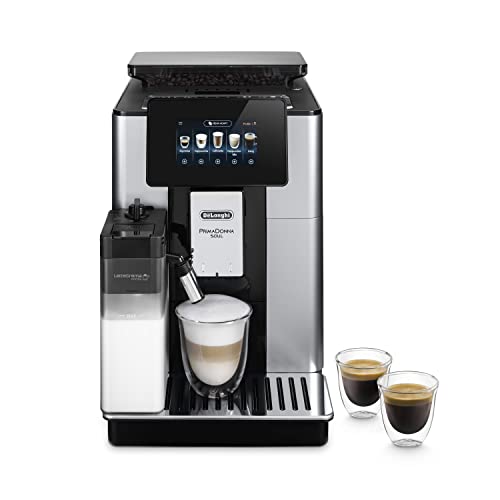
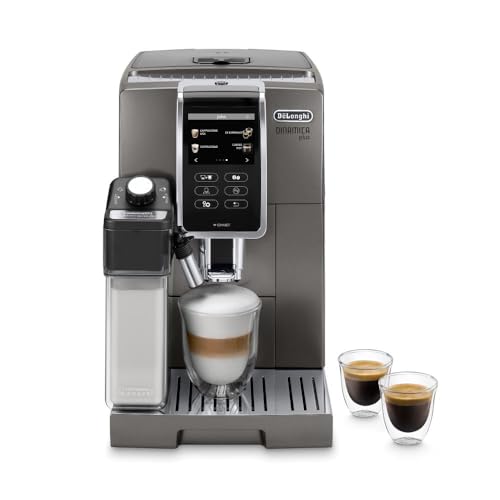
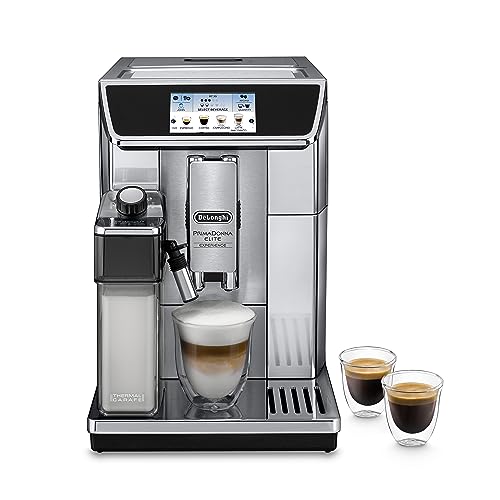
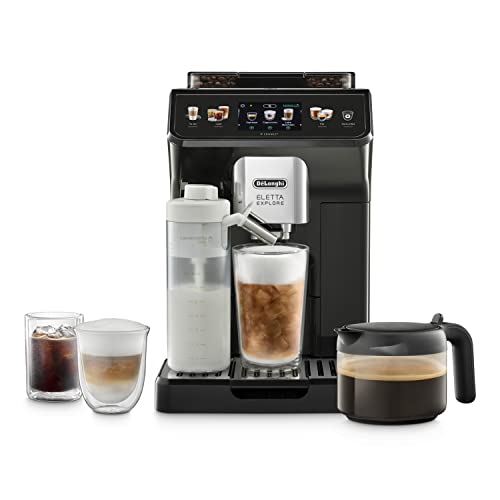
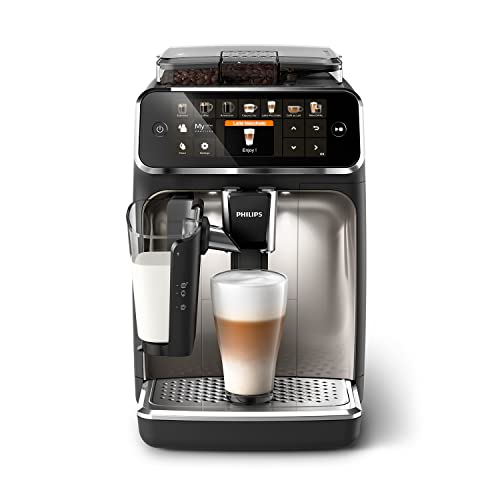
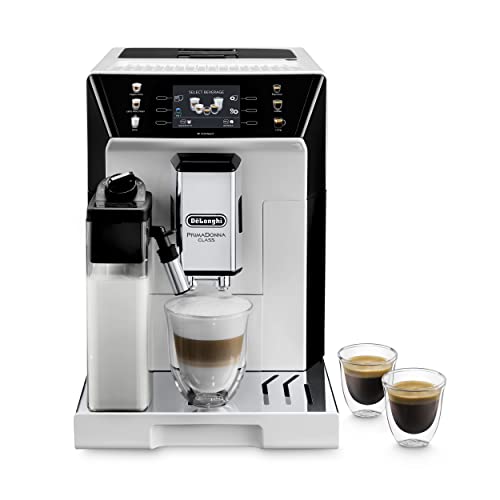
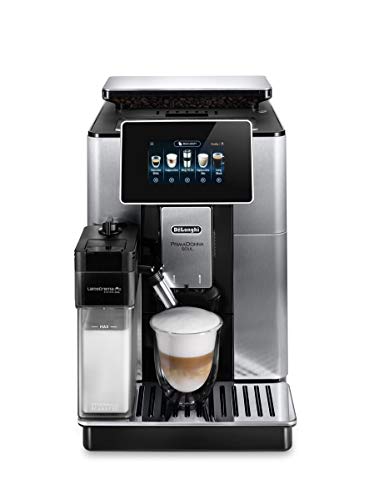
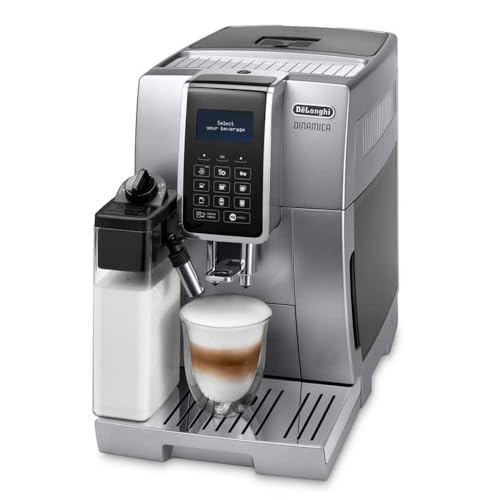
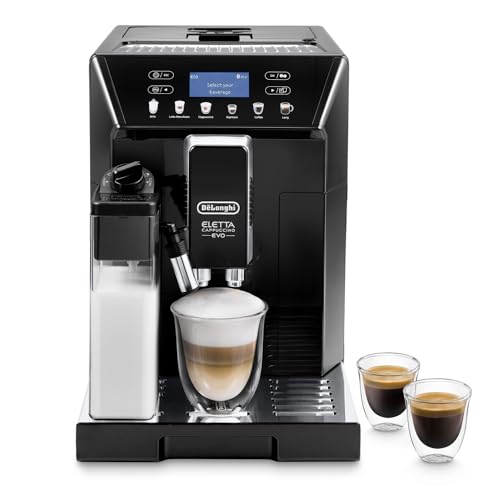
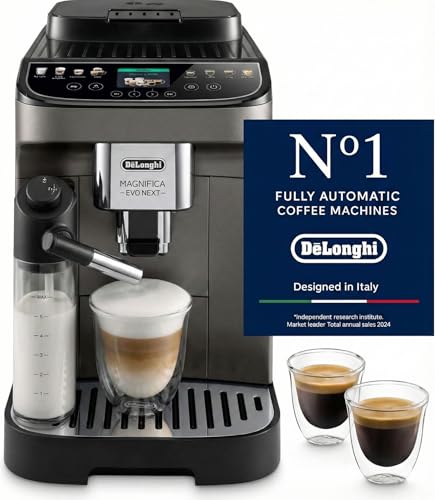
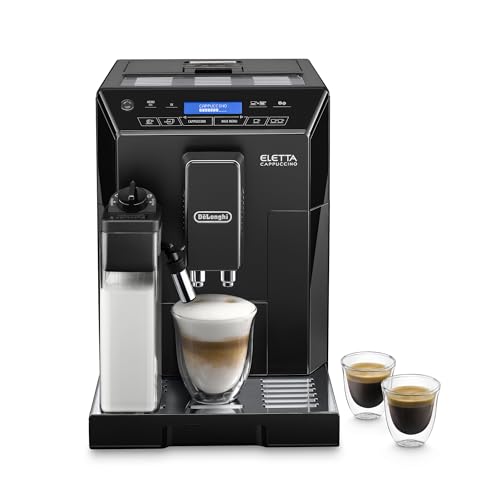
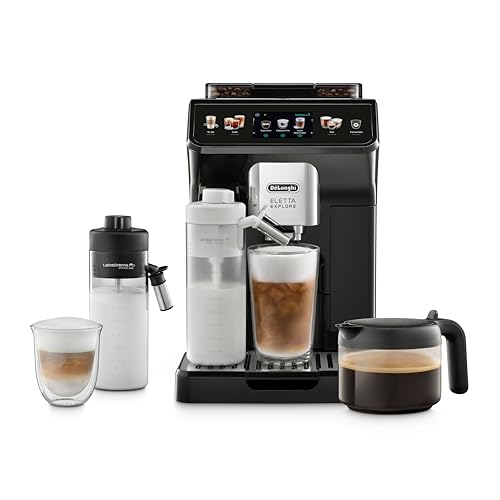
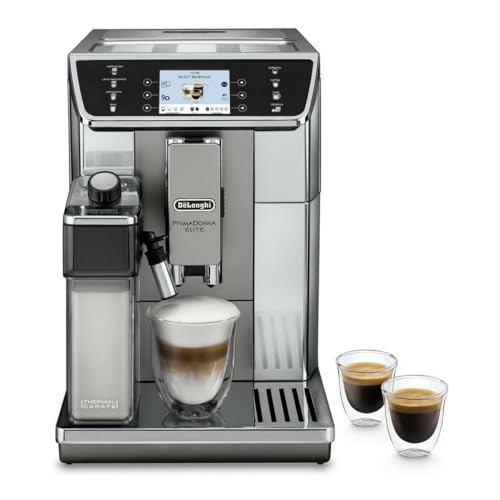
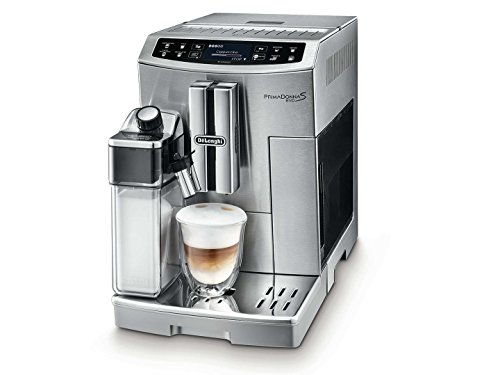
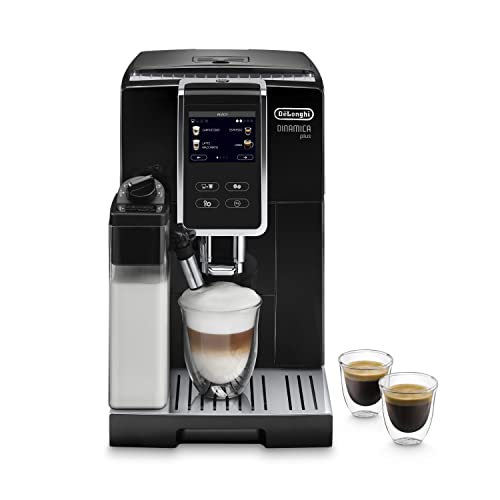
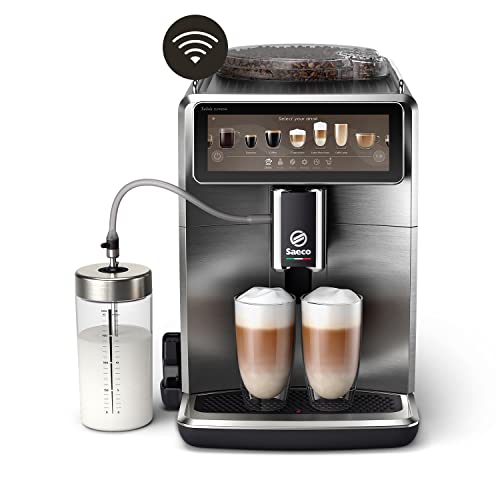
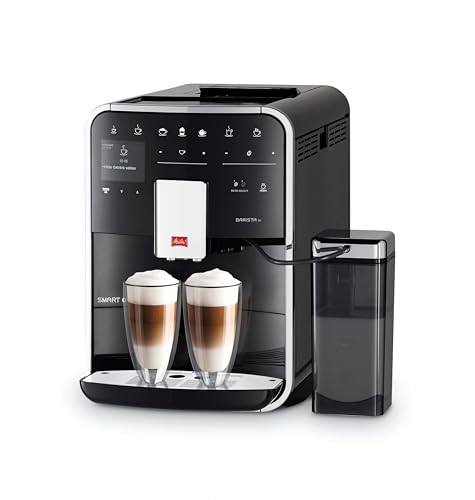
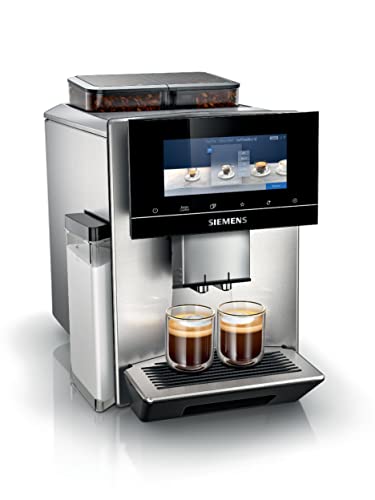
An automatic milk system is better for speed and consistency, while a steam wand is better for foam quality and control. The automatic system makes the same foam every time in about a minute, with no skill needed. A steam wand produces finer, glossier microfoam that you pour into latte art. It takes practice, plus 30–60 seconds of steaming per jug.
The difference comes from how air enters the milk. Automatic frothers use the Venturi effect: steam pulls milk and air through a small chamber, so bubble size is set by the design. With a wand you control tip depth and angle yourself. That lets you stretch milk for a cappuccino or keep it thin for a flat white. Premium automatics offer several foam levels, yet none match a skilled hand on a wand.
Pick an automatic system if several people make milk drinks daily and nobody wants to learn steaming. A wand suits you if you enjoy the craft or drink mostly flat whites. It also has fewer parts: a wipe and a 2-second steam purge after each use is enough, while a carafe or pipe has more pieces to rinse.
How much cleaning does a built-in milk frother need?
A built-in milk frother needs a short rinse after every milk drink and a full clean every few days. Most machines run an automatic flush of steam or hot water through the milk line when you finish, which takes about 10–20 seconds. Skip it and milk proteins dry inside the spout within hours. Then the foam turns thin or the outlet blocks.
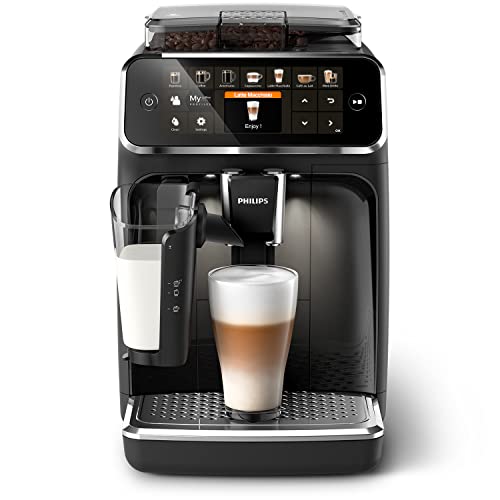
Every few days, you take the carafe or spout apart and wash it by hand or in the dishwasher. Many carafe parts are dishwasher-safe, and the tube-free LatteGo jug of the Philips Series 5400 has nothing to scrub inside. Suction pipes are more work. They need a milk-cleaning programme with a special liquid every 1–2 weeks, and the thin tube wears out and gets swapped from time to time.