
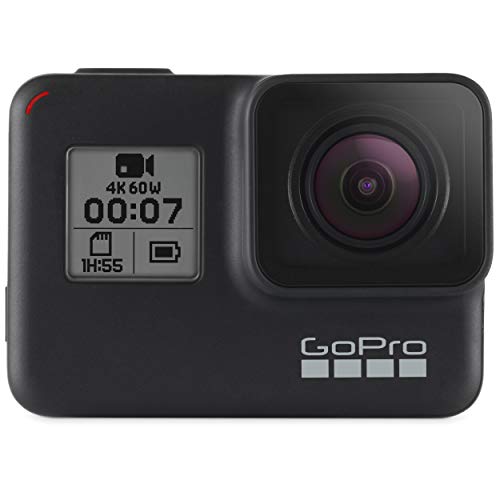
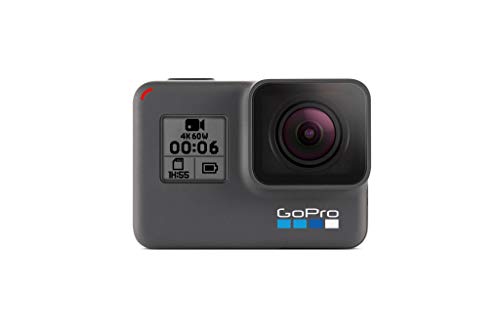
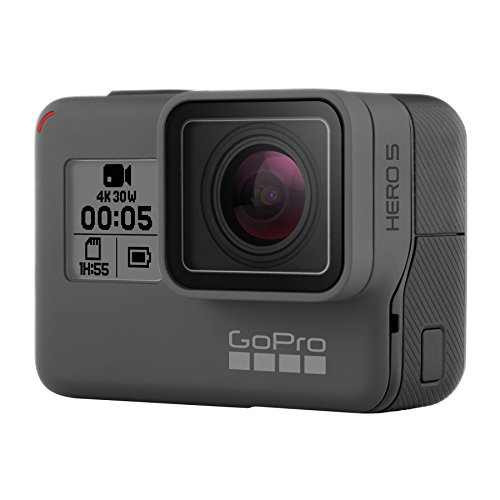
Are GoPro action cameras good?
GoPro action cameras are good overall, with an average overall score of 7.7, ranking #3 among action camera brands.
GoPro is particularly strong for sports, travel, vehicle mounts, water use, and creators who want dependable stabilization and a mature accessory ecosystem. The main caution is that compact HERO, HERO Black, and MAX cameras differ significantly in recording modes, battery replacement, waterproof depth, lens protection, and editing workflow, so the GoPro name alone does not guarantee the same capabilities.

Who should consider buying GoPro action cameras?
The types of users who should consider GoPro action cameras are as follows:
- Adventure-sports users: HERO Black models suit cycling, skiing, surfing, diving, and helmet-mounted filming because they are rugged, waterproof, and strongly stabilized.
- Travelers and families: GoPro cameras are practical for compact wide-angle footage when durability and simple mounting matter more than optical zoom.
- Vloggers and solo creators: Front screens, voice control, wireless audio options, and vertical-friendly capture make supported HERO models useful for self-recording.
- Motorcycle and automotive users: GoPro has a large choice of helmet, handlebar, suction, roll-bar, and adhesive mounts for vehicle footage.
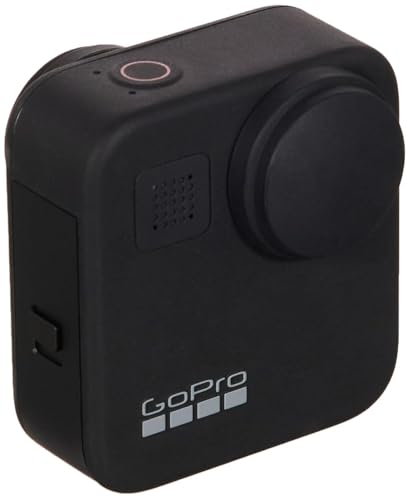
- 360-video creators: MAX models suit users who want to capture every direction and choose the final viewpoint during editing.
- Existing GoPro owners: Users with compatible mounts, batteries, media accessories, or subscription workflows may find it easier to stay within the GoPro system.
How do GoPro action cameras differ from other action cameras?
GoPro action cameras differ from many competitors through HyperSmooth stabilization, tall sensor formats, extensive mounting support, and a product ecosystem built around rugged outdoor recording.
HERO Black models emphasize high-resolution and high-frame-rate combinations such as 5.3K recording and 4K slow motion. Their tall capture modes allow one clip to be cropped into horizontal, vertical, or nearly square outputs, which is useful when the same footage must serve several platforms.
GoPro also offers a particularly mature range of mounts, protective housings, lens accessories, media adapters, remotes, and replacement batteries. This makes complex helmet, vehicle, water, and audio setups easier to assemble, although compatibility can change between camera generations.
Compact HERO models reduce size and complexity but omit some flagship controls, while MAX cameras record 360-degree footage for later reframing. GoPro therefore covers more than one filming style, but buyers must choose the family carefully rather than assuming every model behaves like a HERO Black.
What are the main series of GoPro action cameras?
The main series of GoPro action cameras are as follows:
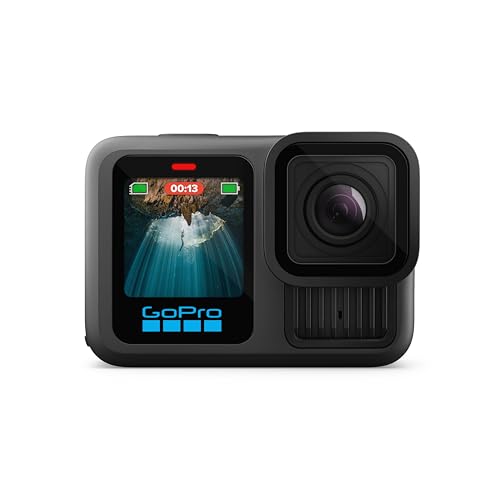
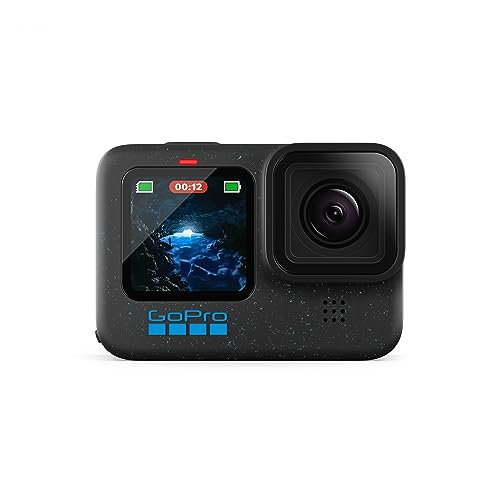
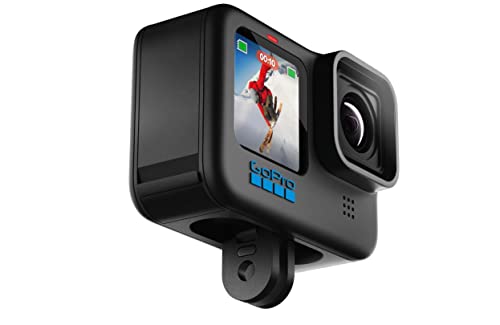
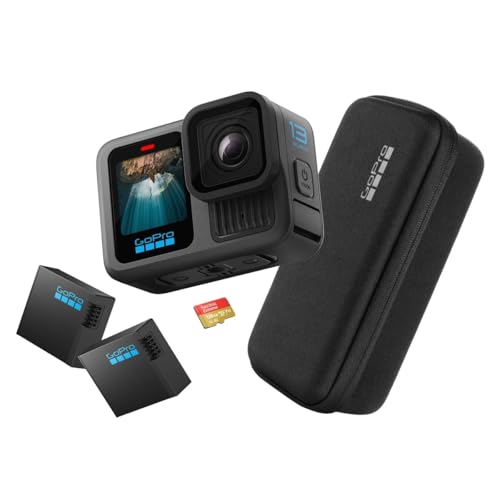
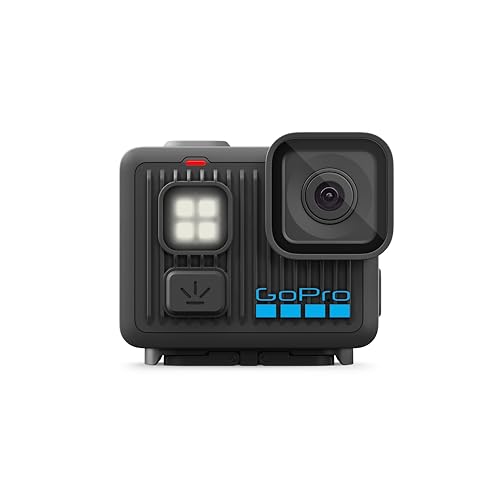
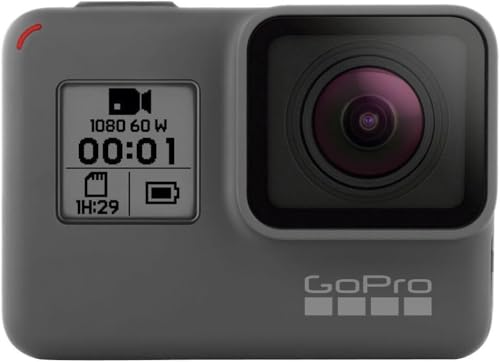
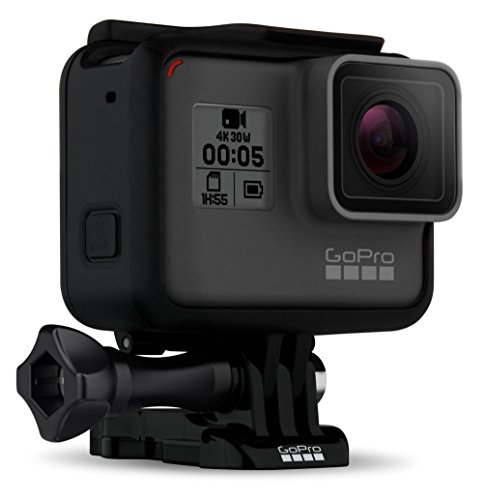
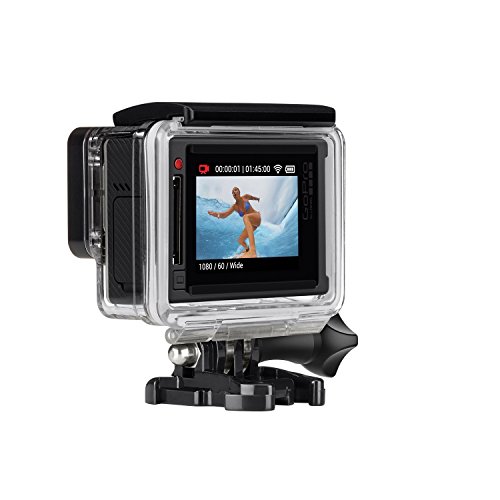
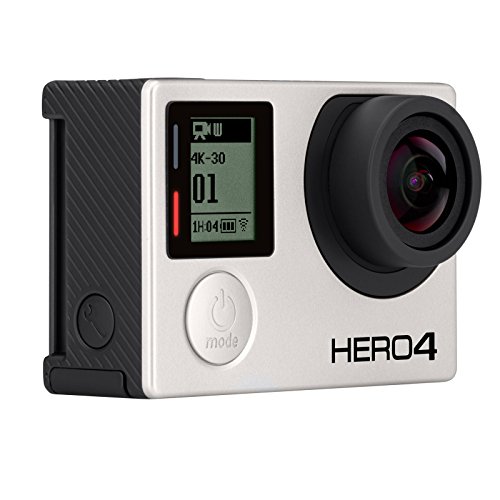
- HERO Black: HERO Black is the flagship series, represented by models such as HERO11, HERO12, and HERO13 Black. These cameras provide GoPro's broadest recording modes, including high-resolution 5.3K capture, 4K slow motion, tall sensor formats for horizontal or vertical reframing, advanced HyperSmooth stabilization, horizon control, removable batteries, and the widest accessory compatibility. They suit demanding sports and content production, but are larger, more expensive, and more thermally demanding than the compact HERO models.
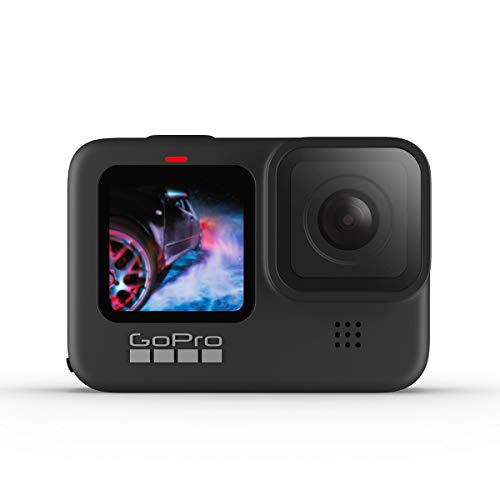
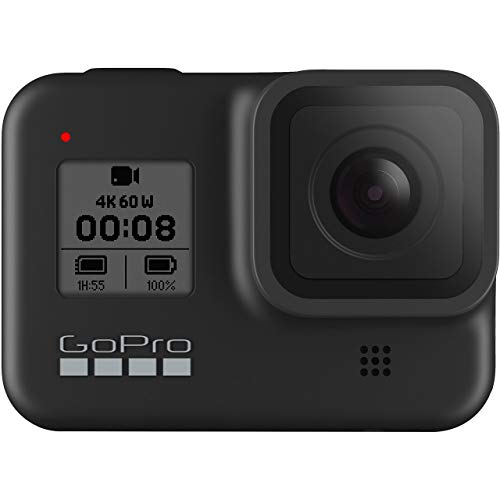
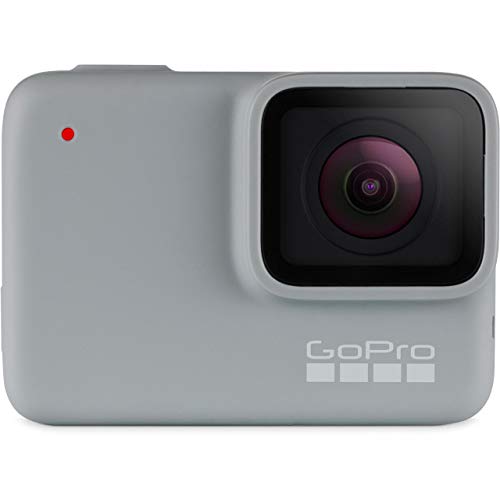
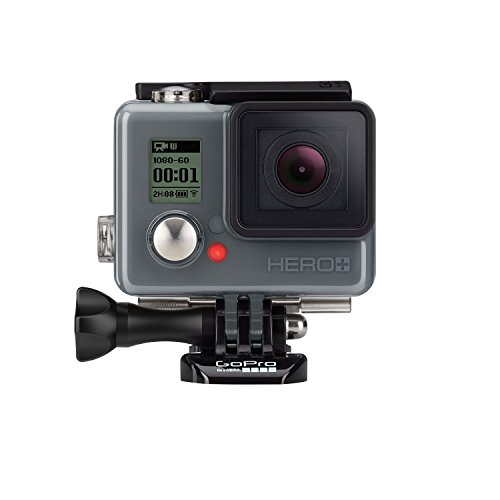
- HERO: The compact HERO series prioritizes low weight, small size, and simple operation rather than maximum control. Models such as HERO 4K cover straightforward 4K recording and casual travel or family footage, but use fewer recording modes, simpler stabilization workflows, and less flexible battery or audio systems than HERO Black. This is the better line for occasional users who want a genuine GoPro without paying for professional-level modes they will not use.
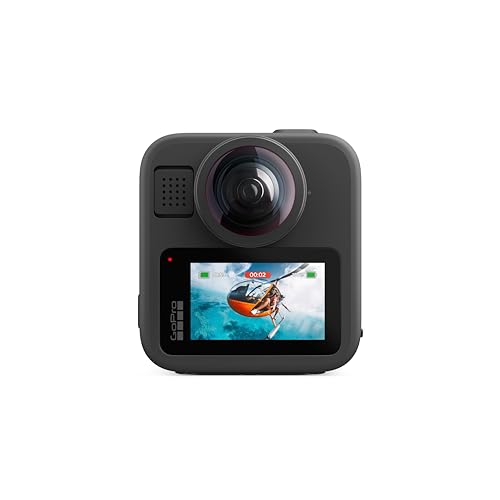
- MAX: The MAX series includes GoPro's 360-degree cameras, such as MAX and MAX2, which capture every direction and allow the final viewpoint to be reframed during editing. They can produce invisible-selfie-stick footage, stabilized horizon-level shots, and several conventional clips from one recording, while also offering single-lens modes. MAX cameras are best for immersive travel, skiing, motorcycles, and creative solo filming, but their exposed lenses, larger files, stitching, and editing workflow require more care than HERO footage.
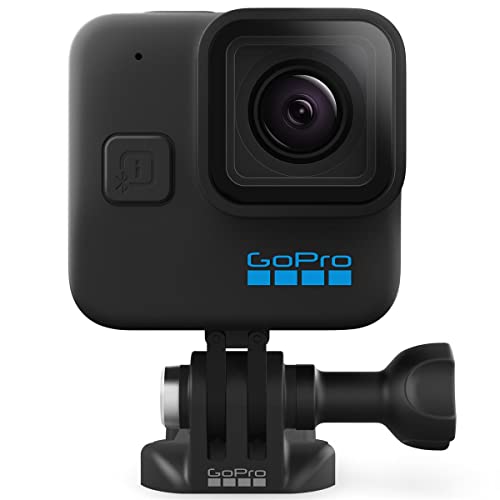
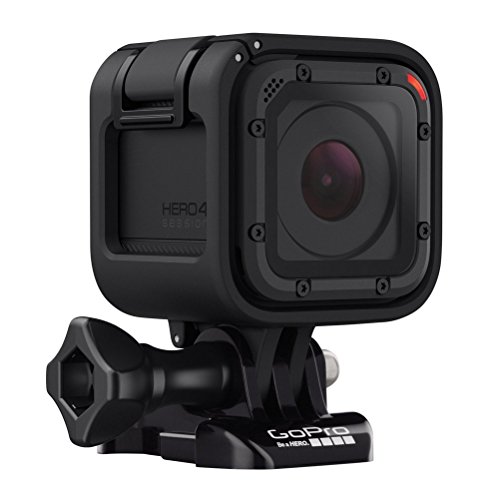
- Mini and Session models: Mini and Session cameras are smaller screenless or reduced-control designs intended for discreet mounting. HERO11 Black Mini retained much of the flagship recording performance in a compact body, while older Session models emphasized cube-shaped simplicity and easy helmet or vehicle placement. They work well where size and mounting flexibility matter most, but framing, settings changes, battery replacement, and current accessory support can be more limited.
How much do GoPro action cameras cost?
GoPro action cameras generally cost about £200-£450, depending on whether you choose a compact HERO, a flagship HERO Black, or a 360-degree MAX model.
Around £200-£260, compact models and discounted older HERO cameras cover straightforward 4K recording, travel, and casual sports. Lower prices often mean fewer manual controls, lower frame rates, a built-in battery, or less capable stabilization.
The strongest HERO Black models commonly sit around £280-£390. This tier adds higher-resolution recording, 4K slow motion, advanced HyperSmooth modes, 10-bit color, removable batteries, improved displays, and broader accessory support.
360-degree models can reach roughly £340-£450. Budget another £40-£170 for a fast memory card, spare batteries, protective housing, mounts, audio accessories, or lens protection; the final setup cost depends heavily on the intended sport and whether existing accessories remain compatible.
What should you consider while choosing GoPro action cameras?
The main points to consider while choosing GoPro action cameras are as follows:
- Choose the correct GoPro family: Use HERO Black for maximum recording control and stabilization, compact HERO for simple lightweight capture, and MAX for 360-degree recording and later reframing. Their batteries, lenses, mounts, and editing needs are not identical.
- Check complete recording-mode combinations: Compare resolution, frame rate, aspect ratio, bitrate, 8-bit or 10-bit color, HDR, log profiles, and stabilization together. Confirm the exact mode you need instead of relying on the maximum resolution printed on the box.
- Evaluate stabilization and crop: Check HyperSmooth generation, AutoBoost, horizon leveling, horizon lock, and field-of-view loss. Stronger stabilization can crop heavily, and low-light motion blur may reduce its effectiveness.
- Plan battery and power use: Compare runtime in high-resolution modes, removable-battery support, Enduro compatibility, charging speed, external USB-C power, cold-weather behavior, and whether the camera can record safely while powered.
- Confirm waterproofing for the complete setup: Use the native depth rating as the baseline and verify seals, replacement lens covers, dive-housing limits, and operating temperature. Open doors, damaged gaskets, and attached audio or power accessories can reduce protection.
- Check lens and module compatibility: Confirm supported digital lenses, field-of-view modes, macro or ultra-wide modules, filters, protective covers, and minimum focus distance. Newer lens systems may work only with selected HERO generations.
- Match mounts to the activity: Choose mounts with sufficient strength, vibration control, tether points, and correct viewing angle for helmets, vehicles, boards, or chest use. Check door clearance and whether the mount allows battery or card access.
- Review audio options: Compare internal microphones, wind reduction, Bluetooth microphone support, media adapters, external microphone connections, channel handling, and whether audio accessories affect waterproofing or charging.
- Allow for storage and editing: Use a supported high-speed microSD card and estimate capacity from the intended bitrate and session length. High-resolution, high-frame-rate, and 360 footage increases transfer time, computer requirements, and backup space.
- Compare generation and total ownership cost: Check firmware support, included mounts, battery availability, subscription features, replacement lenses, warranty, and accessory compatibility. A discounted older camera can cost more overall if it needs a new set of batteries and adapters.