Which brands make the best waterproof action cameras?
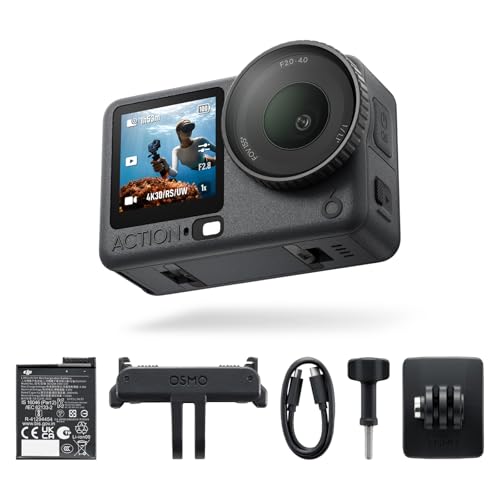
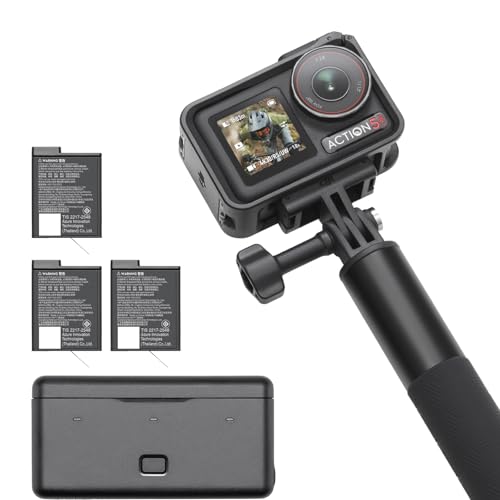
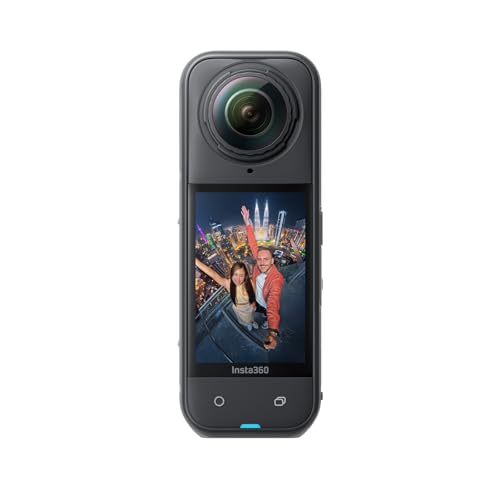
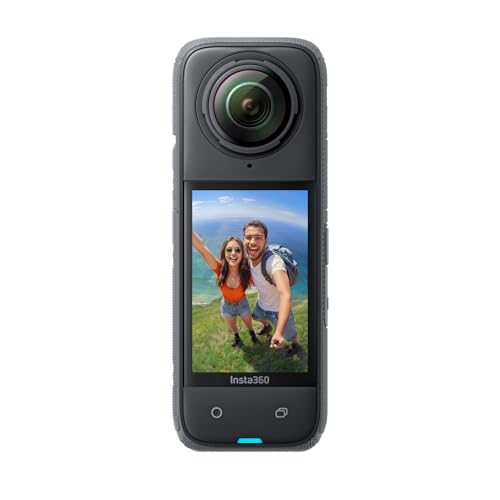
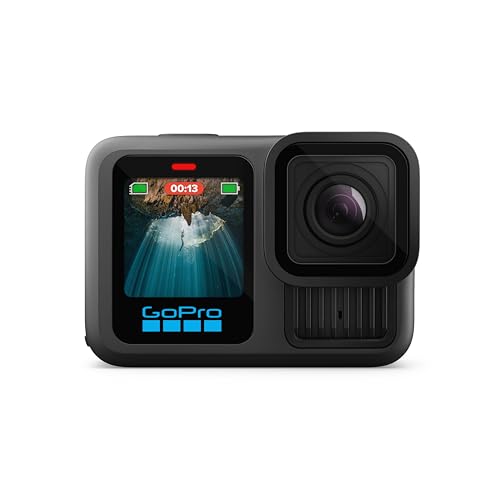
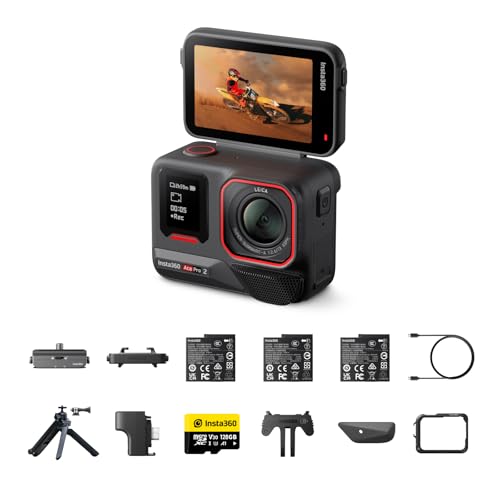
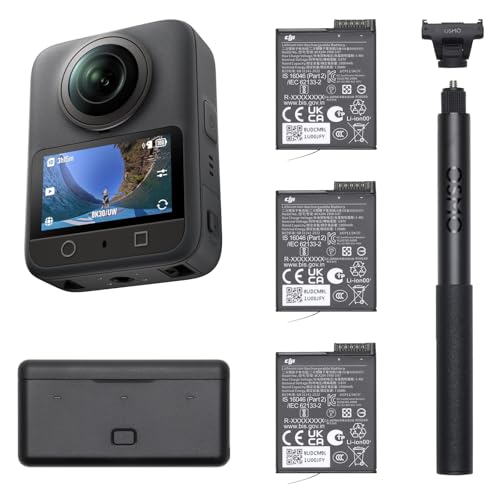
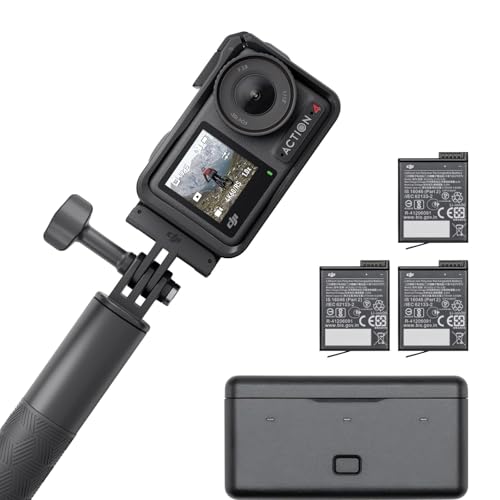
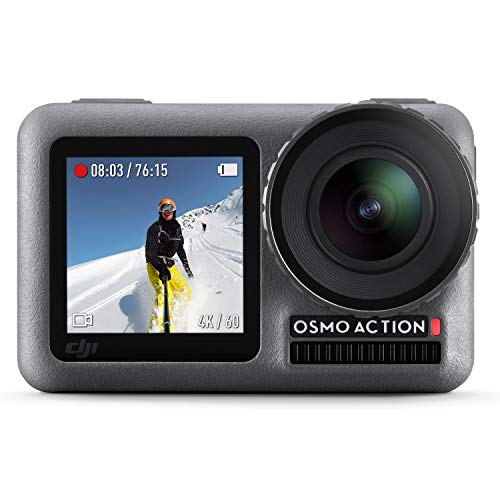
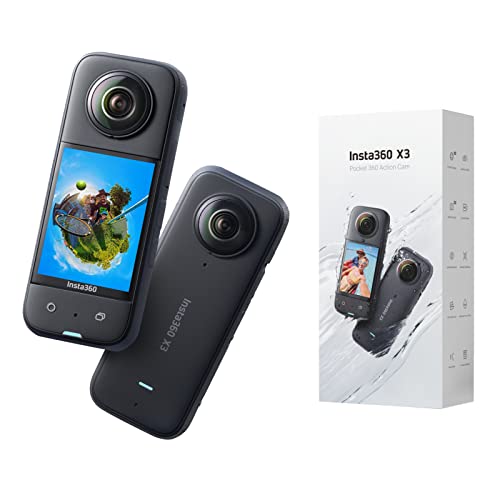
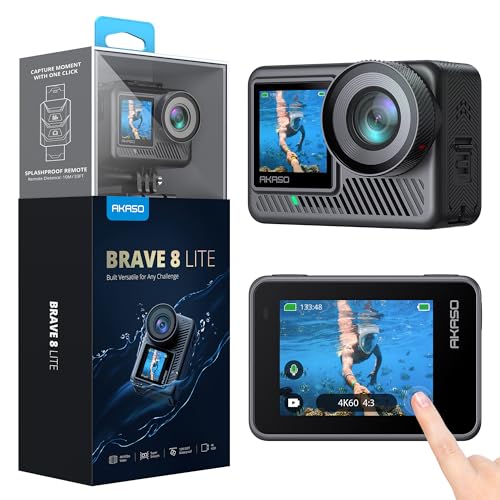
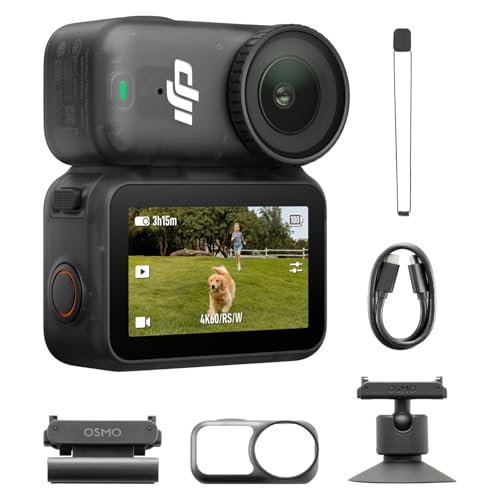
The best waterproof action camera brands are as follows:
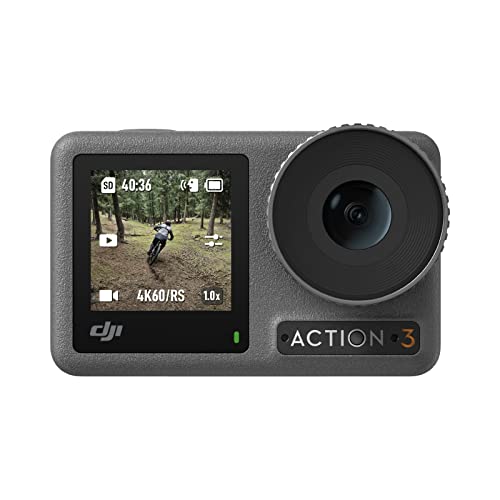
- DJI (Average overall score: 8.6)
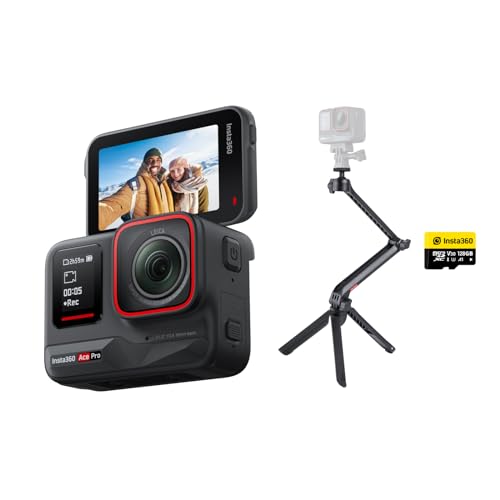
- Insta360 (Average overall score: 8.3)
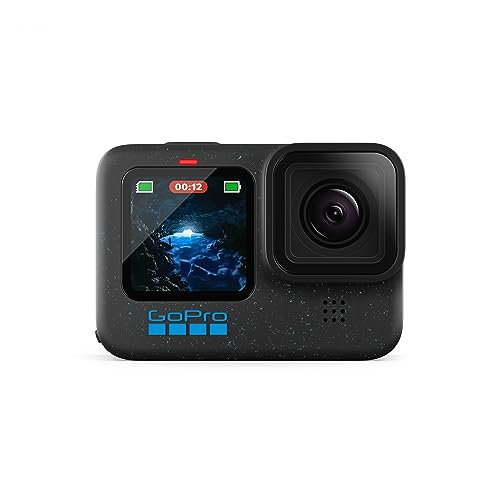
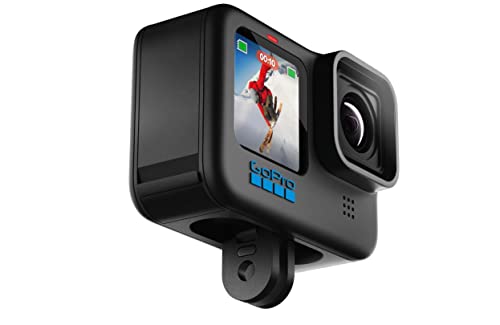
- GoPro (Average overall score: 7.7)
- AKASO (Average overall score: 7.4)
The chart below compares waterproof action camera brands by average overall score.
[horizontal-chart-05948215622634835525110962348256346640881512122683]
What makes an action camera waterproof?
A waterproof action camera is one whose body is sealed well enough to survive direct water exposure without needing an external housing for basic use.
That usually depends on body sealing, door construction, button design, microphone protection, and how much depth pressure the manufacturer is willing to rate officially.
In practice, a believable waterproof claim is not just about surviving splashes. It is about staying dependable in surf, rain, pool use, or snorkeling without turning into a fragile setup the moment it gets wet.
How do waterproof action cameras differ from water-resistant models?
A waterproof action camera is designed for direct immersion to a stated depth, while a water-resistant model is generally intended for splashes, rain, or limited shallow exposure.
That difference matters because casual marketing language can make both sound similar.
They are not equally safe for swimming, surf, or prolonged wet-weather shooting. If a camera has no explicit underwater depth rating, treat it as splash-resistant rather than suitable for immersion.
How deep can waterproof action cameras go underwater?
Waterproof action cameras commonly offer about 10 m of native depth protection, while some models are rated for 12, 15, or 20 m without a case.
That is suitable for swimming, snorkeling, cliff jumps, and many surface-water activities, but it is different from scuba or sustained deep-water use.
For greater depths or longer underwater sessions, use a dedicated housing and follow its seal-maintenance, pressure, and operating-depth limits rather than relying on the bare-camera rating.
How good is video quality on waterproof action cameras?
The best waterproof action cameras can deliver very strong video quality, but waterproofing alone does not guarantee better footage.
What matters more is how well the camera combines that sealing with strong stabilization, solid 4K or better capture, and enough dynamic-range control to handle bright water reflections, clouds, shade, and underwater color loss.
In practice, the strongest waterproof models are the ones that stay easy to trust once you add motion, spray, and changing light, not just the ones with the deepest number on paper.
How much do waterproof action cameras cost?
Good waterproof action cameras commonly cost about £200-£400, while capable budget models can sit around £100-£200 and premium options can exceed £430.
Lower-priced models may be adequate for holidays, pools, and occasional beach use, but they often compromise on stabilization, low-light quality, seal construction, microphone drainage, or housing support.
The £200-£400 range usually brings more dependable native waterproofing, stronger 4K stabilization, better controls, replaceable lens protection, and a broader selection of dive housings and mounts.
Premium models are easier to justify when water use is frequent or demanding. Their added cost typically buys stronger imaging, more reliable seals and accessories, better thermal control, and a more mature support ecosystem rather than depth alone.
What should you check before buying a waterproof action camera?
When comparing waterproof action cameras, check the following technical points.
- Native depth rating: Verify the official depth and maximum immersion time for the bare camera, not only an IP label. A 10 m rating is suitable for surface activities and snorkeling, while deeper or prolonged use may require a housing.
- IP rating versus immersion rating: IPX7 or IPX8 describes controlled water testing but does not automatically state a practical diving depth. Check the manufacturer conditions, water type, duration, temperature, and whether moving water or impact is excluded.
- Housing depth and controls: Confirm the pressure rating of the dedicated dive housing and whether every required control remains accessible. Check button force, touchscreen limitations, filter compatibility, condensation management, and whether the housing supports external lighting.
- Port doors, seals, and maintenance: Inspect battery-door and USB-door latches, gasket design, debris traps, and replacement-seal availability. Sand, hair, salt crystals, or a twisted gasket can defeat an otherwise adequate depth rating.
- Lens protection and underwater optics: Check whether the lens cover is replaceable and whether the housing uses a flat optical port. Dome shape, refraction, scratches, and water droplets affect field of view, corner sharpness, split-level shots, and stitching on 360 models.
- Underwater controls and visibility: Physical buttons should be usable with wet hands or gloves because touchscreens often become unreliable underwater. Verify display brightness, status lights, haptic feedback, preset switching, and one-button recording.
- Stabilization, color, and recording modes: Confirm that stabilization works in the intended 4K frame-rate mode and that underwater white-balance, flat, log, or 10-bit options remain available. Water absorbs red light quickly, so color correction and external filters or lights become increasingly important with depth.
- Battery, heat, and condensation: Check runtime in cold water and high-resolution modes, plus whether the camera can dissipate heat inside a sealed housing. Temperature changes can cause internal fogging, so review anti-fog insert support and housing preparation procedures.
- Audio and wireless limitations: Internal microphones often sound muffled underwater and may need time to drain after surfacing. Wi-Fi, Bluetooth, GPS, and remote controls can have limited or no underwater range, so verify how recording is started and stopped before immersion.
- Mount security and post-water care: Use corrosion-resistant hardware, a locking mount, and a tether or buoyant grip appropriate to the activity. After saltwater use, rinse the closed camera or housing with fresh water, operate the buttons to clear salt, dry it fully, and inspect seals before opening.