
Are Sony action cameras good?
Sony action cameras are good for stabilized travel, motorsport, documentary-style footage, and buyers who prefer a less distorted image, with an average overall score of 6.1, ranking #8 among action camera brands.
Their strongest models offer distinctive advantages such as Balanced Optical SteadyShot or a 1-inch sensor, but the range is now primarily a legacy-market choice. Buyers should accept older 4K/30 limits, less convenient controls, aging batteries, and a smaller replacement-accessory ecosystem than current GoPro or DJI systems.

Who should consider buying Sony action cameras?
The types of users who should consider Sony action cameras are as follows:
- Travel and road-video users: FDR models suit buyers who want smooth footage and a narrower, more natural-looking perspective than many ultra-wide action cameras.
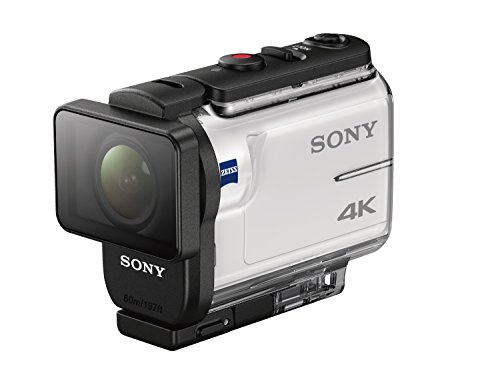
- Motorsport and vibration-heavy users: The FDR-X3000 is still attractive where its Balanced Optical SteadyShot system can reduce fine vibration.
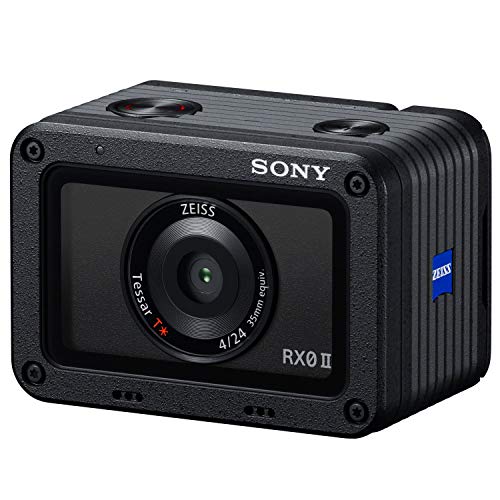
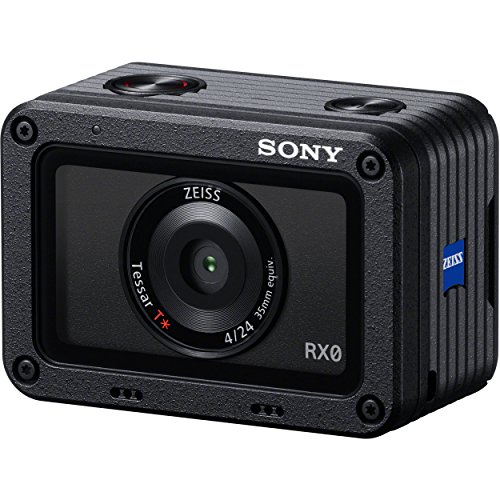
- Image-quality-focused creators: RX0 models suit users who value a 1-inch sensor and rugged compact body more than extreme field of view or high frame rates.
- External-audio users: Selected Sony models provide microphone connectivity that can be useful for vehicle, interview, or documentary setups.
- Value-focused buyers: Discounted Sony models can provide distinctive stabilization or image quality when their recording limits and accessory requirements match the intended use.
How do Sony action cameras differ from other action cameras?
Sony action cameras differ from most current rivals through their emphasis on optical stabilization, conventional camera image quality, and narrow bullet-shaped bodies rather than touchscreen-led operation.
The FDR-X3000 uses Balanced Optical SteadyShot, which moves the lens and sensor assembly to control vibration. This can look smoother and more natural than heavy electronic cropping, especially on vehicles, although the camera is limited to 4K/30 and relies on a separate housing for serious water use.
RX0 models take another route: a 1-inch sensor, fixed moderate-wide lens, rugged body, and compact professional-camera controls. They are better suited to controlled wide shots and multi-camera work than to the ultra-wide, heavily stabilized look associated with modern action cameras.
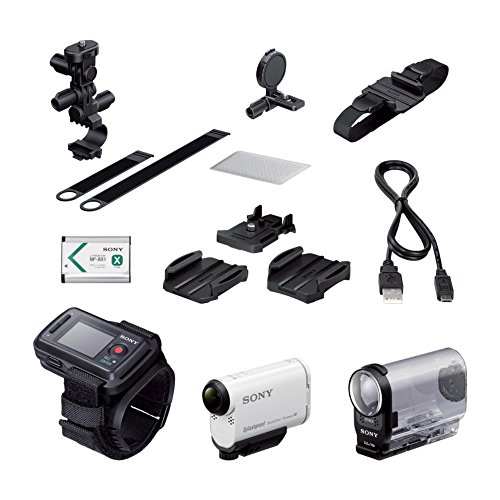
Many Sony models also separate the camera from the viewing controls through an optional Live-View Remote or phone connection. This helps when the camera is helmet- or vehicle-mounted, but it is less convenient than a modern front-and-rear touchscreen design and depends on older software and accessories.
What are the main series of Sony action cameras?
The main series of Sony action cameras are as follows:
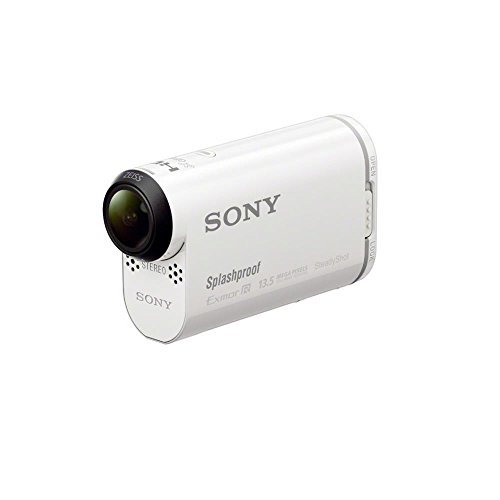
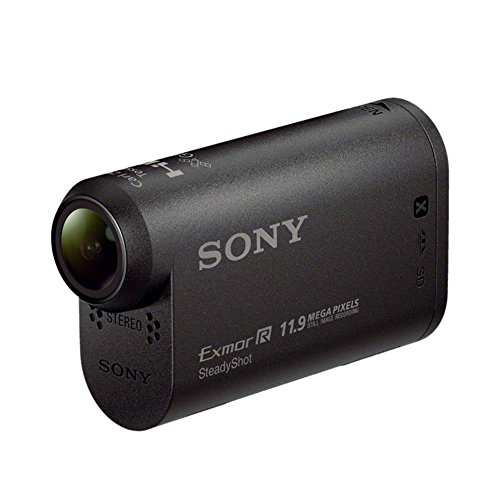
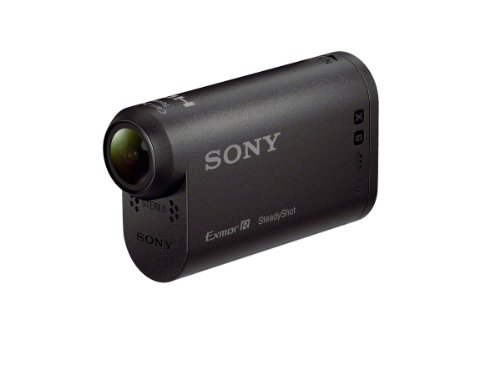
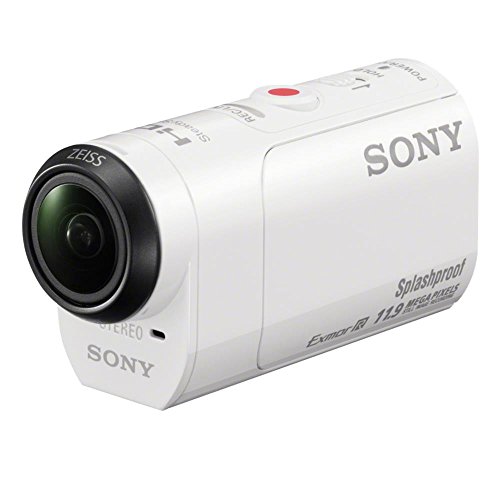
- HDR Action Cam: The HDR Action Cam family includes models such as the HDR-AS15, AS20, AS100V, and AS200V. These compact bullet-shaped cameras focus on wide-angle 1080p recording, electronic SteadyShot, removable batteries, and remote or phone control; selected V models also add functions such as GPS. They suit basic travel, cycling, and vehicle footage at the lower end of the Sony range, but they lack 4K recording, modern touchscreens, and current horizon-lock stabilization.
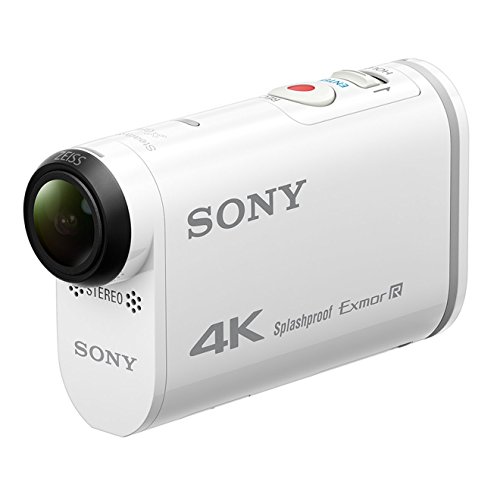
- FDR Action Cam: The FDR line contains Sony's 4K action cameras, particularly the FDR-X1000V and FDR-X3000. Both offer 4K/30 and high-bitrate XAVC S recording, while the X3000 is distinguished by Balanced Optical SteadyShot, which physically stabilizes the lens and sensor assembly and can produce smoother vehicle or handheld footage with less electronic crop. This series is the strongest traditional Sony choice for action video, although it needs a housing for serious water use and does not provide current 4K/60 or 4K/120 modes.
- RX0: The RX0 and RX0 II form a compact rugged-camera family rather than a conventional ultra-wide action-camera line. They use a 1-inch sensor and fixed moderate-wide lens for stronger image quality, lower distortion, and more controlled framing; the RX0 II also adds internal 4K/30 recording and a tilting screen. RX0 models suit multi-camera production, travel, interviews, and situations requiring a small waterproof body, but their narrower view and limited stabilization make them less suitable for heavily shaken helmet or chest footage.
How much do Sony action cameras cost?
New Sony action cameras generally cost about £130-£690, depending on whether you choose an HD Action Cam, a 4K FDR model, or a larger-sensor RX0 camera.
HD Action Cam models occupy the roughly £130-£280 range and cover basic 1080p travel, cycling, and vehicle footage. Their lower price reflects older recording modes, simpler controls, and greater dependence on separate waterproof housings.
FDR 4K models generally cost around £260-£570, with the FDR-X3000 positioned higher because of Balanced Optical SteadyShot. Buyers in this tier should compare its smoother optical stabilization with the faster 4K modes and easier interfaces available on current competitors.
RX0 and RX0 II models reach approximately £390-£690. Their price is based on the 1-inch sensor, rugged compact construction, and controlled wide-angle image rather than conventional action-camera features; batteries, cages, audio accessories, remotes, and housings can increase the complete new-system cost.
What should you consider while choosing Sony action cameras?
The main points to consider while choosing Sony action cameras are as follows:
- Identify the intended Sony family: Choose HDR or FDR Action Cam models for wide activity footage and RX0 models for a larger sensor and more controlled framing. Their lenses, stabilization, controls, and accessories serve different purposes.
- Check model generation and support: Confirm the exact model, warranty coverage, firmware availability, phone-app compatibility, replacement-battery supply, and supported remotes. Older designs may have limited current software support even when sold new.
- Verify stabilization at the required mode: Confirm whether SteadyShot or Balanced Optical SteadyShot works at the chosen resolution and frame rate. Some high-resolution or high-speed modes may reduce stabilization or change the field of view.
- Compare realistic recording limits: Check maximum 4K frame rate, 1080p slow motion, bitrate, codec, color depth, and clip duration. Most Sony action cameras do not match current 4K/60 or 4K/120 models.
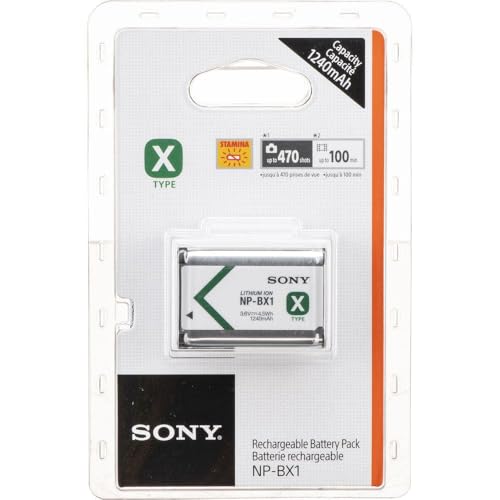
- Review battery and external power: Compare rated runtime, removable-battery type, genuine replacement availability, charging method, USB recording, and thermal behavior during long 4K clips.
- Confirm waterproofing and housing requirements: Separate native water resistance from housing-only depth ratings. Check the specified depth, included case, control access, audio limitations, and whether external power can be used with the housing.
- Review mounts and remote controls: Verify tripod-thread adapters, helmet or vehicle mounts, adhesive bases, Live-View Remote compatibility, and which accessories are included in the new package. Sony mounting parts are less common than GoPro-style accessories.
- Check audio requirements: Confirm microphone input, adapter needs, wind protection, recording levels, and whether the waterproof case blocks usable sound. External audio may be a major reason to choose one Sony model over another.
- Confirm storage and software compatibility: Check supported card formats and capacities, required speed class, XAVC S import support, Wi-Fi setup, and whether Sony mobile or desktop software works on the intended devices.
- Compare total new-system value: Add the price of batteries, housing, remote, mounts, cards, and audio equipment. Compare the complete package with a current camera offering the required stabilization and frame rates.