
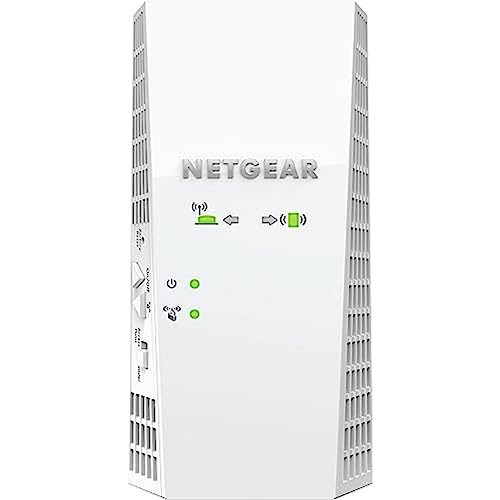
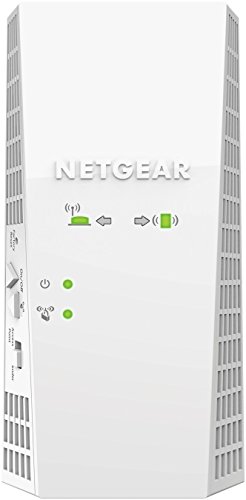
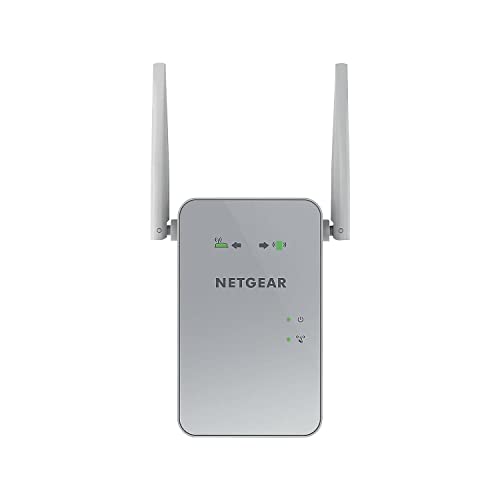
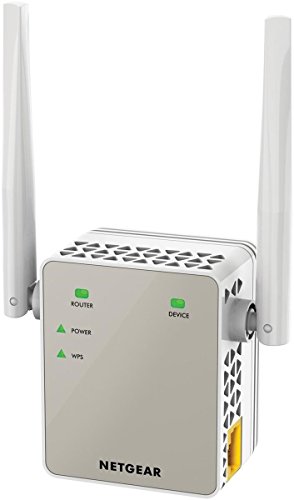
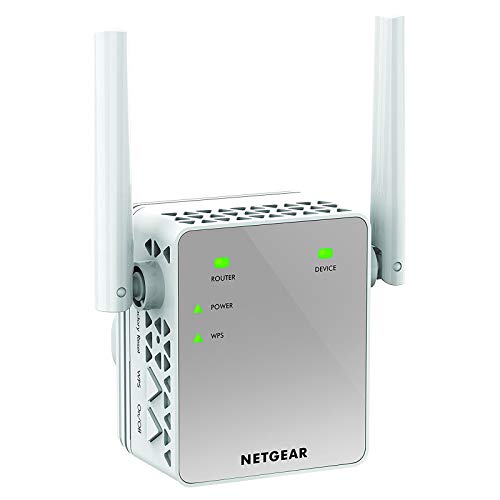
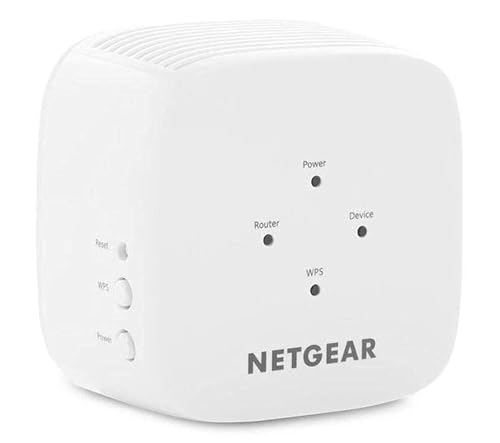
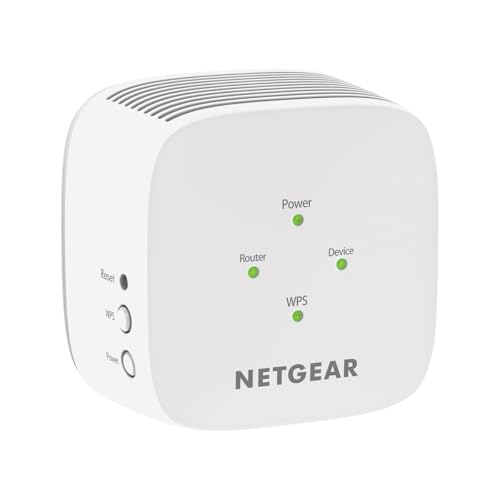
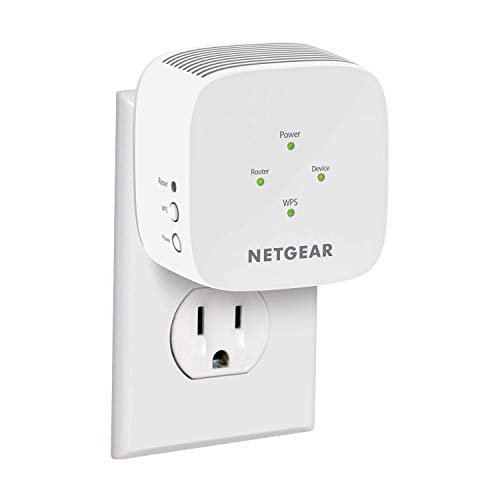
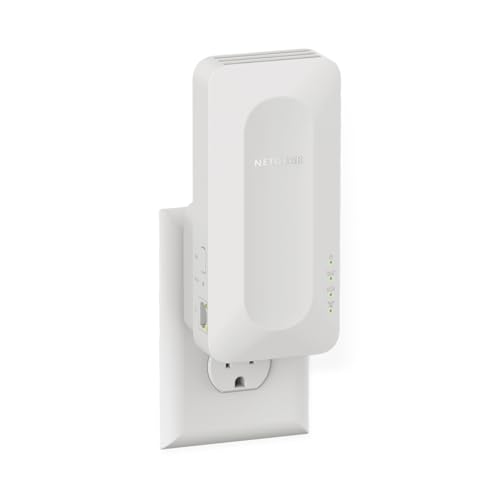
Are Netgear Wi-Fi extenders good?
Netgear Wi-Fi extenders have an average overall score of 7.3, ranking #5 among all Wi-Fi extender brands, and a user rating of 8.5, placing them at #3 based on user reviews.
Netgear Wi-Fi extenders are a good choice if you want stronger upper-tier performance, better support for heavier home traffic, and a clearer upgrade path into faster Wi-Fi 6 models. The brand is especially convincing when the network has to handle several active users, 4K streaming, gaming, or a larger gap between the router and the weak room.
The lineup is less price-aggressive than TP-Link and other value-led rivals, but the better Netgear models often make up for that with stronger hardware and a more premium performance ceiling. That makes the brand easier to justify when preserving throughput matters more than getting the absolute cheapest fix.
The downside is that Netgear is not always the smartest buy at the low end. If the job is only to fix a simple dead spot on modest broadband, a cheaper brand can often deliver enough practical coverage for less money.
(Note: A total of 9 brands were evaluated in the comparison in the first paragraph. Only those with at least 4 Wi-Fi extenders in our database were included.)
The best Netgear Wi-Fi extenders are as follows:
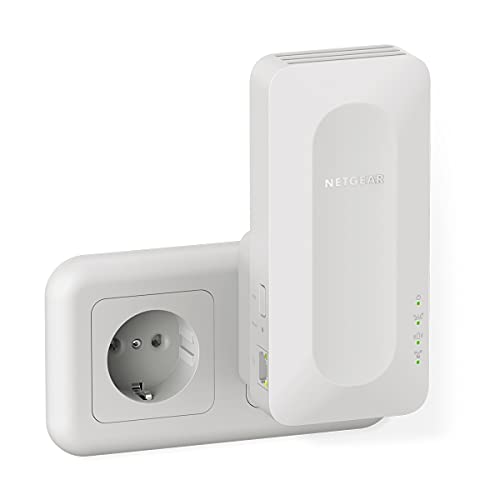
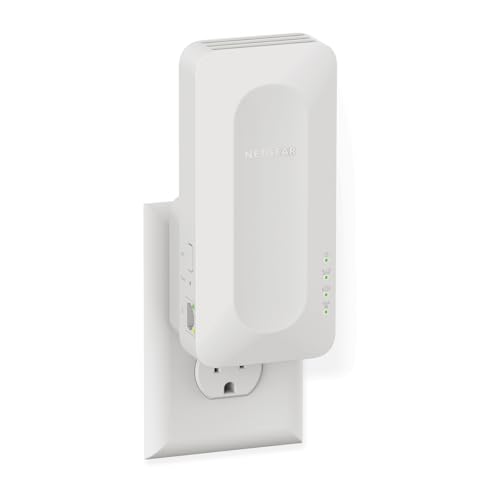
- Netgear EAX12 (Overall score: 8.1)
- Netgear EAX17 (Overall score: 7.82)
- Netgear EAX15 (Overall score: 7.8)
The chart below ranks Wi-Fi extender brands based on their overall scores.
[horizontal-chart-10142674921665018098172531868163716079840930872242]
What are the main advantages of Netgear Wi-Fi extenders?
The main advantages of Netgear Wi-Fi extenders are as follows:
- Strong upper-tier performance: Netgear is often at its best in the faster end of the extender market, where stronger AC and Wi-Fi 6 models are built for heavier traffic.
- Better fit for demanding homes: Netgear usually makes more sense than bargain brands when the network has to handle 4K streaming, gaming, work devices, and several active users at the same time.
- Useful Ethernet support: Many Netgear extenders can also feed a TV, console, desktop, or media box through Ethernet, which makes them more practical than simple Wi-Fi-only repeaters.
- Cleaner case for premium hardware: At the stronger end of the category, Netgear often gives buyers a more convincing upgrade path than lower-cost brands do if the goal is to preserve more of the router's speed.
- Good roaming-oriented options: Some Netgear models are better aligned with smoother whole-home roaming rather than only single-room coverage boosts.
- Strong networking reputation: Netgear benefits from being seen as a dedicated networking brand, which gives many buyers more confidence when spending more on a faster extender.
What are the main disadvantages of Netgear Wi-Fi extenders?
The main disadvantages of Netgear Wi-Fi extenders are as follows:
- Higher prices: Netgear often costs more than TP-Link and other value-led brands at similar speed classes.
- Weaker value at the low end: The brand's stronger reputation does not always mean its cheapest models are the smartest buys for light-use networks.
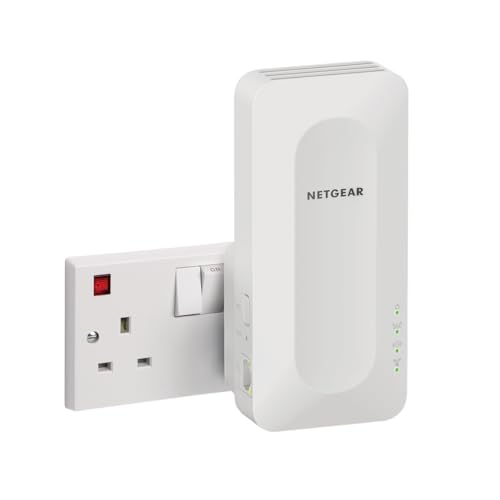
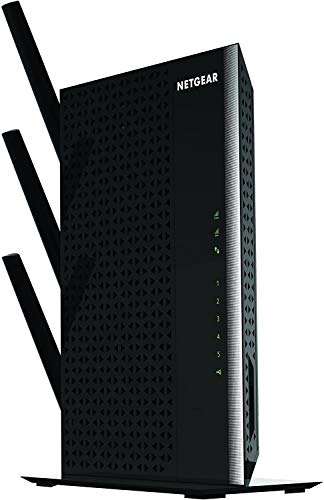
- Bigger models can be harder to place: Some of the more capable Netgear extenders are physically larger than simple plug-in units, which can make outlet placement less tidy or flexible.
- Performance still depends heavily on the router link: Even a powerful Netgear extender cannot compensate for very poor placement or a weak upstream signal.
- Software is not always the main selling point: Netgear can deliver strong hardware, but the management side is not always as smooth-feeling as buyers expect from the price.
- Not every home needs the premium approach: In smaller flats, slower broadband setups, or one-room dead zones, the advantages of the stronger Netgear range may simply be more than the network needs.
Who makes Netgear Wi-Fi extenders?
Netgear Wi-Fi extenders are made by Netgear, a networking hardware brand best known for home routers, mesh systems, switches, and Wi-Fi extenders.
That matters because Netgear approaches extenders as part of a broader home-networking lineup rather than as a side category. The brand is usually strongest when buyers want faster hardware, heavier-traffic support, and a clearer premium upgrade path.
In simple terms, Netgear is best known for pushing farther up the performance ladder than many value-led rivals, which is why the brand often makes the most sense in mid-range and upper-tier extender shopping.
What are the main Netgear Wi-Fi extender series?
The main Netgear Wi-Fi extender series are as follows:
- EX series: This is the older mainstream Netgear extender family and the place where many AC-class and simpler dual-band models sit.
- EAX series: This is the stronger Wi-Fi 6 side of the range and the part of the lineup that makes the most sense for faster broadband and busier homes.
- Nighthawk-branded upper tier: Some of Netgear's faster extender models sit closer to the Nighthawk performance lane, where buyers care more about preserving speed and supporting heavier traffic.
- Older entry-level plug-in models: These are the lighter-duty options aimed at simpler browsing and one-room coverage fixes rather than premium whole-home performance.
How much do Netgear Wi-Fi extenders cost?
Netgear Wi-Fi extenders usually cost between £30 and £215, with many models sitting around £55 to £155.
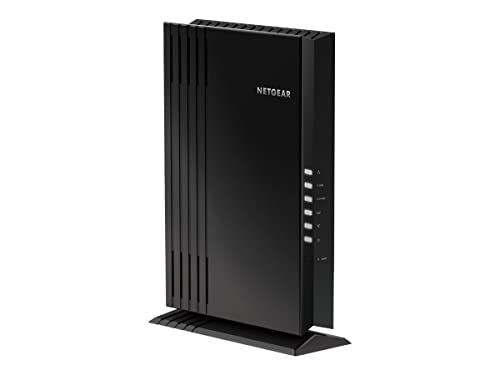
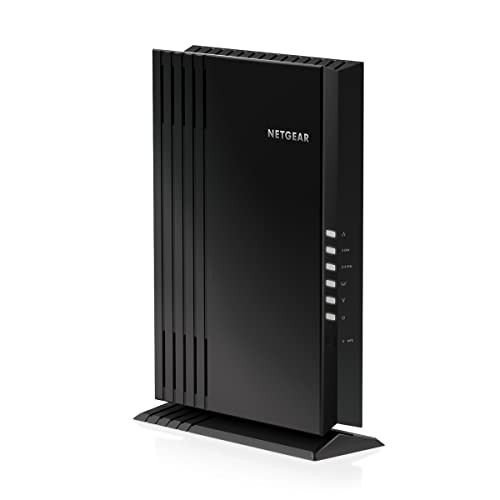
The cheaper models are mostly for simple coverage fixes and older AC-class use. In the middle of the range, you start getting the stronger everyday Netgear models, often with AC1200, AX1800, or AX2200-class hardware and a steadier fit for busier homes. At the top end, you are mainly paying for faster hardware, stronger radios, better multi-device behavior, and sometimes a larger desktop-style design rather than a basic wall-plug extender.
The following chart shows Netgear Wi-Fi extender prices.
[vertical-chart-15733734992907415109137661190150567137111563473114]
How do Netgear Wi-Fi extenders compare with TP-Link models?
Netgear Wi-Fi extenders usually beat TP-Link at the more premium end, while TP-Link usually wins on price and value.
Netgear is easier to justify when you want a stronger upper-tier performance ladder, faster Wi-Fi 6 options, and better headroom for heavier home traffic. TP-Link is usually easier to justify if you want more choices below roughly £55-£115, stronger feature-per-euro value, and a cheaper path into mesh-friendly mainstream networking.
In simple terms, Netgear tends to win when speed preservation and premium headroom matter more, while TP-Link tends to win when budget and mainstream value matter more.
What should you consider while choosing the best Netgear Wi-Fi extender?
The most important things to consider while choosing the best Netgear Wi-Fi extender are as follows:
- Model family: Netgear's older EX-series and newer EAX-class extenders do not target the same level of network load. If you have fast fibre, several active users, or multiple 4K streams, the Wi-Fi 6 EAX side is usually the more relevant part of the range.
- Wi-Fi standard and speed tier: A basic AC1200-class extender can still work on modest broadband, but AX1800 and stronger classes make more sense if you want better efficiency and steadier throughput under load.
- Router link quality: Extenders live or die by the quality of the link back to the main router. A higher-end Netgear model makes the most sense when it can hold a strong upstream connection instead of repeating an already weak signal.
- Ethernet and device mix: Some Netgear extenders are much more useful when they can also feed a TV, console, or desktop through Gigabit Ethernet.
- Roaming behavior: Netgear's mesh-style extenders make more sense if you want one network name and less manual switching between rooms.
- Setup and long-term control: Newer Netgear hardware is usually the safer path if you want easier firmware upkeep, clearer signal diagnostics, and fewer support headaches over time.