
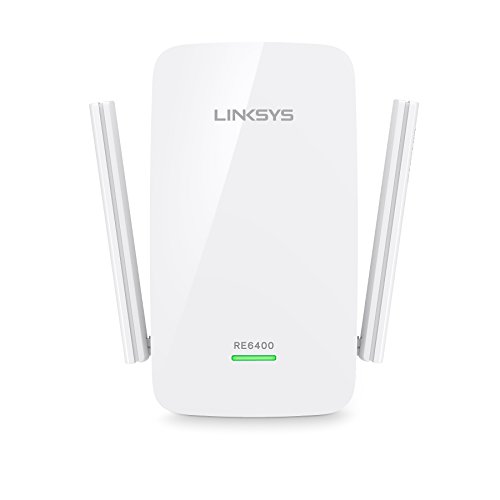
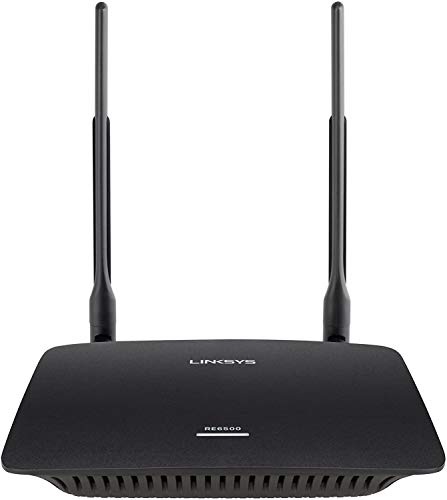


Are Linksys Wi-Fi extenders good?
Linksys Wi-Fi extenders have an average overall score of 5.6, ranking #9 among all Wi-Fi extender brands, and a user rating of 8, placing them at #4 based on user reviews.
Linksys usually sits in the mainstream middle of the Wi-Fi extender market. It is a sensible brand for buyers who want respectable speed, practical model choice, and broad router compatibility without paying for a more platform-heavy or premium setup.
The stronger Linksys models fit best in homes that need steady streaming, work calls, and everyday multi-device traffic rather than just a one-room browsing fix. The brand is generally about balanced coverage expansion, not about being the absolute cheapest option or the fastest high-end one.
The tradeoff is that Linksys has less value pressure than TP-Link and less upper-tier pull than Netgear. That makes it a reasonable middle-ground choice, but not always the clearest winner at either end of the market.
(Note: A total of 9 brands were evaluated in the comparison in the first paragraph. Only those with at least 4 Wi-Fi extenders in our database were included.)
The best Linksys Wi-Fi extenders are as follows:
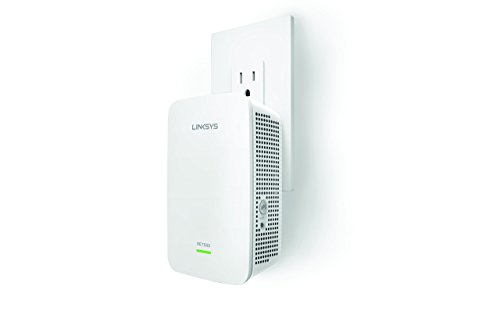
- Linksys RE7000 Overall score: 7.02
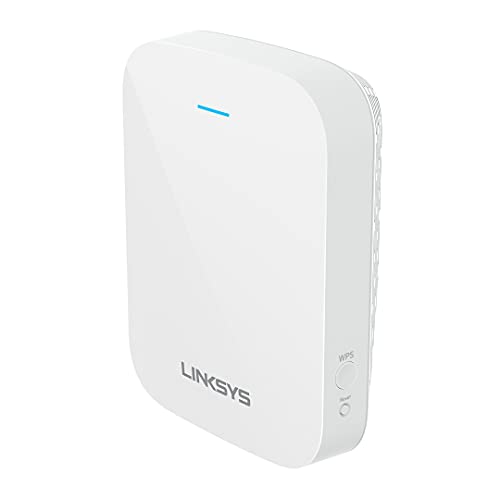
- Linksys RE7310 Overall score: 6.48
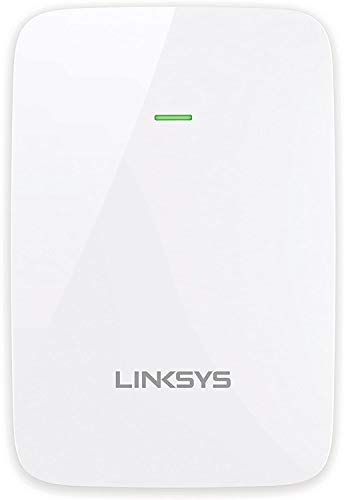
- Linksys RE6250 Overall score: 5.79
The chart below ranks Wi-Fi extender brands based on their overall scores.
[horizontal-chart-10142674921665018098172531868163716079840930872242]What are the main advantages of Linksys Wi-Fi extenders?
The main advantages of Linksys Wi-Fi extenders are as follows:
- Balanced mainstream positioning: Linksys is usually strongest in the middle of the extender market, where buyers want better everyday performance than the cheapest repeaters without stepping into premium-only pricing.
- Broad router compatibility: Linksys extenders are generally useful even when the main router is from another brand.
- Good spread of stronger models: The lineup includes faster AC and Wi-Fi 6 options that make more sense for quicker broadband and busier household traffic than basic entry-level hardware does.
- Useful Ethernet support: Many Linksys extenders can also feed a TV, console, desktop, or small wired corner through Ethernet.
- Straightforward mainstream setup: Linksys usually aims for practical home setup rather than enthusiast-grade complexity.
- Better fit for mixed-use homes: Linksys tends to work well in homes that need browsing, streaming, work calls, smart devices, and light gaming from the same network.
What are the main disadvantages of Linksys Wi-Fi extenders?
The main disadvantages of Linksys Wi-Fi extenders are as follows:
- Less standout identity: Linksys often lands in a middle ground where it is competent, but not always the clearest winner on either value or premium performance.
- Weaker value pressure than TP-Link: In some price bands, a cheaper TP-Link extender can look more compelling on practical speed-per-euro.
- Less premium pull than Netgear: Buyers who want the strongest upper-tier extender ladder may find Netgear easier to justify.
- Placement still matters a lot: Like other repeaters, Linksys extenders can lose a large amount of real throughput if they are placed too far into the weak-signal zone.
- Software is not the main reason to buy: Linksys is generally usable, but it is not usually chosen for a uniquely strong app or management layer.
- Not the strongest answer for very demanding homes: Large houses, very fast fiber, or heavily loaded networks can push buyers toward premium mesh systems, wired access points, or stronger upper-tier hardware.